Yucatán Peninsula · Mexico
Cenotes with Halocline
2010
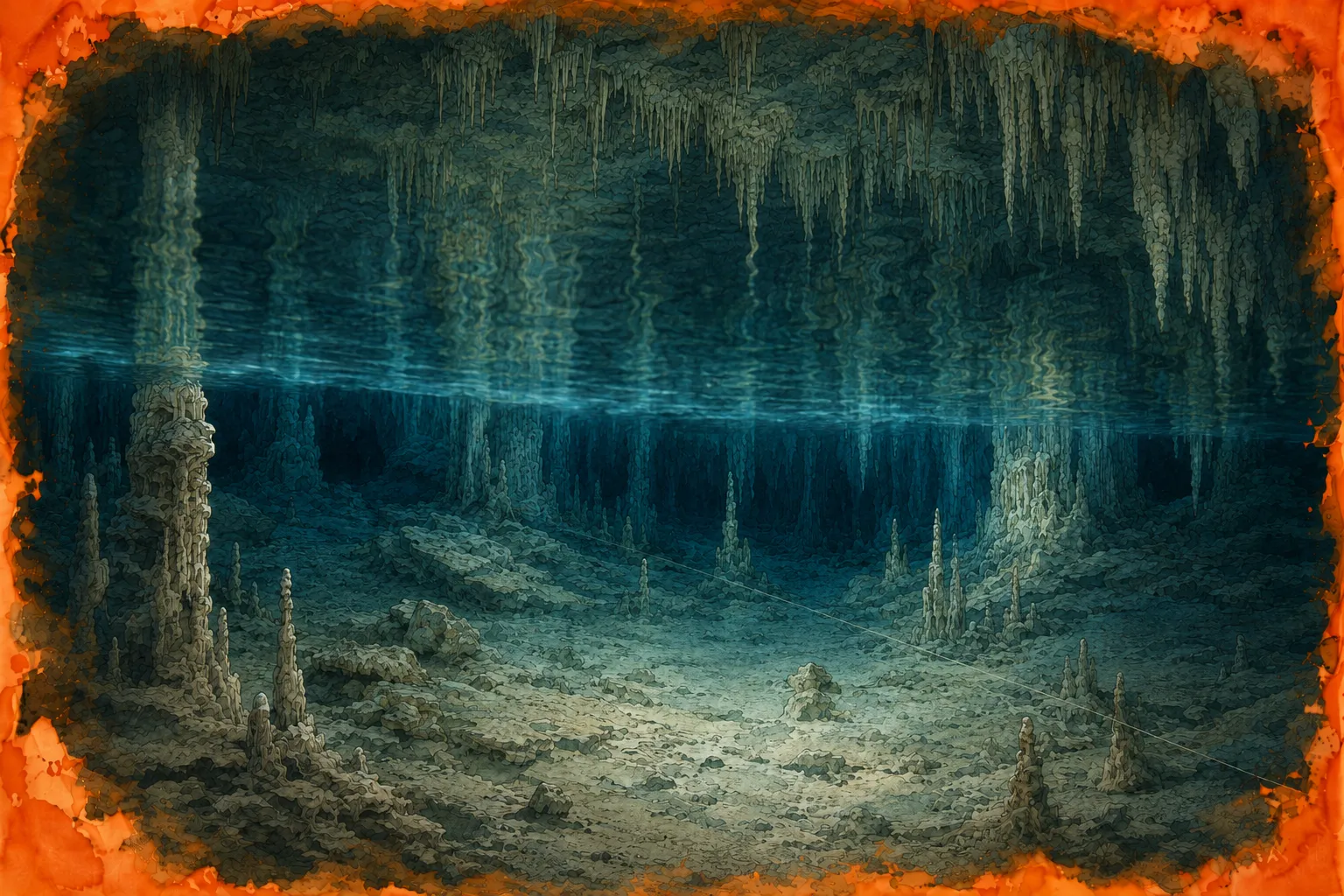
Mexico’s Yucatán Peninsula contains thousands of cenotes—natural openings formed where soluble limestone dissolved or collapsed, exposing the region’s extensive freshwater aquifer. Divers encounter clear water, submerged caverns, limestone passages, stalactites, stalagmites, and shafts of sunlight entering through openings in the rock. Some sites include haloclines, where fresh groundwater meets denser saltwater and creates a shimmering visual boundary. Cenotes were essential water sources for Maya communities and also held ceremonial and spiritual importance; archaeological discoveries include pottery, offerings, and human remains. Because cavern and cave environments may contain overhead passages and fragile geological formations, routes beyond open-water zones require specialized training and careful buoyancy control.
Fun Fact: A distinctive arc of cenotes in northern Yucatán traces geological fractures associated with the buried Chicxulub impact crater, formed approximately 66 million years ago.