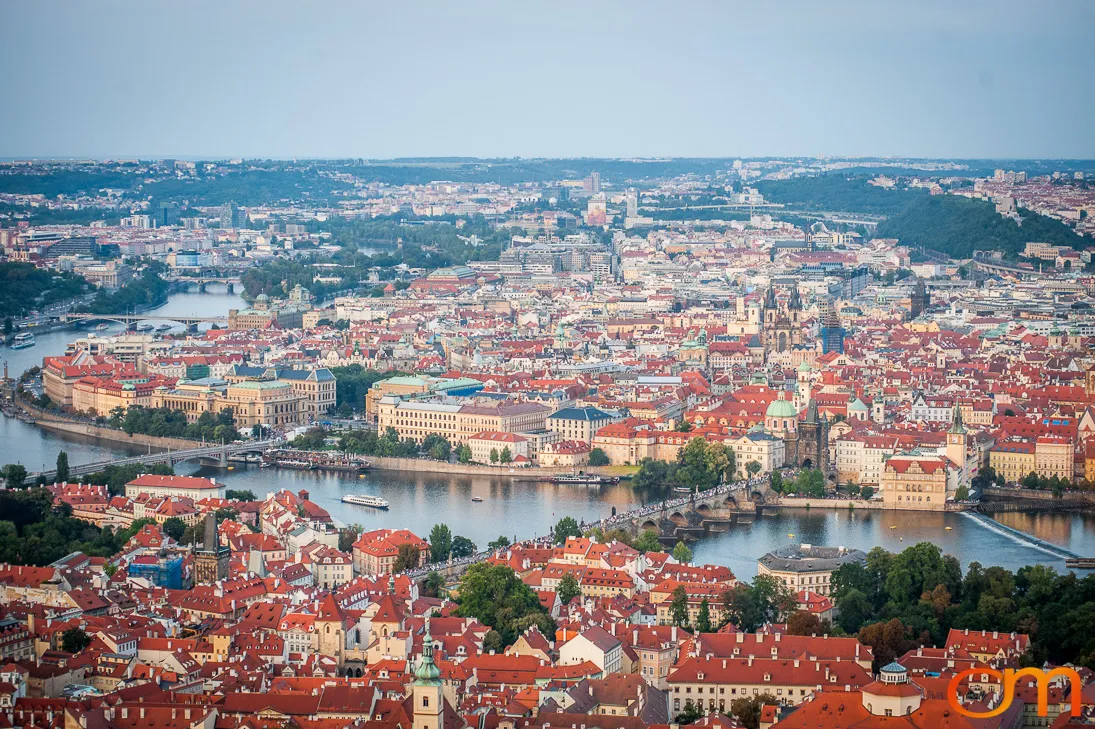
Prague
Prague: Historic Capital on the Vltava
August 2017
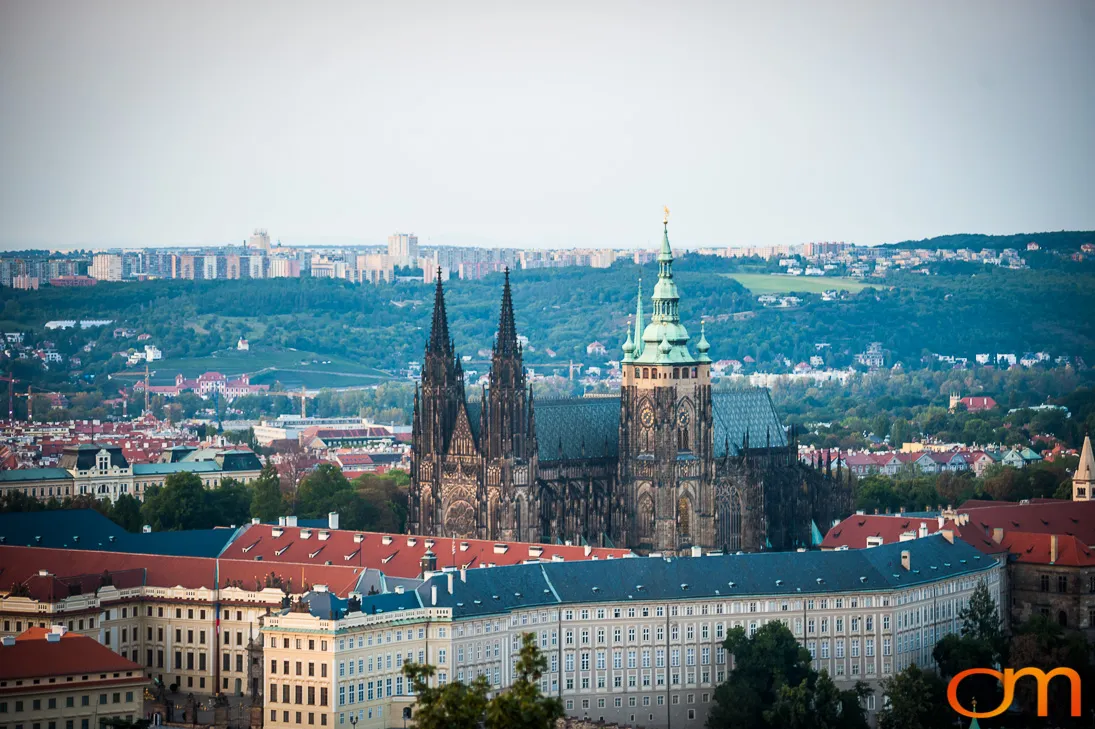
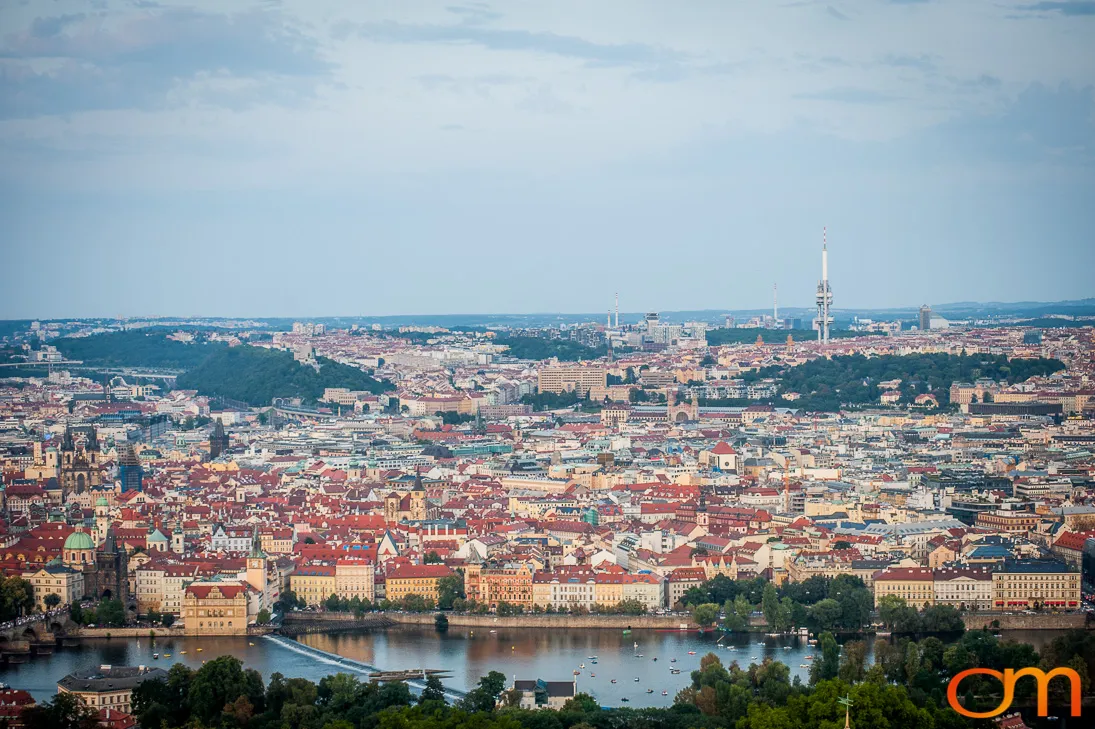
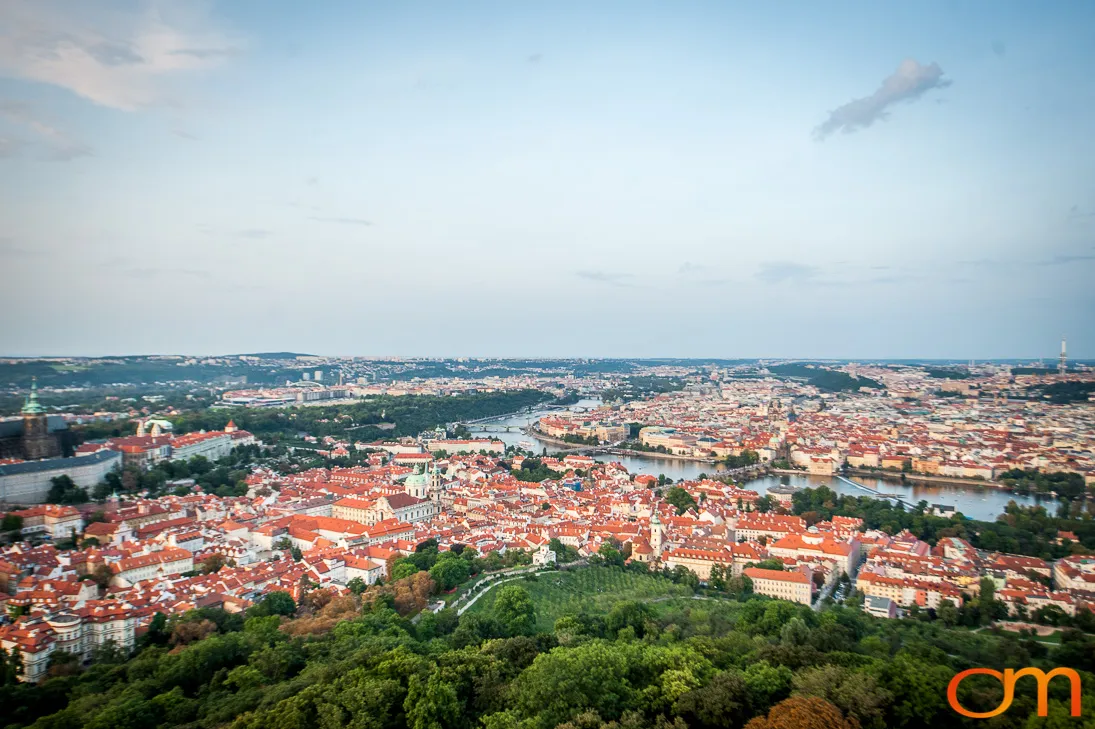
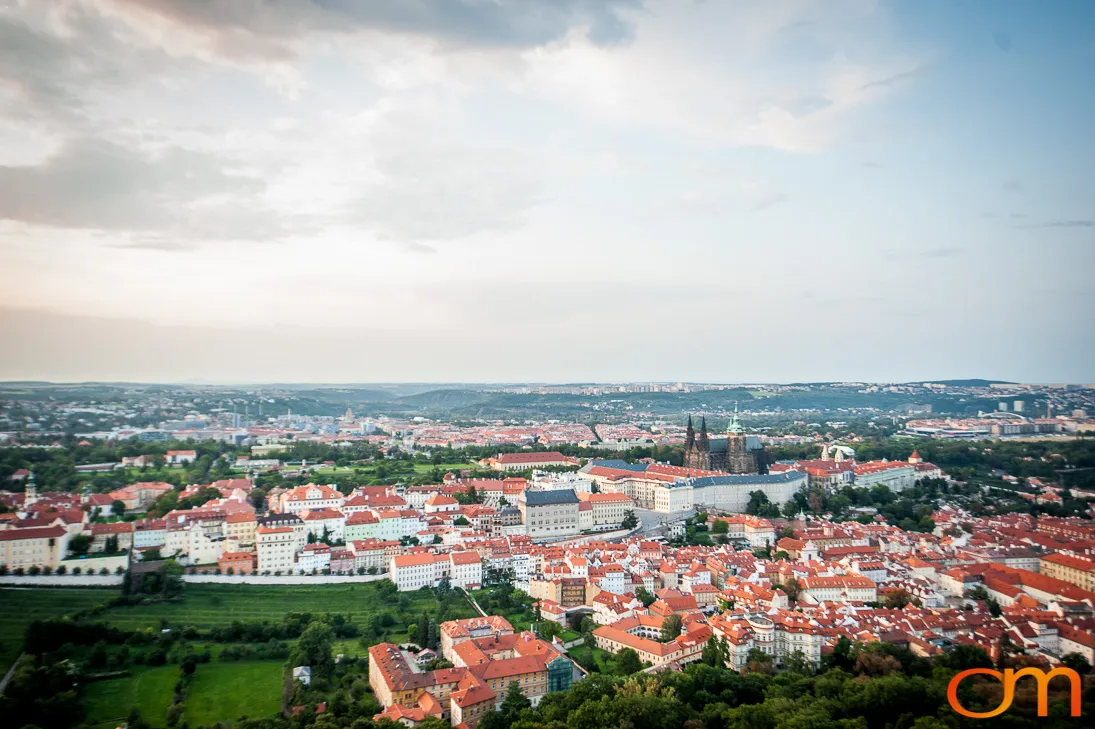
Prague, the capital and largest city of the Czech Republic, developed from fortified settlements and separate towns along the Vltava River rather than being founded in a single year. Prague Castle was established in the late ninth century. Old Town, New Town, Lesser Town and Hradčany remained separate municipalities until they were united under one administration in 1784; Josefov was incorporated in 1850.
The city reached particular political and cultural prominence during the 14th-century reign of Charles IV, king of Bohemia and Holy Roman Emperor. Prague became the seat of an archbishopric in 1344, while New Town and Charles University were founded in 1348. Major Gothic construction during this period helped shape the historic cityscape.
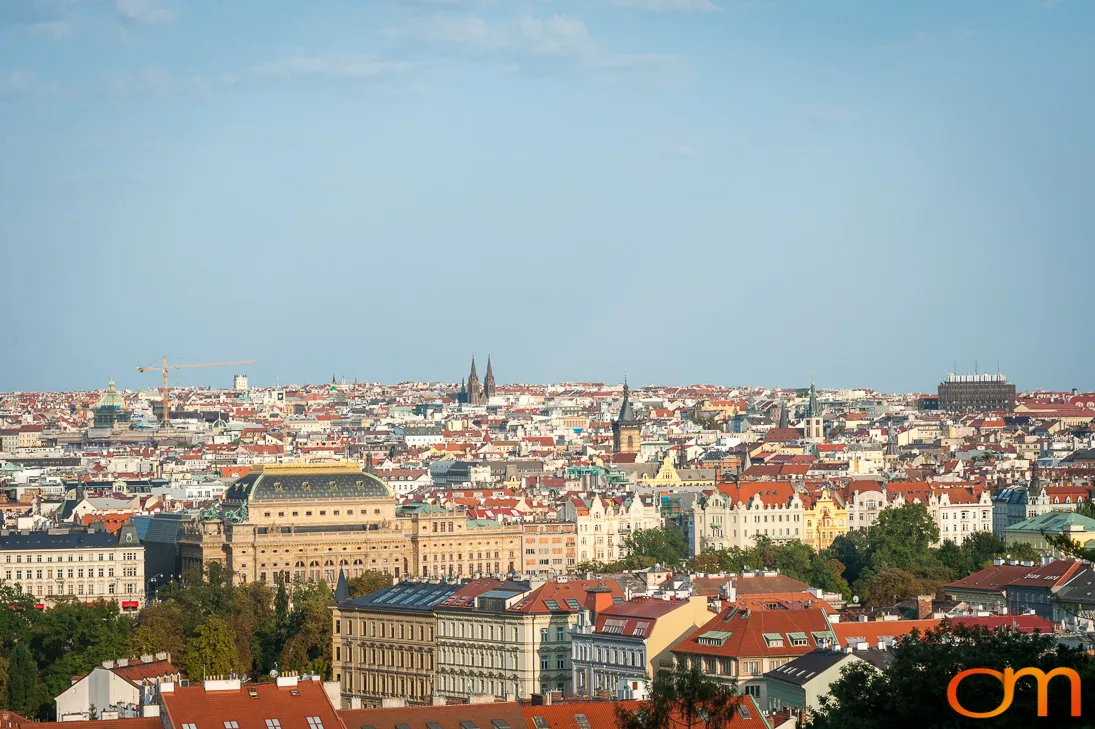
The Historic Centre of Prague was inscribed on the UNESCO World Heritage List in 1992. It preserves an urban landscape developed over centuries around Prague Castle, Old Town, Lesser Town and New Town. Prague had approximately 1.4 million residents in early 2026 and is organized into 57 self-governing city districts and 22 administrative districts. Prague 1 contains most of the medieval core, including Old Town and Josefov and parts of New Town, Lesser Town and Hradčany.