Search 283 stories and 49 dives.

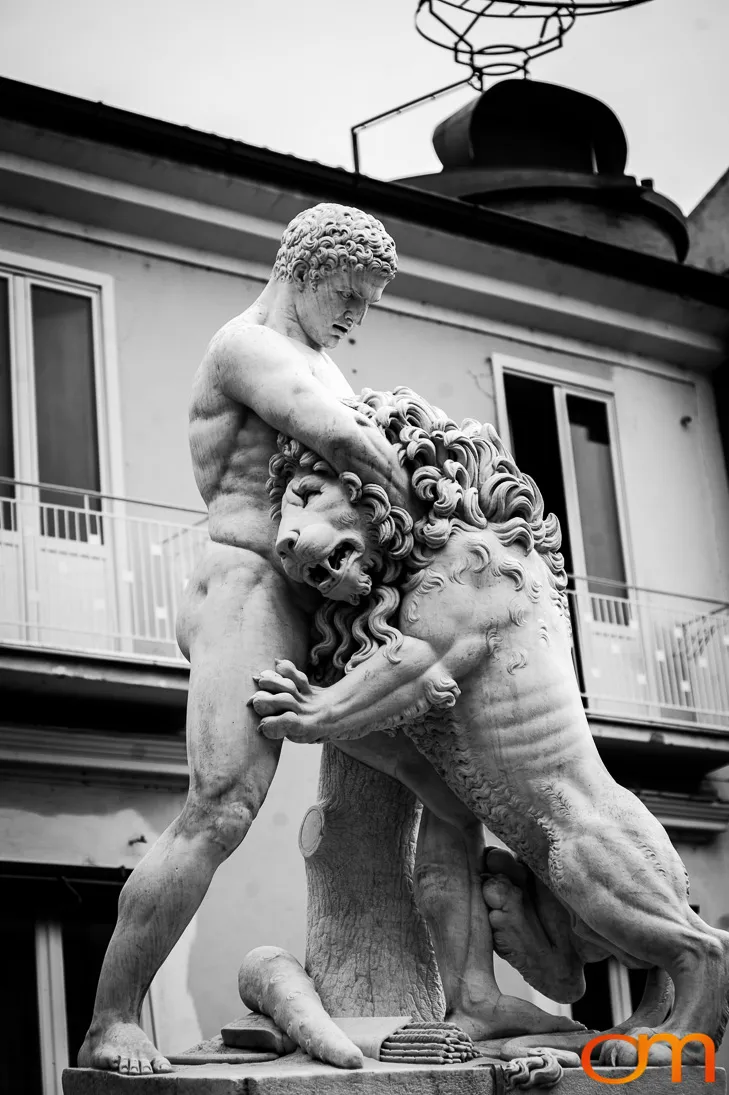
Marble Hercules subduing the Nemean lion atop the fountain, monochrome against town balconies

Sessa Aurunca

Sessa Aurunca: Ancient Suessa and the Historic Center

September 2015

Sessa Aurunca lies in northern Campania near the extinct Roccamonfina volcanic complex. The modern town occupies part of ancient Suessa, within a territory inhabited by the Ausoni-Aurunci during the Iron Age. Suessa became a Latin colony following the Roman conquest of 313 BCE, and Roman, medieval, and later structures remain interwoven throughout the historic center.

The Roman theater was built under Augustus in the first century CE and enlarged under Antoninus Pius in the second century. Its seating area measured approximately 110 meters (361 feet) in diameter and could accommodate an estimated 7,000 to 10,000 spectators. The Cathedral of Sessa Aurunca was constructed primarily between 1103 and 1113. Its Romanesque plan and medieval decoration survive alongside substantial Baroque alterations made during the eighteenth century.

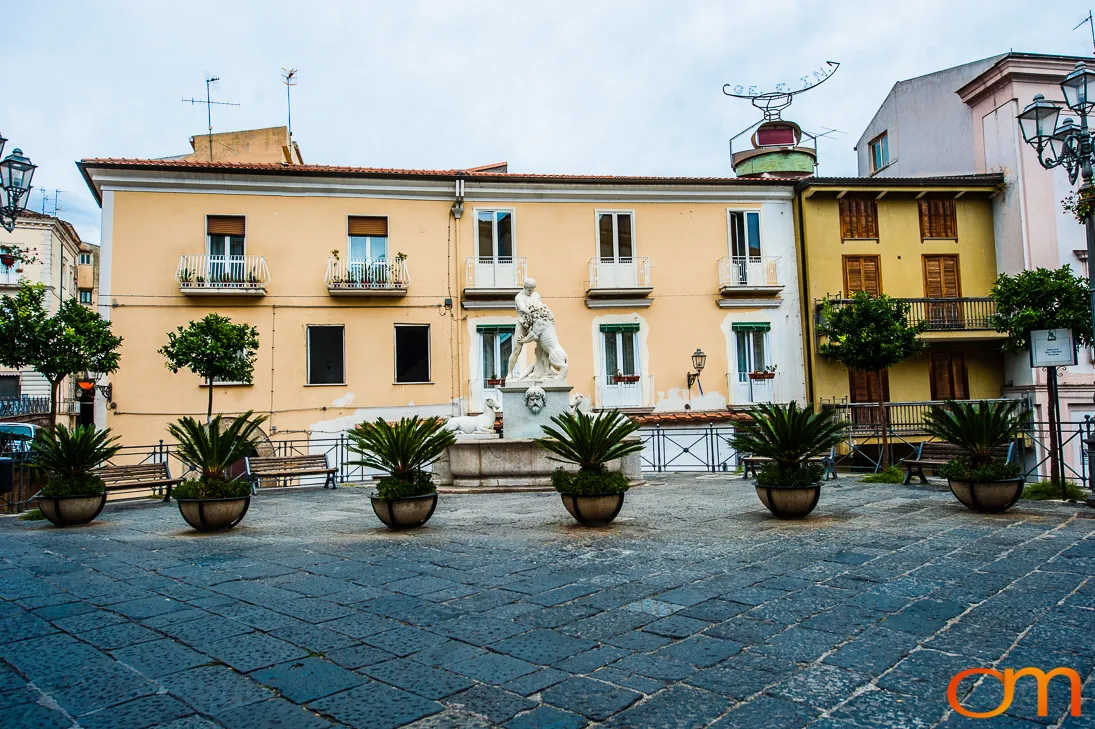
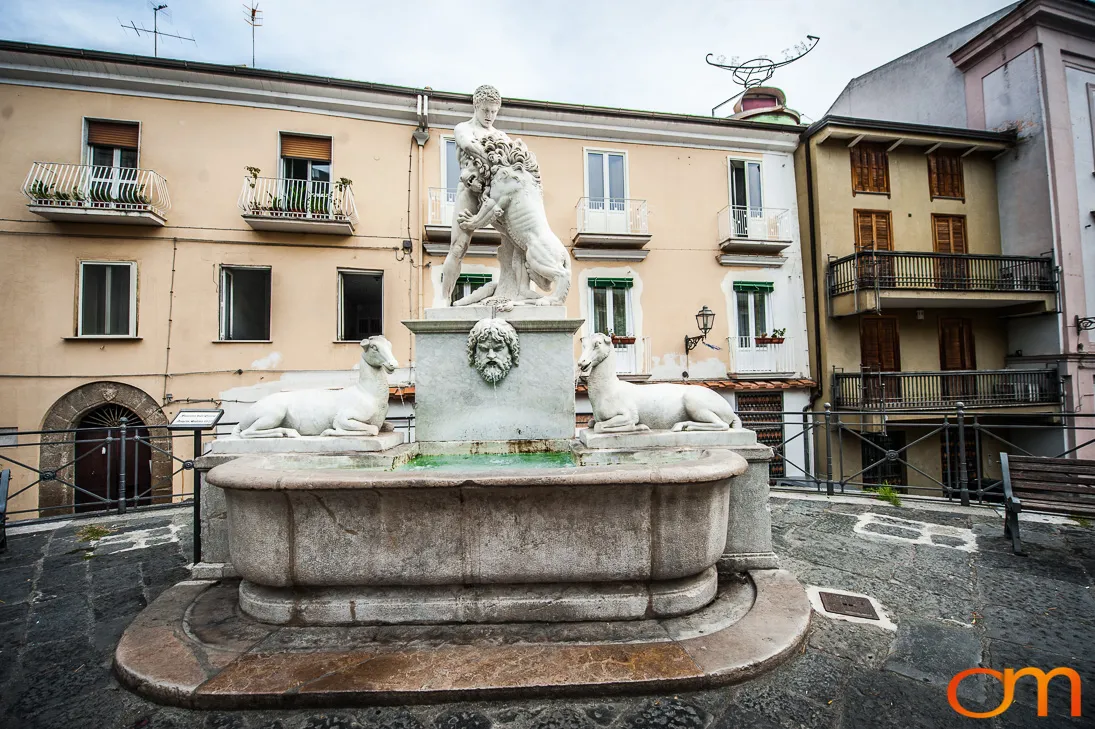
In Piazza Ercole, the Fontana dell’Ercole was created by sculptor Angelo Solari in 1825 to commemorate the completion of the public aqueduct. Its central sculpture depicts Hercules overpowering the Nemean lion. The fountain, stone-paved lanes, carved portals, churches, and civic buildings documented in 2015 reflect the successive Roman, medieval, and modern phases of Sessa Aurunca’s development.

Developments Since the Photographs Were Taken

The National Archaeological Museum of Sessa Aurunca opened in the Ducal Castle on December 18, 2024. Its displays trace the territory from the Iron Age Aurunci through Roman Suessa and include archaeological material associated with the Roman theater.
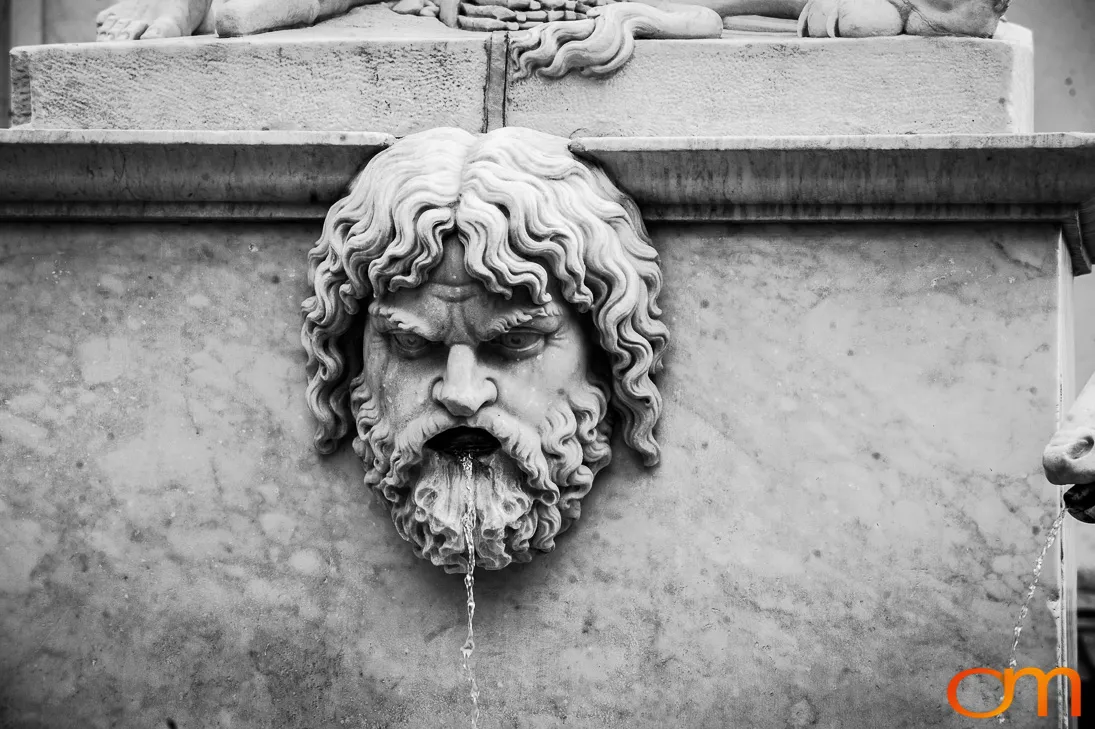
Bearded stone mask spouting water on the Fontana dell'Ercole, in black and white
Marble Hercules subduing the Nemean lion atop the fountain, monochrome against town balconies
Fontana dell'Ercole on its paved piazza, flanked by two reclining stone animals
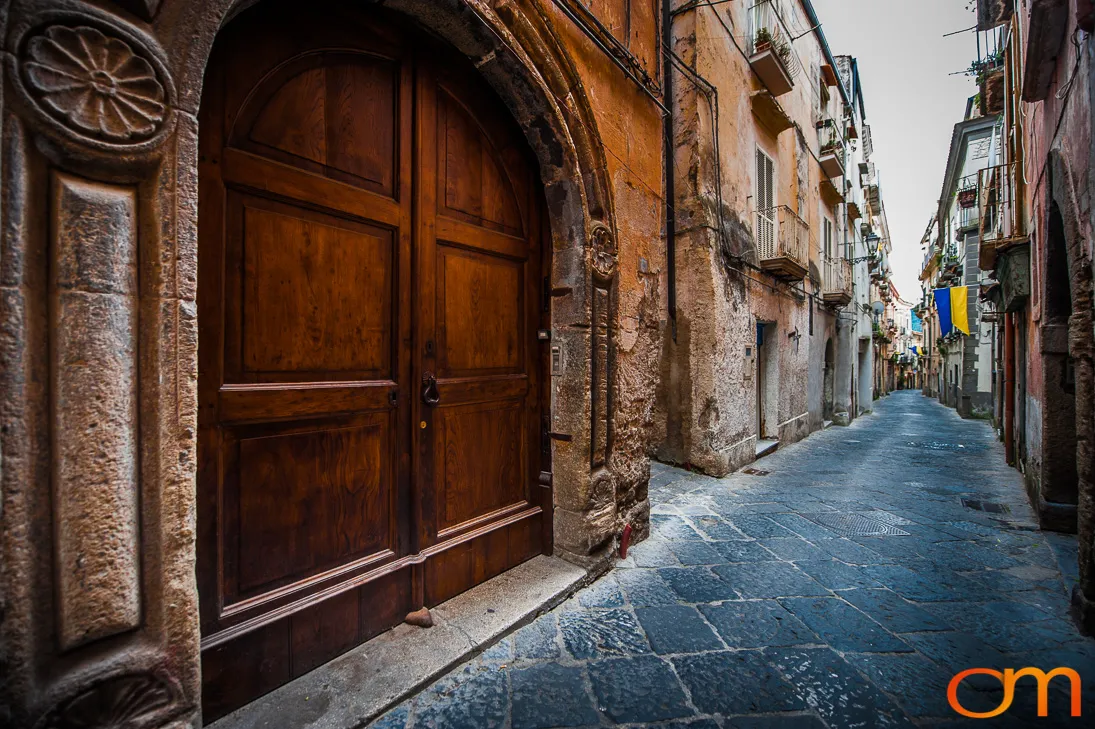
Carved stone portal with tall wooden doors opening onto a cobbled lane
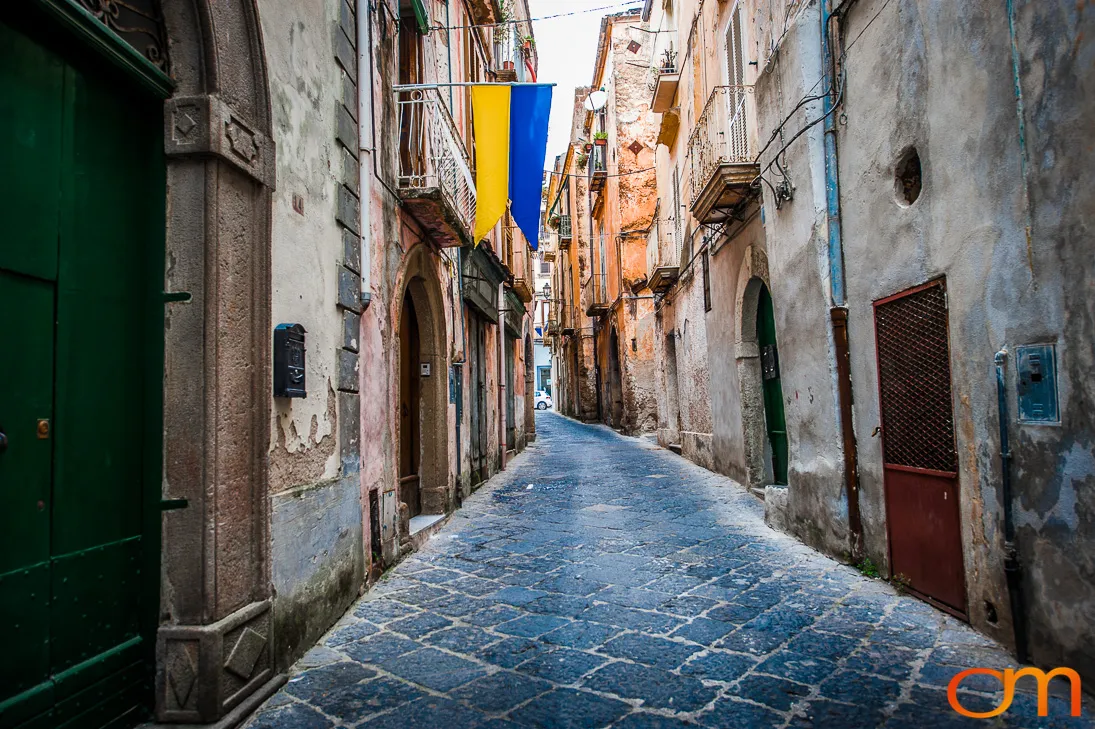
Narrow cobbled lane between peeling facades, a yellow and blue banner hanging from a balcony
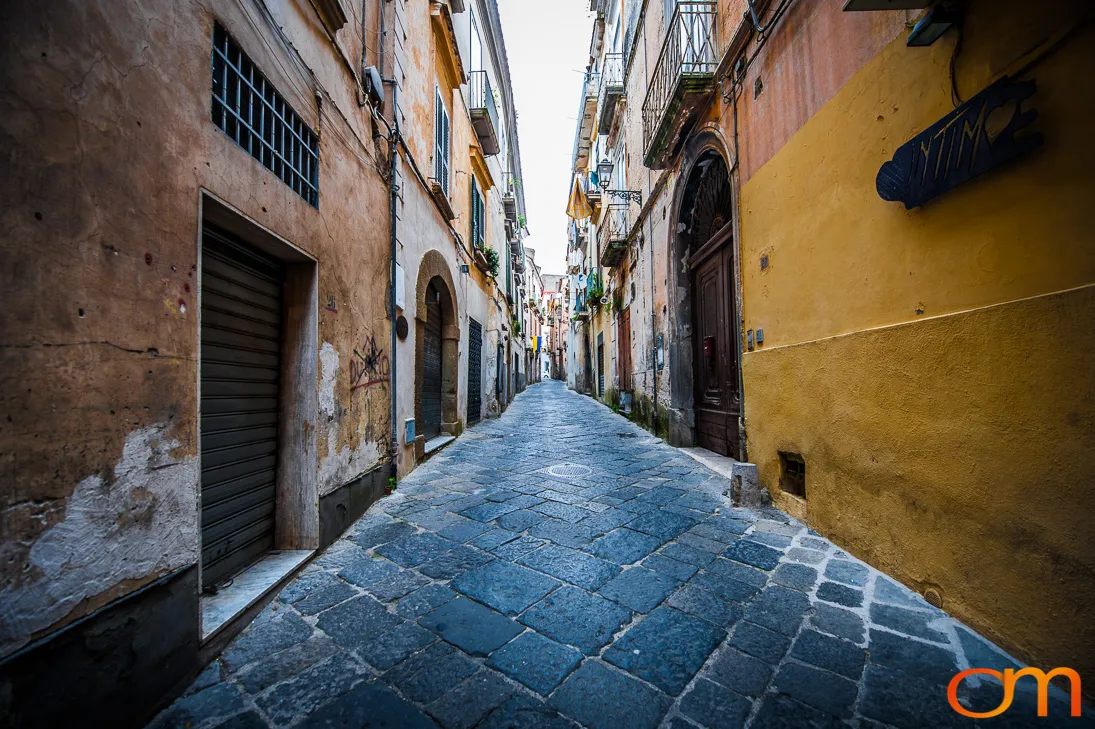
Sloping alley of worn ochre walls, shuttered garages and arched doorways
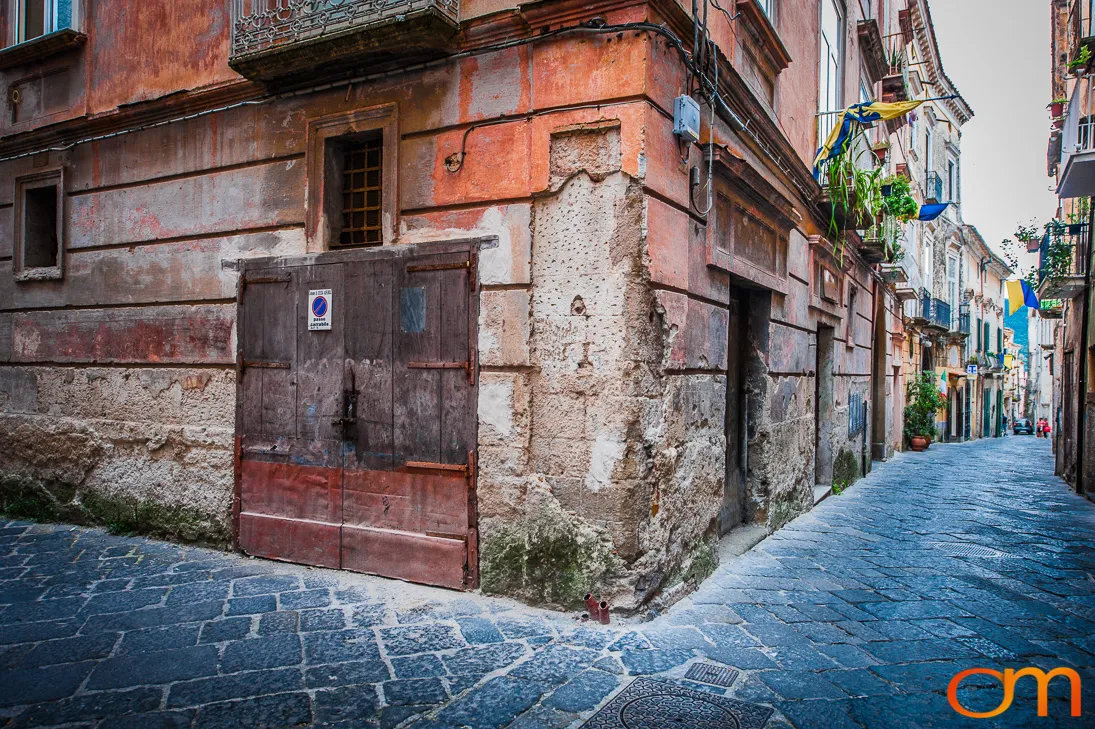
Street corner where two cobbled lanes meet at a weathered red-washed building
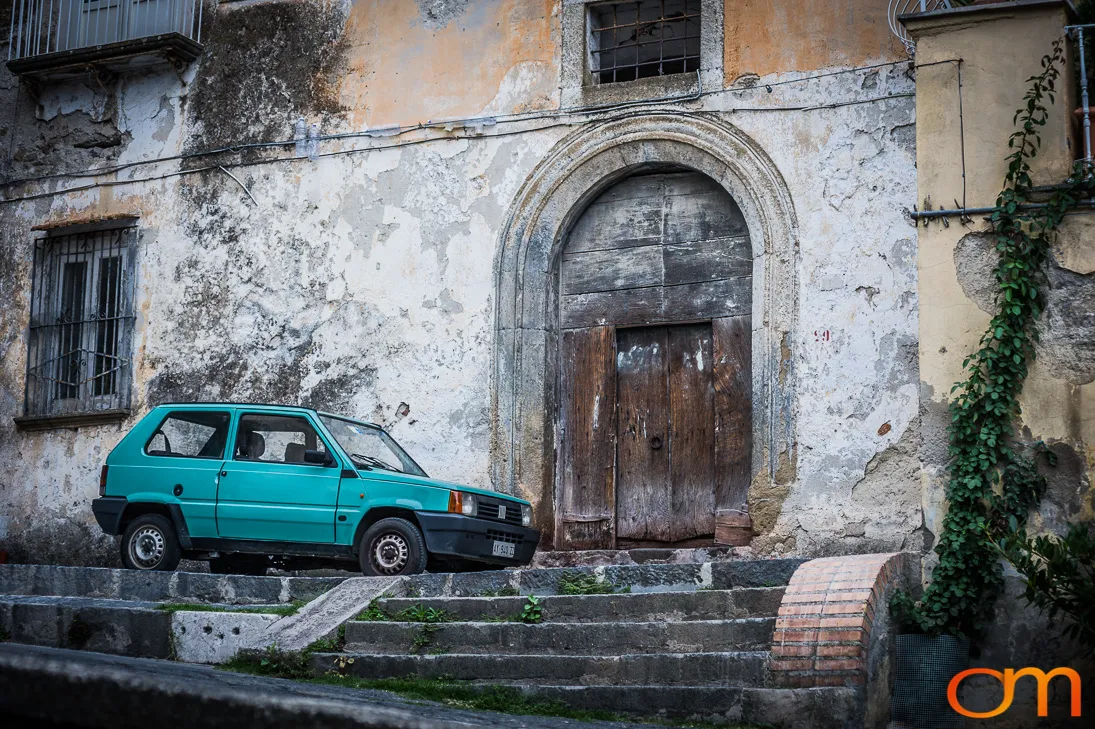
Teal hatchback parked above stone steps beside a weathered arched doorway
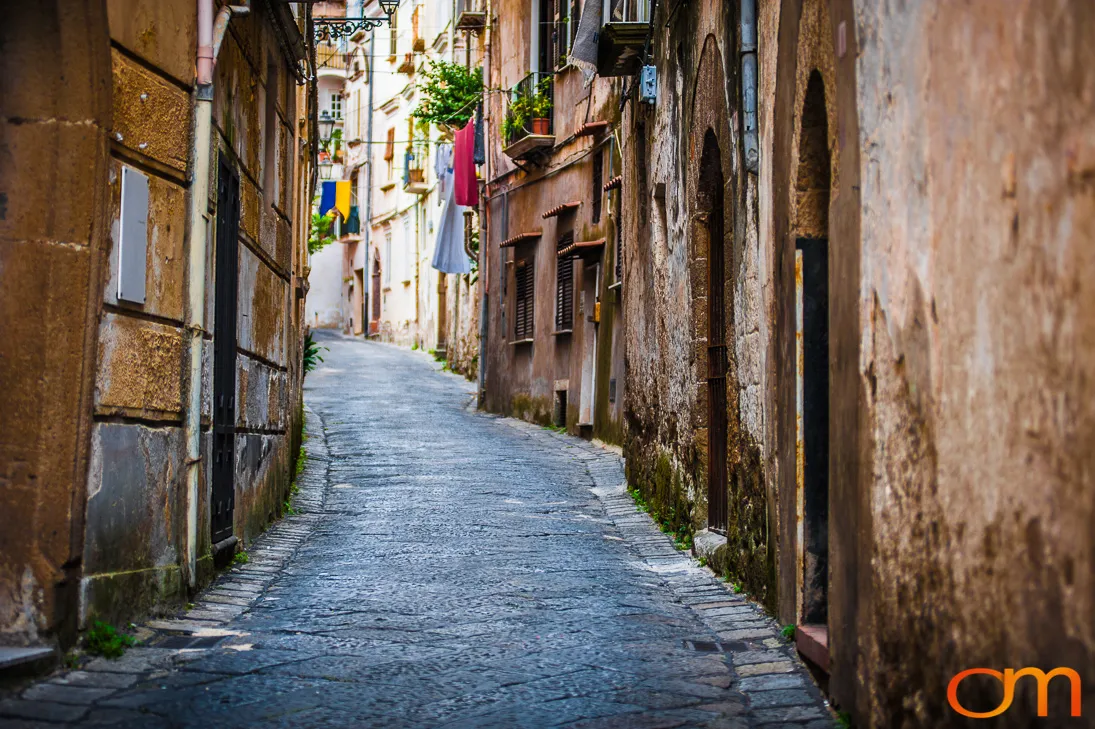
Curving cobbled lane climbing between tall stone houses, laundry strung overhead
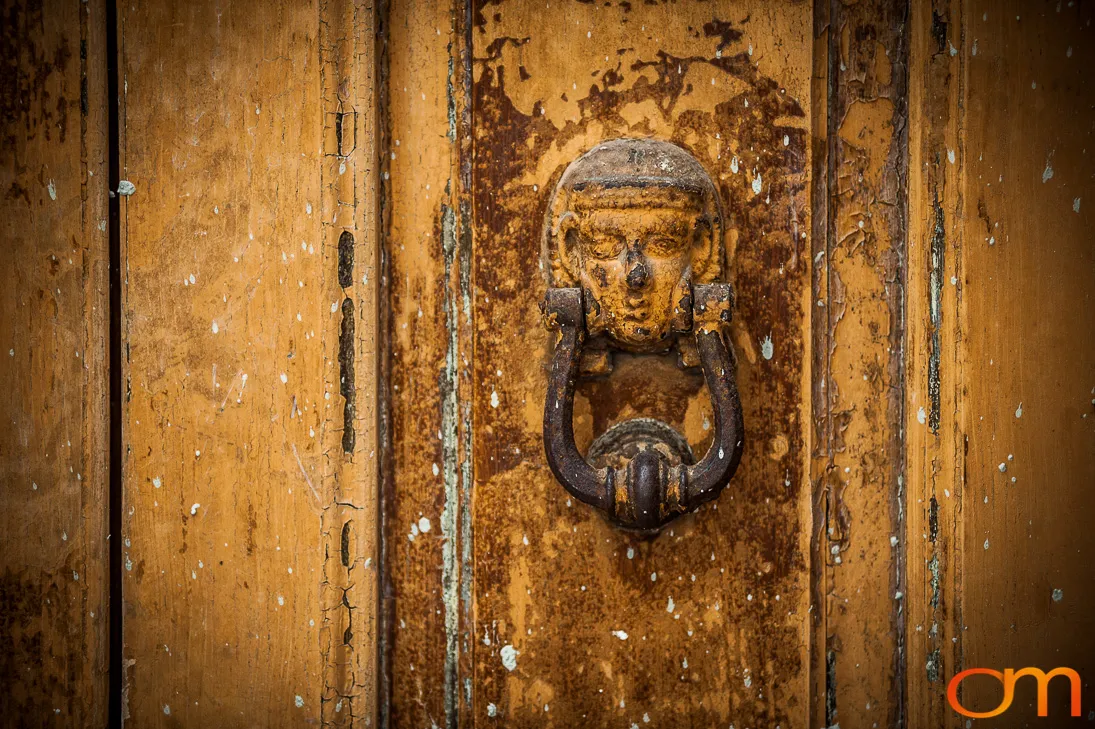
Weathered iron knocker cast as a head on a cracked yellow door
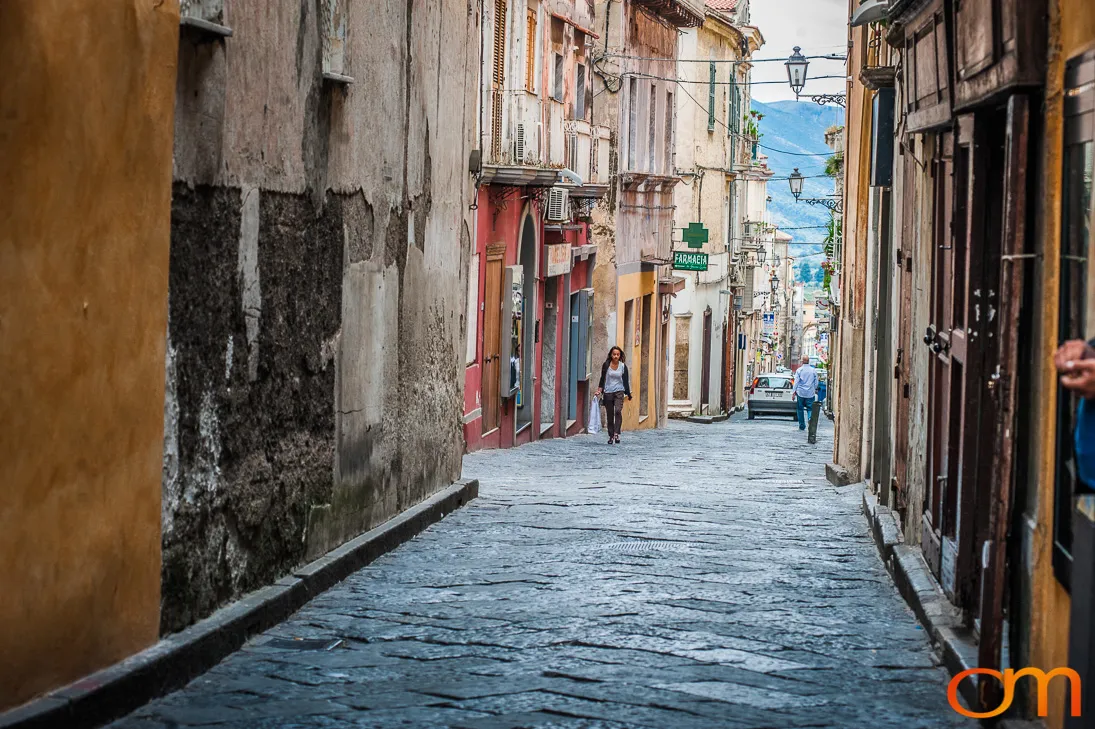
Woman carrying shopping bags up a cobbled street past a "Farmacia" sign, hills beyond
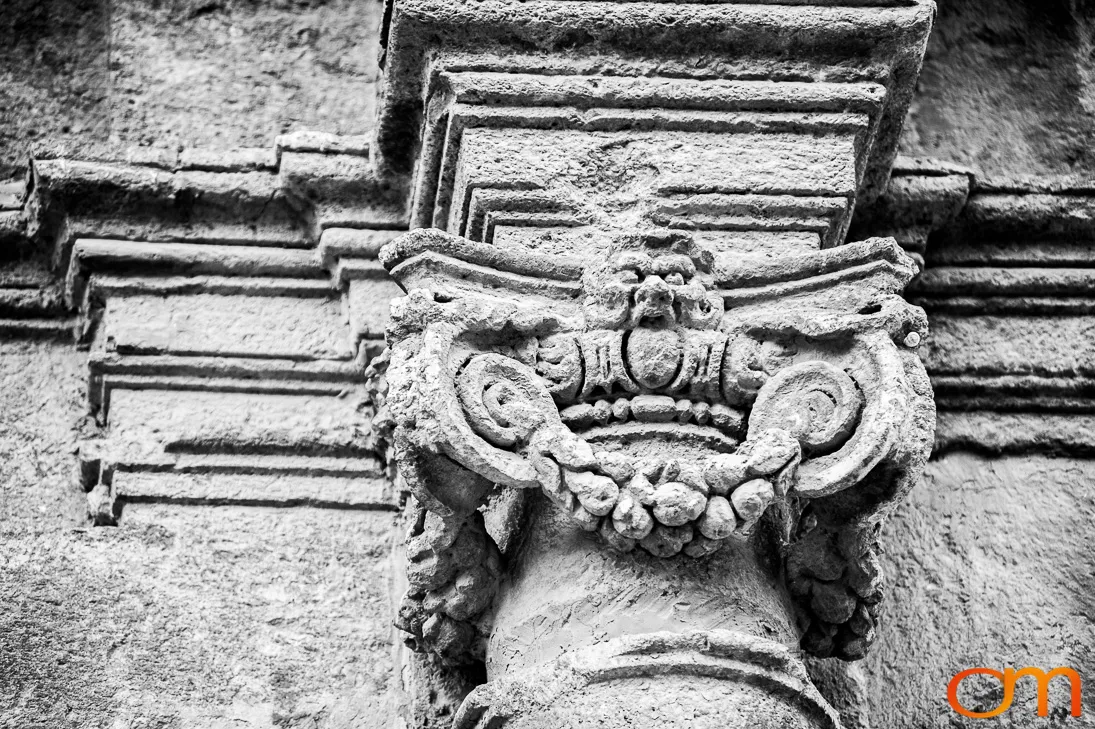
Weathered stone capital carved with a grotesque mask and fruit garlands, in black and white
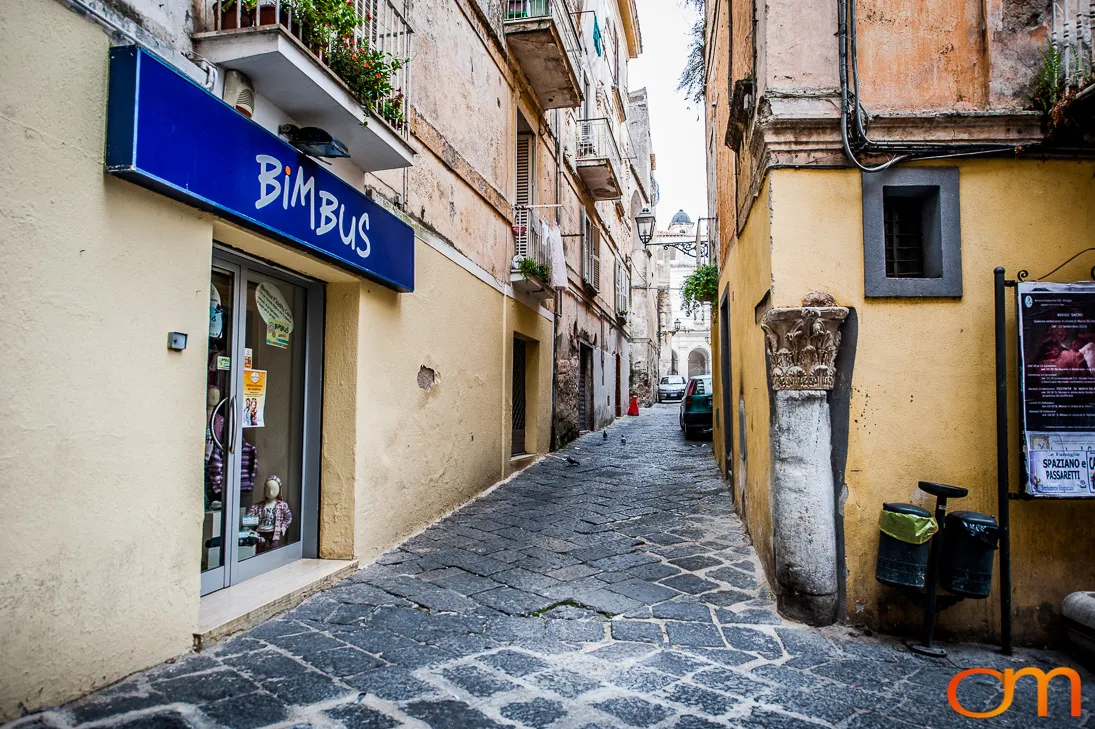
Cobbled lane past a children's shop signed 'BiMBUS', an ancient carved capital set into the corner wall
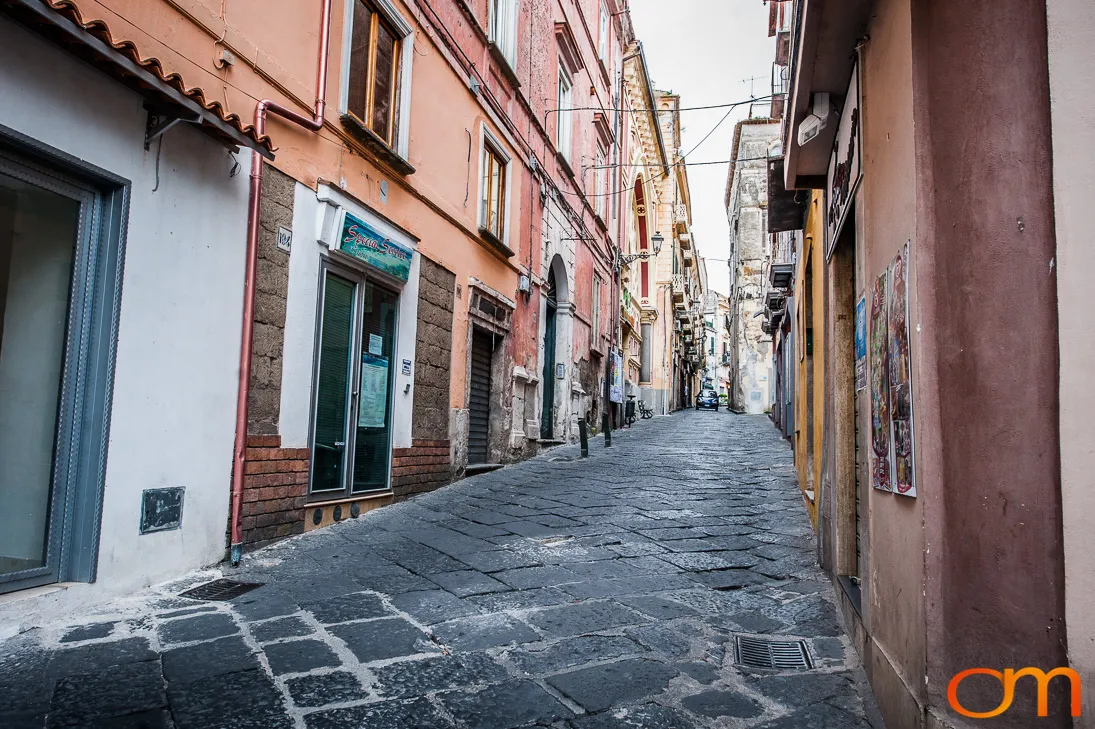
Basalt-paved lane running between painted facades in the historic center
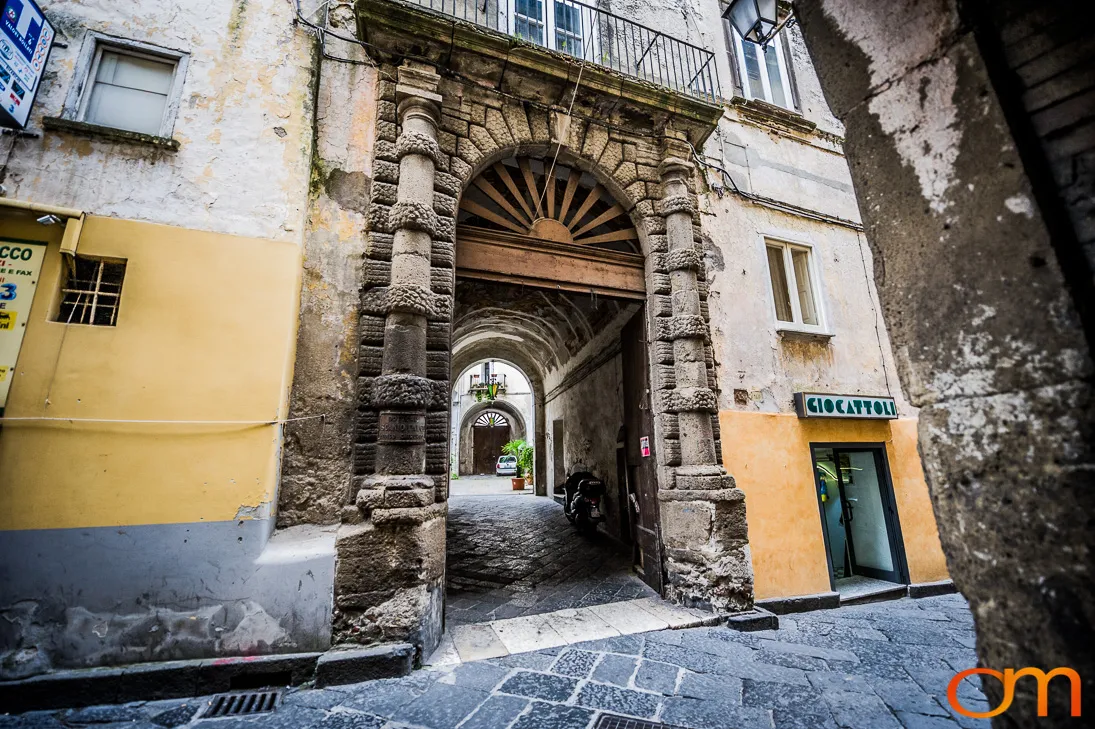
Rusticated stone portal opening onto a vaulted passageway, beside a toy shop signed 'Giocattoli'
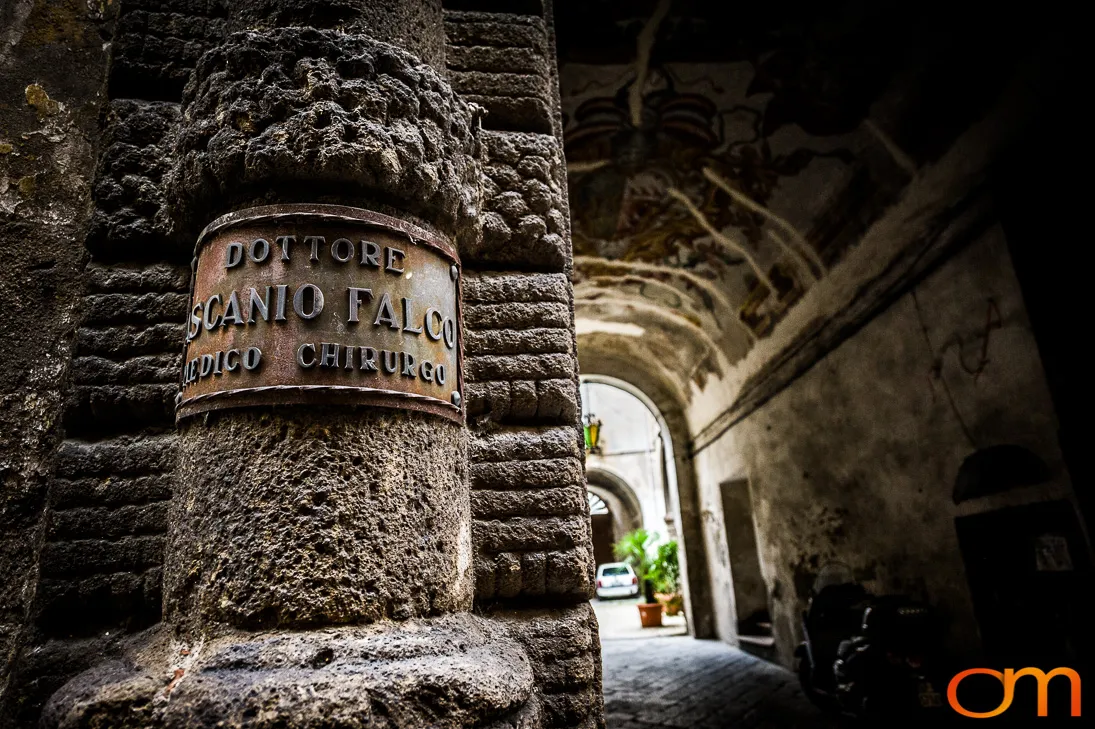
Doctor's plaque reading 'Dottore Ascanio Falco, medico chirurgo' on a rusticated column at a frescoed passage
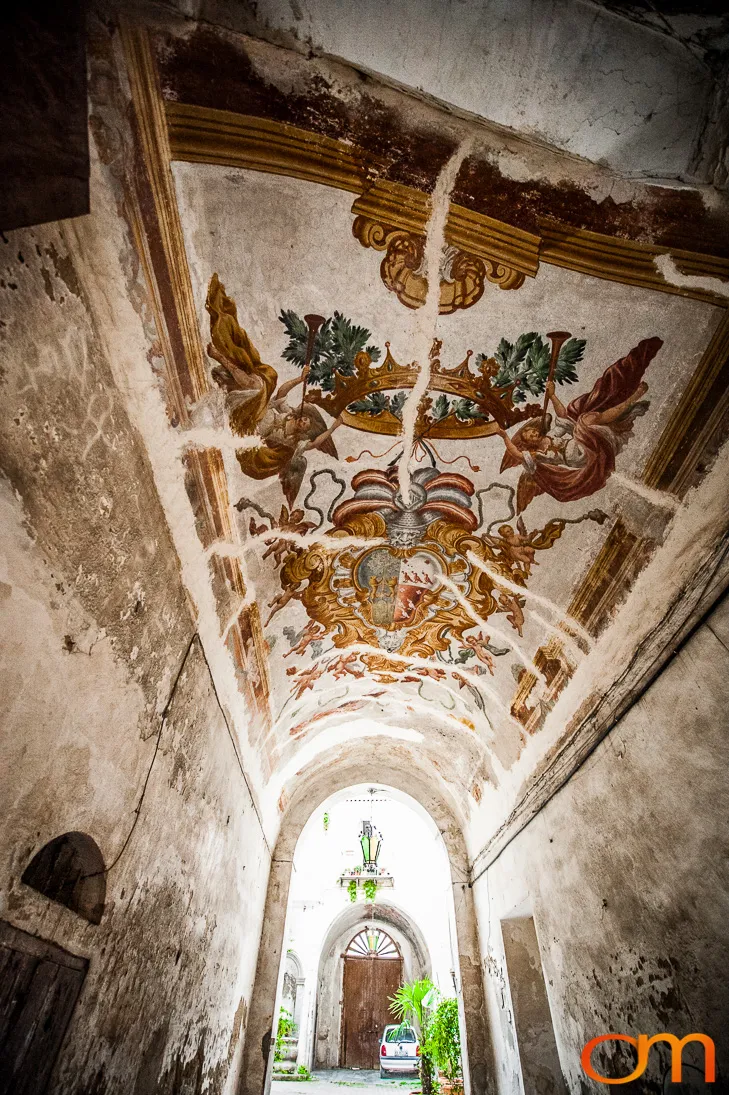
Faded fresco of a crowned coat of arms held by angels on a cracked passage vault
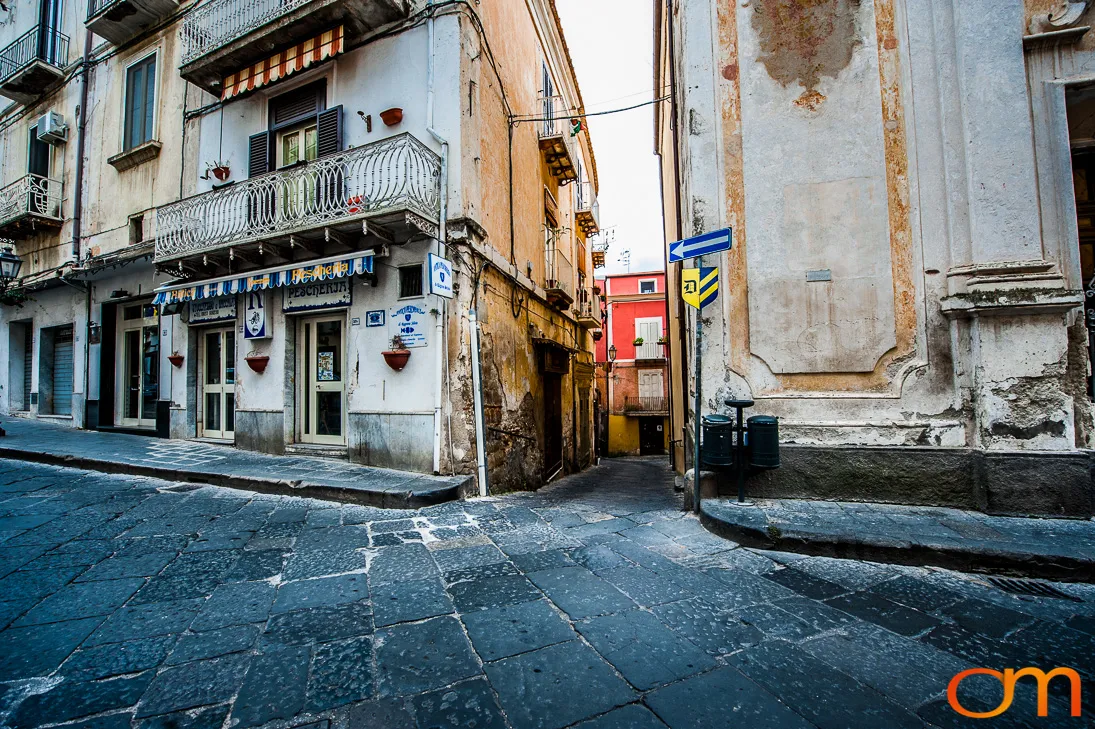
Street corner with a fishmonger's striped awning and wrought-iron balcony above worn stone paving
The Fontana dell'Ercole, Hercules wrestling the Nemean lion, before a pale yellow palazzo
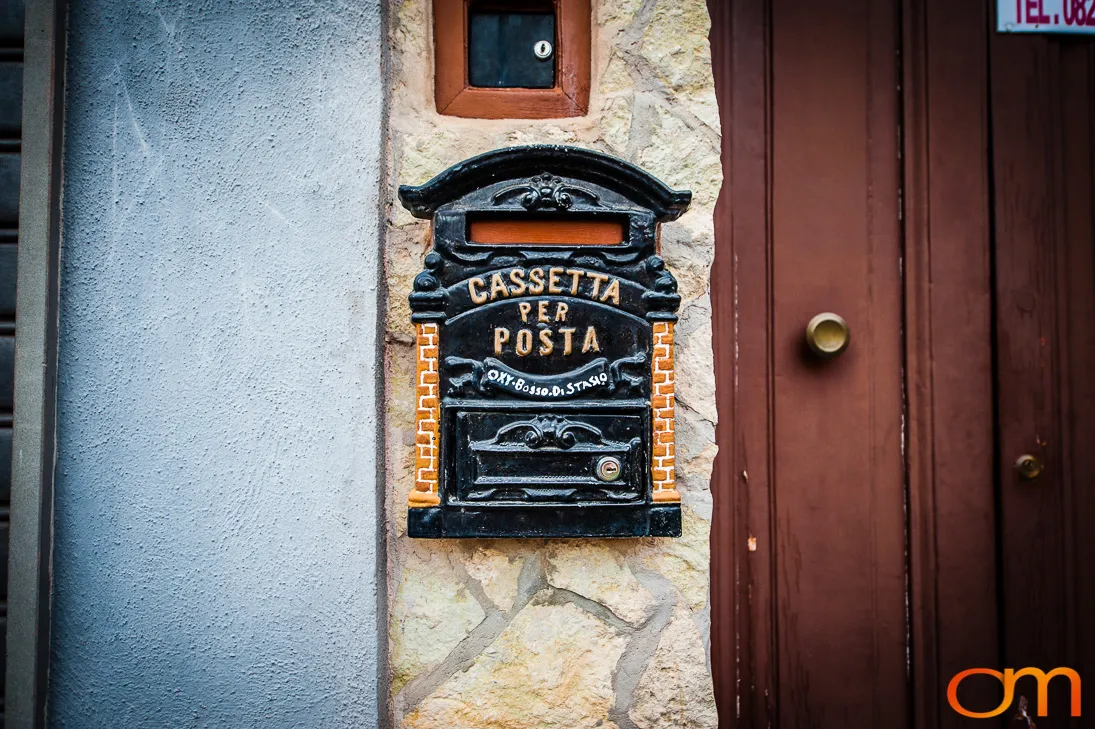
Ornate cast-iron letterbox lettered 'Cassetta per posta' beside a wooden door
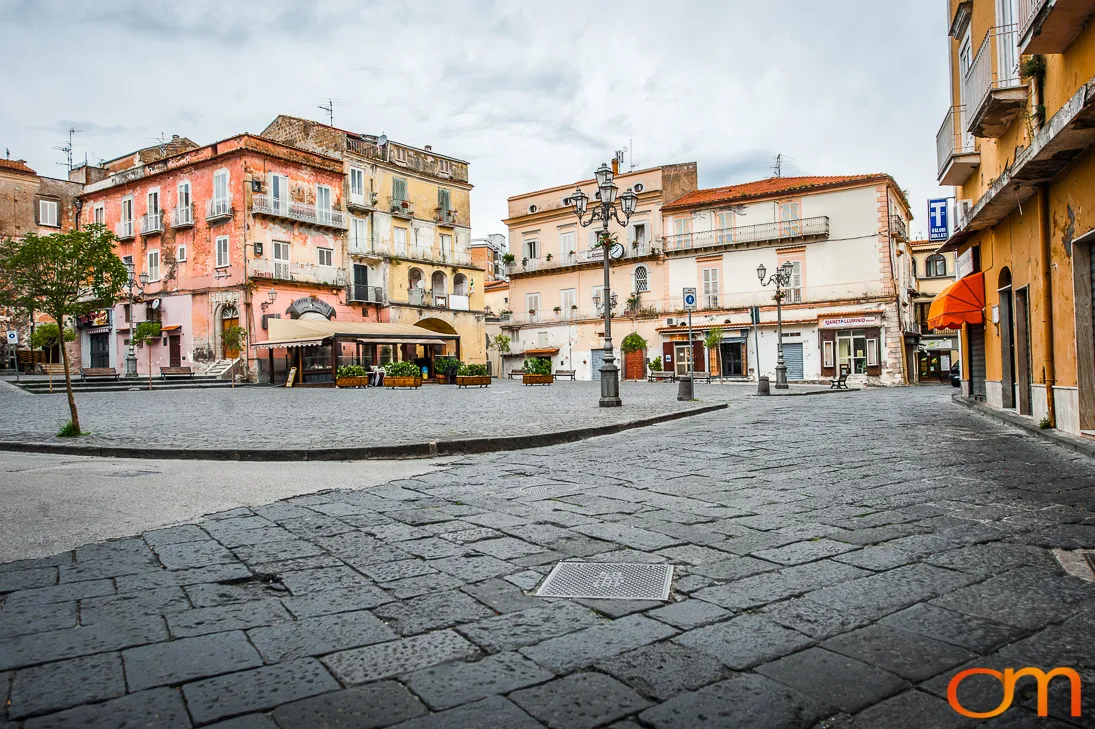
Wide cobbled piazza ringed by pastel buildings, with a café awning and an ornate street lamp
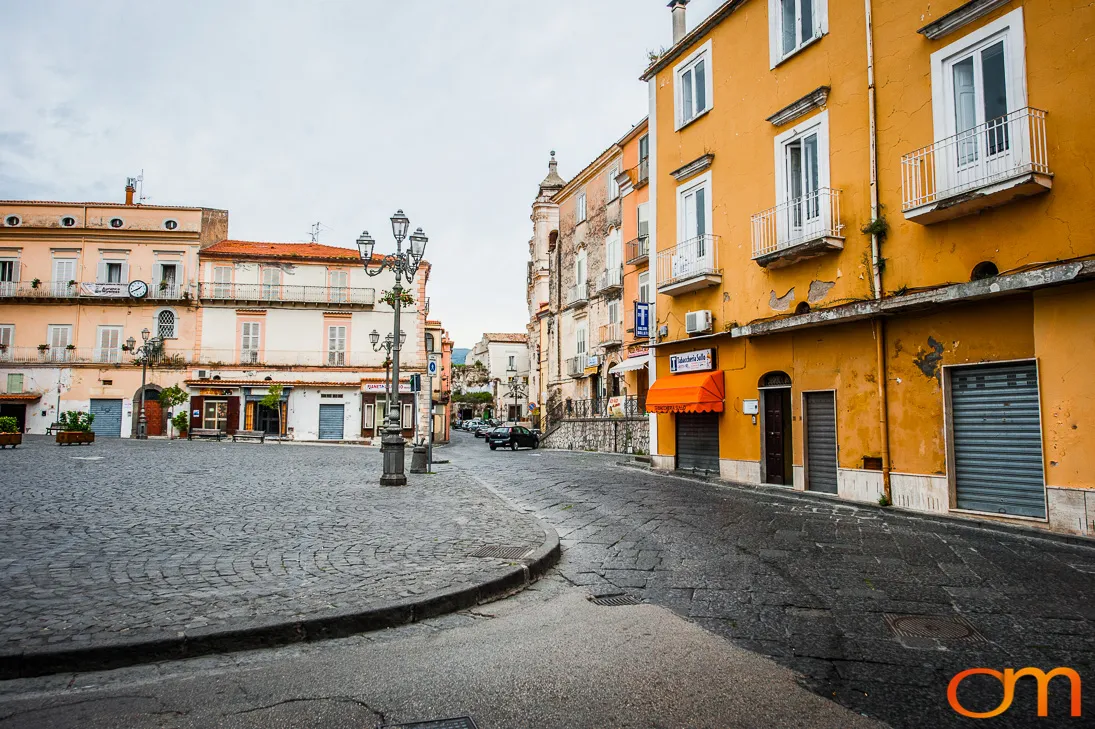
Sloping piazza with an ochre palazzo and orange awning, older stone facades rising beyond

All Stories →

Fact check: Accuracy matters. If something looks incorrect, please suggest a correction.