Iceland
Outdoor Drying of Fish Heads in Iceland
October 2004
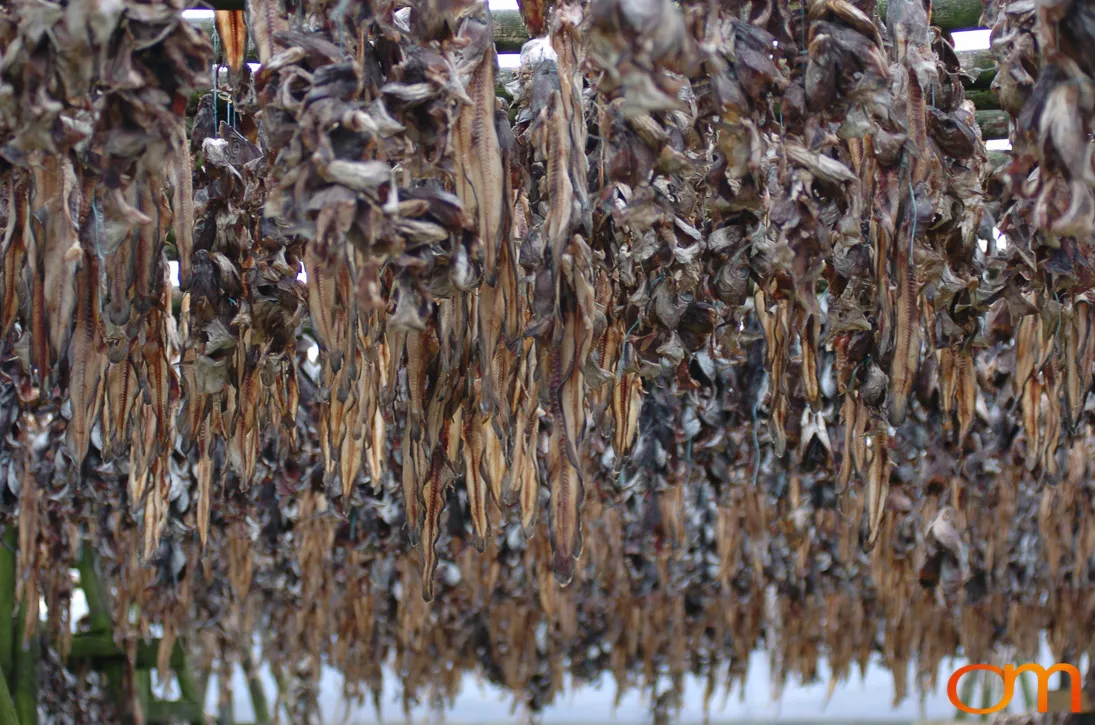
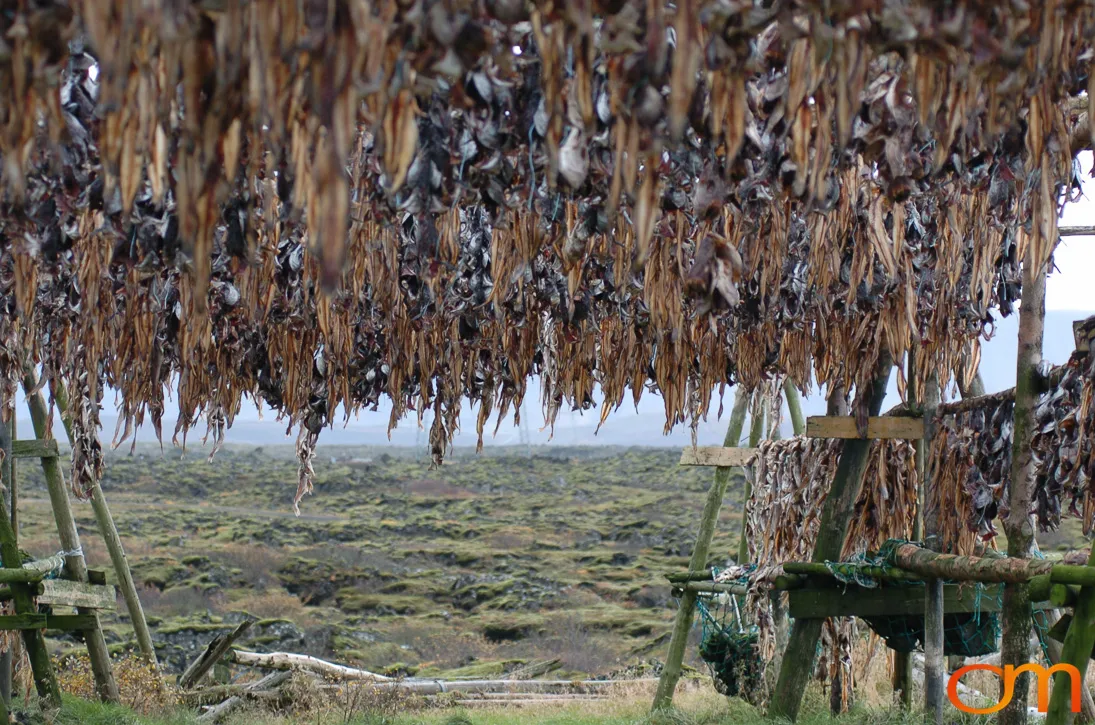
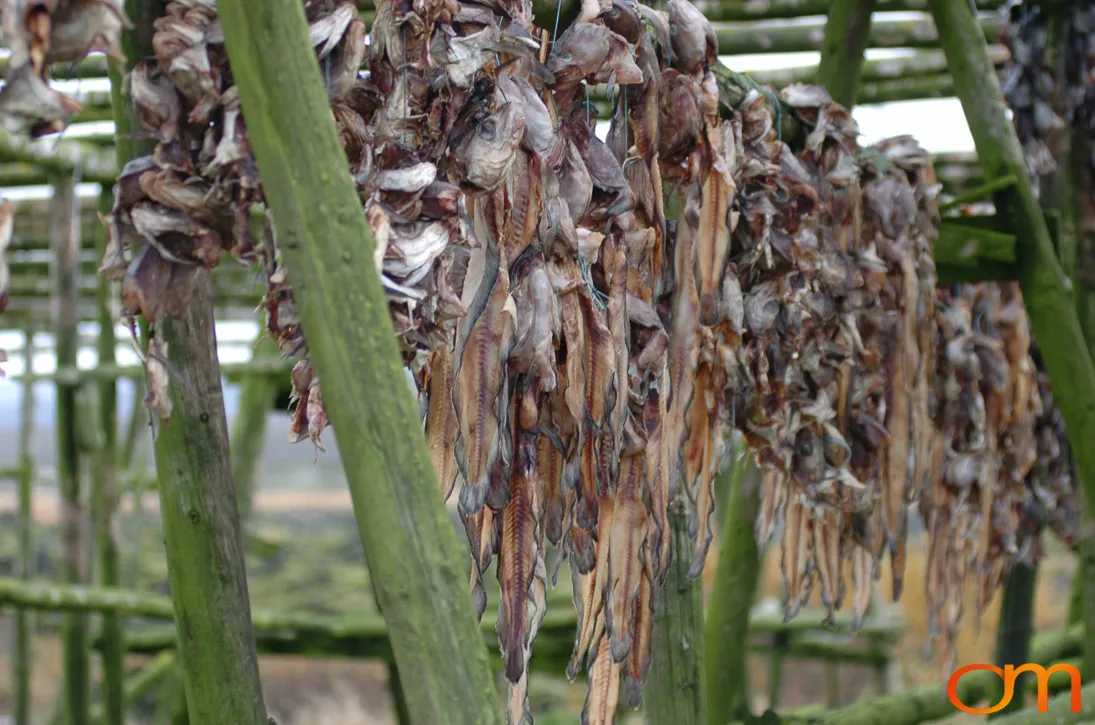
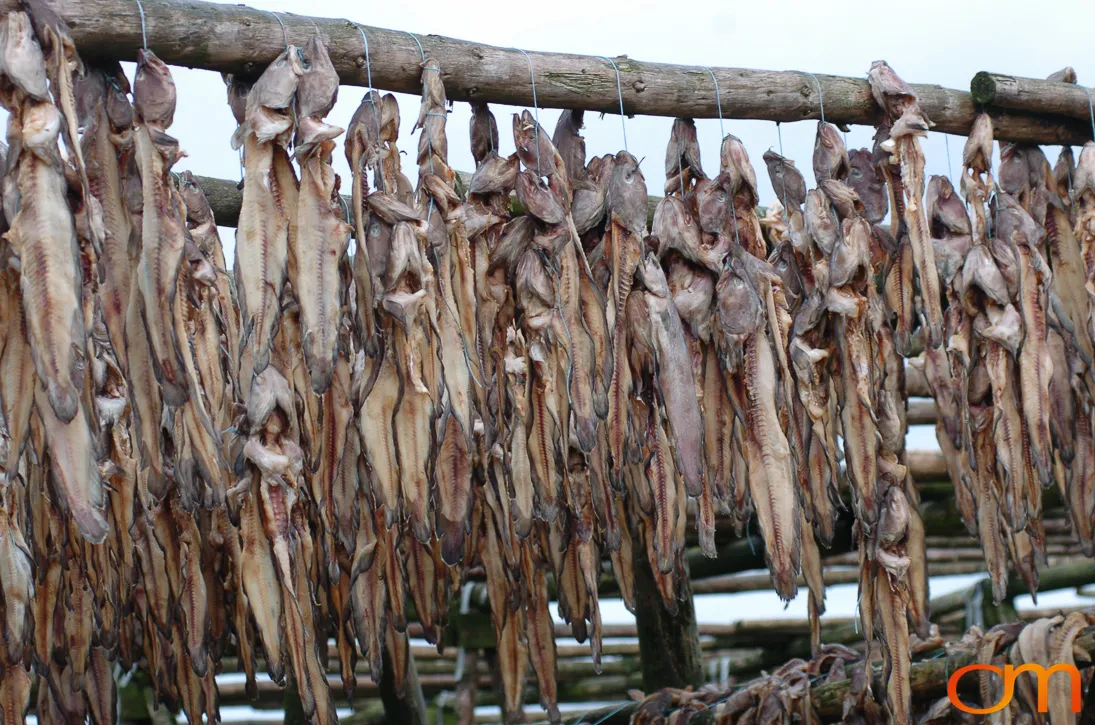
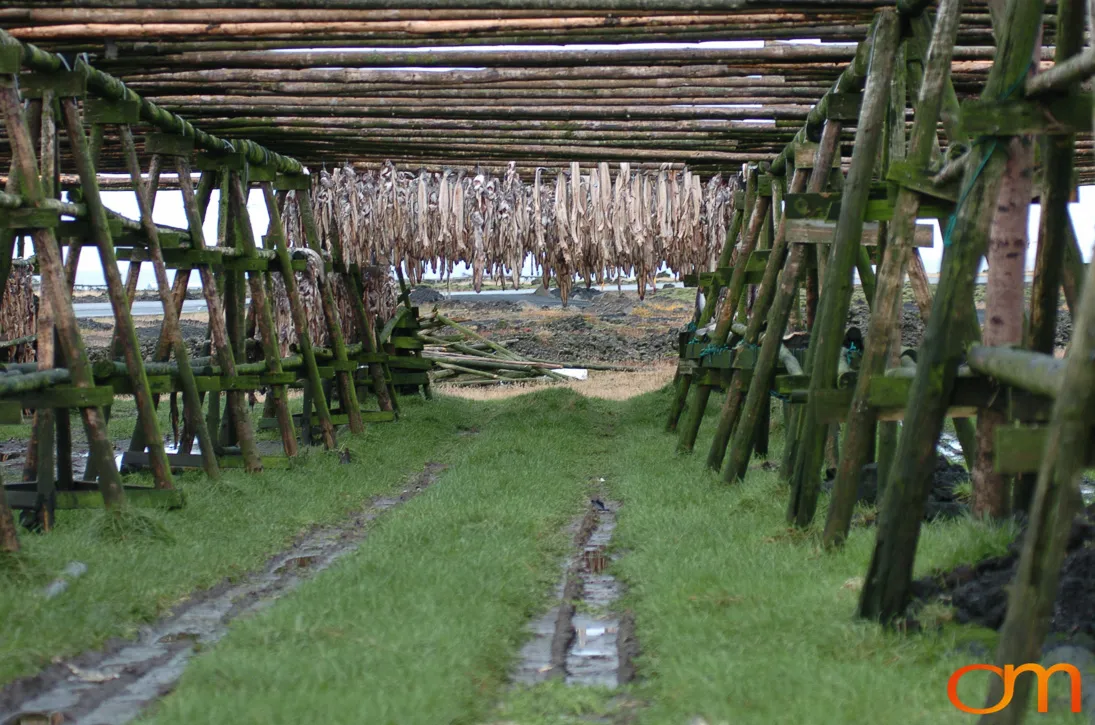
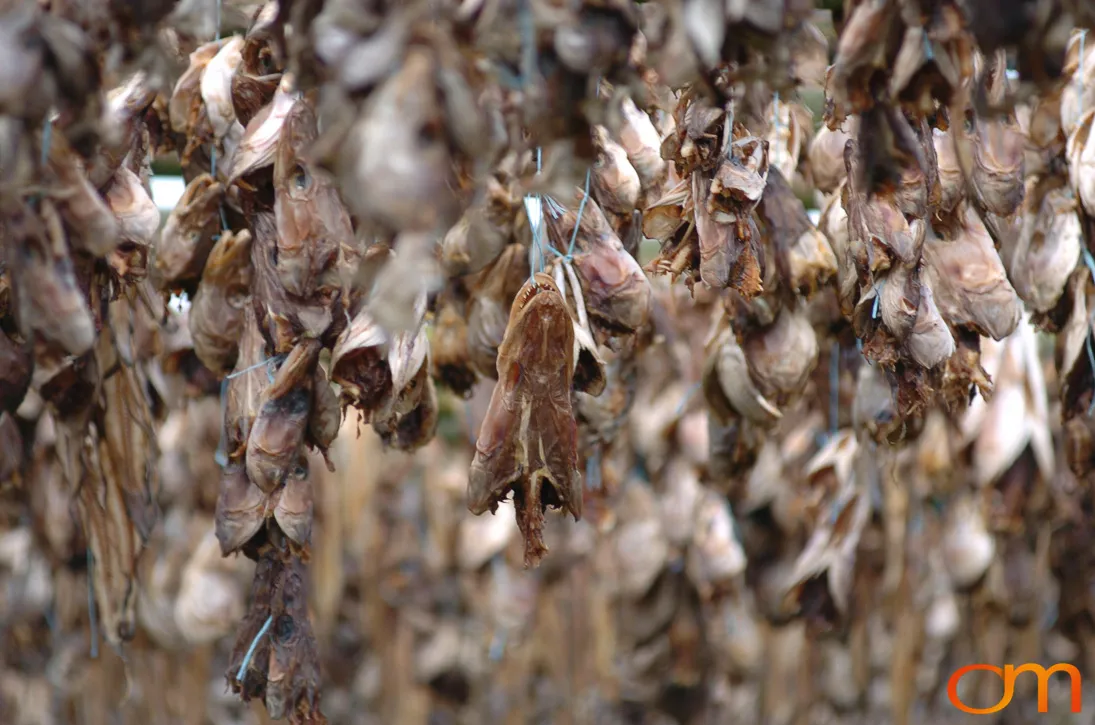
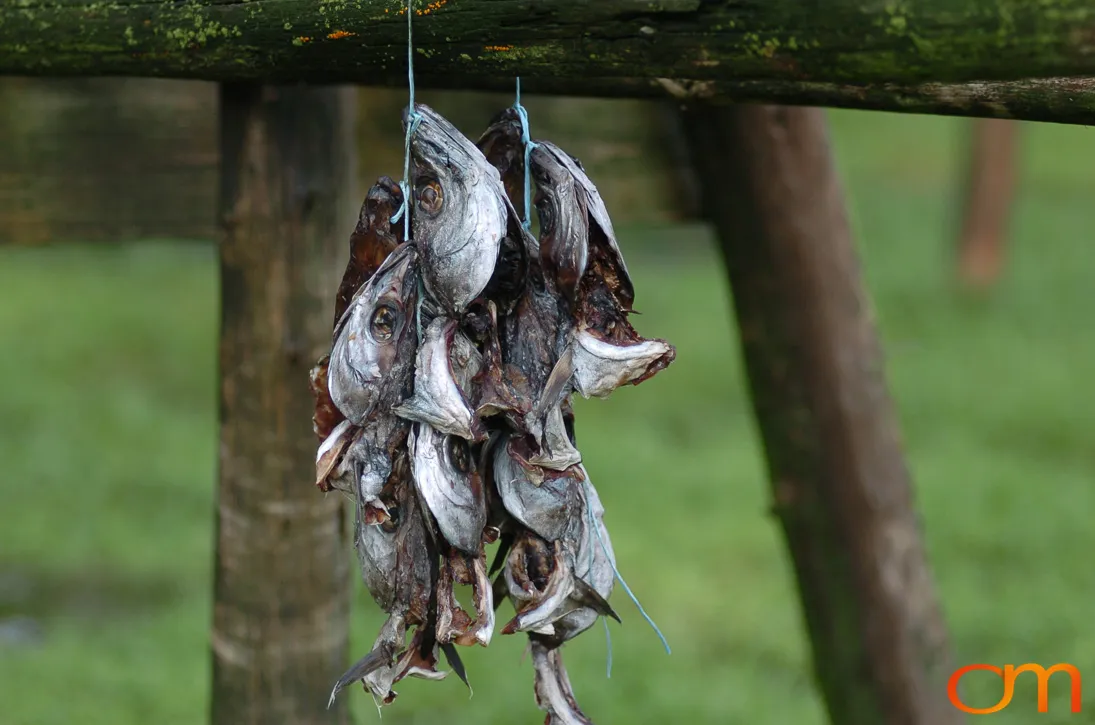
These photographs, taken in 2004, document fish heads suspended from wooden outdoor drying racks. Circulating air gradually removes moisture, preserving the fish for storage, transport, and later use.
Fish drying has been practiced in Iceland since the settlement era. By the early 14th century, stockfish and fish oil had become two of the country’s principal exports, connecting Icelandic fisheries with markets elsewhere in northern Europe.
Fish heads later became an important product from whitefish processing. Traditionally dried outdoors, they were increasingly processed in controlled indoor facilities after indoor fish-head drying began in Iceland in 1978. The newer systems shortened production times, allowed processing throughout the year, and frequently used geothermal heat.
During the period documented, dried fish heads, particularly cod heads, were exported primarily to Nigeria for human consumption. The trade increased the proportion of each catch that could be processed and sold.