Isle of Man
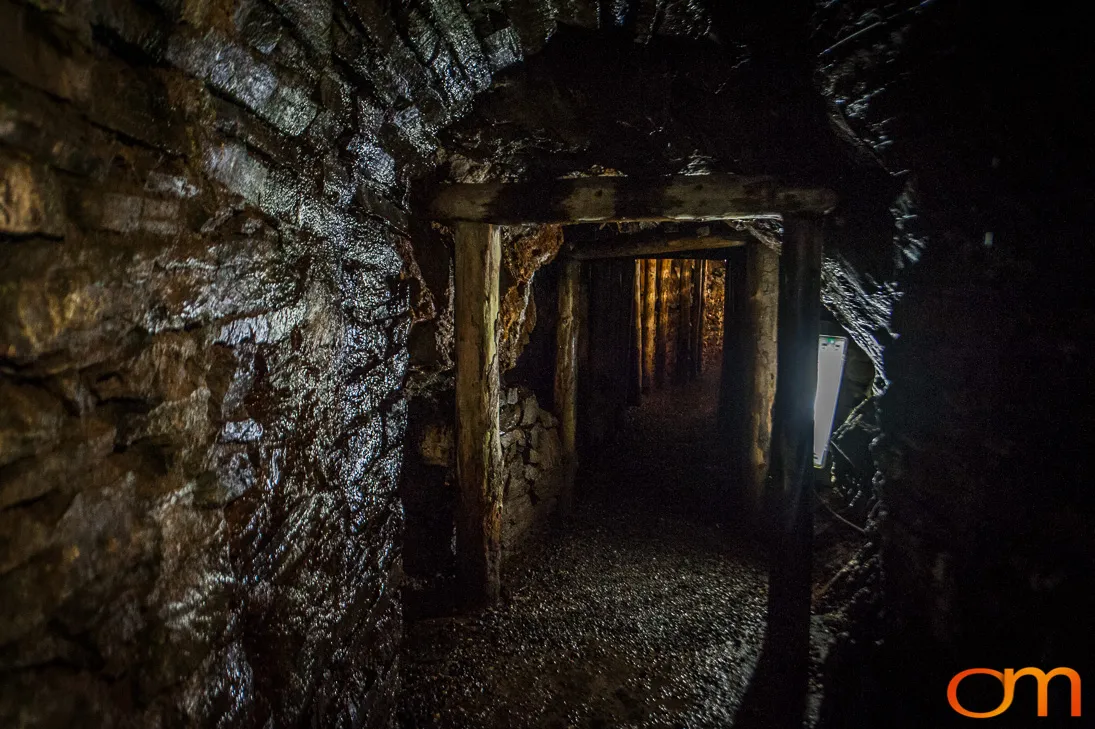
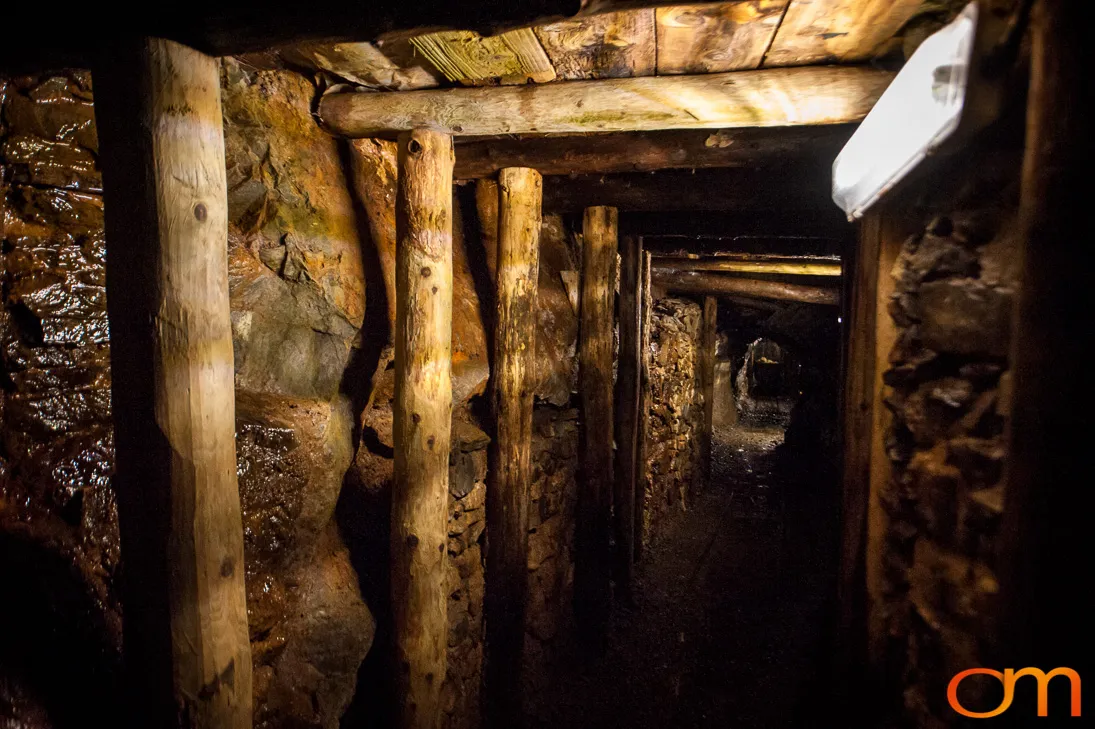
The Great Laxey Wheel and Mines Trail
August 2017
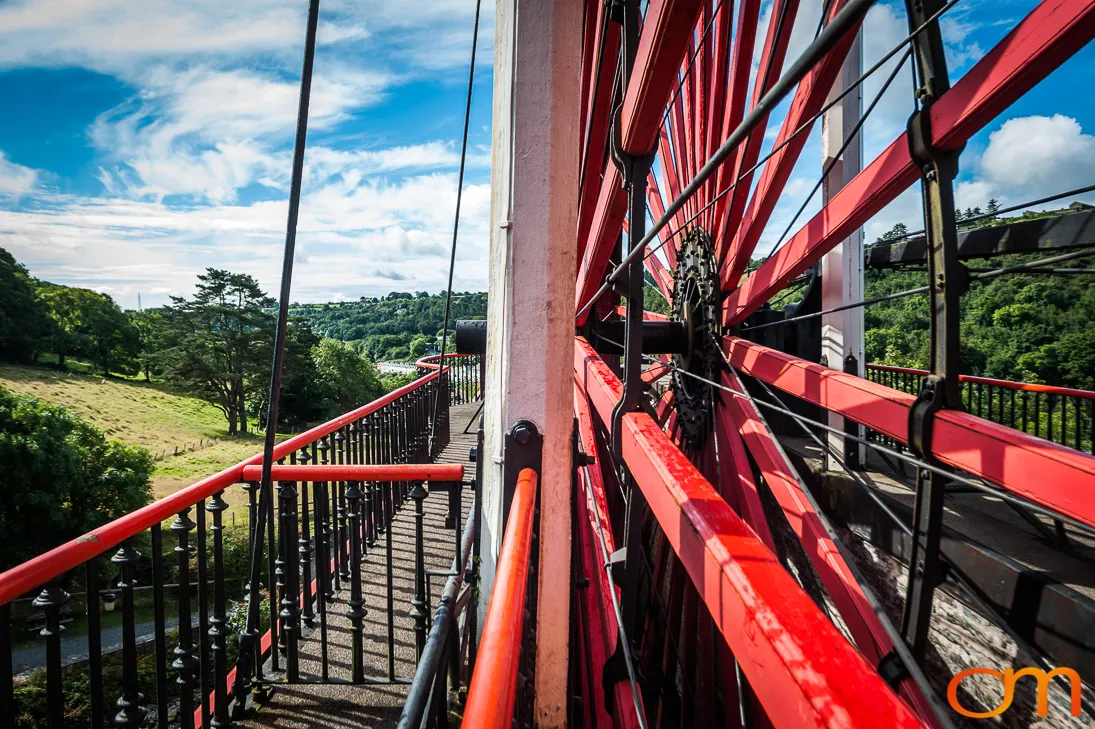
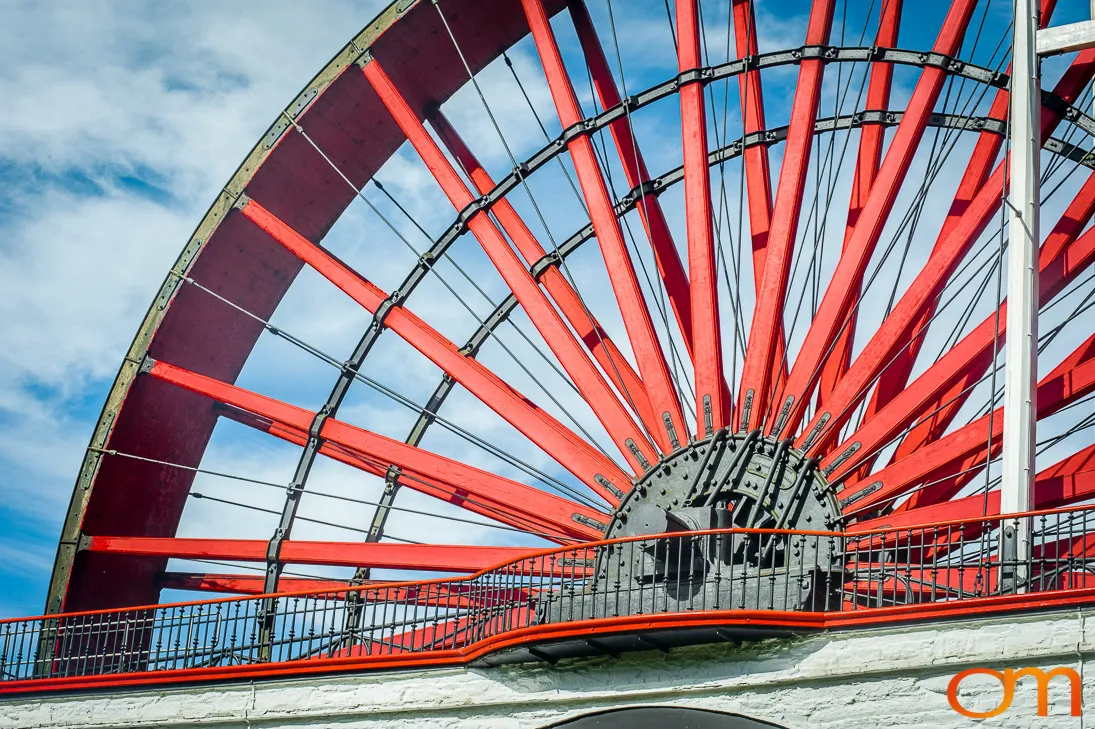
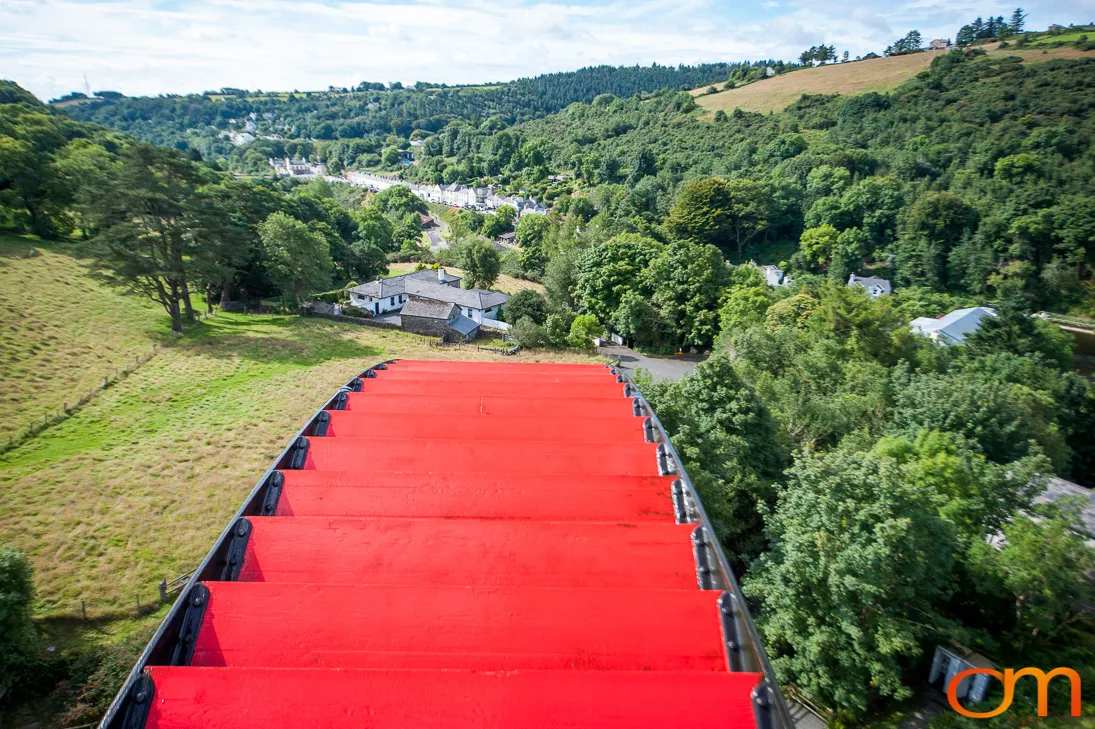
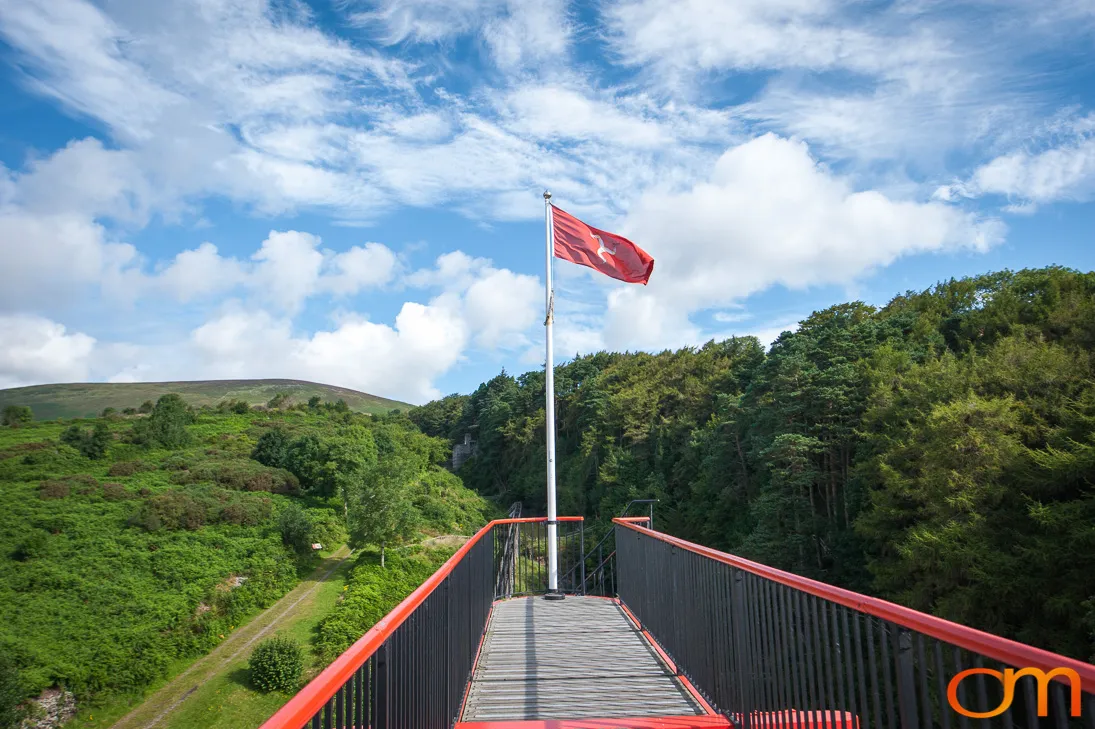
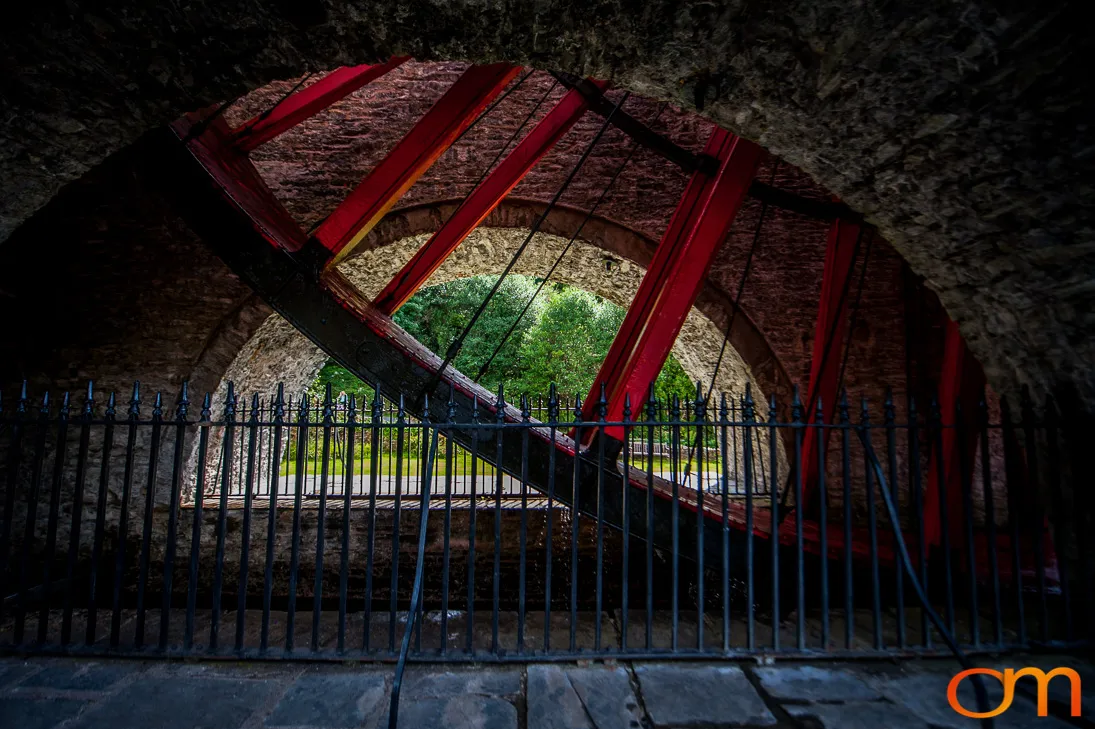
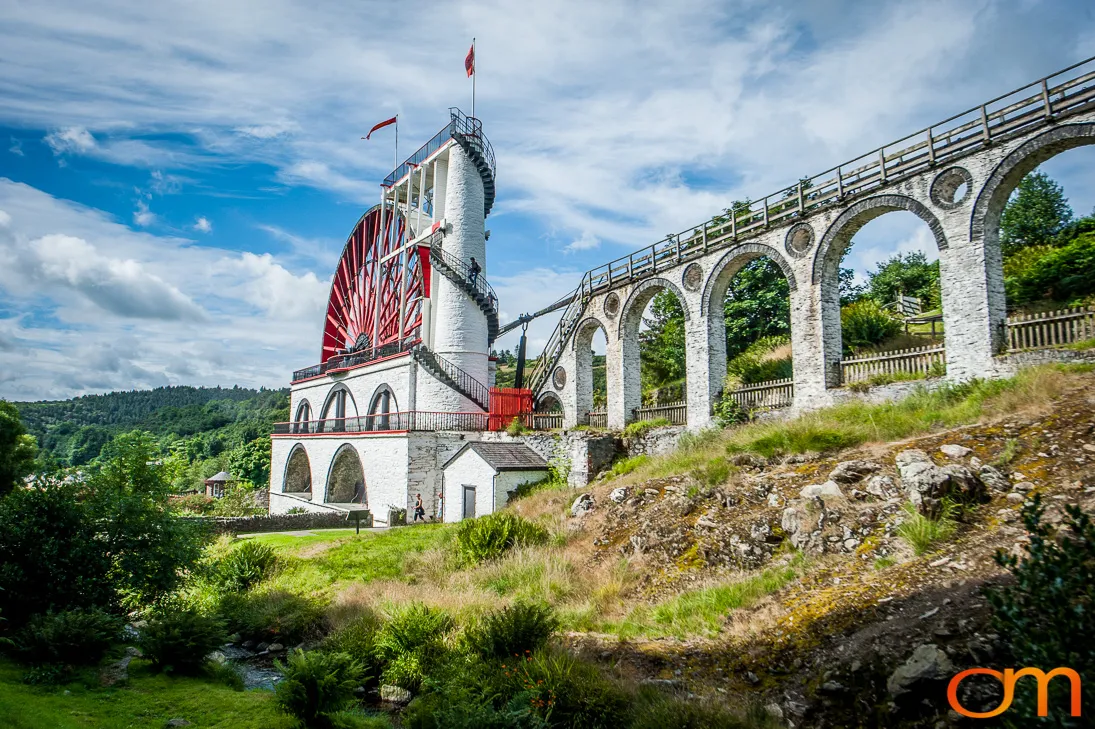
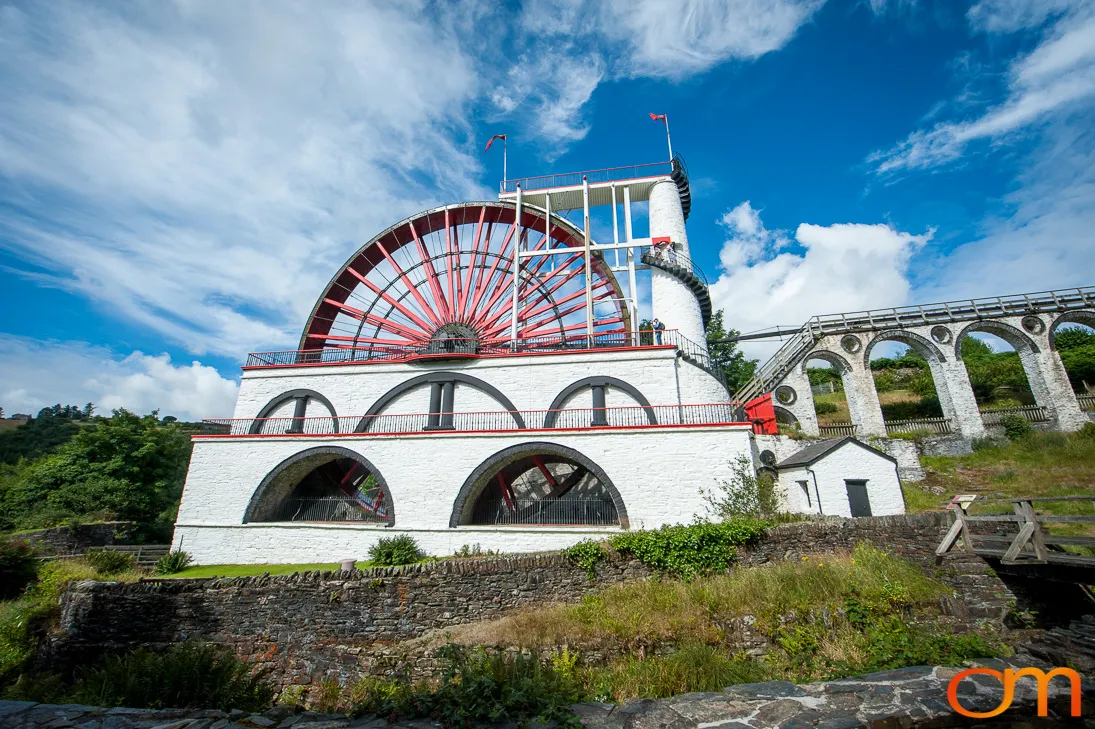
The Great Laxey Wheel, also known as Lady Isabella, was completed in 1854 to drain the Glen Mooar section of the Great Laxey Mines. Designed by Manx engineer Robert Casement, it measures 72 feet 6 inches (22.1 metres) in diameter and approximately 6 feet (1.8 meters) wide. It is recognized as the largest surviving working waterwheel of its kind in the world.
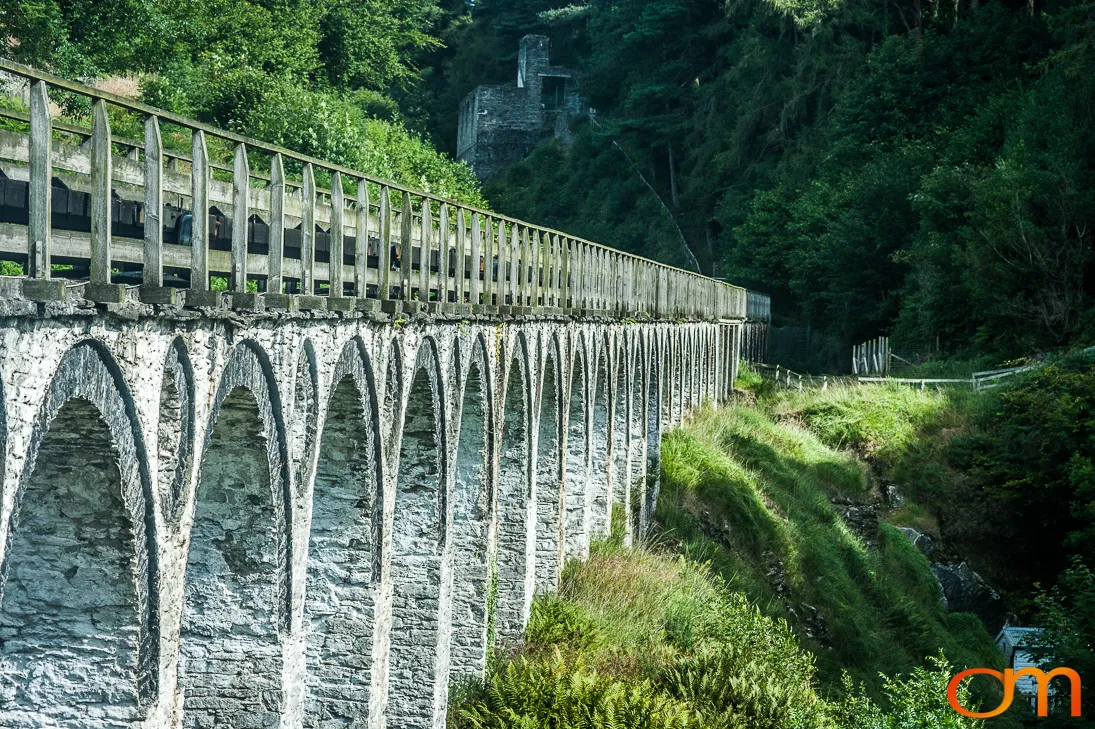
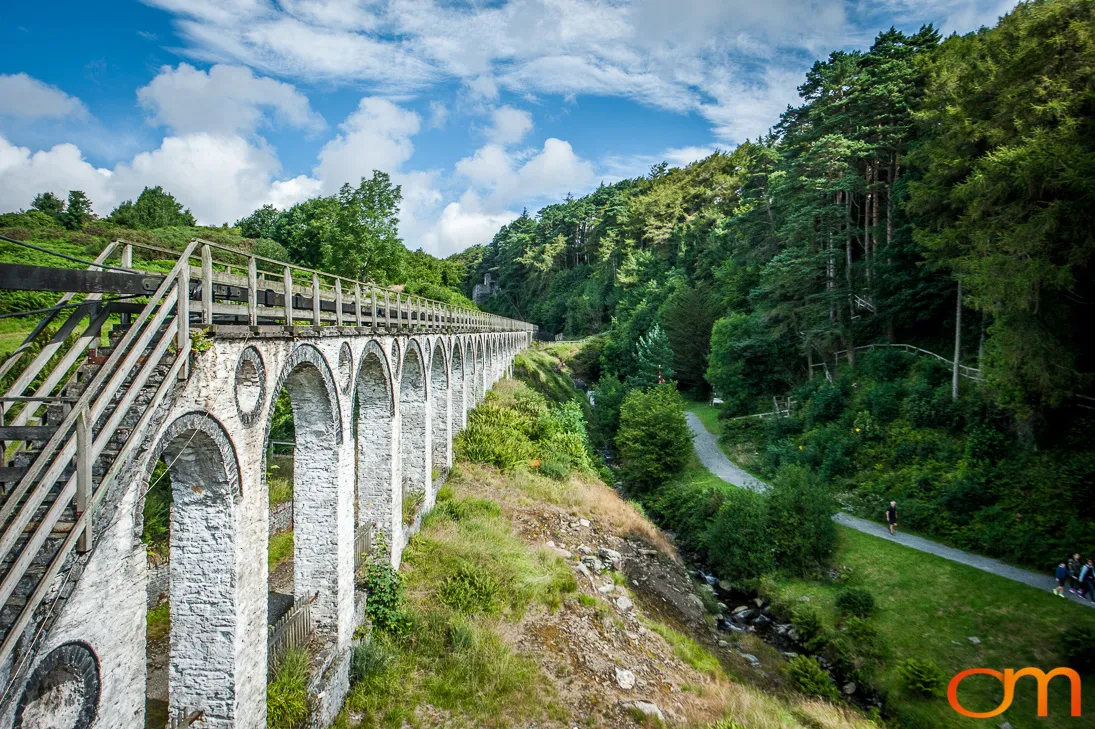
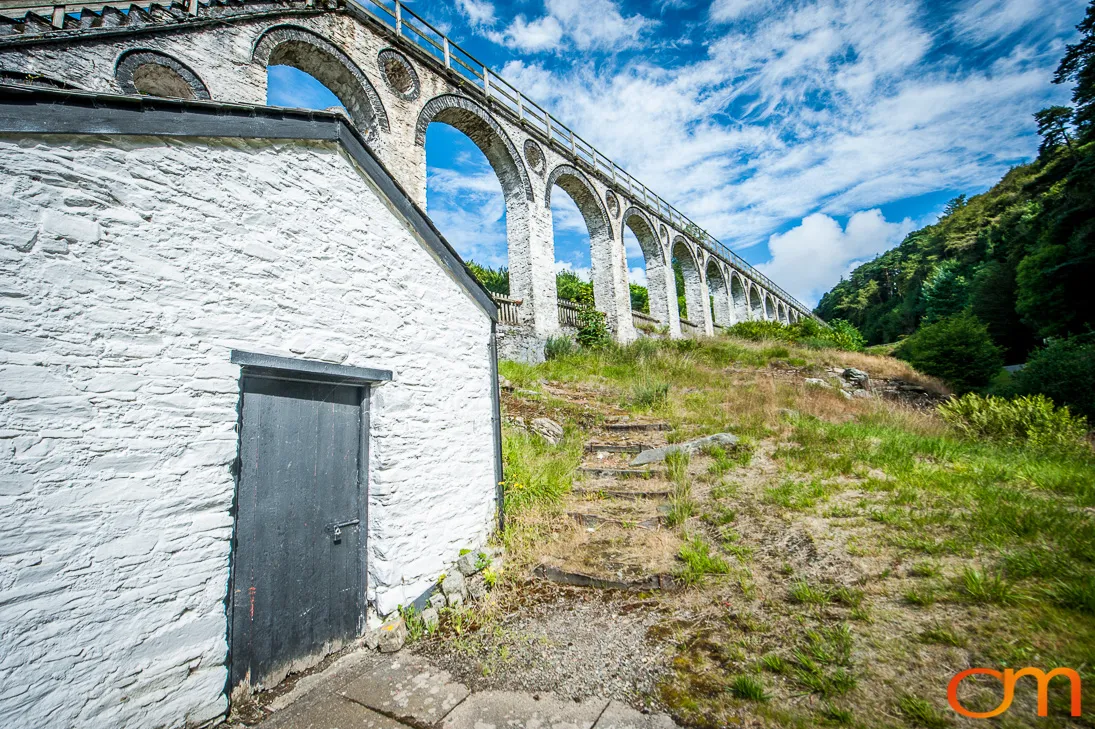
Water collected from the surrounding hills was carried through channels, known as lades, and storage cisterns to buckets around the wheel. Its rotation drove a long system of rods along a stone viaduct to a T-rocker above the mine shaft. This mechanism converted horizontal movement into the vertical action of underground pumps, lifting mine water to the Main Adit, from which it drained into the Laxey River.
The wheel was formally opened on 27 September 1854 and named Lady Isabella after Lady Isabella Hope, wife of Lieutenant Governor Charles Hope. It served the lead and zinc mining complex until the mine closed in 1929. The Isle of Man Government acquired the wheel in 1965, and it came under the care of Manx National Heritage in 1989.
Developments Since the Photographs Were Taken
The wheel reopened in October 2022 following major conservation work. Further conservation of the rod duct and T-rocker has continued while the wheel remains accessible as a working industrial-heritage site.