Isle of Man
Isle of Man: Coast, Landscape and Manx Heritage
August 2017
The Isle of Man lies in the Irish Sea between Great Britain and Ireland. Covering 221 square miles (572 square kilometres), it recorded 84,069 residents in the 2021 census. The island is a self-governing Crown Dependency with its own parliament, government, legal system and taxation. It is not part of the United Kingdom. King Charles III is the head of state and holds the traditional Manx title Lord of Mann.
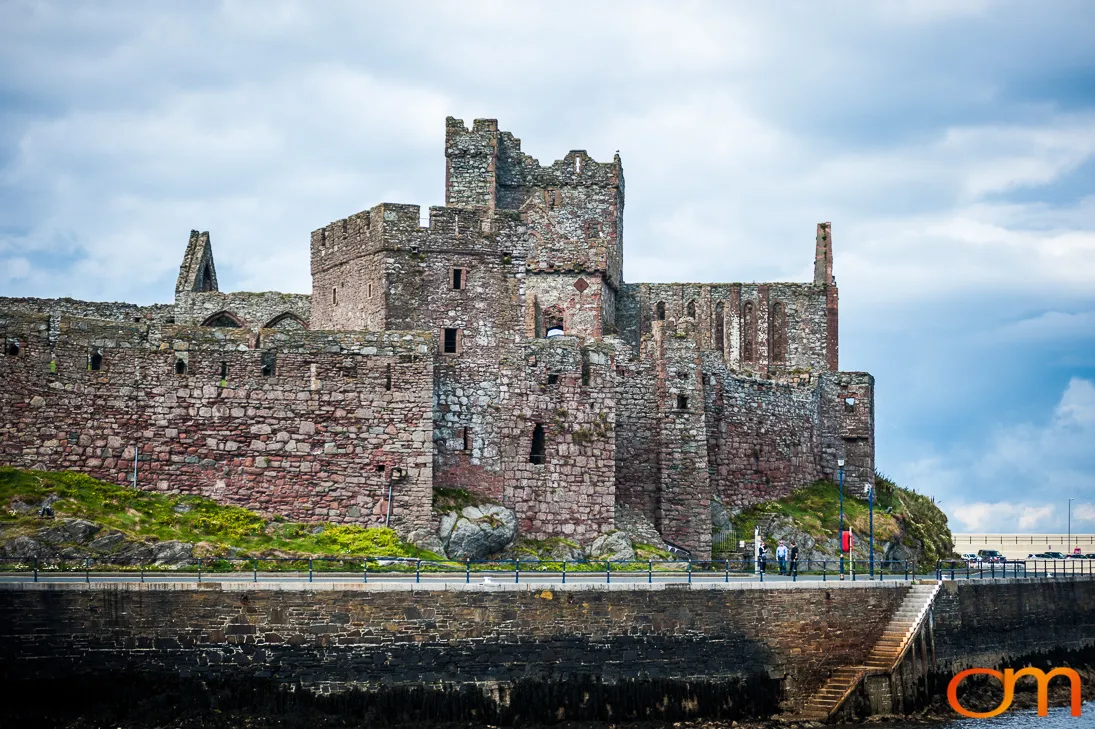
The earliest known evidence of human activity dates to the Mesolithic period, approximately 8000–4000 BC, when hunter-gatherers lived in small communities. Norse settlers arrived during the ninth and tenth centuries, and from 1079 until 1265 the Isle of Man was at the centre of the Norse Kingdom of Man and the Isles. Norway ceded the kingdom to Scotland under the Treaty of Perth in 1266, after which control of the island shifted between Scottish and English rulers.
In 1405, King Henry IV granted the Isle of Man to Sir John Stanley. The Stanley family and later the Dukes of Atholl governed it as Lords of Man until 1765, when the British Crown purchased the Atholls’ rights in an event known as the Revestment. The island subsequently developed its modern system of internal self-government, centred on Tynwald, whose origins are connected to the Norse assembly tradition.