Northern Ireland, United Kingdom
Giant’s Causeway and Causeway Coast
August 2015
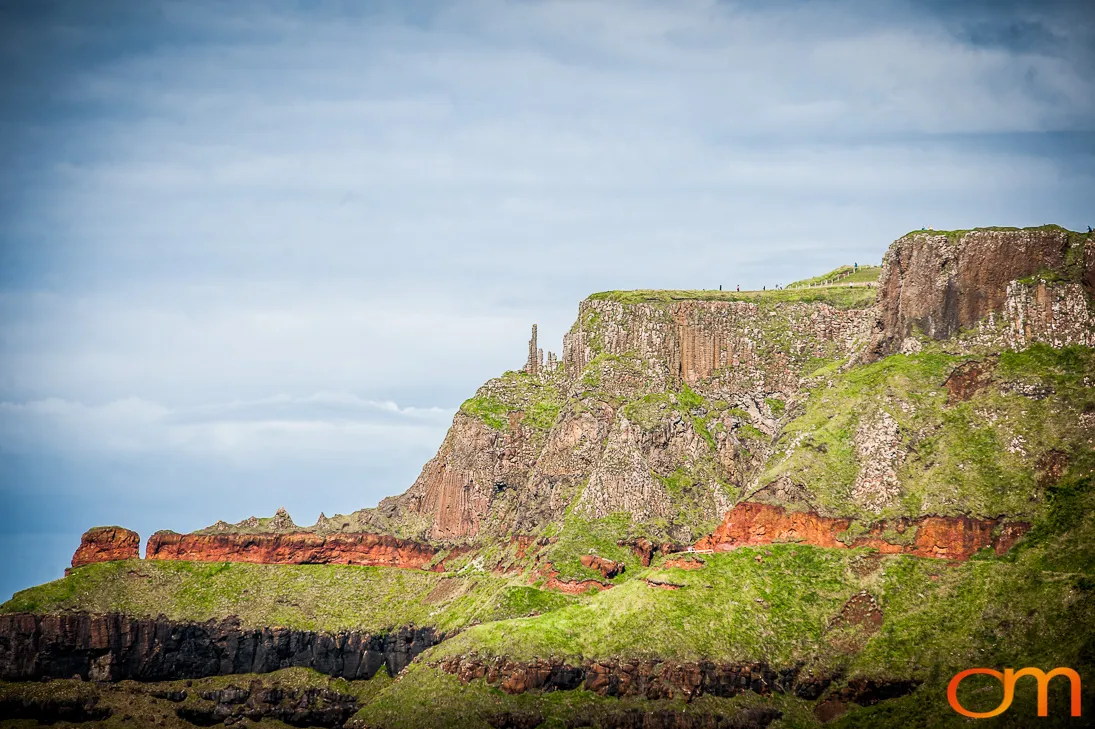
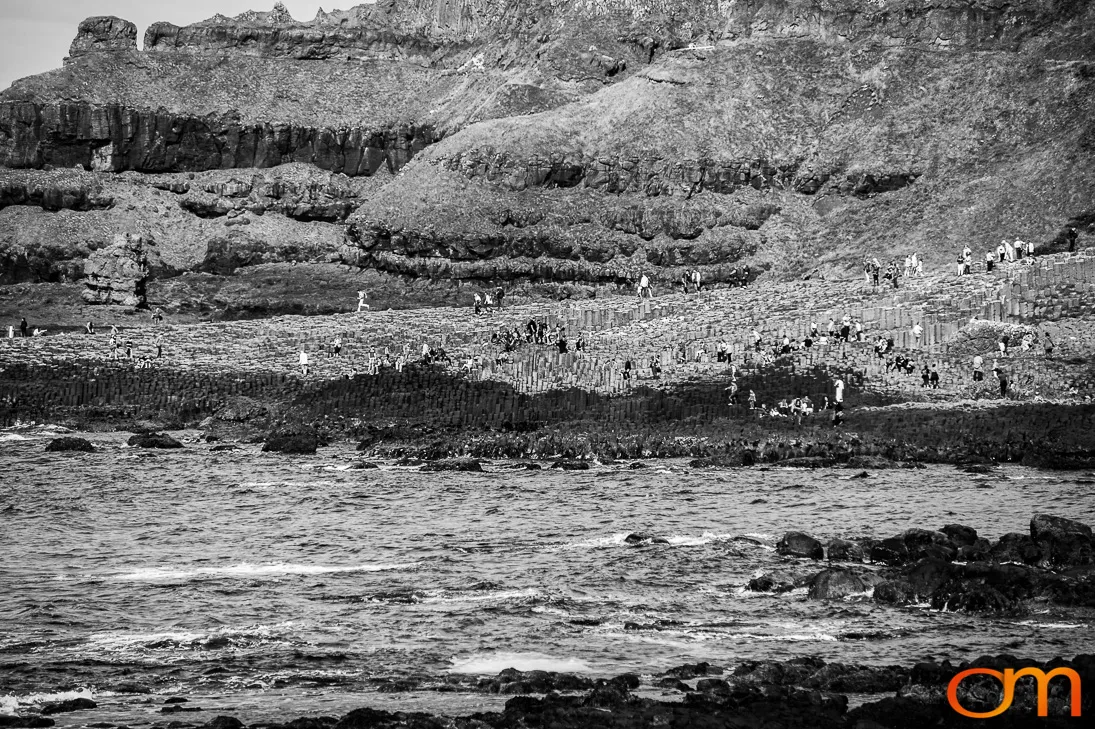
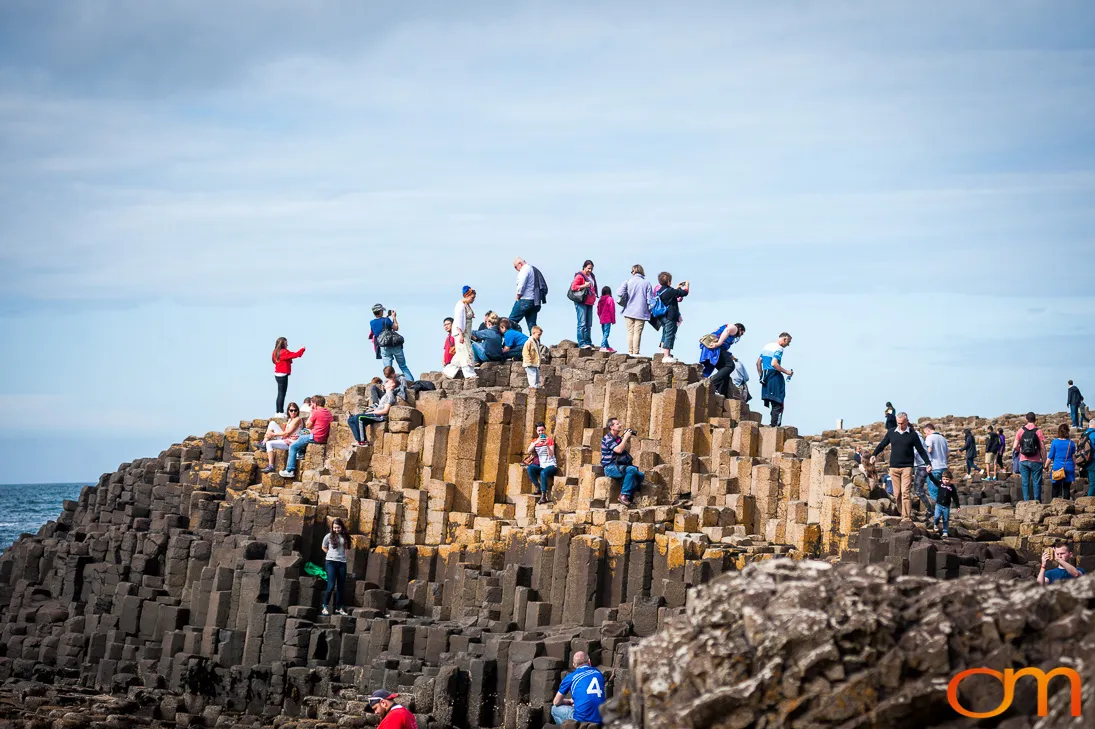
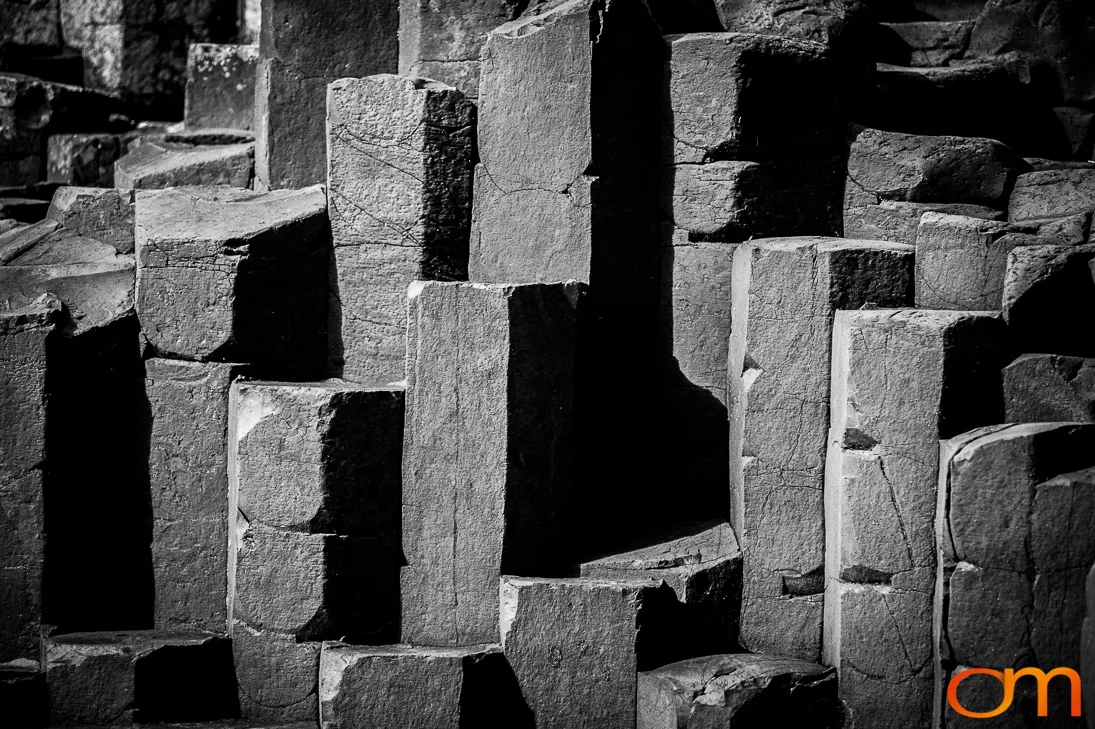
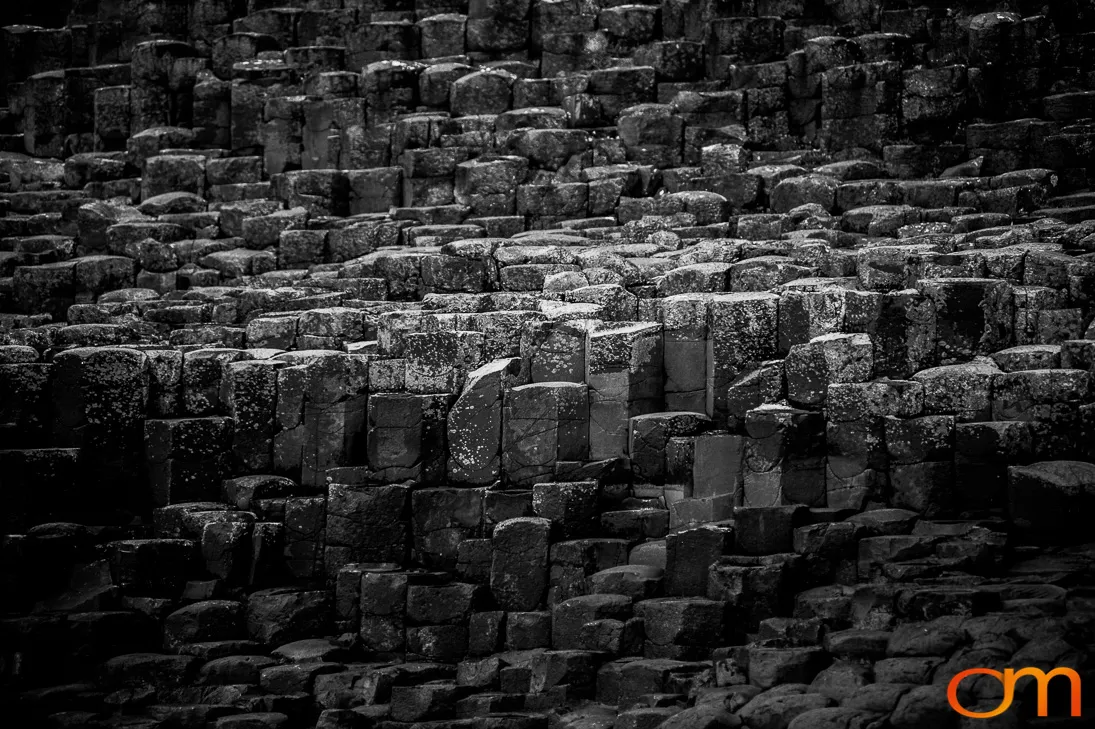
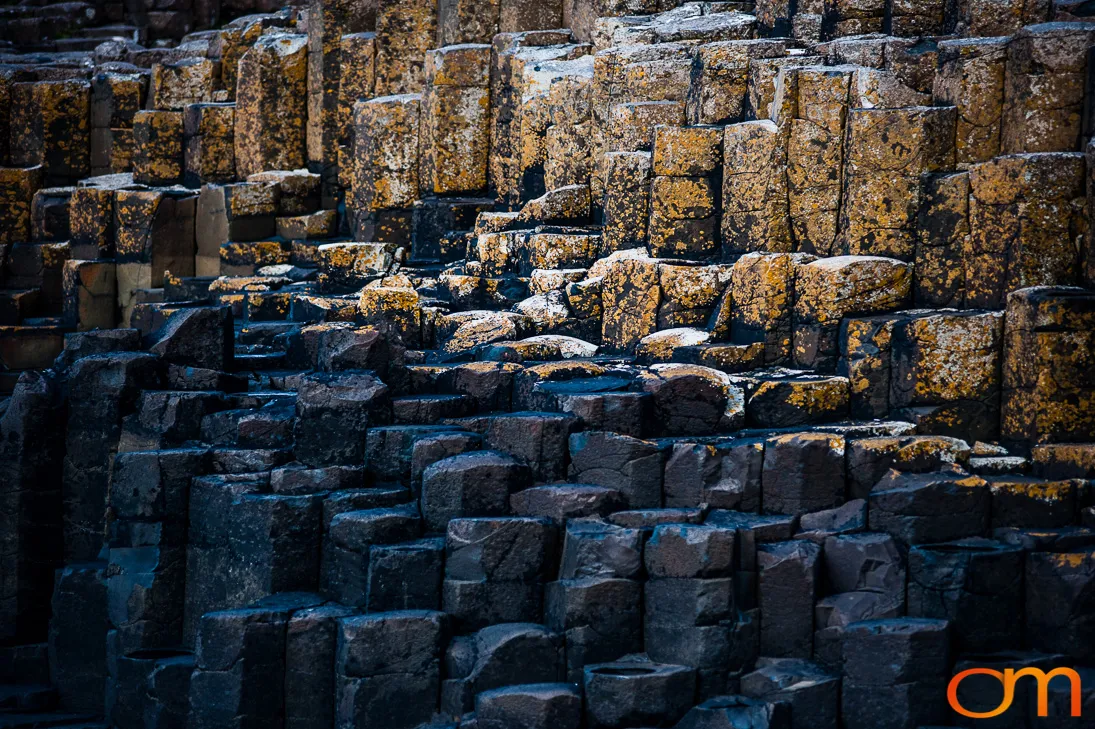
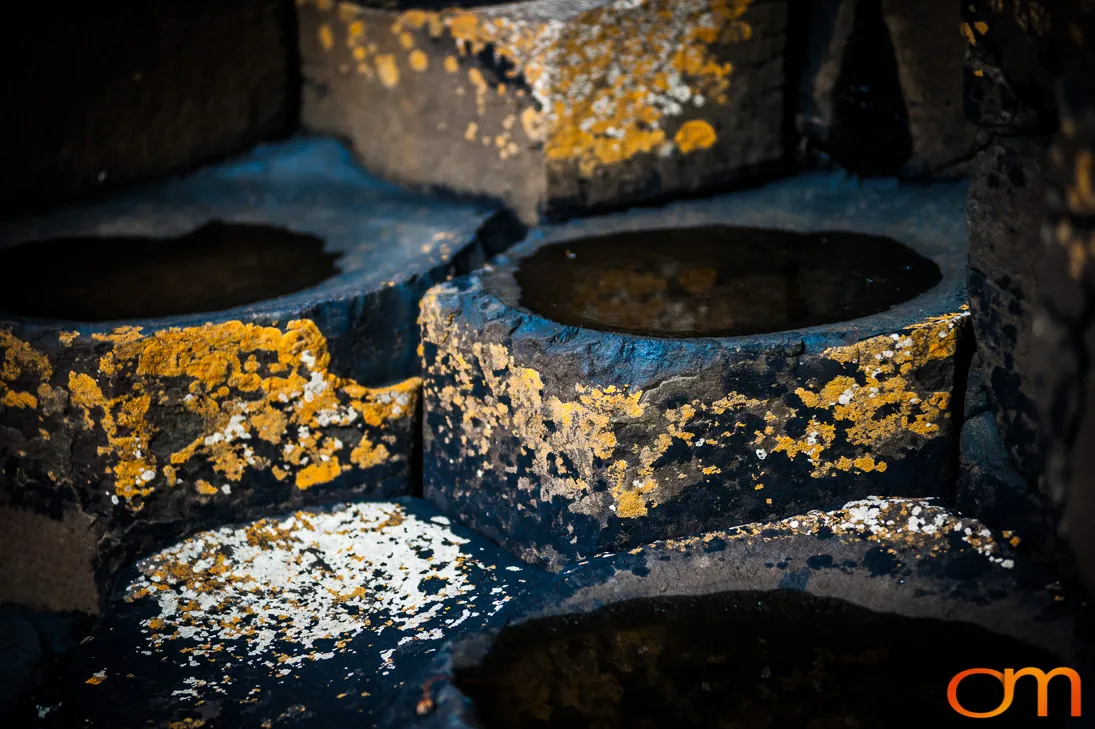
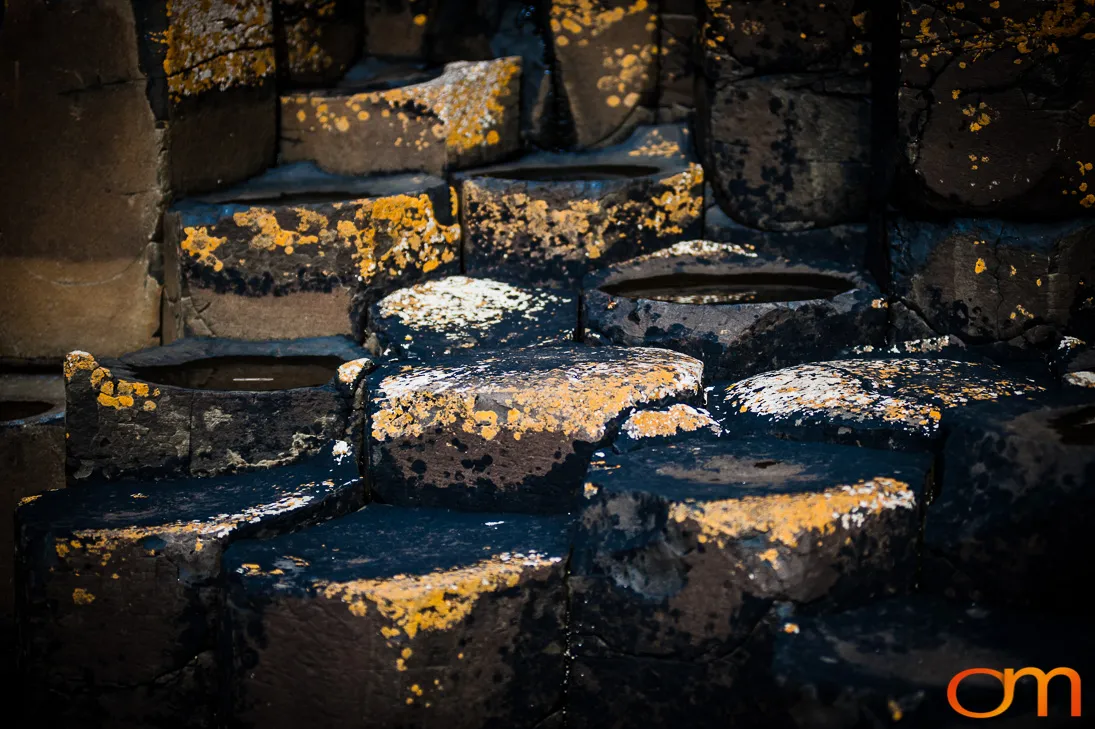
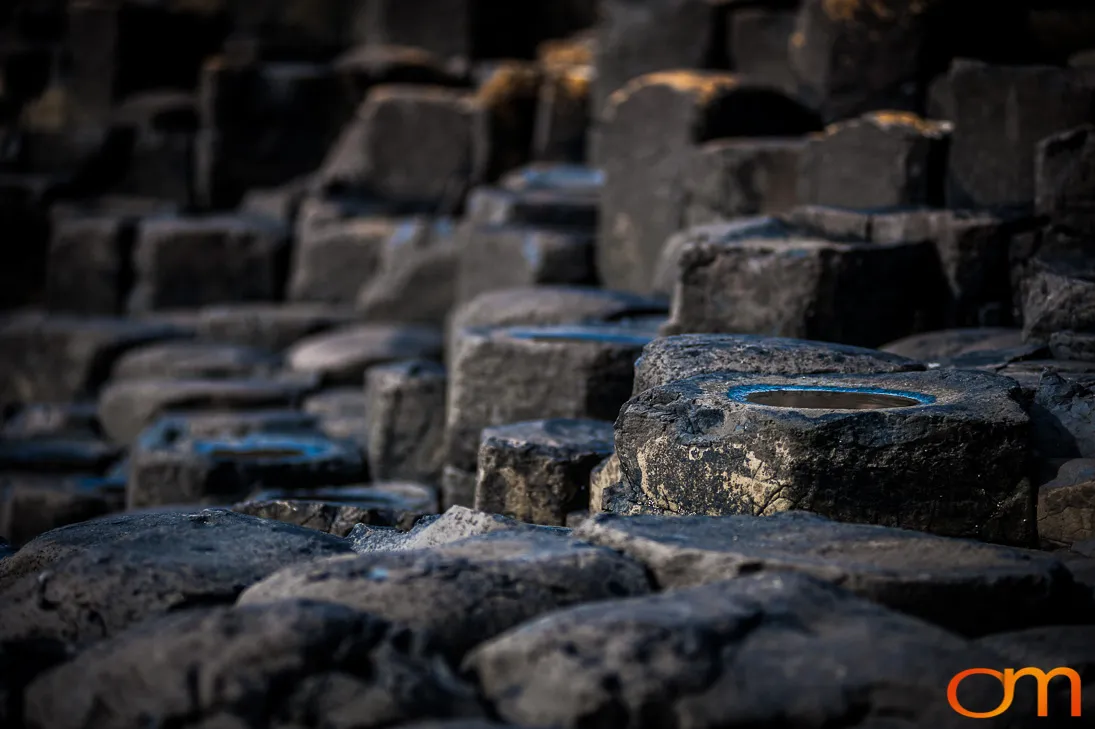
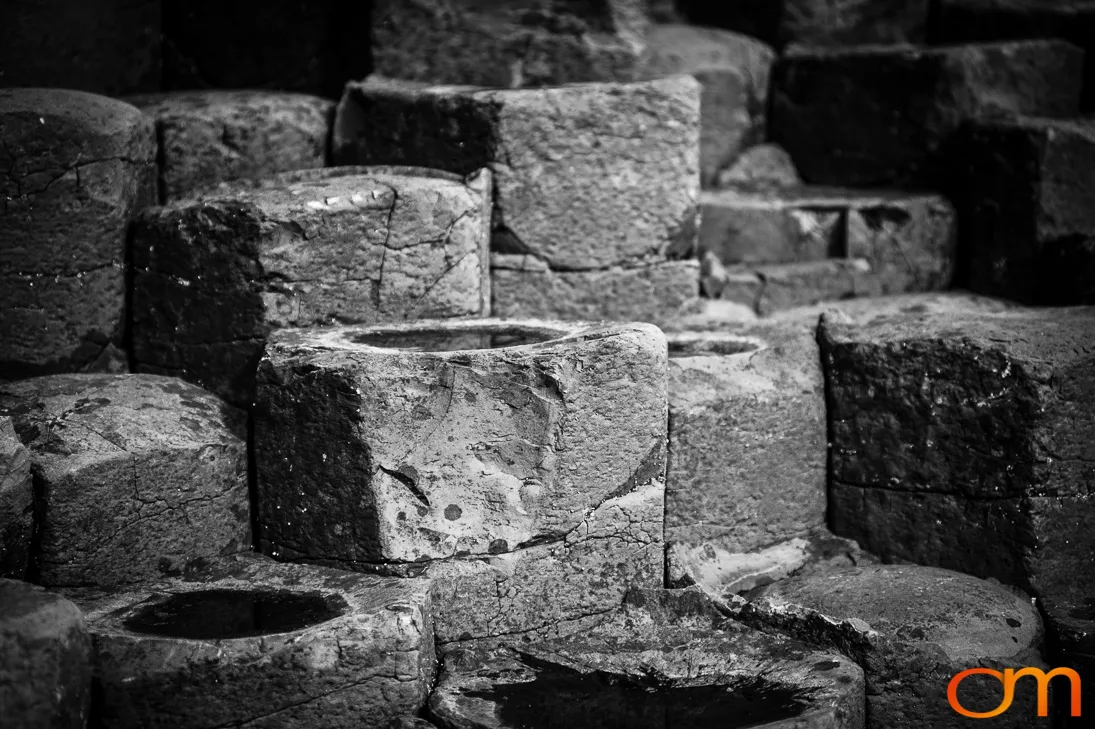
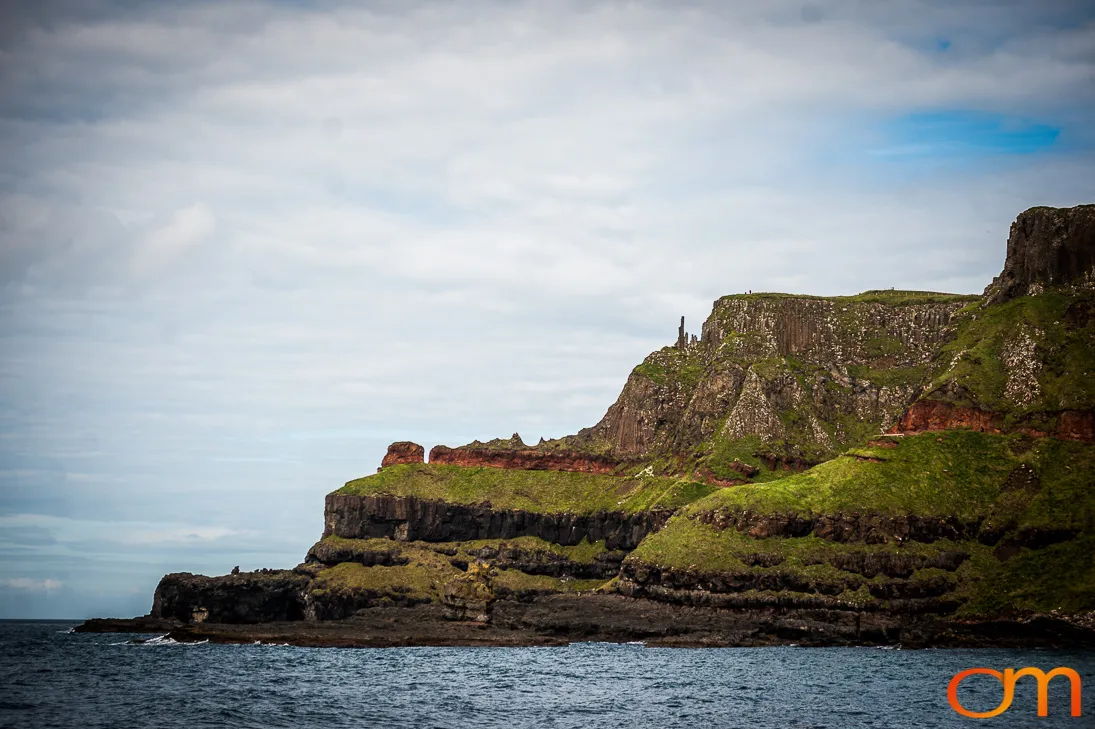
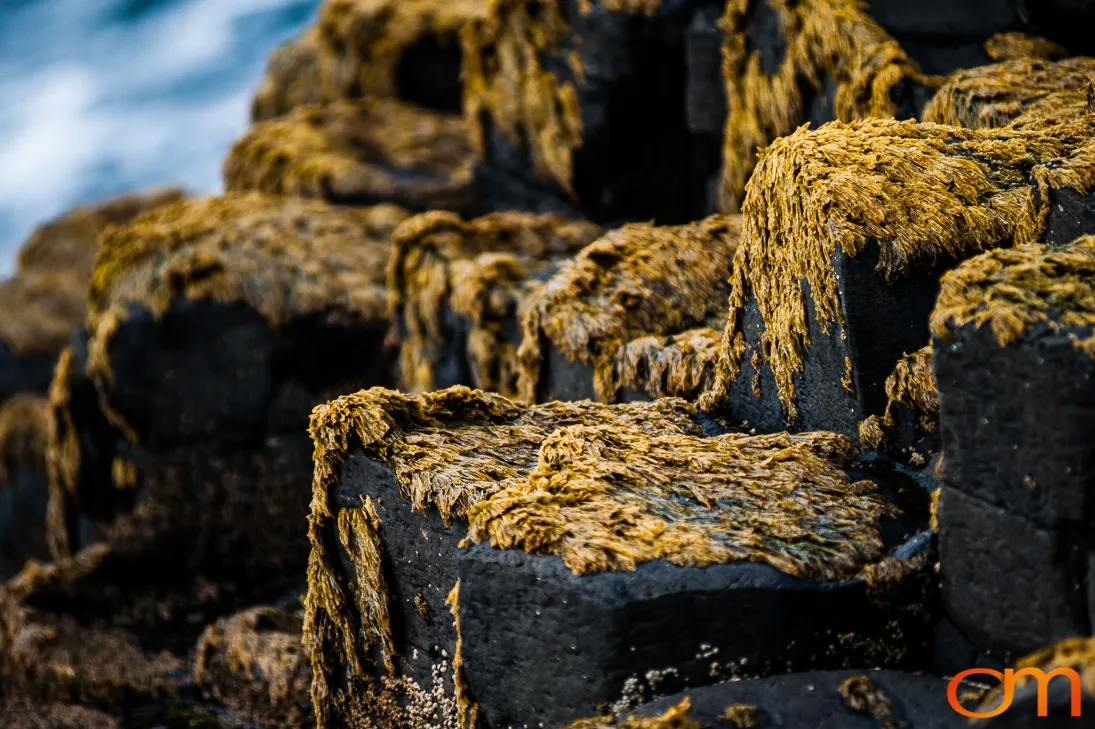
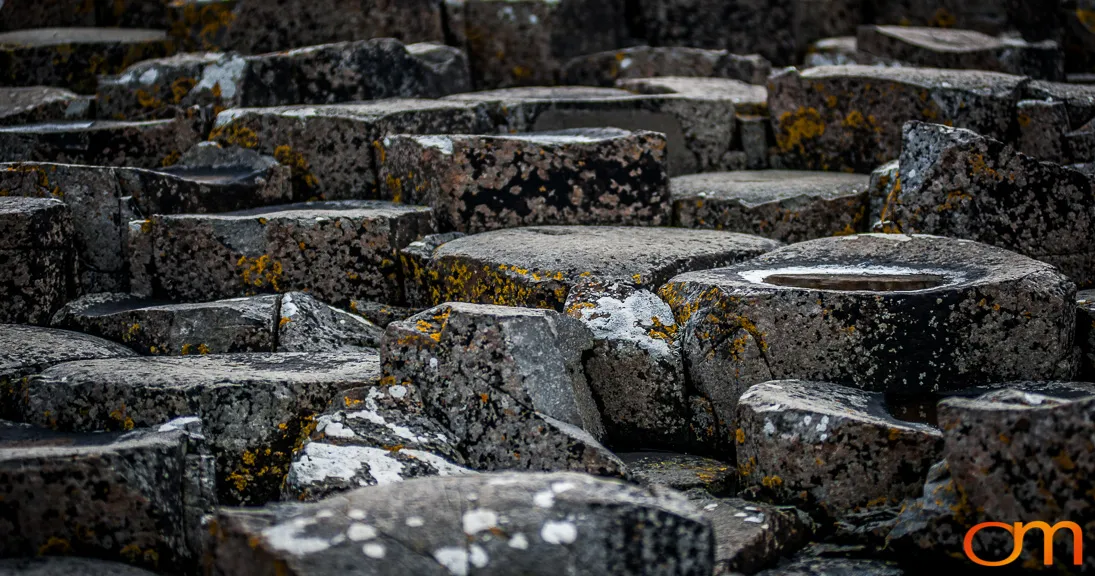
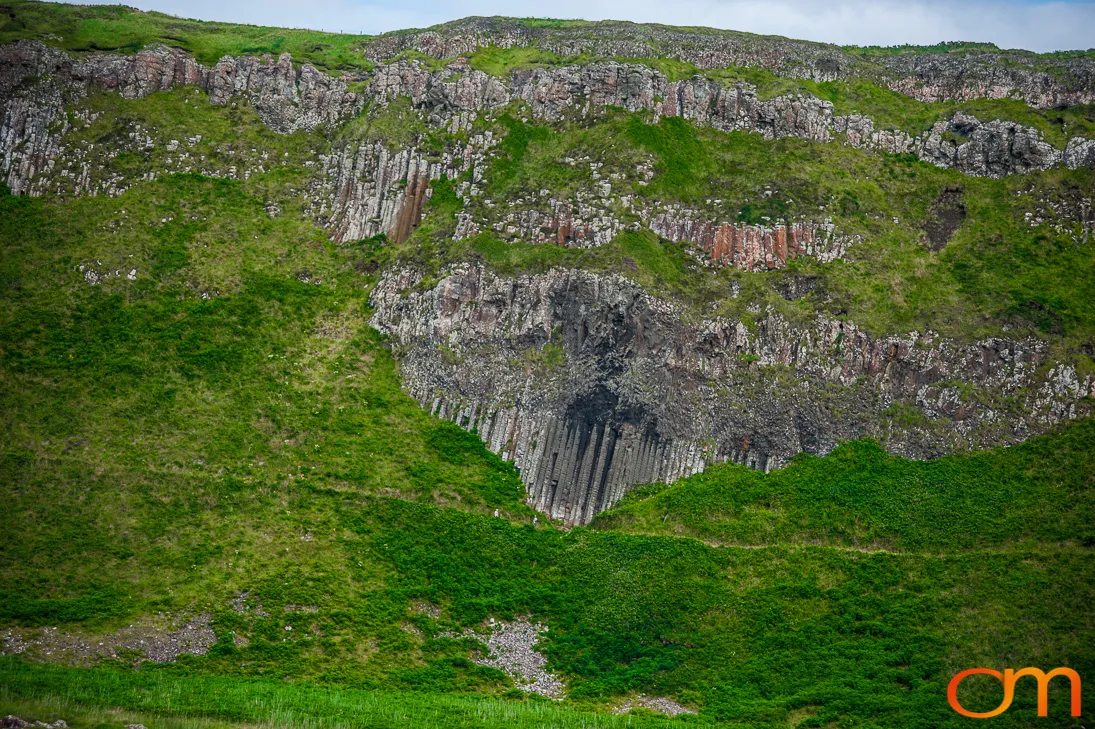
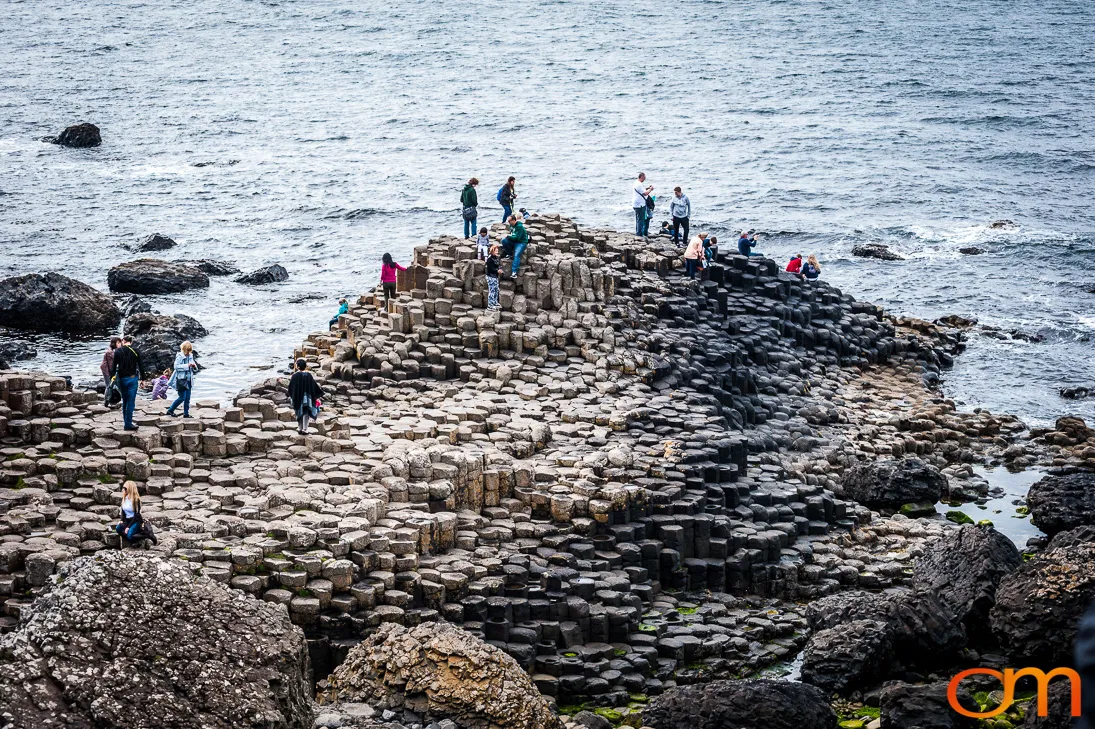
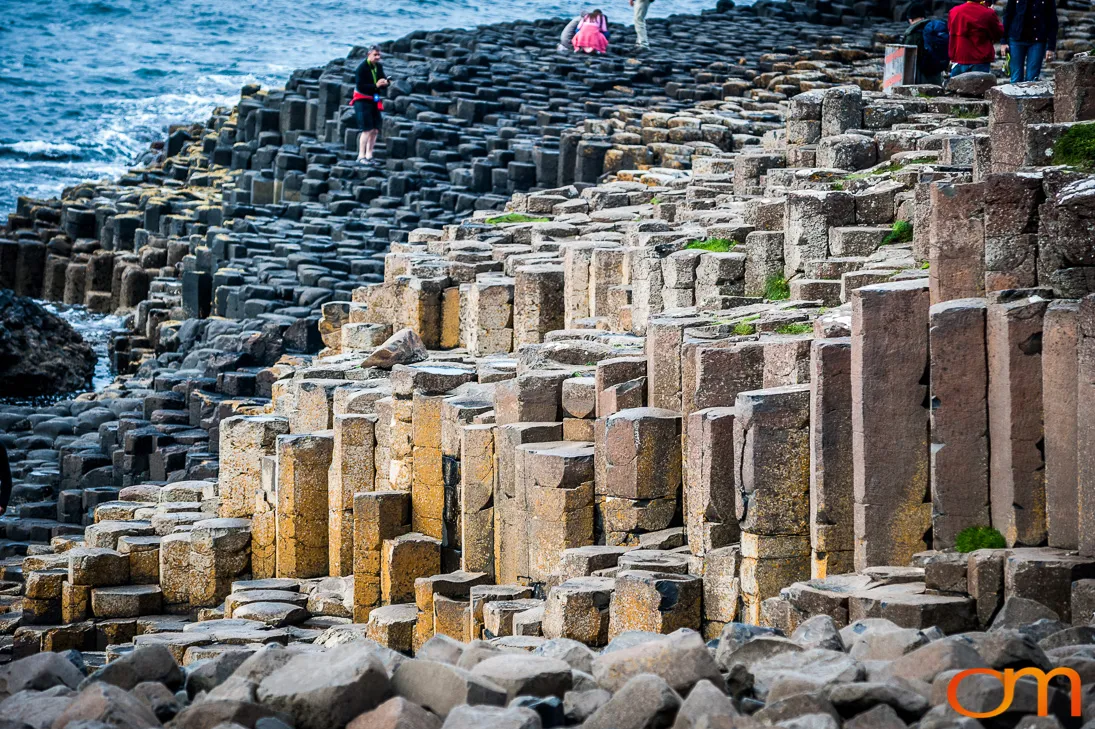
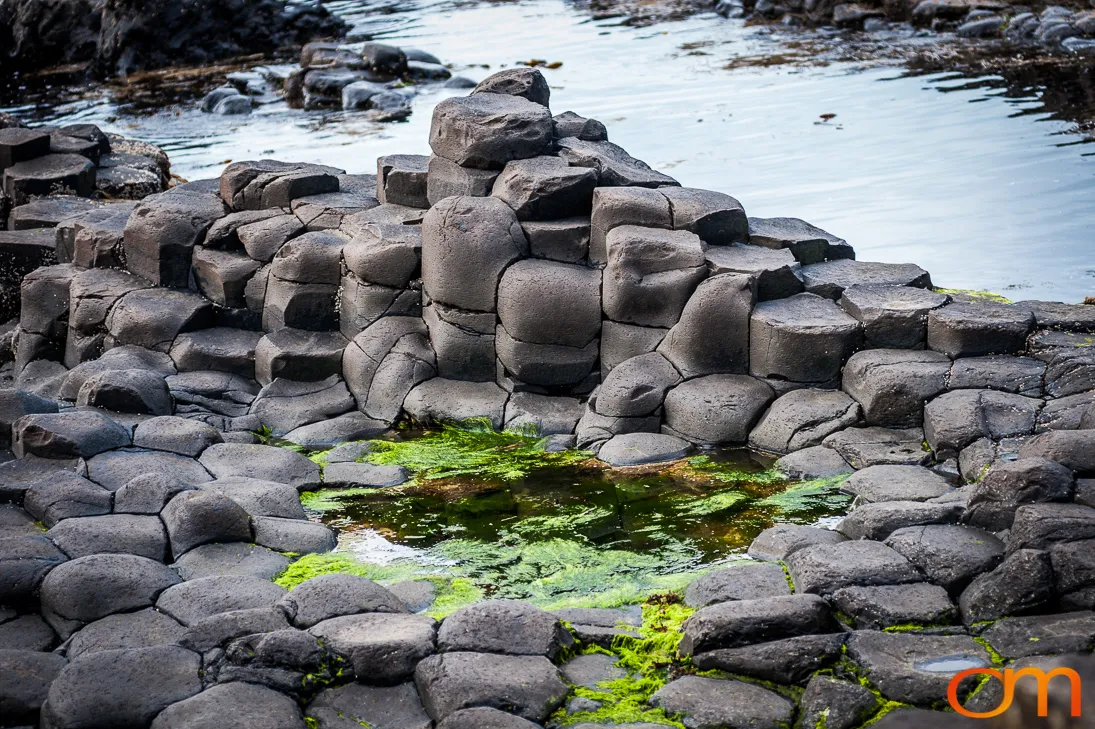
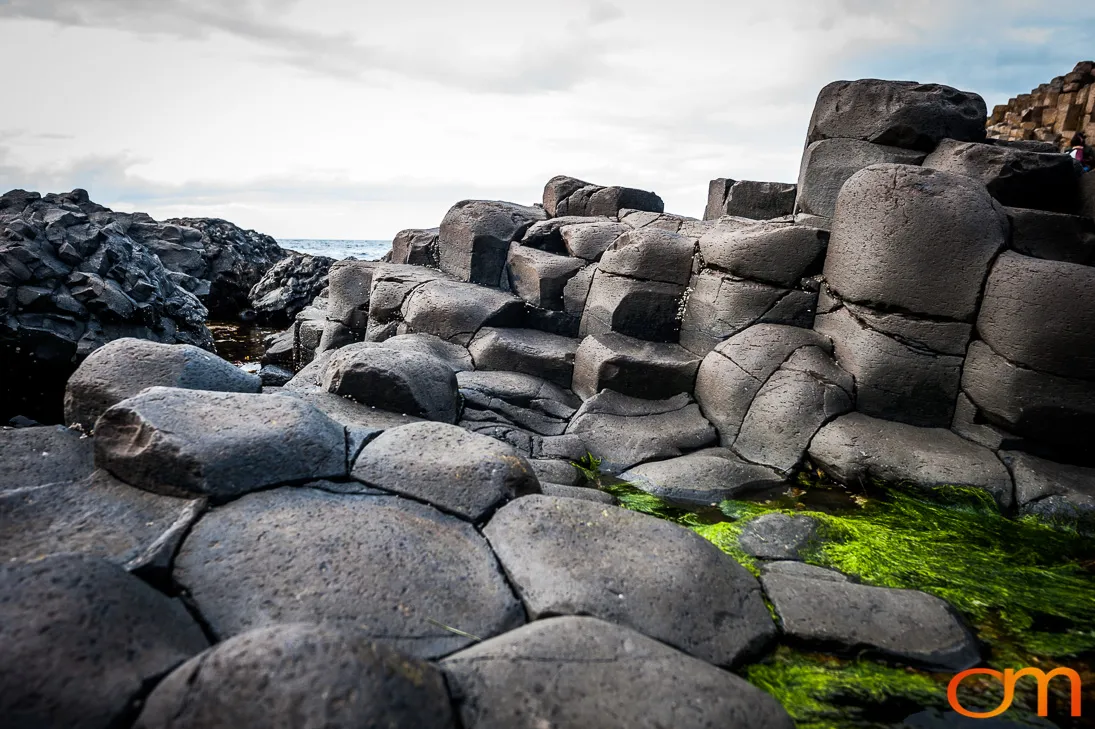
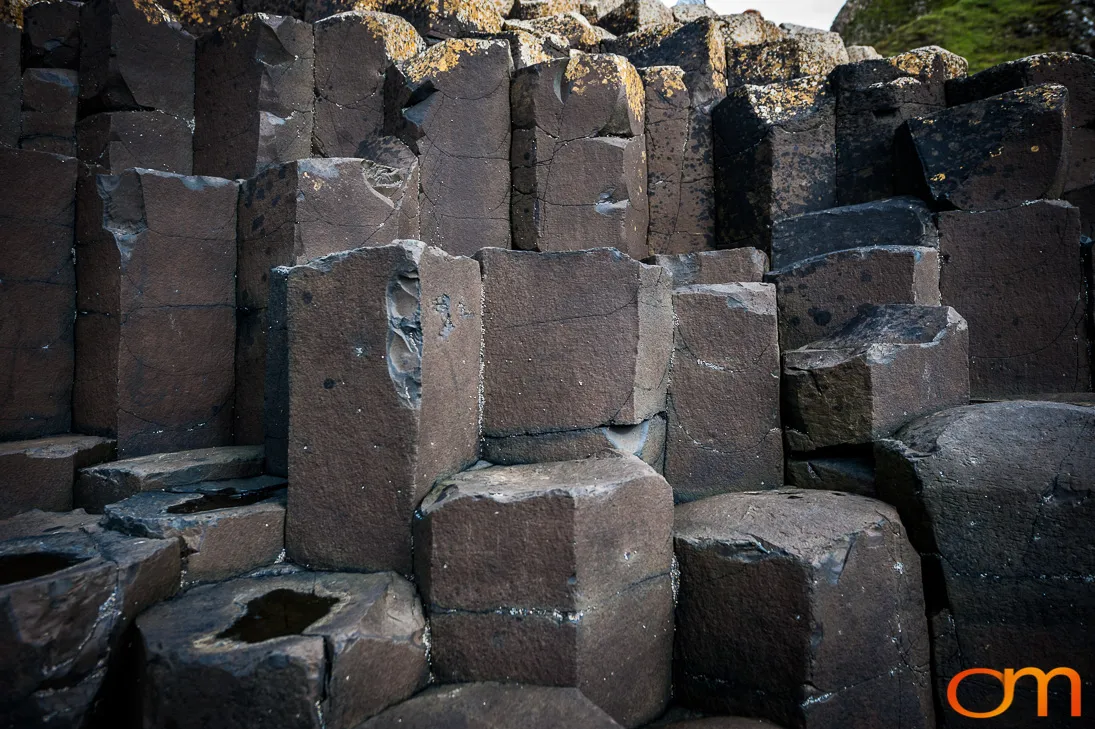
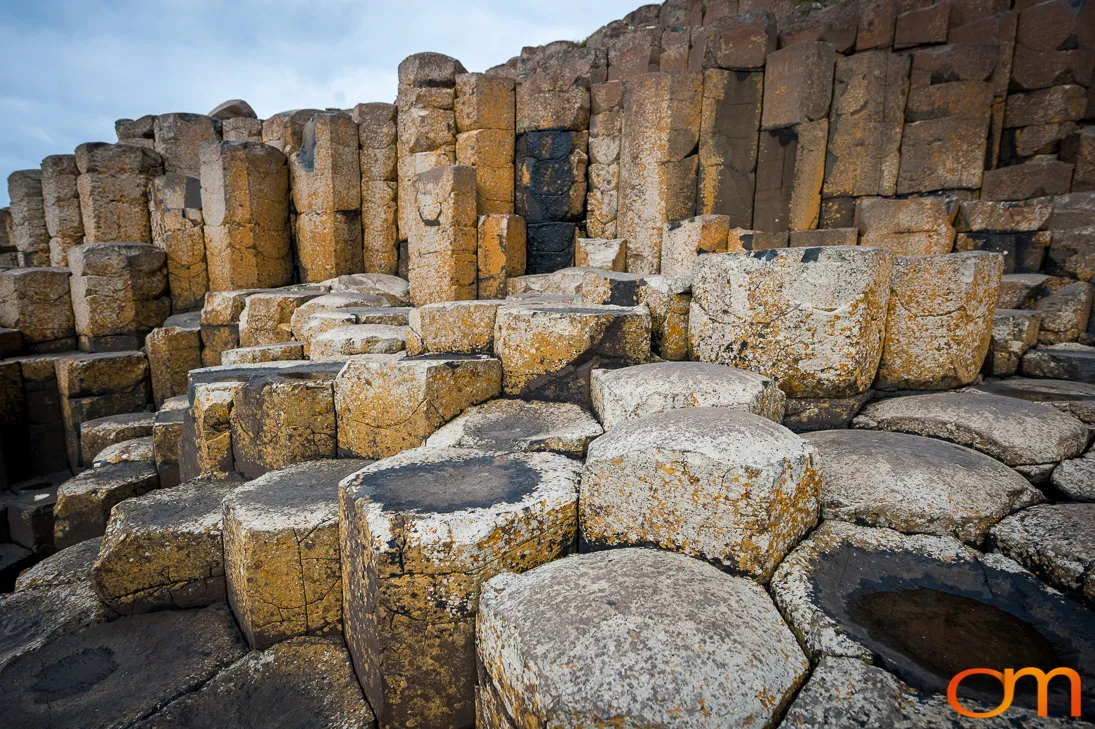
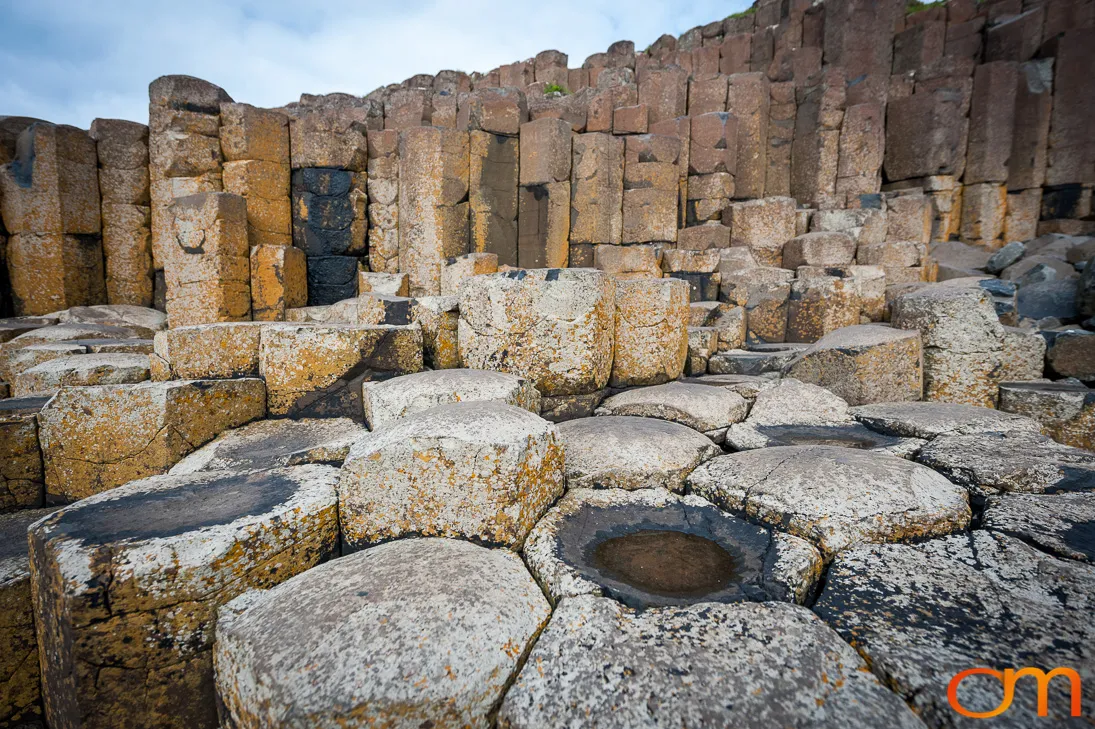
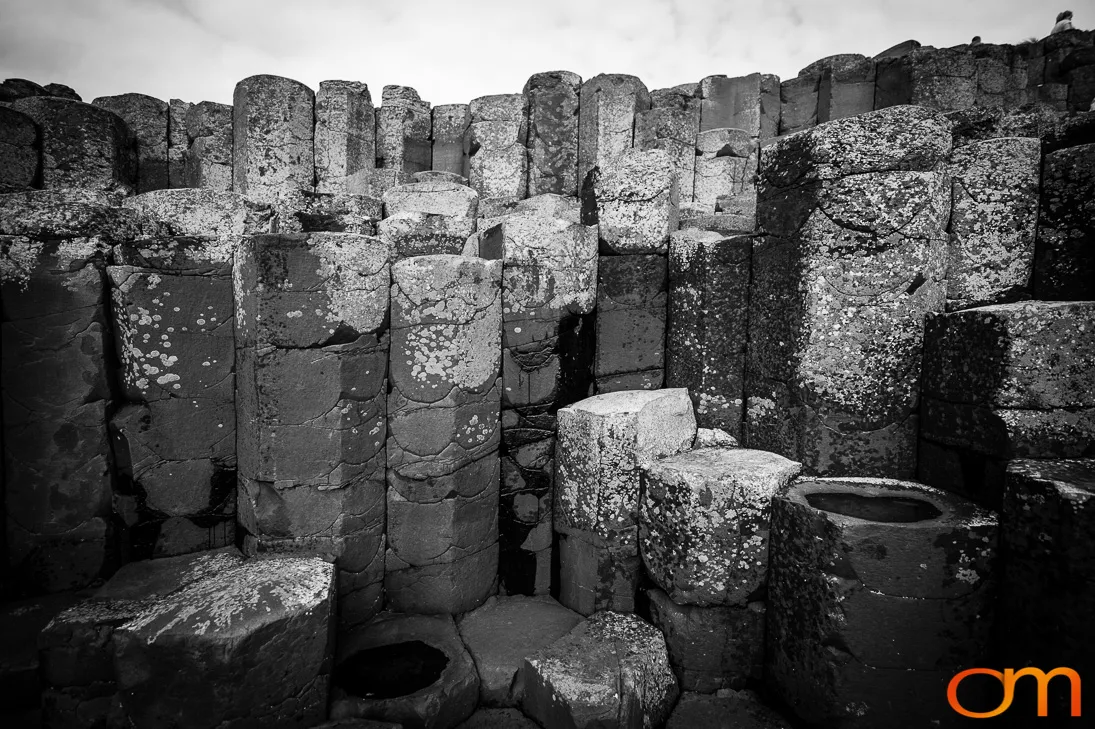
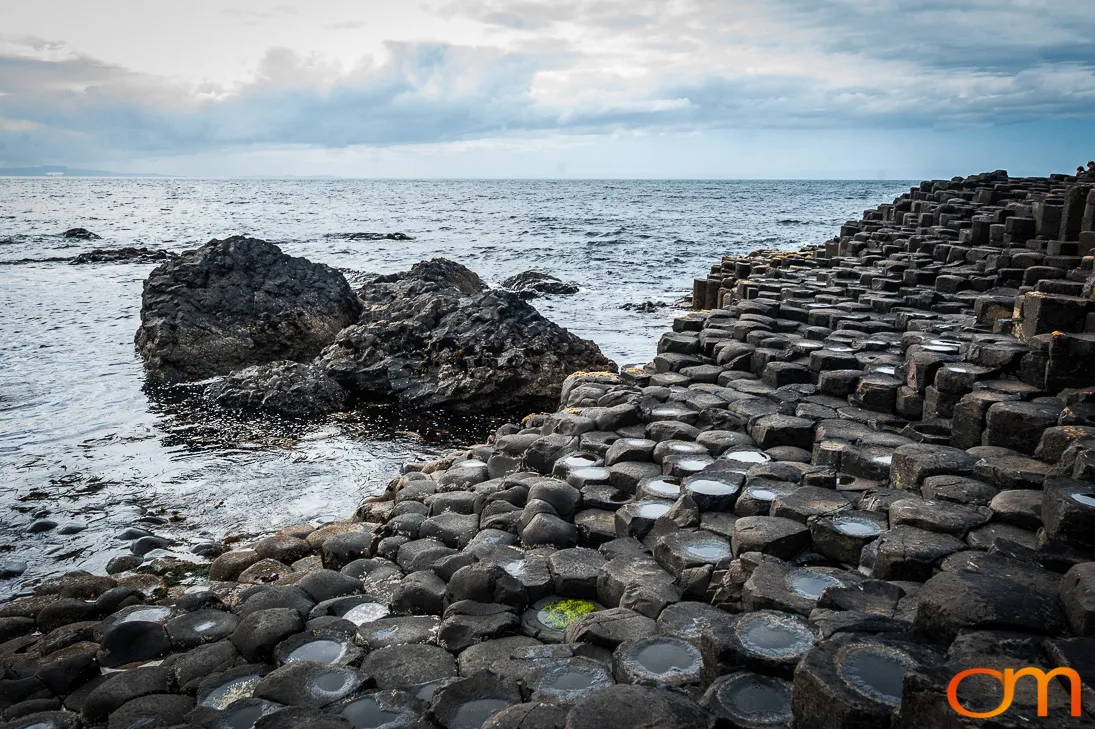
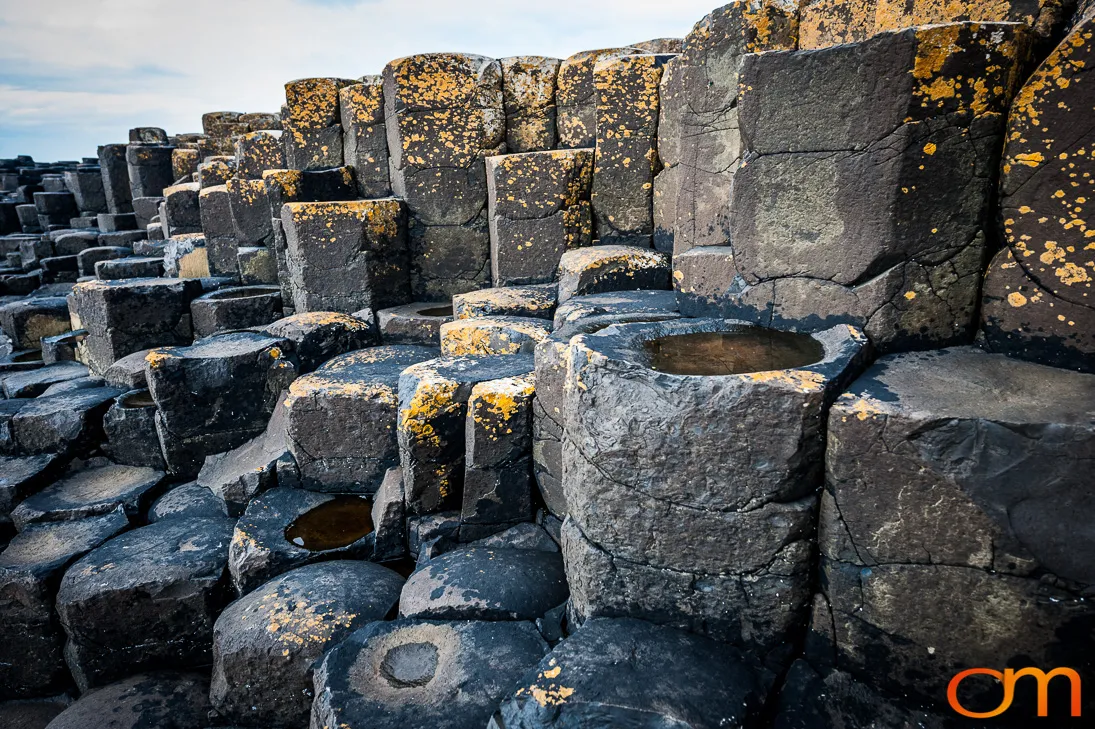
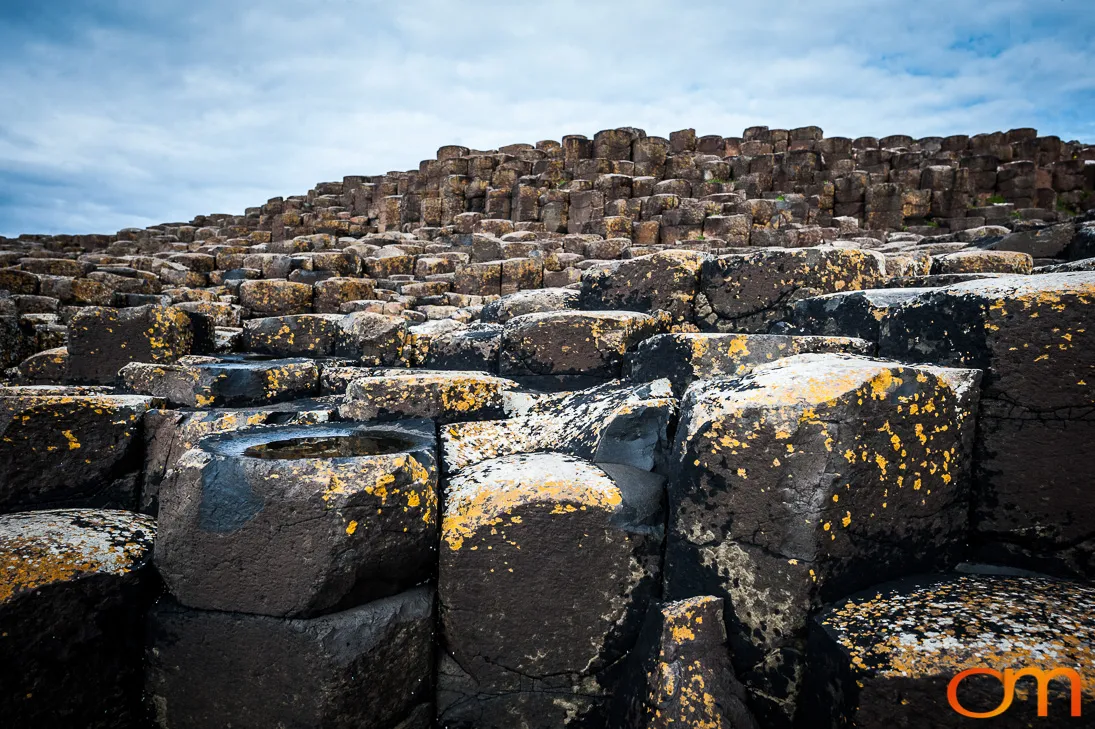
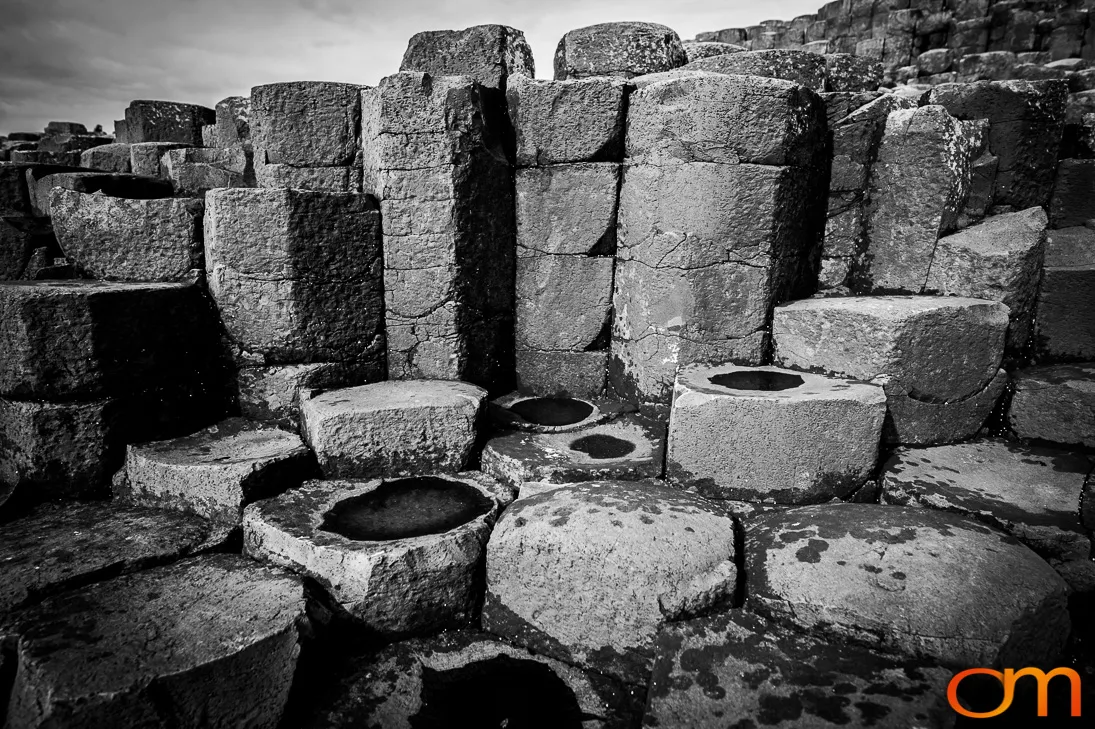
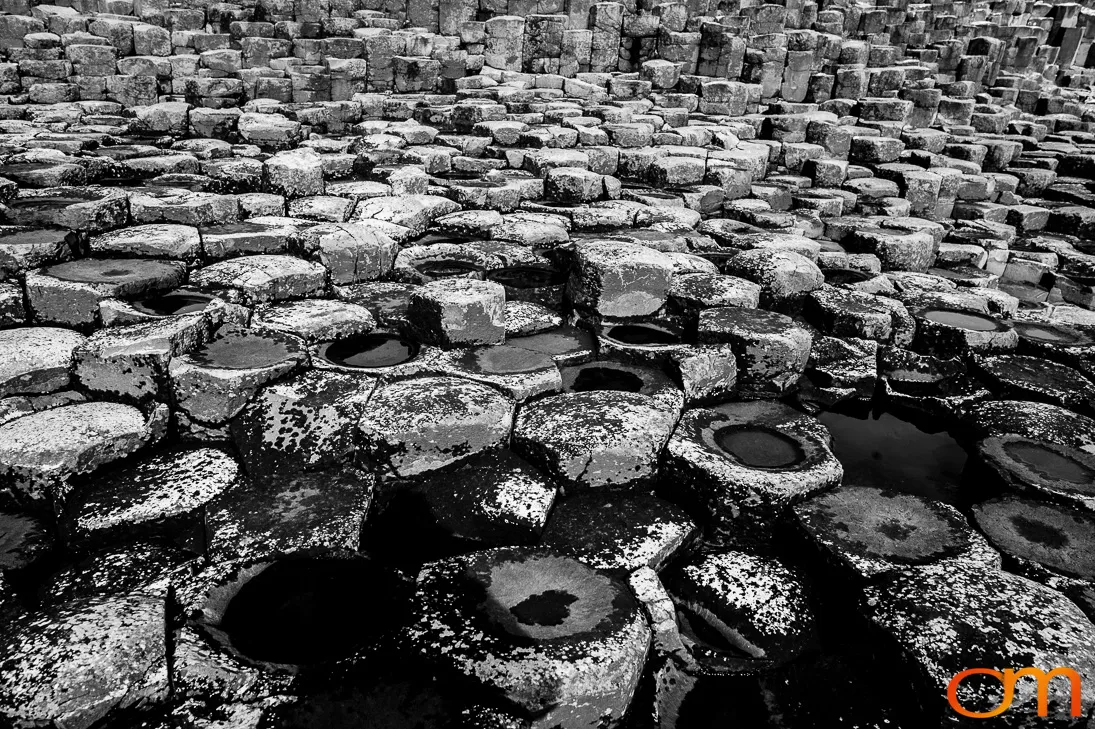
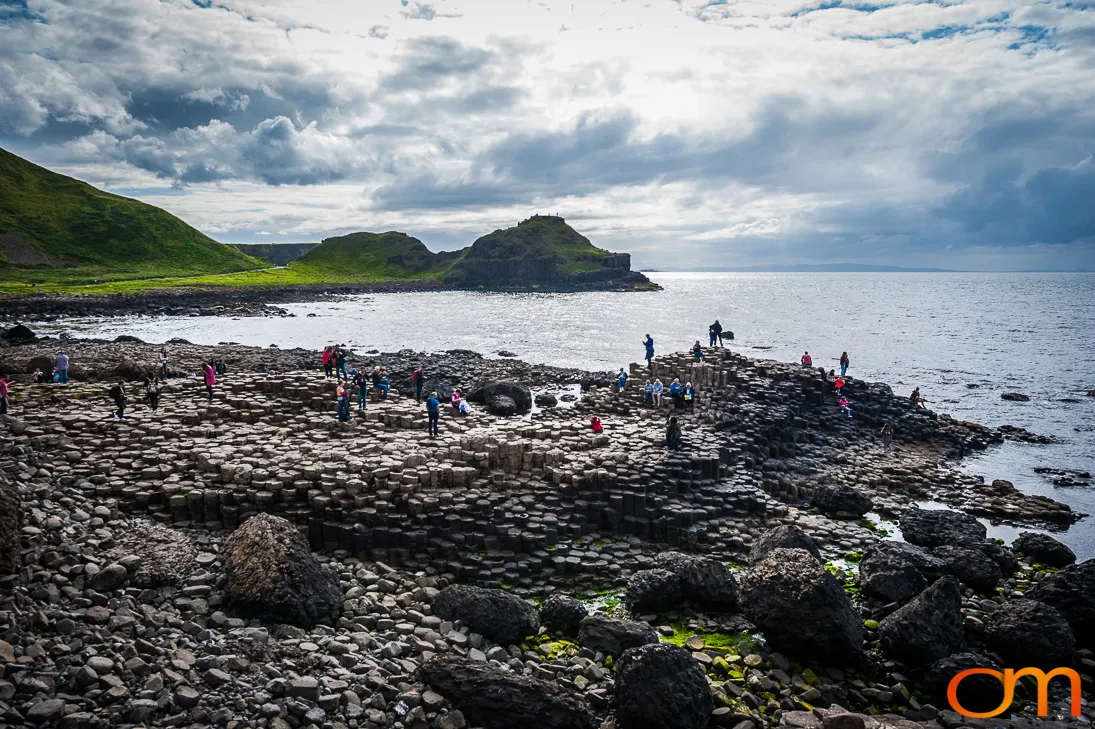
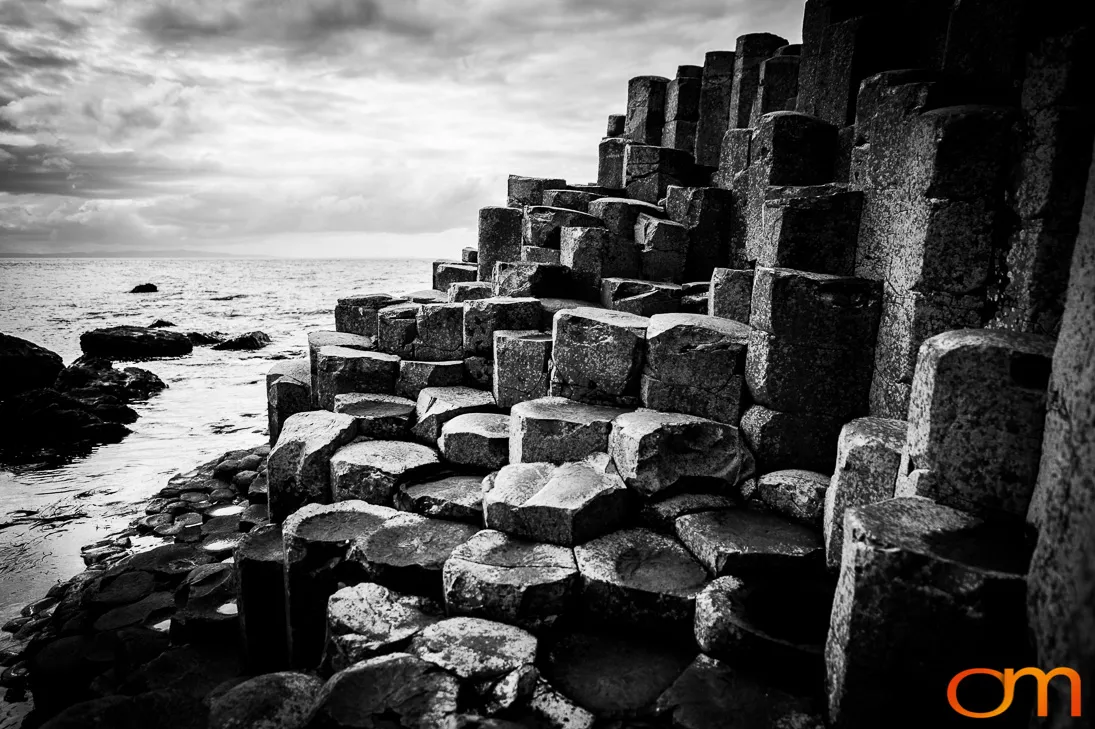
At the foot of the Antrim Plateau in County Antrim, the Giant’s Causeway comprises approximately 40,000 basalt columns extending from the cliffs toward the North Atlantic. Most are six-sided, although columns with four, five, seven, and eight sides also occur.
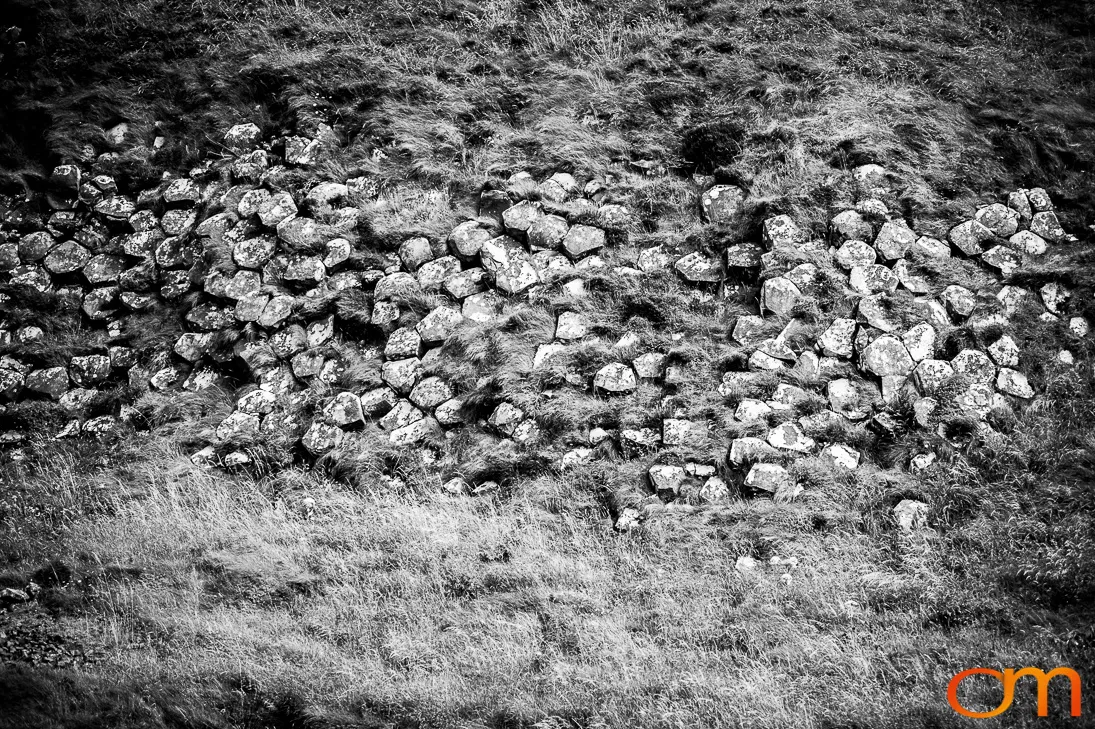
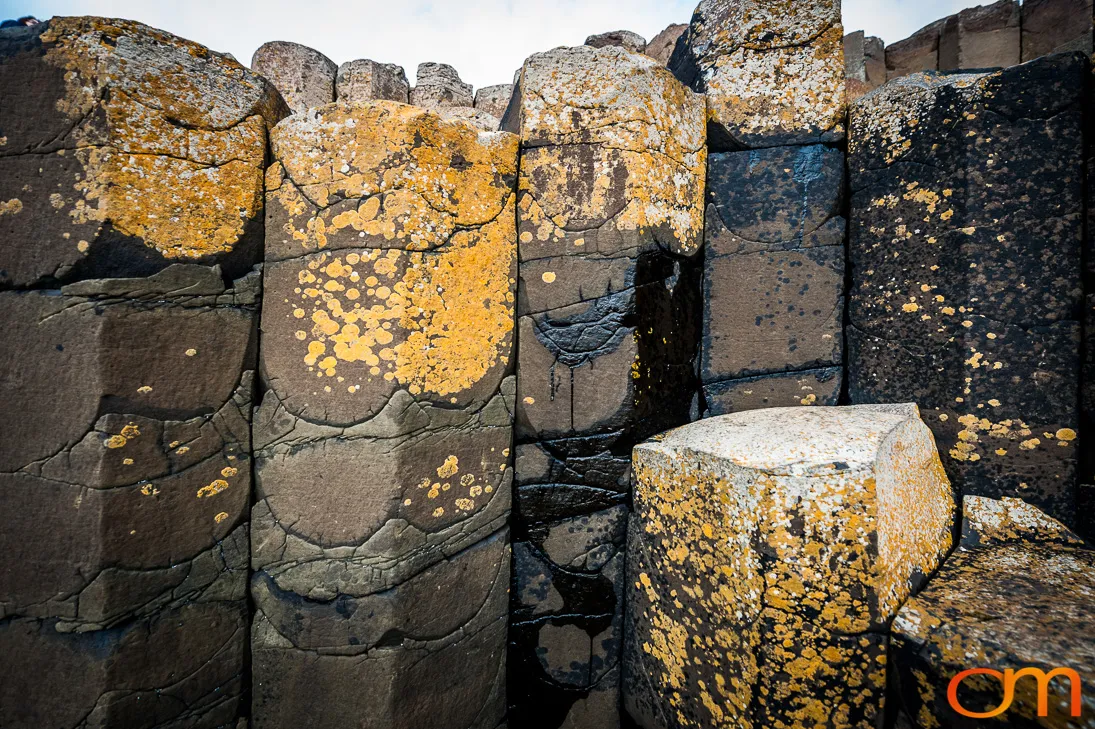
The formation developed around 60 million years ago during Paleogene volcanic activity associated with the opening of the North Atlantic. Lava accumulated within an ancient valley, then cooled and contracted. Regular fractures, known as columnar joints, divided the basalt into polygonal pillars. Glacial and coastal erosion later exposed the structure visible today.
Irish tradition attributes the causeway to Fionn mac Cumhaill, often anglicized as Finn McCool, who is said to have built a route across the sea to confront the Scottish giant Benandonner. The account is folklore rather than geological history.
UNESCO inscribed the Giant’s Causeway and Causeway Coast as a World Heritage Site in 1986 for its natural beauty and geological importance. The National Trust owns and manages most of the protected property.
Current Context
Research published by the Geological Survey of Northern Ireland and the British Geological Survey in 2026 refined the chronology of Northern Ireland’s Paleogene volcanism. The findings indicate that the region’s volcanic rocks formed over approximately 5.5 million years and connect them more precisely with the North Atlantic Igneous Province.