Potsdam
Potsdam: Historic Gates, the Dutch Quarter, and Graffiti
May 2017
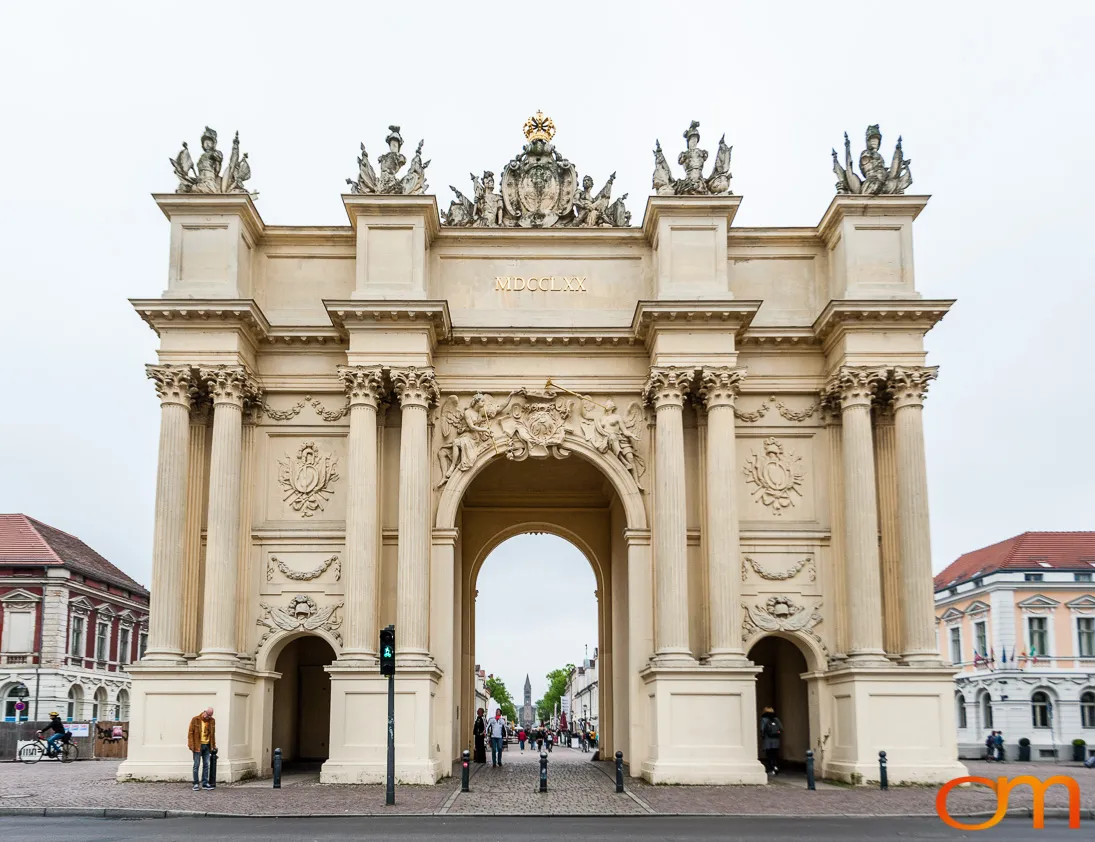
Potsdam is the capital and largest city of Brandenburg. It developed as a royal residence under the Prussian monarchy, a role that ended with the monarchy in 1918. The Baroque city expansion was enclosed by an excise wall used to control access and collect duties. It had ten gates, five on land routes and five on waterways. Three city gates survive: the Jägertor, Nauener Tor, and Brandenburg Gate.
Potsdam’s Brandenburg Gate was built in 1770–1771 after the Seven Years’ War, replacing a smaller gate from 1733. Frederick II commissioned Carl von Gontard and Georg Christian Unger to design a triumphal entrance inspired by Roman architecture. Unger created the more elaborate outward-facing façade, while Gontard designed the city-facing side.
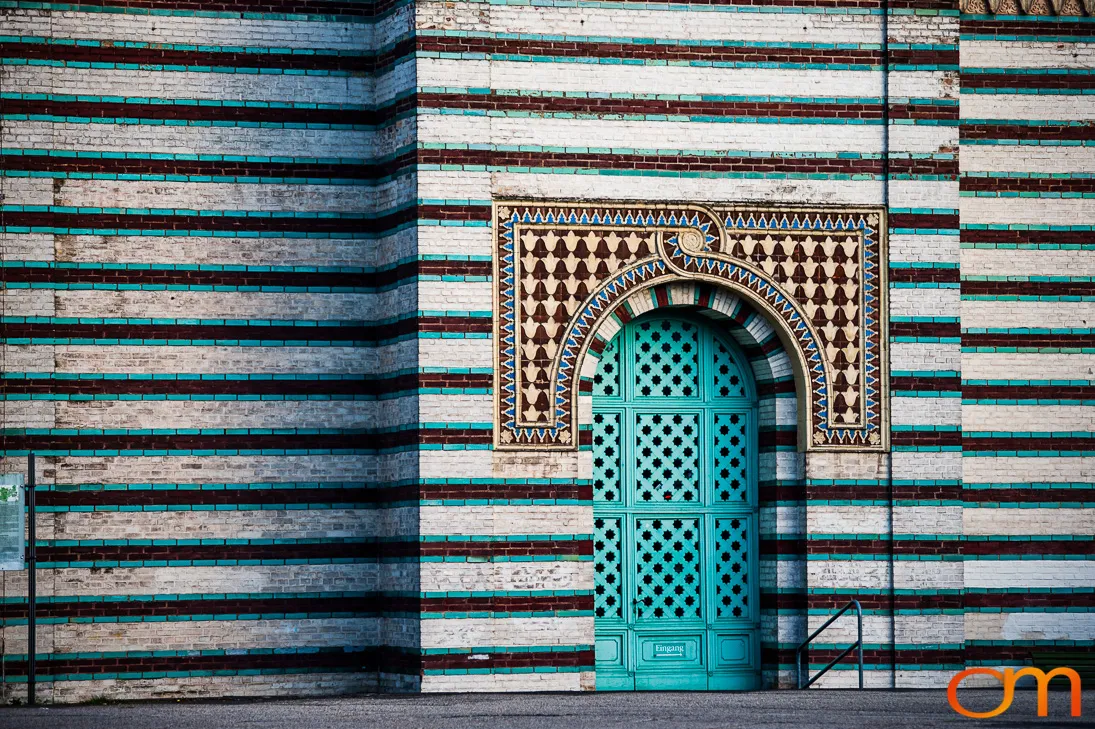
The Dutch Quarter was constructed under Jan Bouman from 1733 to 1742. Its four blocks contain 134 red-brick houses intended to attract skilled Dutch craftspeople to Potsdam, although families of only 22 Dutch craftspeople lived there when the quarter was completed. Another distinctive structure is Ludwig Persius’s Steam Engine Building, erected from 1841 to 1843 with a mosque-inspired exterior. Its Borsig steam engine pumped water for the fountains of Sanssouci Park.