Reykjavik
Reykjavík: Hallgrímskirkja and Geothermal Energy
July 2011
Reykjavík, Iceland’s capital and largest city, lies on the country’s southwest coast and is the northernmost capital of a sovereign state. According to Landnámabók, Ingólfur Arnarson established a permanent Norse settlement in the area around 874. Archaeological work in the city center has identified settlement-period remains, including a wall fragment dated to before 871. At the beginning of 2026, the wider Capital Region, not the Reykjavík municipality alone, contained about 64 percent of Iceland’s population.
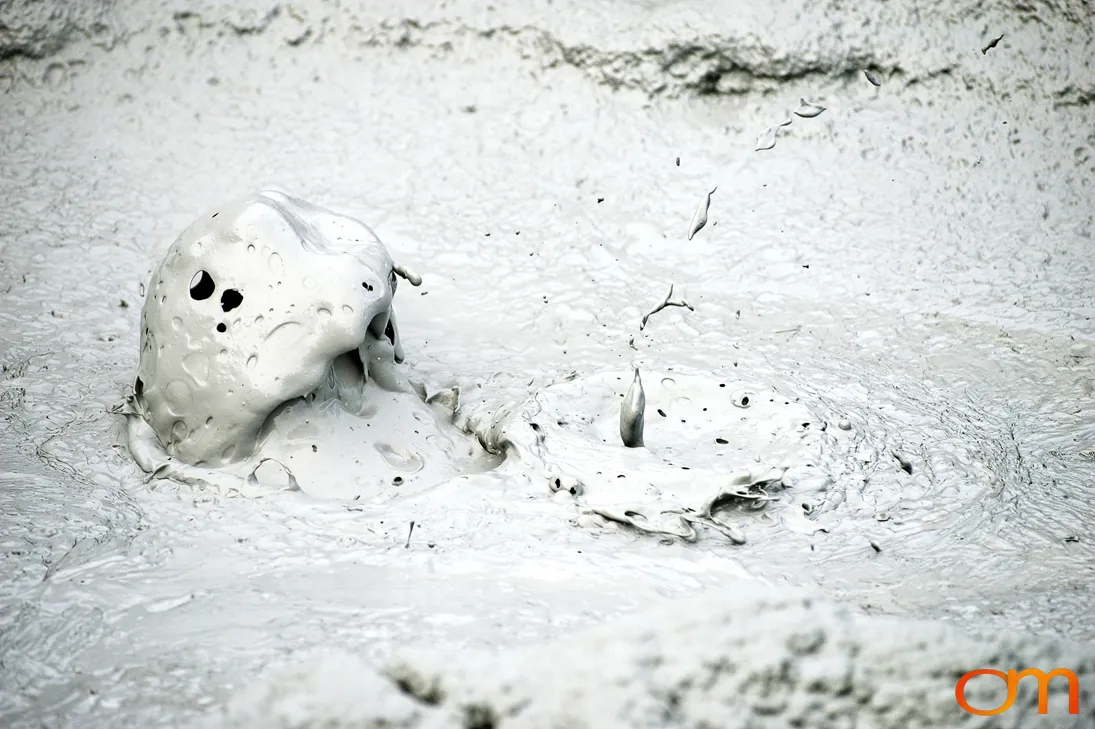
Near the December solstice, Reykjavík receives roughly four hours of daylight. Geothermal water supplies the city’s district-heating network and is also used in some snow-melting systems. Across Iceland, renewable sources provide almost all electricity, primarily through hydropower and geothermal generation.
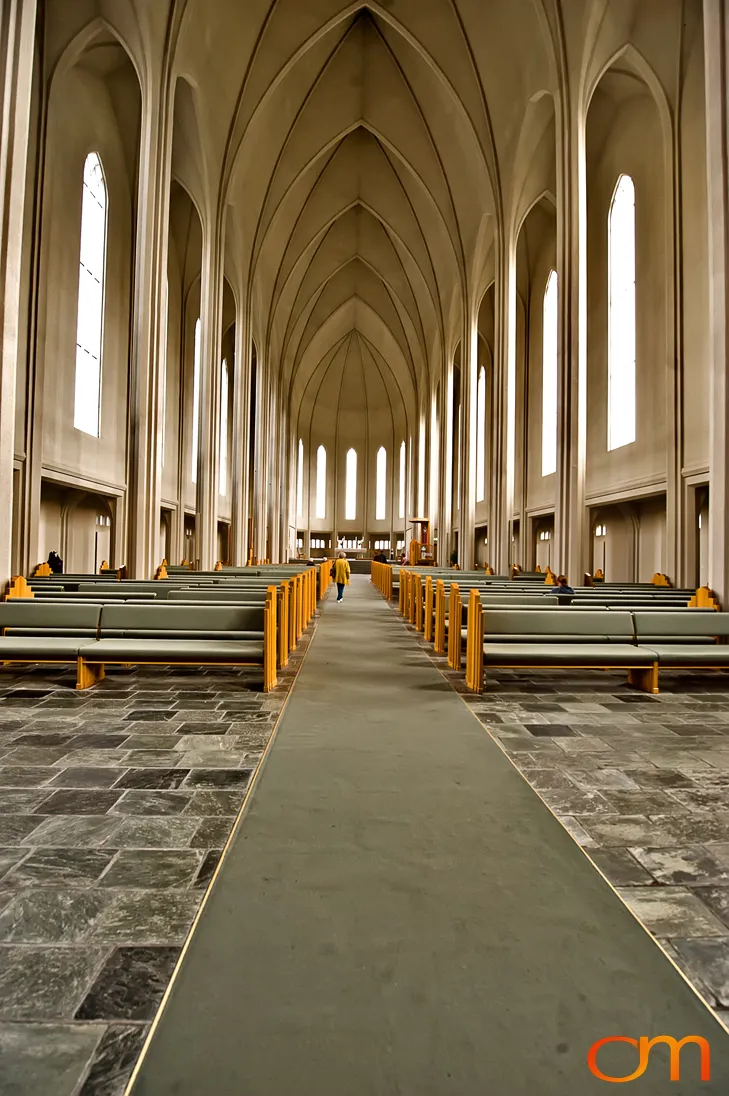
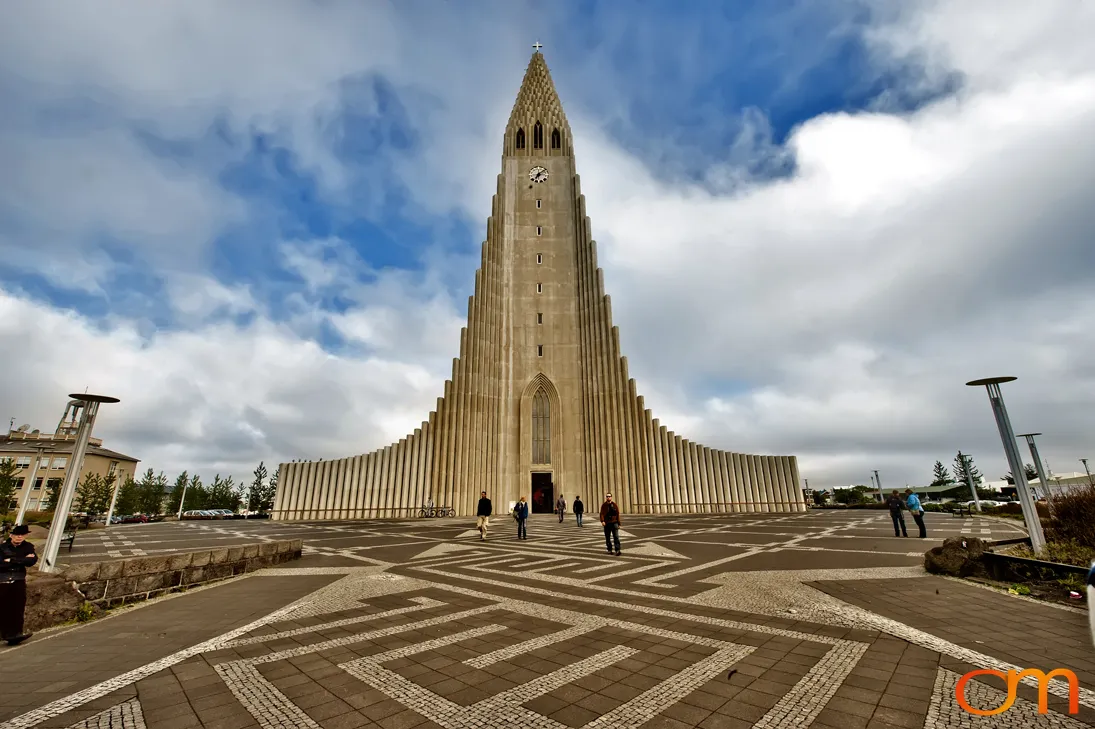
Hallgrímskirkja is an Evangelical Lutheran church designed by Icelandic state architect Guðjón Samúelsson. Its stepped concrete form recalls Icelandic columnar rock, mountains and glaciers. Construction began in 1945, and the church was consecrated on 26 October 1986. Hallgrímskirkja is Iceland’s largest church, Reykjavík’s tallest building and a memorial to the seventeenth-century hymn poet Hallgrímur Pétursson.