Reykjavik
Reykjavík: Settlement History and Urban Art
August 2015
Reykjavík is Iceland’s capital and largest city. According to the medieval settlement tradition recorded in Landnámabók, Ingólfur Arnarson established a farm in the area around 870. Archaeological remains beneath Aðalstræti confirm occupation during Iceland’s settlement period. The name Reykjavík is generally translated as “Smoky Bay,” referring to steam rising from geothermal springs.
Reykjavík remained a farm and small settlement for centuries. Industrial workshops established in 1751 marked the beginning of sustained urban development, and Reykjavík received trading-town rights in 1786. Government offices, schools and other national institutions gradually became concentrated there during the 19th century. When Iceland gained Home Rule from Denmark in 1904, Reykjavík became the country’s administrative capital. Iceland became a sovereign state in 1918 and an independent republic in 1944.
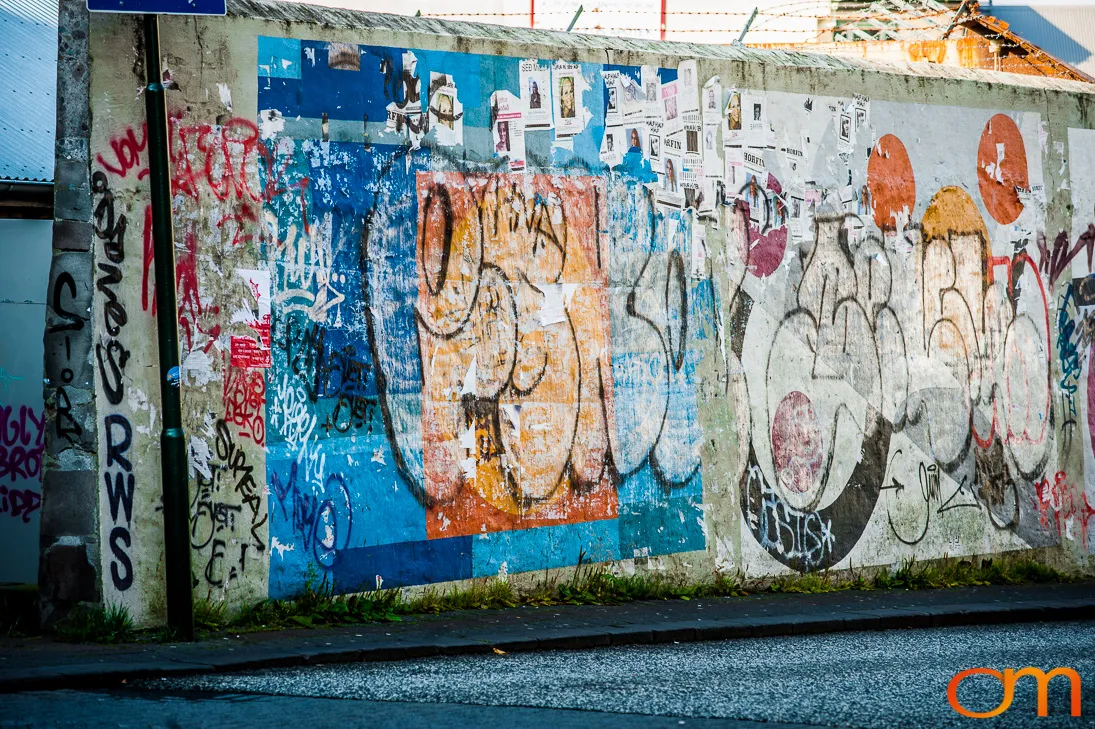
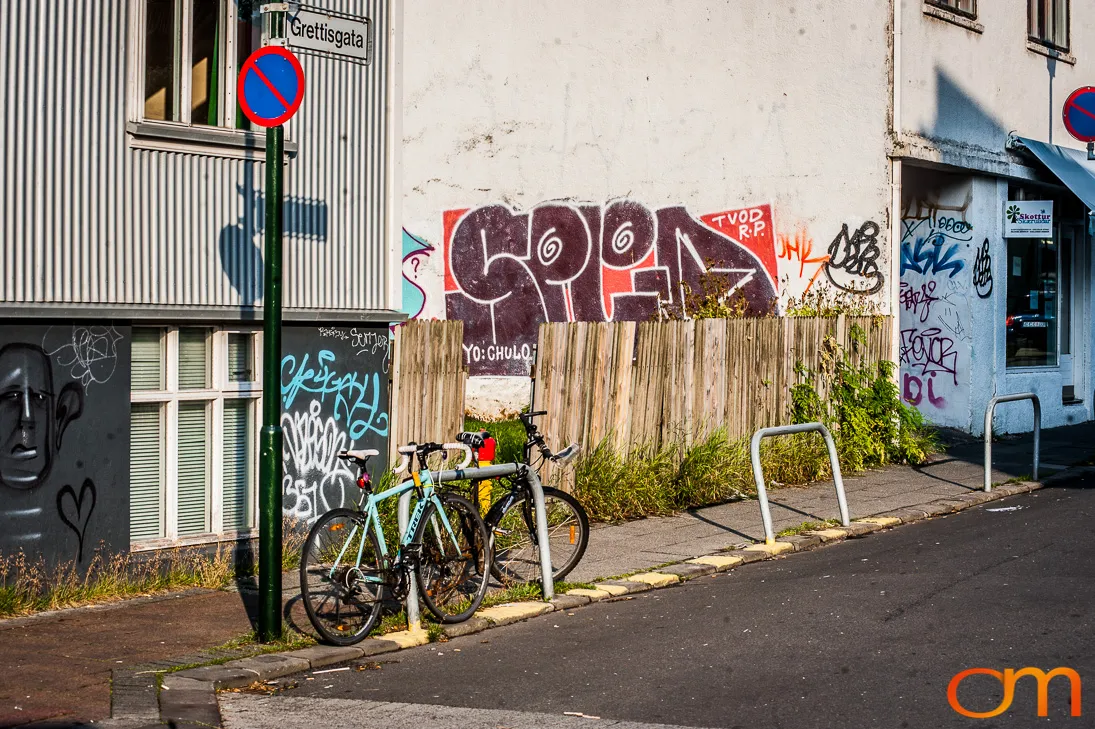
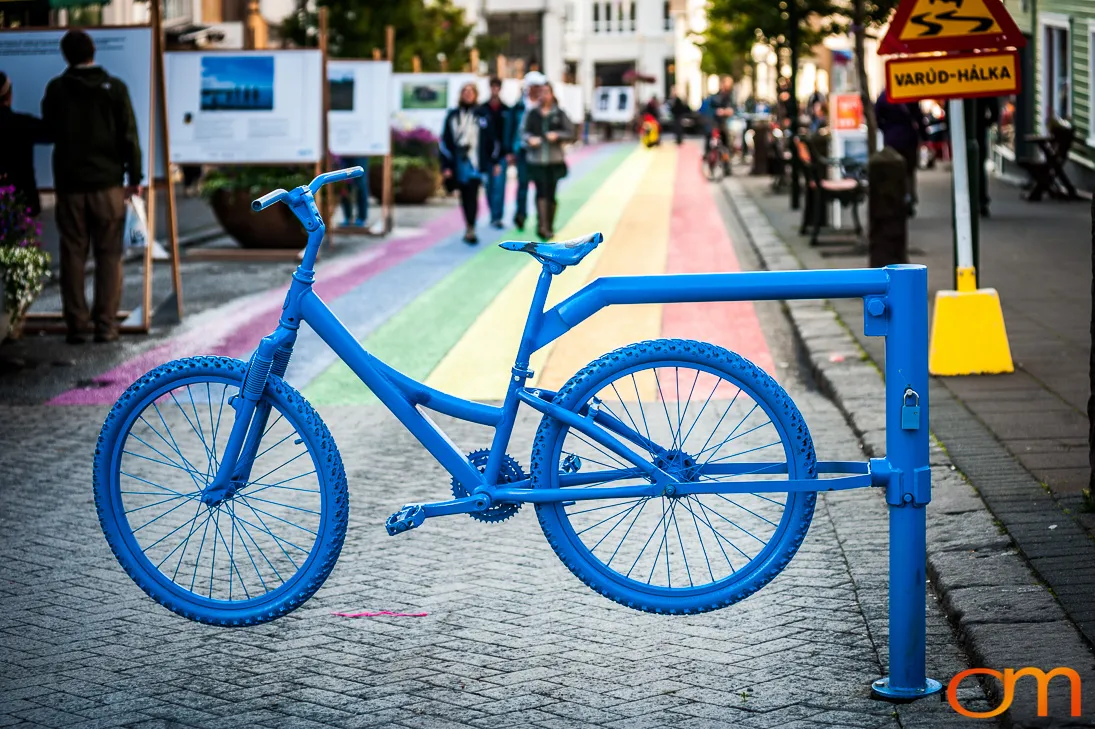
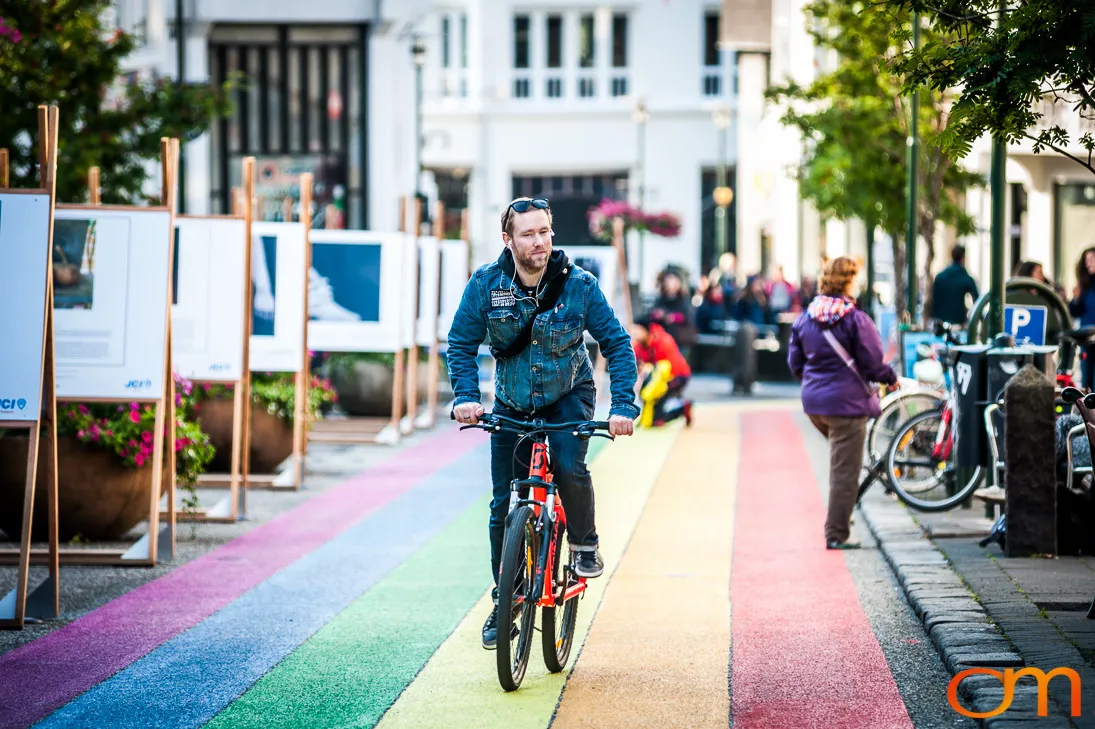
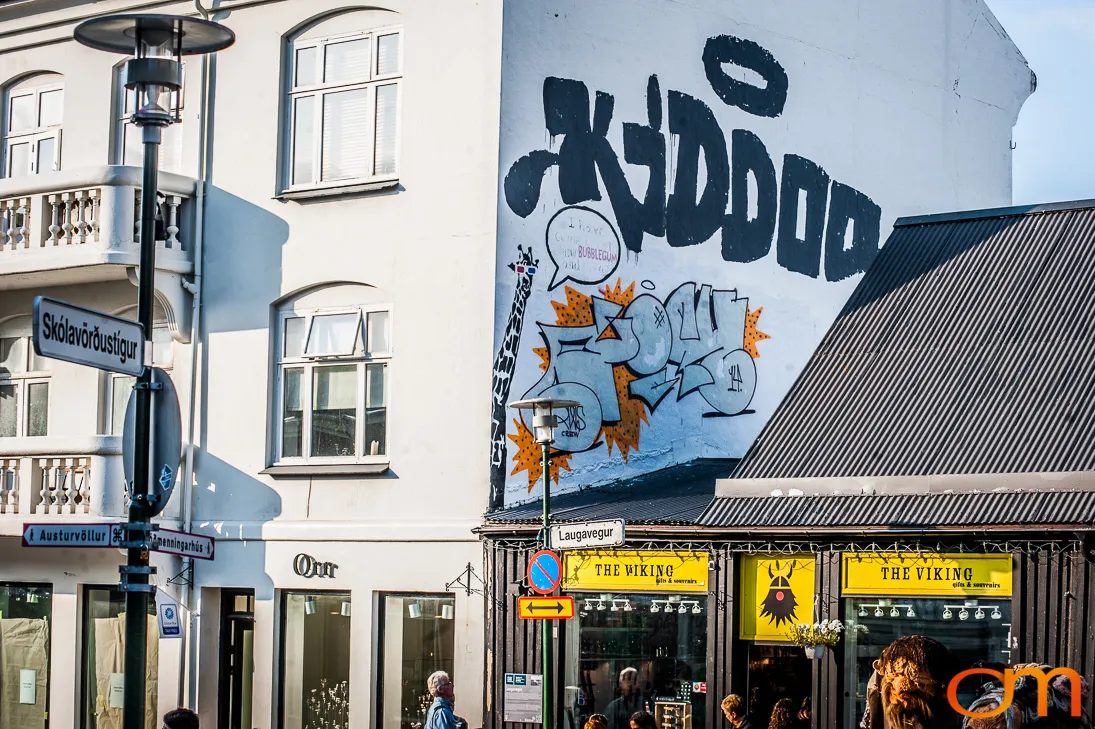
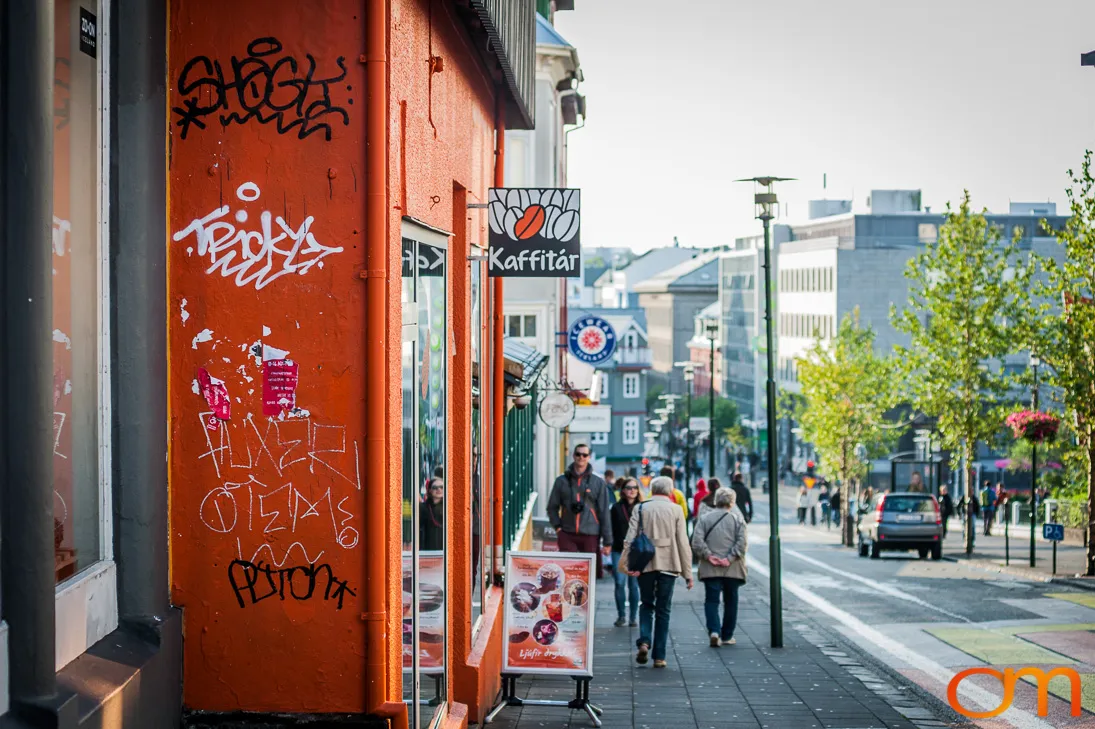
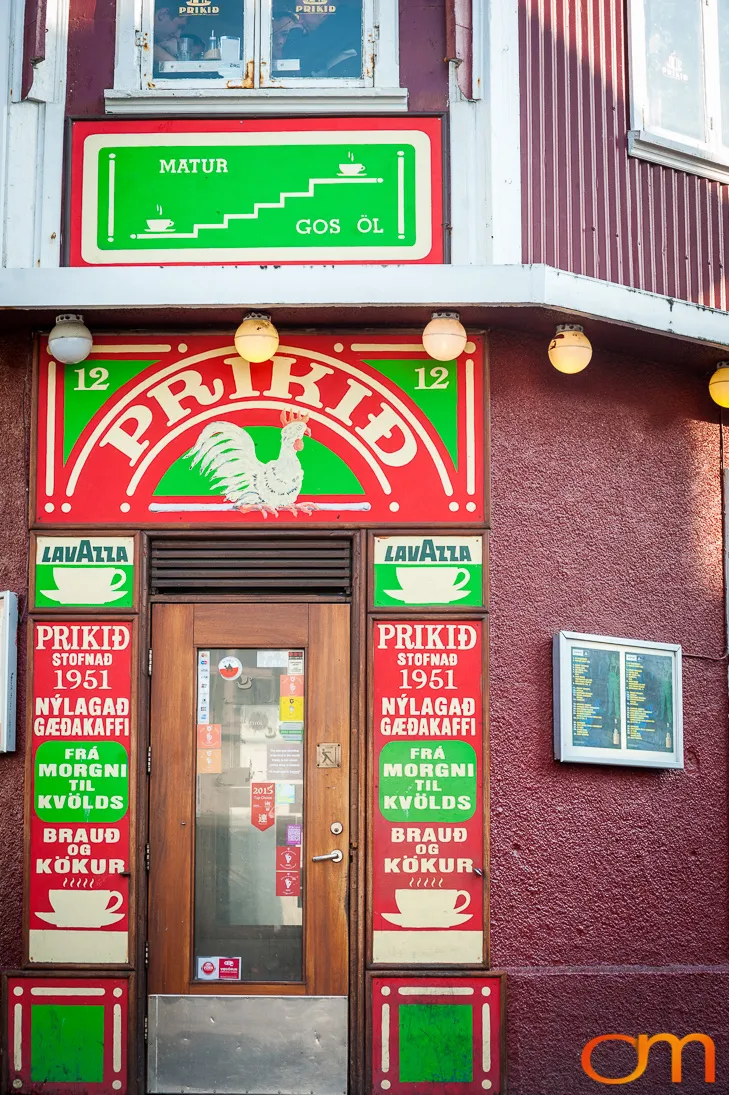
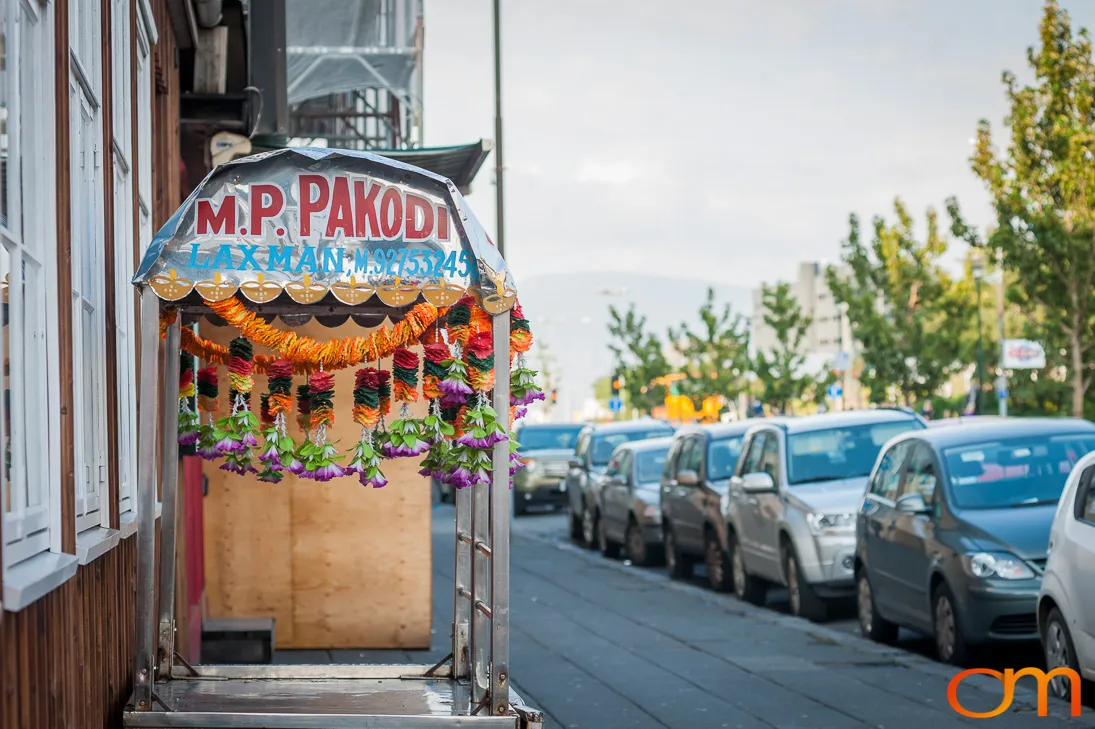
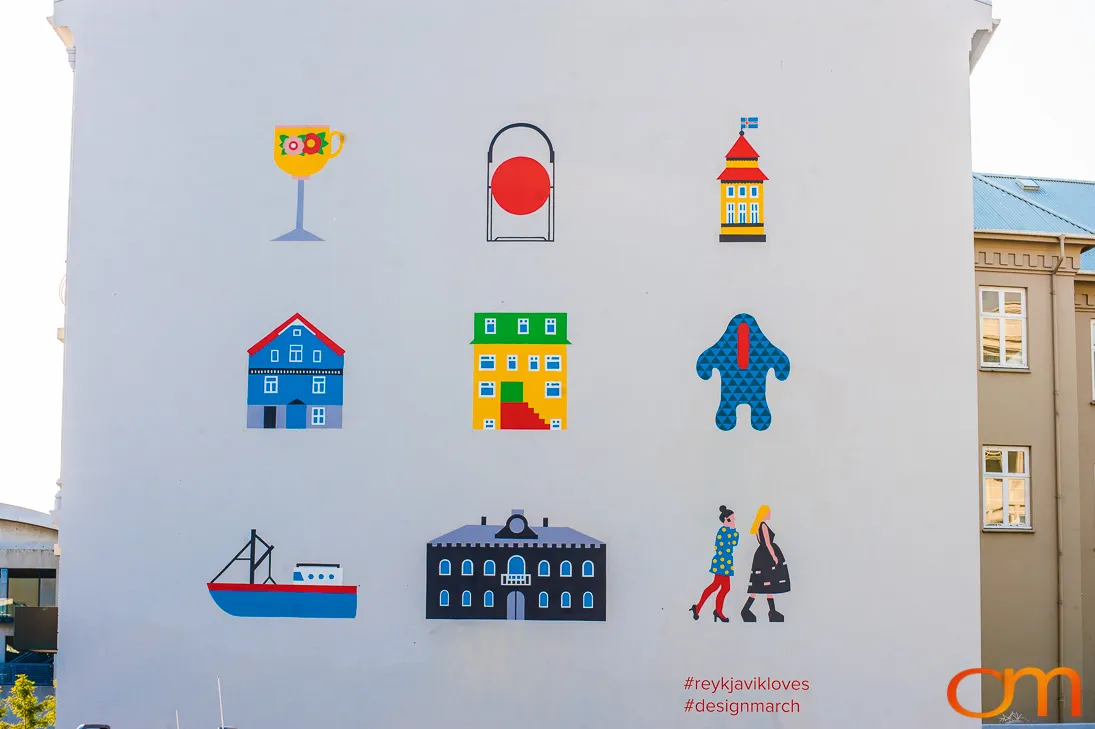
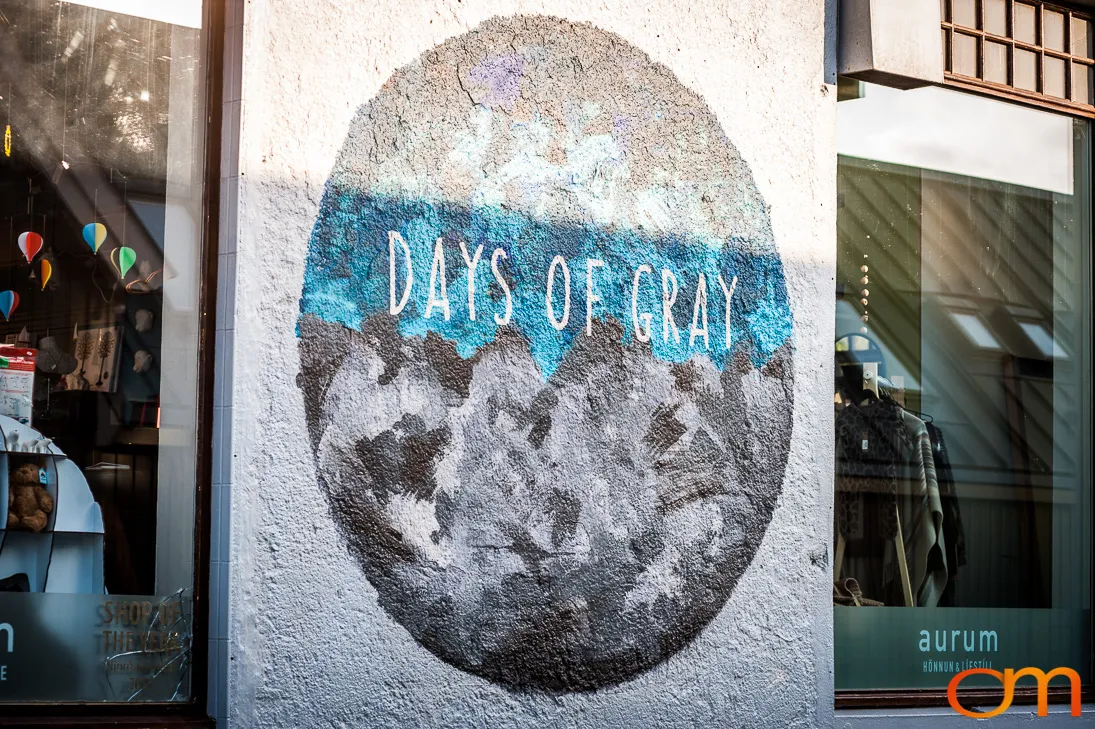
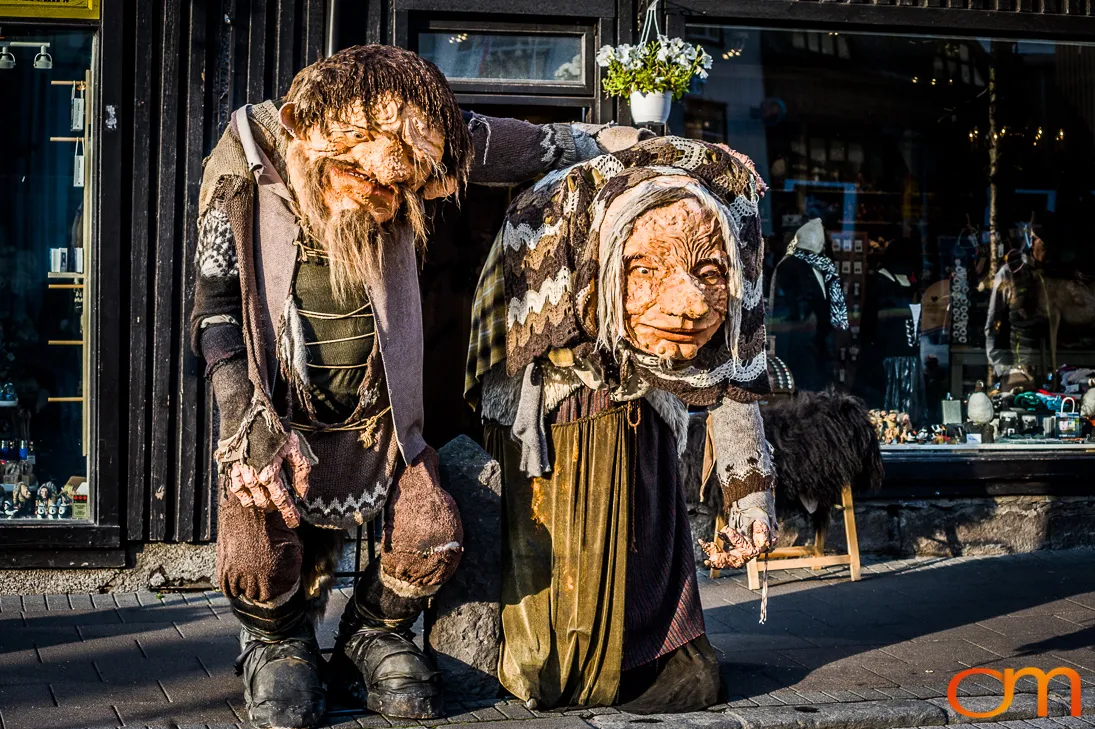
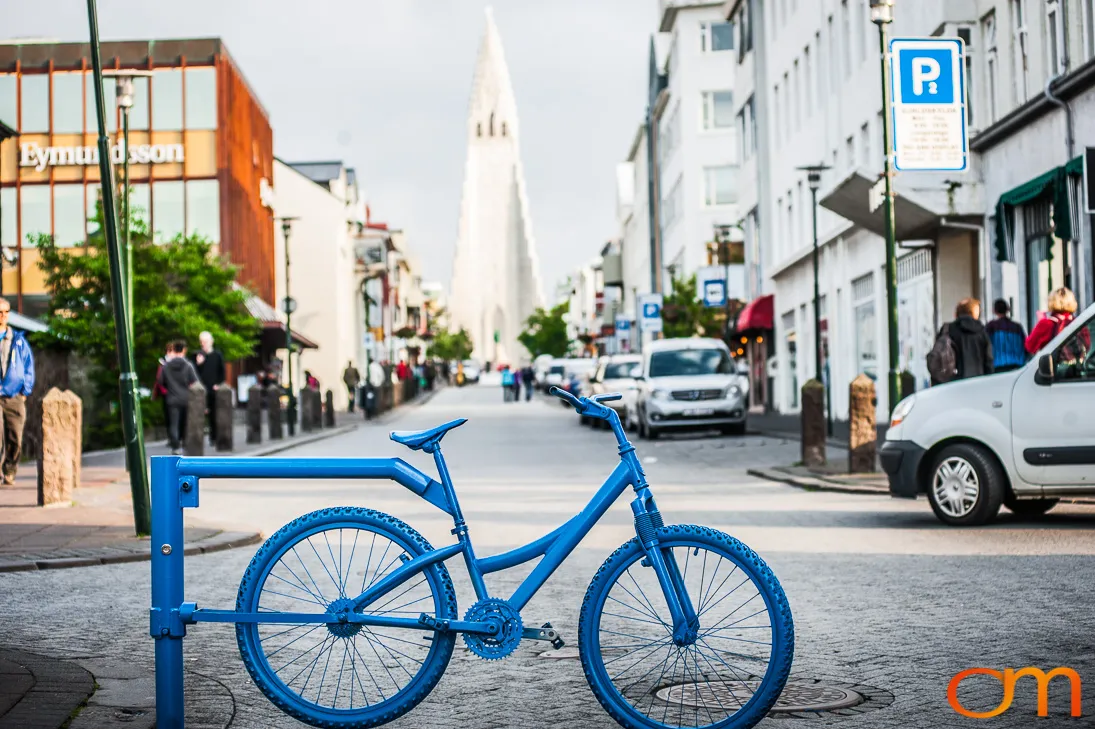
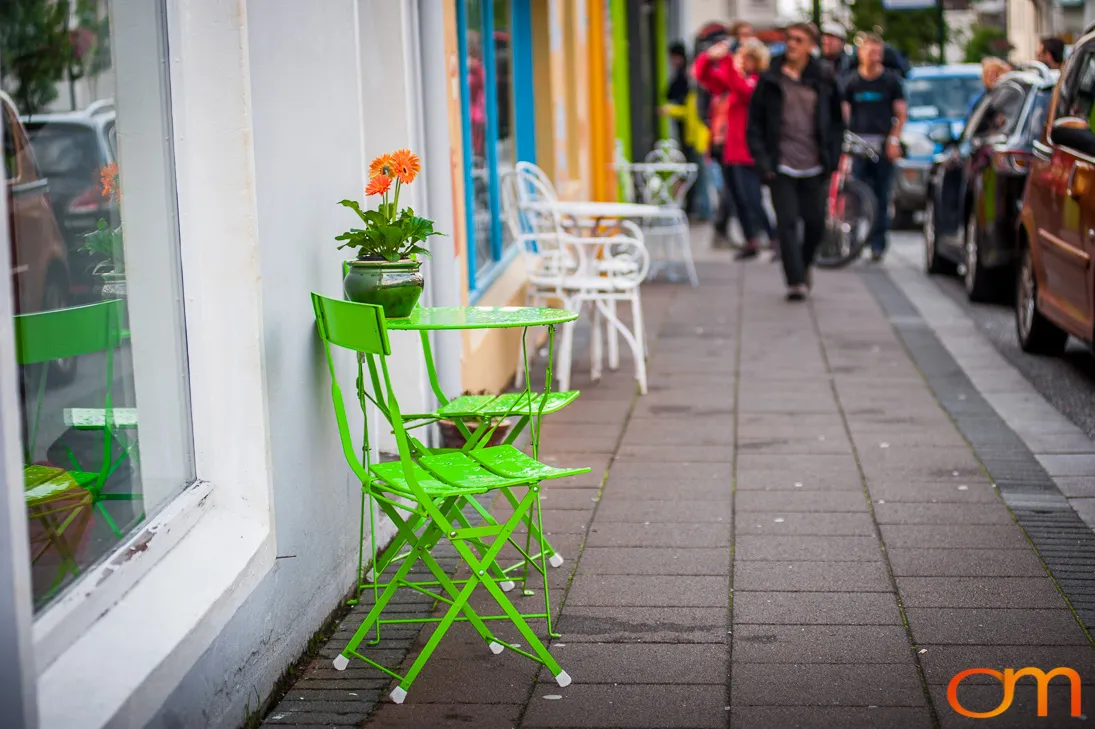
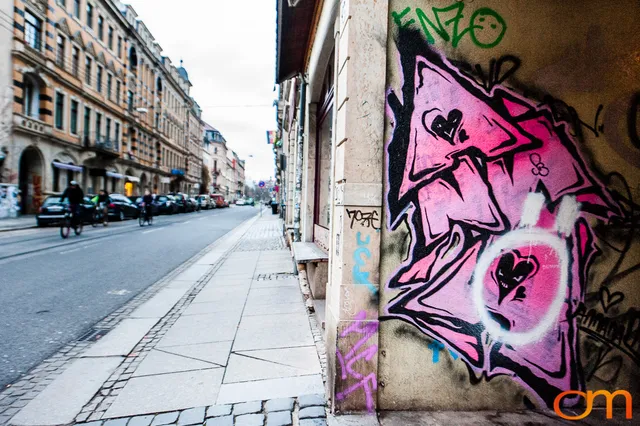
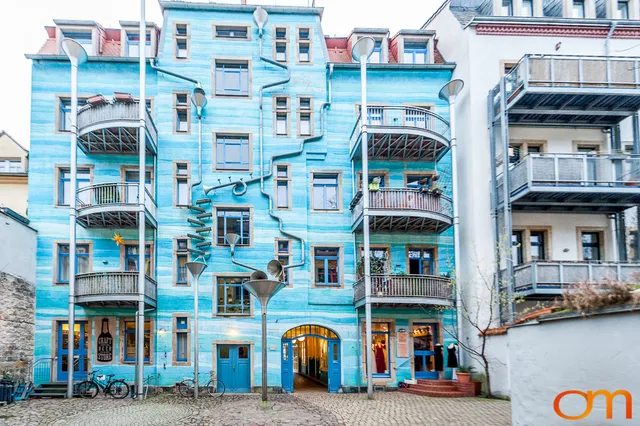
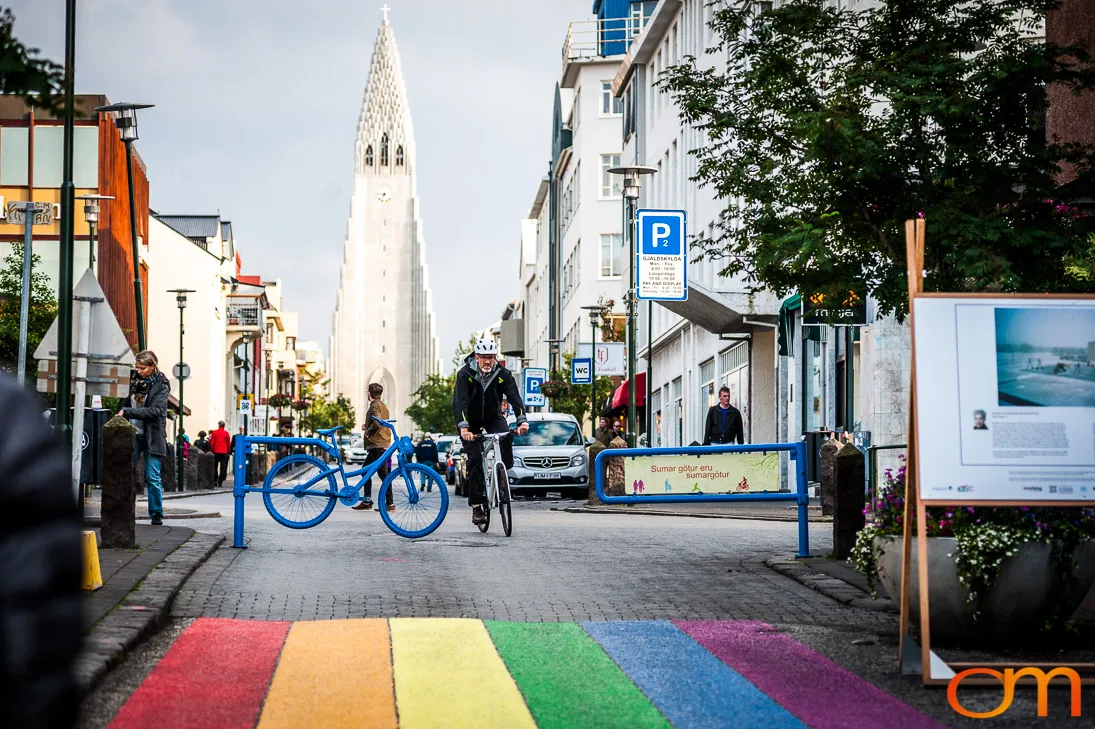
The 2015 photographs document a city center shaped by graffiti, murals, painted street furniture, shopfronts and temporary public installations. They also record the first rainbow painted on Skólavörðustígur in 2015 as part of Reykjavík Pride and the city’s Summer Streets program. The rainbow became a recurring city landmark and was later incorporated permanently into the street’s design.
Current Context
Outdoor art remains a visible and changing part of Reykjavík’s public landscape. Individual works regularly appear, deteriorate, are painted over or disappear during redevelopment, creating an evolving record of the city’s artistic and social life.