Search 283 stories and 49 dives.

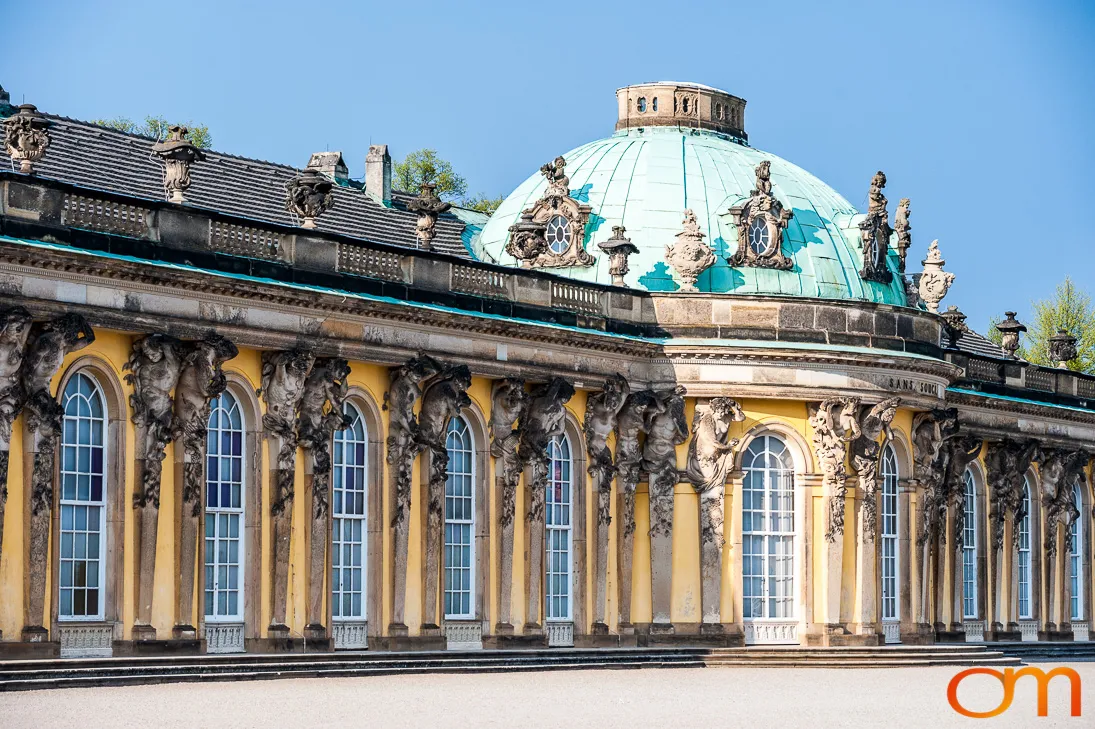
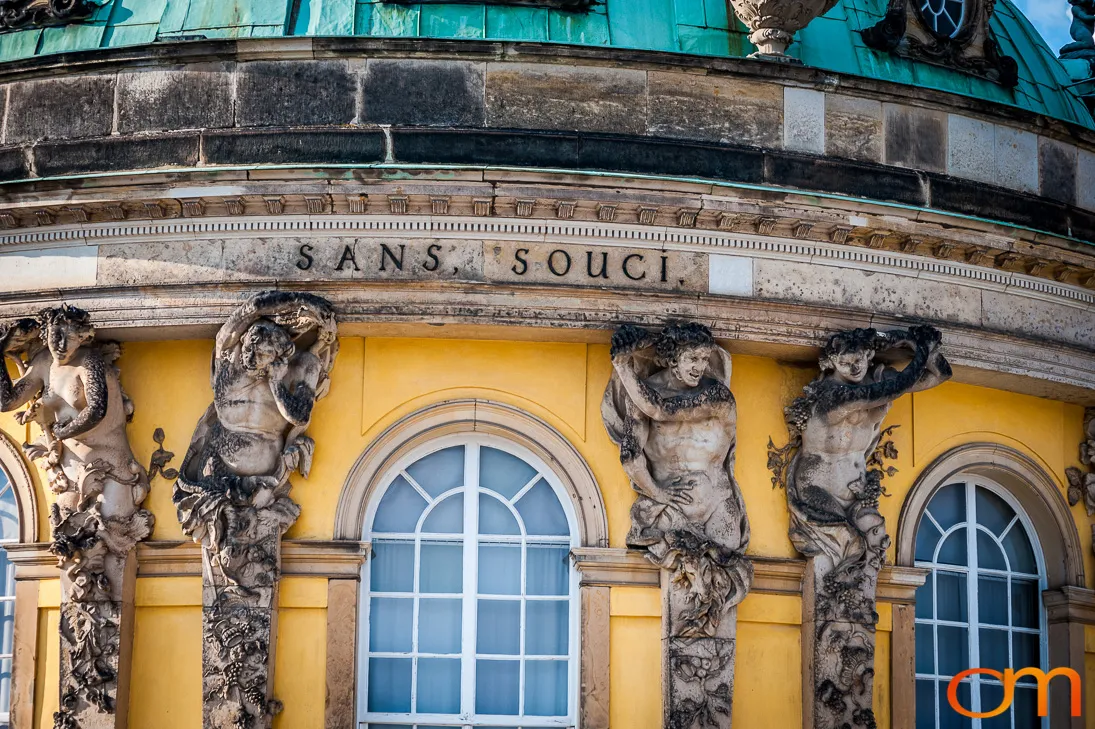
"SANS, SOUCI" carved above the palace windows between vine-wreathed atlas figures

Sanssouci Park

Sanssouci Park and Palaces, Potsdam

May 2017

Sanssouci Park in Potsdam is a palace and garden complex covering nearly 740 acres (300 hectares). Its name derives from the French sans souci, meaning “without a care,” and reflects Frederick II of Prussia’s intention to create a private summer retreat.

Sanssouci Palace was built from 1745 to 1747 under the supervision of architect Georg Wenzeslaus von Knobelsdorff, following ideas developed by Frederick II. The single-storey palace, set above terraced vineyards, is a major example of German Rococo architecture. Later expansion under Frederick William IV combined Frederick’s formal pleasure garden with a 19th-century landscape park. Axial avenues, fountains, formal plantings, sculptures and additional palaces form a unified architectural and garden ensemble.

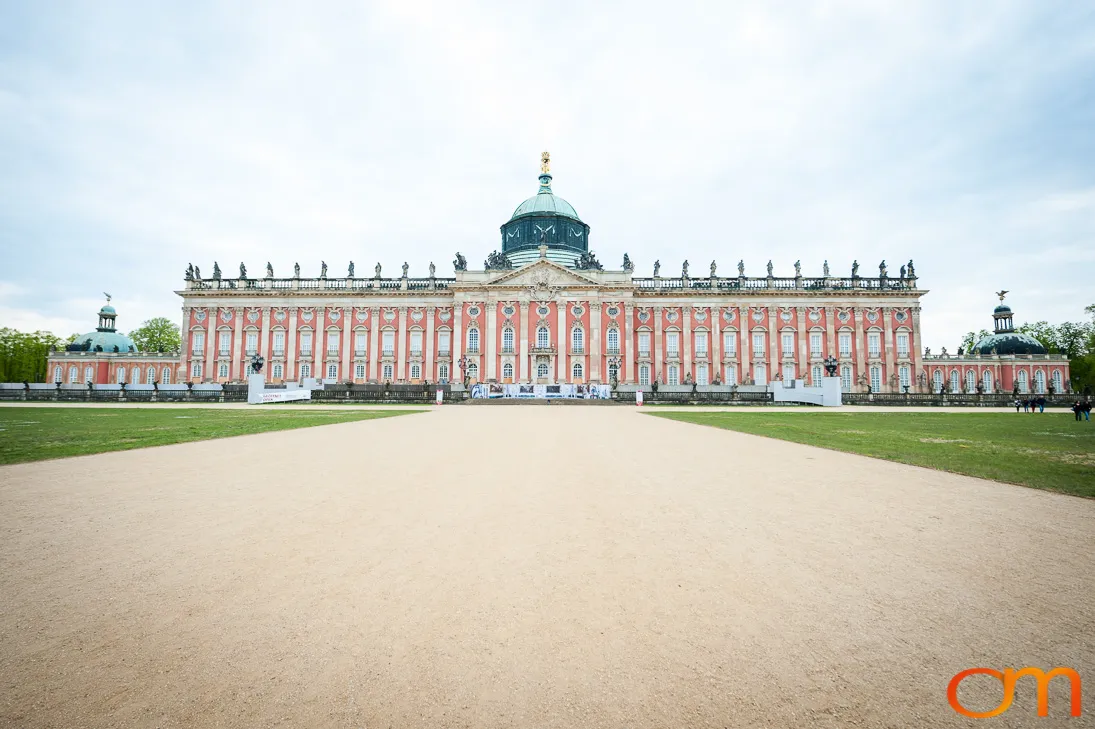
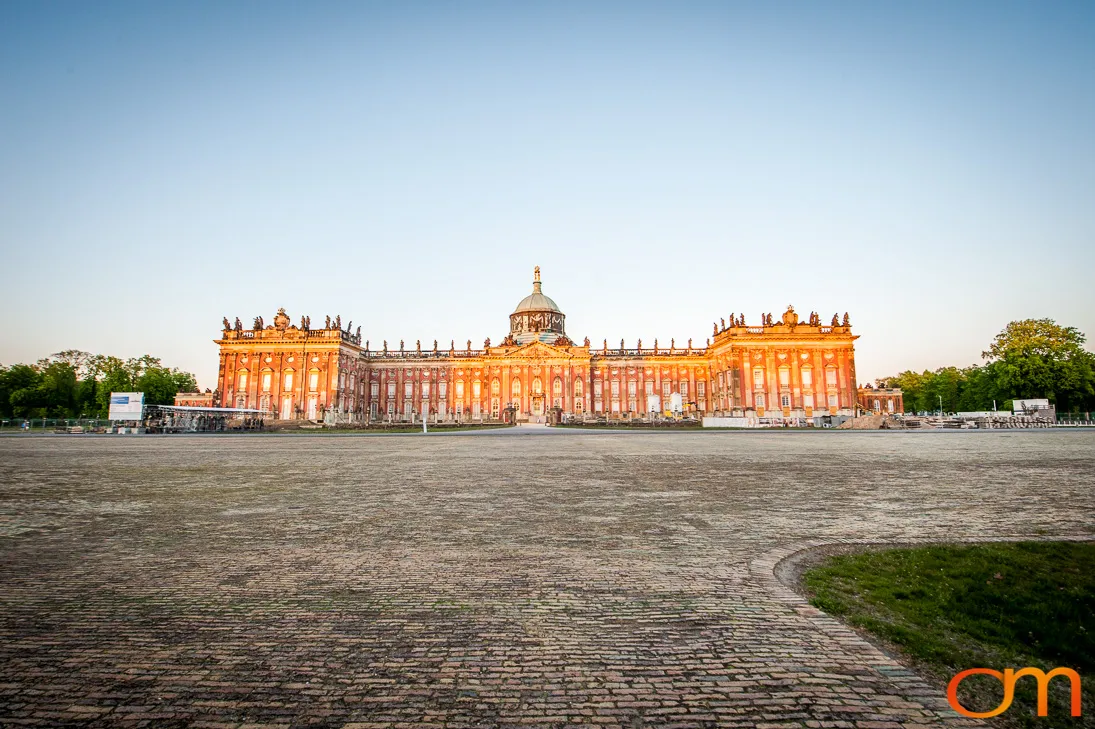
At the western end of the park’s main avenue, the New Palace was constructed from 1763 to 1769 as a demonstration of Prussia’s continued power following the Seven Years’ War. The nearby Temple of Friendship, designed by Carl von Gontard and built from 1768 to 1770, commemorates Frederick’s sister Wilhelmine, Margravine of Bayreuth, who died in 1758.

Sanssouci Park forms part of the UNESCO World Heritage property Palaces and Parks of Potsdam and Berlin, first inscribed in 1990. The wider property preserves an interconnected landscape of palaces, gardens and designed spaces developed during the 18th and 19th centuries.
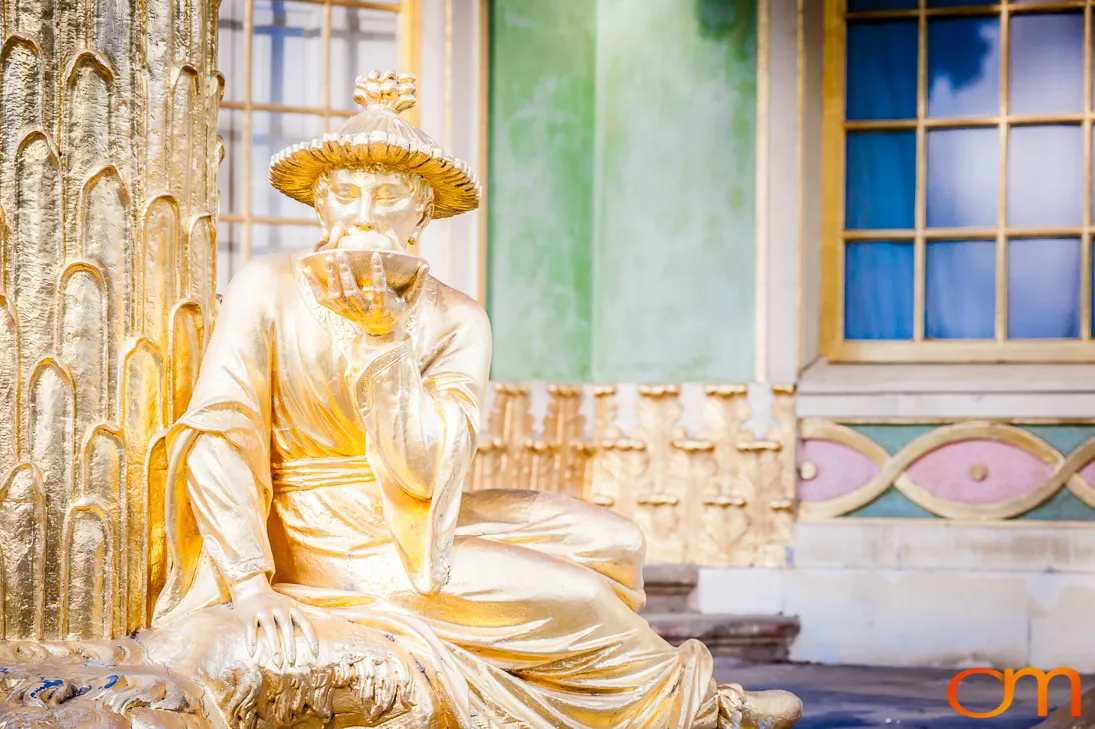
Gilded seated figure in a conical hat holding a bowl, outside a chinoiserie garden pavilion
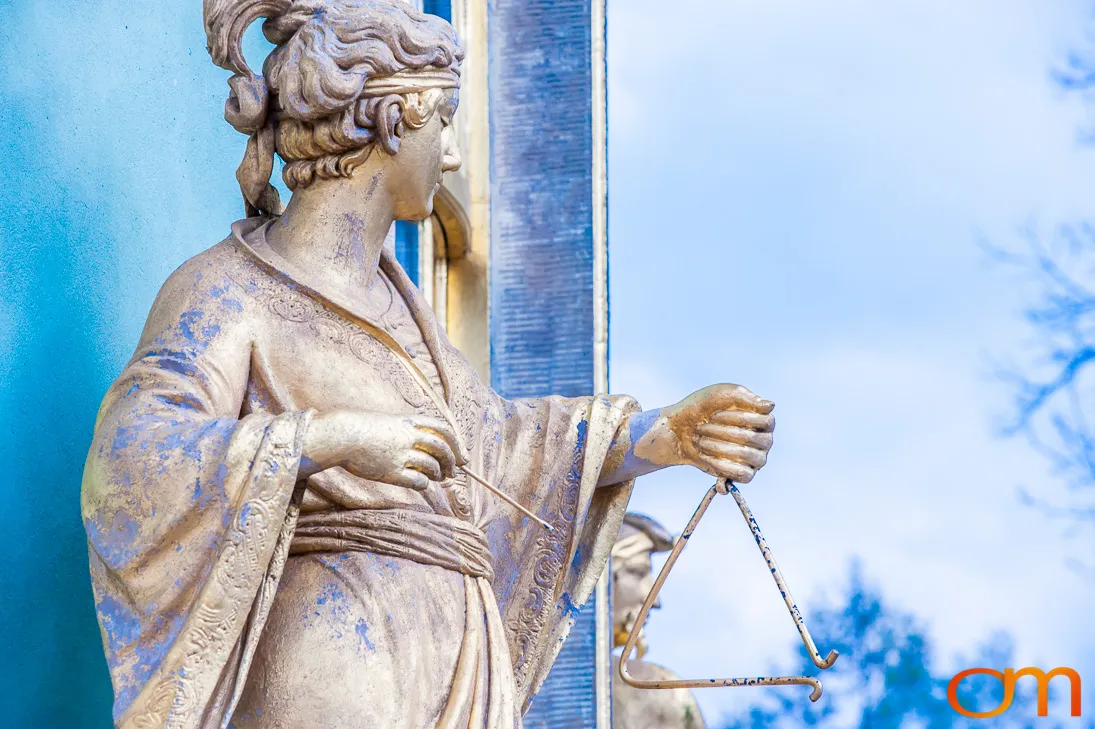
Weathered stone statue of a musician holding a triangle against a blue pavilion wall
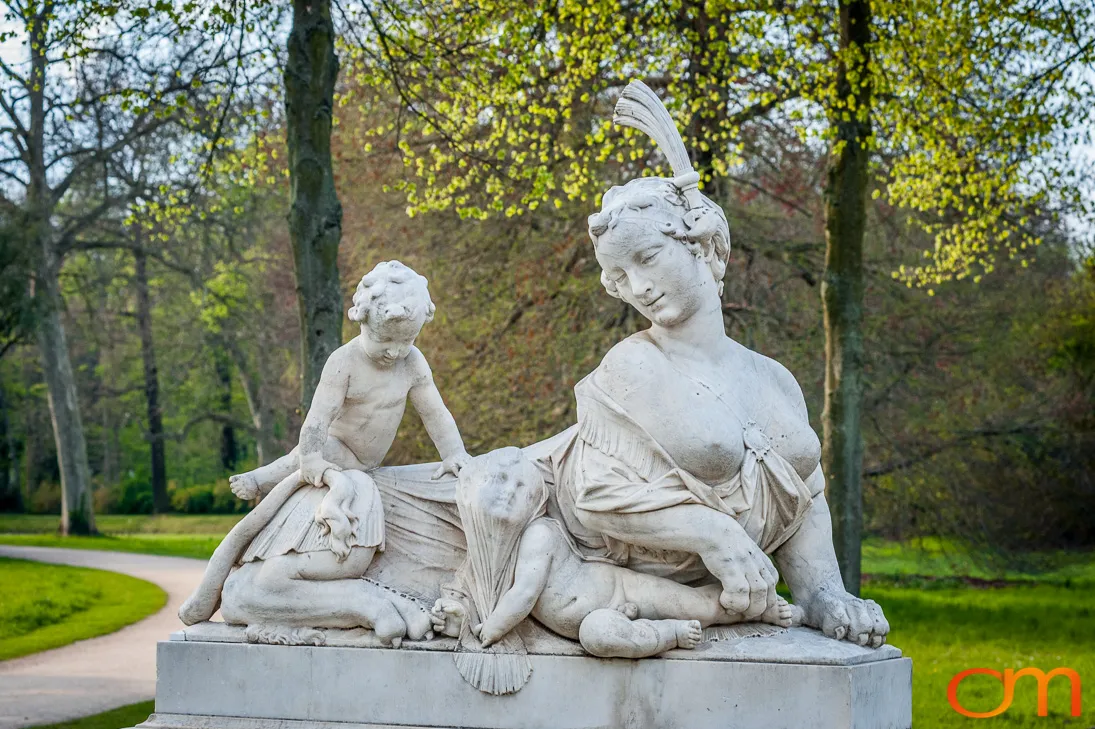
Marble group of a reclining woman with a feathered headdress and a child, beside a park path
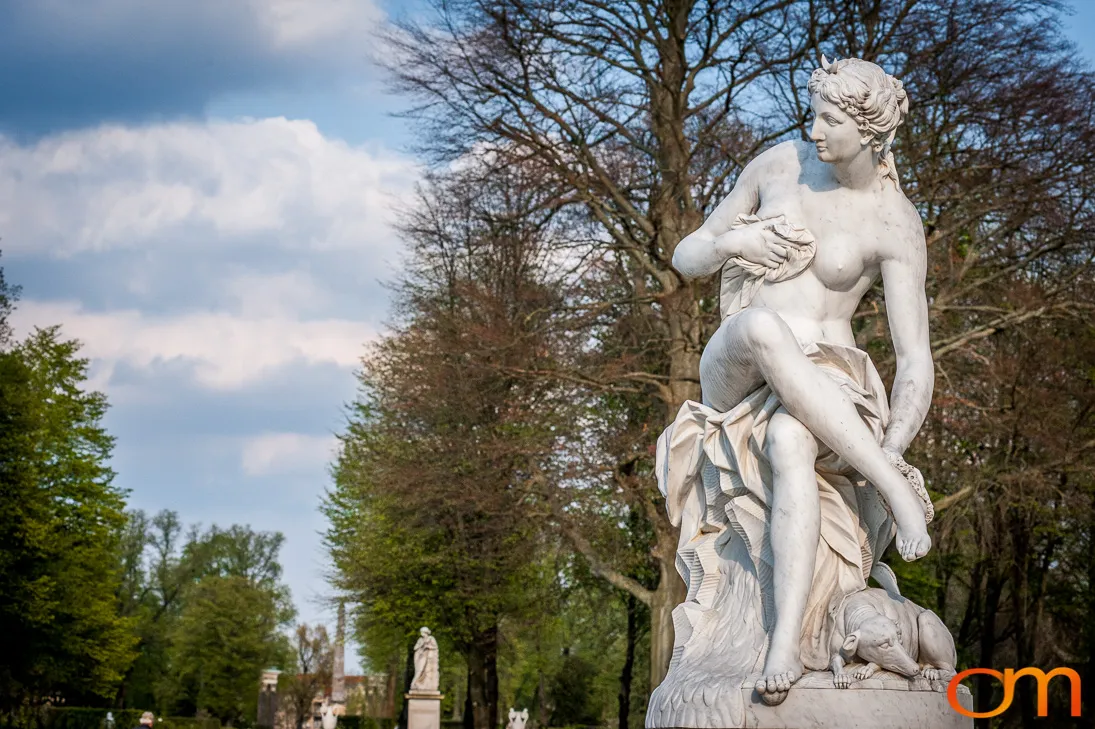
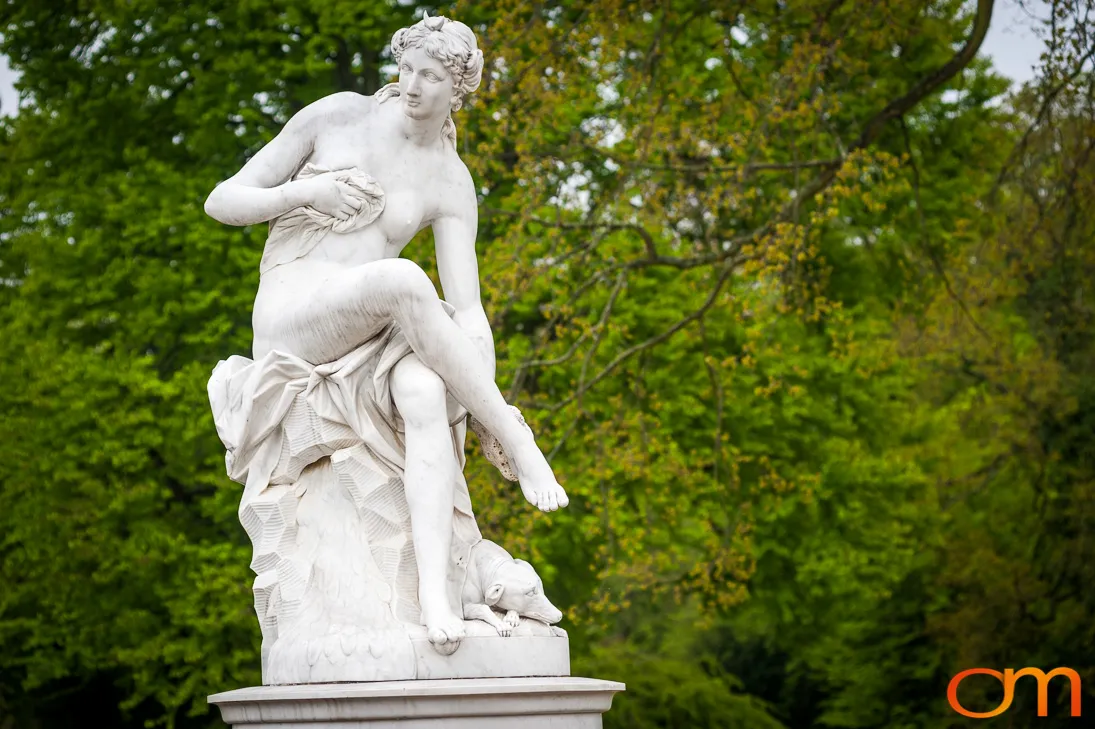
Seated marble nude with a hound at her feet, on an avenue lined with further statues
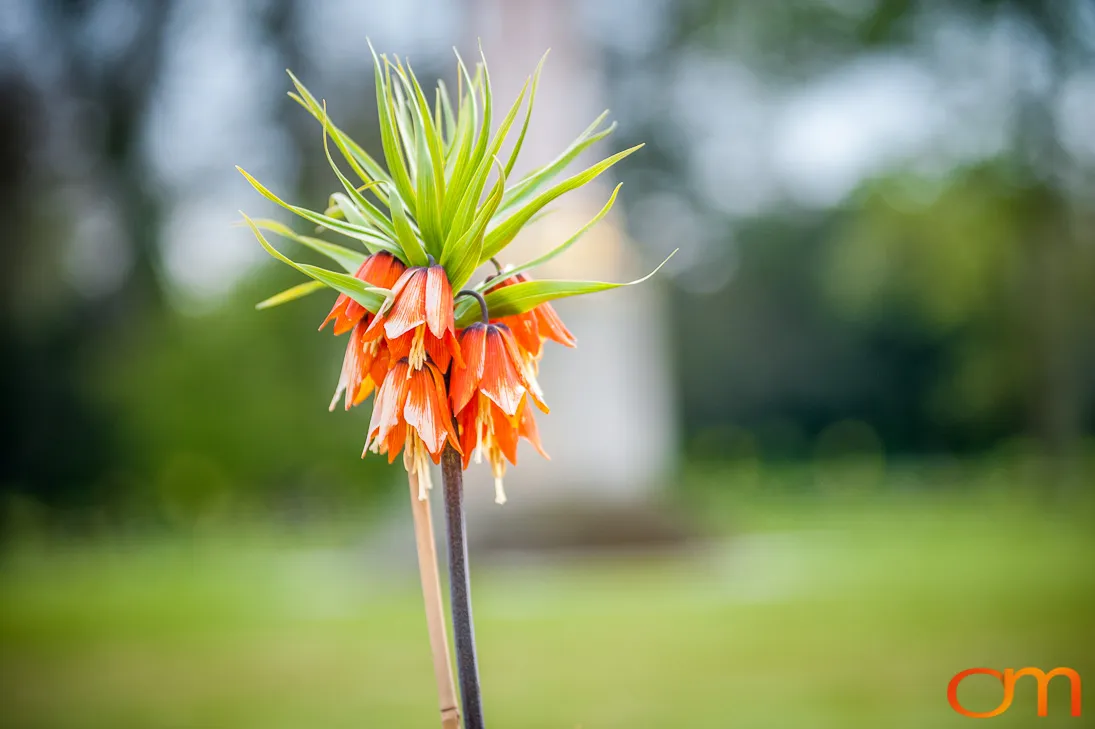
Orange crown imperial flower in bloom on a park lawn
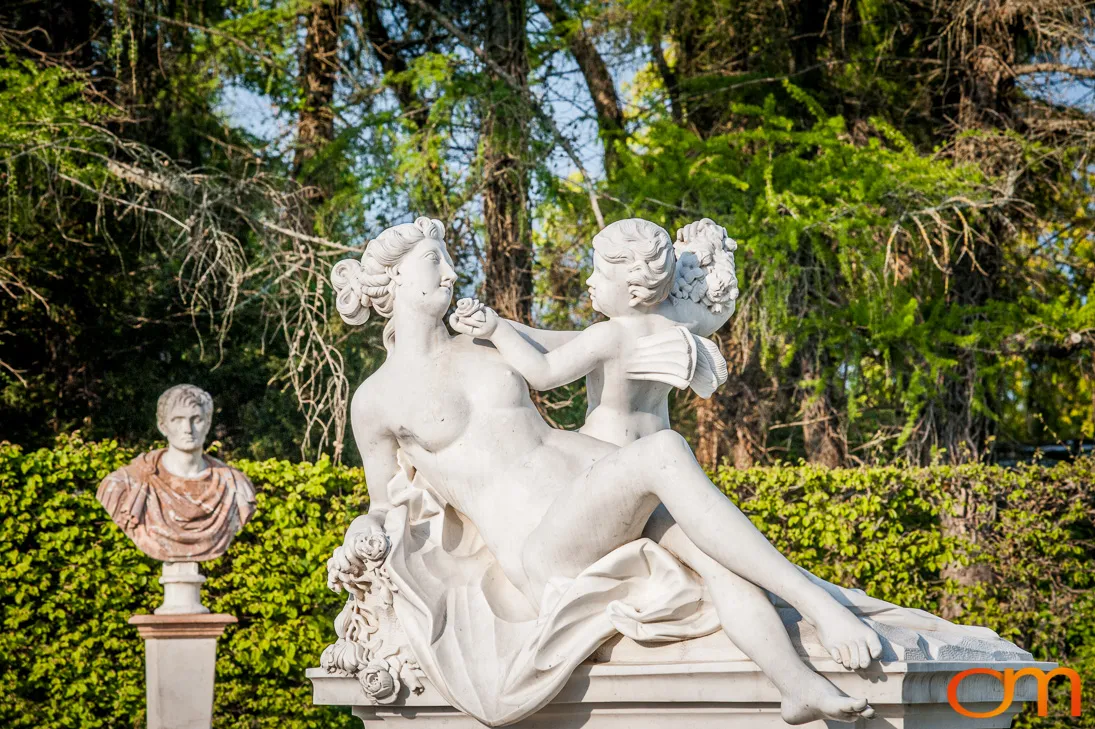
Reclining marble figure with a putto offering flowers, a Roman-style bust on a pedestal behind
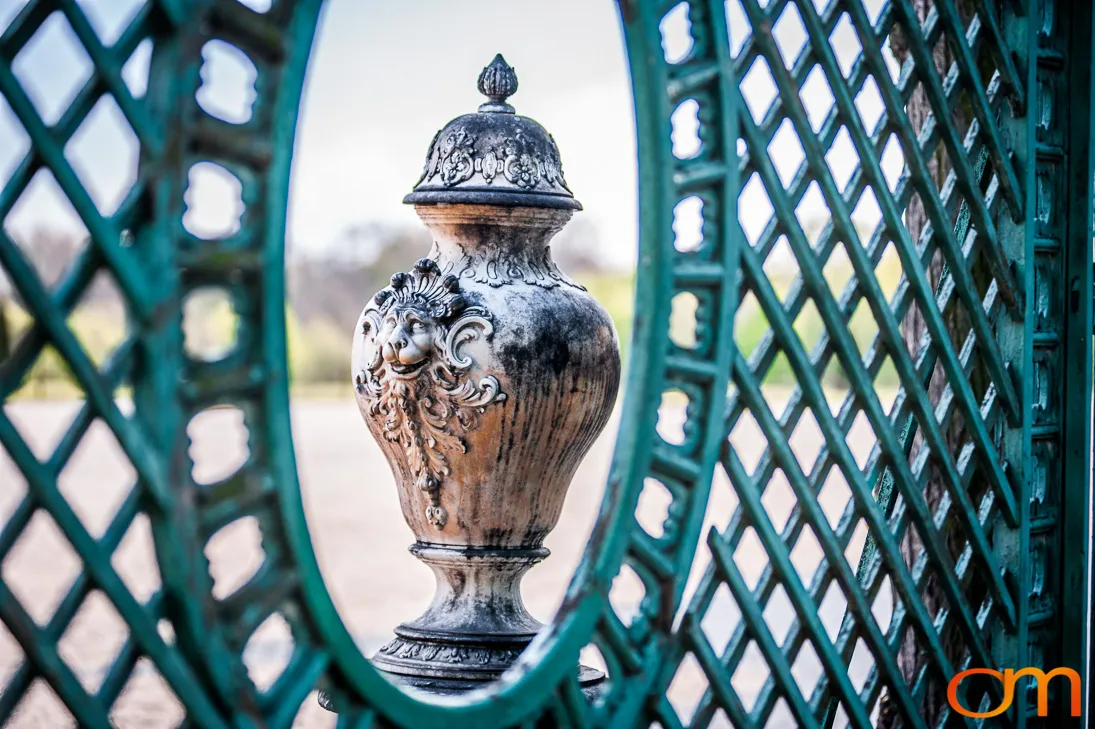
Ornamental stone urn with a lion mask, framed by an oval opening in a green trellis
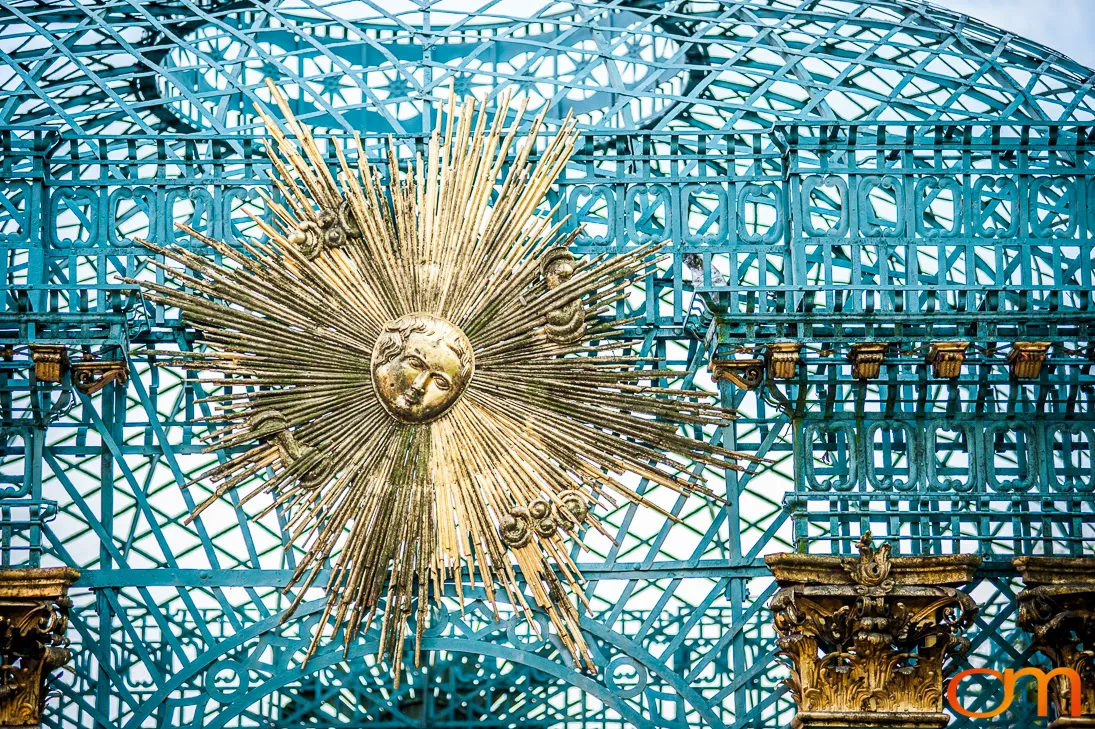
Golden sunburst face with radiating rays fixed to a teal wrought-iron trellis pavilion
Yellow facade of Sanssouci Palace with sculpted atlas figures and a green copper dome
"SANS, SOUCI" carved above the palace windows between vine-wreathed atlas figures
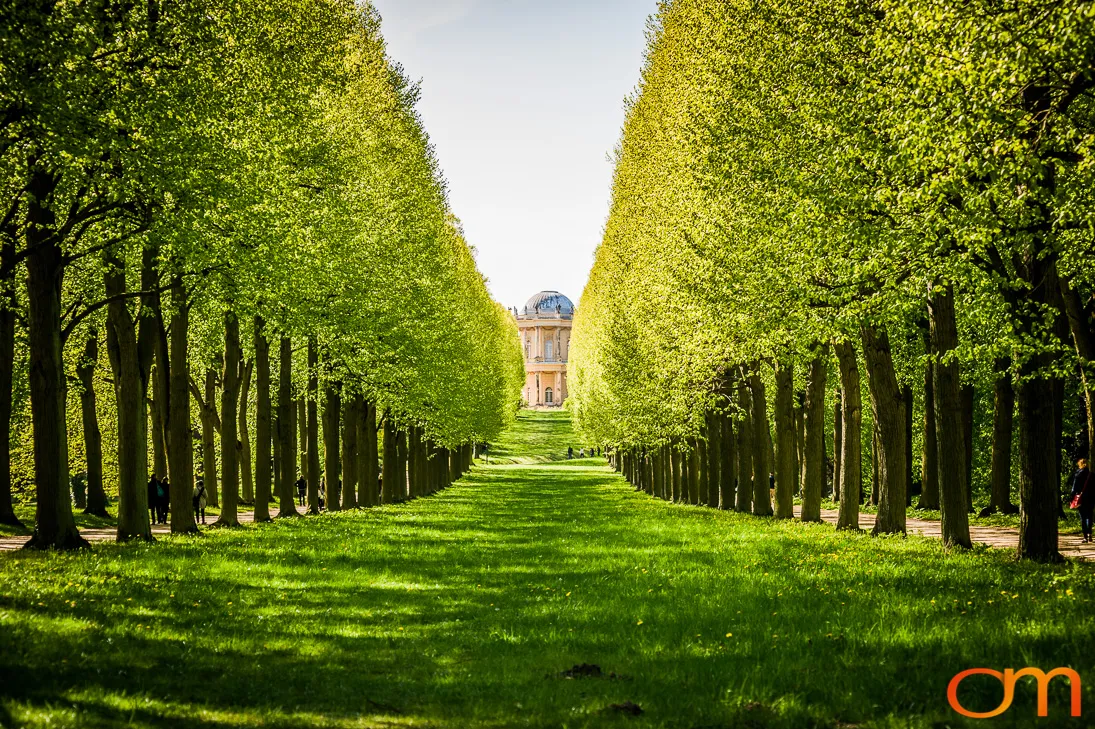
Grass avenue between rows of clipped trees leading to a domed pavilion
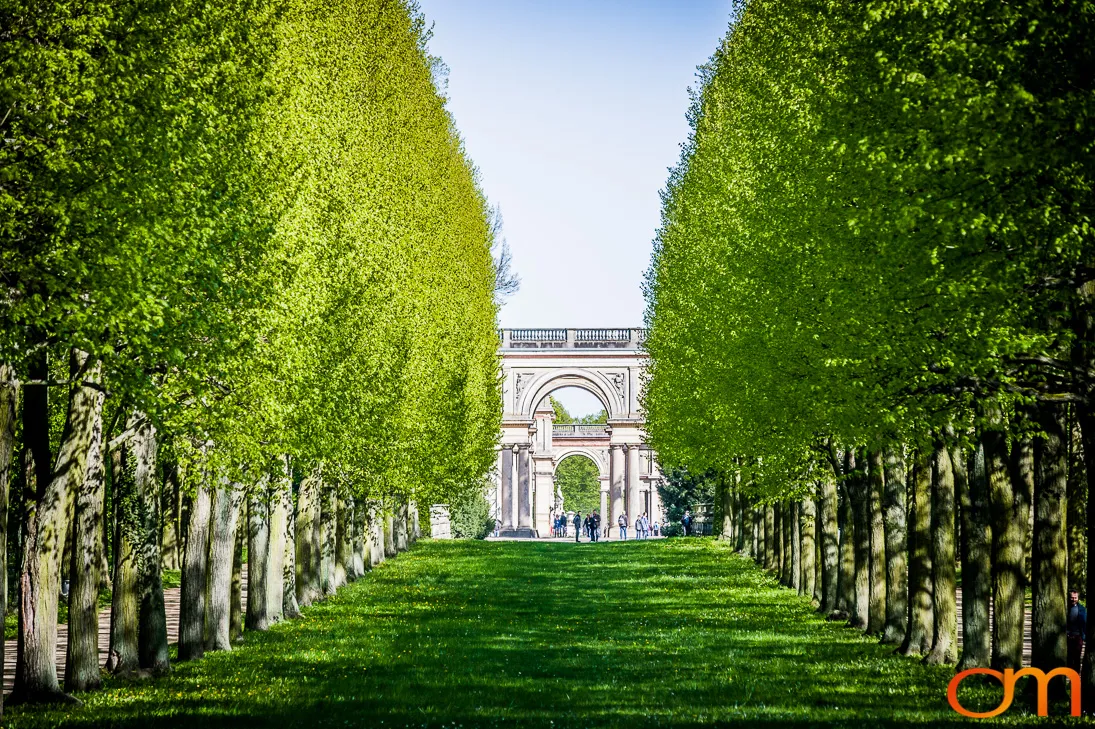
Mown grass avenue between clipped lime trees, leading to an arched stone gateway
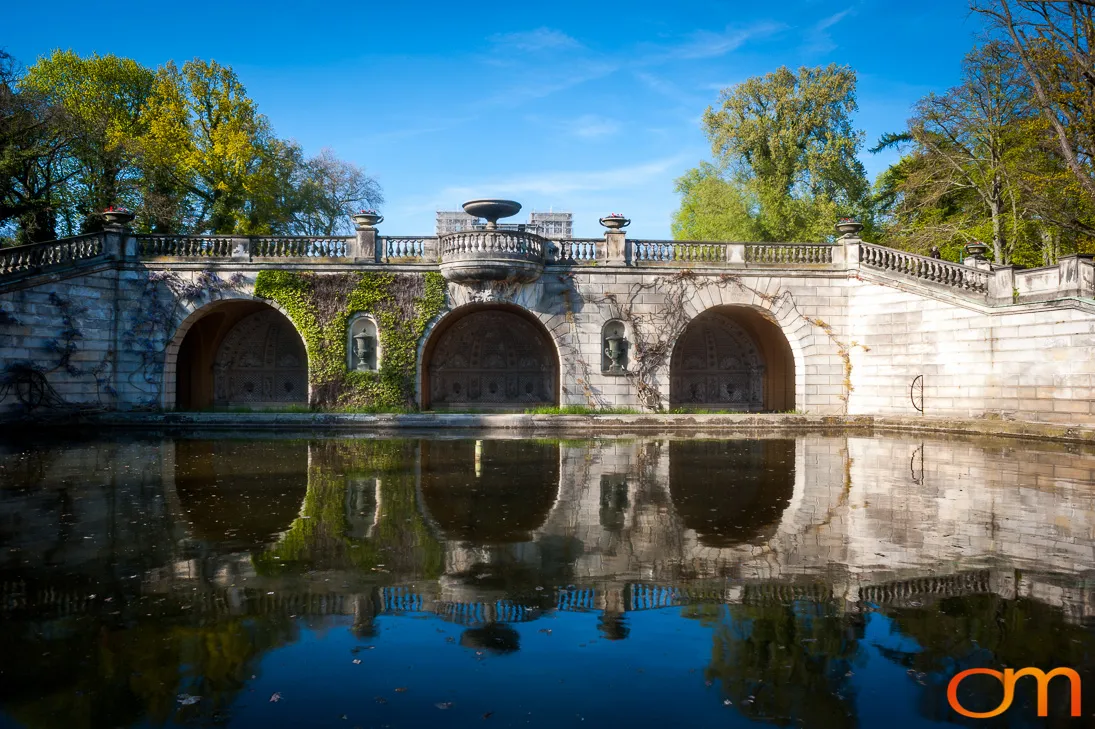
Arcaded stone terrace with balustrade and urns, mirrored in a still pond
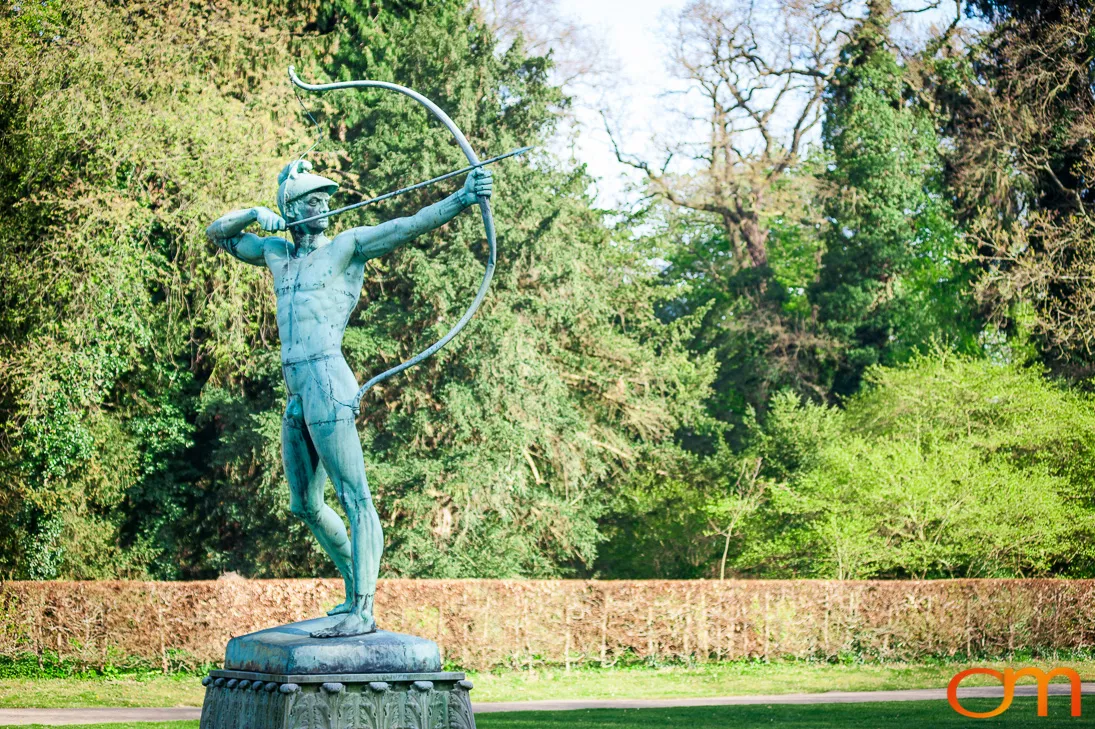
Bronze archer statue drawing his bow, green with verdigris against parkland trees
Broad sand forecourt leading to the New Palace, its long pink facade topped by a green dome
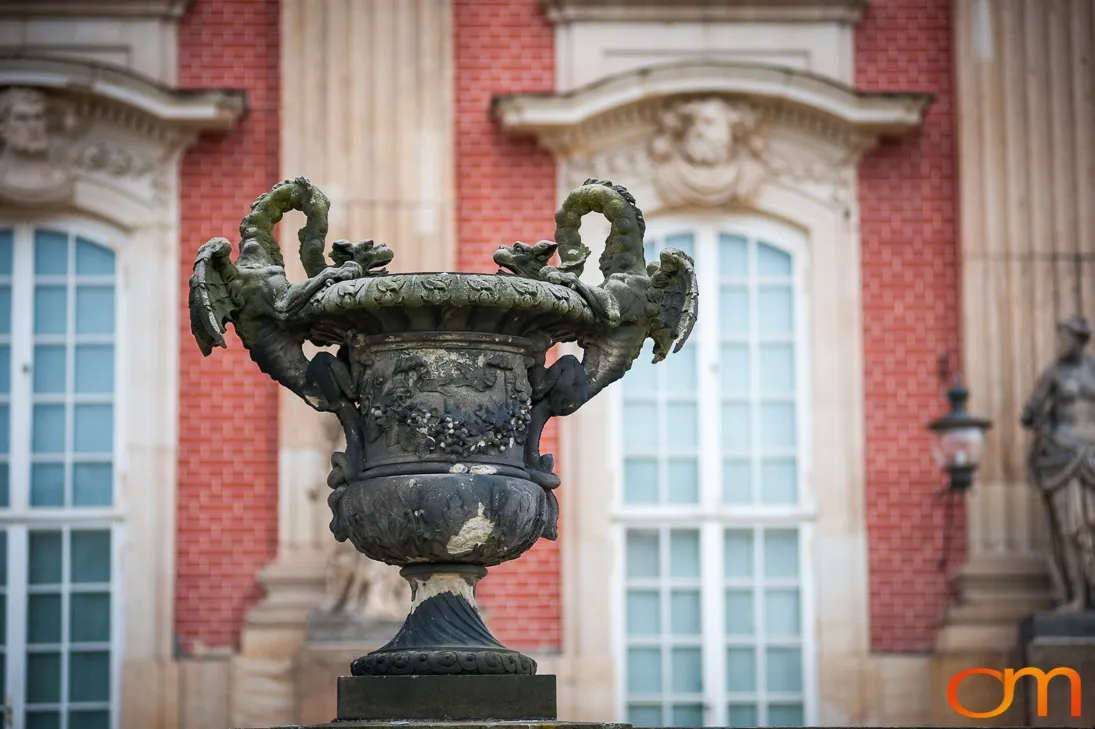
Carved stone urn with dragon handles before the red brick and sandstone palace facade
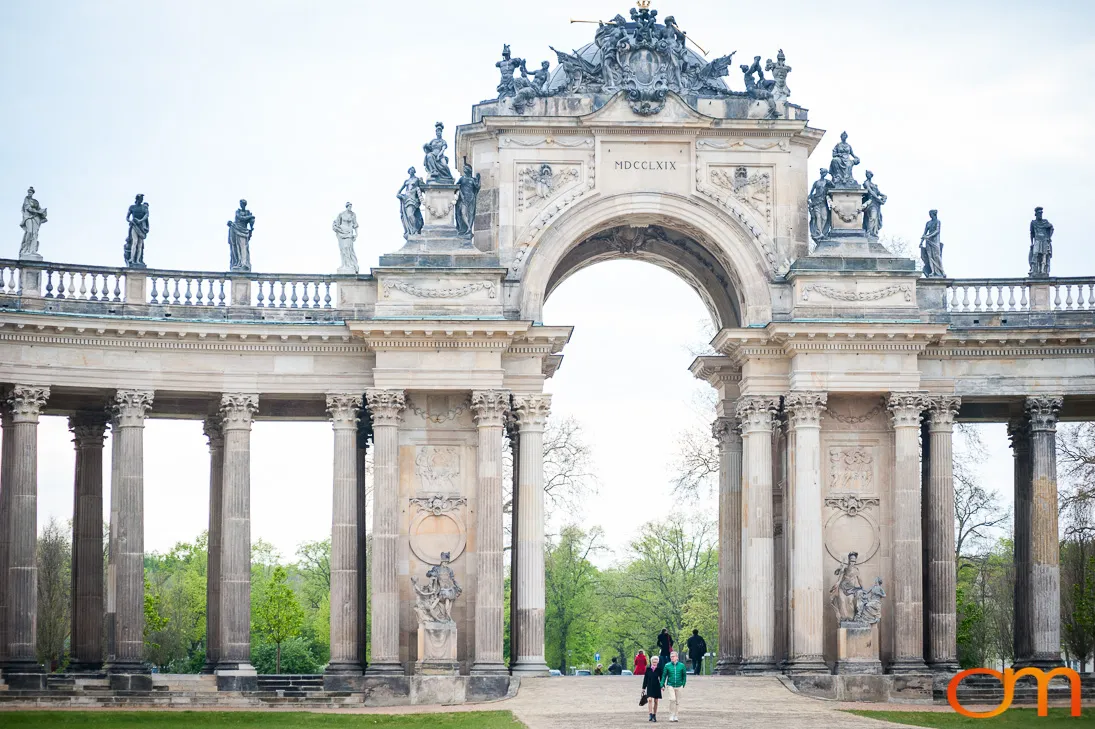
Colonnaded triumphal arch inscribed "MDCCLXIX", two visitors walking out beneath it
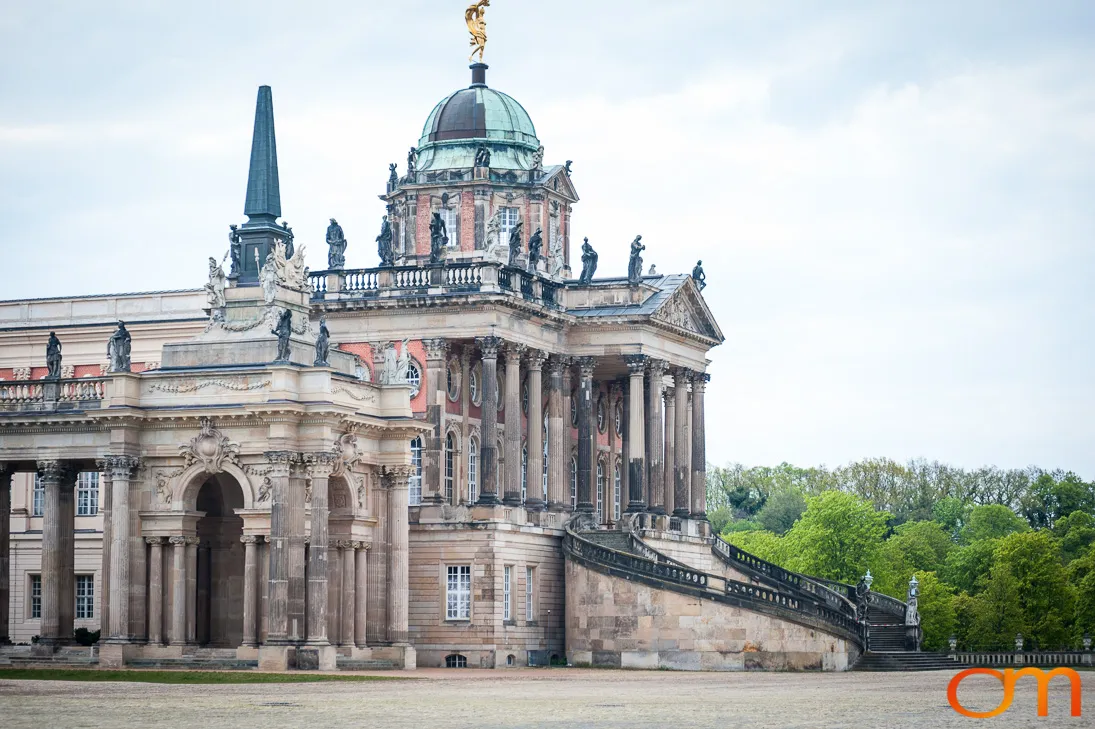
Corner of the New Palace with its domed centre, rooftop statues and curving ramp
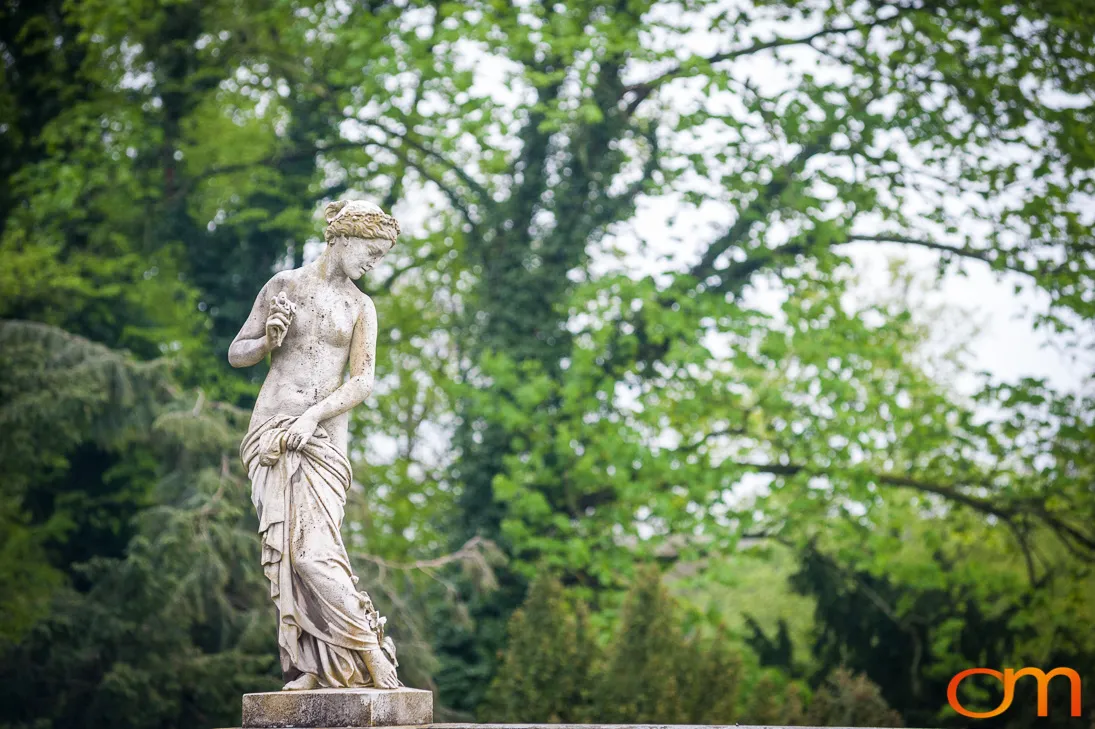
Weathered stone statue of a draped woman holding flowers, framed by spring foliage
White marble statue of a seated woman in loose drapery, a swan carved at her feet
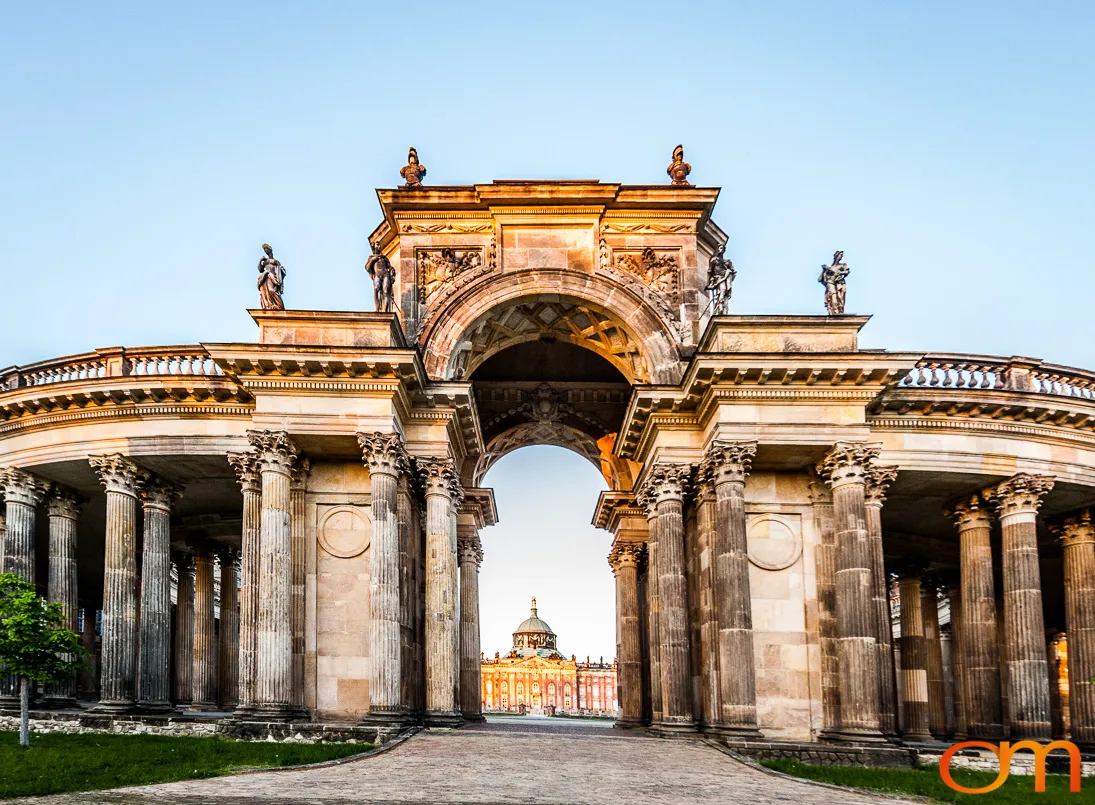
Curved colonnade and triumphal arch glowing at sunset, framing the New Palace beyond
Evening light on the New Palace across an empty cobbled square

All Stories →

Fact check: Accuracy matters. If something looks incorrect, please suggest a correction.