New Zealand
Queenstown | Tāhuna and Lake Whakatipu
June 2015
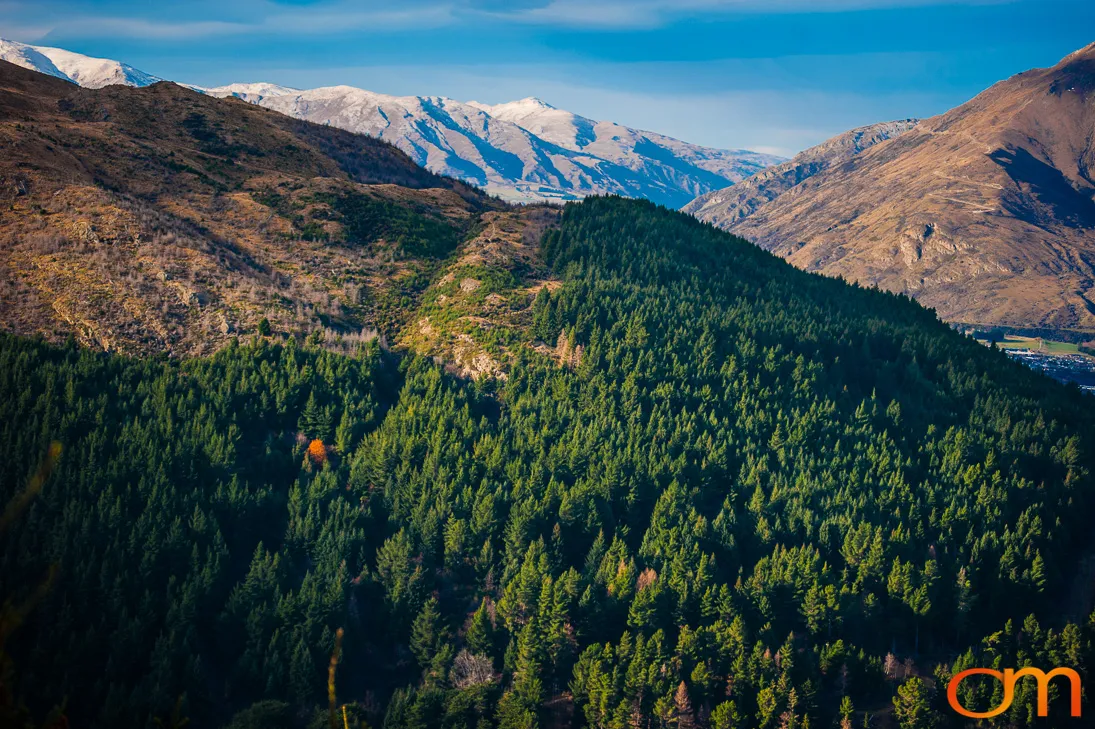
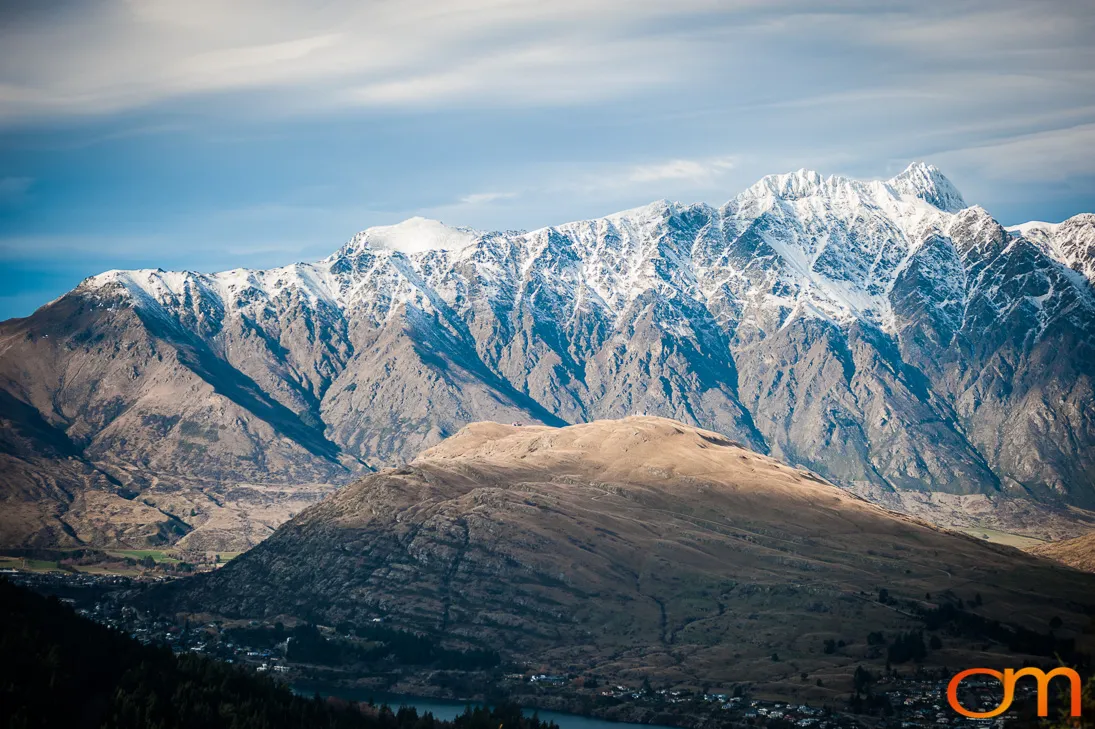
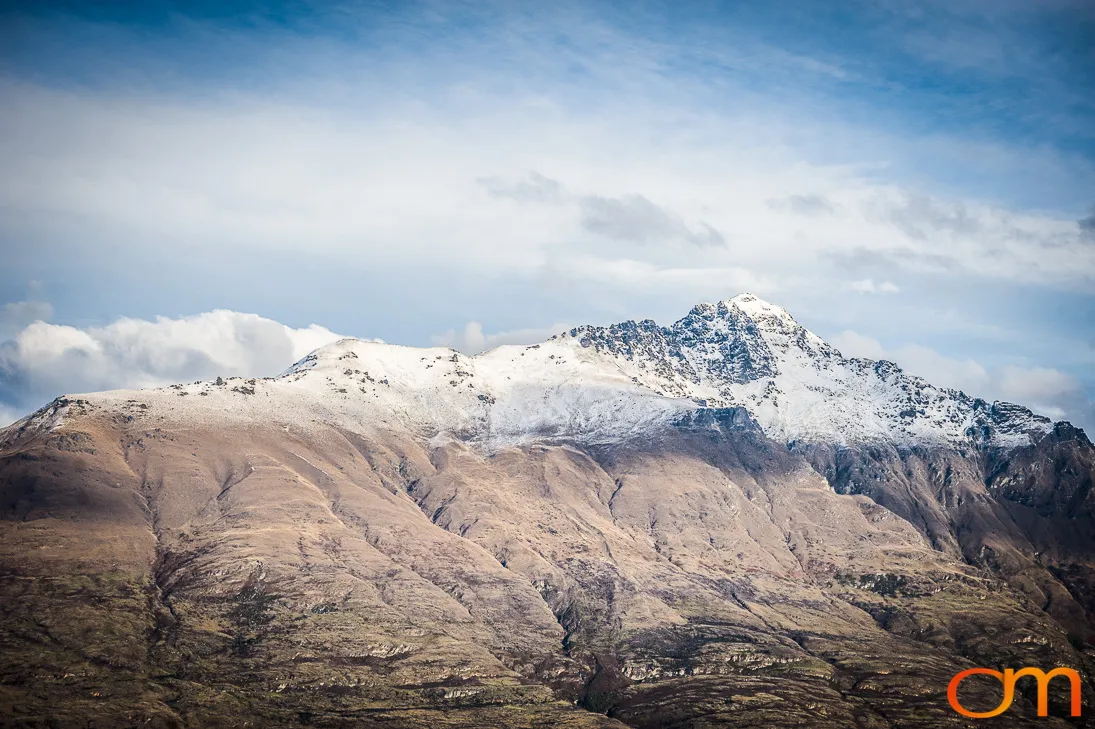
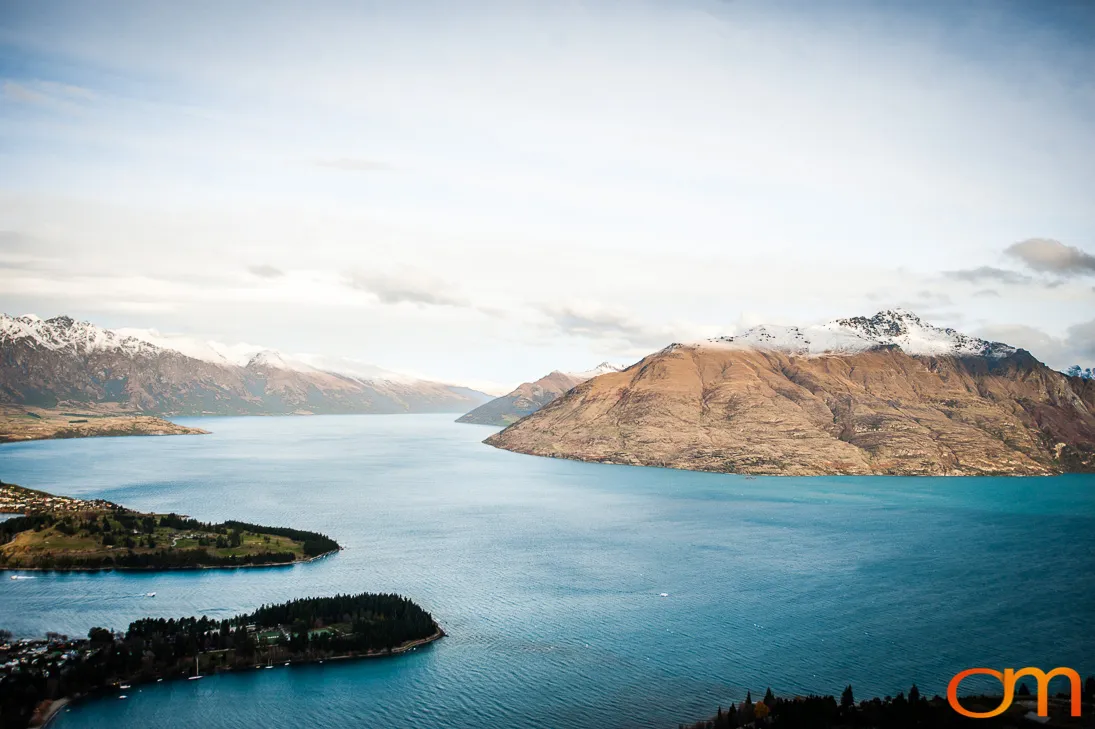
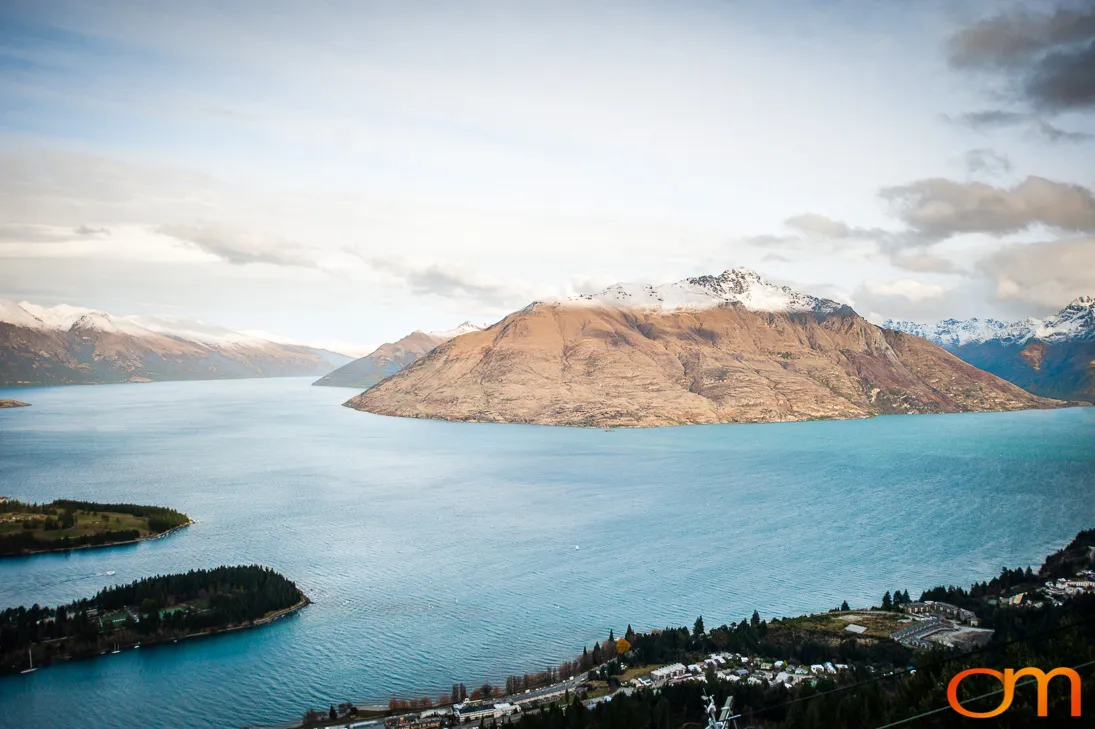
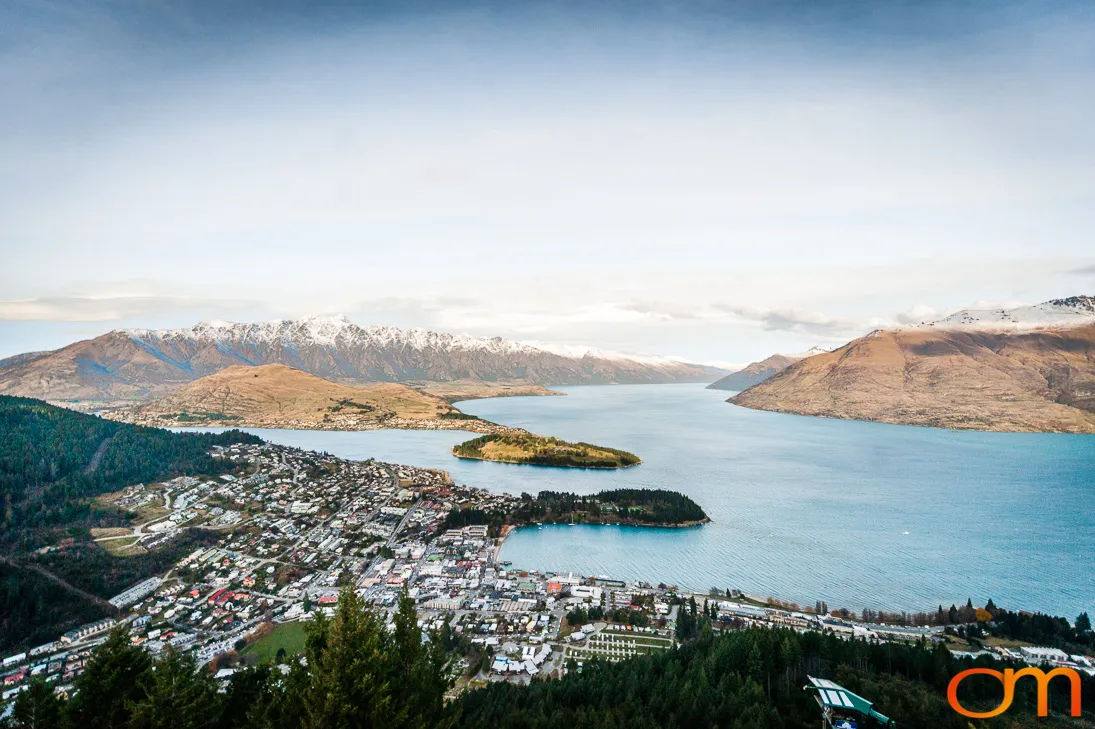
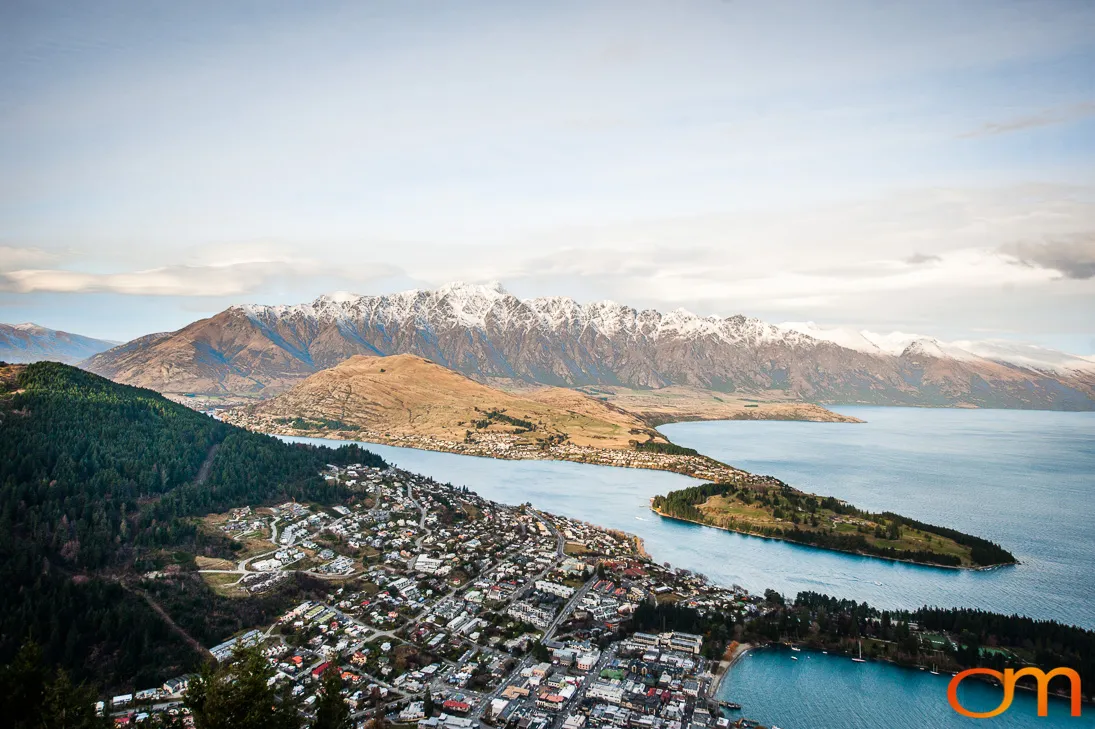
Queenstown, also known as Tāhuna, stands on the shore of Lake Whakatipu in New Zealand’s Otago region. The town occupies a glacial landscape surrounded by mountains, including Ben Lomond, Queenstown Hill / Te Tapanui, and the Remarkables.
The Whakatipu region was used by Māori long before European settlement. Waitaha, Kāti Māmoe, and Kāi Tahu travelled through the area on seasonal expeditions to gather food and obtain pounamu from areas west of the lake. Tāhuna refers to the comparatively level, sandy ground on which central Queenstown developed.
Lake Whakatipu was formed by glaciers during the Pleistocene. Approximately 80 kilometres long and covering about 293 square kilometres, it is New Zealand’s third-largest lake by surface area. Several traditional accounts are associated with its formation and name, but these should be understood as Māori oral traditions rather than literal geological explanations.
European pastoral settlement began around 1860 when William Gilbert Rees established a farm and homestead beside Queenstown Bay. The discovery of gold on the nearby Shotover and Arrow rivers in 1862 rapidly transformed the district. Miners, merchants, and other settlers arrived, and a town developed around Rees’s former station.