Belgrade
Belgrade Street Art: The Colorful White City
September 2015
Belgrade, Serbia’s capital and largest city, stands at the confluence of the Sava and Danube rivers. Its Serbian name, Beograd, means “White City,” a name recorded in the ninth century and probably associated with the pale stone of the city’s fortifications.
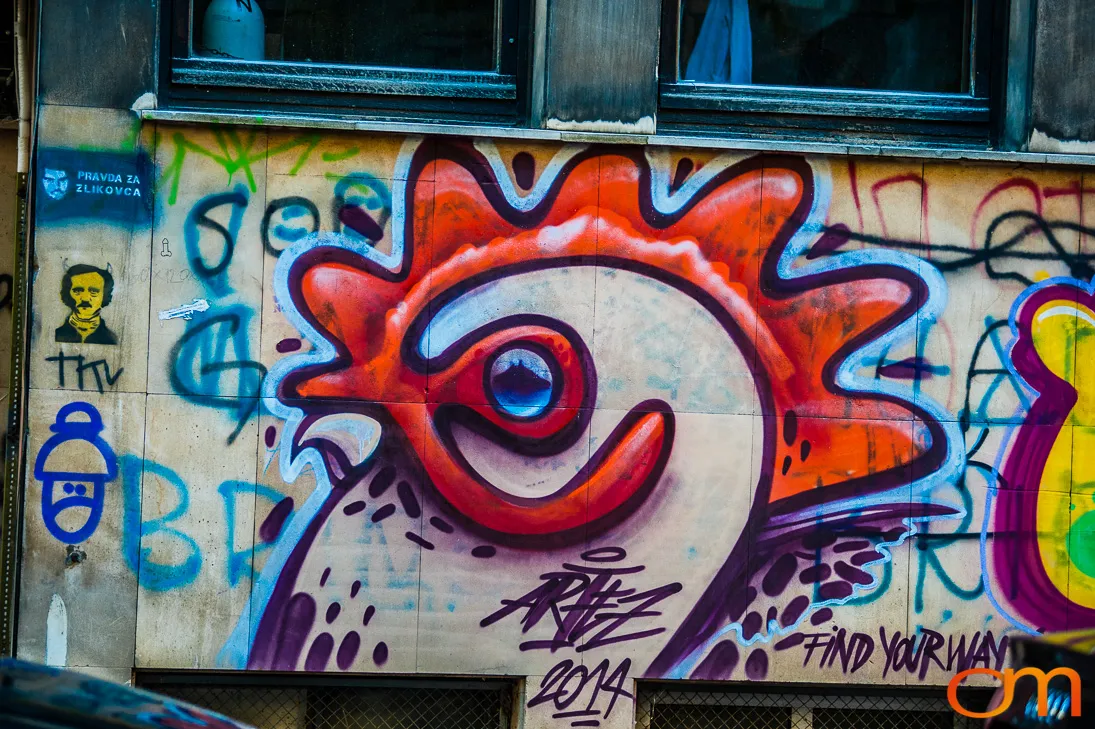
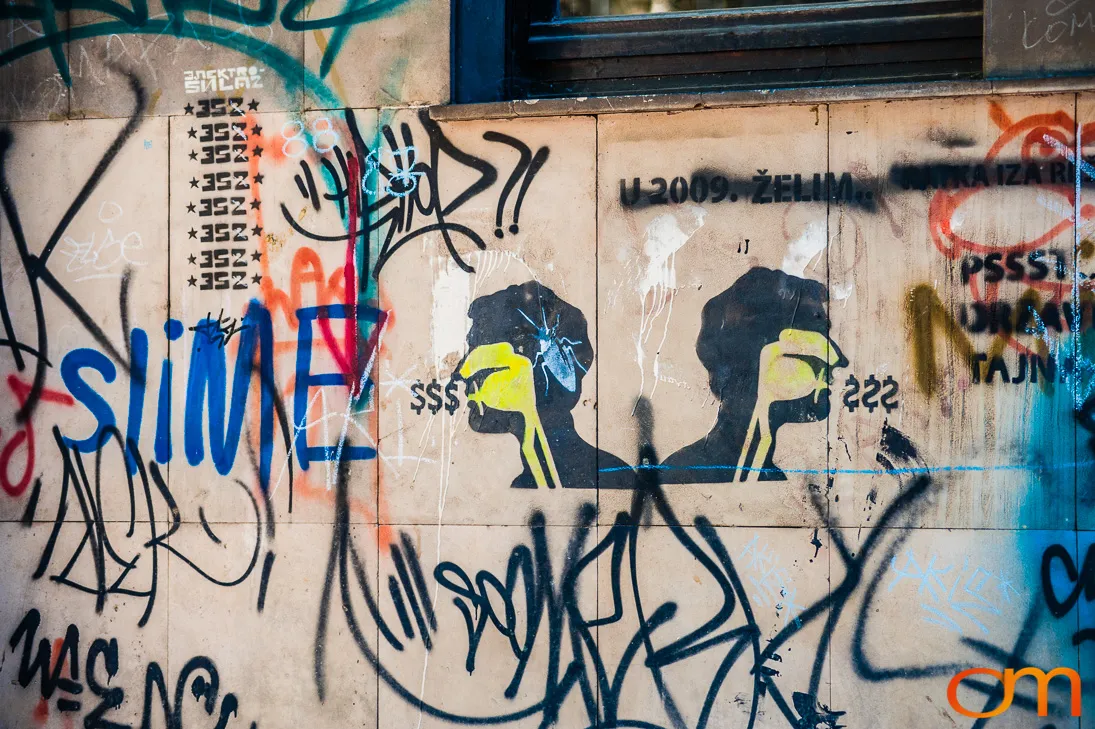
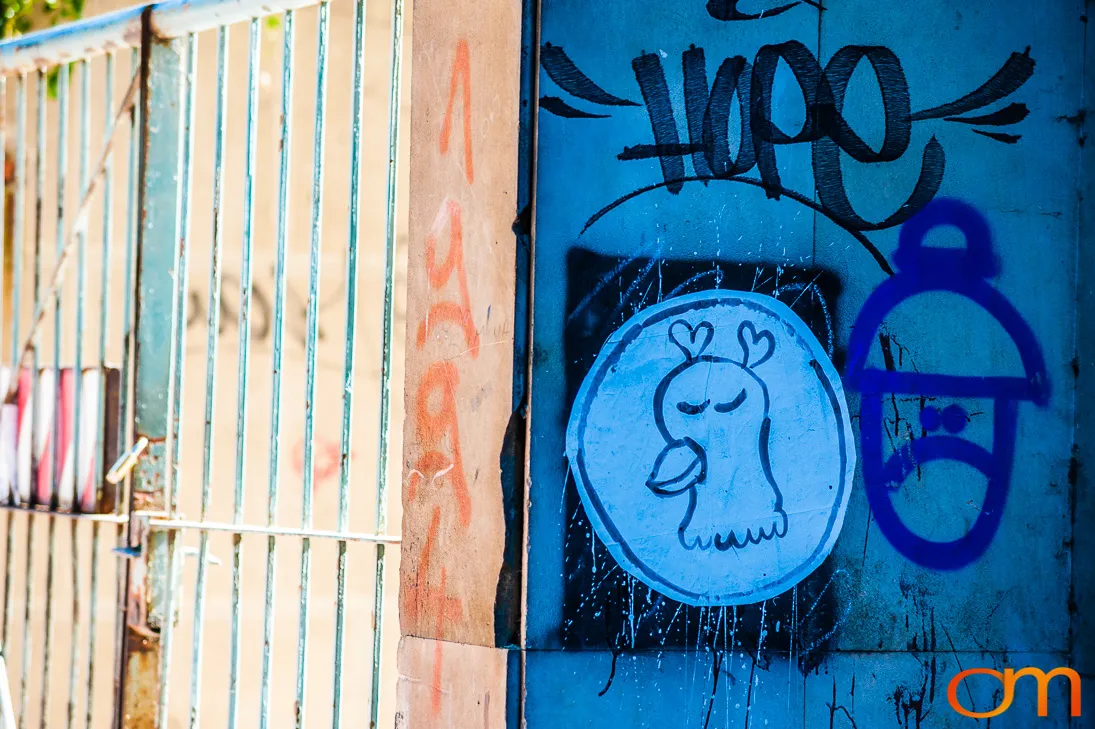
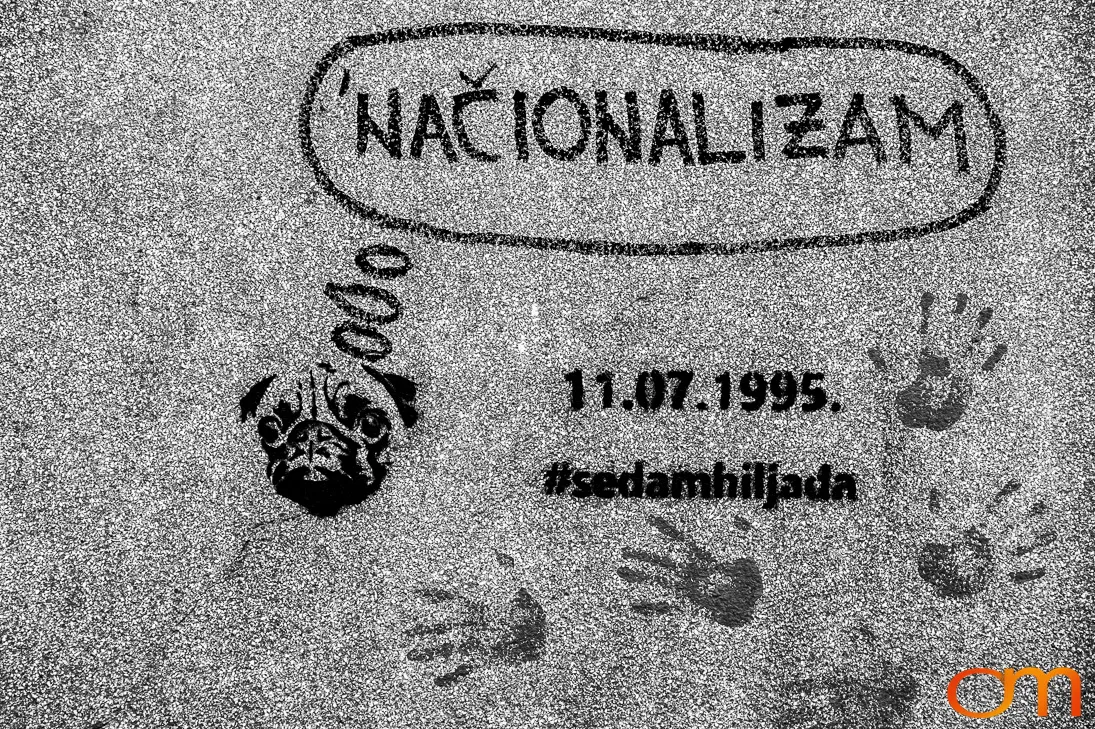
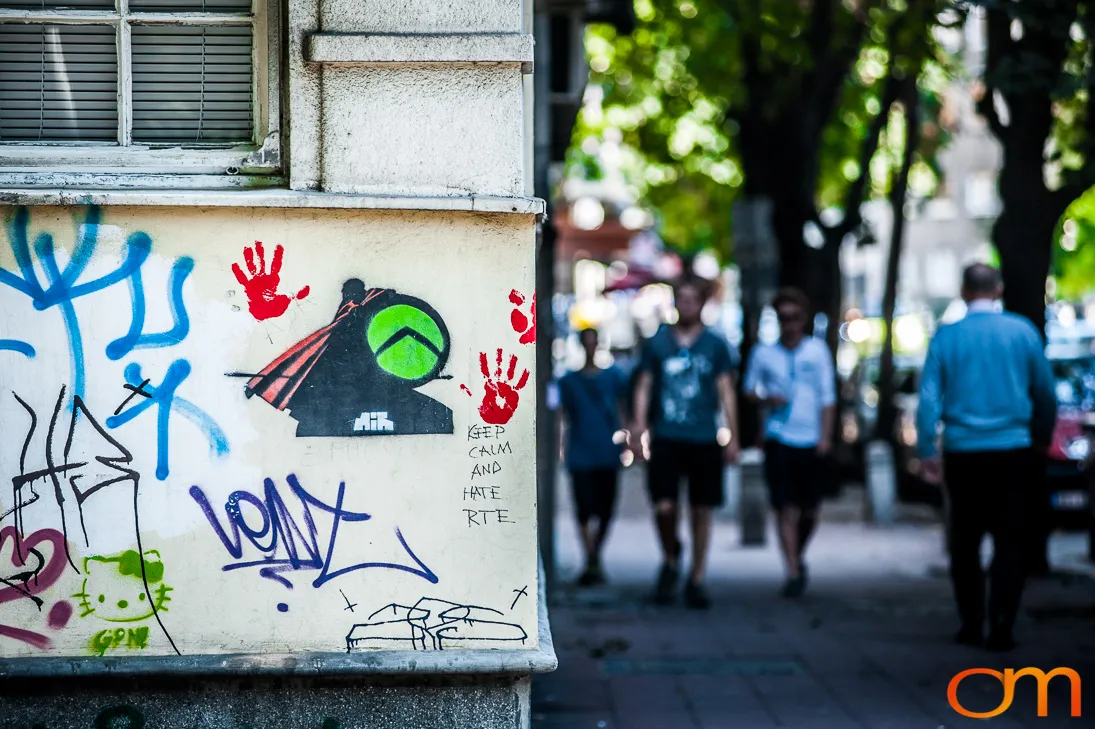
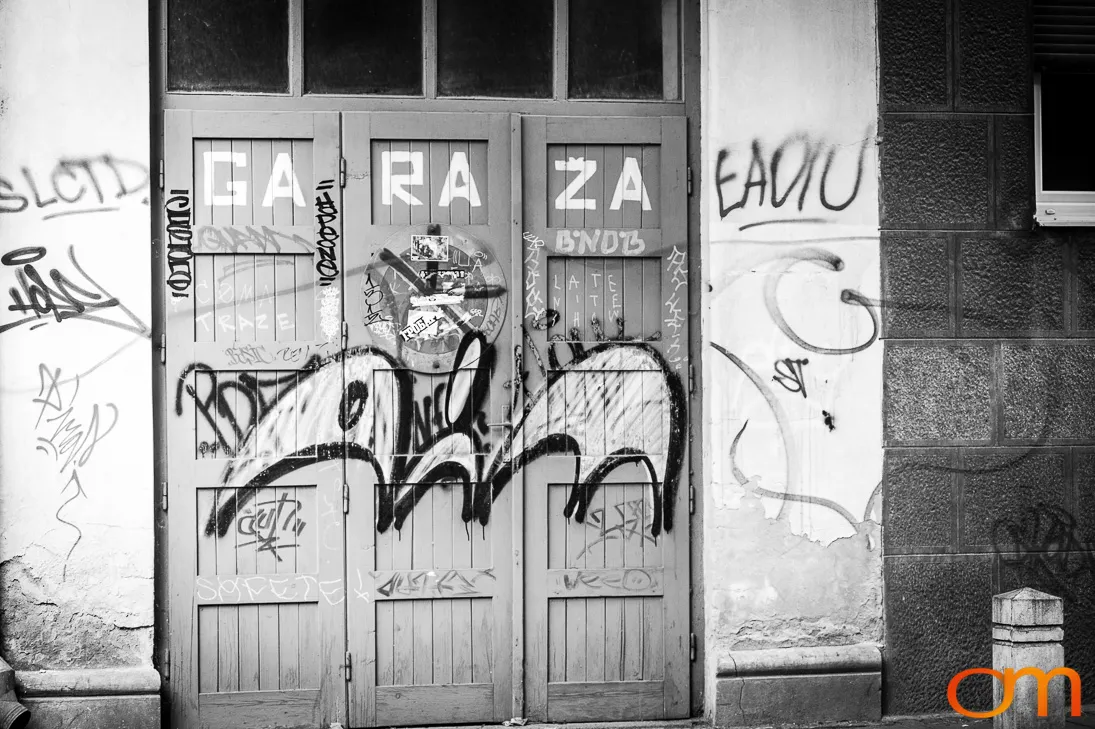
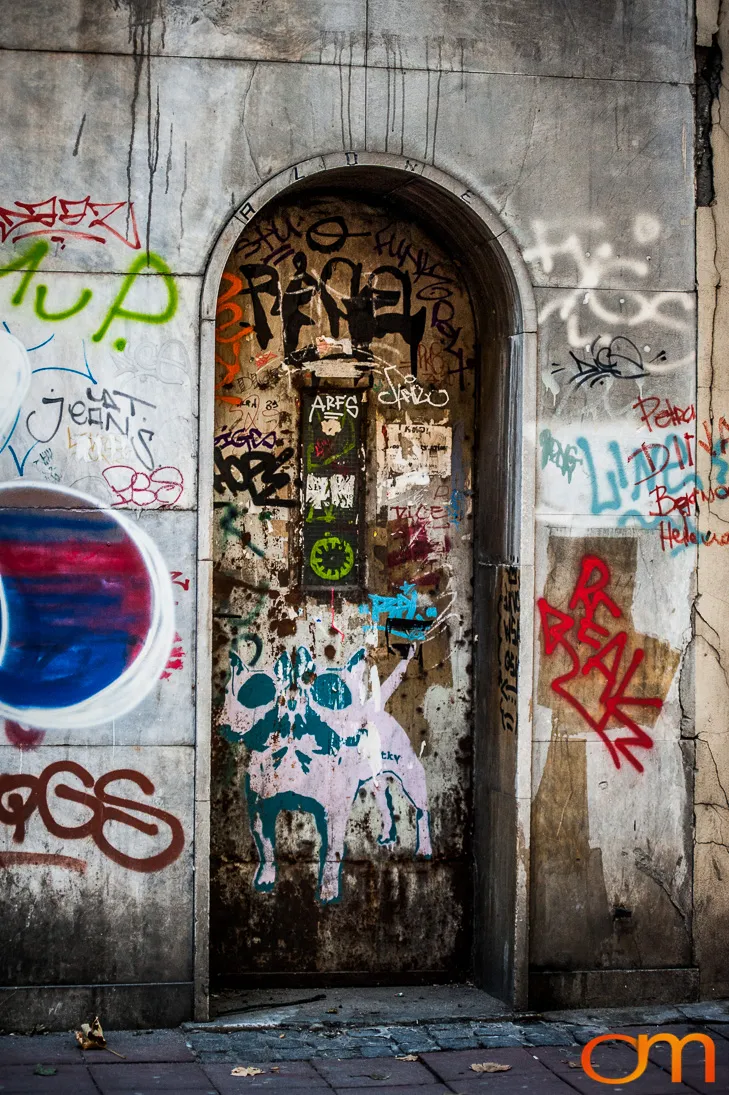
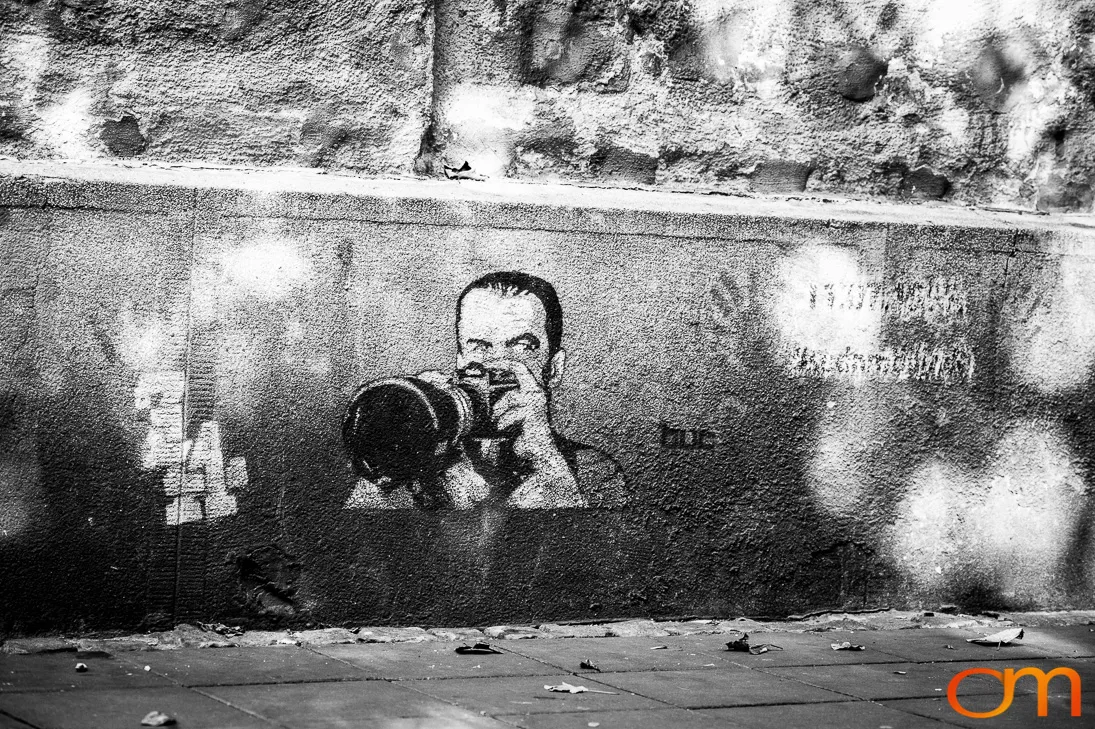
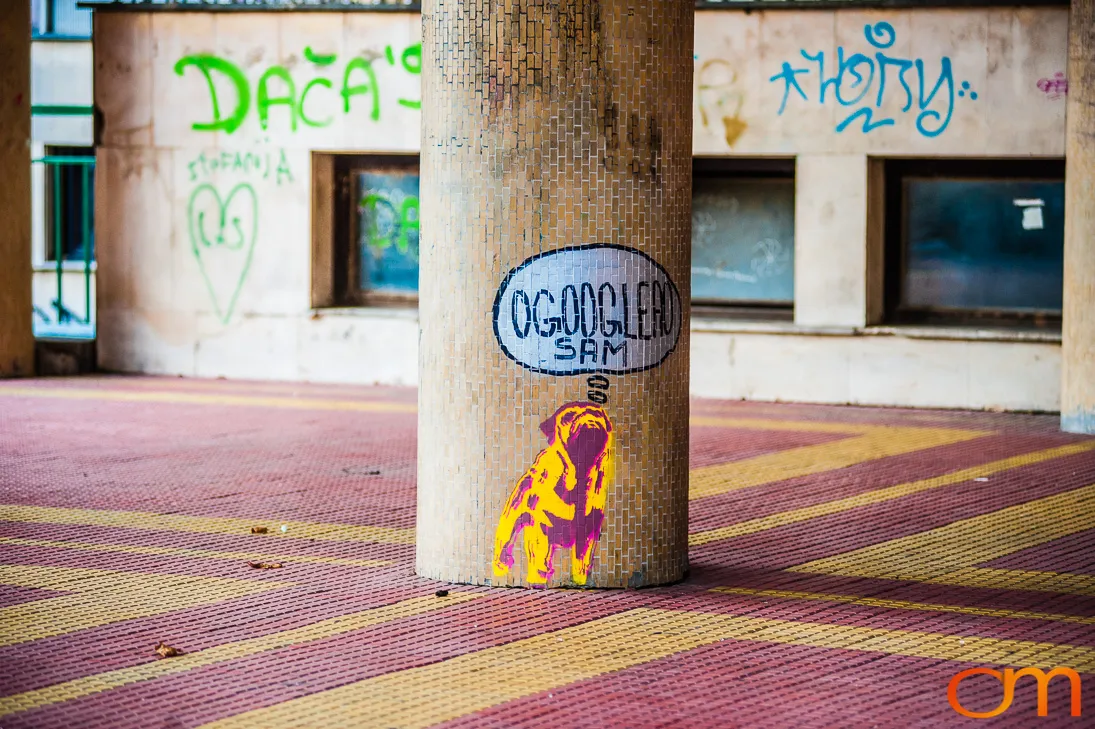
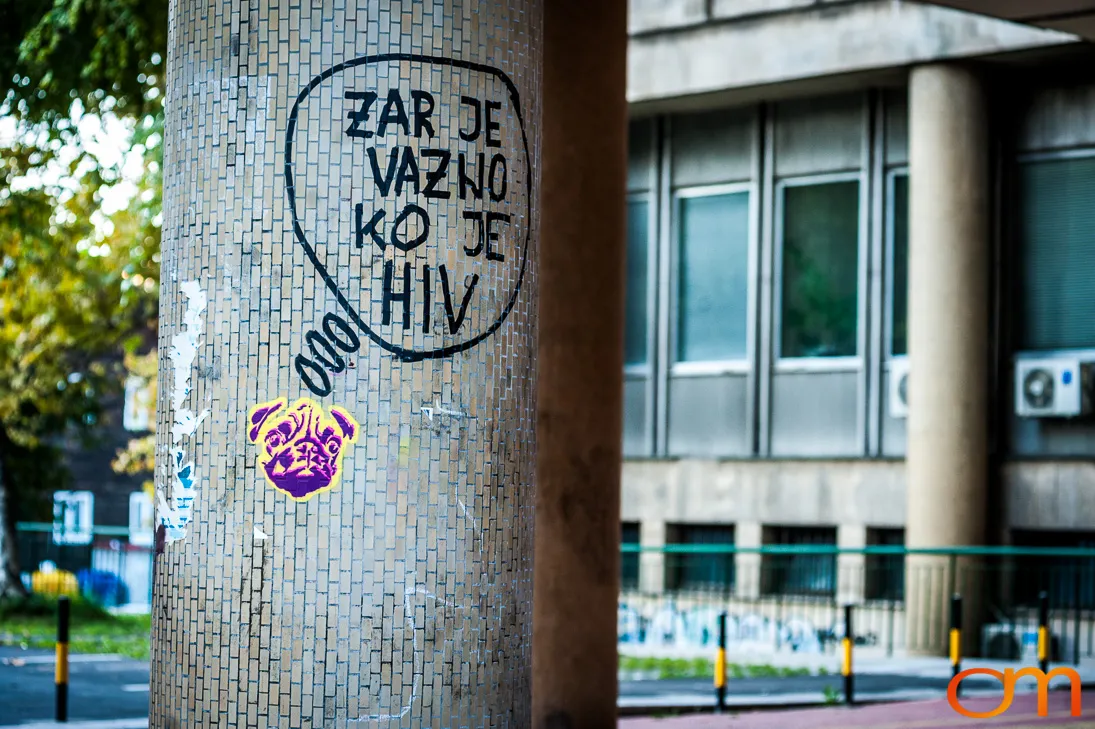
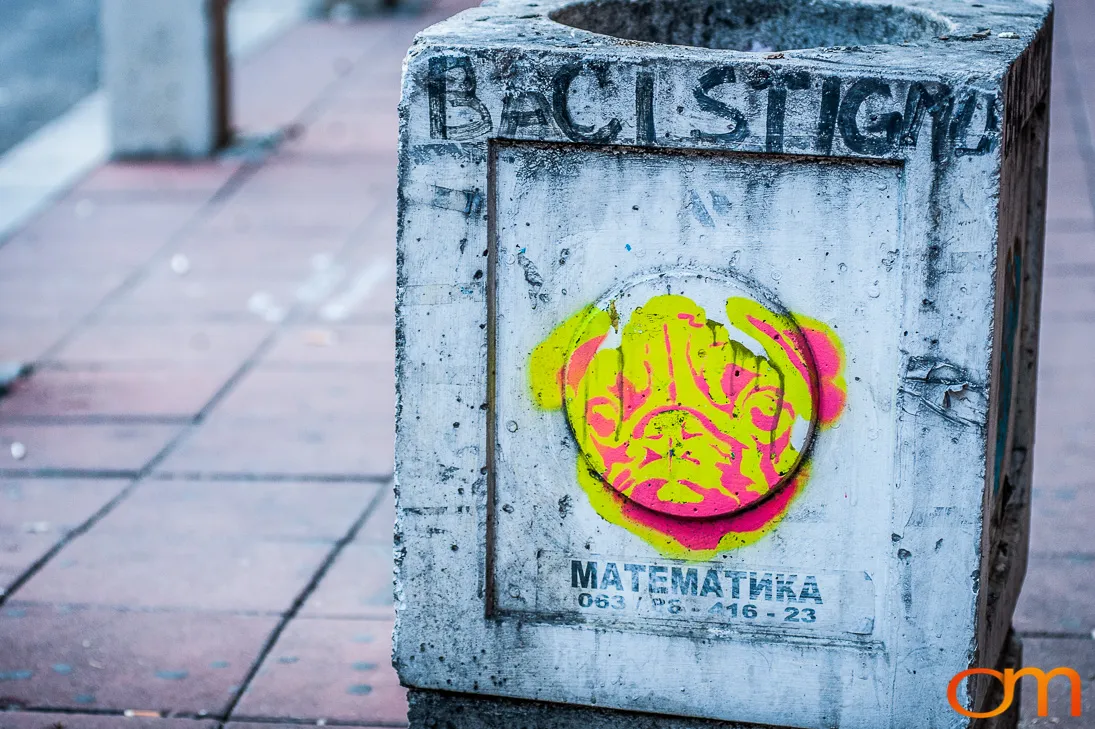
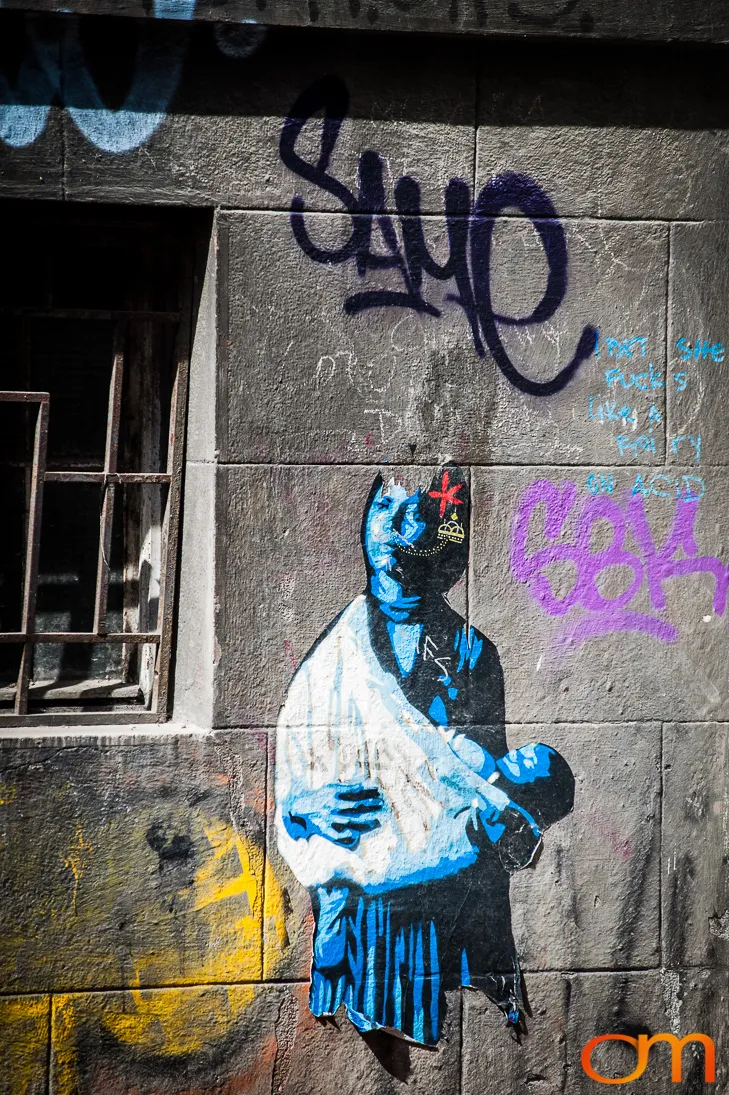
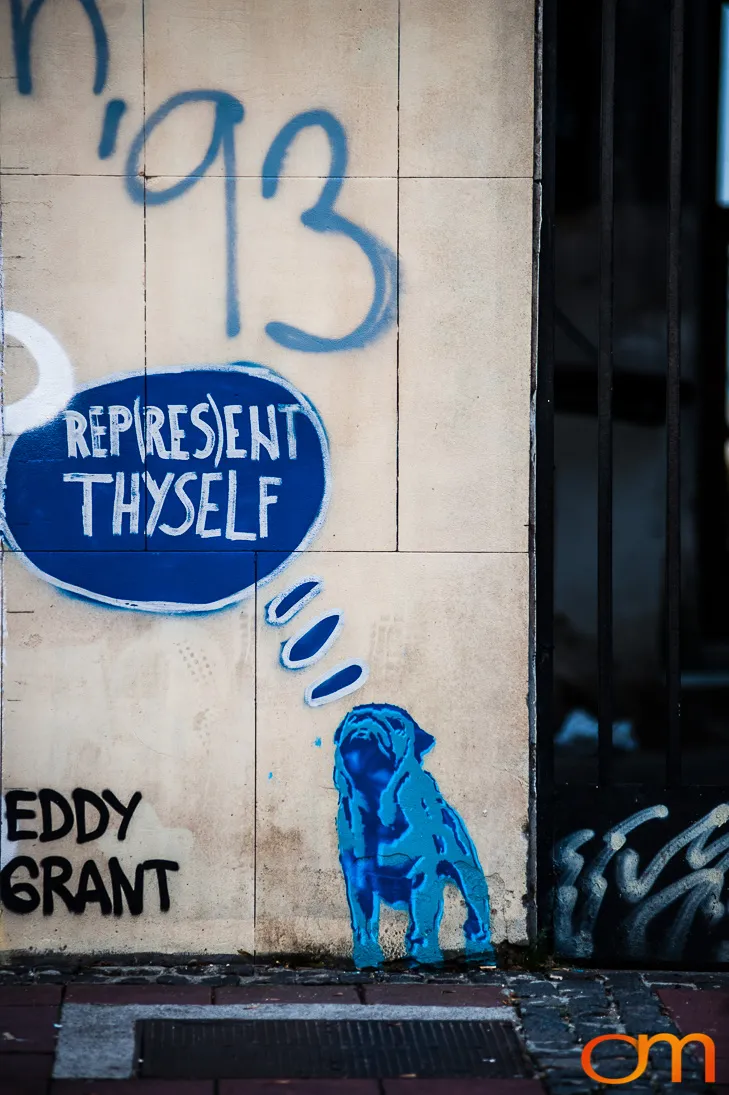
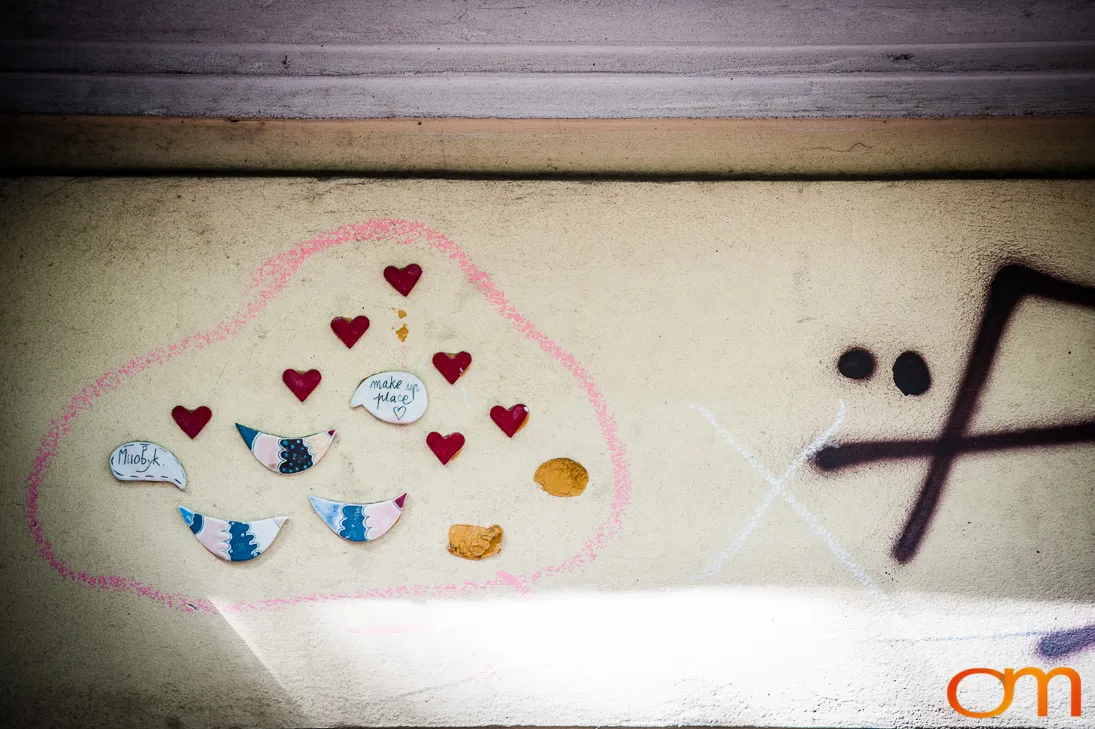
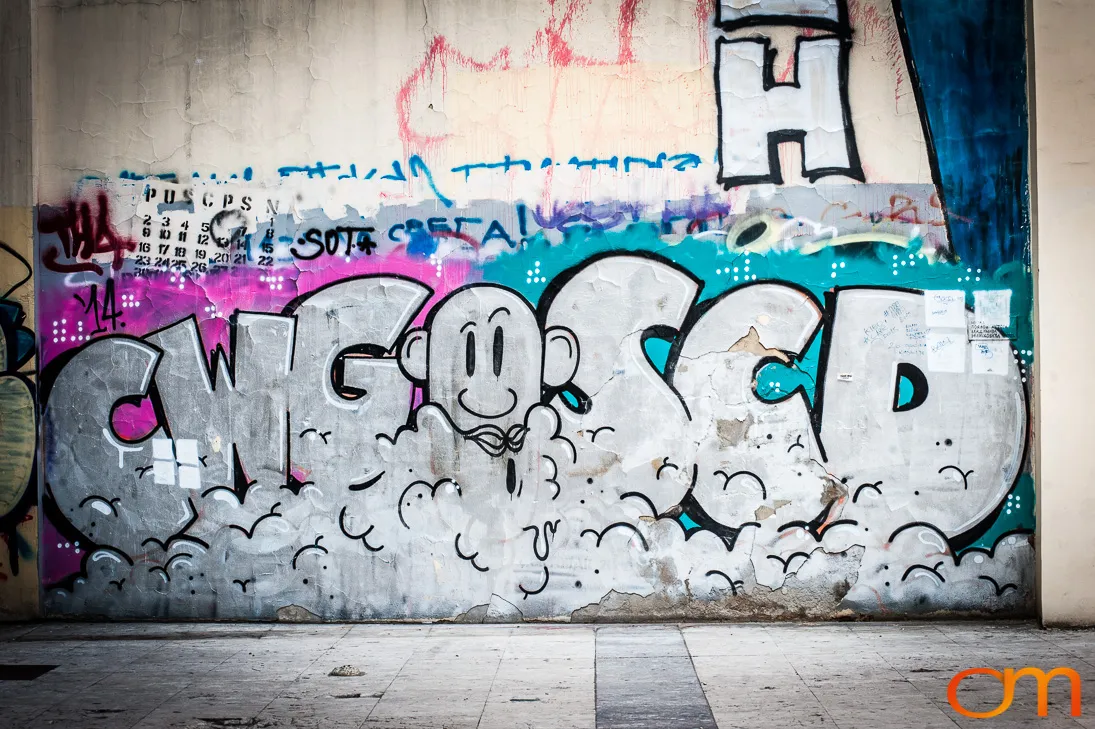
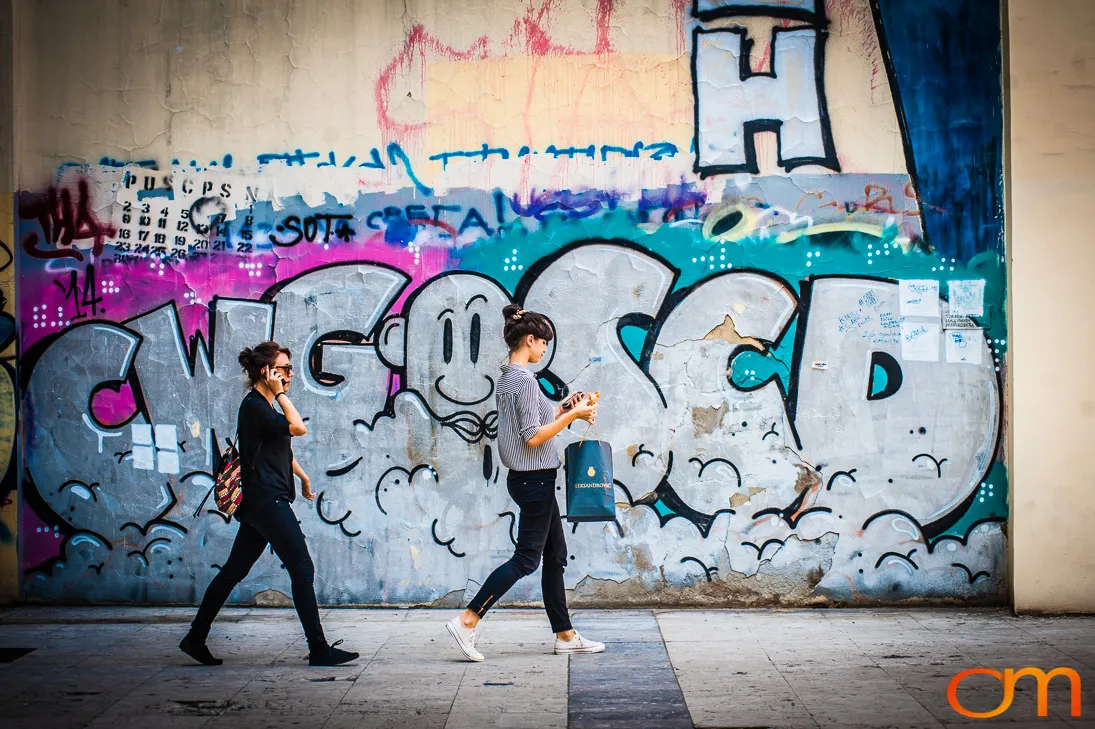
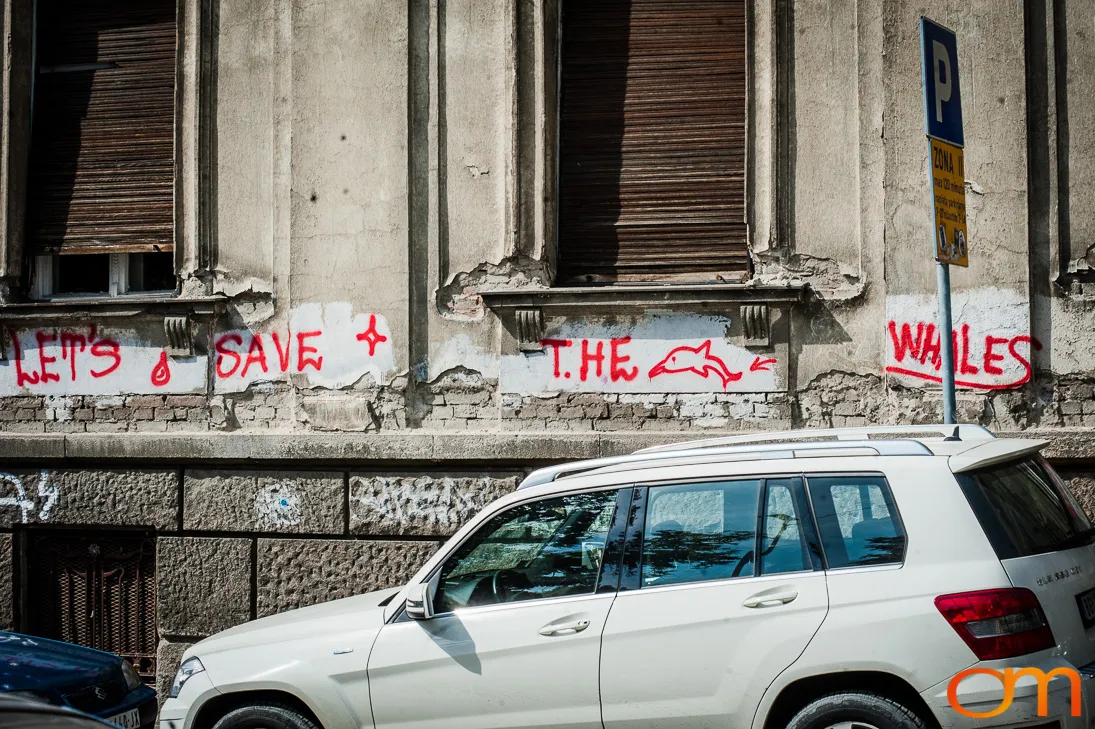
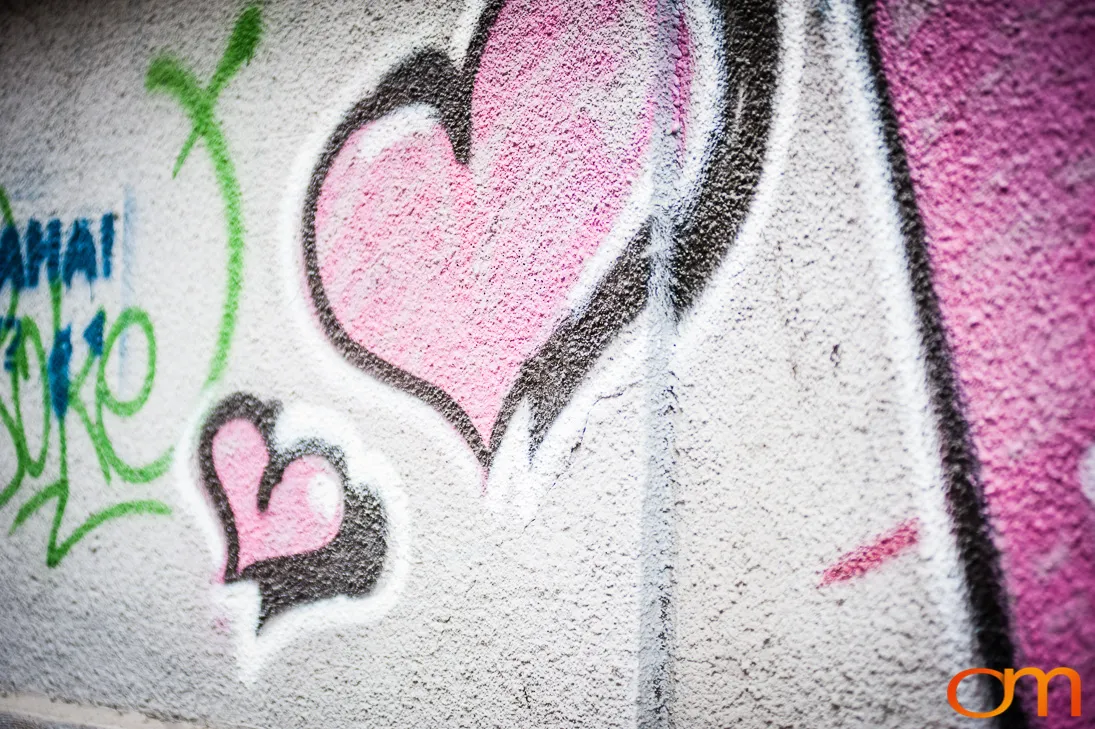
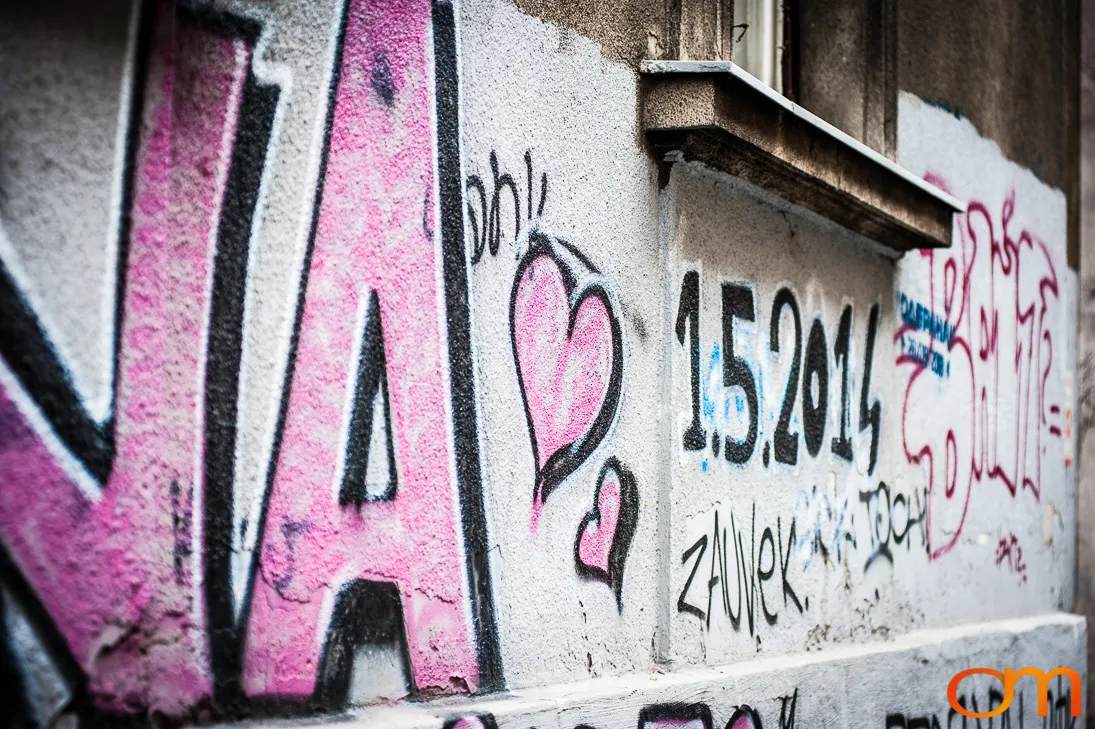
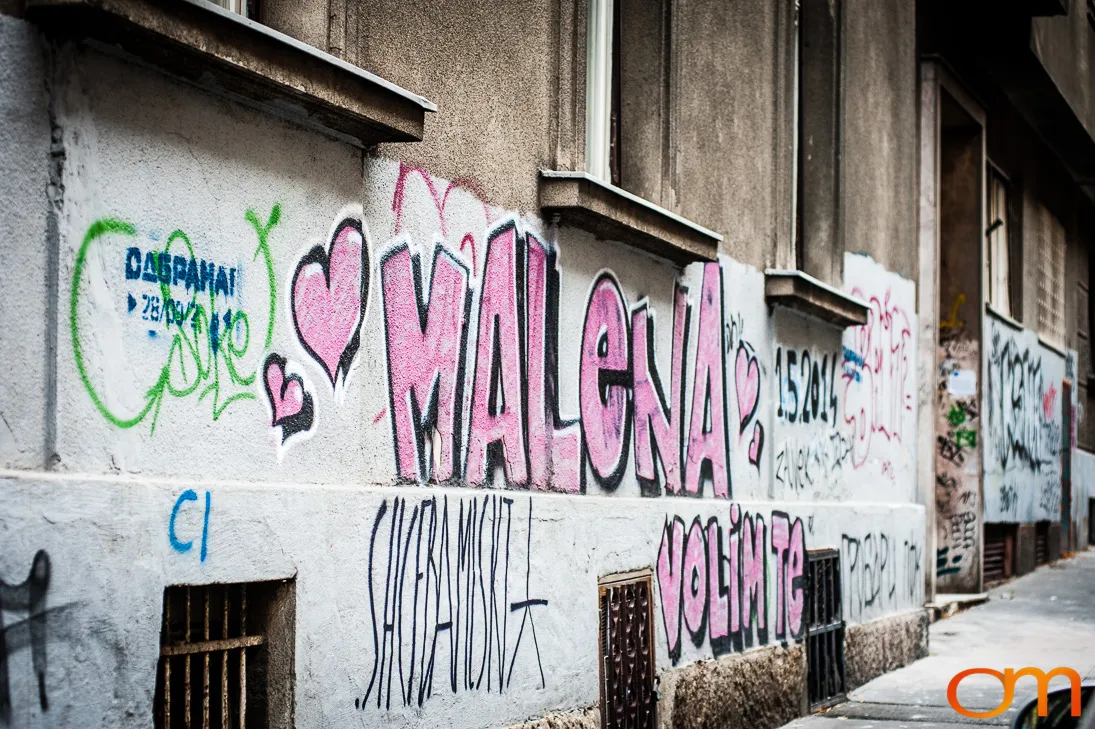
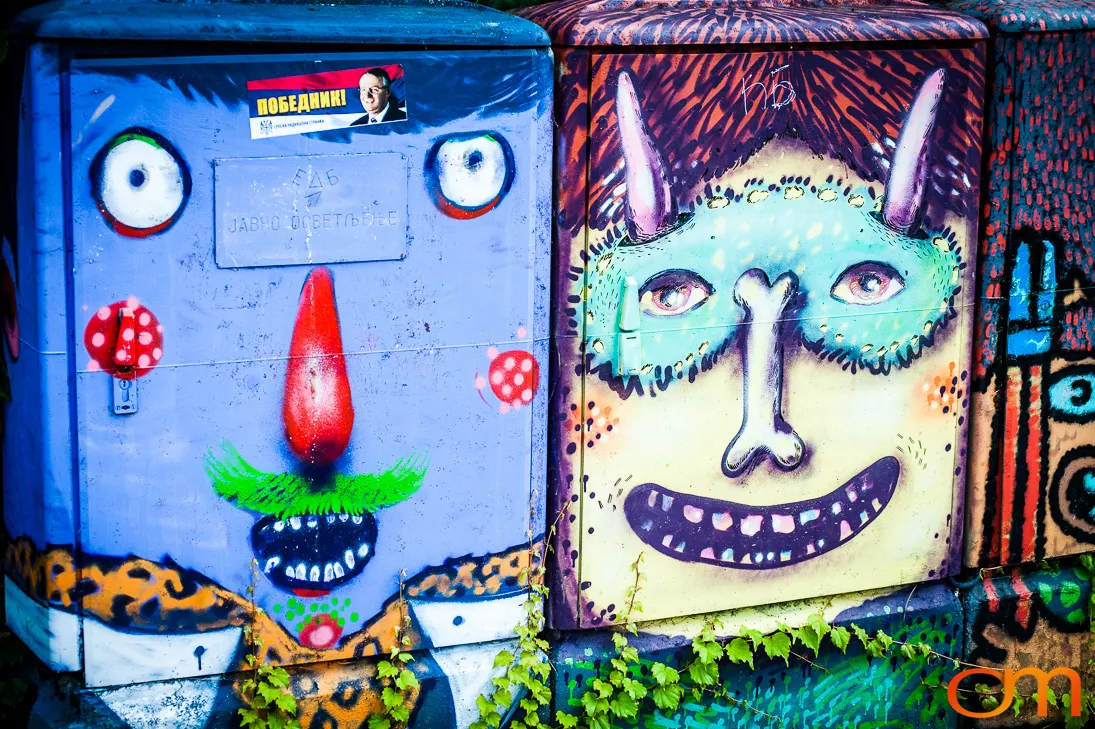
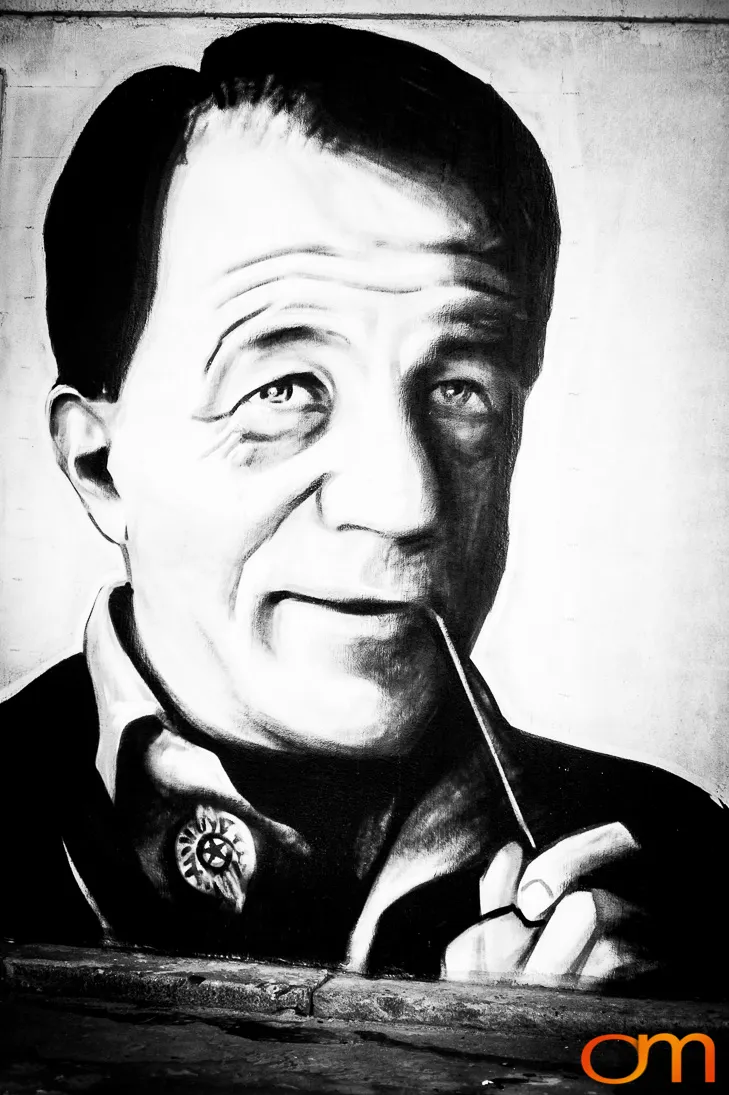
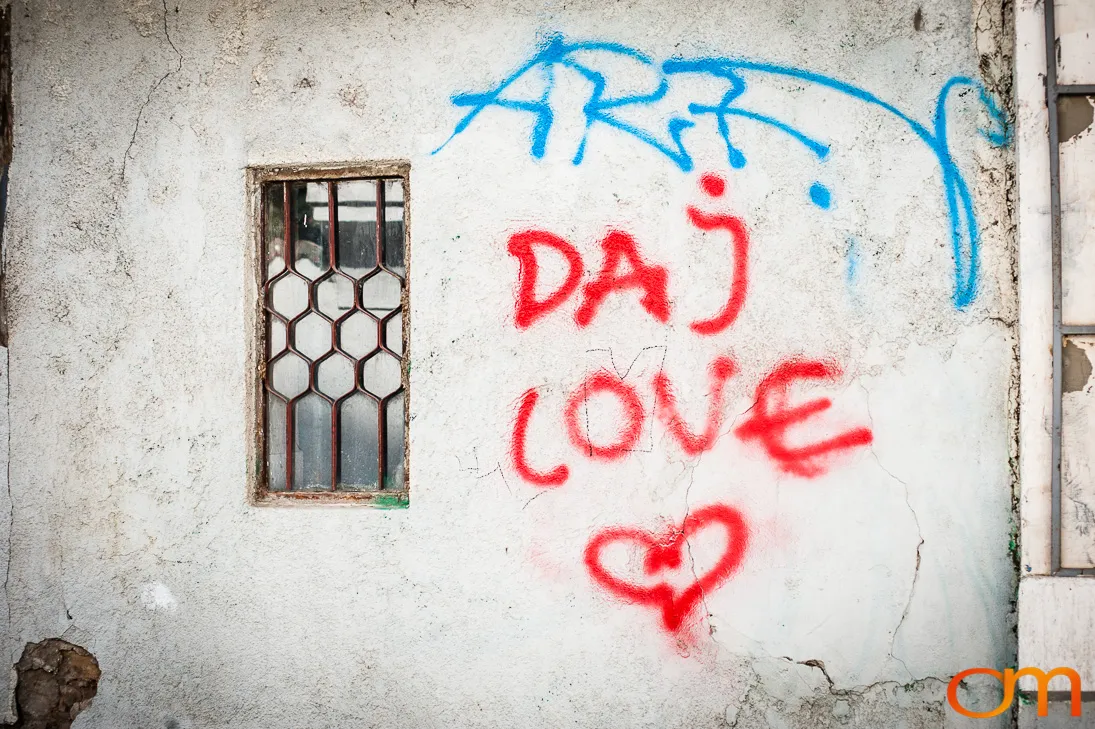
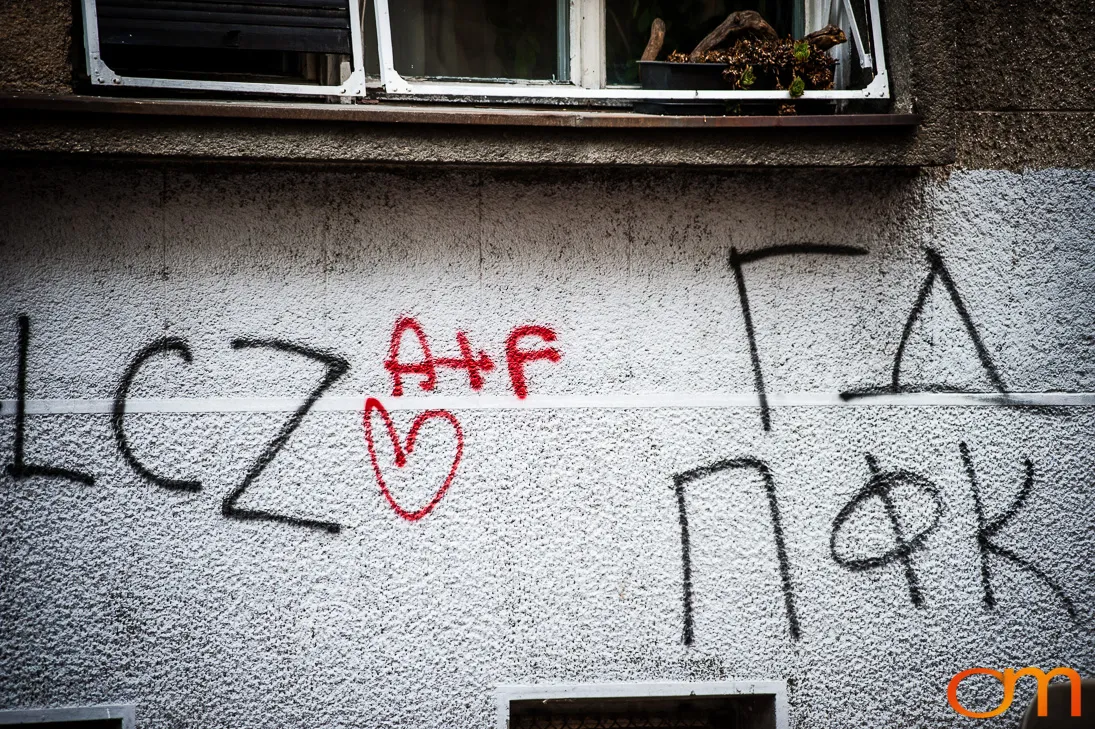
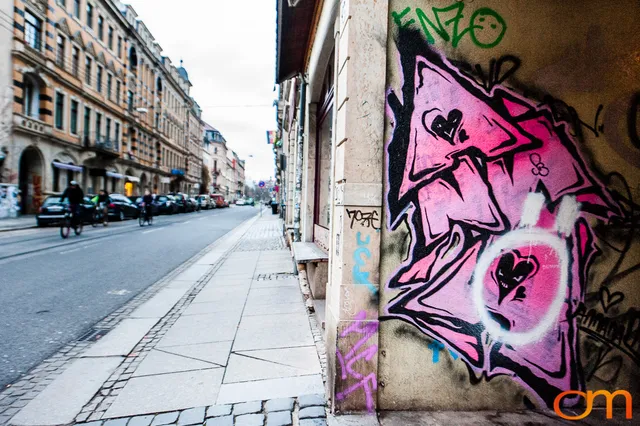
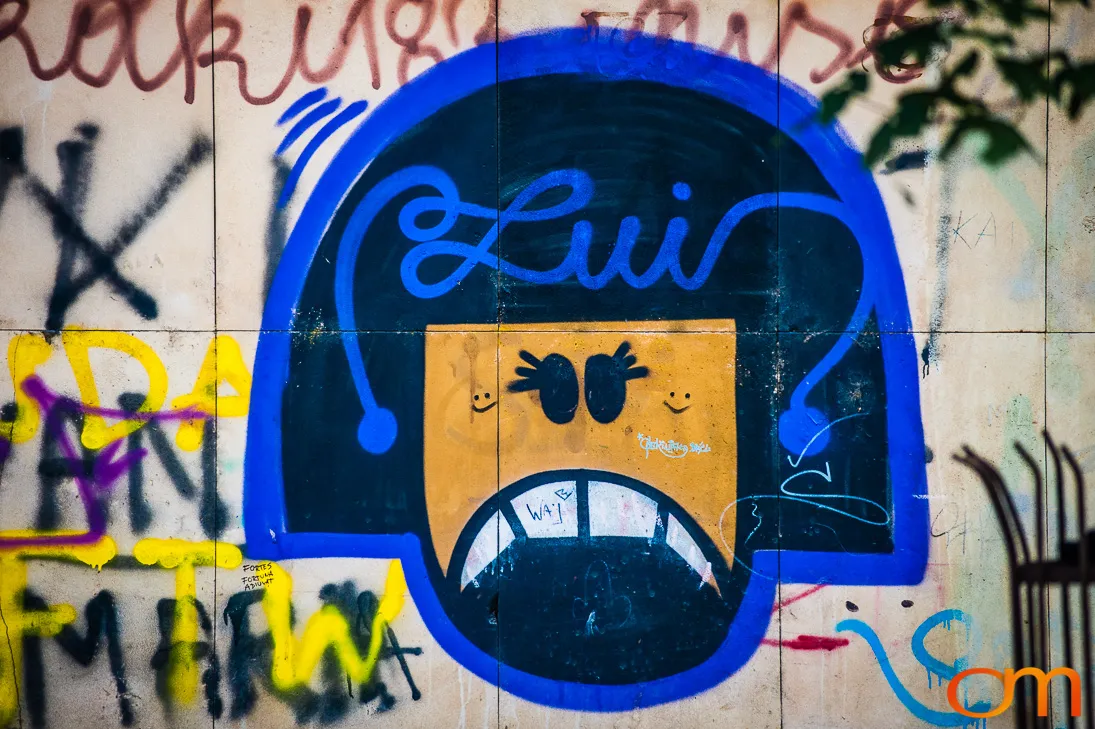
These photographs from 2015 document a layered urban surface of graffiti writing, stencils, murals, stickers, political slogans, memorial references, and informal messages. Doorways, utility boxes, concrete pillars, and aging façades became places for humor, identity, protest, remembrance, and visual experimentation. The images record both individual works and the accumulation of overlapping marks that continually changed the streets.
In 2015, Savamala was one of Belgrade’s best-known creative districts. Independent cultural organizations, galleries, events, and artist-led projects had reused neglected buildings and public spaces, while graffiti and murals appeared across Savamala and other parts of the city. The district’s character was later reshaped by large-scale waterfront redevelopment. Because urban art is temporary, these photographs preserve a specific record of Belgrade’s visual culture at that moment.