Rome
Rome: The Eternal City
September 2015
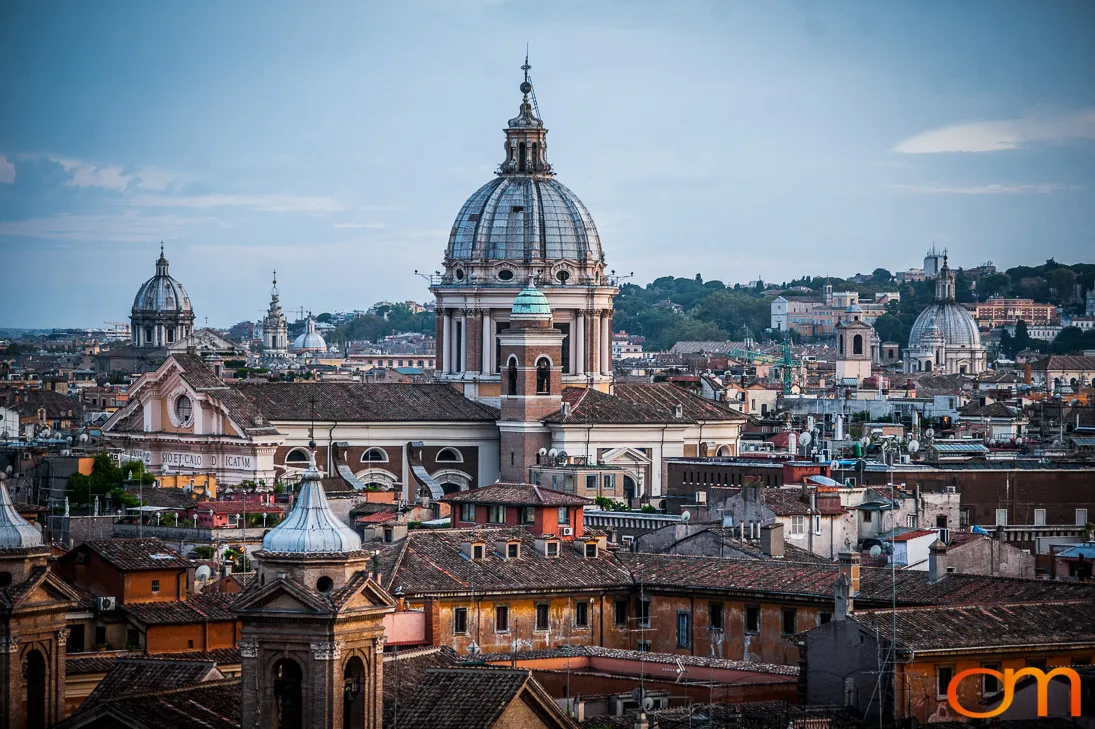
Rome, the capital of Italy, developed from settlements along the Tiber and became the center of the Roman Republic and Roman Empire. In the late first century BCE, the Roman poet Tibullus used the phrase urbs aeterna—“eternal city”—an expression that has remained closely associated with Rome.
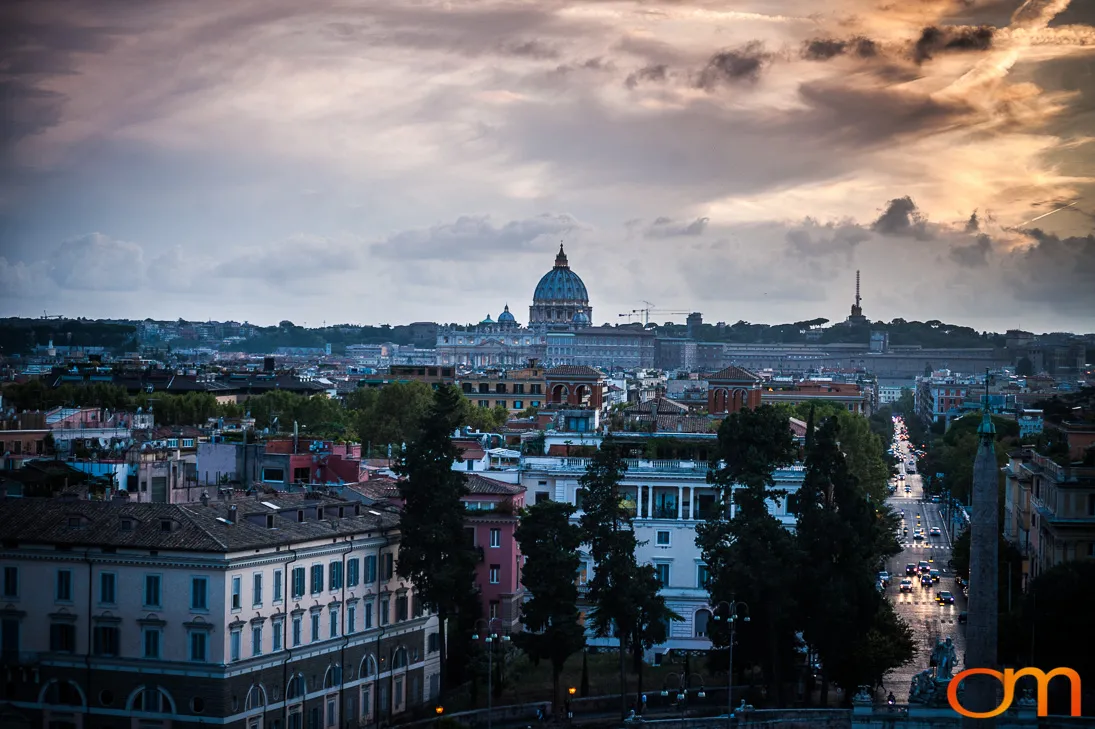
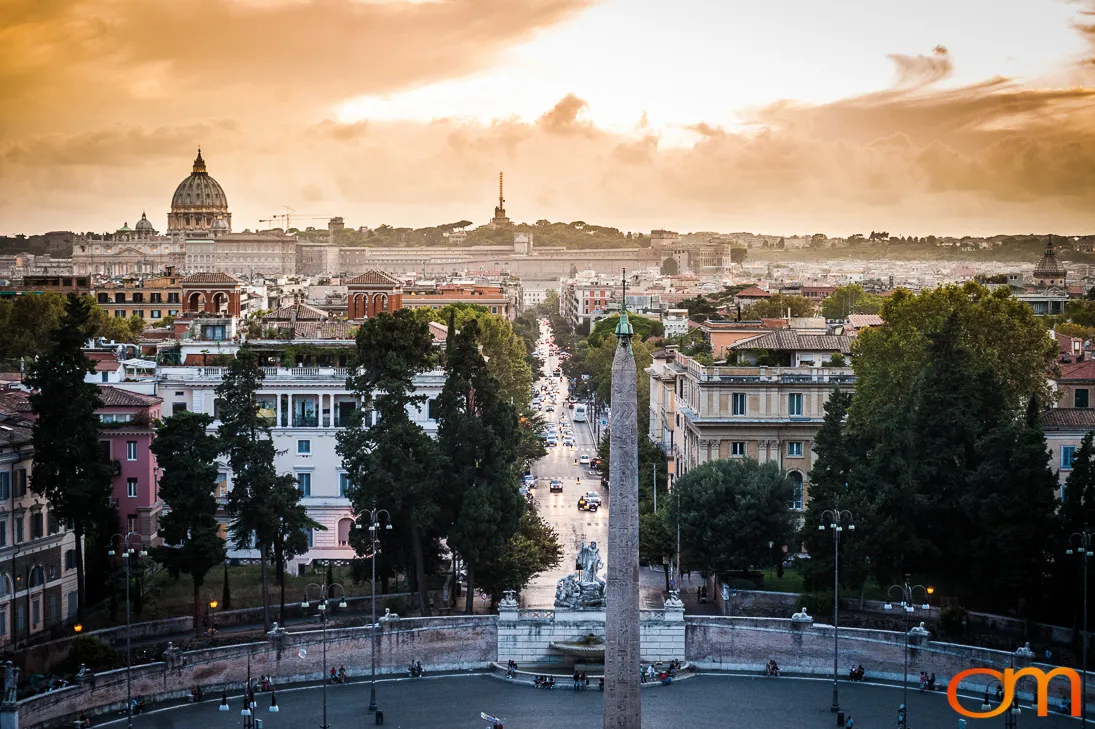
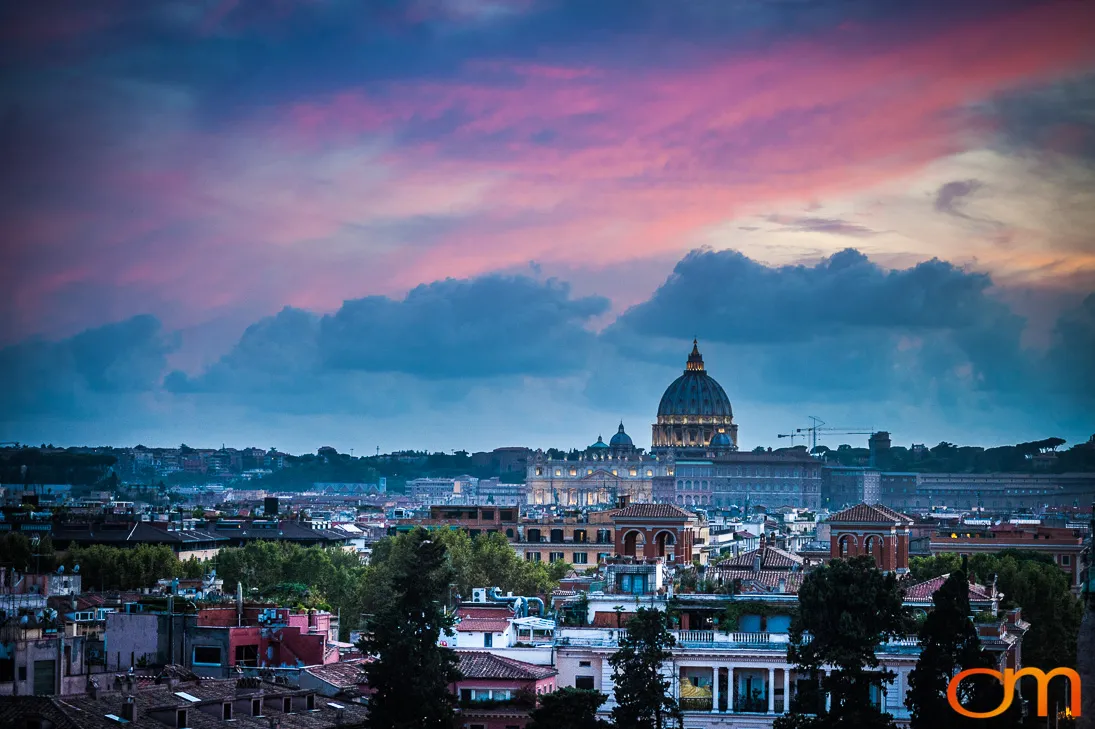
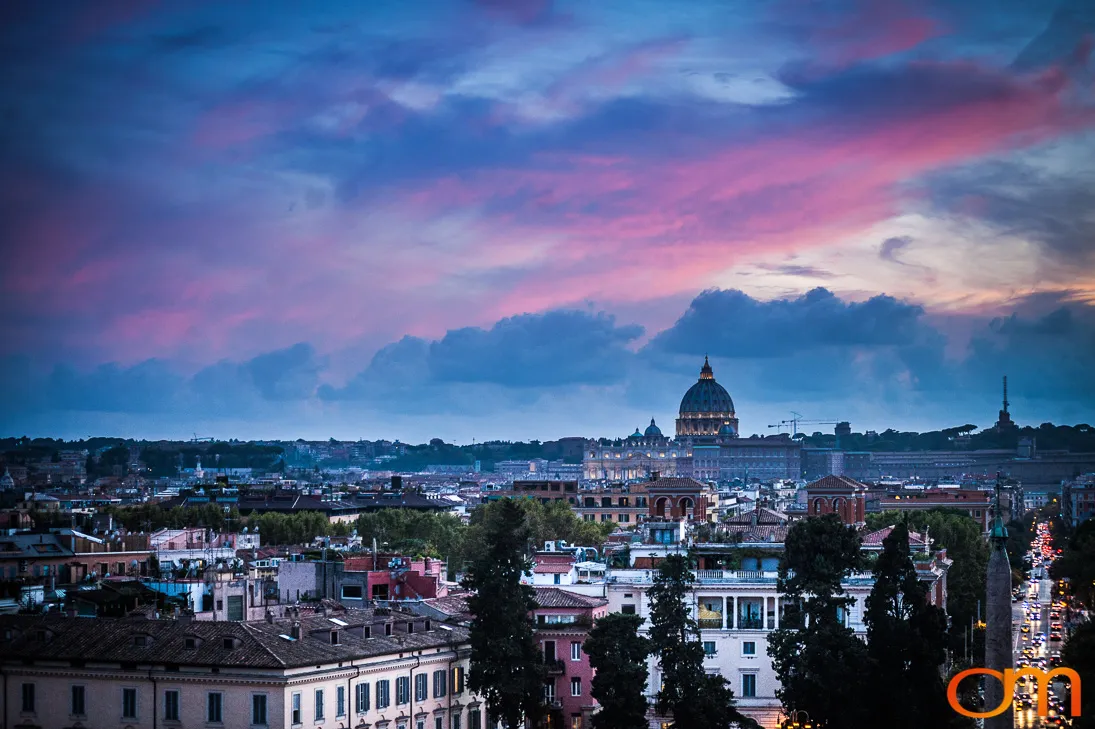
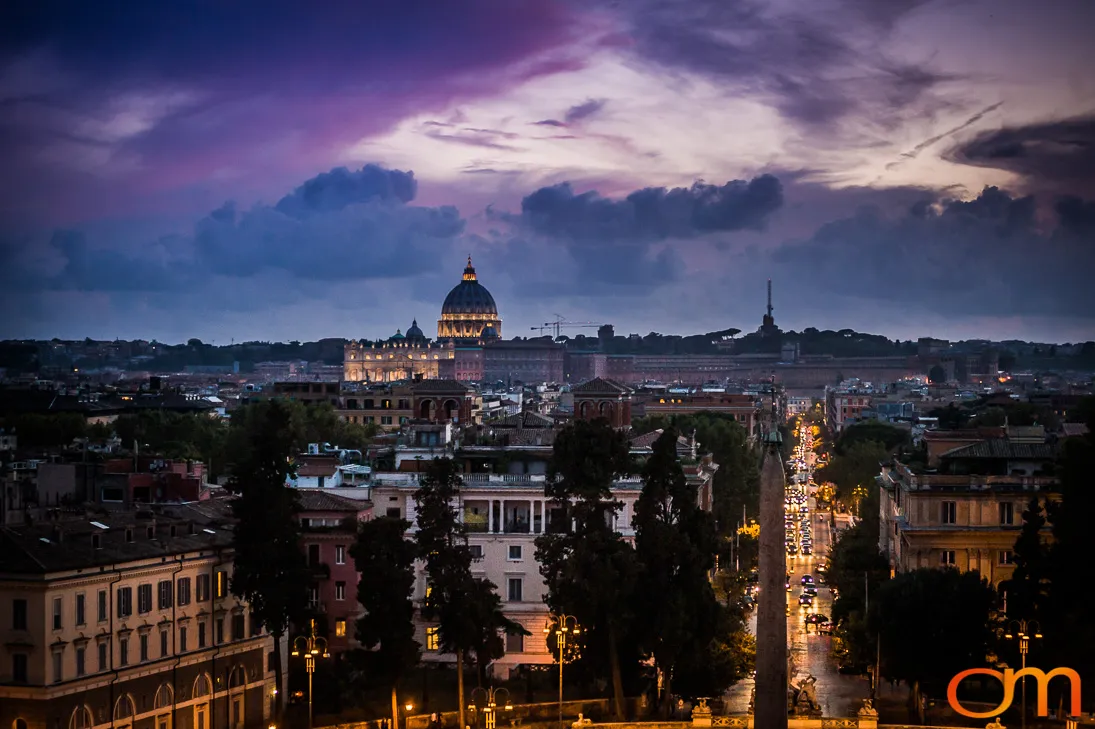
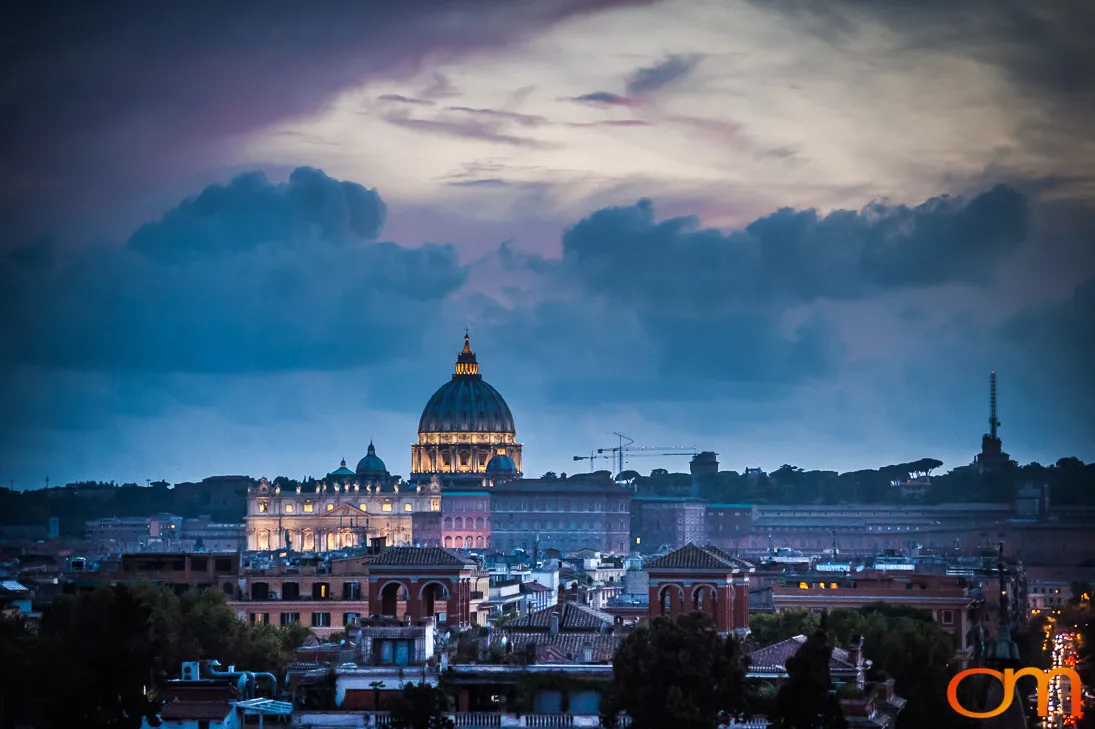
From late antiquity onward, Rome became a principal center of Western Christianity and the papacy. Vatican City, a sovereign state within Rome, was established through the Lateran Treaty in 1929. At its center stands St. Peter’s Basilica, constructed between 1506 and 1626 on the site of a fourth-century basilica traditionally associated with the tomb of the apostle Peter.
The present basilica developed through the work of Bramante, Raphael, Michelangelo, Carlo Maderno, and Gian Lorenzo Bernini. Its architecture combines Renaissance and Baroque design, while Michelangelo’s dome remains one of the defining features of Rome’s skyline. Rome’s historic center was inscribed on the UNESCO World Heritage List in 1980, and Vatican City was separately inscribed in 1984.