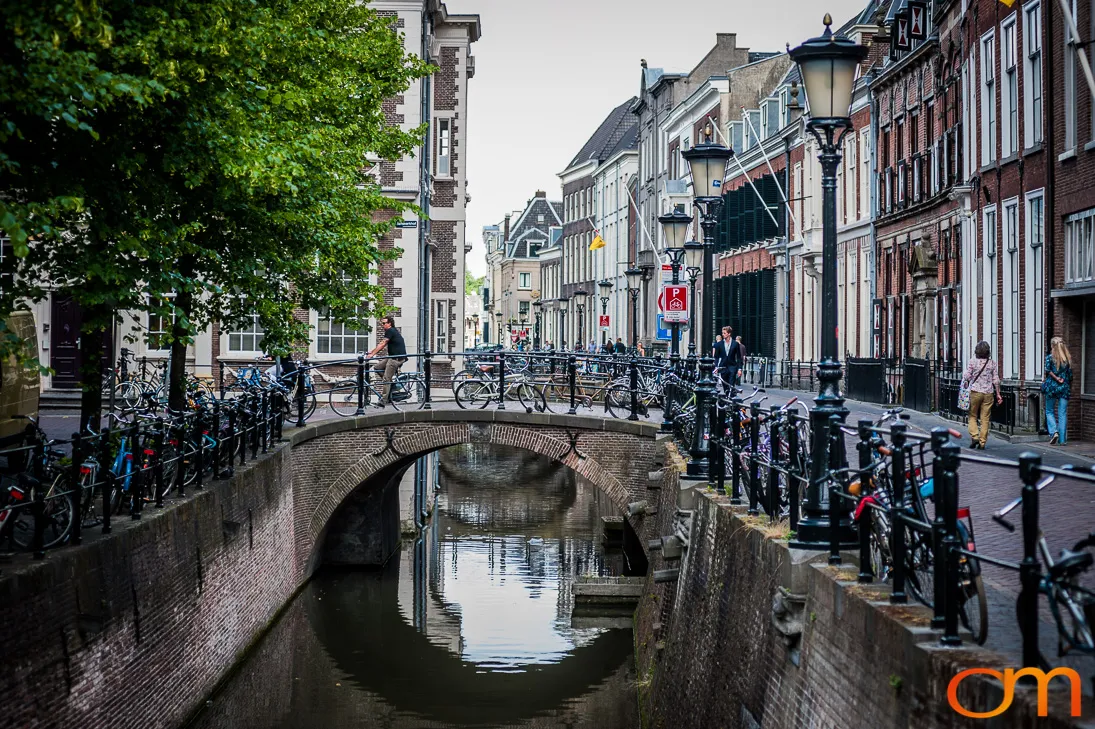
Utrecht
Utrecht and the Oudegracht
July 2015
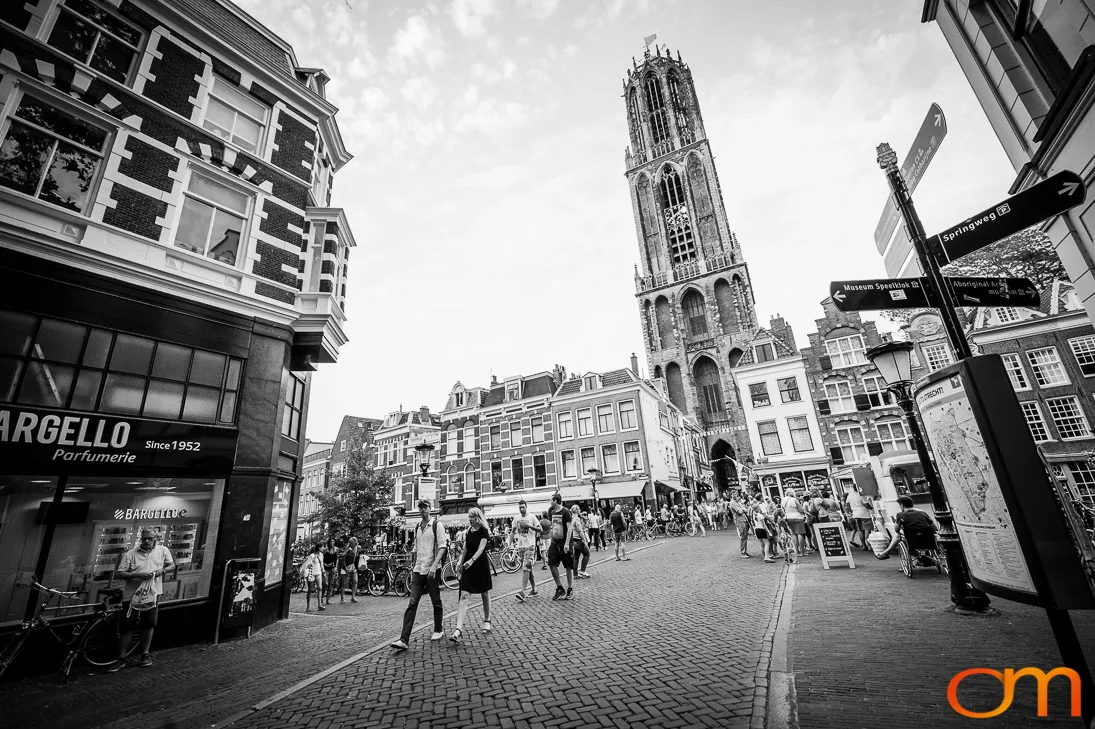
Utrecht developed around the Roman fort of Traiectum, established near present-day Domplein around AD 42 on the northern frontier of the Roman Empire. The site later became the center of an episcopal complex, establishing Utrecht as an important ecclesiastical center during the Middle Ages. The Dom Tower was begun in 1320, with its foundation stone laid in 1321, and completed in 1382. At 112.32 meters (368.5 feet), it remains the tallest church tower in the Netherlands.
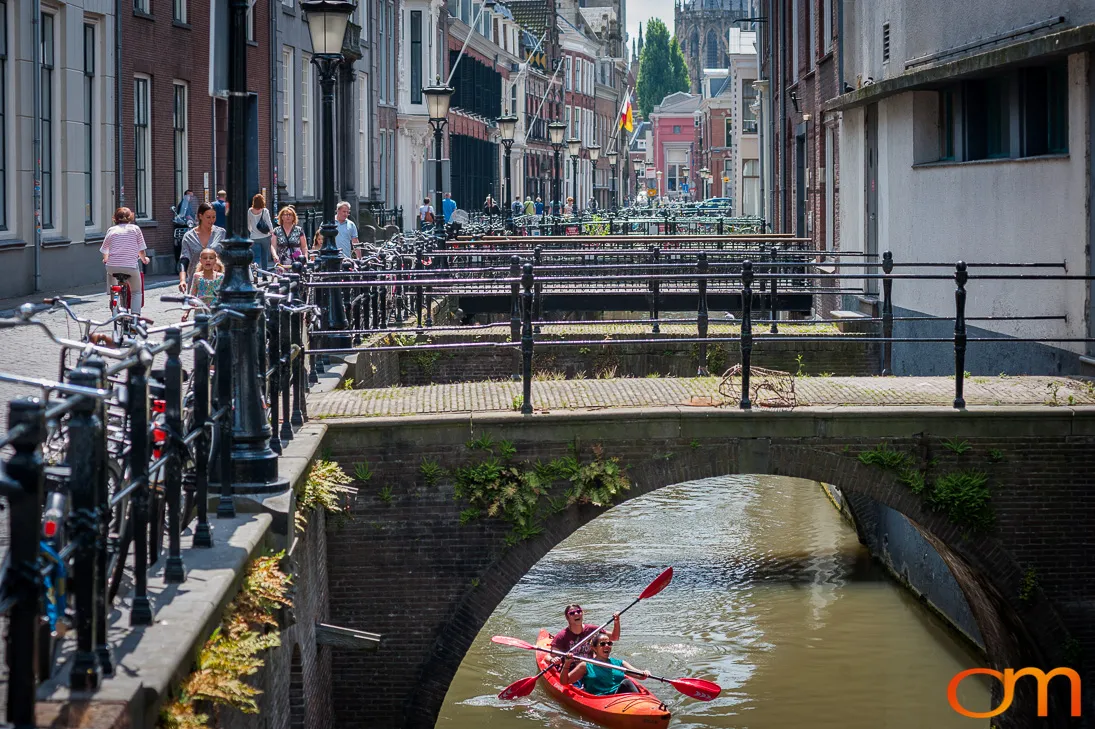
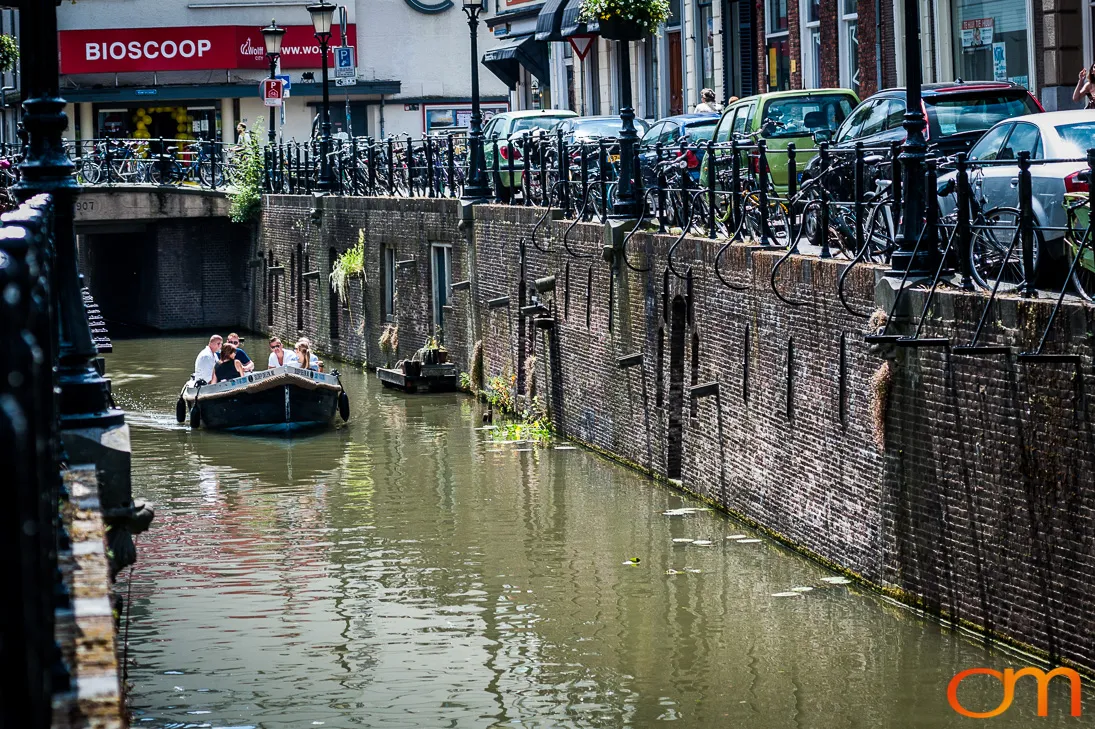
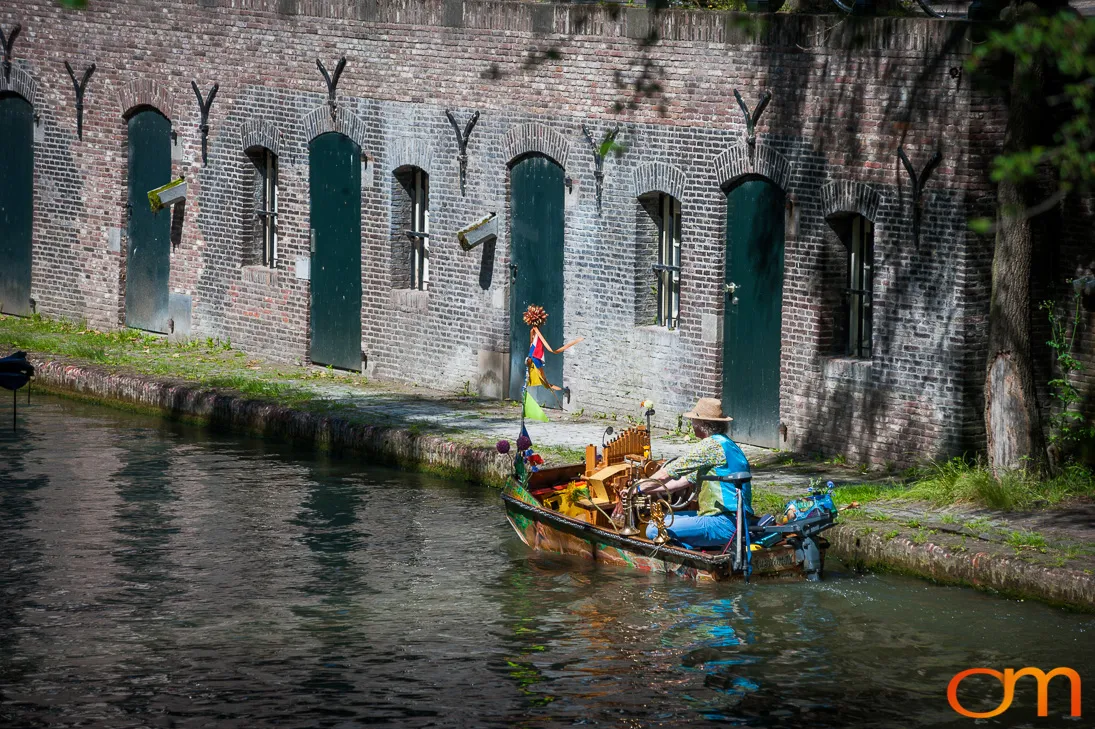
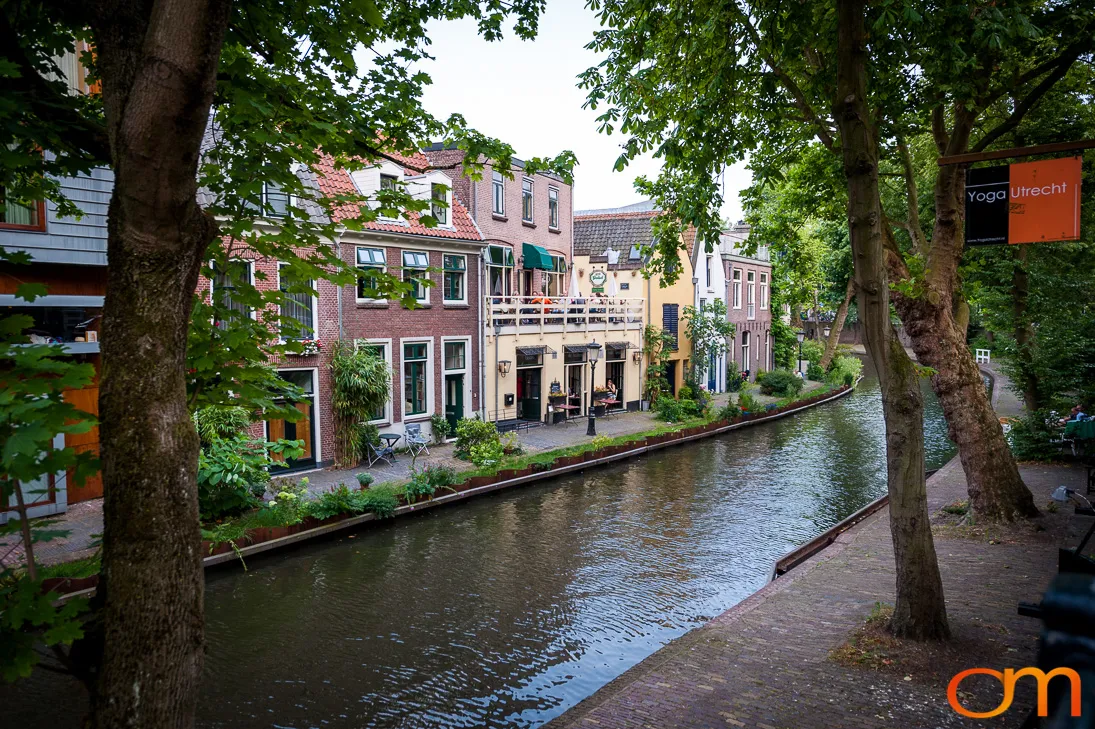
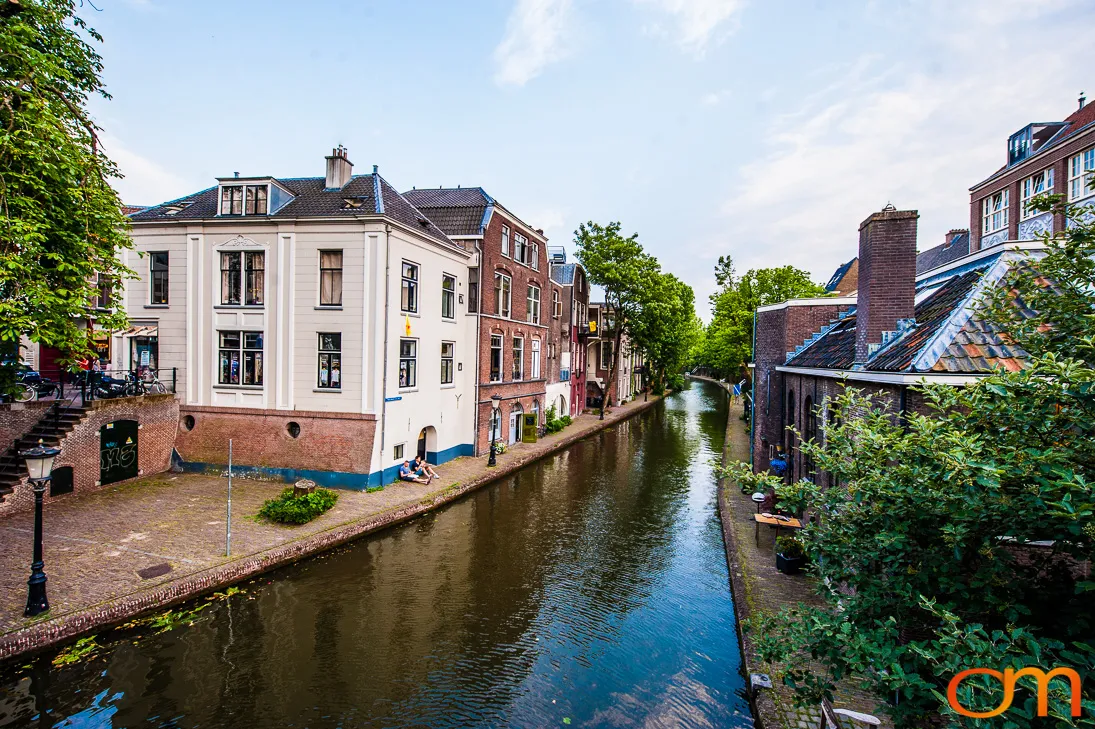
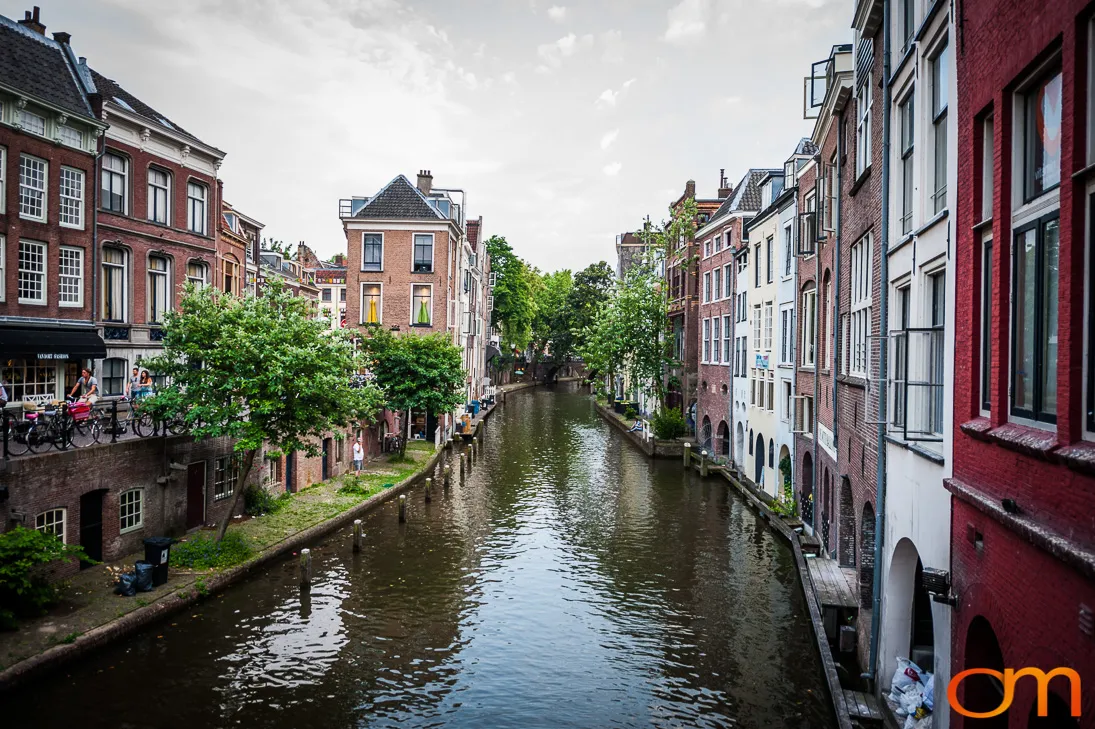
The Oudegracht—“Old Canal”—was excavated during the 12th century and developed into a nearly two-kilometer harbor through the medieval city. After the Rhine was dammed at Wijk bij Duurstede in 1122 and regional flood control improved during the 13th century, merchants increasingly used the canal to transport and store goods.
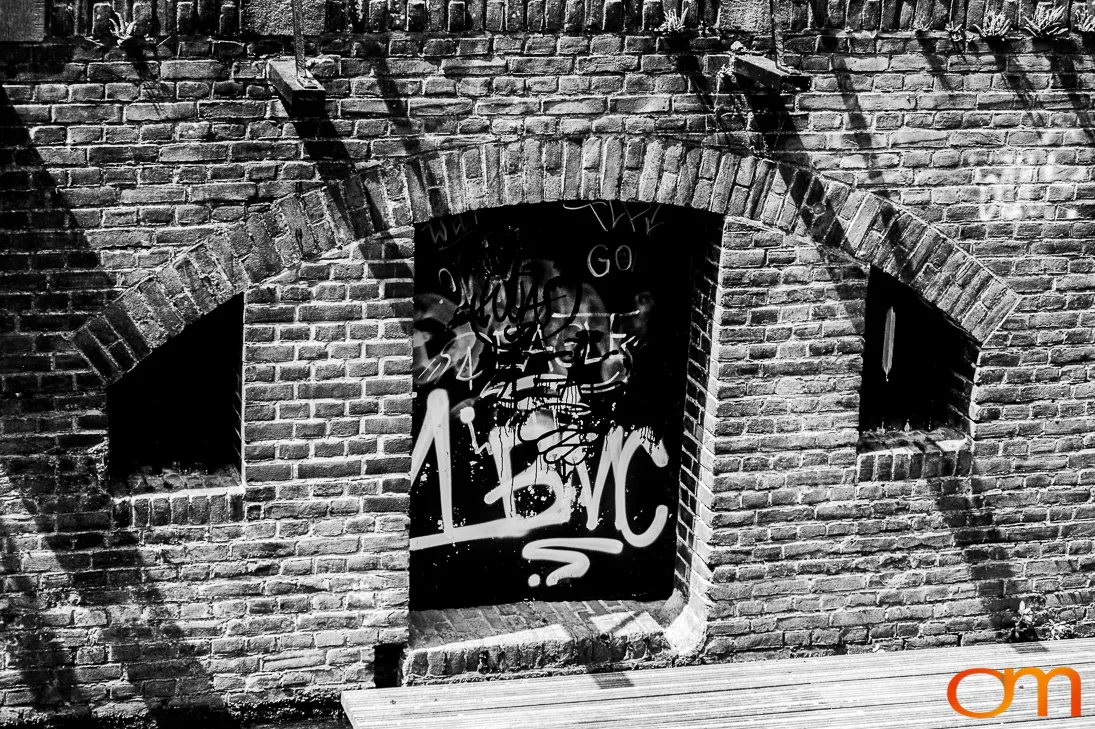
Beginning in the late 12th century, tunnels were cut from the water-level quays into the storage cellars of the canal houses. These passages were gradually widened into vaulted wharf cellars. By about 1500, the wharves and cellars formed an extensive two-level harbor system along both sides of the Oudegracht, allowing cargo to be unloaded directly from boats and moved into storage beneath the streets.
Current Context
The Oudegracht’s canals, wharves and retaining walls are protected national monuments. Utrecht is undertaking a long-term restoration of the historic canal district. A new phase began in 2026, with work on the walls and nearly 1,000 wharf cellars planned to continue through 2050.