Samoa
Malu: Traditional Samoan Tatau for Women
September 2006
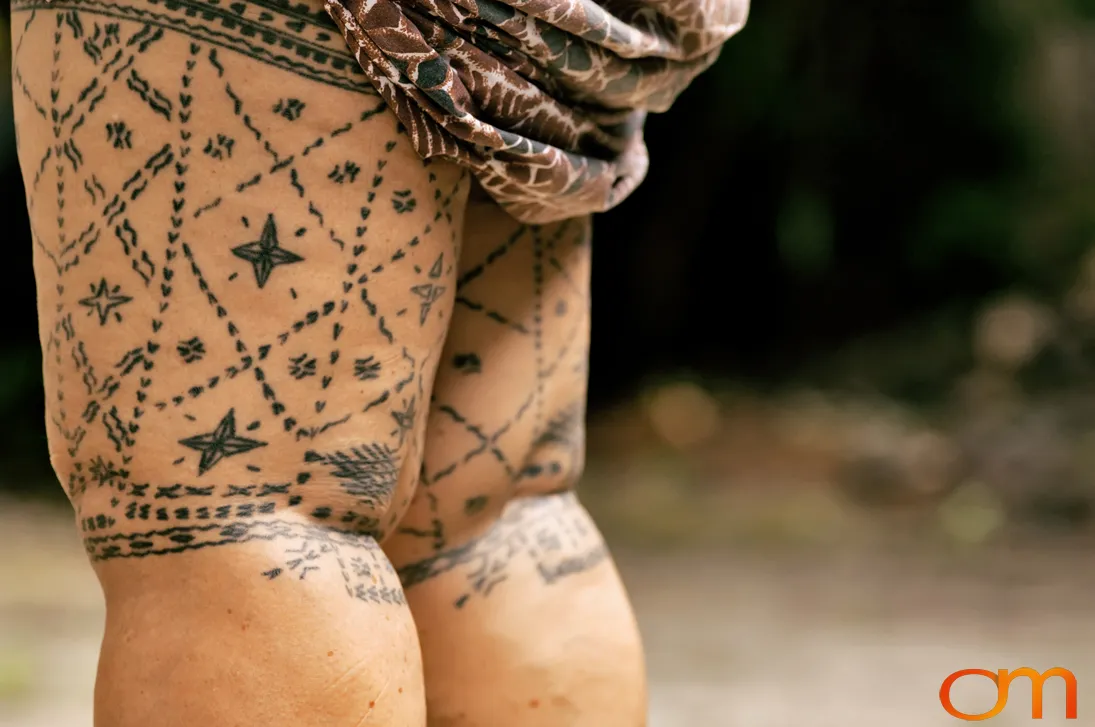
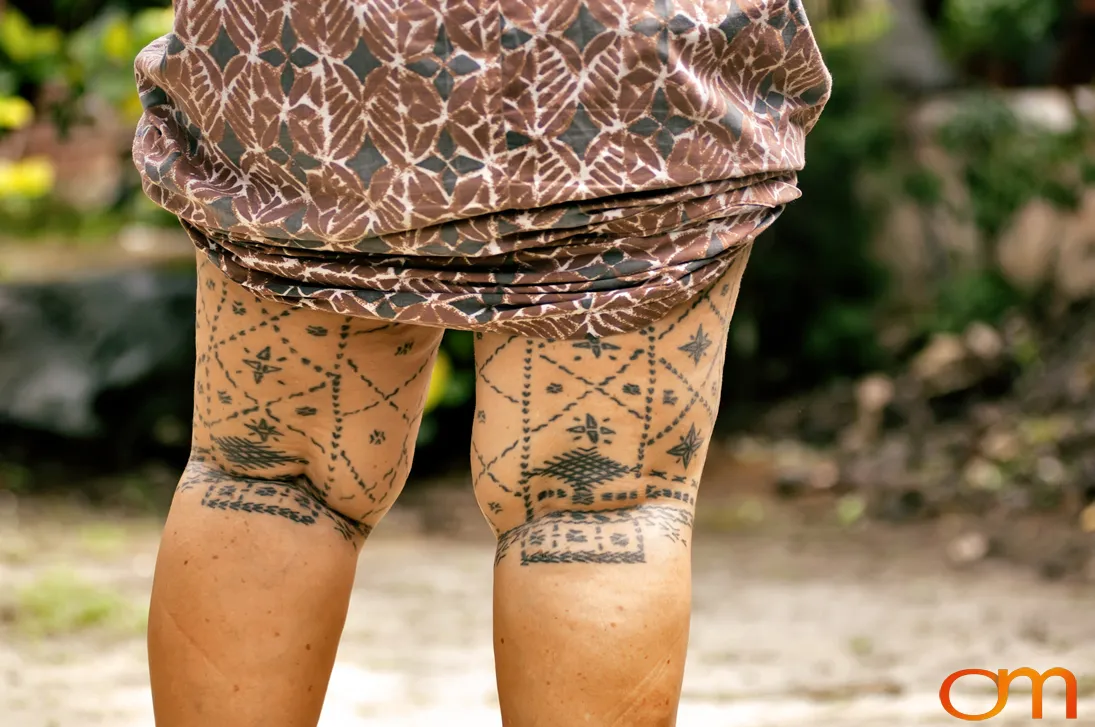
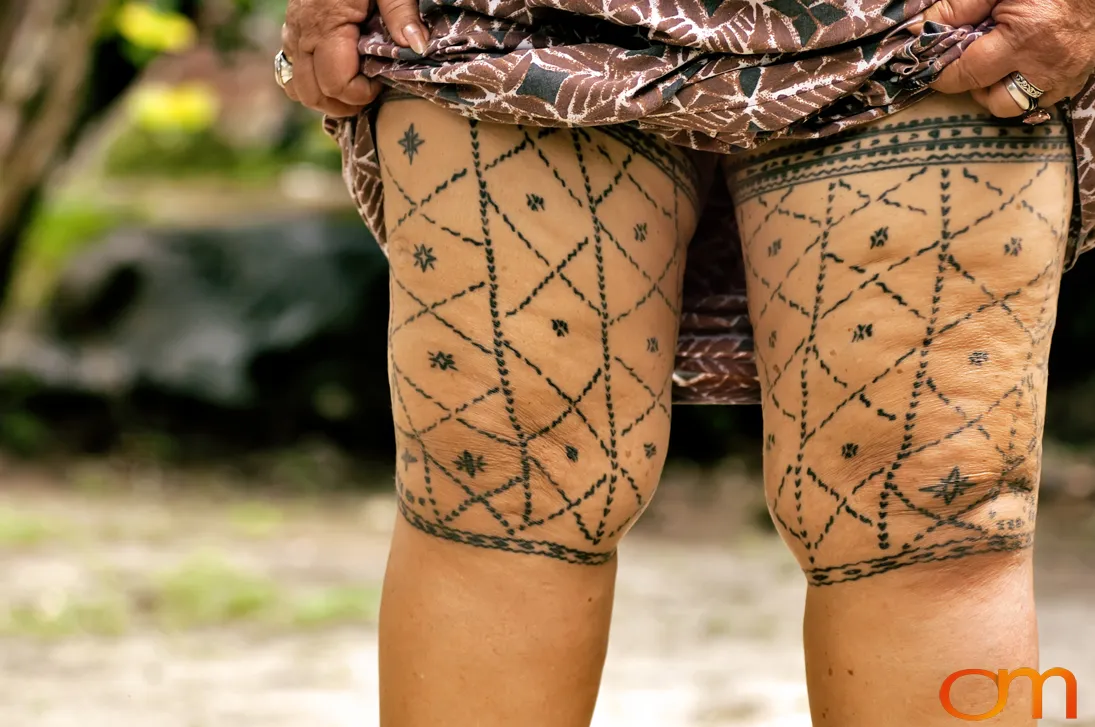
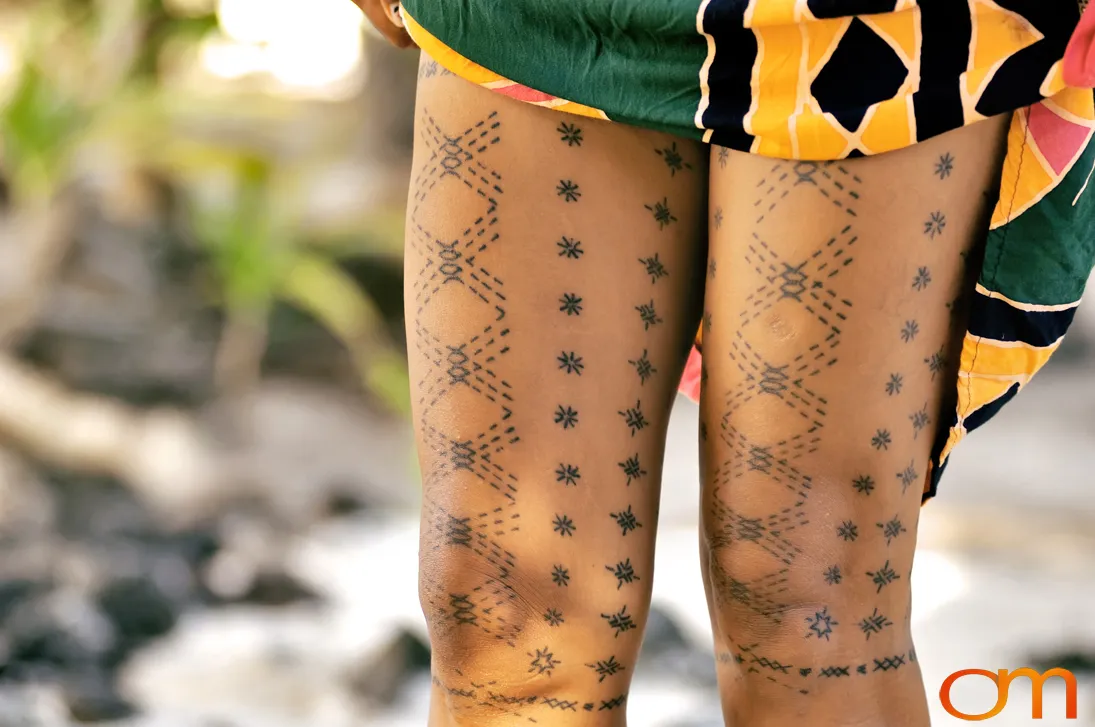
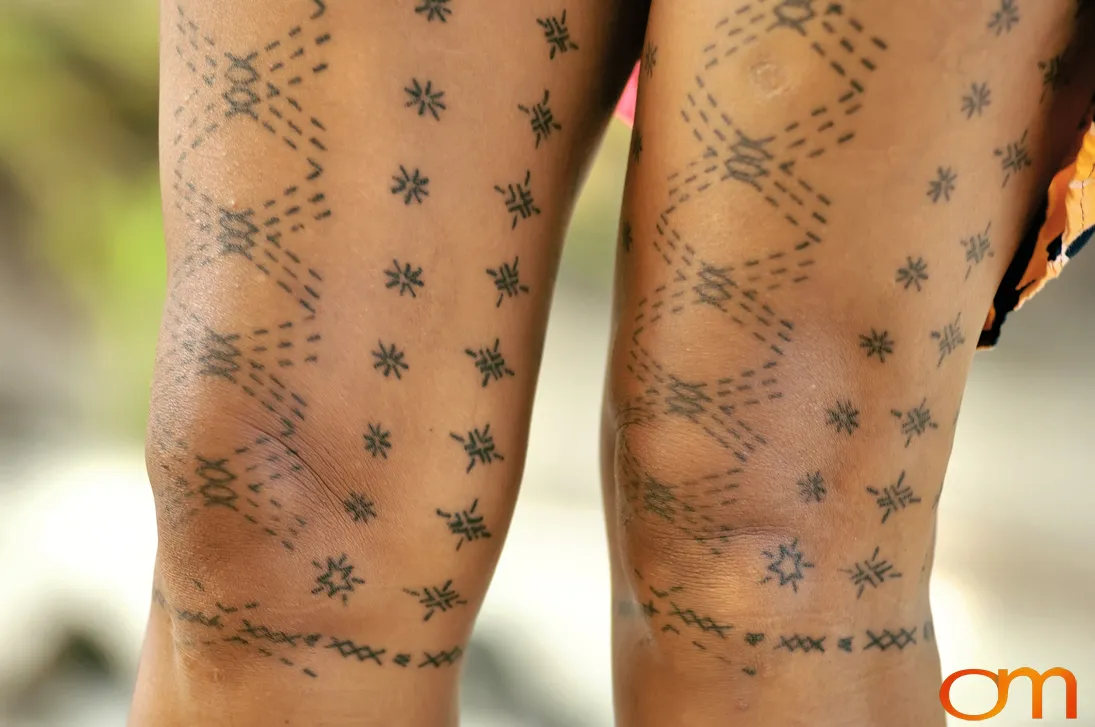
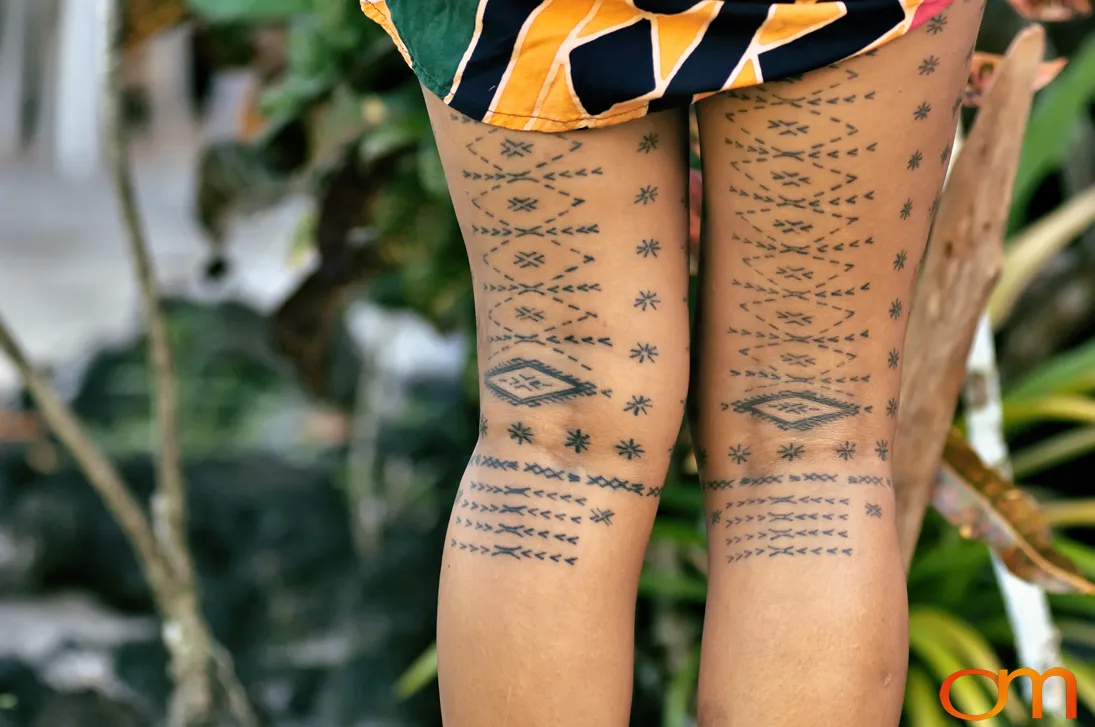
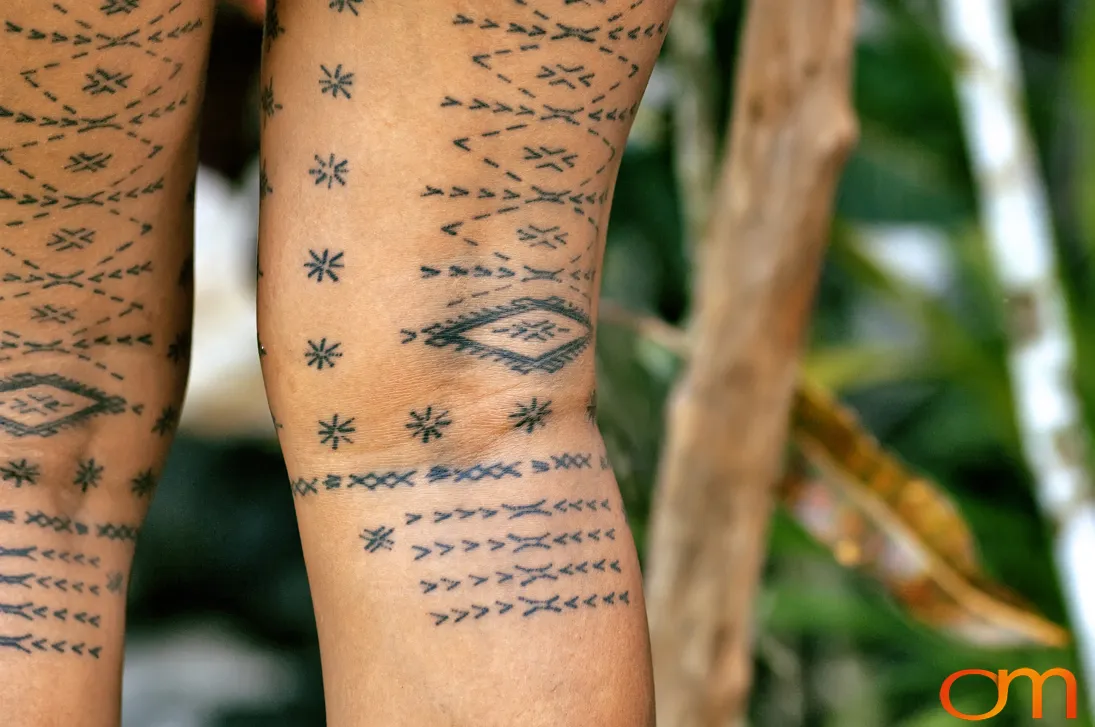
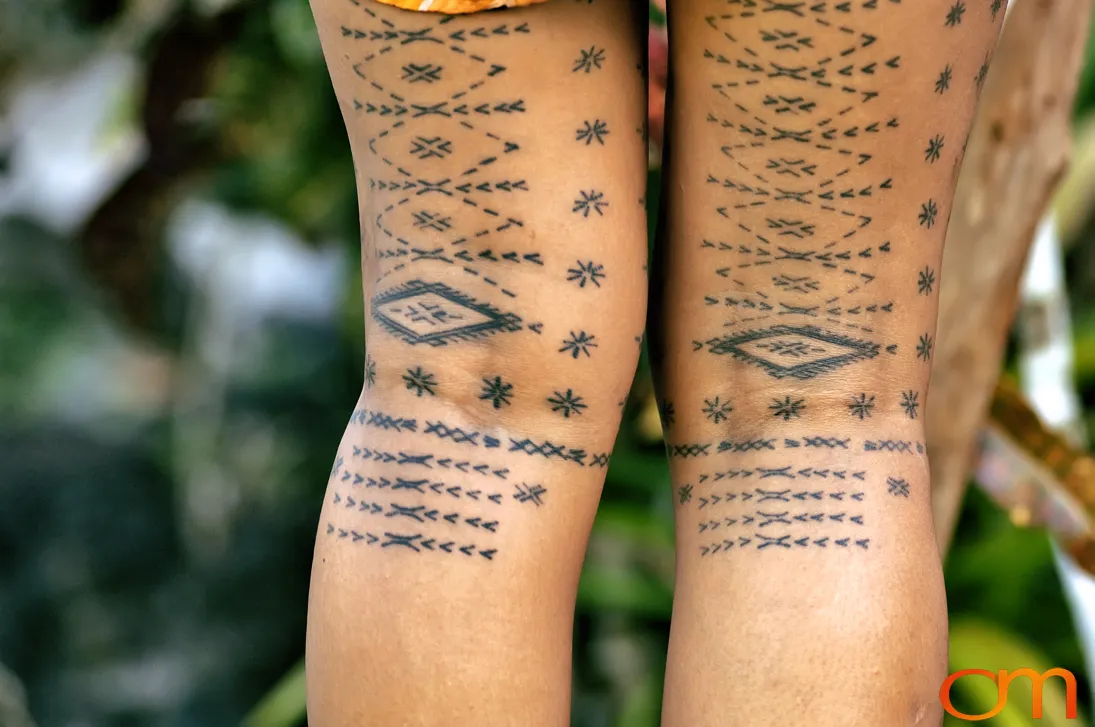
The malu is the principal form of traditional Samoan tatau associated with women. Its open, finely spaced patterns usually extend from the upper thighs to the backs of the knees. Although individual details vary among tattooing families and practitioners, the diamond-shaped motif behind the knee is a defining element of the tradition.
The malu differs visually from the peʻa, the denser male tatau extending from the waist to the knees. Both are applied by a tufuga ta tatau, a specialist tattoo practitioner, using traditional hand-tapping methods. Receiving a malu is not simply decorative; it is connected with Samoan identity, family relationships, service, ceremonial responsibility, and respect for cultural protocols.
The word malu carries associations with shelter and protection. Historically, women holding important ceremonial roles, including the taupou or village maiden, were particularly associated with the malu. Some Samoan women also received tatau on their hands, but these markings were not a universal requirement for serving kava and should be distinguished from the principal thigh-to-knee malu.