Search 283 stories and 49 dives.

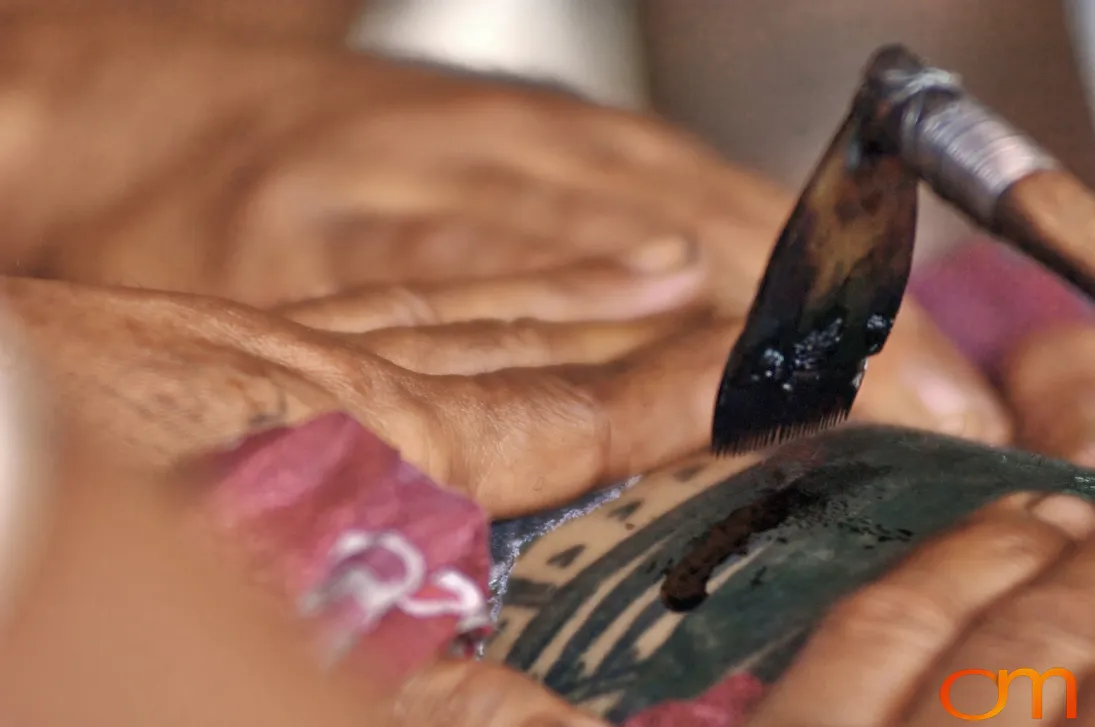
Comb-shaped tool struck with a mallet, tapping pigment into the skin

Samoa

Samoan Peʻa: Traditional Male Tatau

September 2006

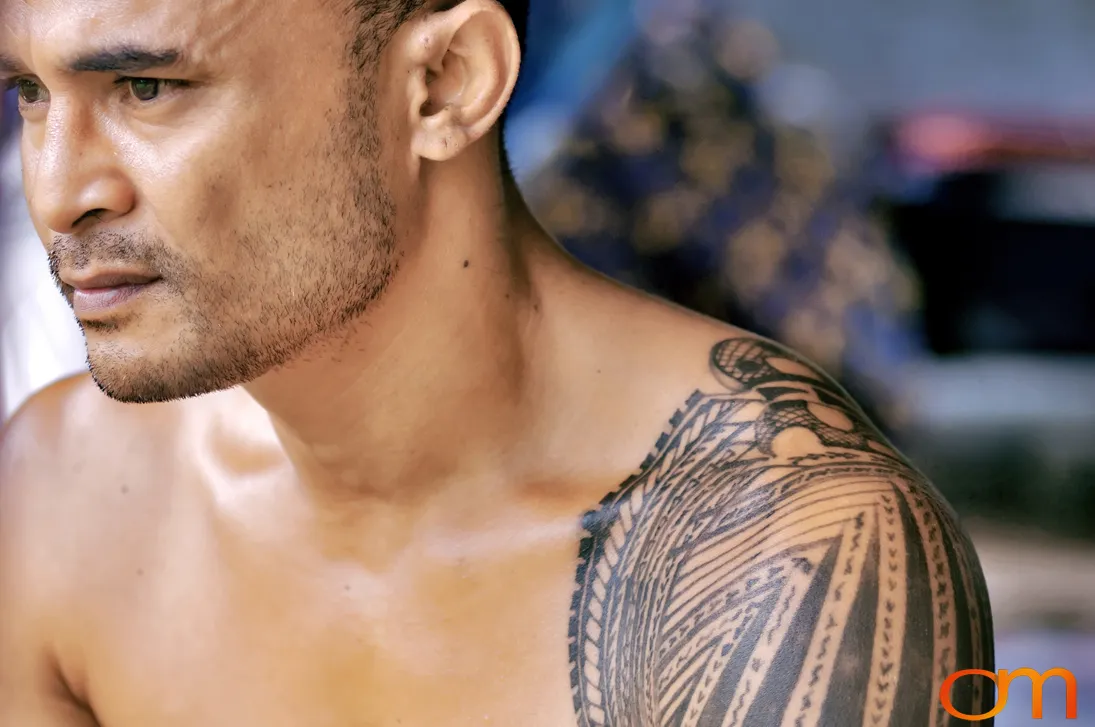
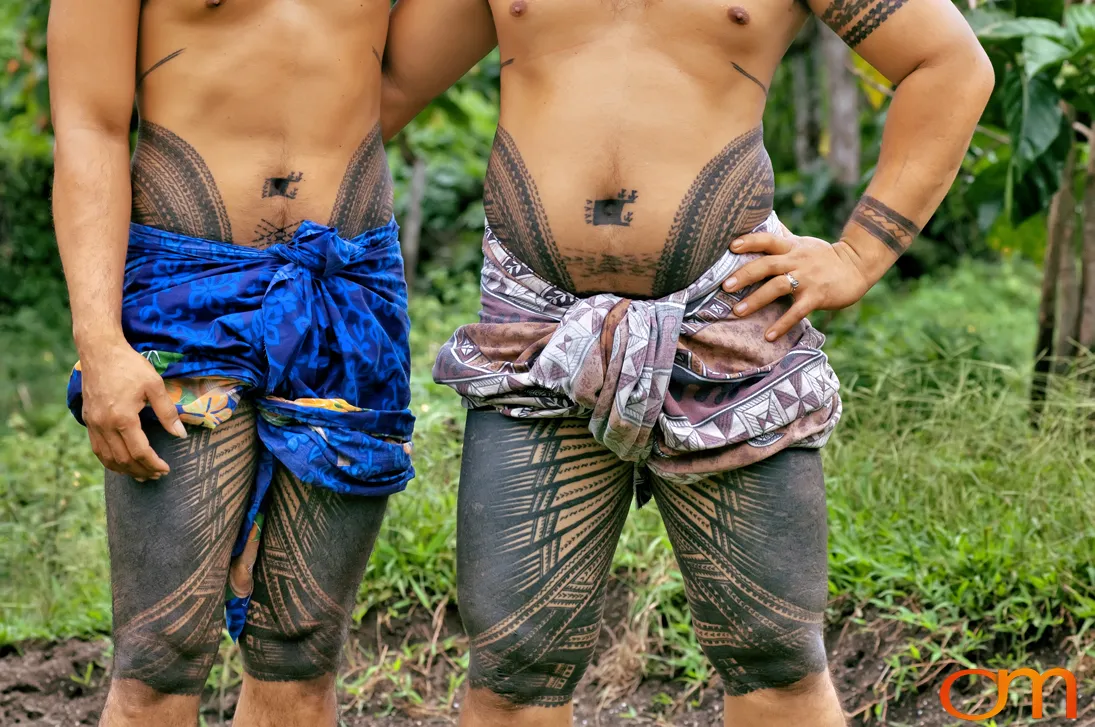
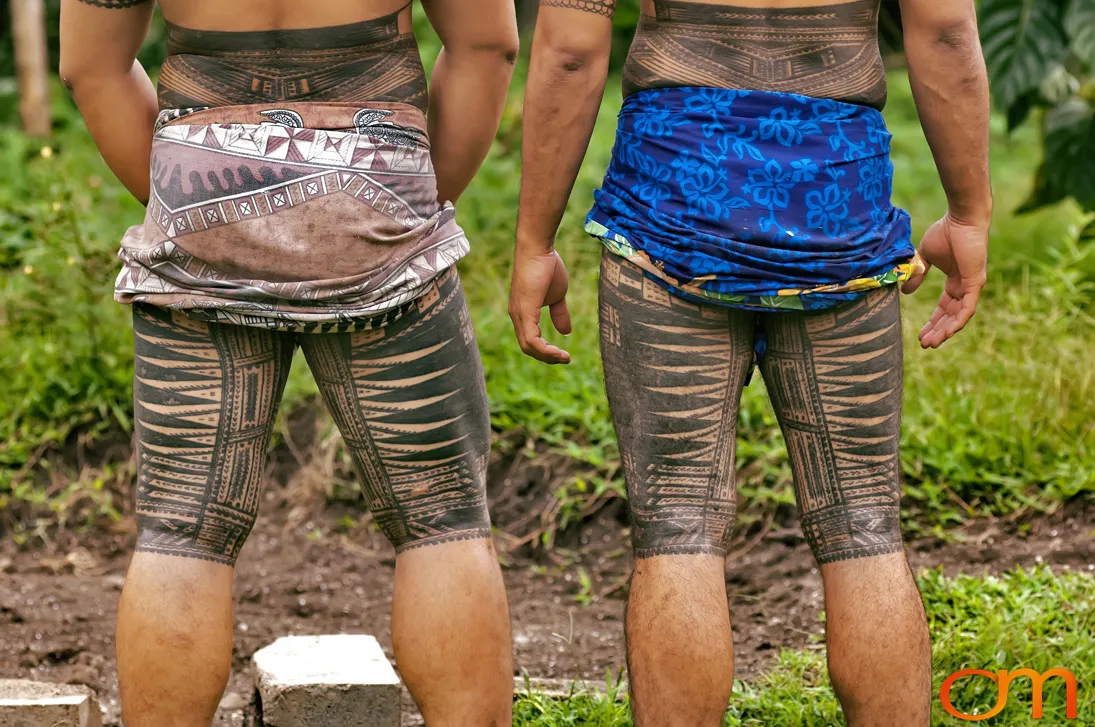
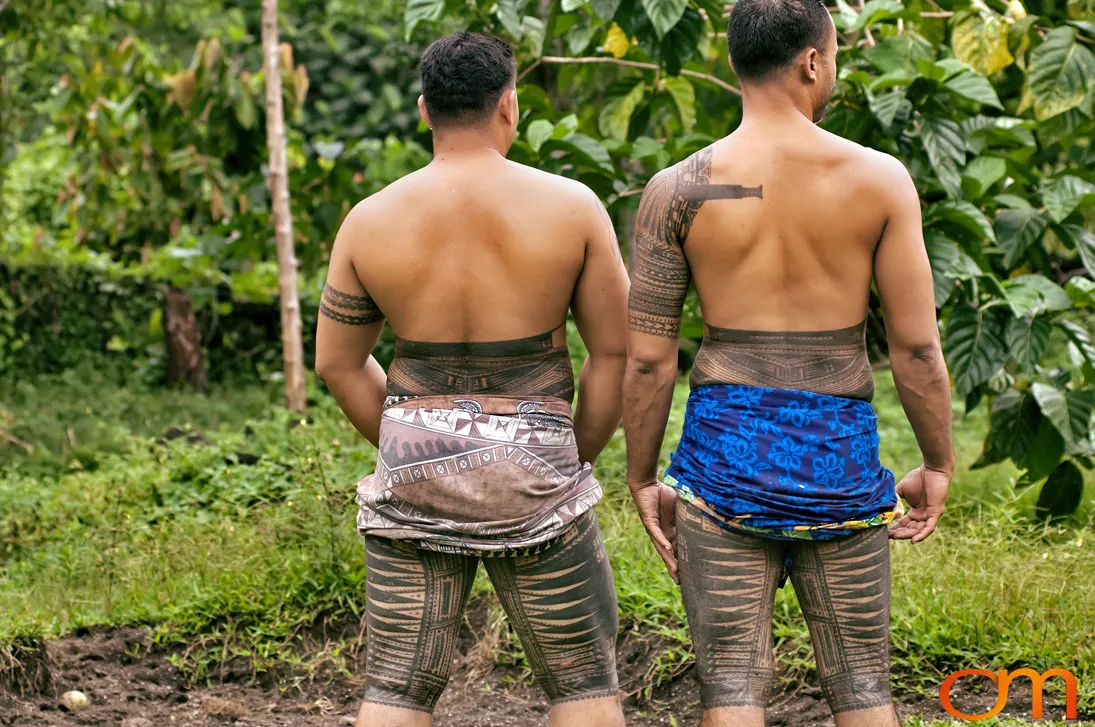
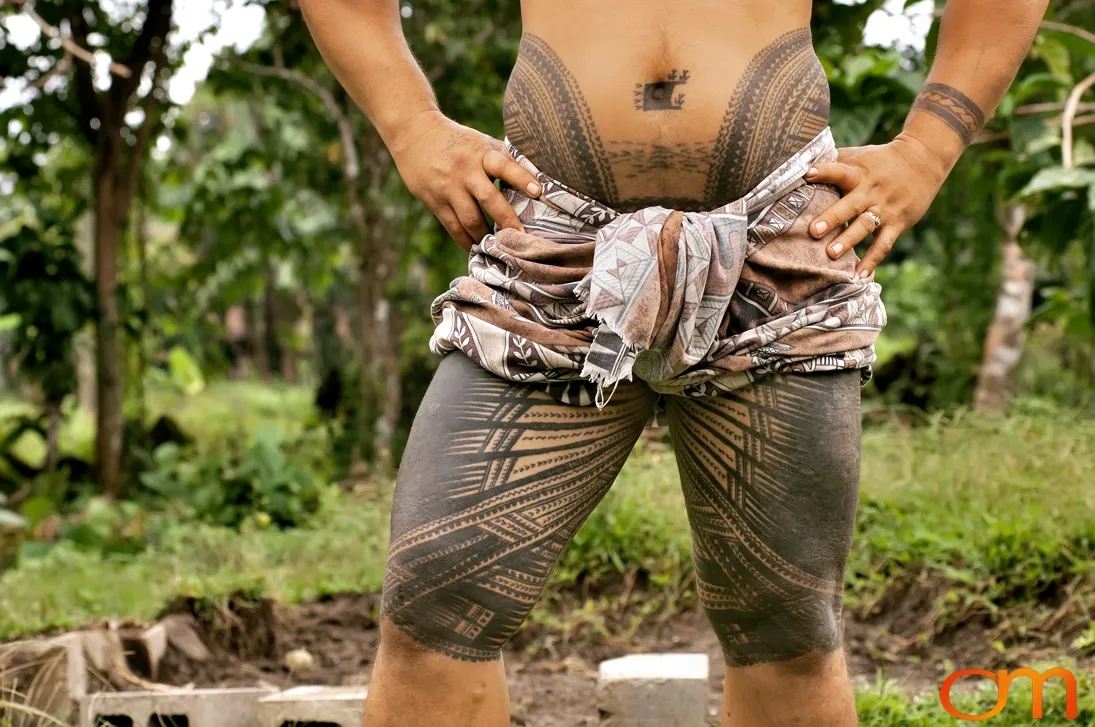
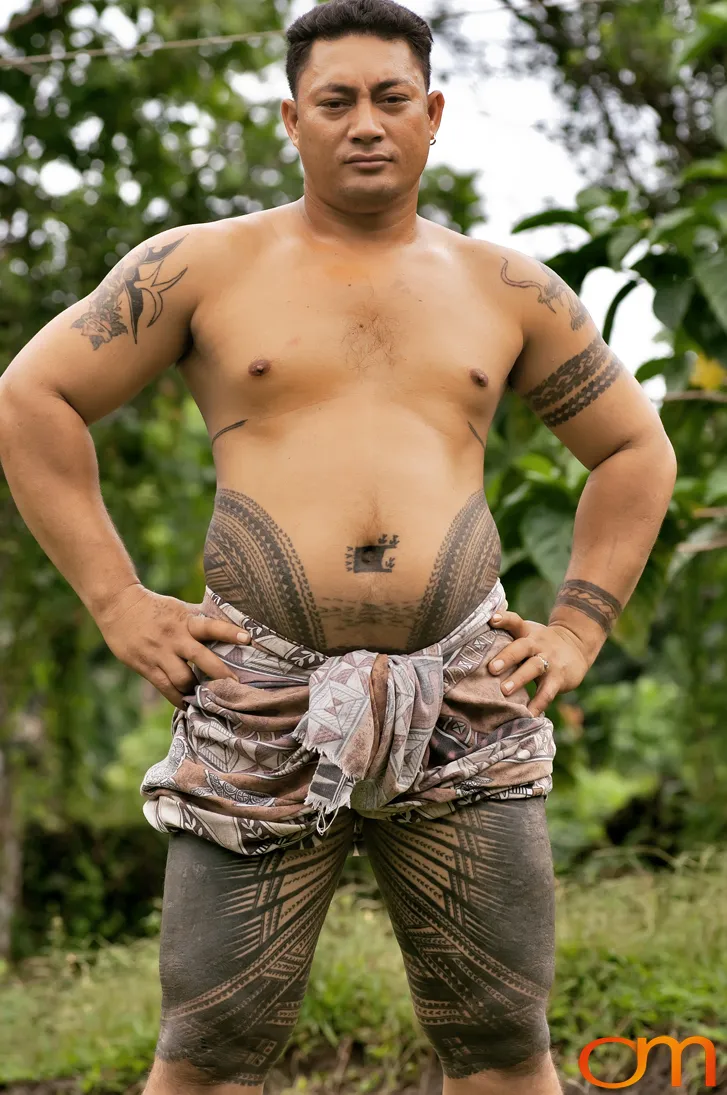
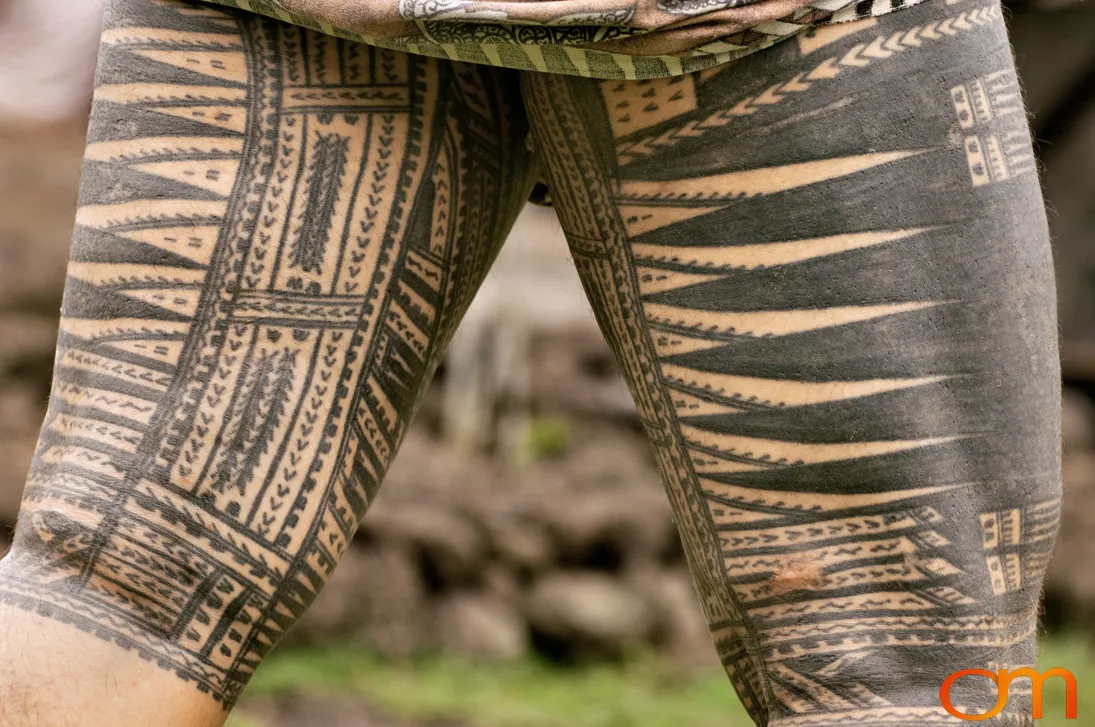
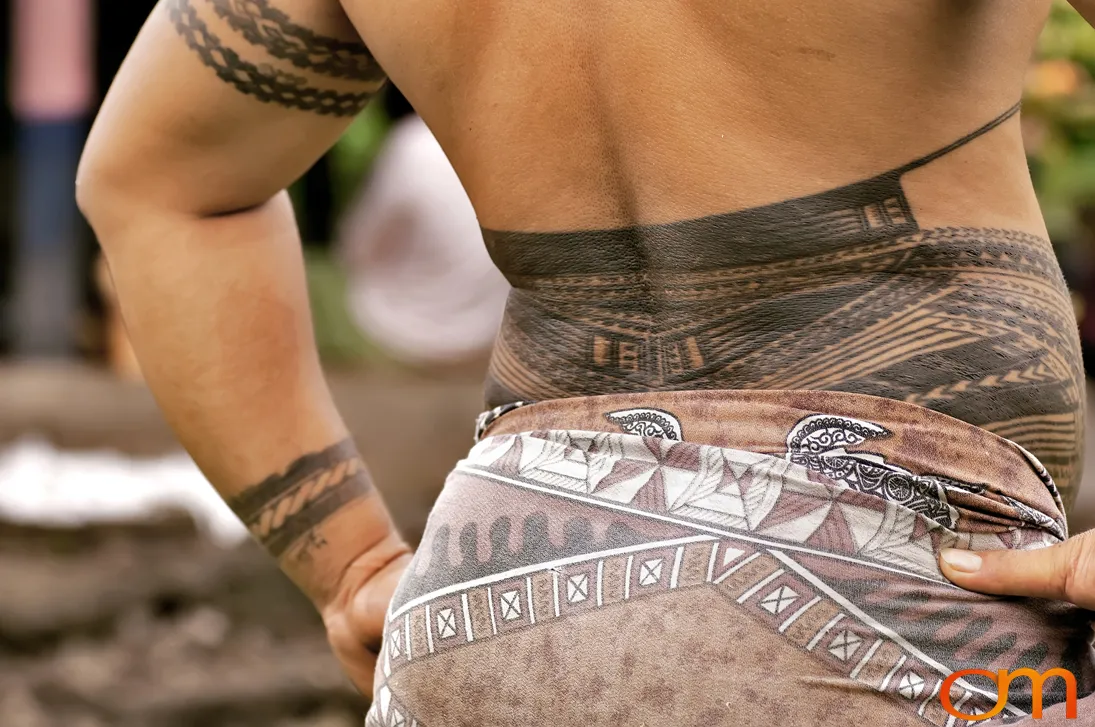
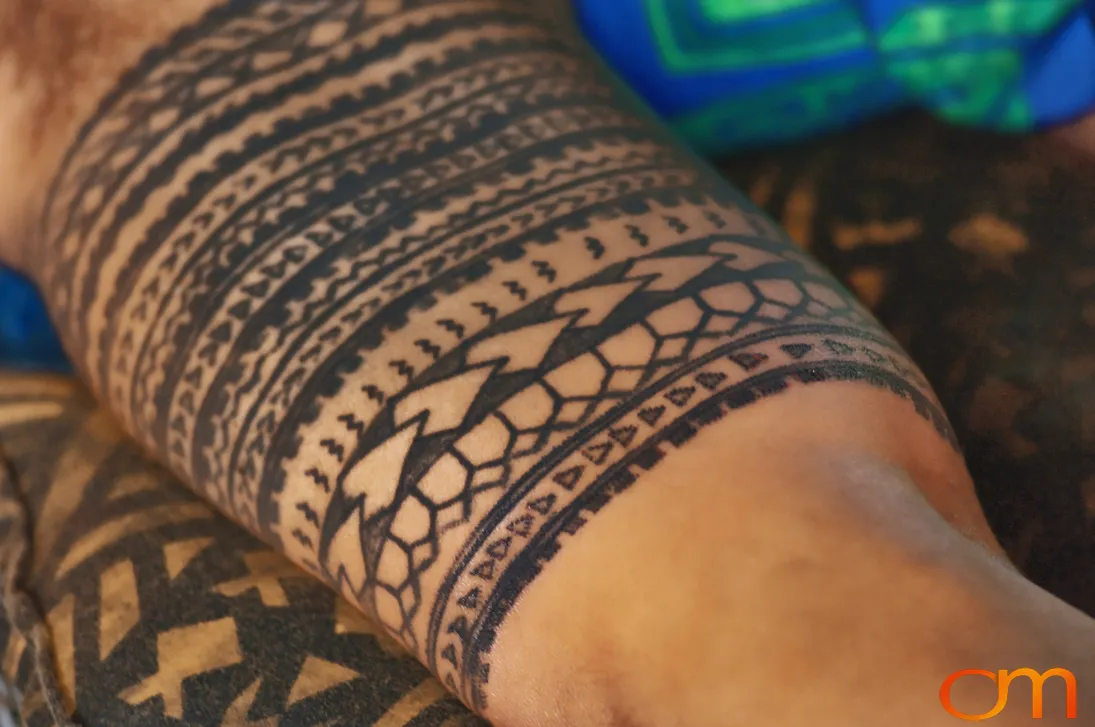
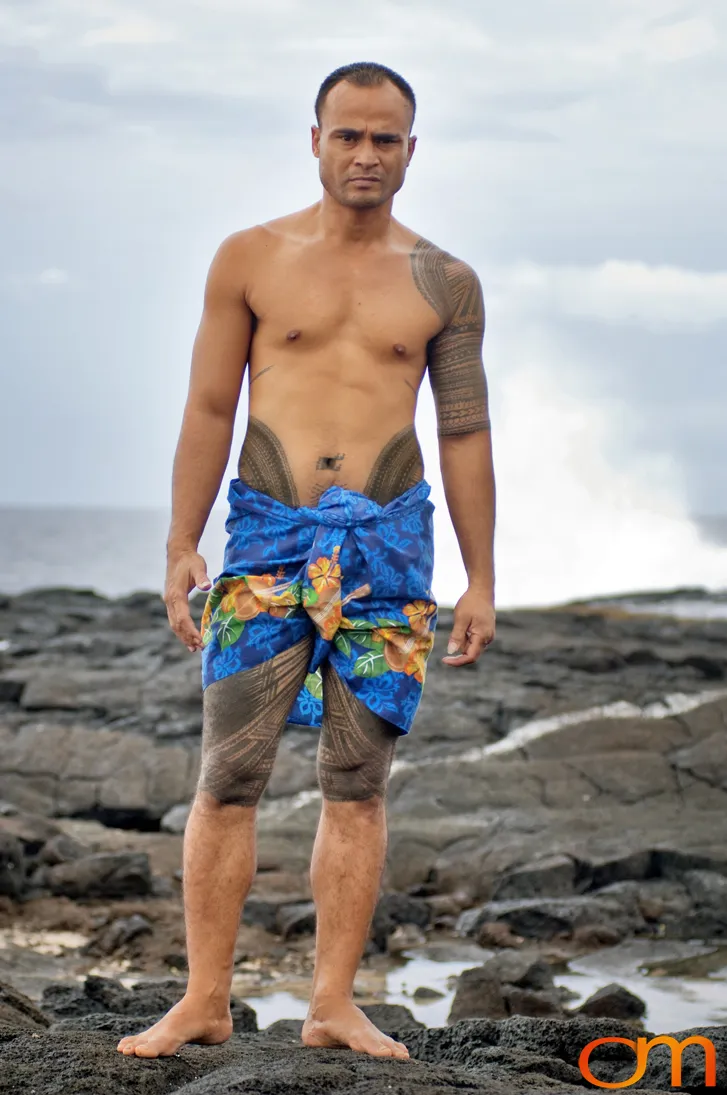
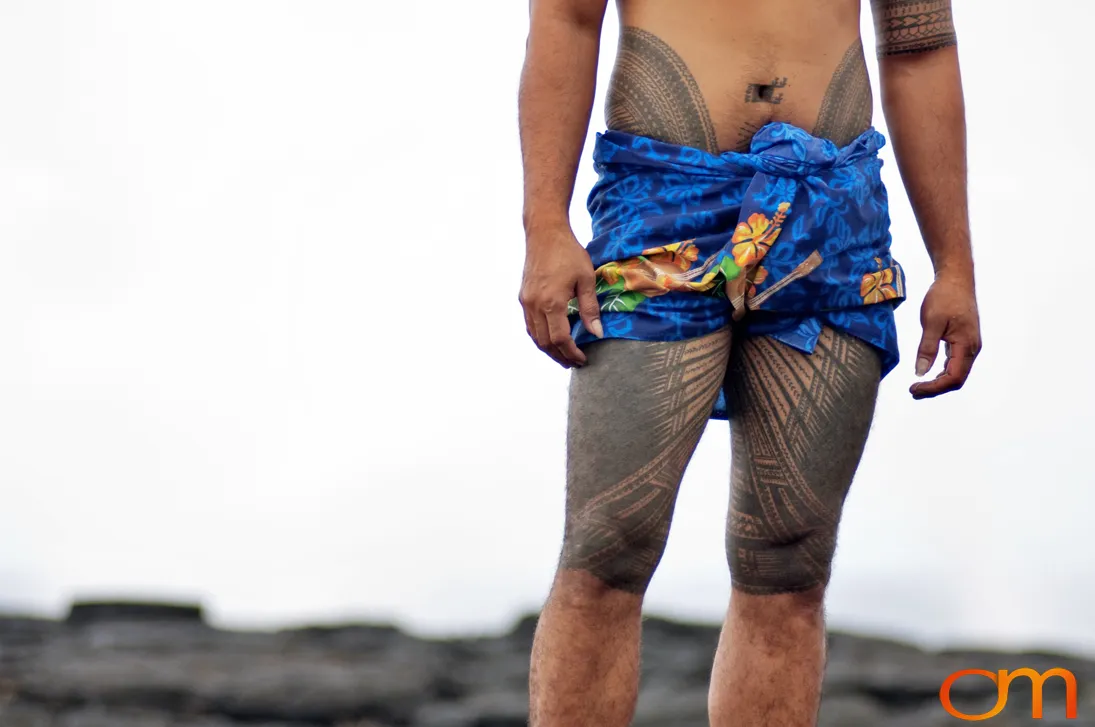
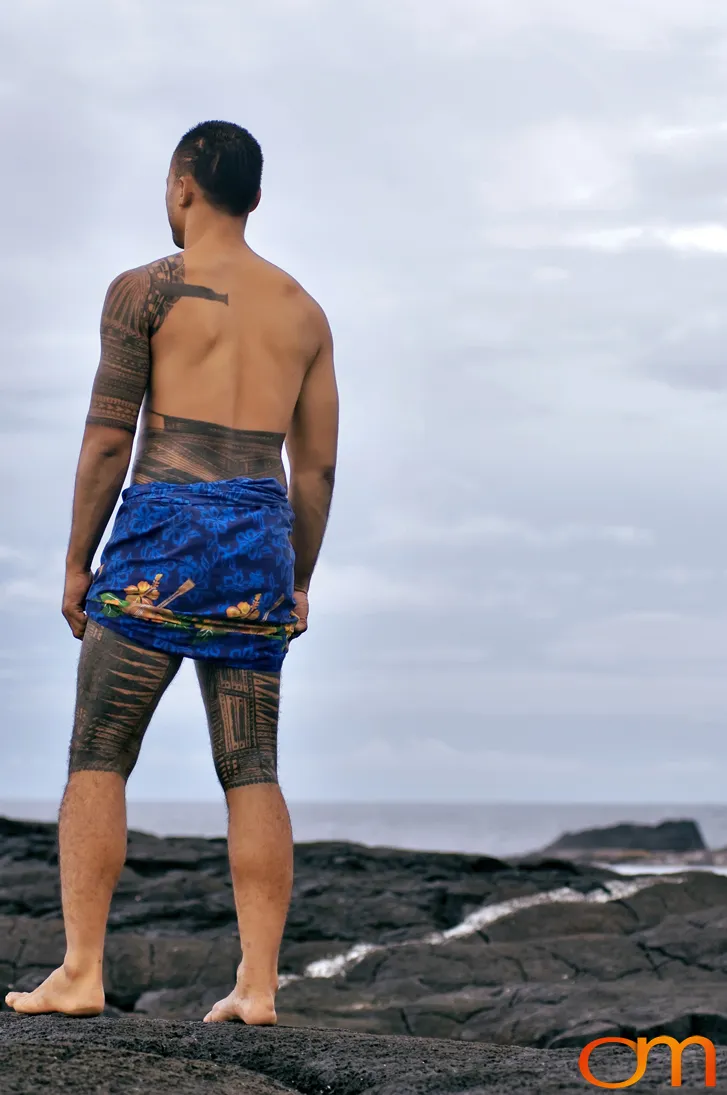
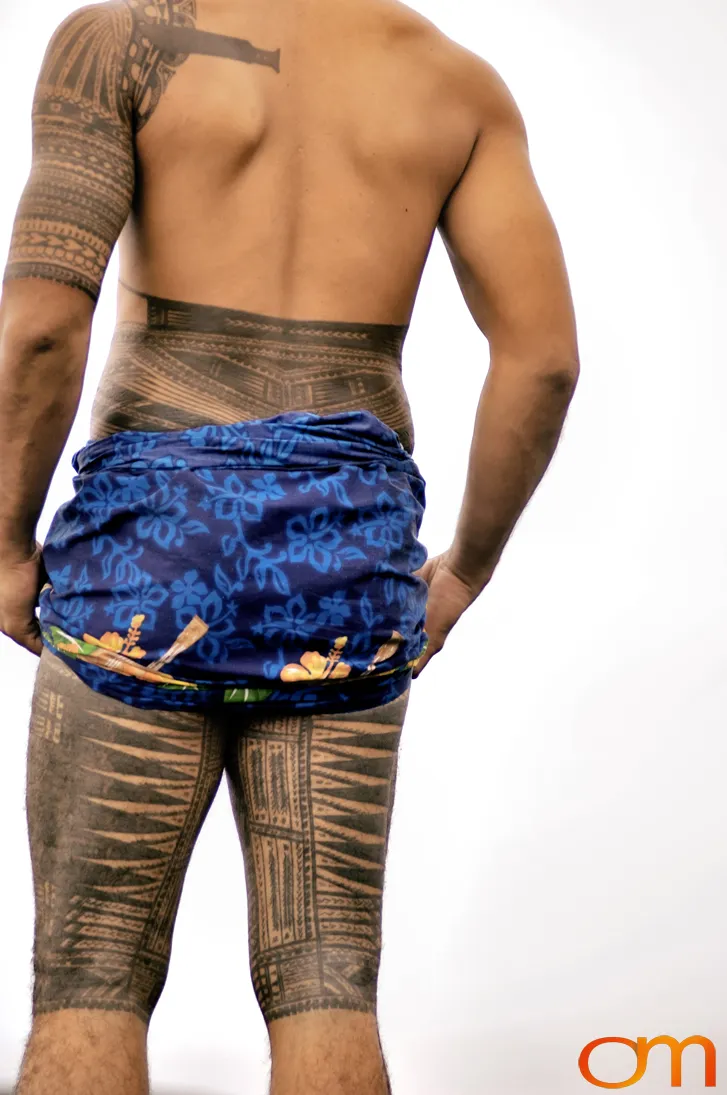
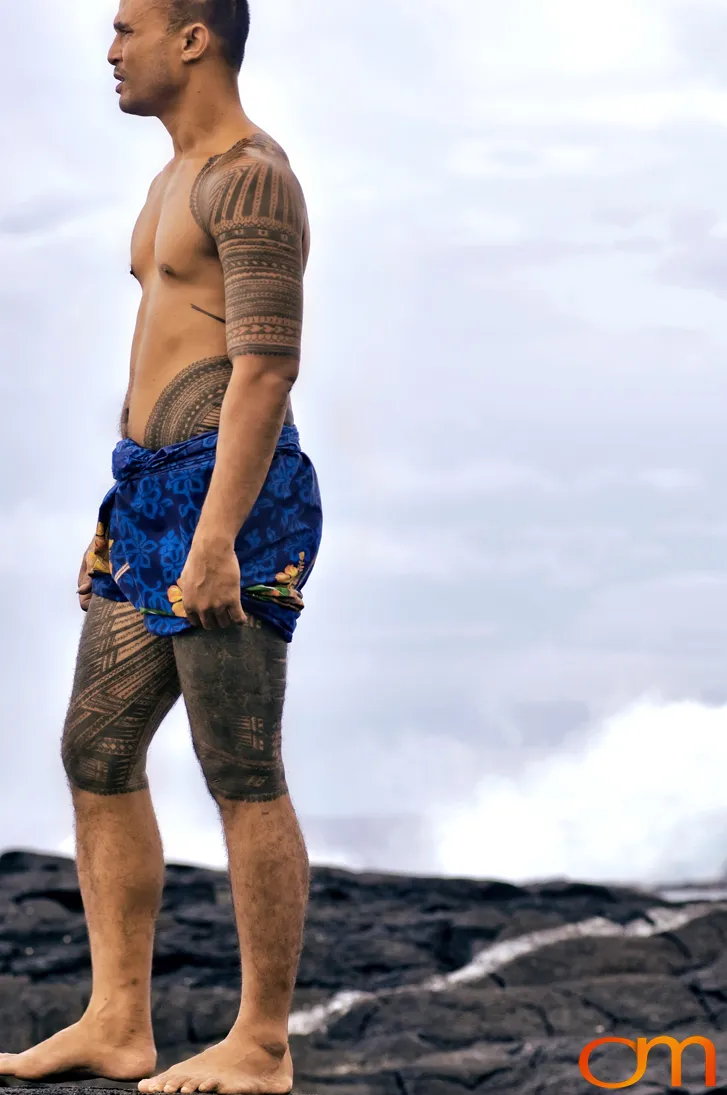
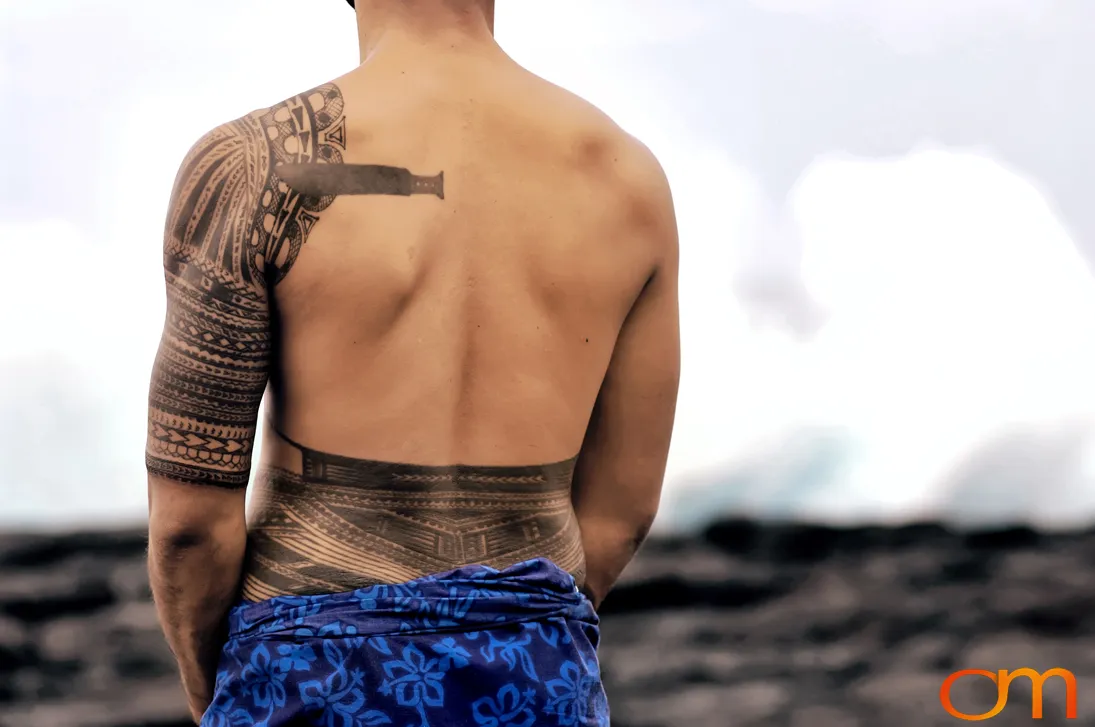
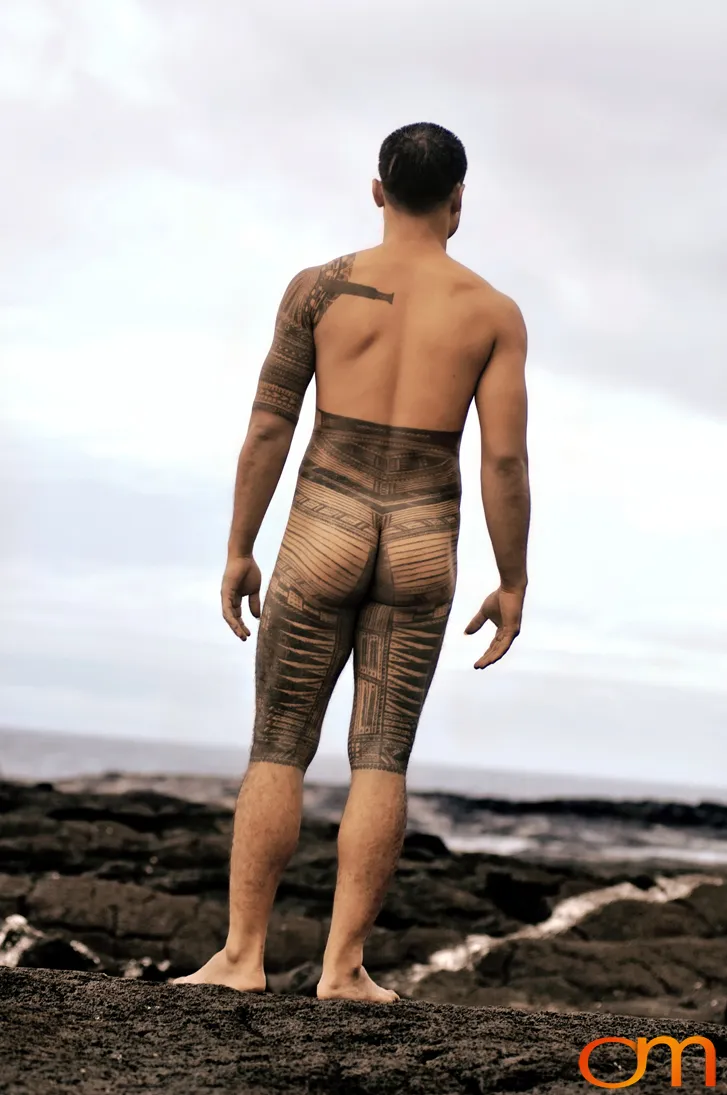
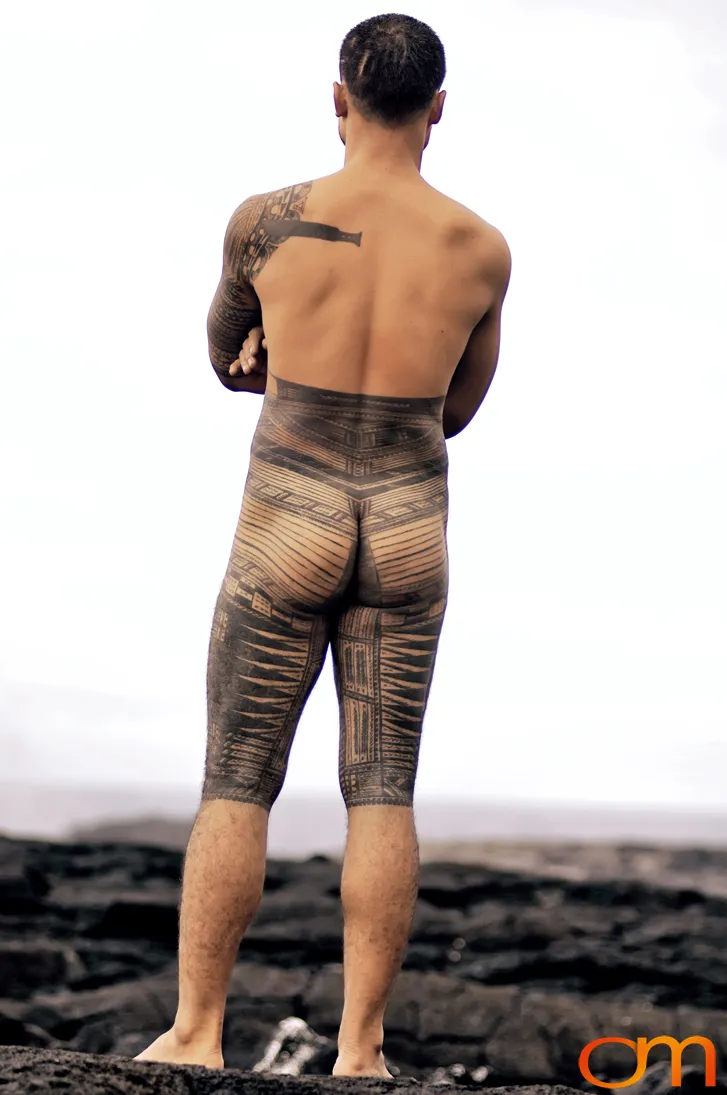
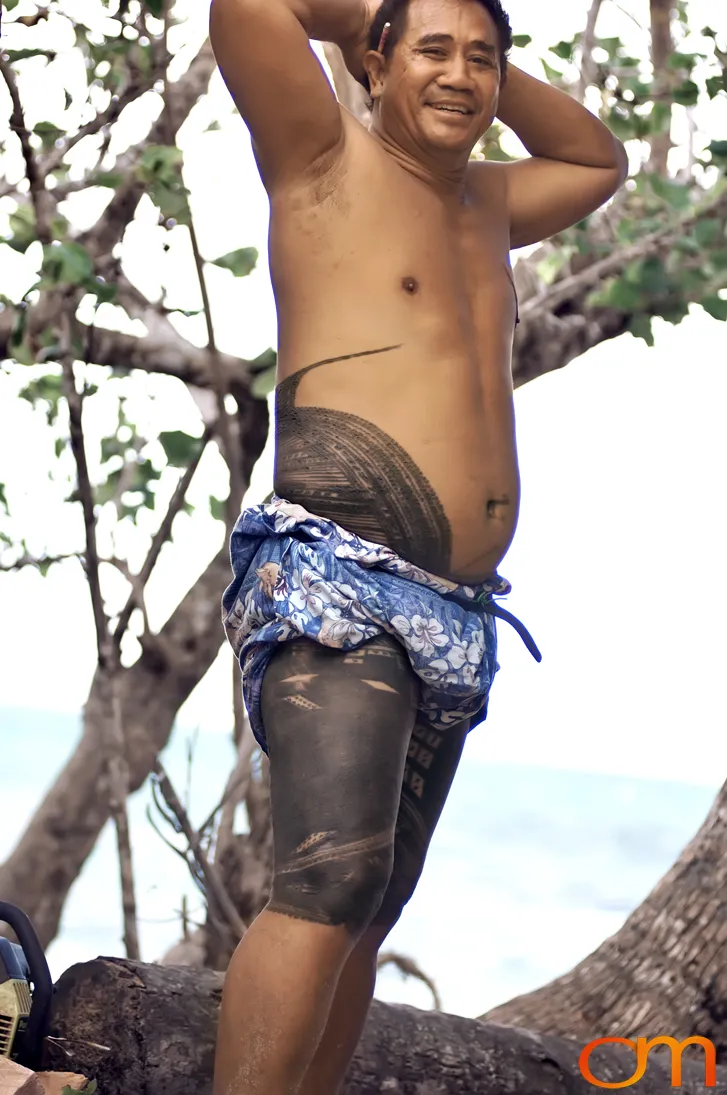
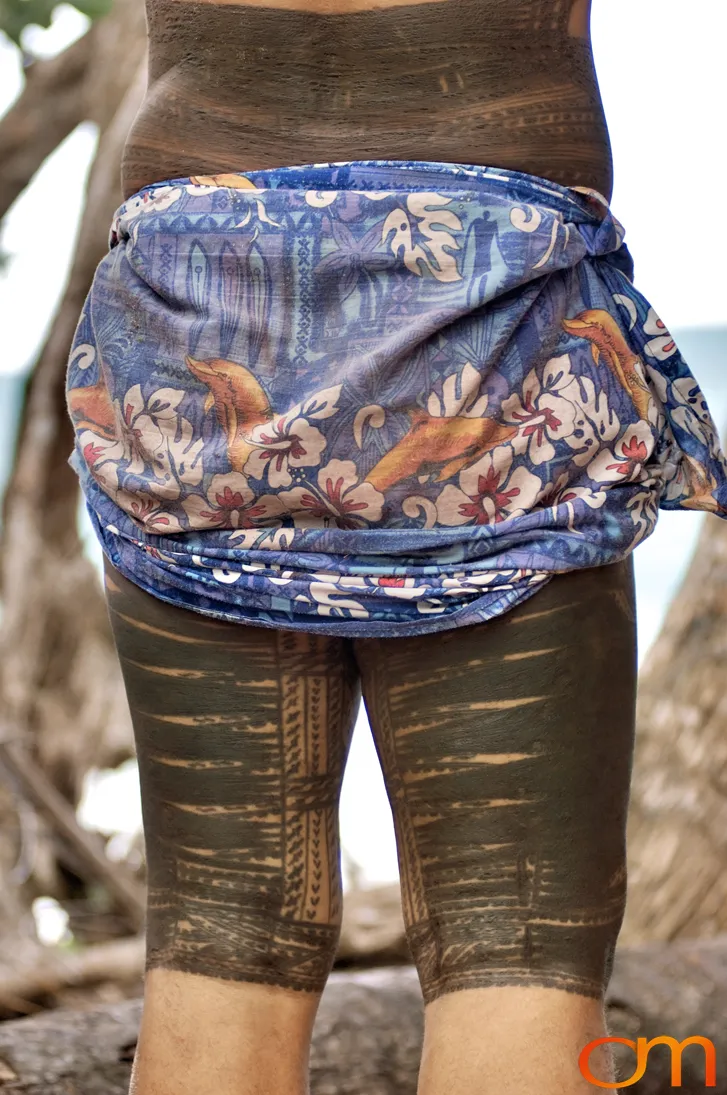
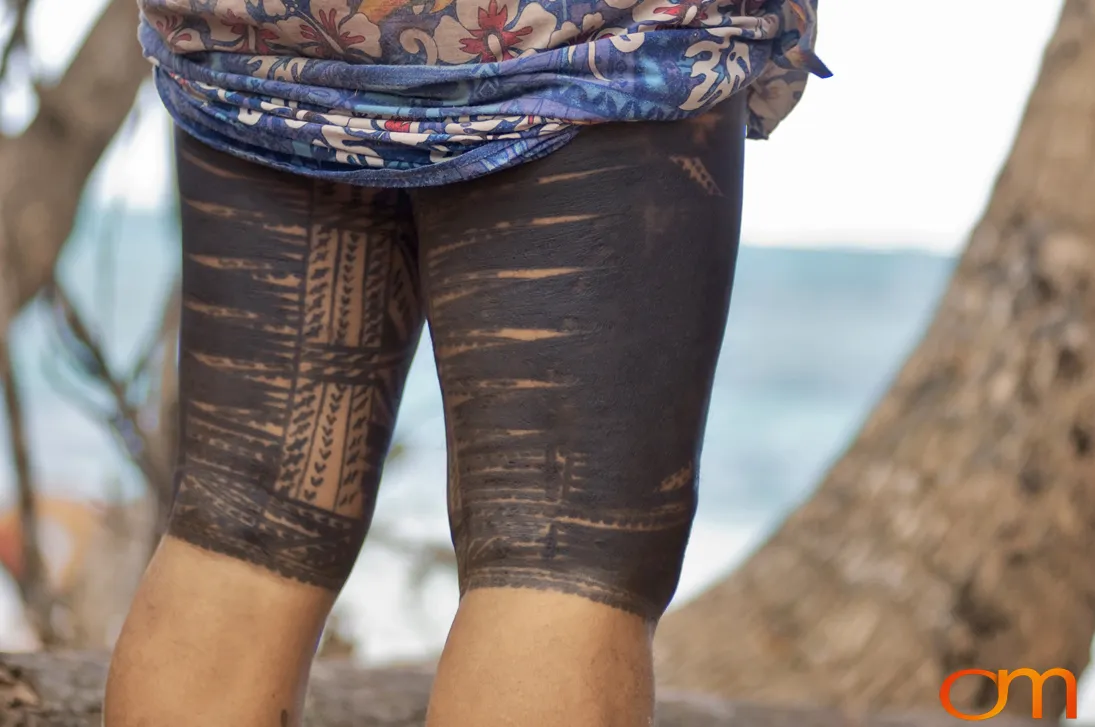
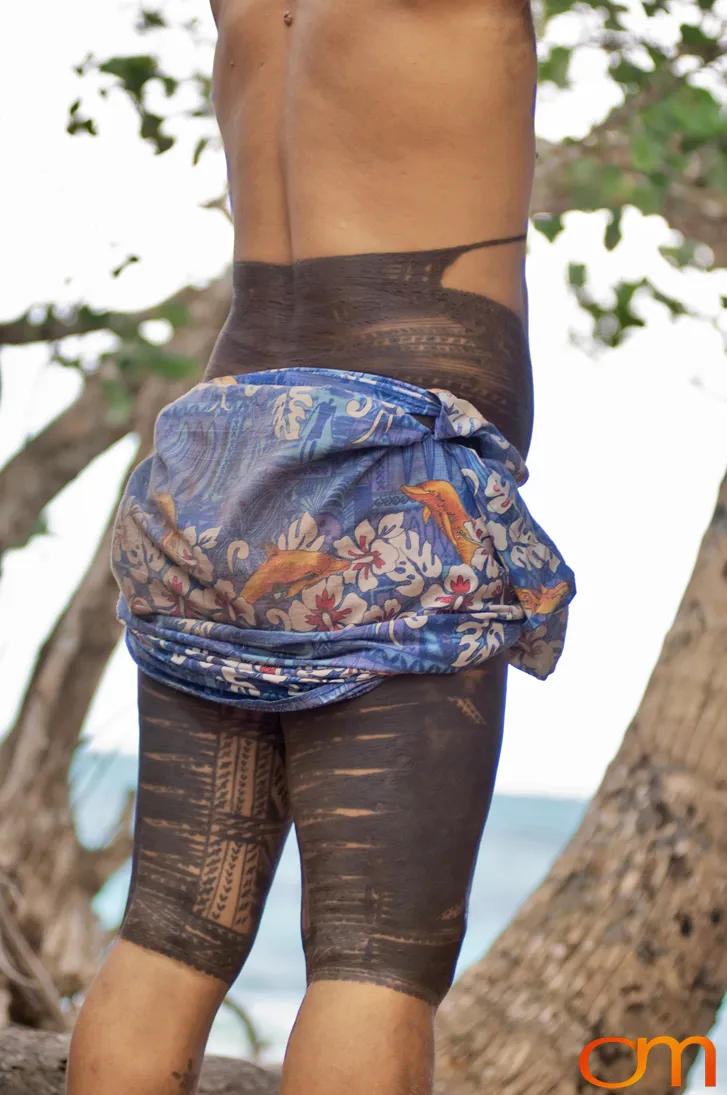
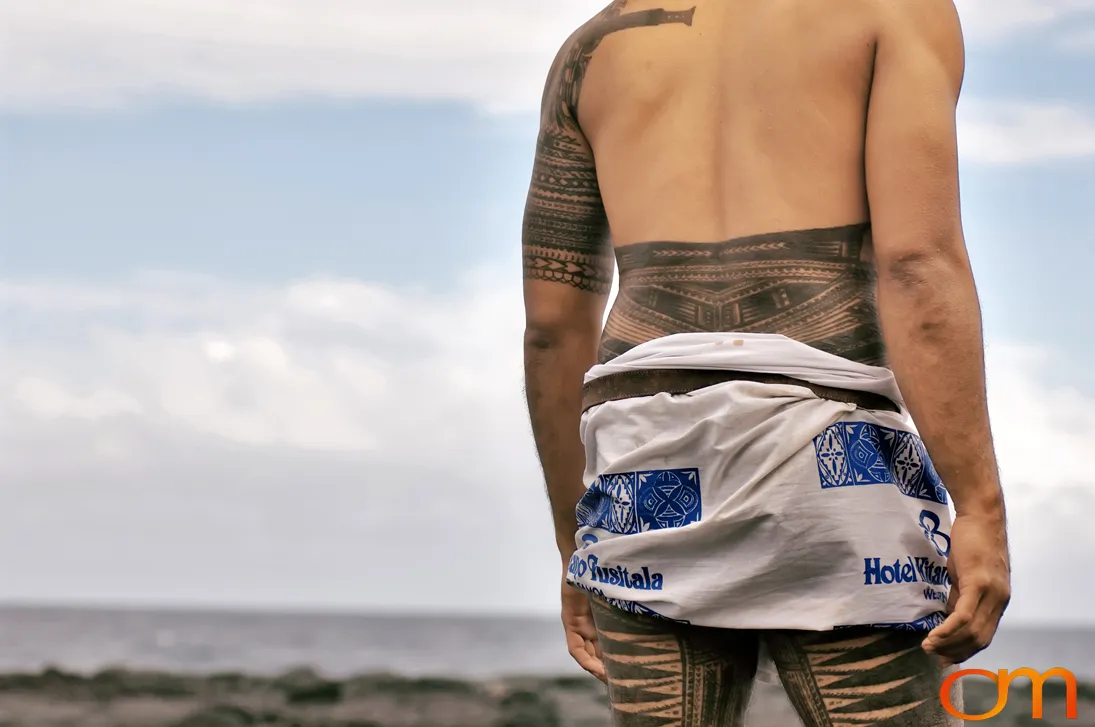
The peʻa, also known as malofie, is the extensive traditional tatau created for Samoan men. Its dense, largely symmetrical composition extends from the middle or lower back across the waist, hips and thighs to the knees. The finished design follows an established structure, while its detailed patterns vary according to the practice and knowledge of the tufuga ta tatau, or master tattooist.

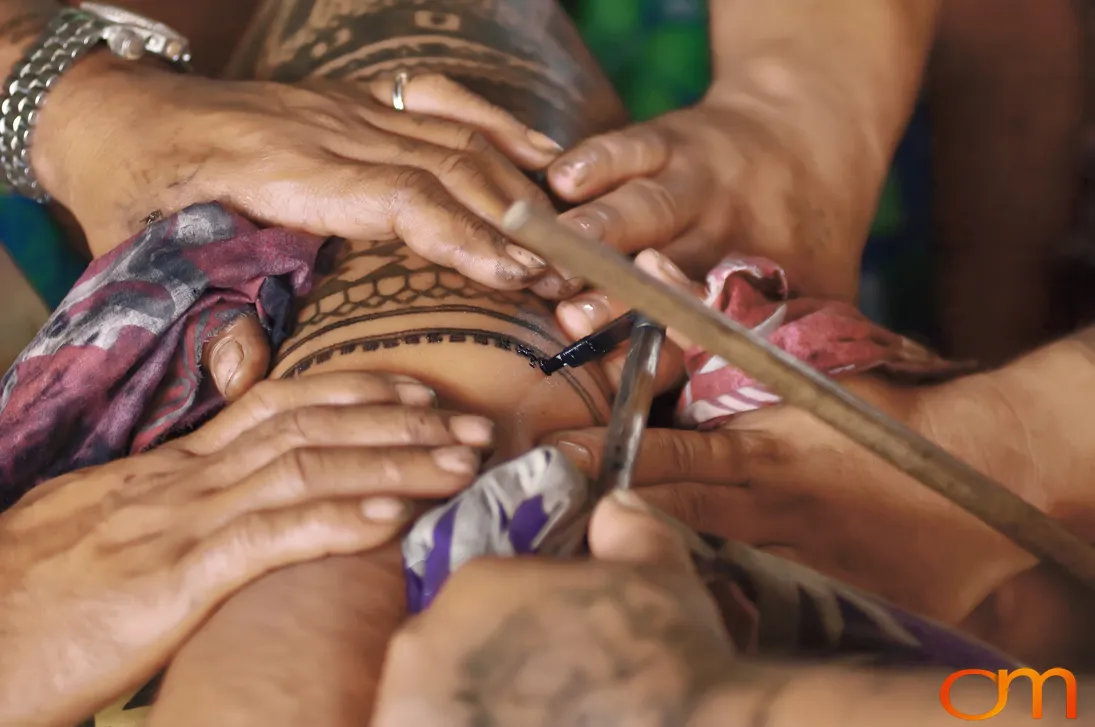
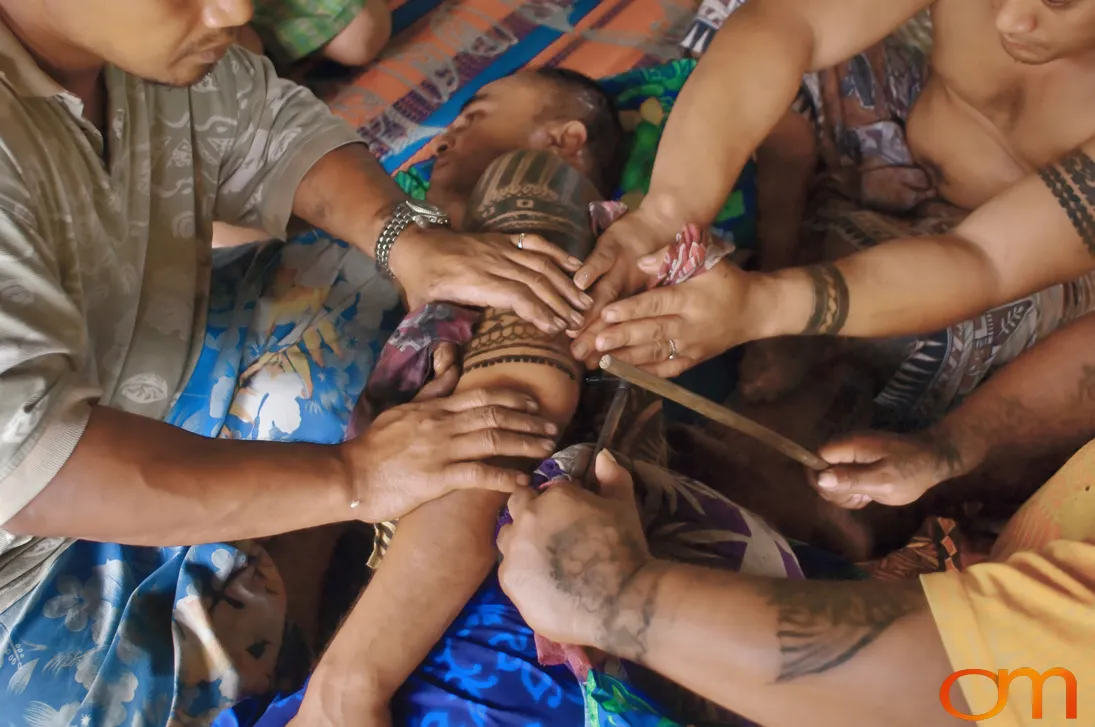
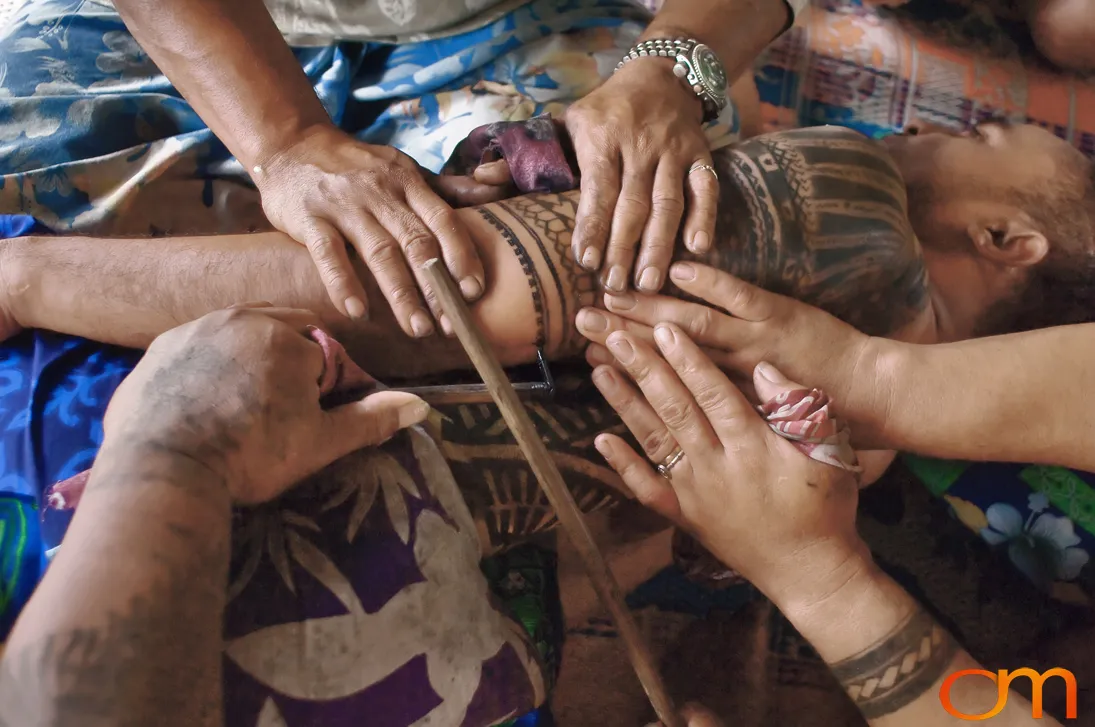
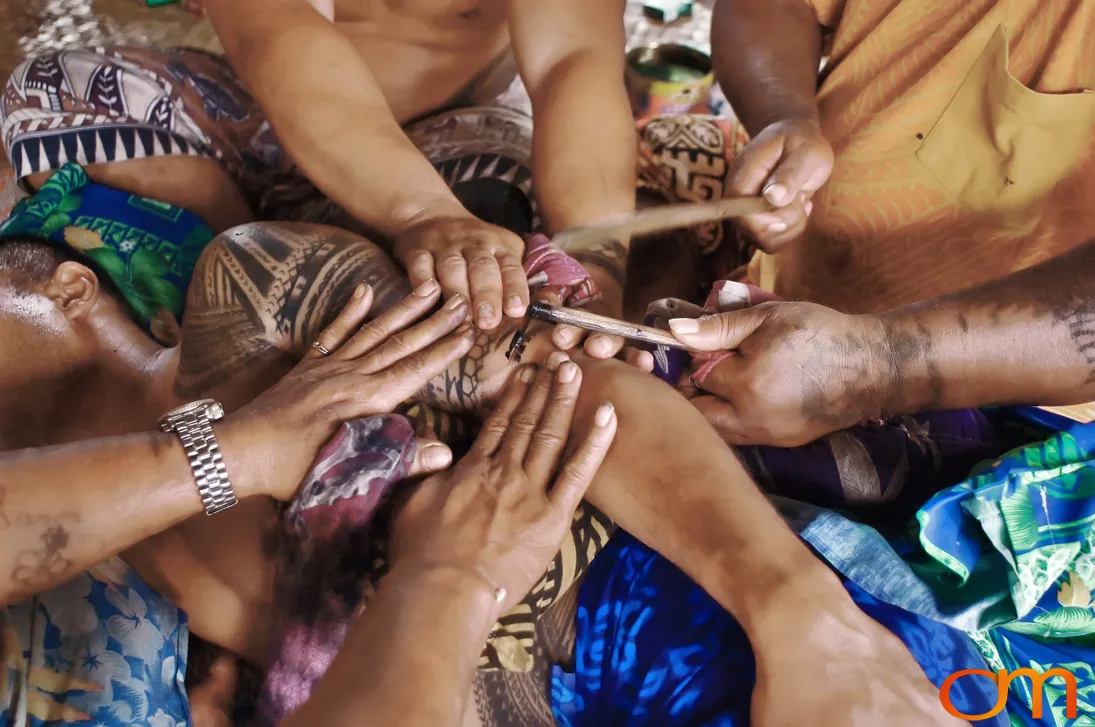
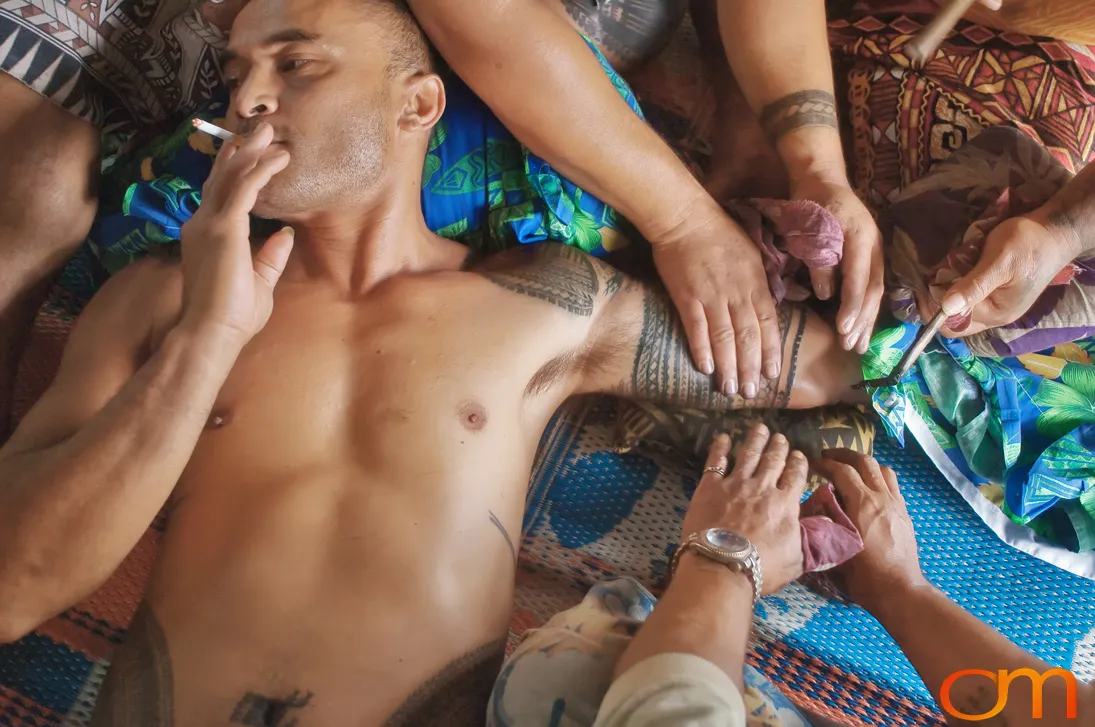
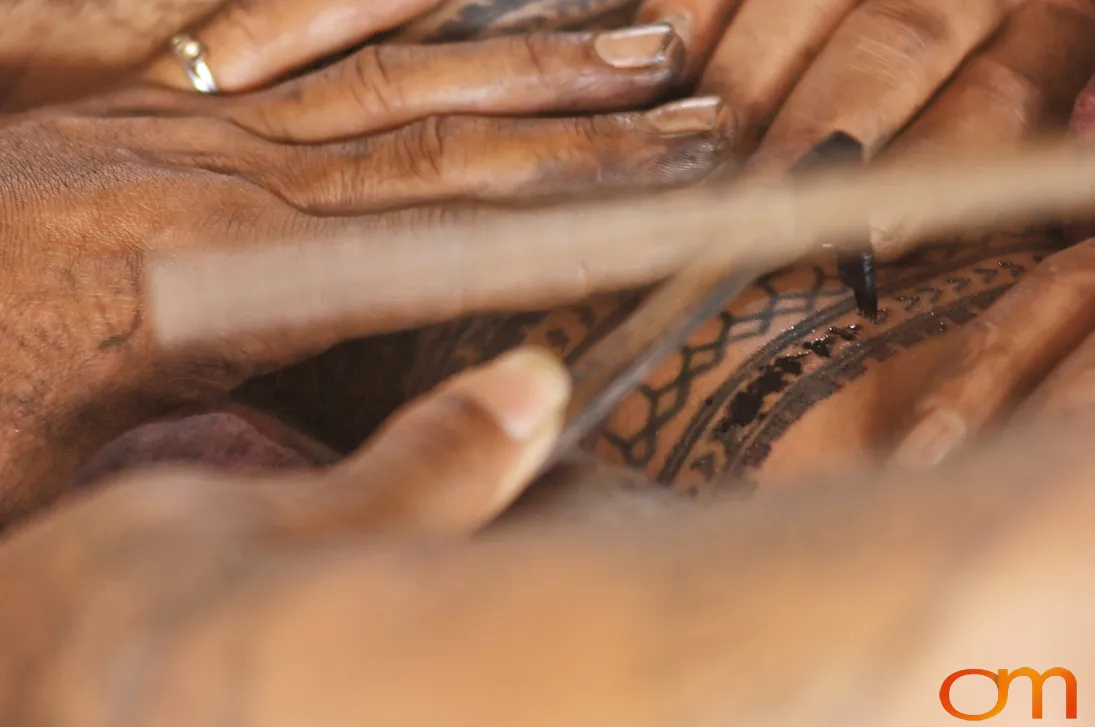
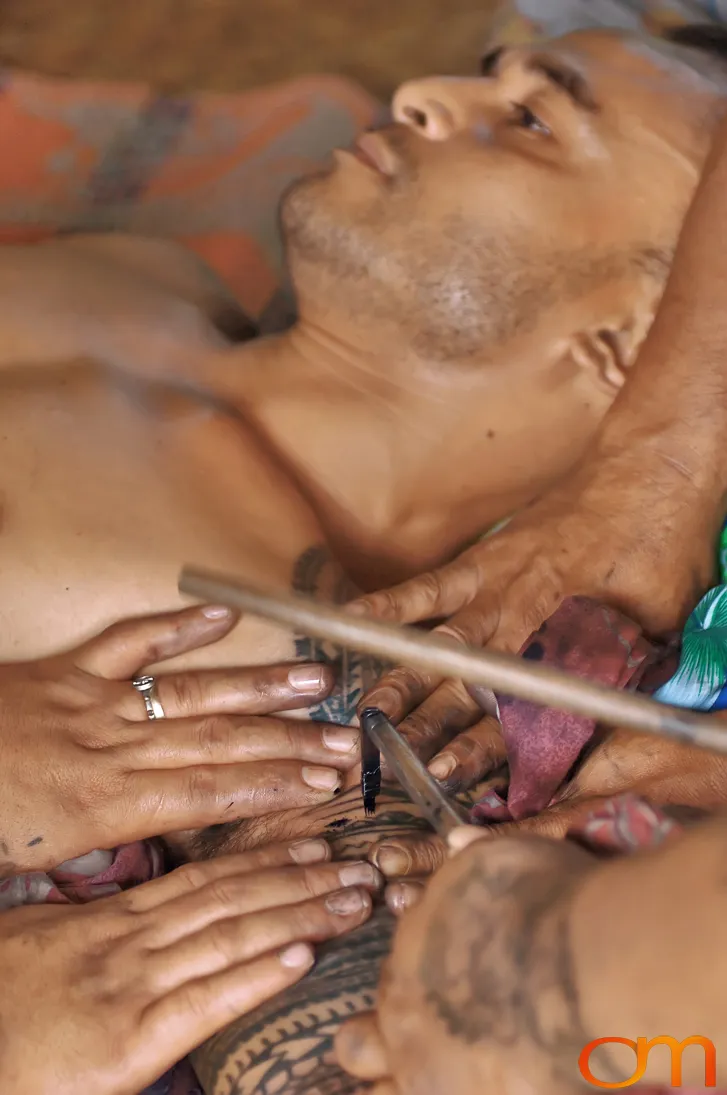
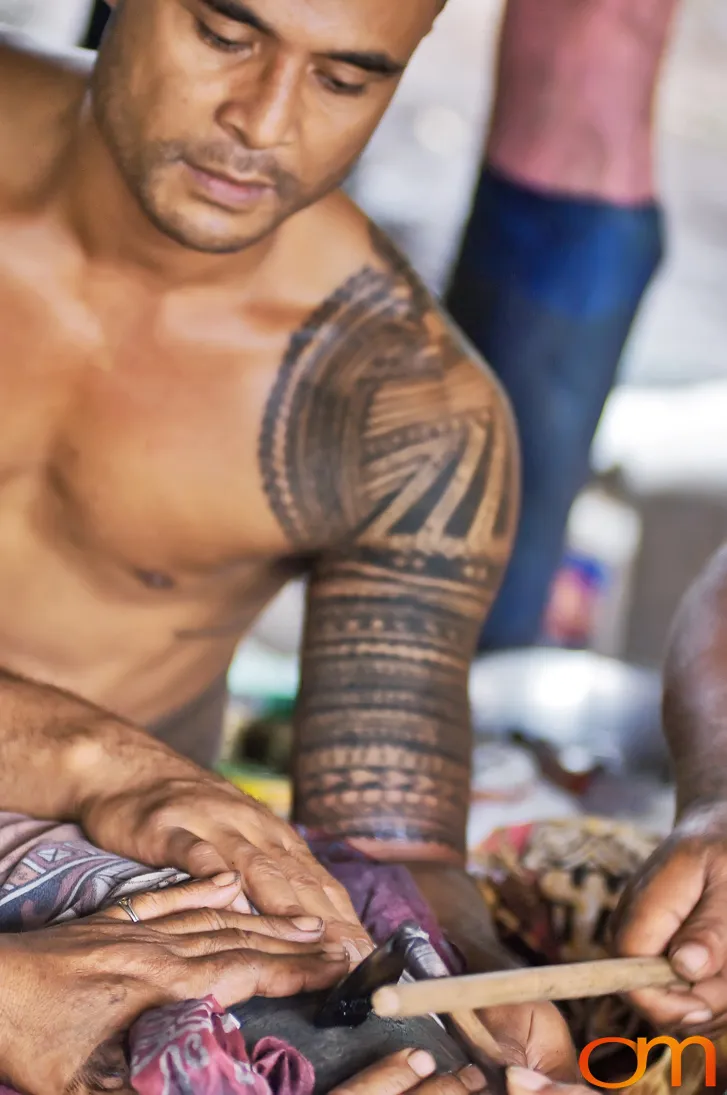
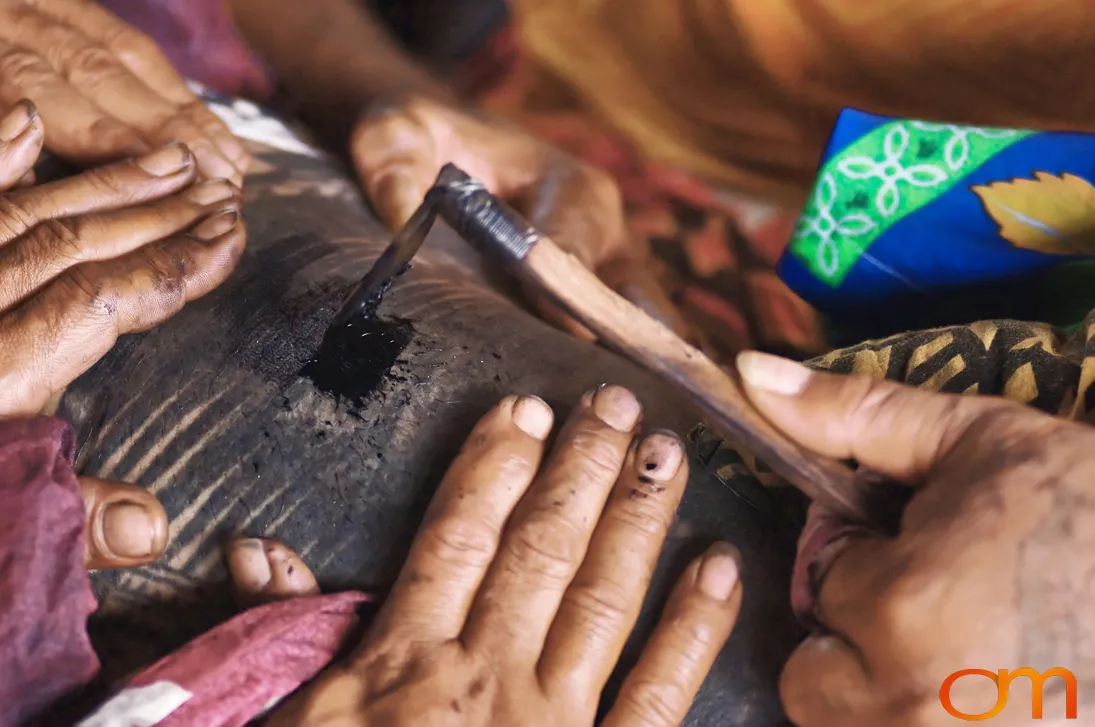
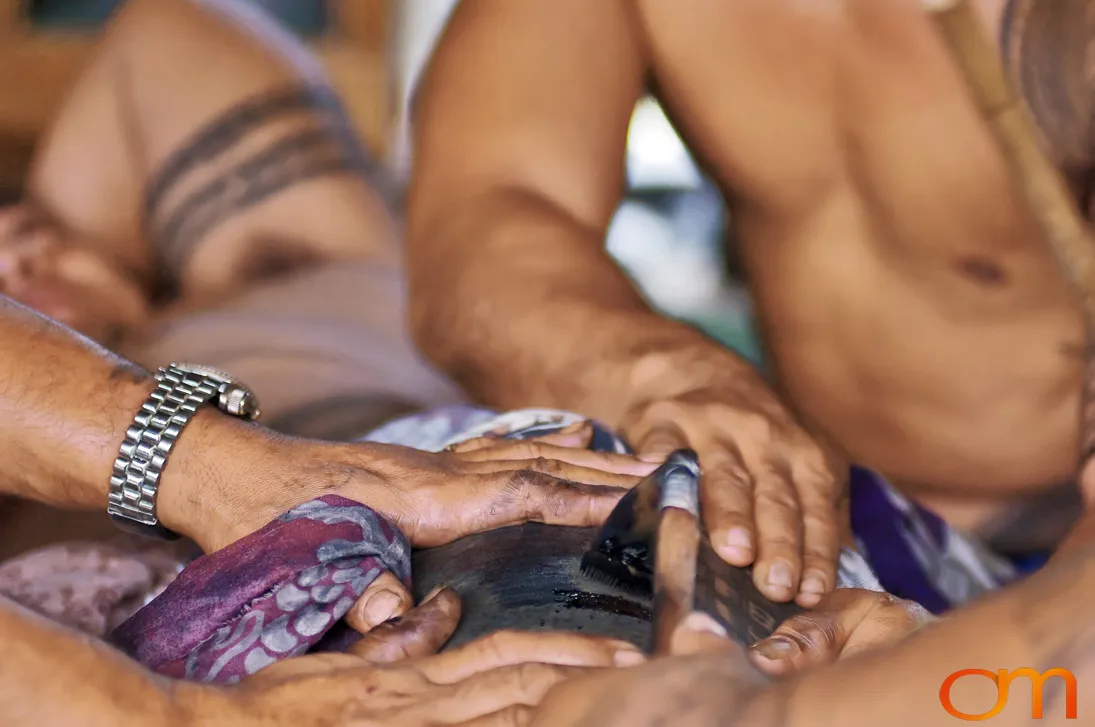
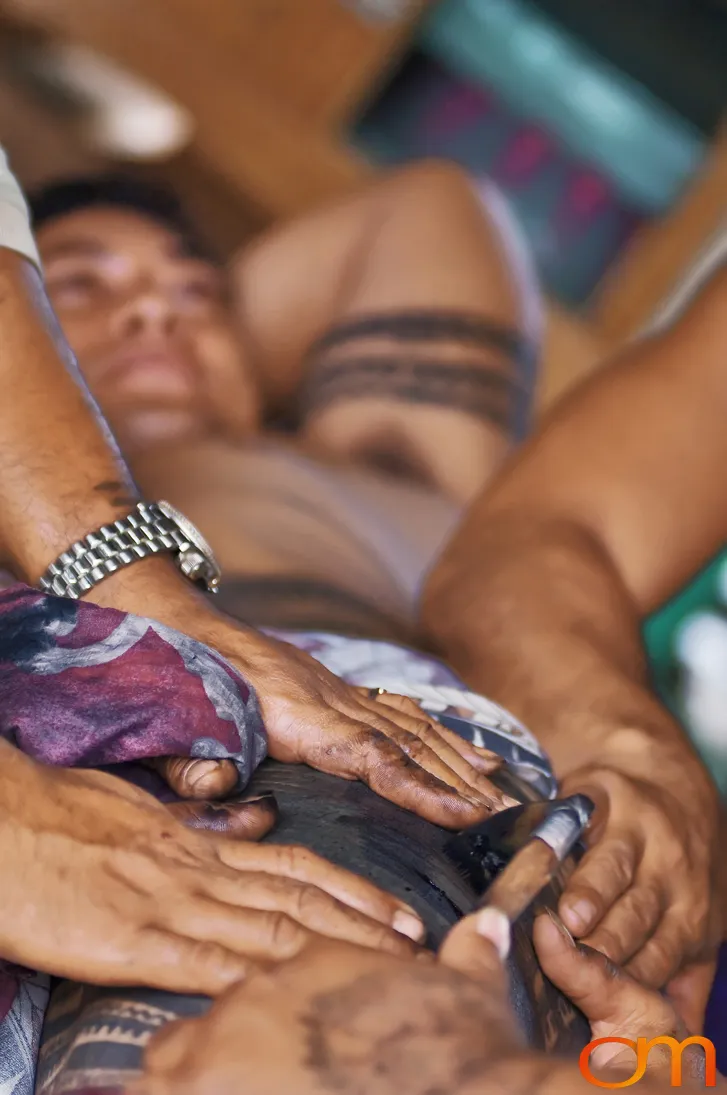
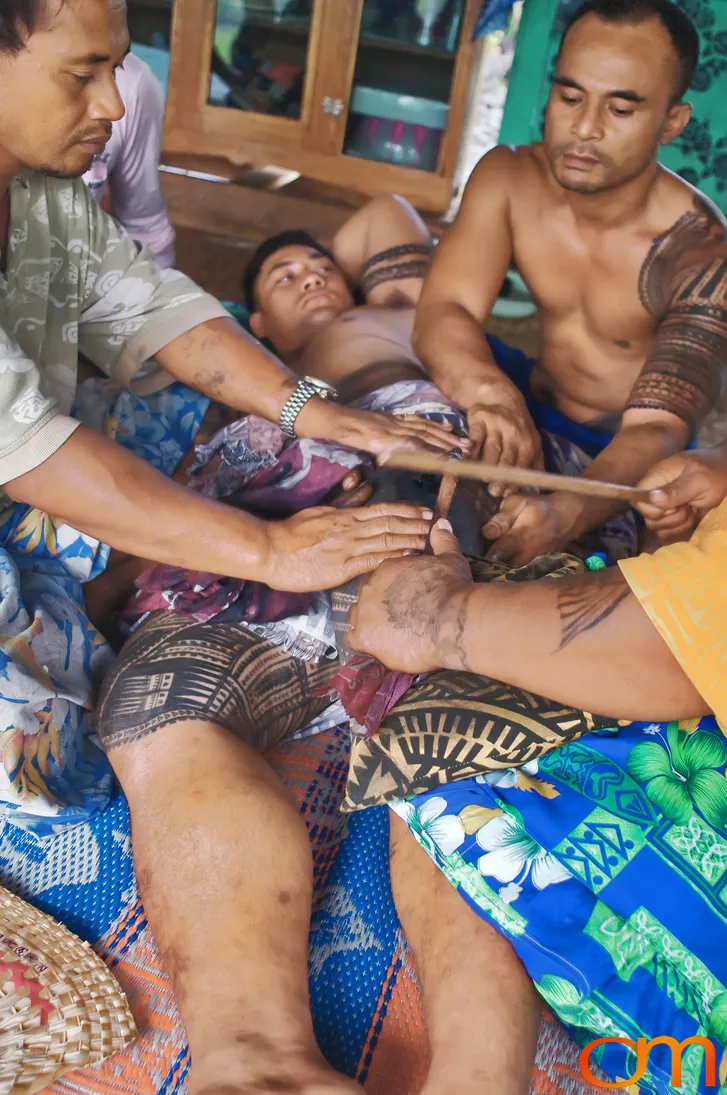
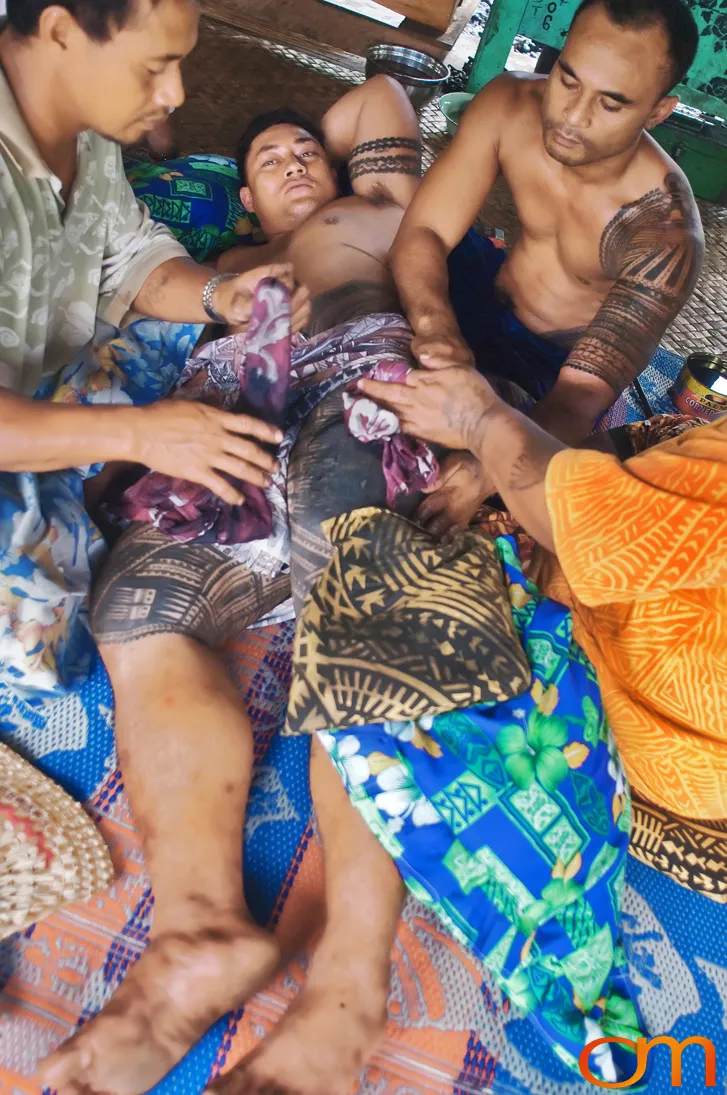
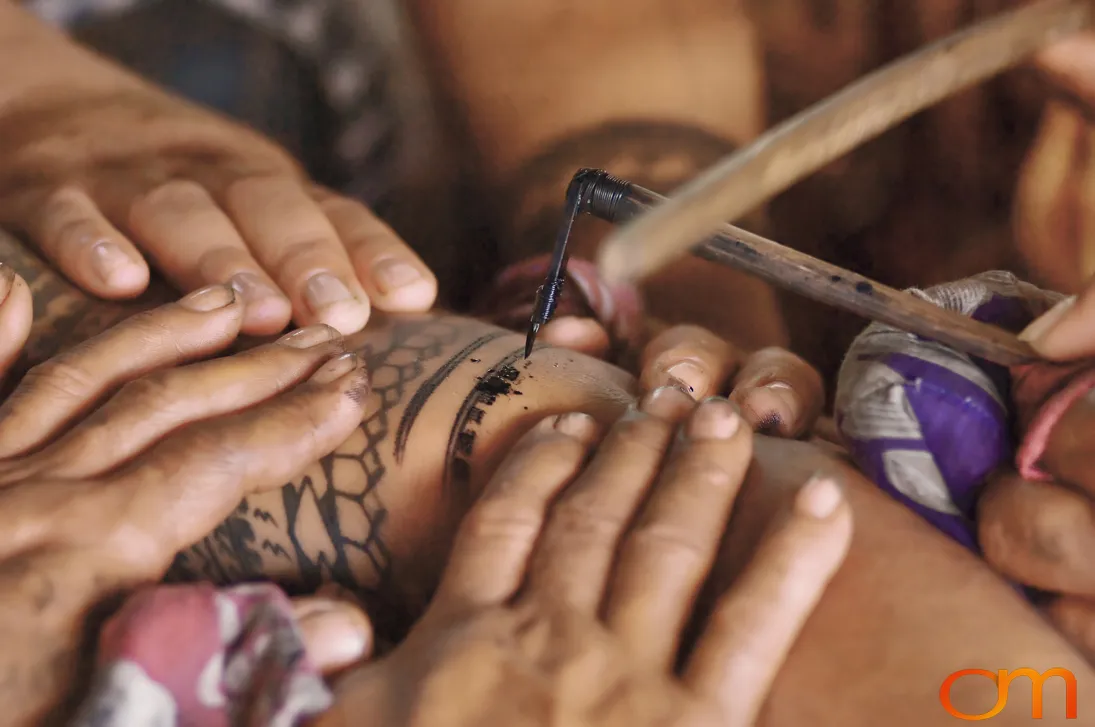
A traditional peʻa is applied by hand. The tufuga uses comb-like tattooing tools struck with a small mallet to place pigment beneath the skin. Assistants stretch and support the skin, wipe the working area and help the tattooist throughout the process. Family and community members may also provide practical and emotional support.

Completing a peʻa requires repeated sessions and considerable endurance. It has often been described as a passage into adulthood, but it is not a universal requirement for Samoan men. The decision carries cultural expectations extending beyond the tattoo itself, including service, dignity and responsibility toward family and community.

These photographs, taken in Samoa in 2006, document both the hand-tapped tatau process and completed examples of the peʻa.
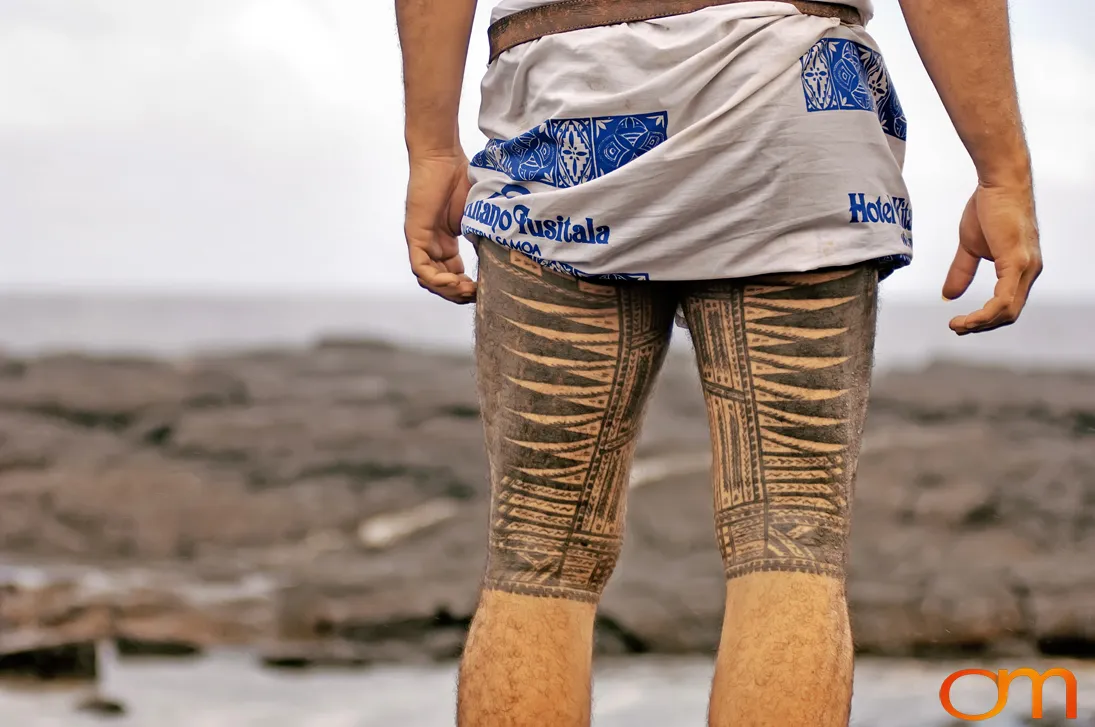
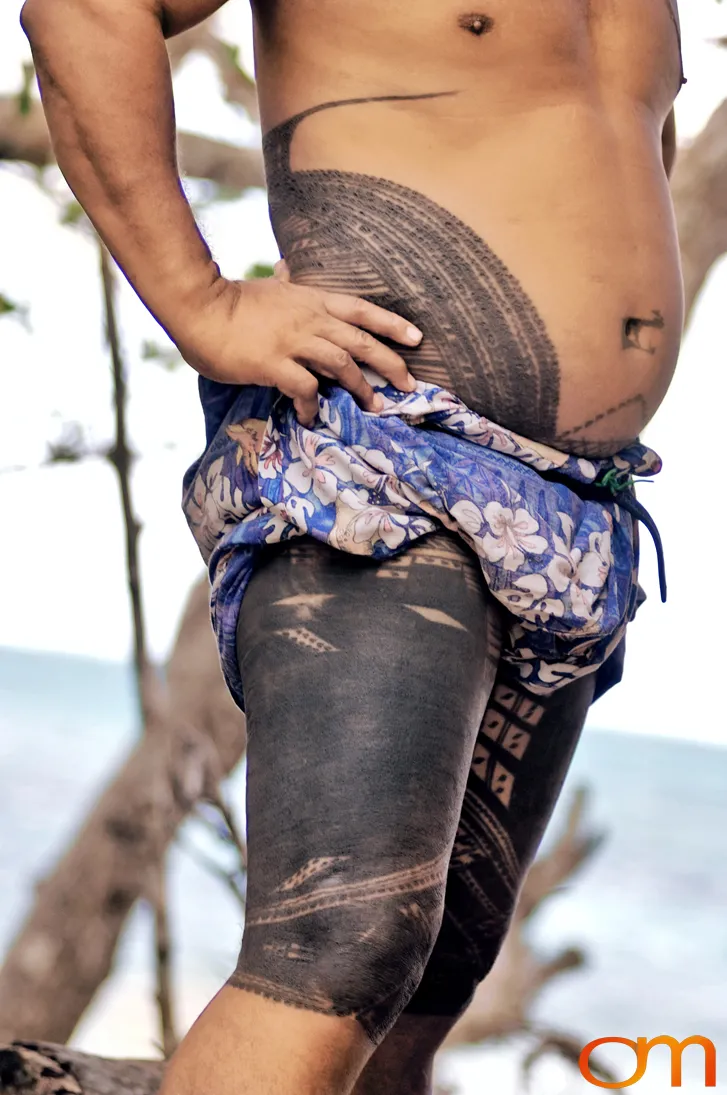
Tattooed thighs framed by a hitched-up lavalava, rocky shoreline behind
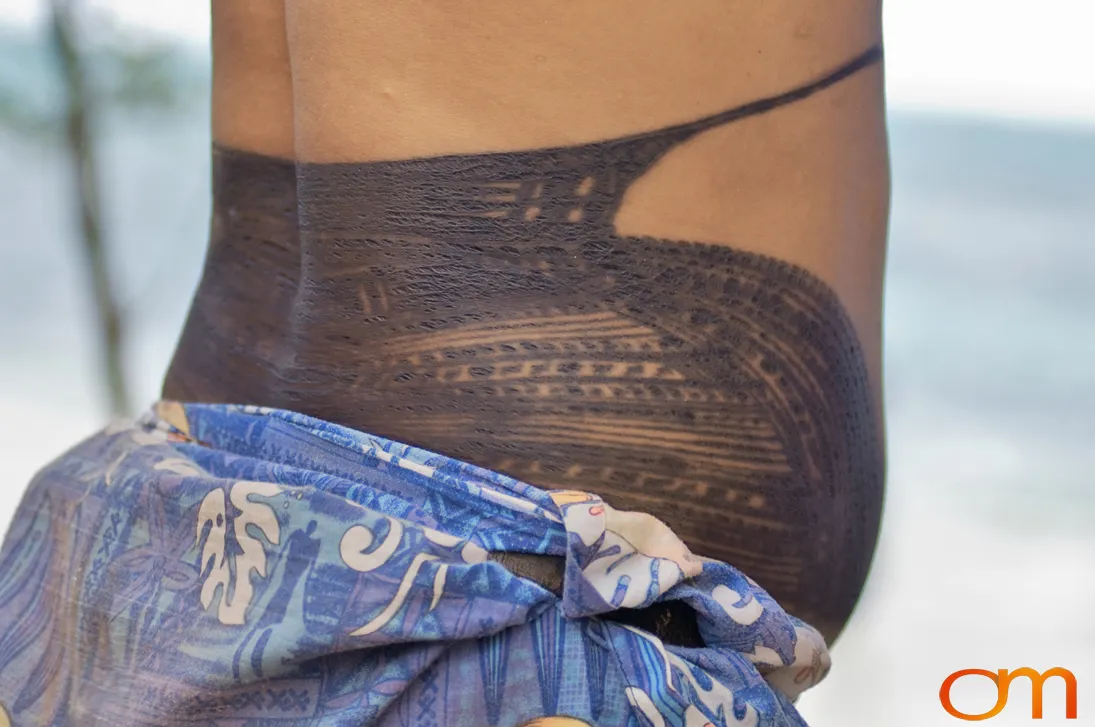
Seen from behind, banded tatau across a man's lower back and waist above the sea
Man in profile, tatau sweeping across his shoulder and upper arm
Two men side by side, waists and thighs covered in peʻa, lavalavas lowered
Rear view of two men, patterning running from waist to knees
Backs of two men in a garden clearing, tattoo bands crossing their lower backs
Hands on hips, a man holding his lavalava down to show the thigh patterning
Standing portrait of a man whose peʻa runs from waist to knees
Striped and toothed motifs covering both thighs down to the knees
Solid band of tatau above a patterned lavalava, armband tattoo on the raised arm
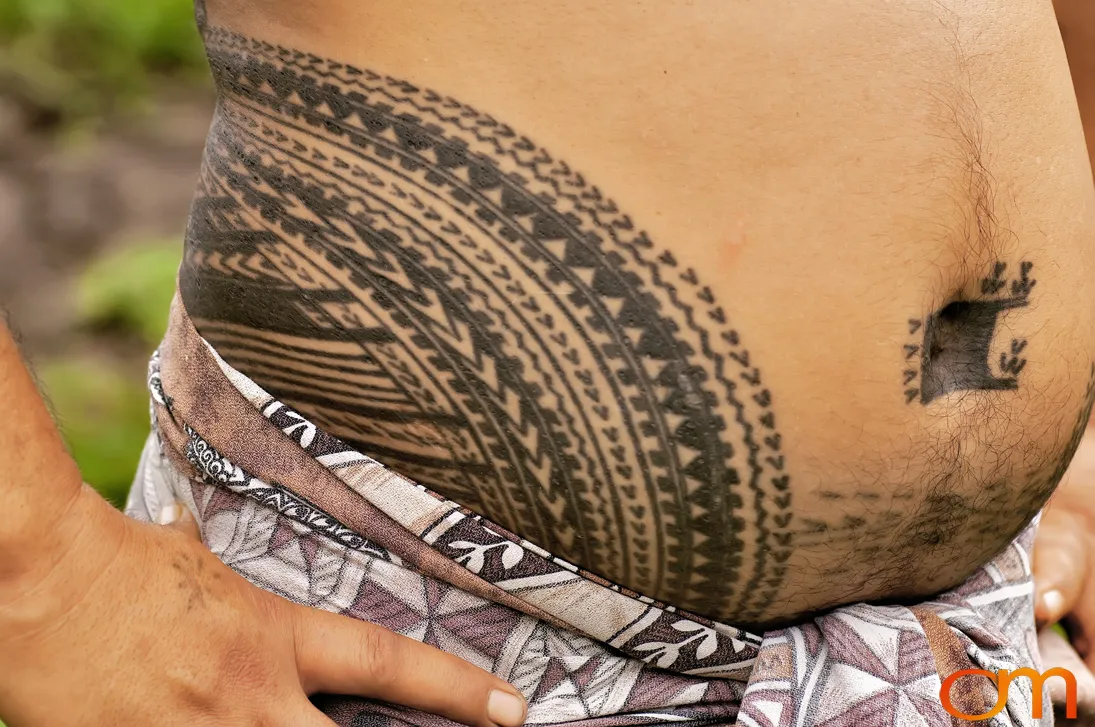
Curved patterning sweeping across hip and belly, small motif around the navel
Comb-shaped tool struck with a mallet, tapping pigment into the skin
Hands stretching the skin taut while the tufuga taps a band of pattern
Man lying still as several people hold his skin during a tattooing session
Many hands steadying a reclining man as the tapping tool works along his side
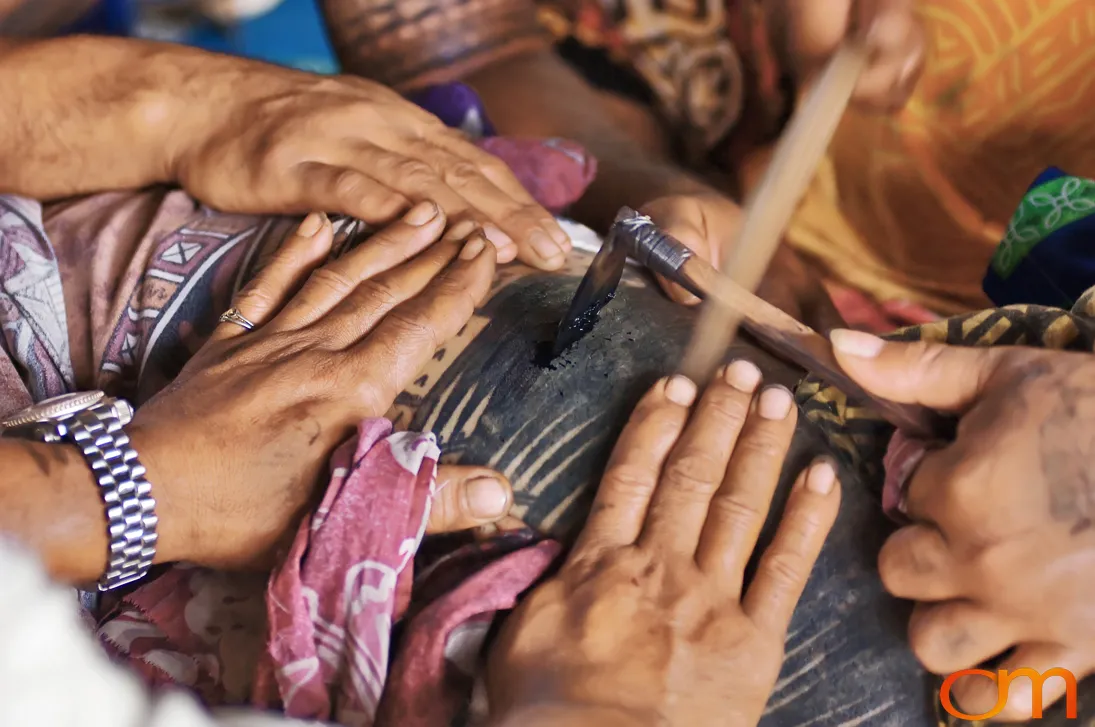
Several pairs of hands stretch the skin of a tattooed thigh while the comb tool is tapped into place
Man lying back with a cigarette as assistants hold his skin taut for the tapping
Pigment-blackened comb set against fresh linework, the mallet blurred mid-strike
Bands of arrowheads and honeycomb tattooing wrapping a limb, patterned cloth beneath
Head tilted back as hands pin the skin of his hip and the tattooist works below
Toothed tattooing comb bound to its handle, held above ink-covered skin
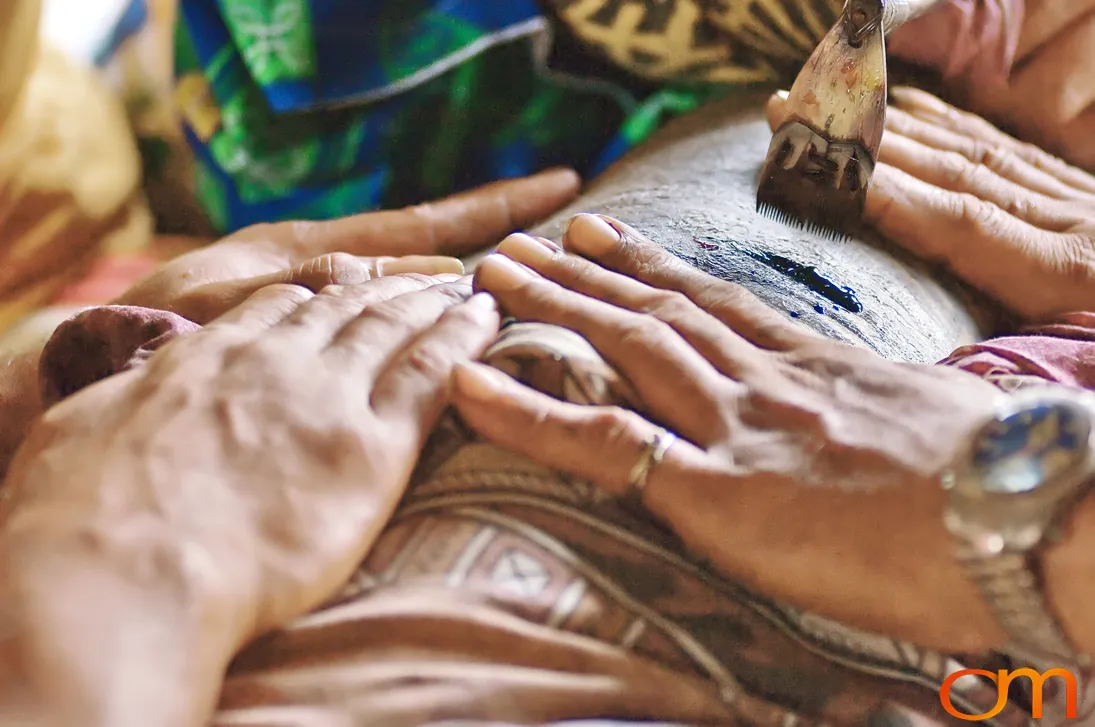
Assistants press the skin flat as pigment pools under the comb on a patterned hip
Wooden mallet meets the comb over a blackened thigh, four hands steadying the work
Man with a finished shoulder-to-elbow tatau leaning in over the session below
Fresh black pigment spreading across the skin where the comb has just struck
Hands crowded around the hip of a reclining man, a banded thigh tattoo behind them
From above the reclining man, hands and comb working the inked skin of his hip
Three men at work around a young man lying on mats, one thigh already fully patterned
Session on woven mats: cloths wiping the skin while the reclining man rests
Man in a blue lavalava standing on volcanic rock by the sea, peʻa reaching to his knees
Peʻa patterns covering hips and thighs, a blue lavalava lifted clear of the knees
Man seen from behind on black lava rock, tatau banding his lower back and thighs
Rear view of a finished peʻa, dense pattern running from waist to knees
Standing in profile on lava rock as surf breaks behind, shoulder and thigh tatau visible
Tattooed shoulder and arm above the banded waistline of a peʻa
Full peʻa worn without a lavalava, seen from behind on a rocky shore
Back view of the completed tatau sheathing hips and thighs to the knee
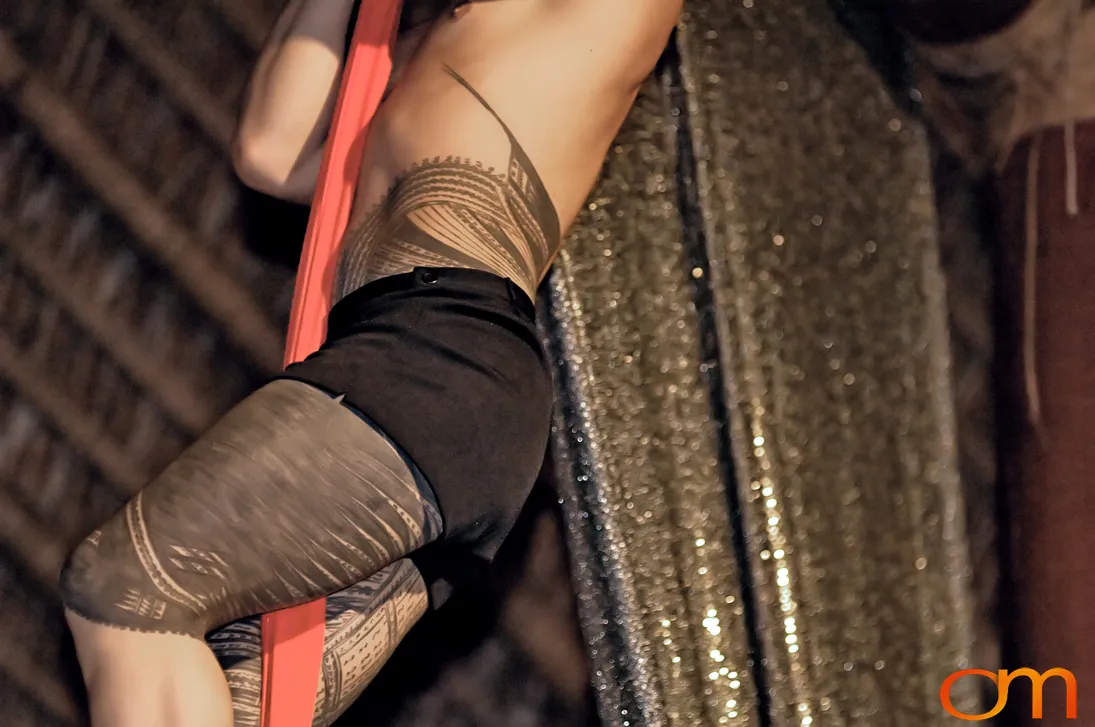
Peʻa lit at night, the man leaning on a red post beside glittering decorations
Curved tatau sweeping across the waist, lavalava held aside on a tree-shaded beach
Smiling man showing his peʻa while standing on a fallen trunk by the sea
Tattooed thighs below a dolphin-and-hibiscus lavalava rolled at the hips
Rows of fine tatau lines ending in a band just above the knees
Lower back and thighs inked solid, patterned cloth knotted at the waist
Detail of the peʻa across one hip, with the sea blurred behind

All Stories →

Fact check: Accuracy matters. If something looks incorrect, please suggest a correction.