Ethiopia
Abijatta-Shalla Lakes National Park
October 2010
Abijatta-Shalla Lakes National Park lies in Ethiopia’s Central Rift Valley, approximately 200 kilometres south of Addis Ababa. Covering about 887 square kilometres, the protected landscape includes Lakes Abijatta, Shalla, and Chitu, together with grasslands, acacia–euphorbia woodland, volcanic formations, hot springs, and the elevated ridge surrounding Mount Fike.
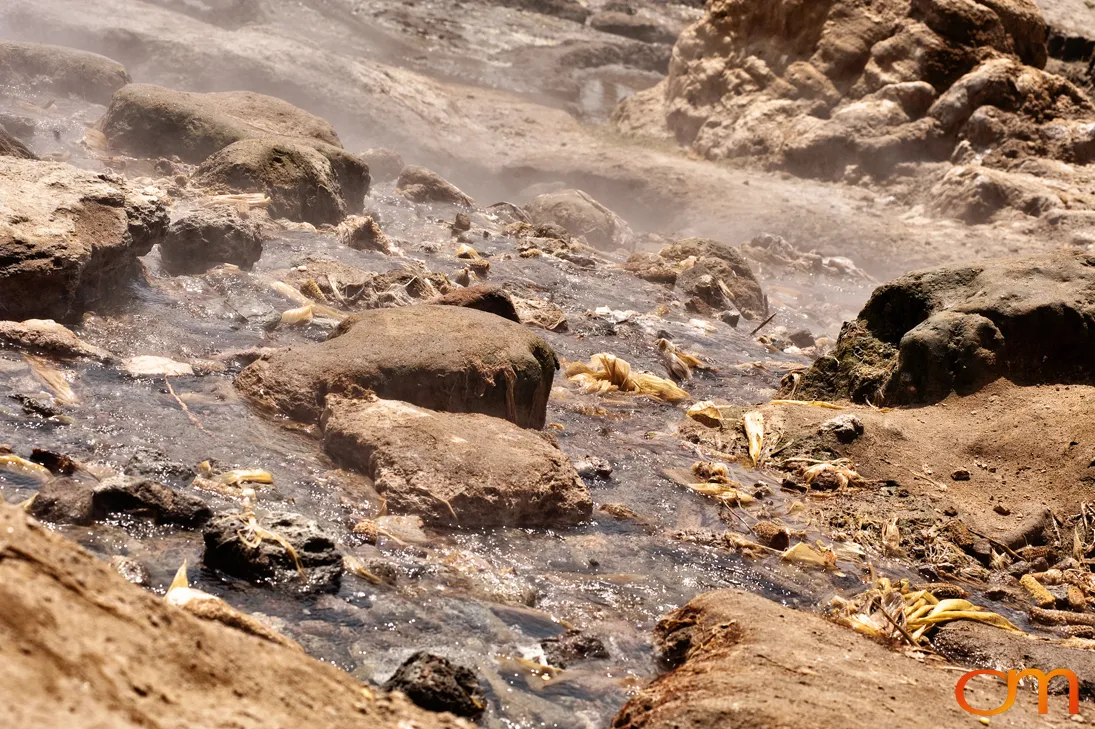
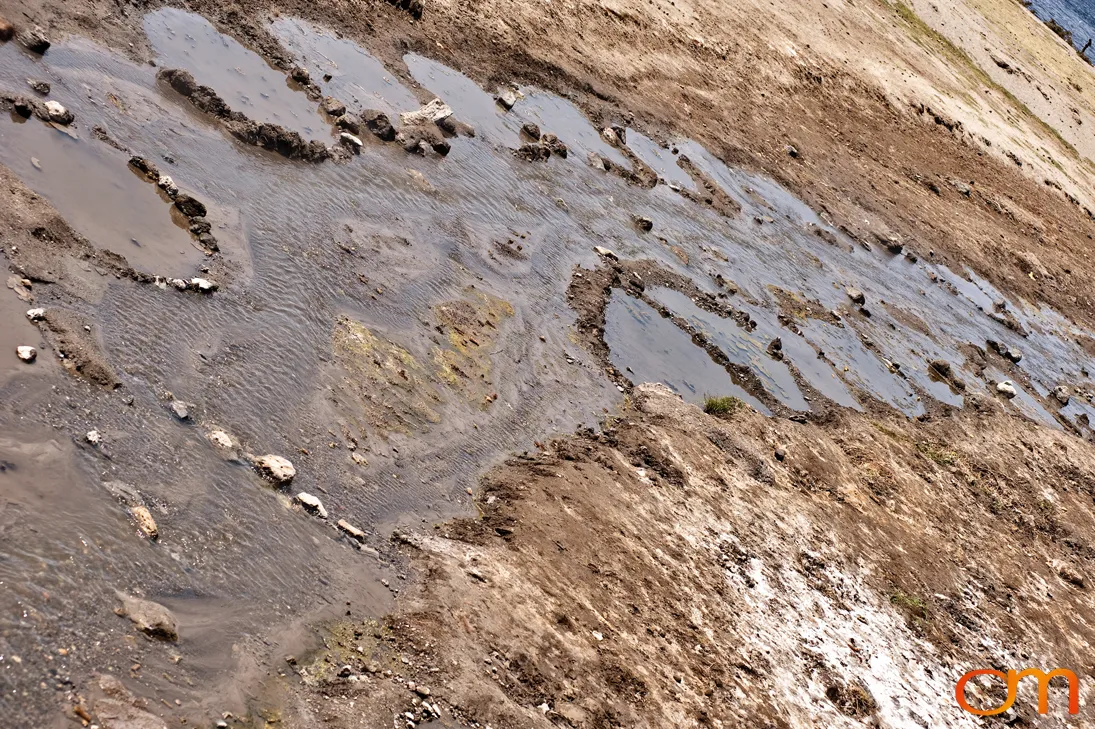
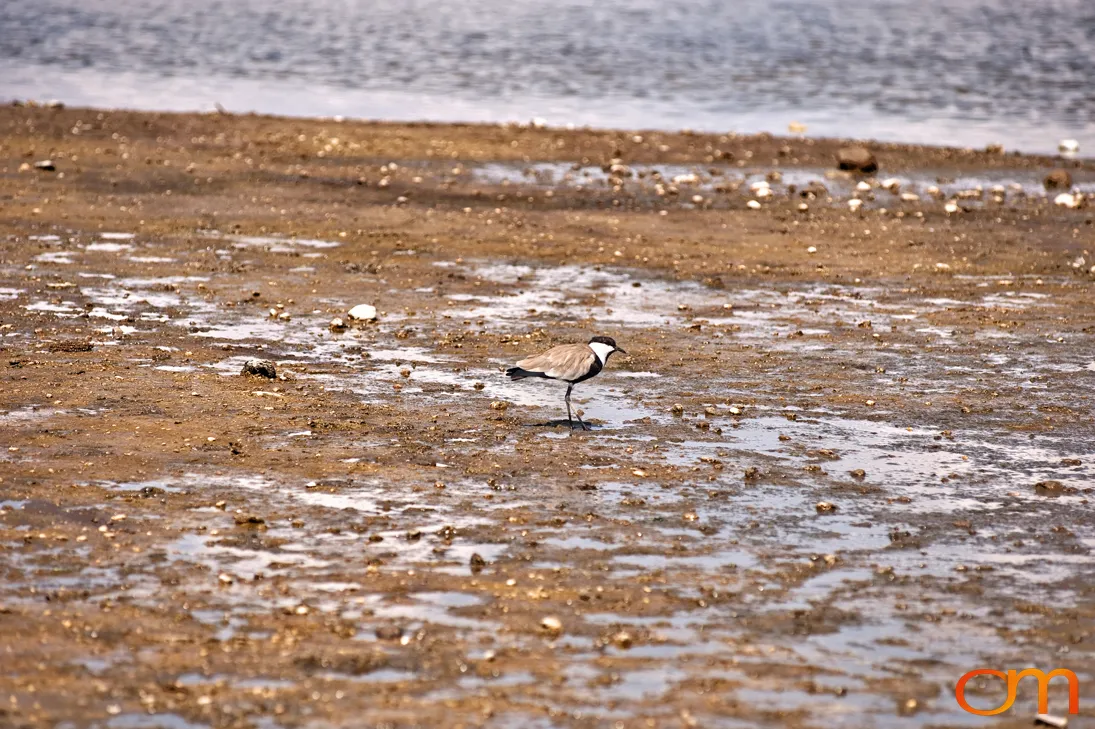
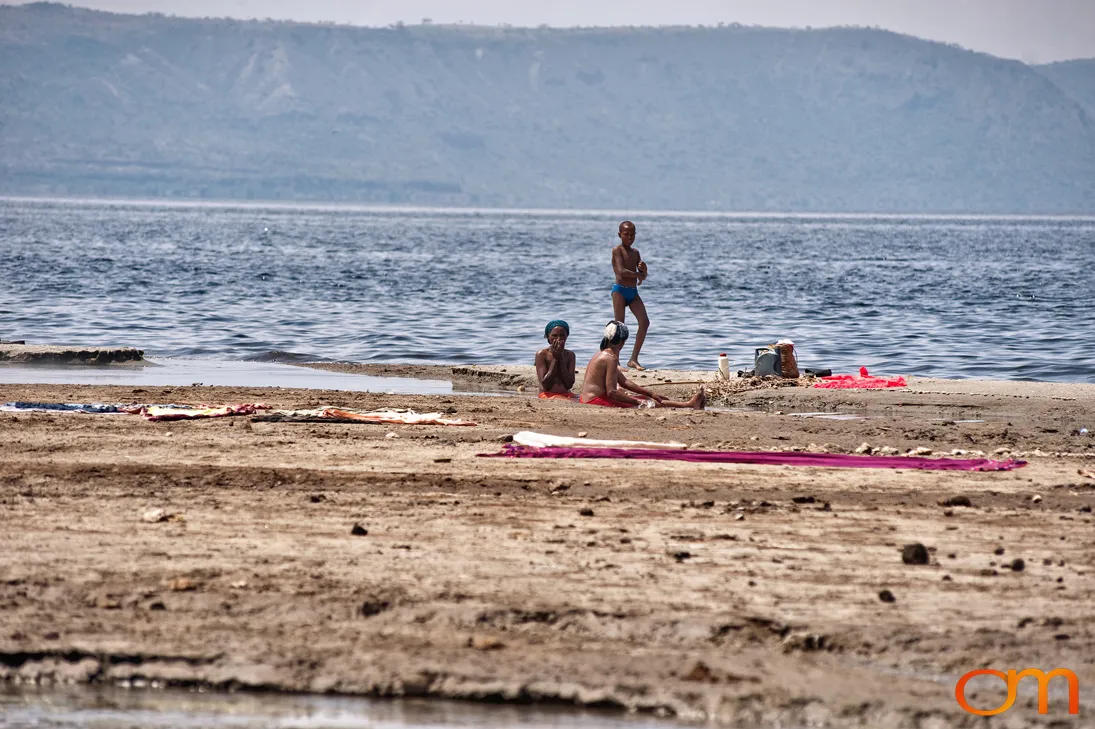
The park’s two principal lakes are remarkably different. Lake Abijatta is a shallow, alkaline lake reaching approximately 14 metres at its deepest point. Its productive waters and exposed shoreline provide feeding and resting habitat for flamingos, ducks, waders, and migratory birds. Lake Shalla occupies the crater of an extinct volcano and reaches approximately 266 metres, making it Ethiopia’s deepest lake. Its steep shores contain geothermal springs, cliffs, and islands historically used by pelicans, cormorants, and storks for breeding.
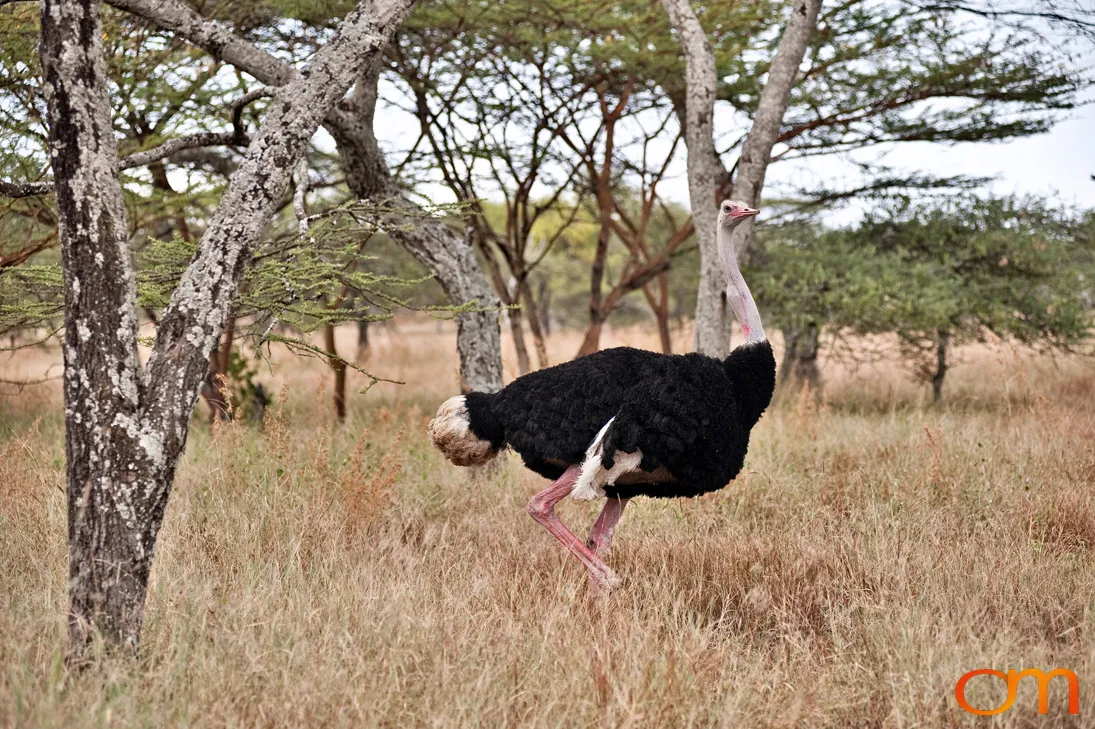
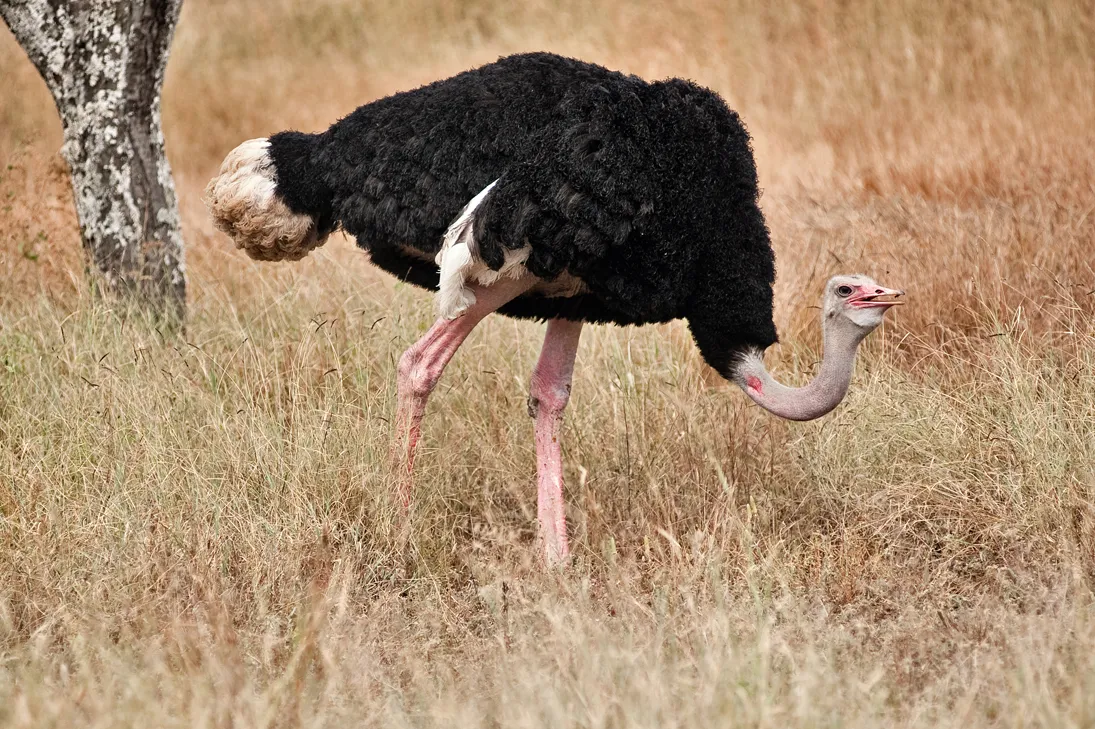
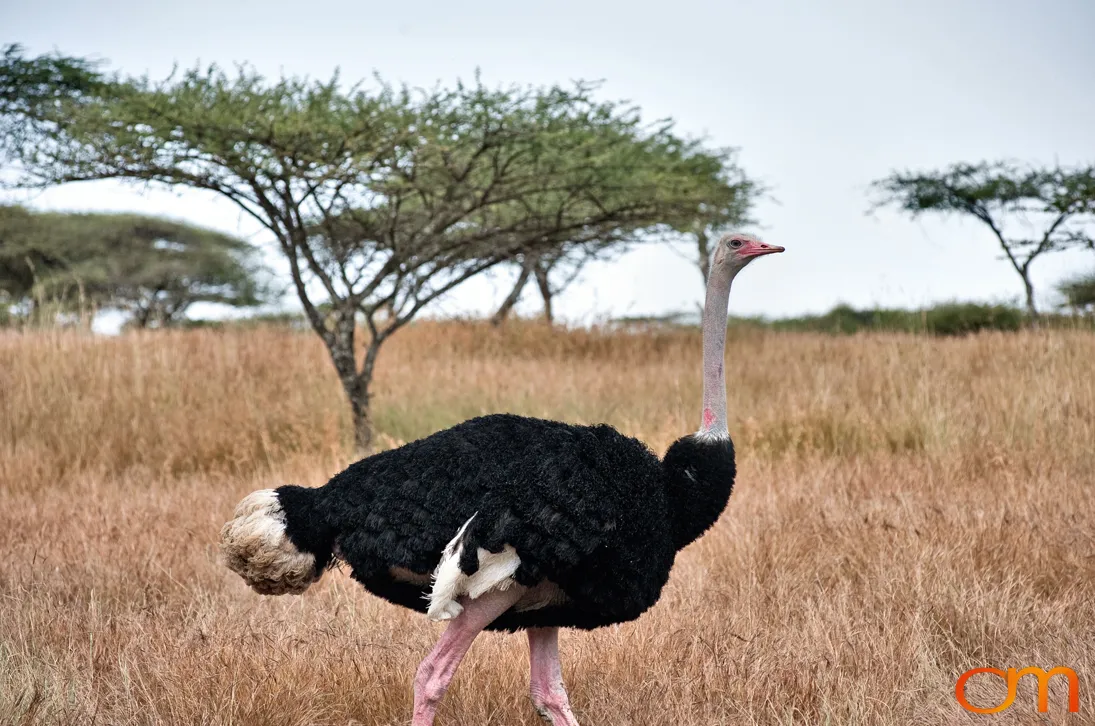
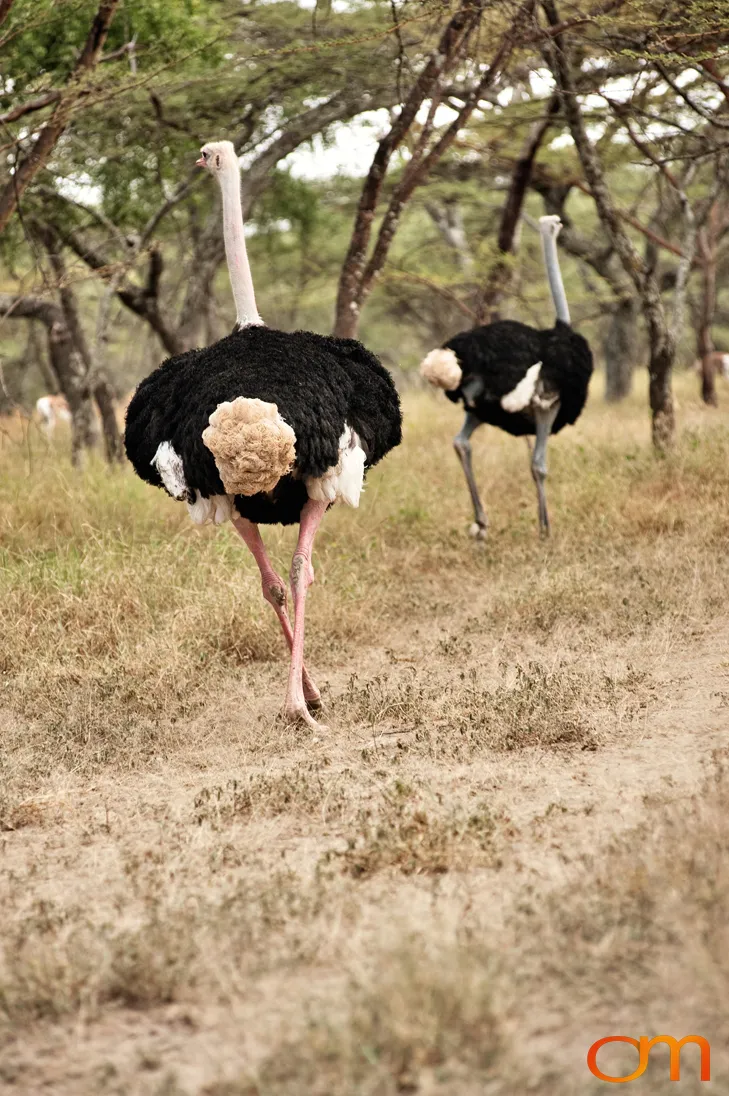
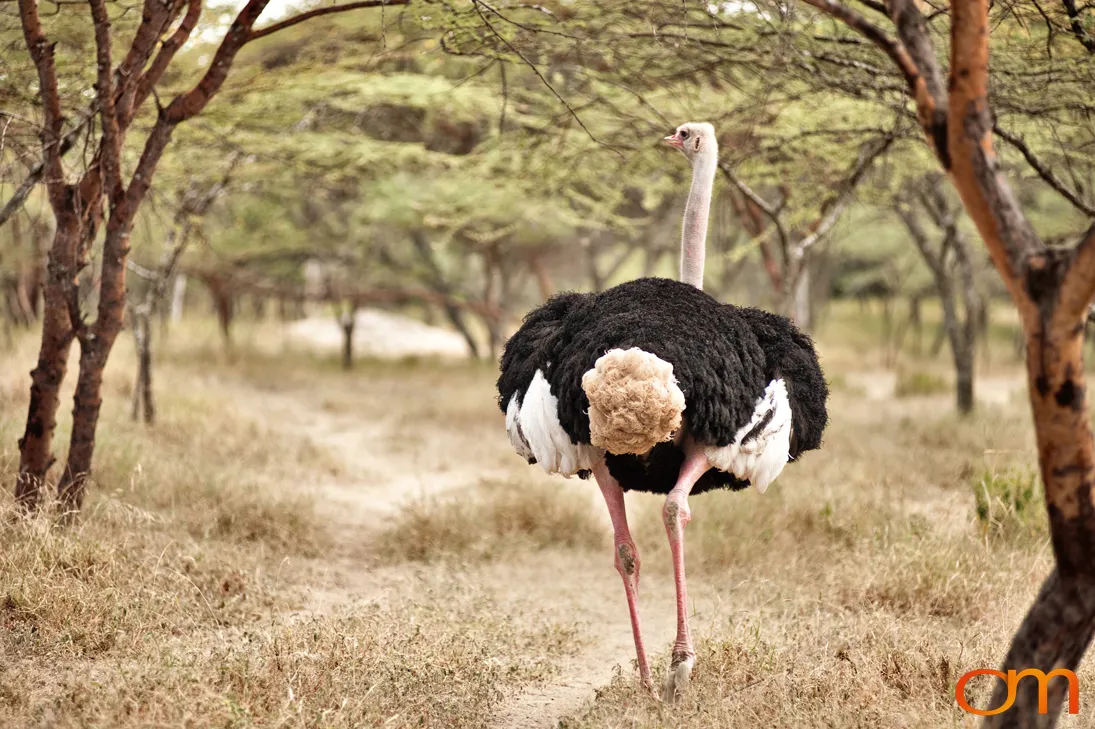
More than 400 bird species have been recorded in the park. Its location at one of the narrower sections of the Great Rift Valley places it along an important migration route used by both African and Palearctic birds. Greater and lesser flamingos are among its most recognizable seasonal visitors, while ostriches inhabit the surrounding grasslands and open woodland.
Historically, great white pelicans nested on islands in Lake Shalla but flew to Lake Abijatta to catch fish for their chicks. This movement connected the two lakes as a single ecological system. Declining water levels and fish populations later disrupted this relationship and caused many fish-eating birds to leave the area.
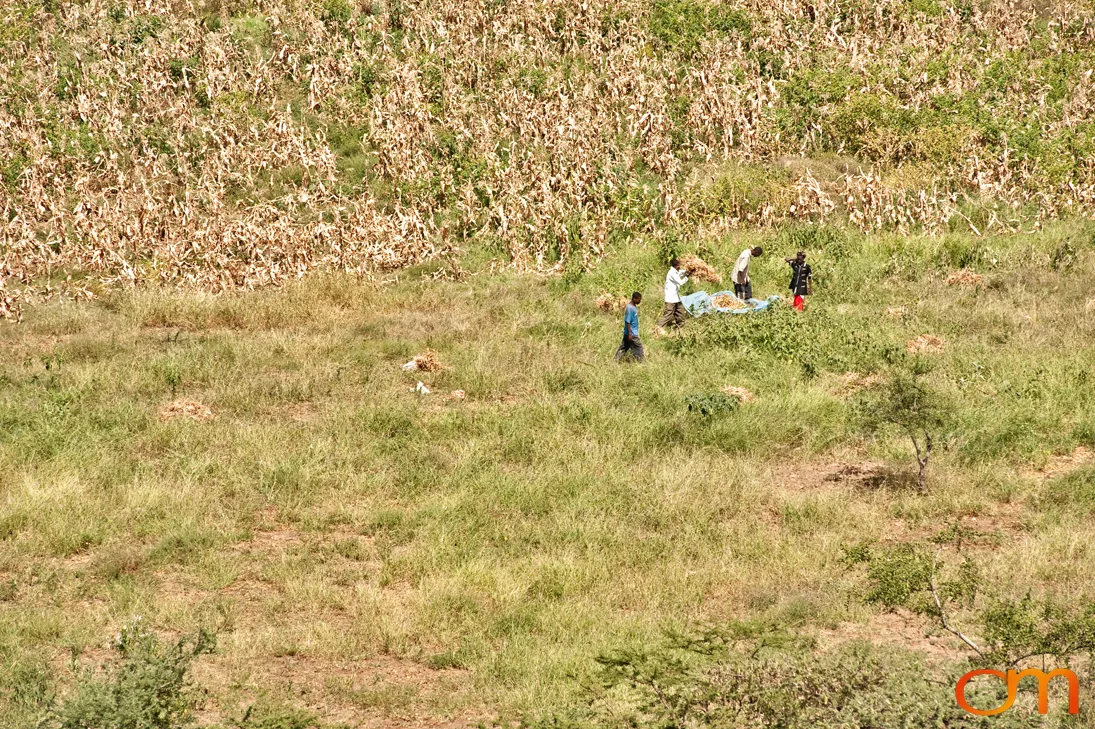
The park has experienced substantial pressure from water extraction, agricultural expansion, livestock grazing, tree cutting, erosion, and pollution. Rehabilitation efforts began during the mid-1990s, and more recent conservation projects have worked with surrounding communities to restore vegetation, reduce soil erosion, and improve management of the wider watershed.
Field documentation: Photographed in 2010.