Chefchaouen
Chefchaouen: The Blue City
July 2015
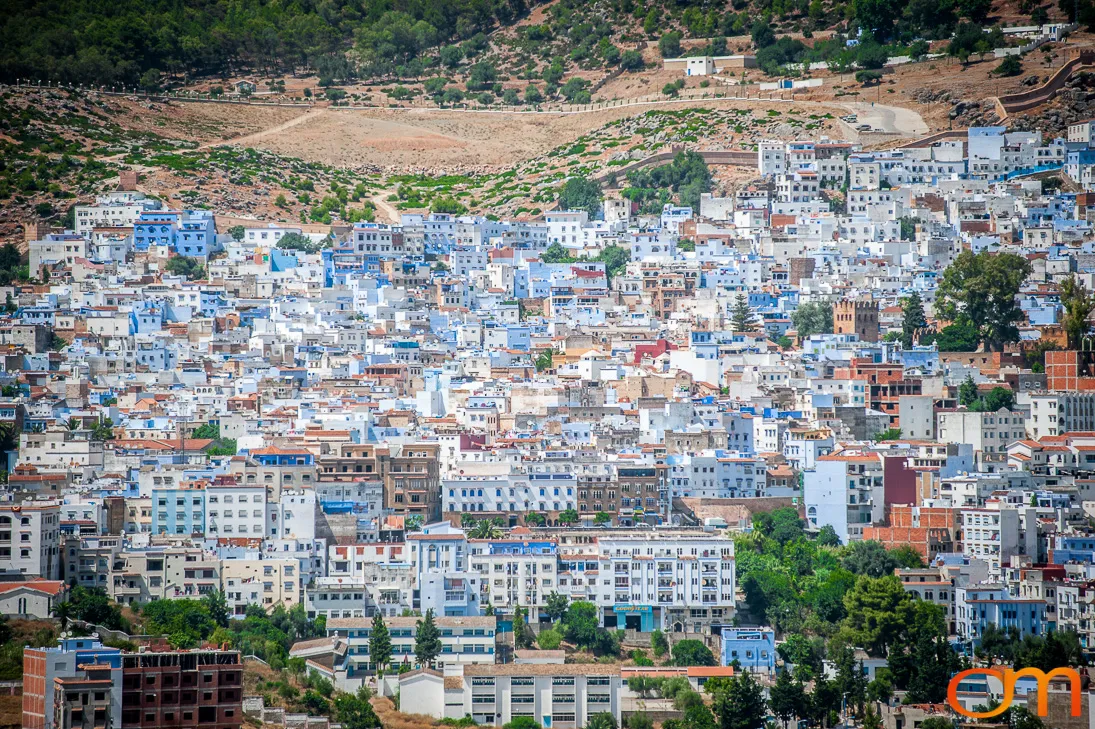
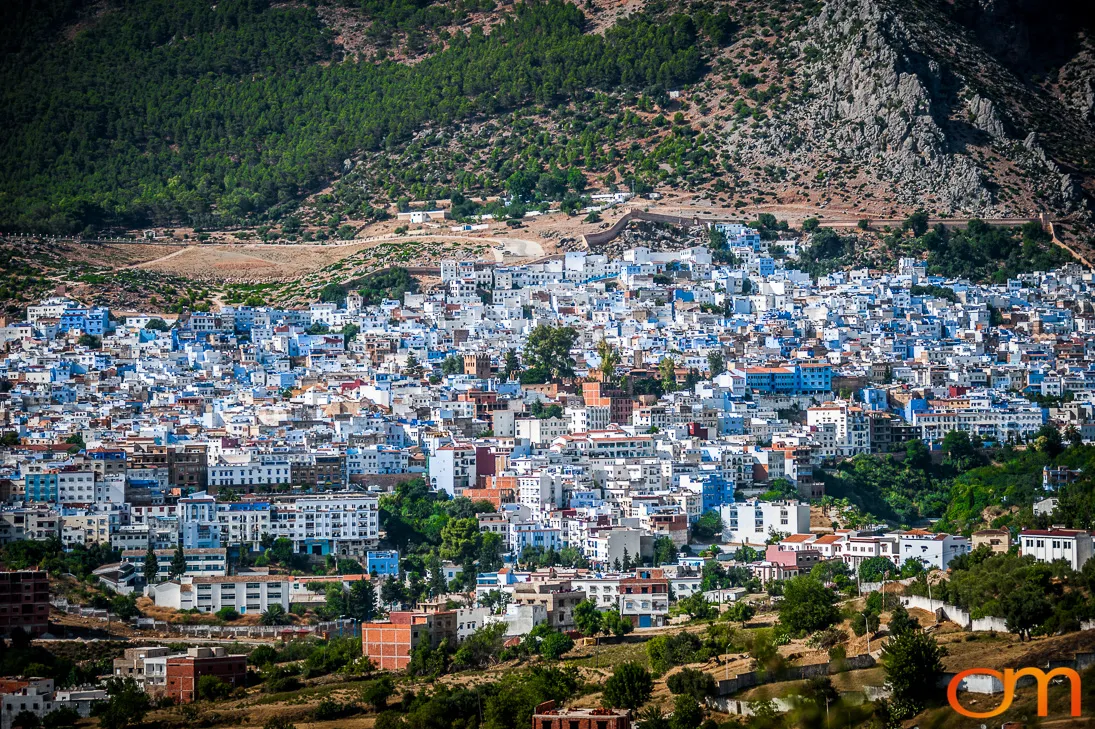
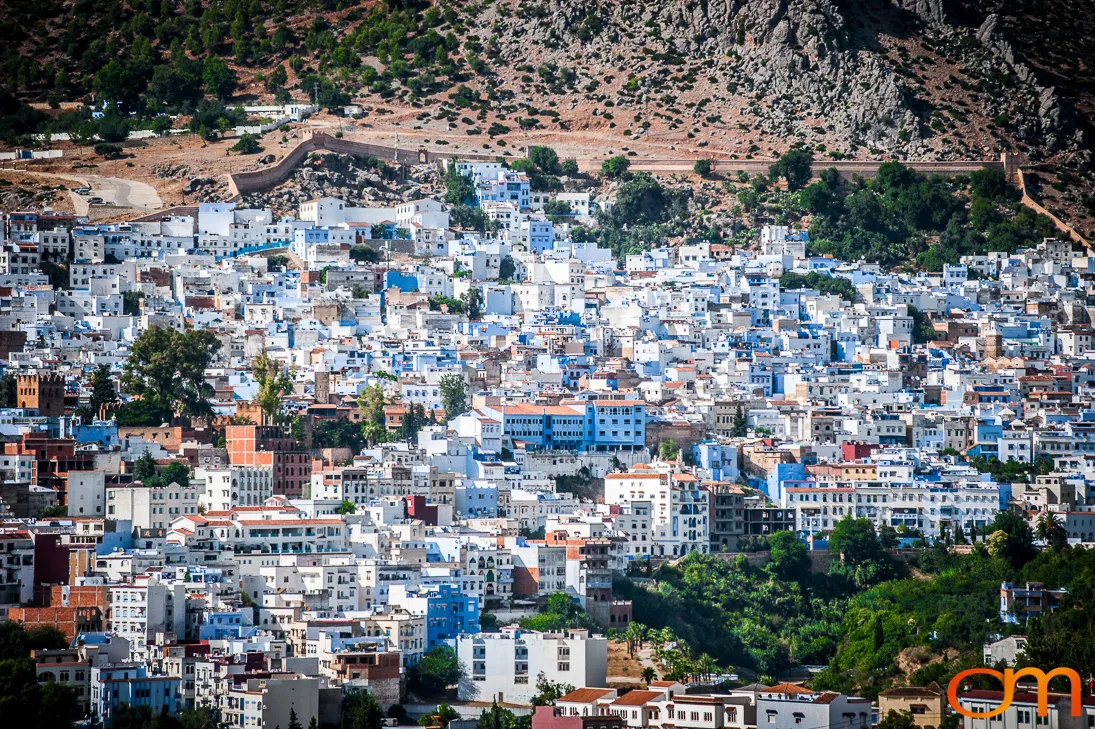
Chefchaouen is situated in the Rif Mountains of northwestern Morocco. The city was founded in 1471 by Ali ibn Rashid al-Alami around a fortified kasbah intended to strengthen resistance to Portuguese expansion along the northern Moroccan coast.
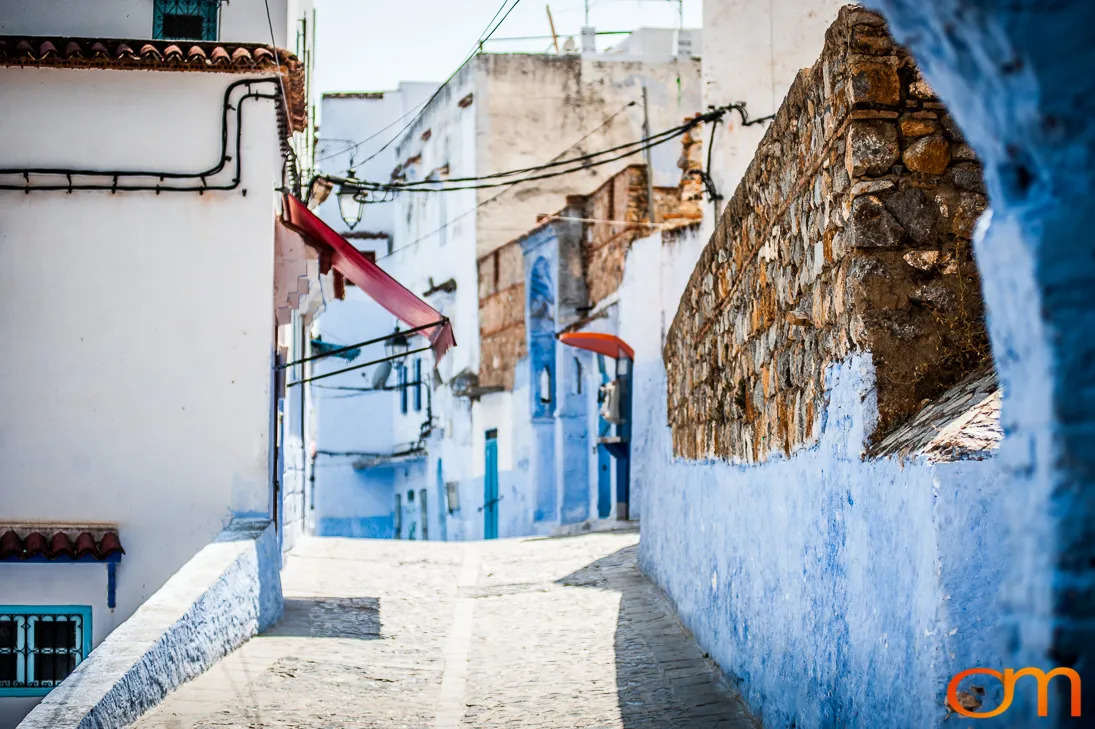
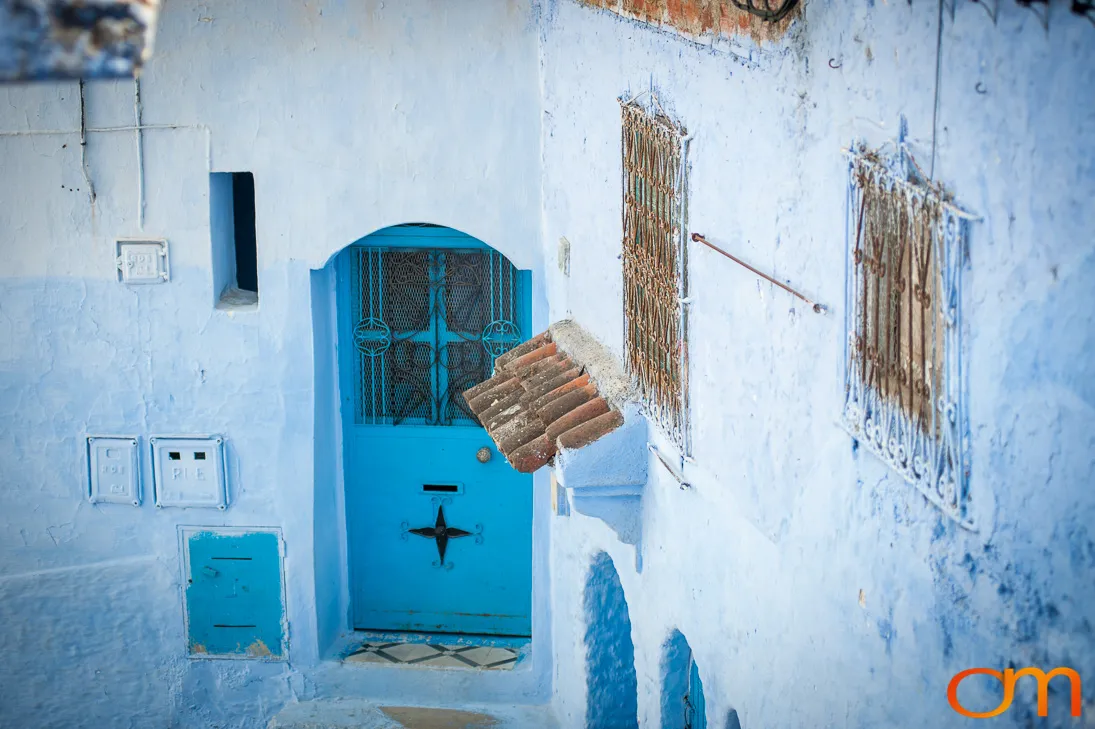
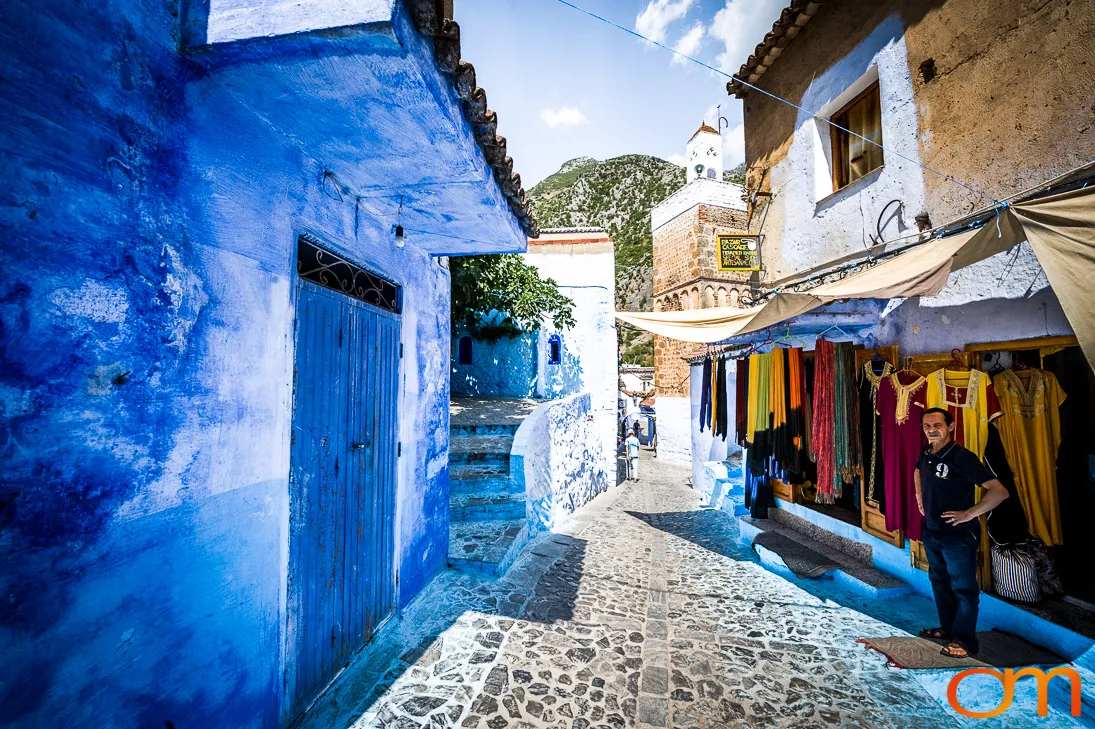
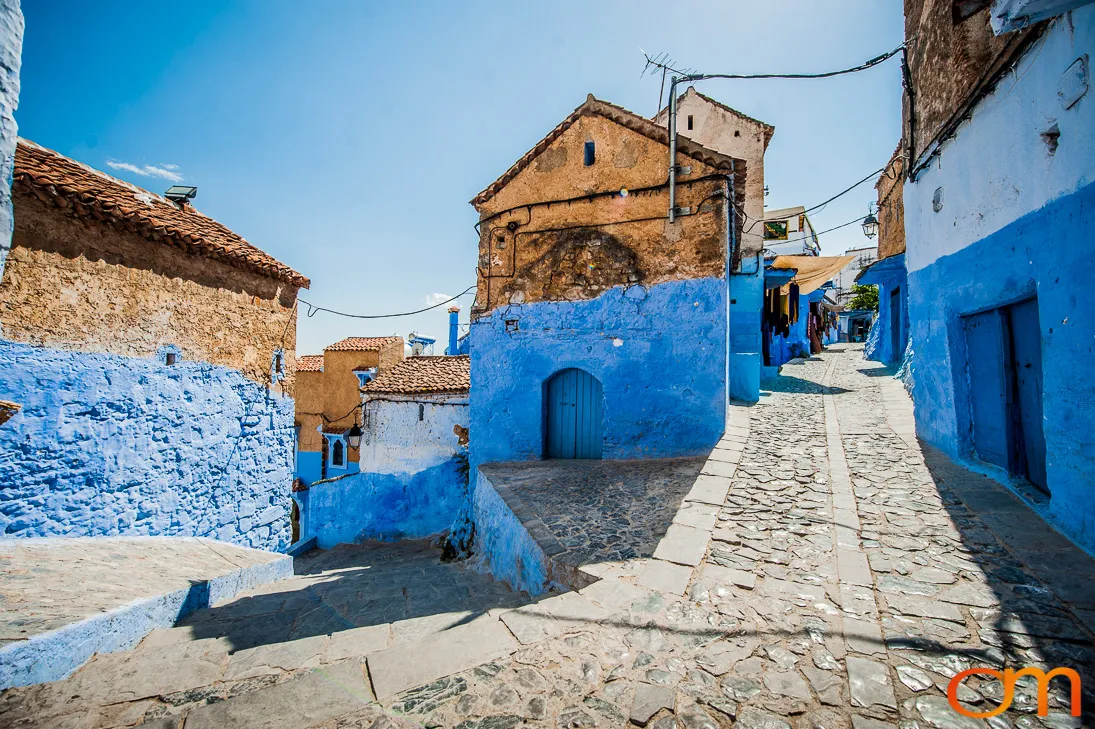
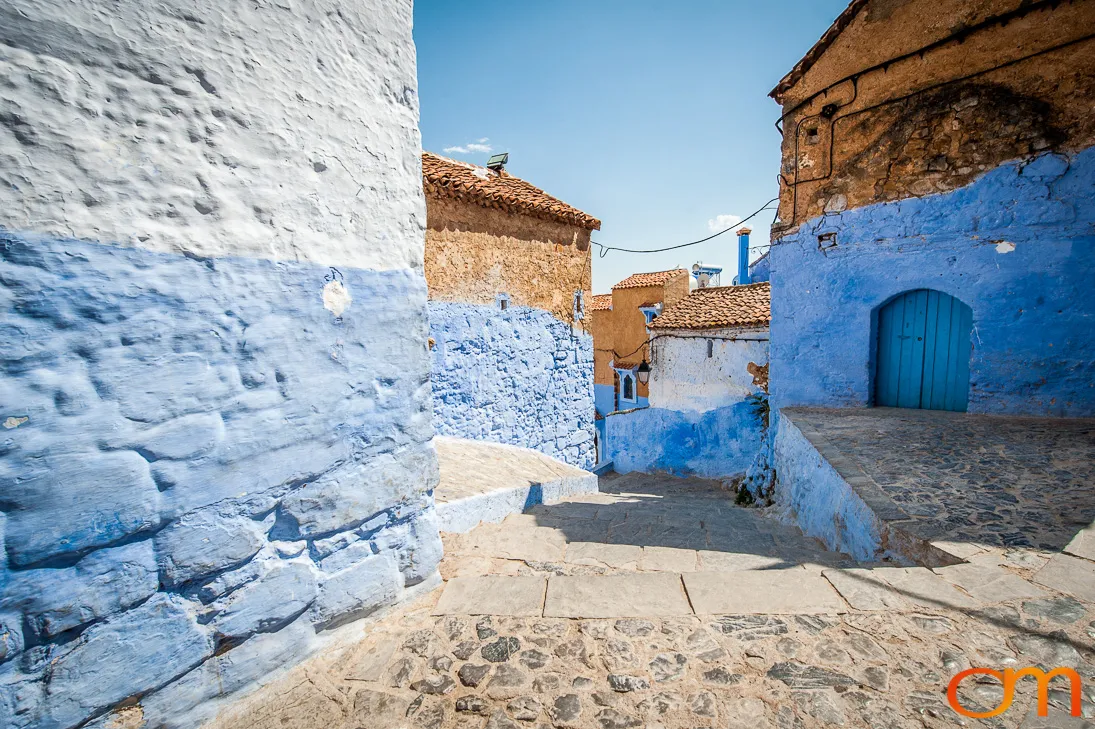
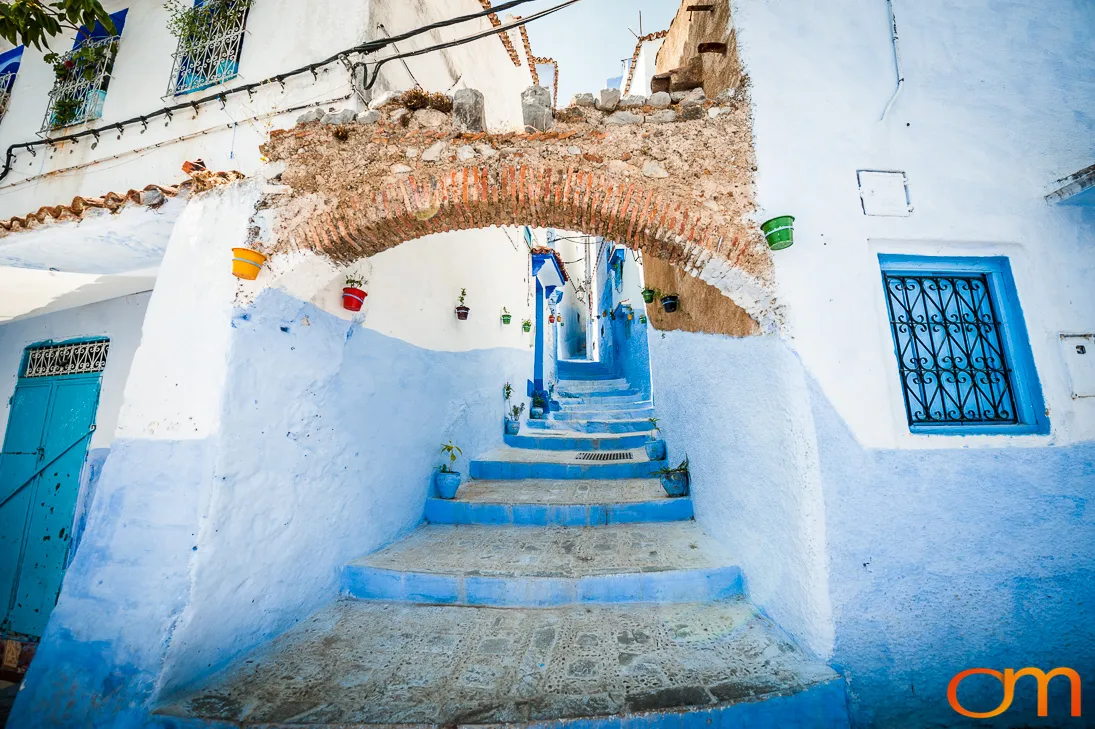
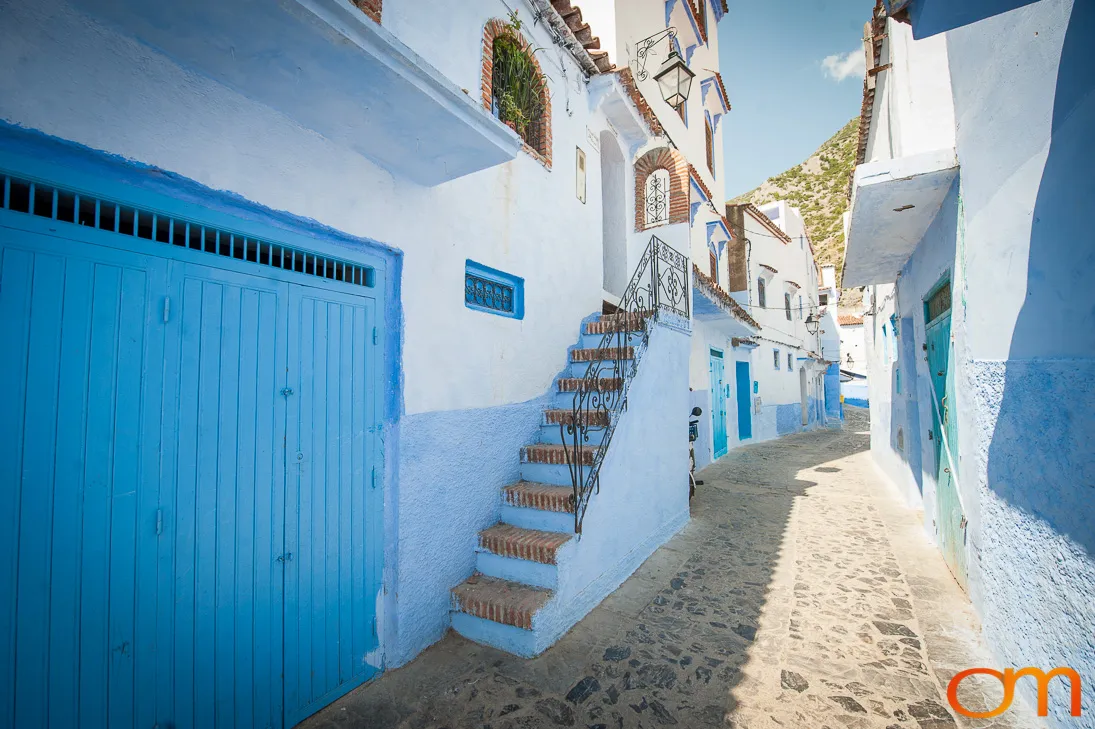
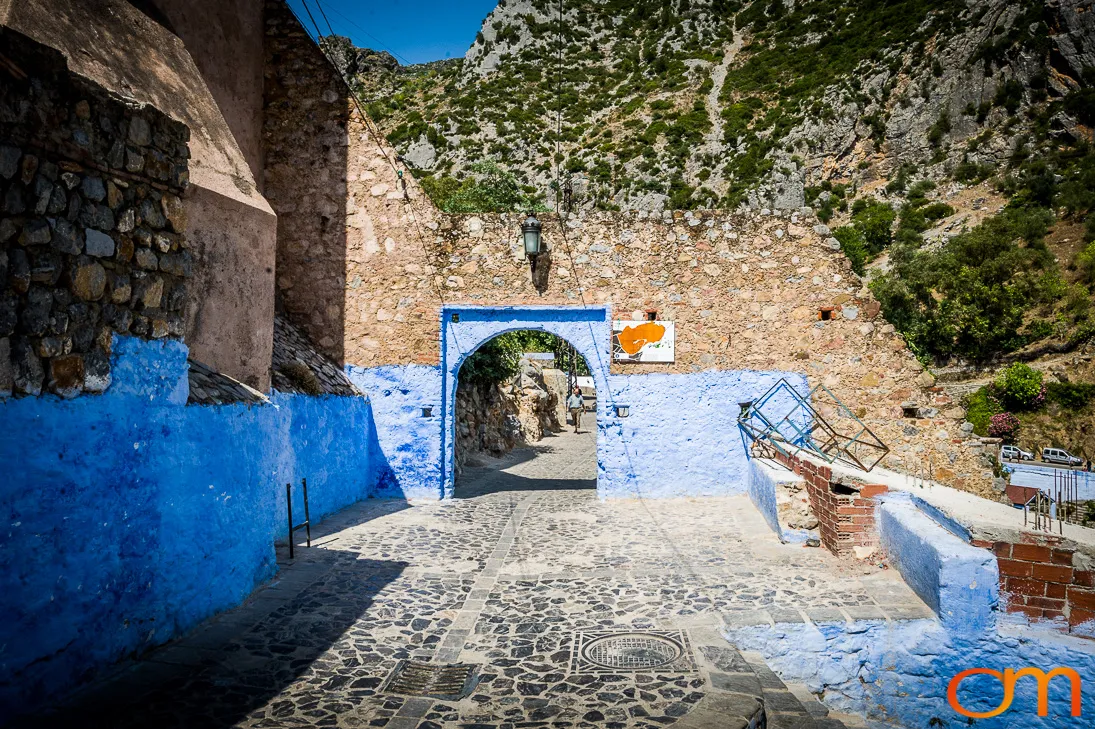
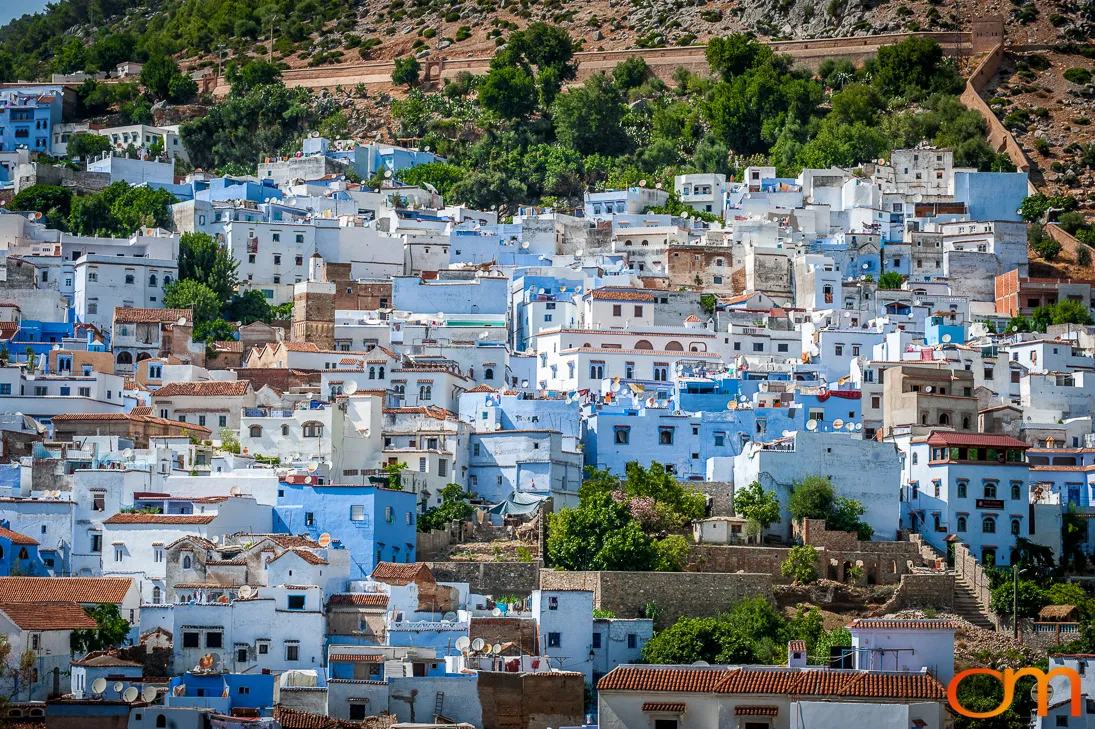
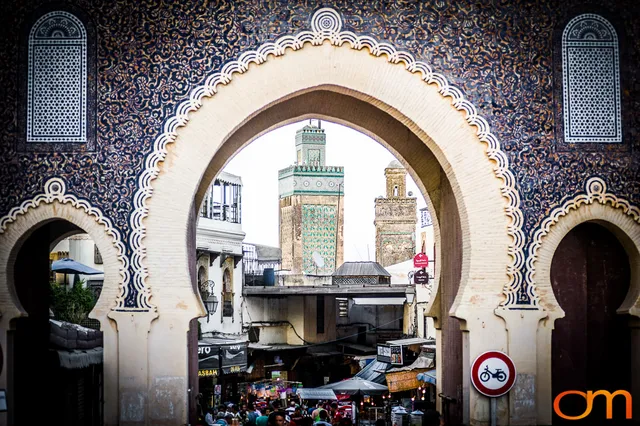
The settlement later received Muslim and Jewish communities arriving from the Iberian Peninsula. Their traditions combined with those of the surrounding region and contributed to the Andalusian influence still visible in the medina’s narrow streets, interior courtyards, tiled roofs, arches, and whitewashed buildings.
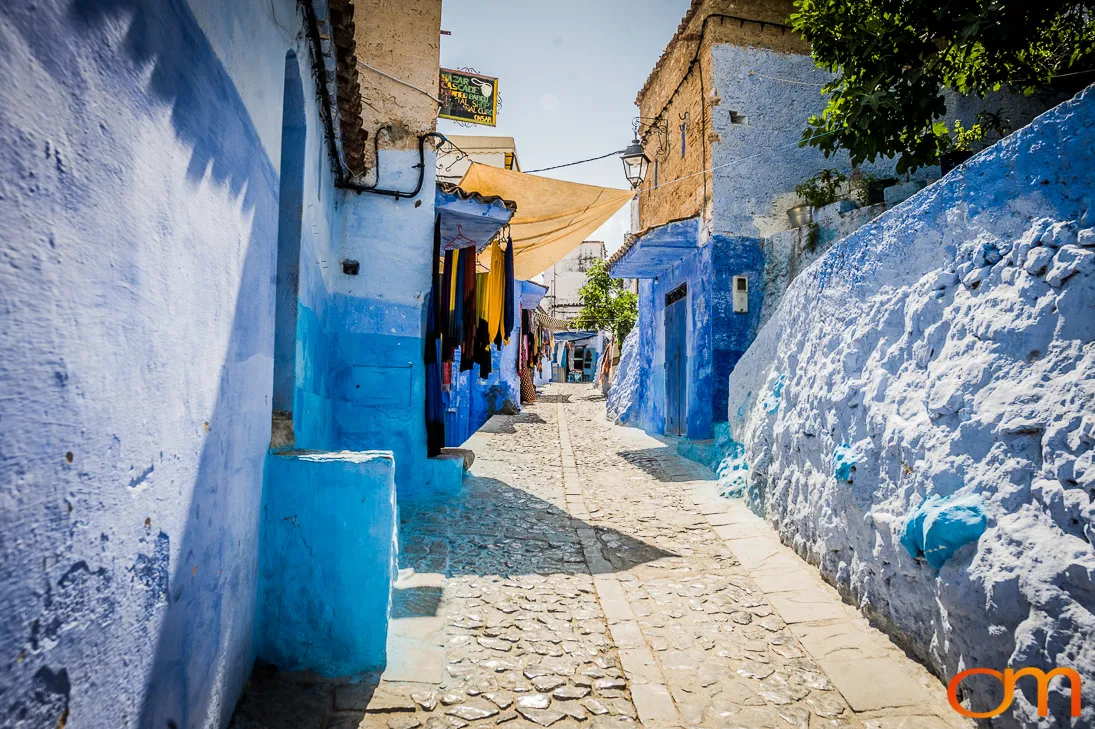
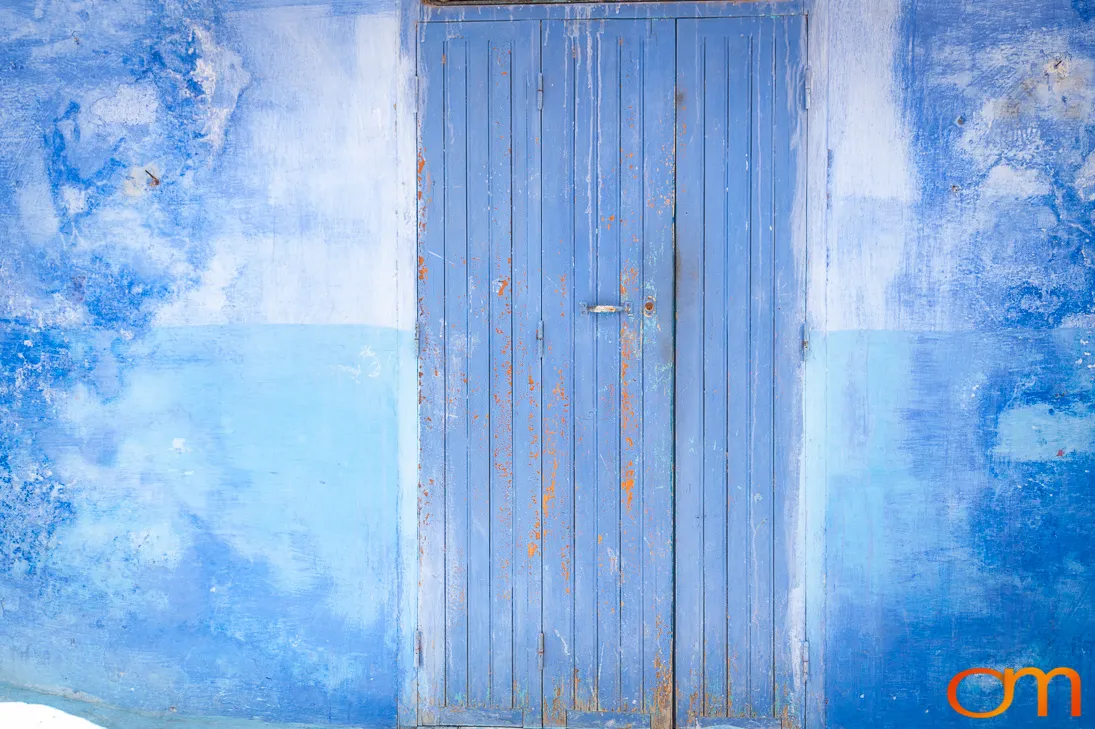
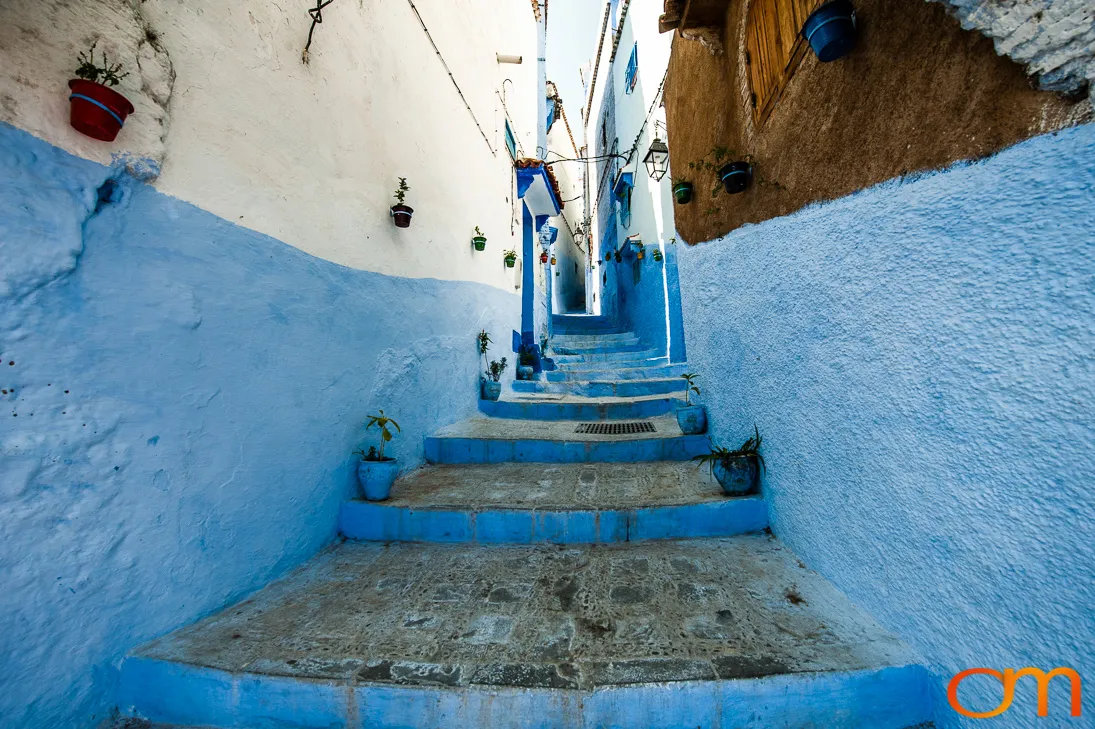
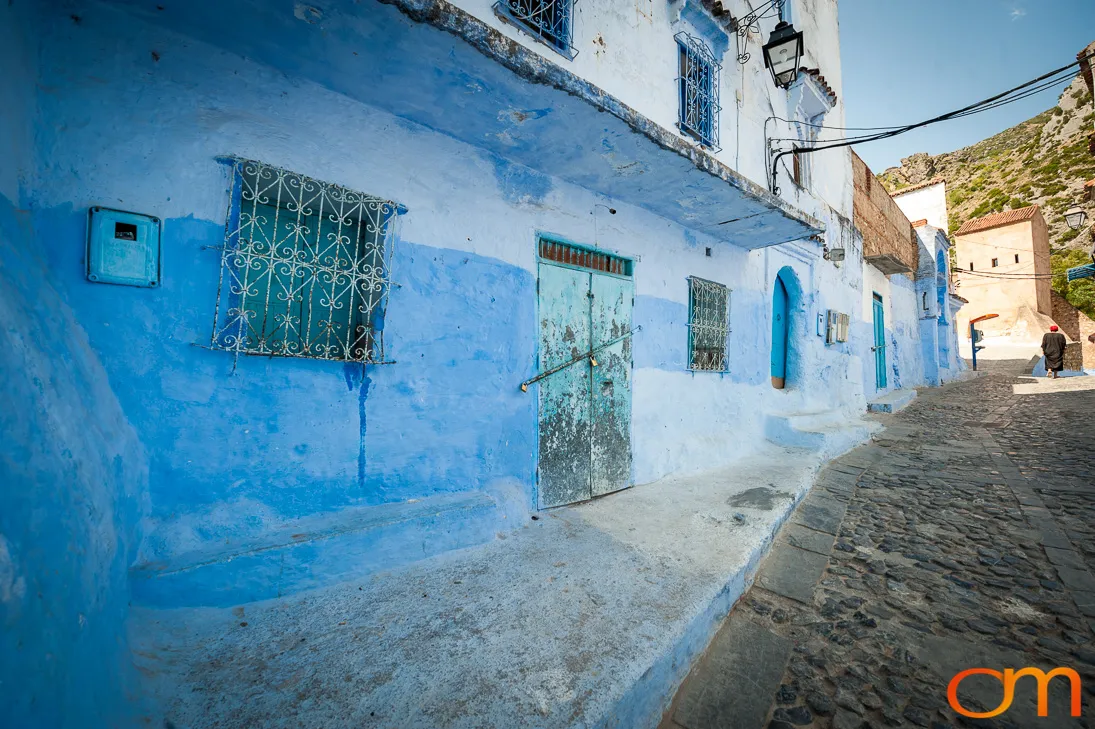
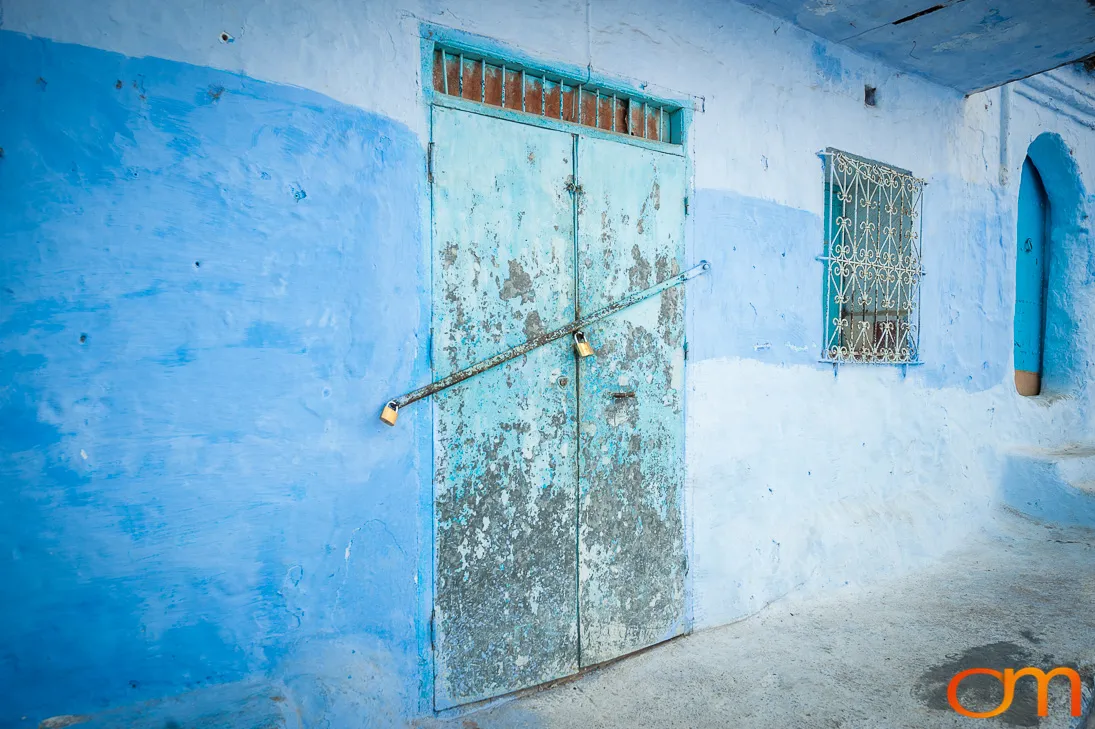
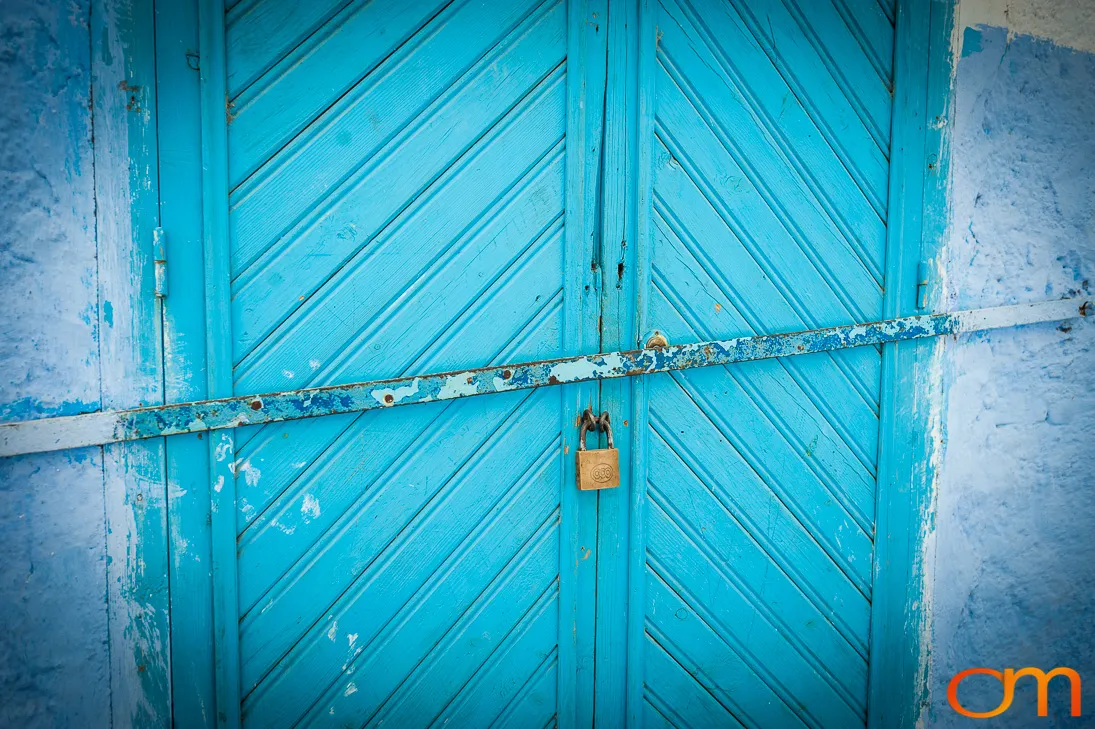
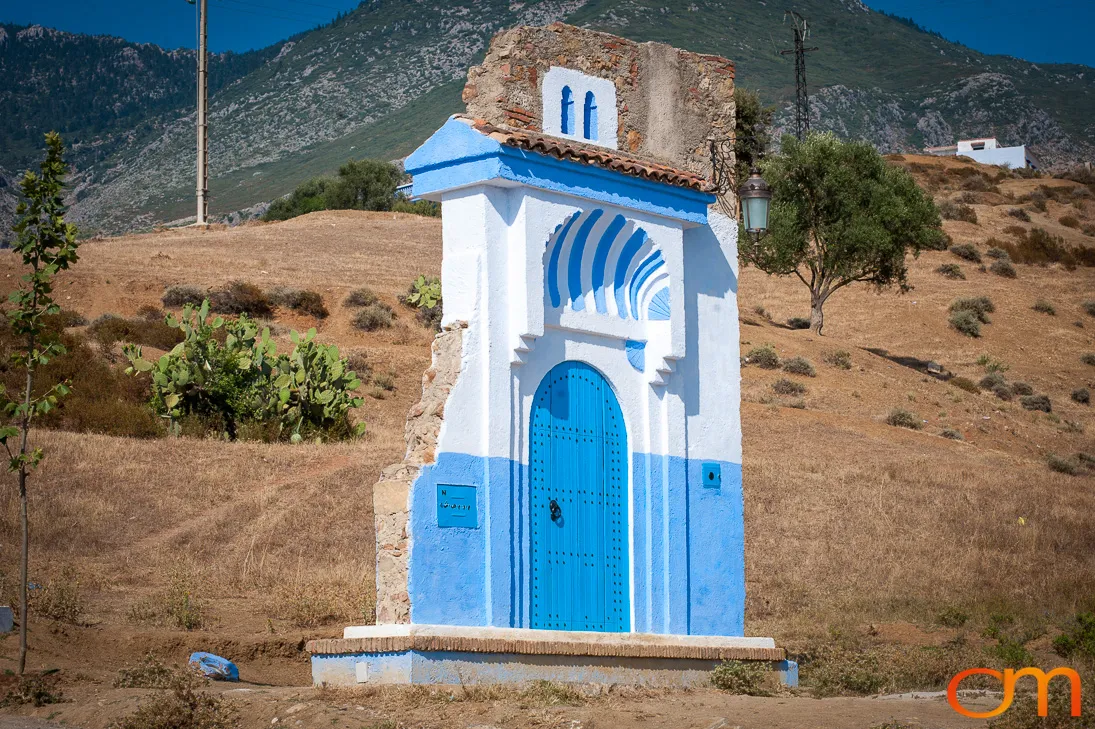
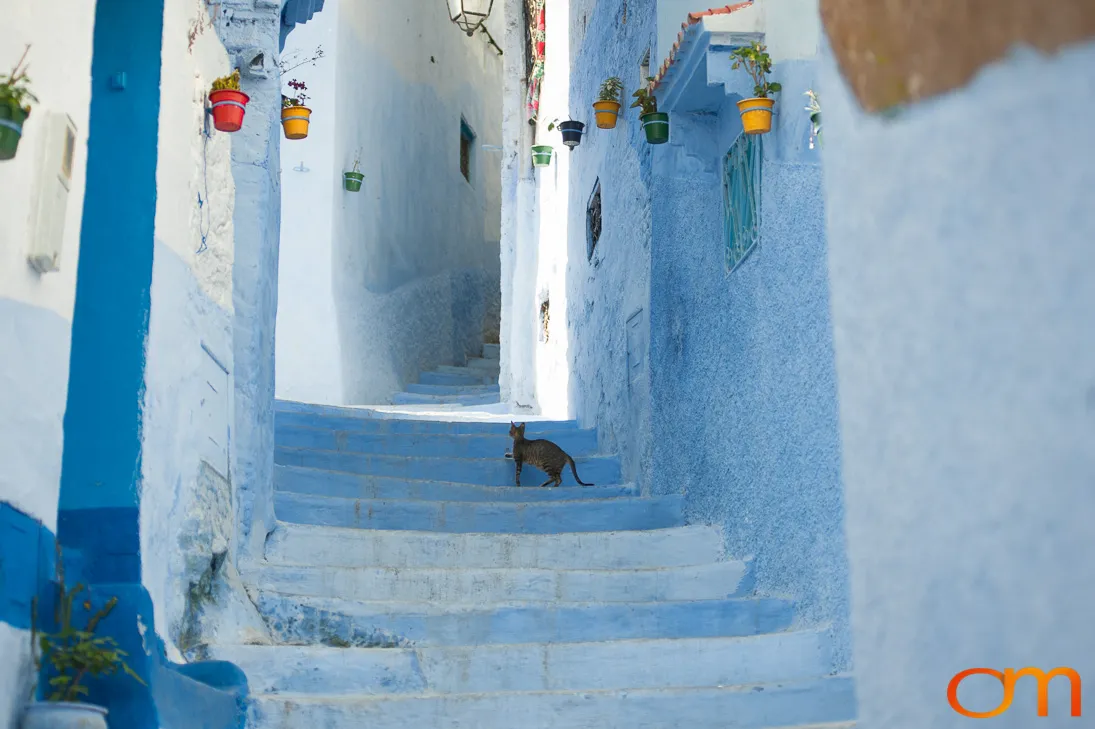
Chefchaouen is best known for the blue-painted walls, doors, stairways, and passages of its medina. The origin of this tradition is uncertain. Proposed explanations include associations between blue and the sky or the divine within Jewish tradition, claims that the color discourages mosquitoes, and the simple visual appeal of the blue-washed streets. In more recent decades, the city’s distinctive appearance and its importance to tourism have also encouraged residents and businesses to preserve and expand the use of blue. No single explanation is universally accepted.
The medina centers on Place Outa el-Hammam, near the historic kasbah and Great Mosque. At the eastern edge of the old city, the Ras al-Ma spring historically supplied water to Chefchaouen and its network of fountains, channels, and mills.
Field photographs taken in 2015.
Fact Box: Beyond the Blue Walls
- Founded: 1471
- Historic core: A fortified kasbah and walled medina
- Alternate name: Chaouen
- Name meaning: Chefchaouen is commonly interpreted as “look at the horns,” referring to two mountain peaks overlooking the city.
- Distinctive landmark: The Great Mosque is known for its octagonal minaret.
- Historic water source: Ras al-Ma, located just outside the medina
- UNESCO connection: Chefchaouen is one of the emblematic communities associated with UNESCO’s multinational inscription of the Mediterranean diet as Intangible Cultural Heritage.