Agra
The Taj Mahal and the Living City, Agra 2016
April 2016
Agra stands on the Yamuna River in Uttar Pradesh, northern India. Agra District contains three UNESCO World Heritage properties: the Taj Mahal, Agra Fort, and Fatehpur Sikri, each representing a distinct period and aspect of Mughal architecture and imperial history.
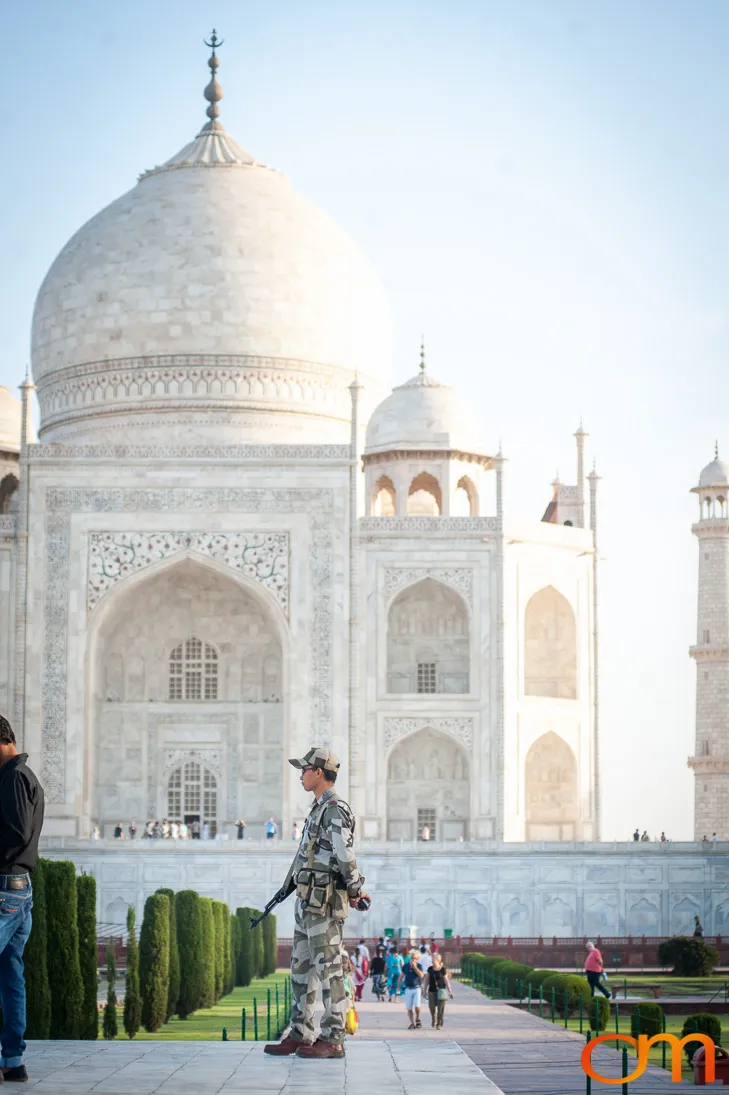
The Taj Mahal was commissioned by the Mughal emperor Shah Jahan as a mausoleum for his wife Mumtaz Mahal. Construction of the principal white-marble mausoleum began in 1632 and was completed in 1648. The mosque, guesthouse, gateway, outer courtyard, and associated structures were completed by 1653.
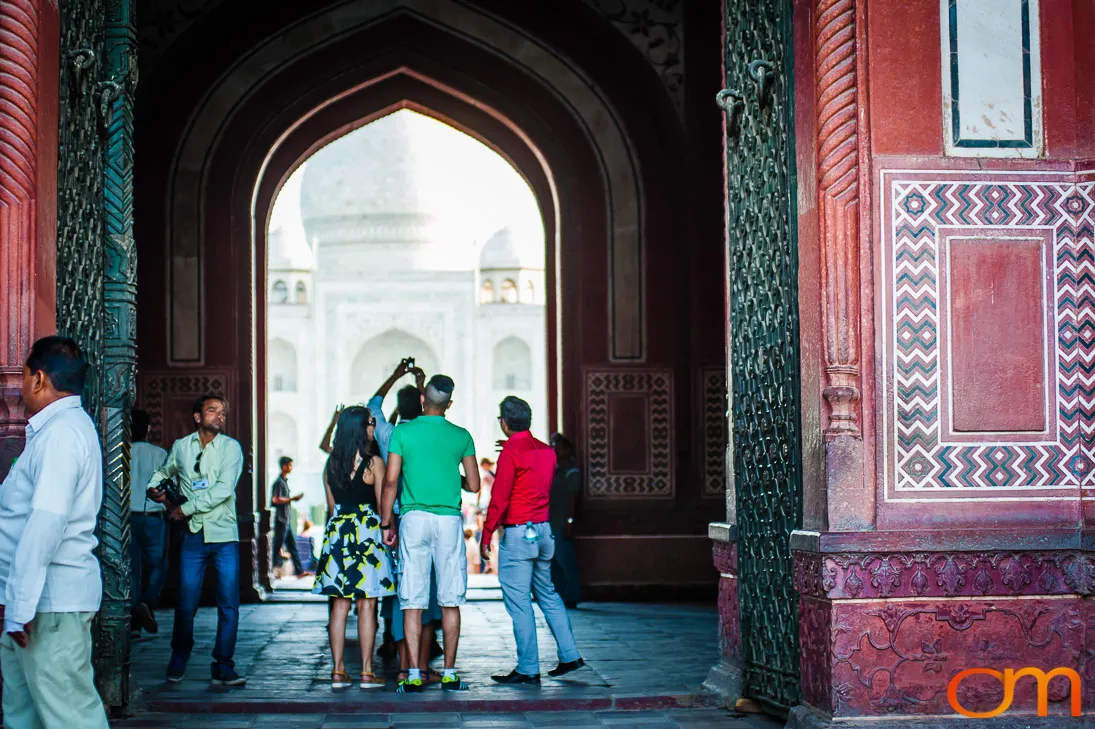
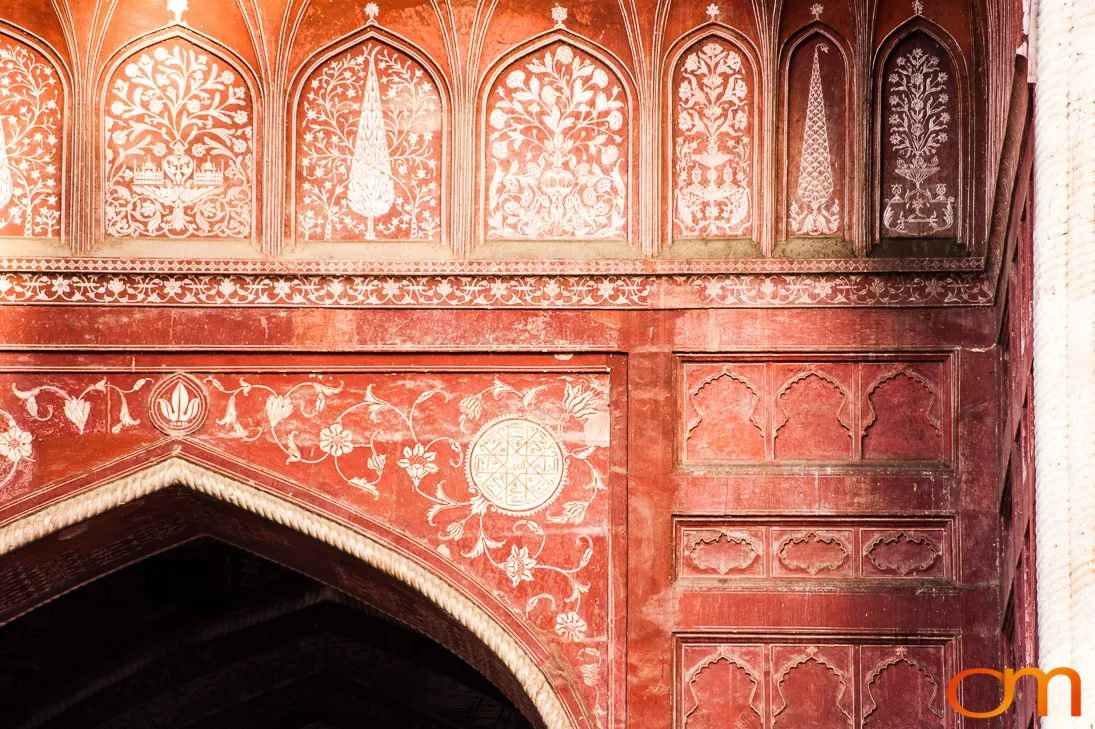
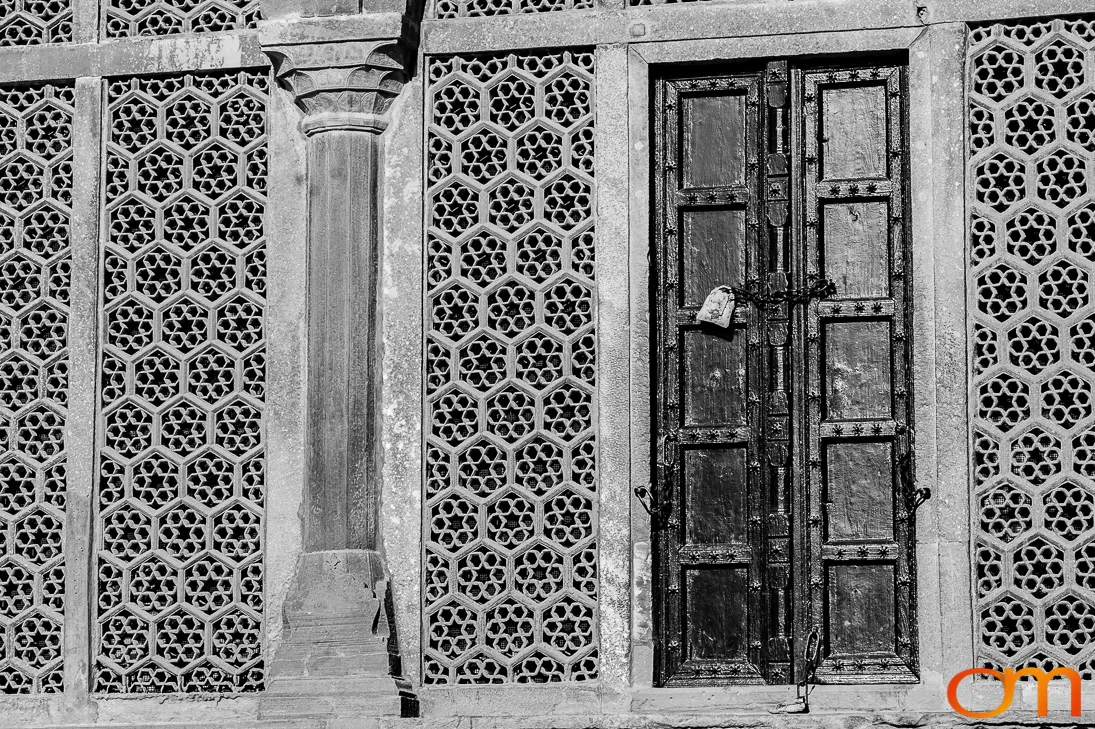
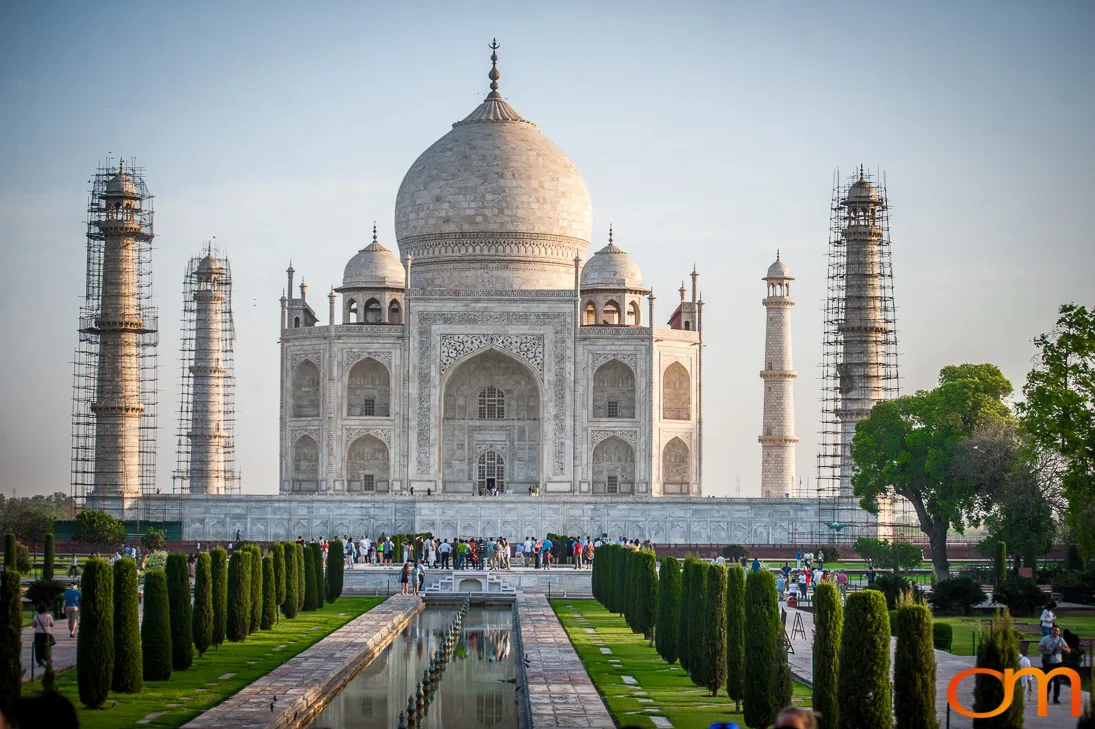
The complex is organized around a central axis and strong bilateral symmetry. Four freestanding minarets frame the marble tomb, while red sandstone was used for the mosque, guesthouse, gateway, and several surrounding structures. Decorative features include carved marble, pierced stone screens known as jalis, Quranic calligraphy, and floral designs created through stone inlay, a technique often described as pietra dura or parchin kari.
The monuments visible inside the principal chamber are cenotaphs rather than the actual graves. Mumtaz Mahal’s cenotaph lies on the central axis. Shah Jahan’s larger cenotaph was later placed beside it, creating the complex’s most prominent departure from symmetry. Their graves are located in a lower crypt.
When these photographs were made in 2016, scaffolding surrounded several of the Taj Mahal’s minarets. The structures were undergoing conservation work intended to remove discoloration and accumulated surface deposits from the marble. One treatment involved applying a clay-based paste, often called a mud pack, before carefully washing the stone.
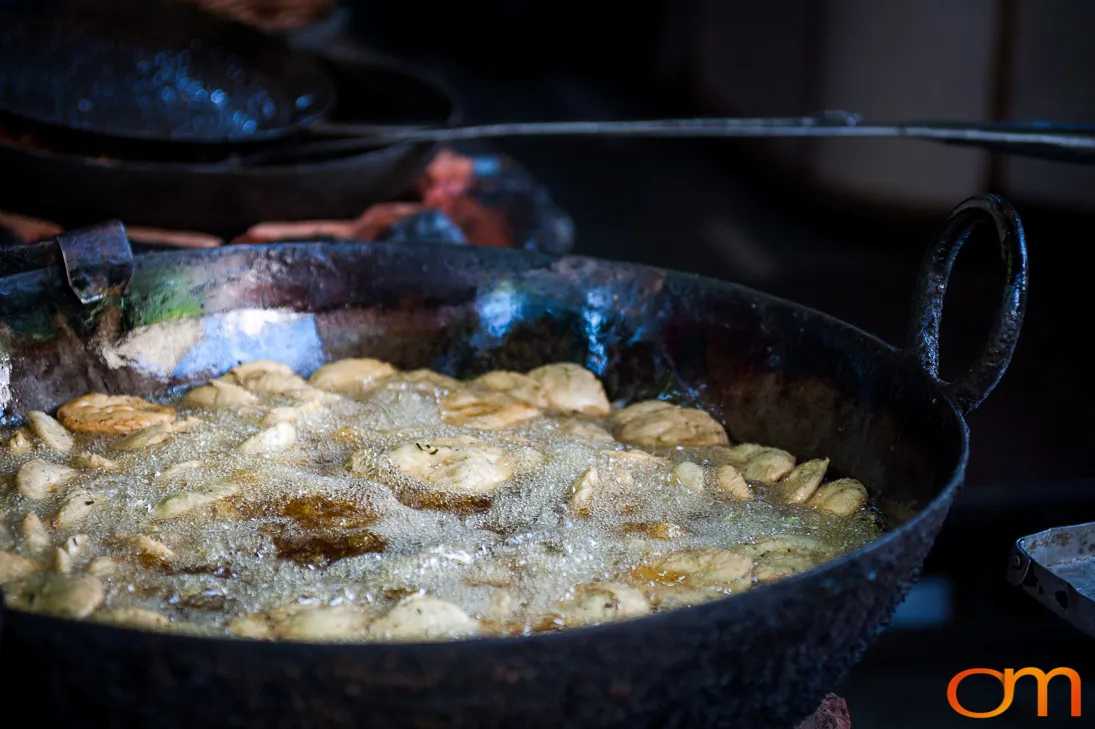
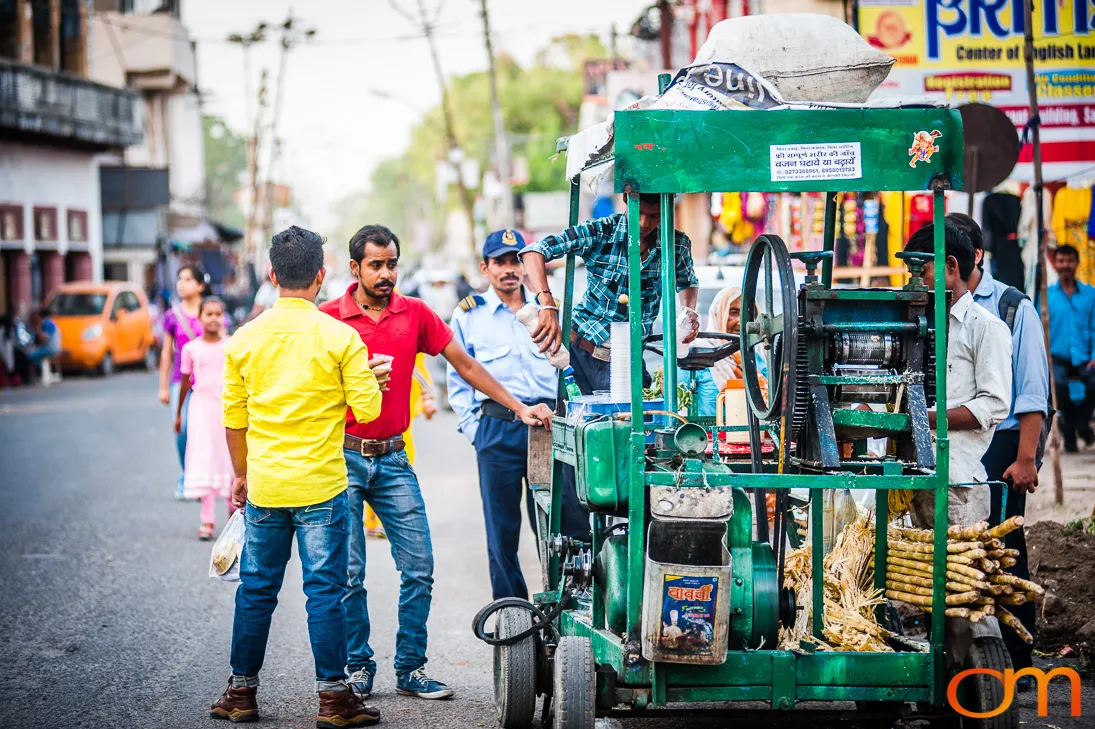
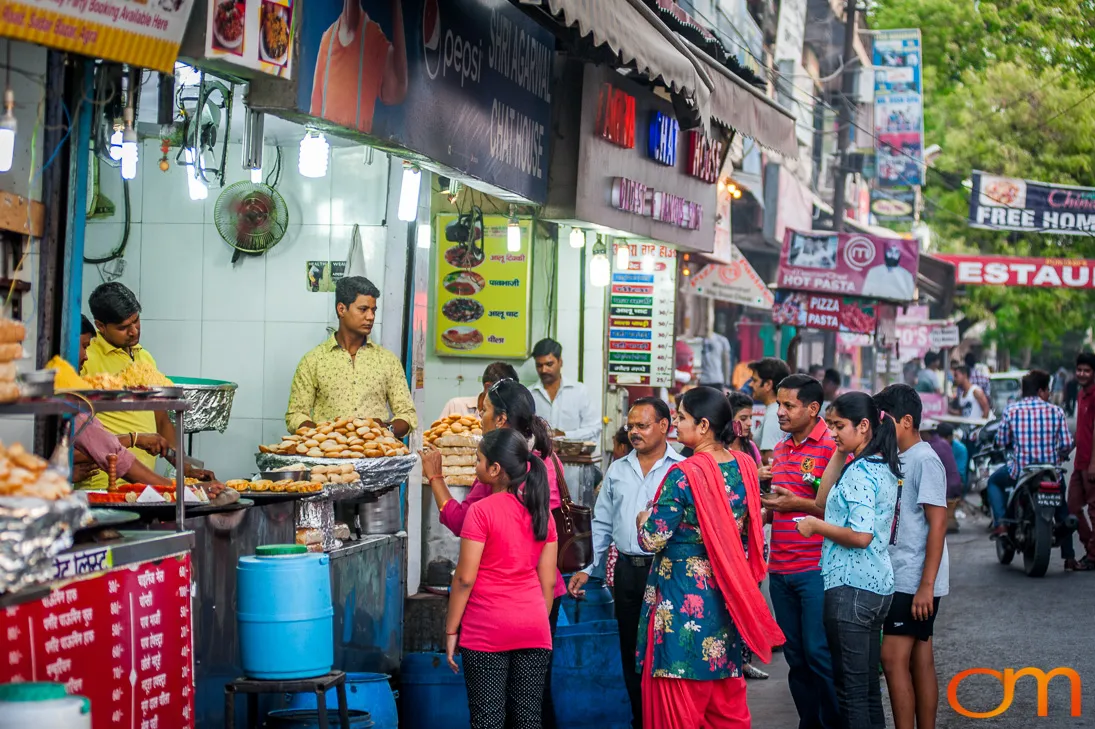
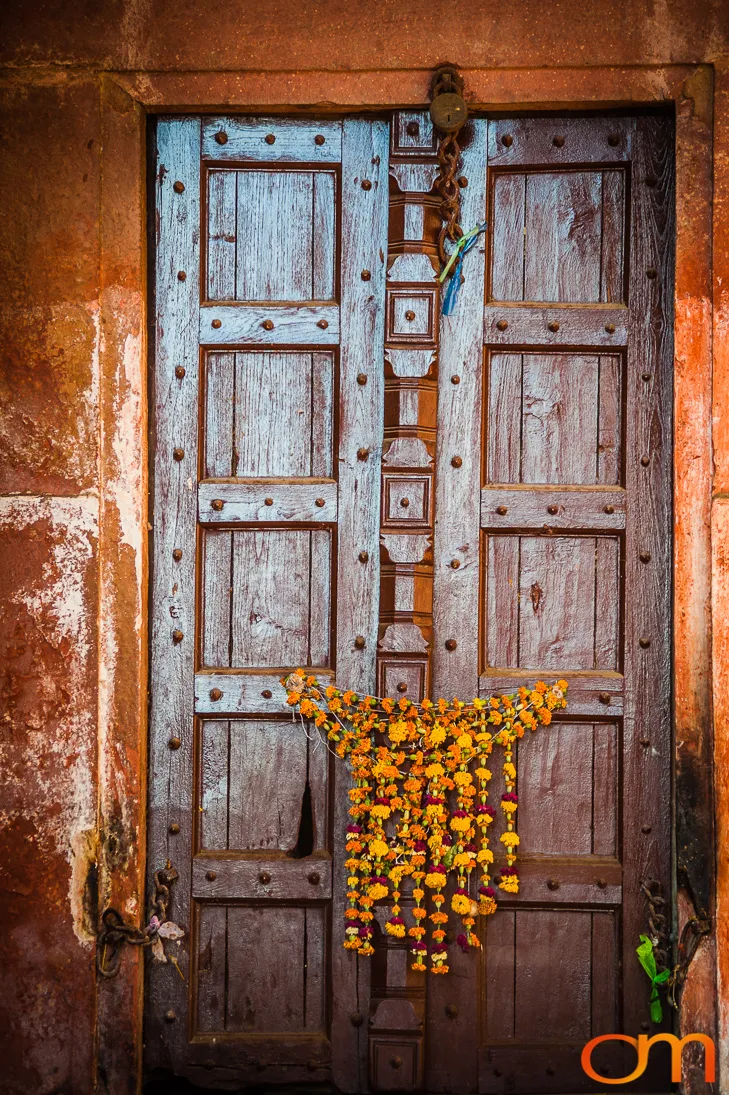
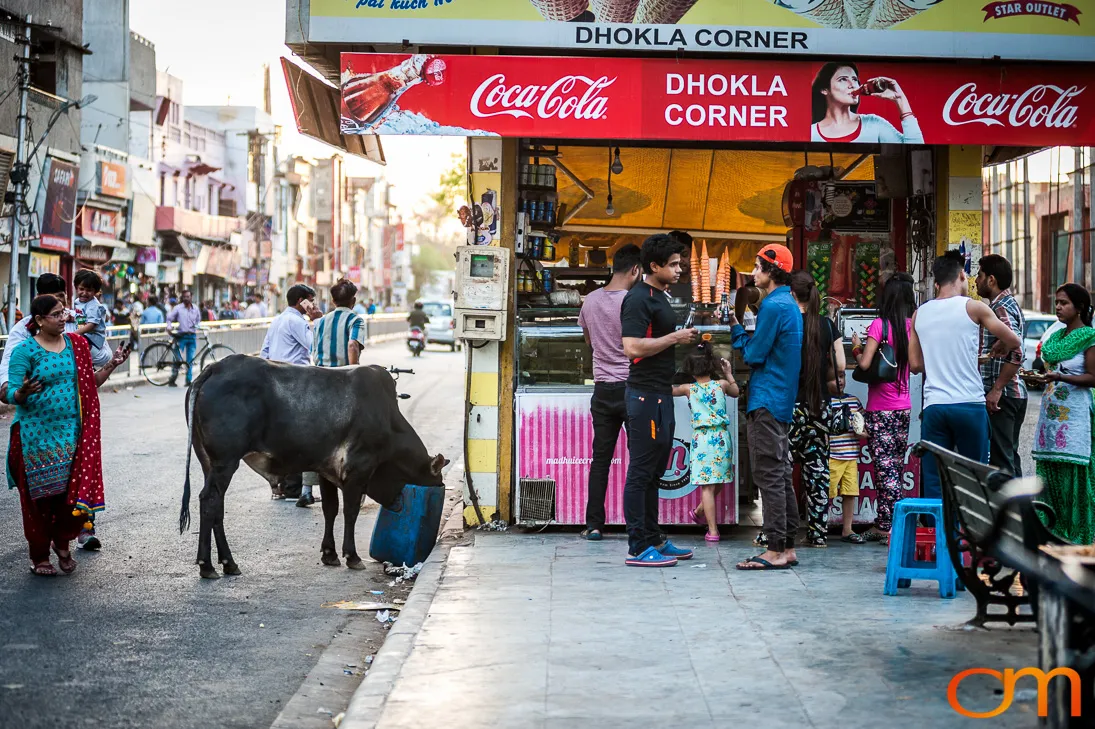
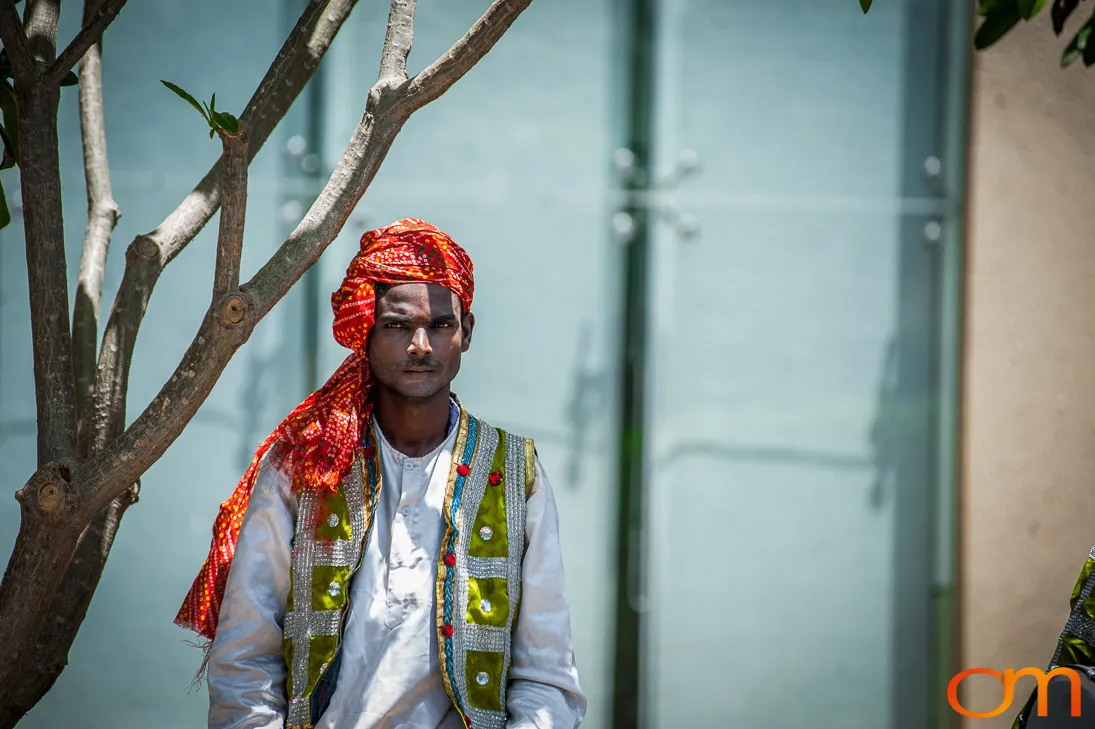
Beyond the monument, the photographs document Agra as a densely active contemporary city. Motorcycles, bicycles, auto-rickshaws, roadside food stalls, sugarcane presses, small shops, decorated doorways, and public performers reveal daily life surrounding the protected Mughal monuments.
Agra is also closely associated with petha, a translucent sweet traditionally made from ash gourd. It is sold throughout the city in dry, soft, syrup-soaked, saffron-flavored, and other varieties. Stories linking its invention to Shah Jahan’s imperial kitchens remain local tradition rather than established history.