Pokhara
Phewa Lake and Tal Barahi Temple
April 2016
Phewa Lake, also written Fewa Lake or Phewa Tal, is a freshwater lake in Pokhara, Kaski District, Gandaki Province. The lake is a defining feature of the Pokhara Valley and supports worship, boating, fisheries, recreation, agriculture, and tourism. On clear days, Machhapuchhre and sections of the Annapurna massif are reflected on its surface.
Tal Barahi Temple, also written Taal Barahi, stands on a small island reached by boat from the lakeshore. The active Hindu shrine has a two-story pagoda form and is dedicated to Barahi, a boar-associated manifestation of Ajima representing the divine feminine. Large numbers of devotees visit during the Nepali months of Baisakh and Kartik.
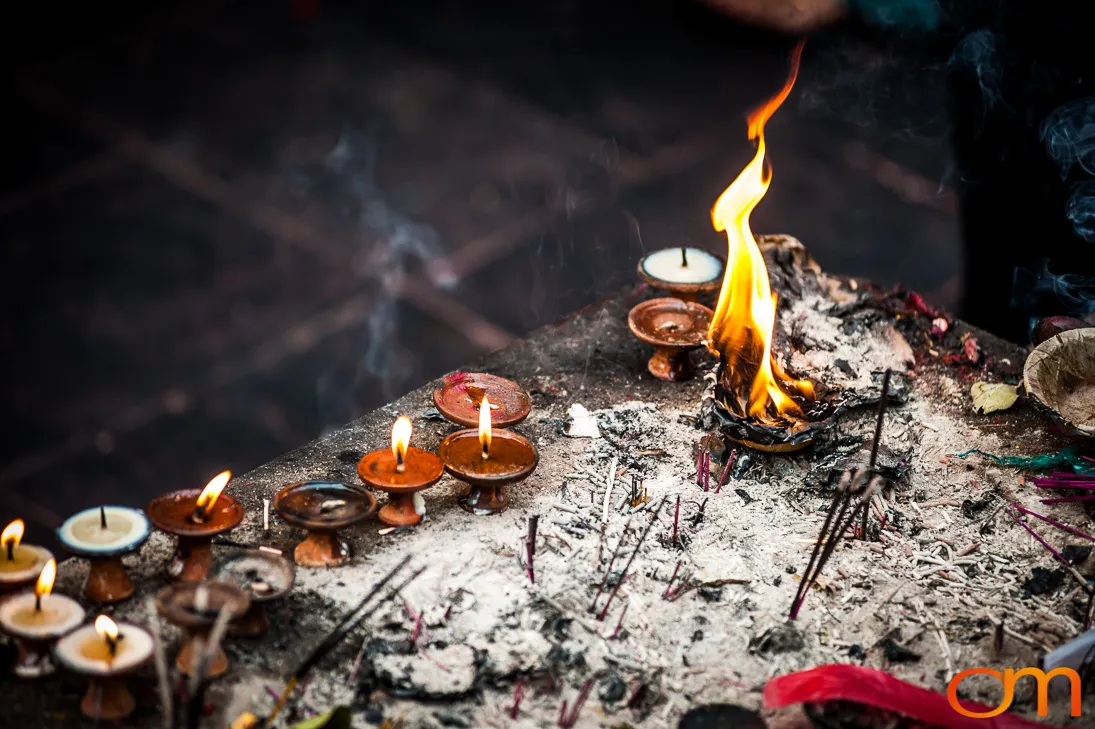
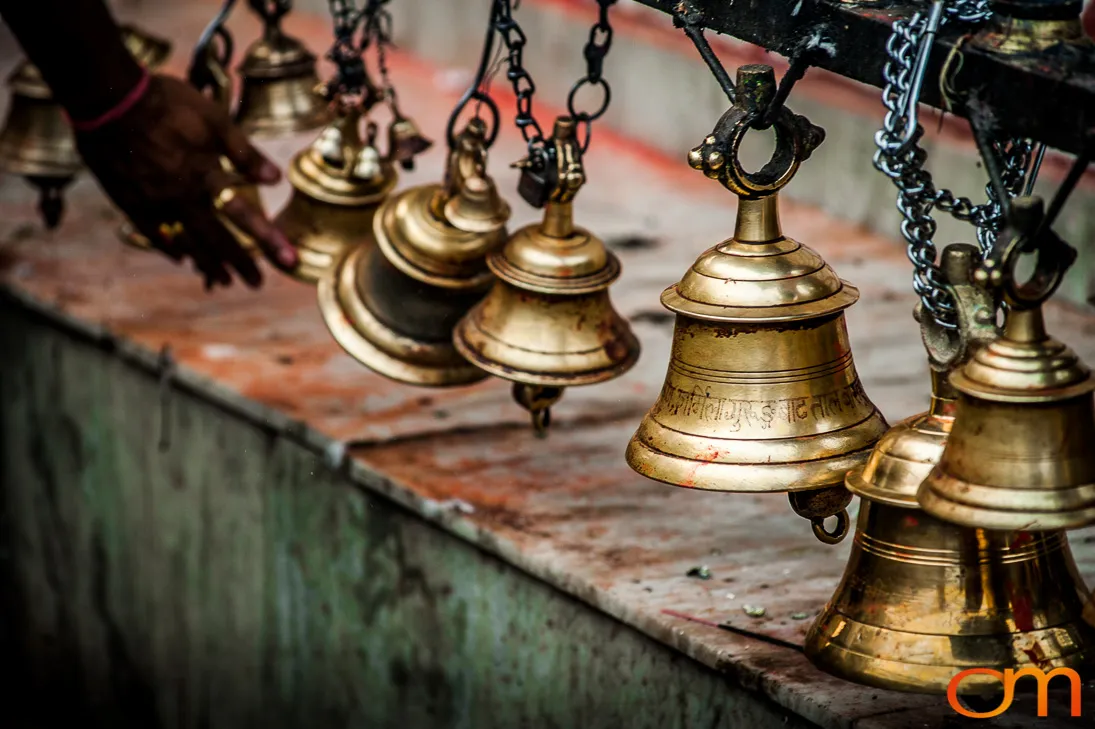
The temple precinct contains guardian figures, devotional oil lamps, and ghanta, or ritual bells. These elements are prominent in the photographic record and reflect the site’s continuing religious use.
A widely repeated local account connects the shrine’s establishment with a dream of King Kulmandan Shah of Kaski. Published versions differ in their dates and details, so this account is best understood as a foundation tradition rather than independently verified construction history.
Field Documentation: April 2016
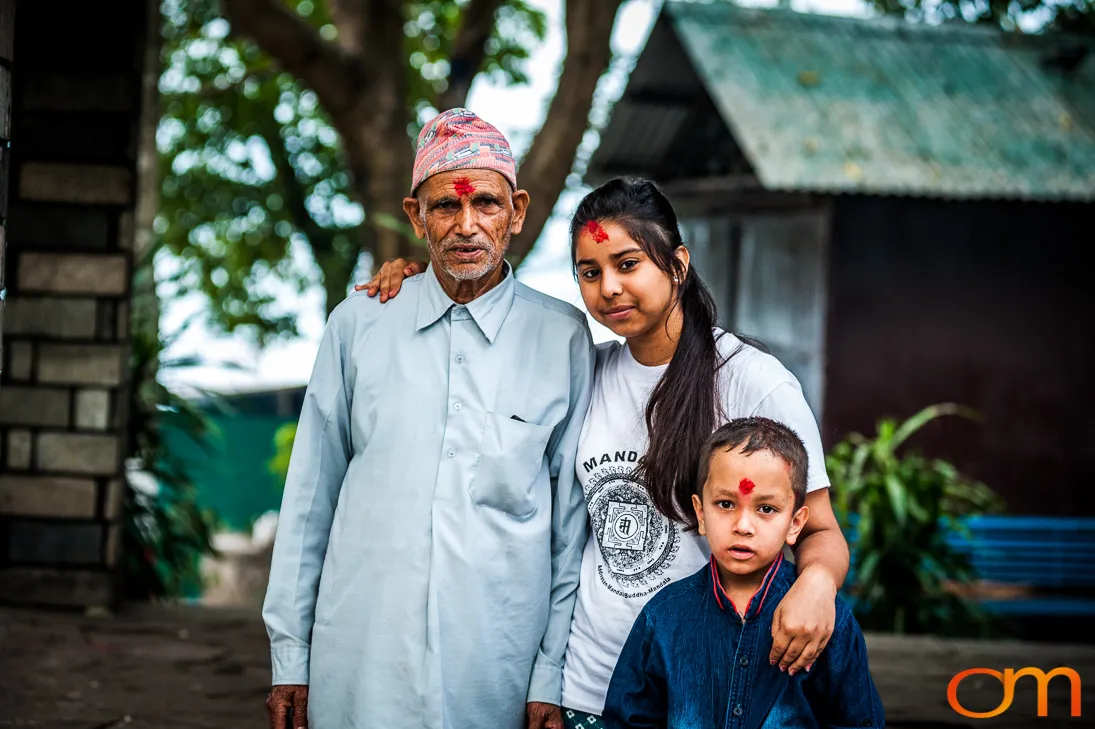
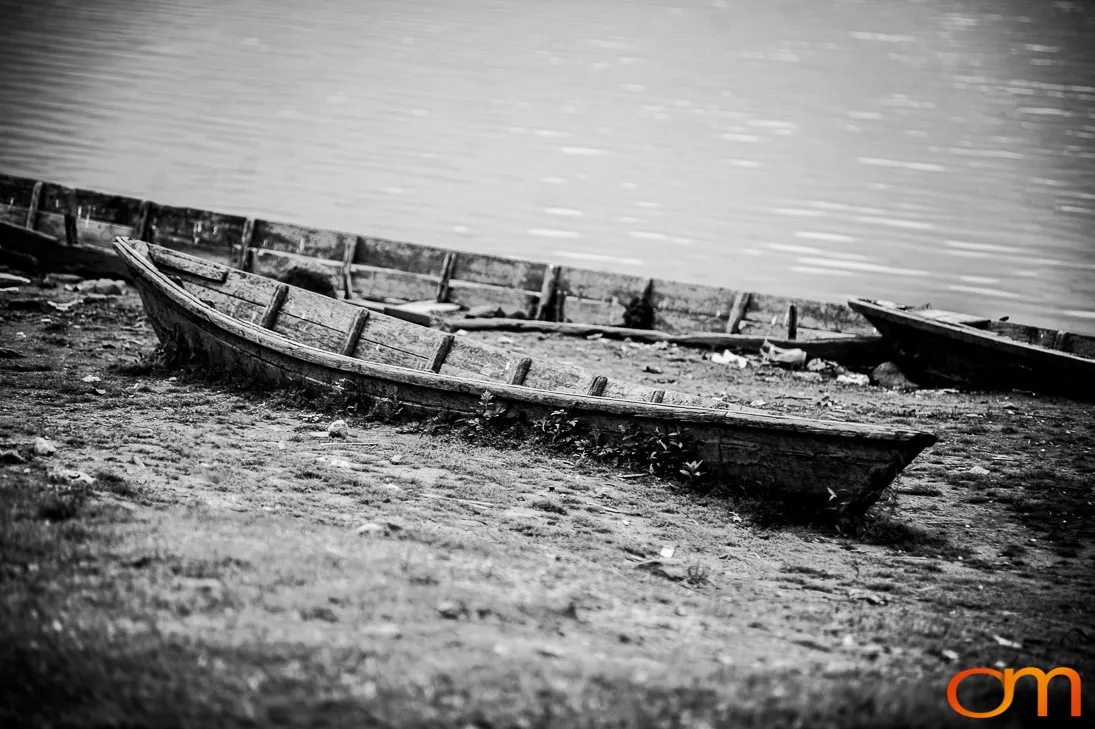
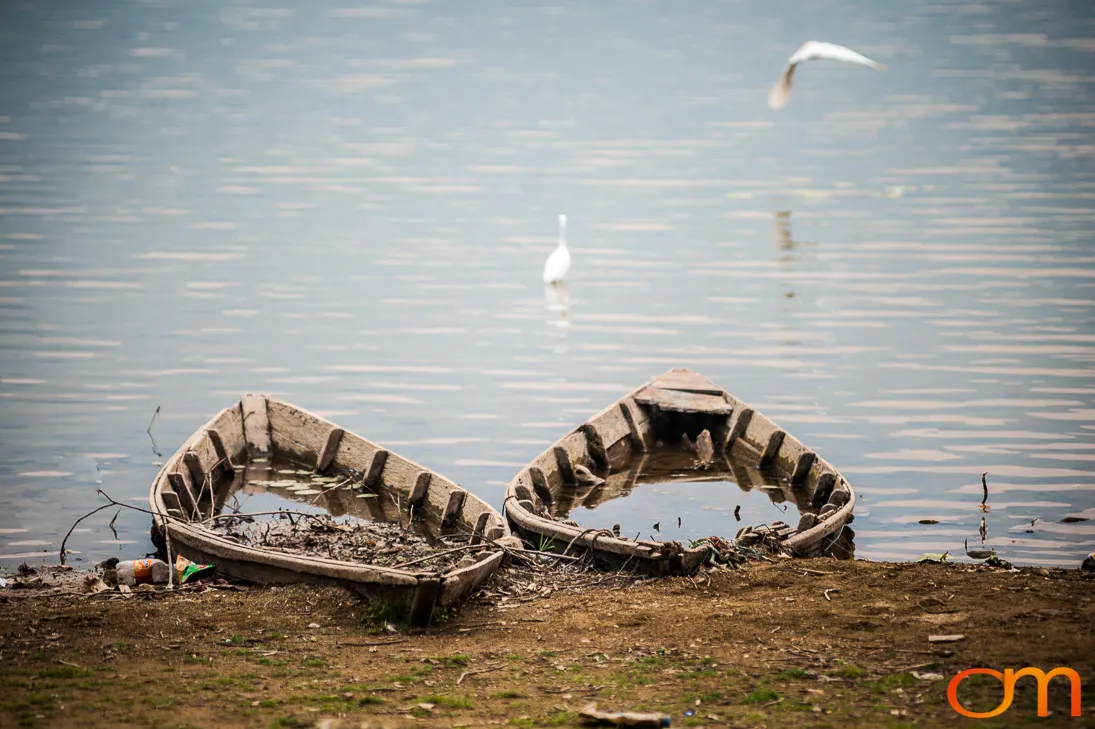
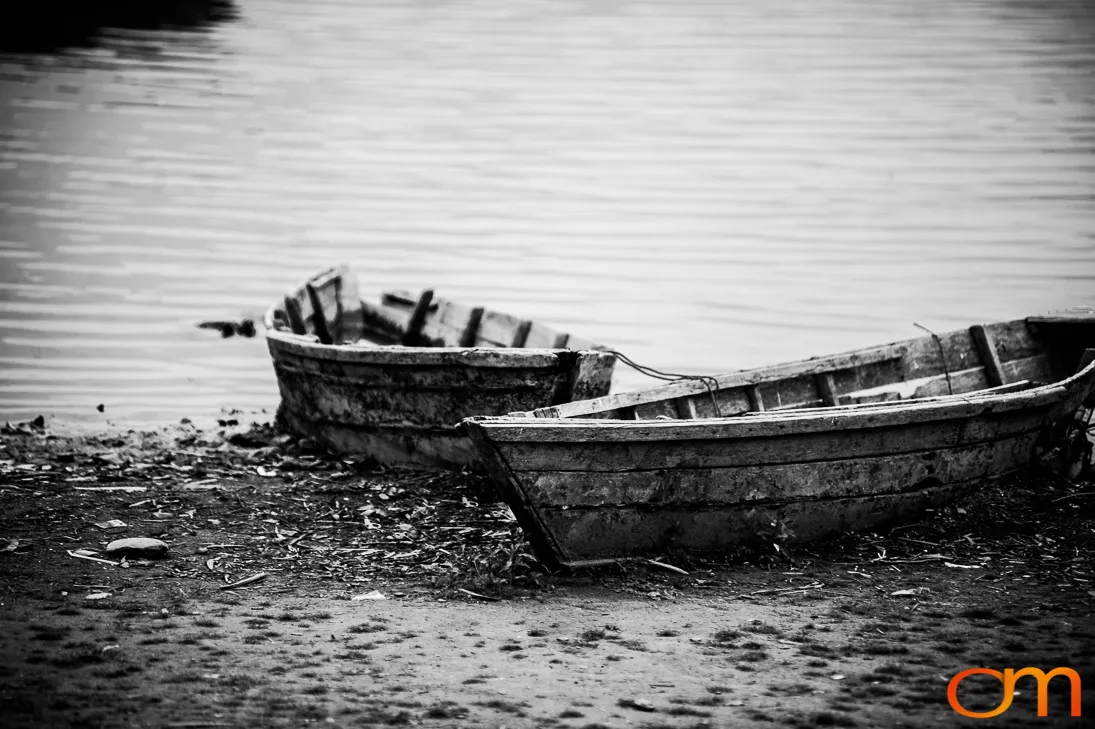
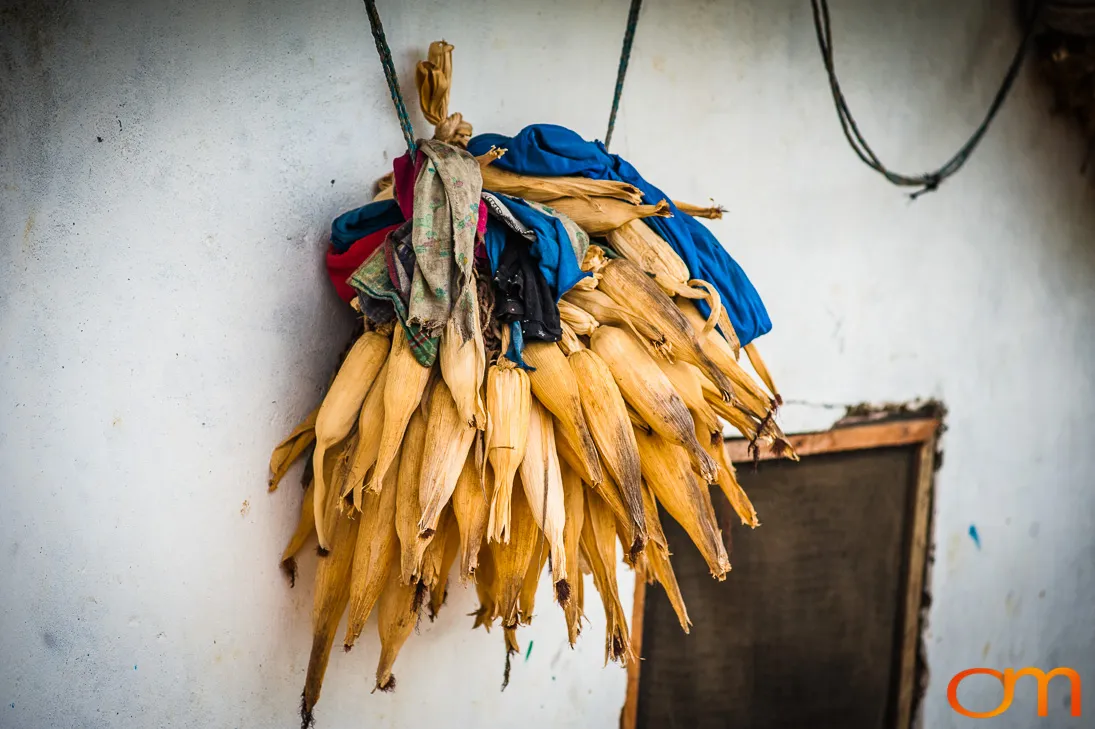
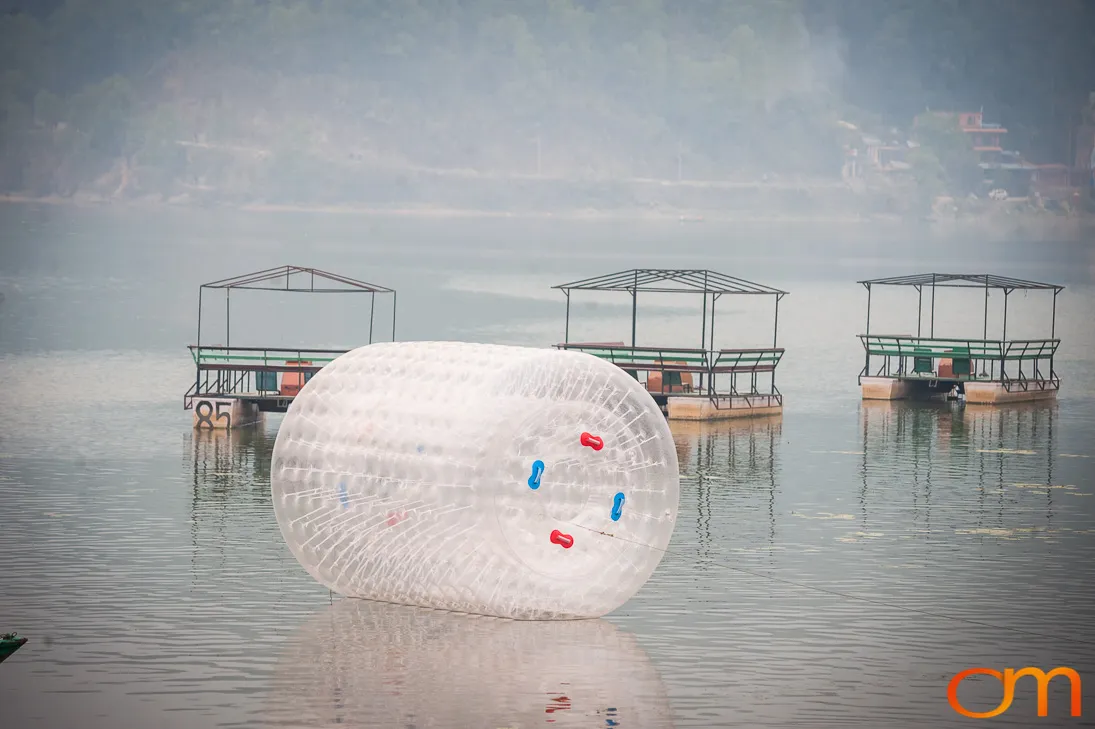
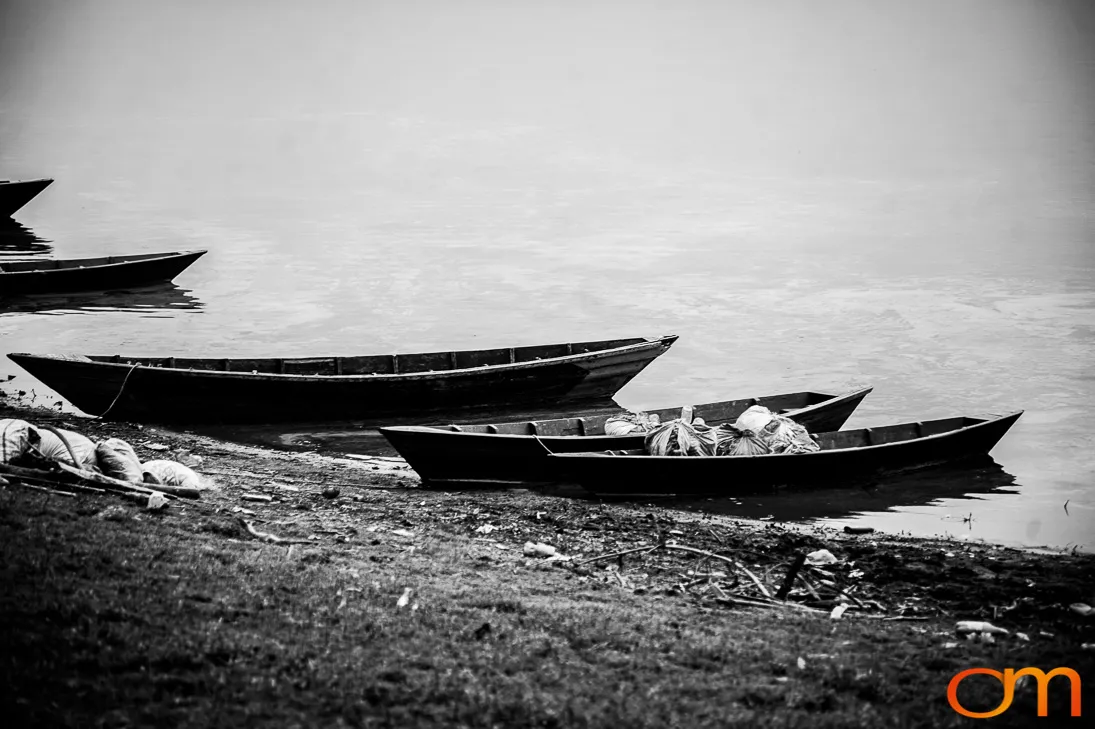
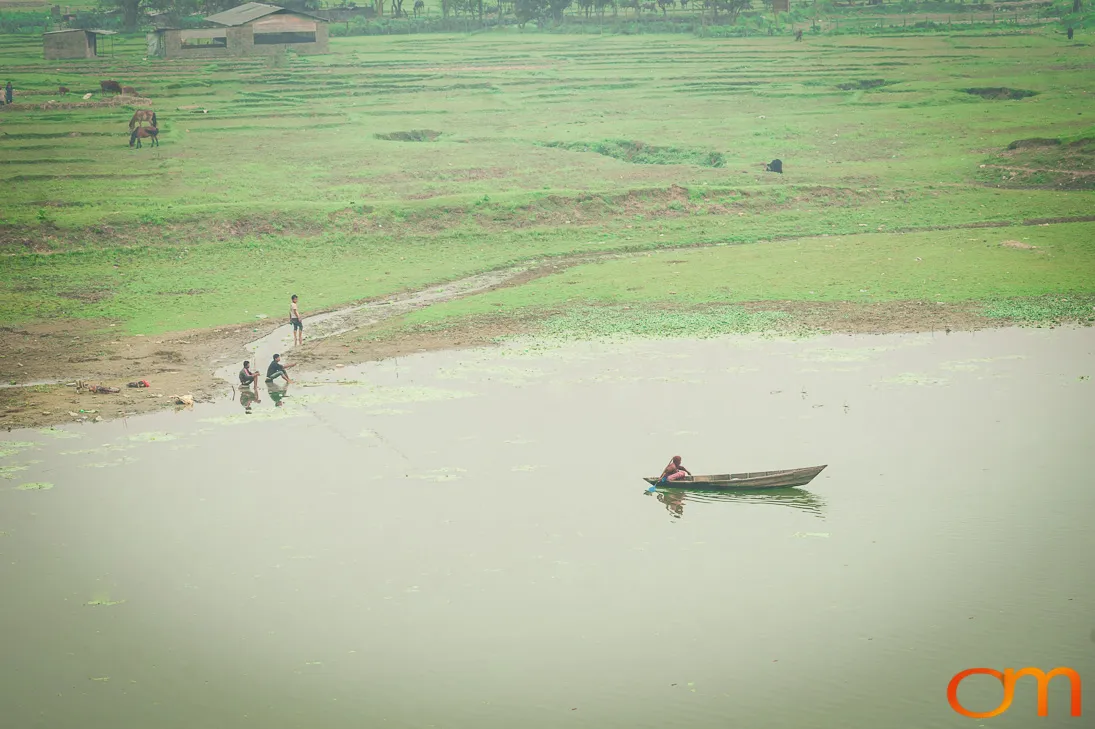
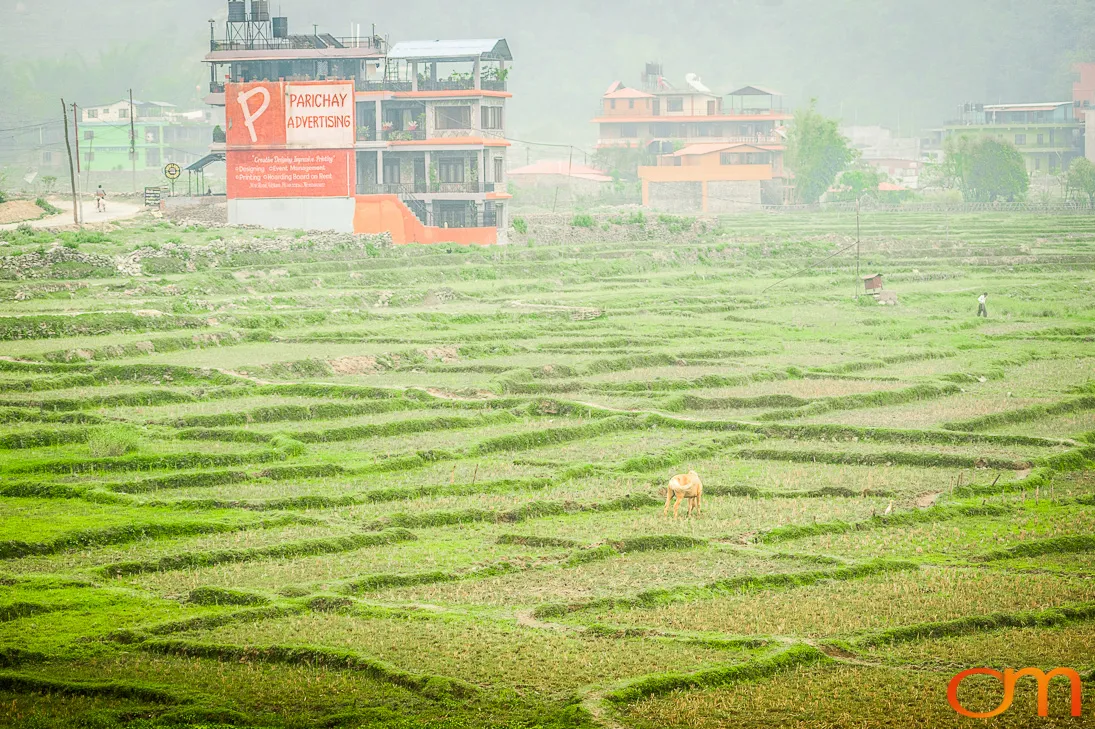
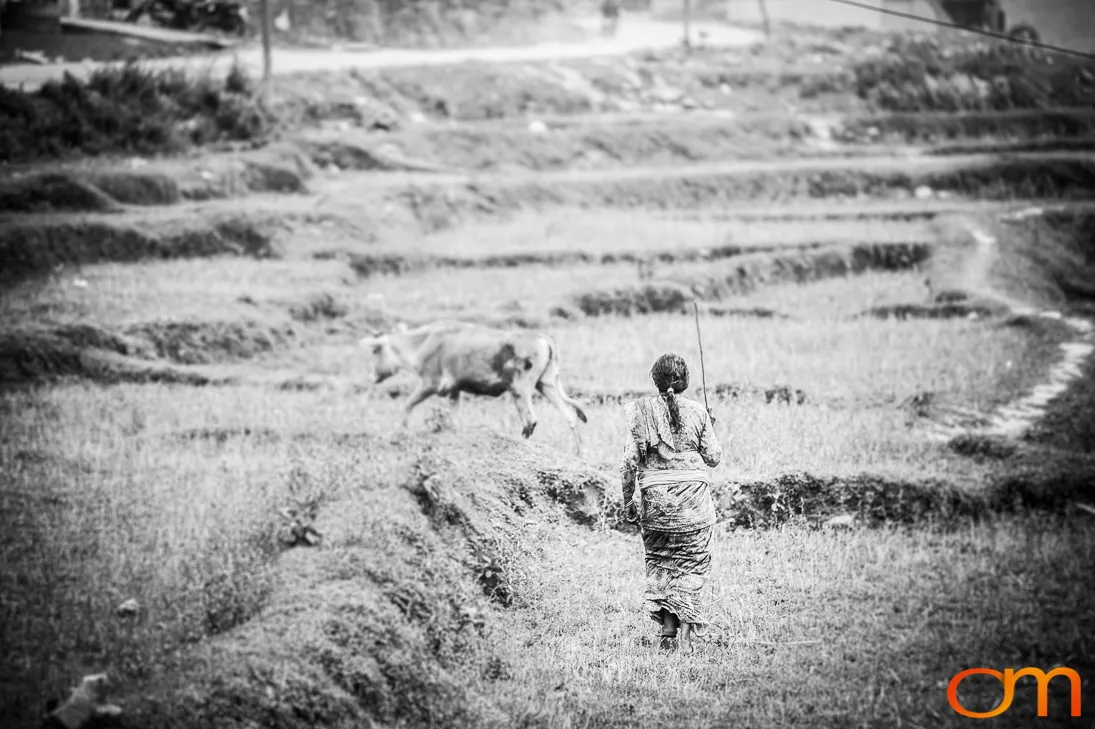
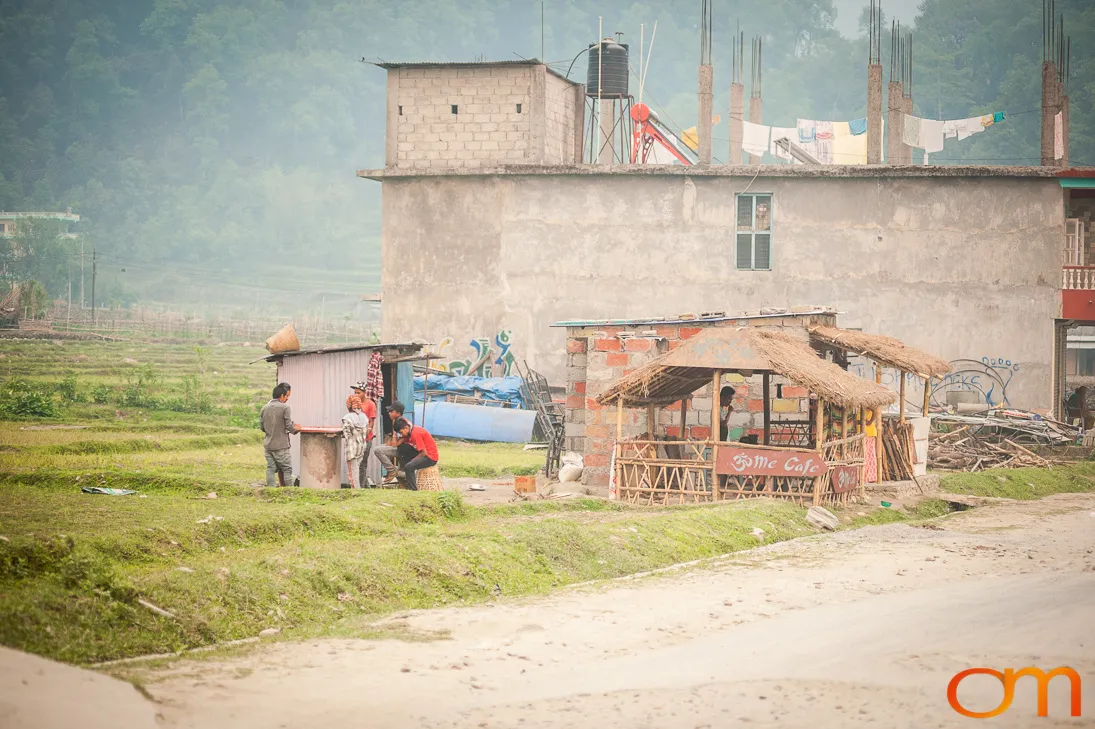
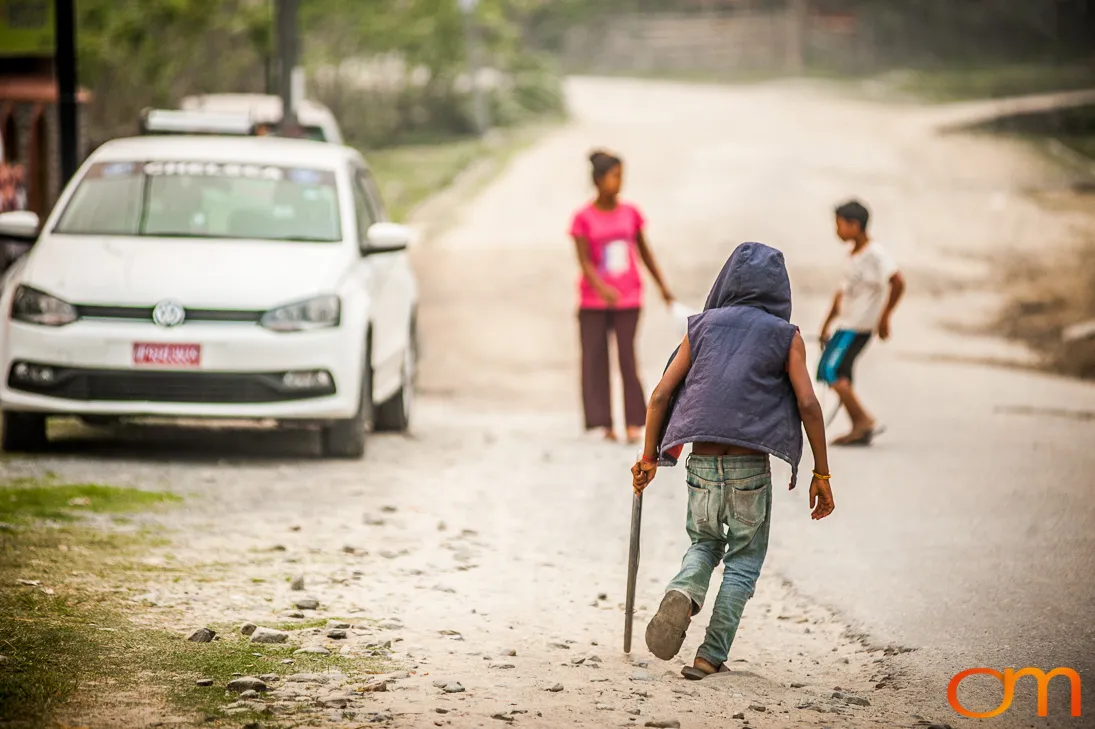
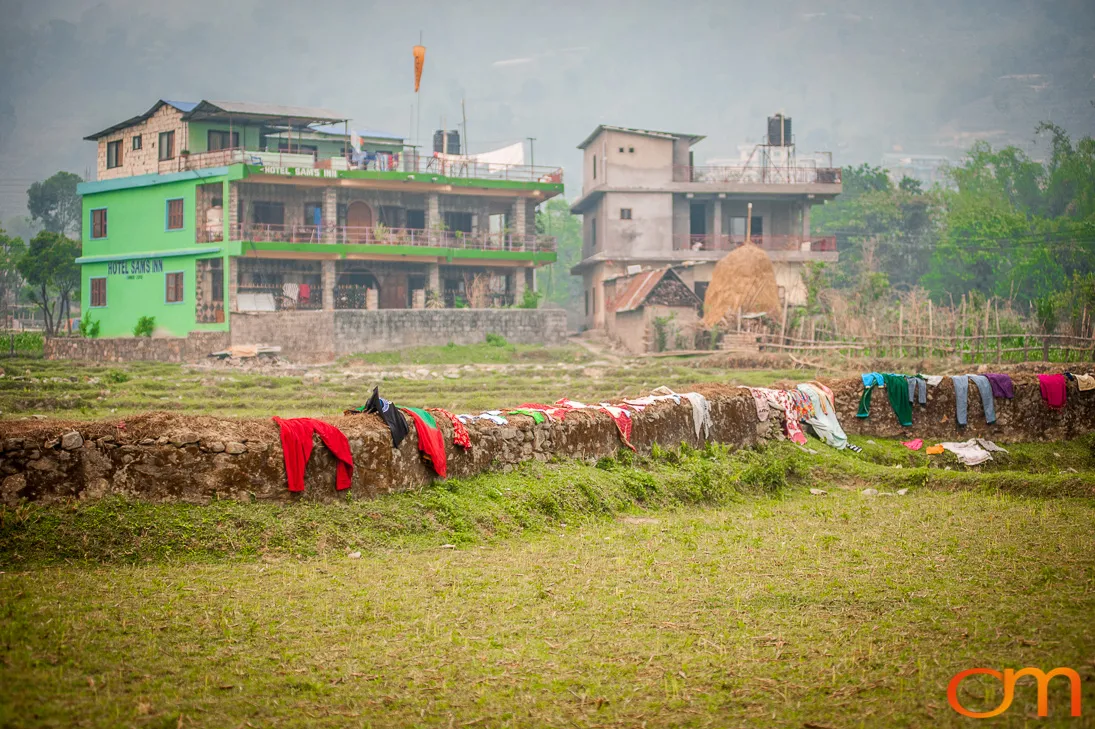
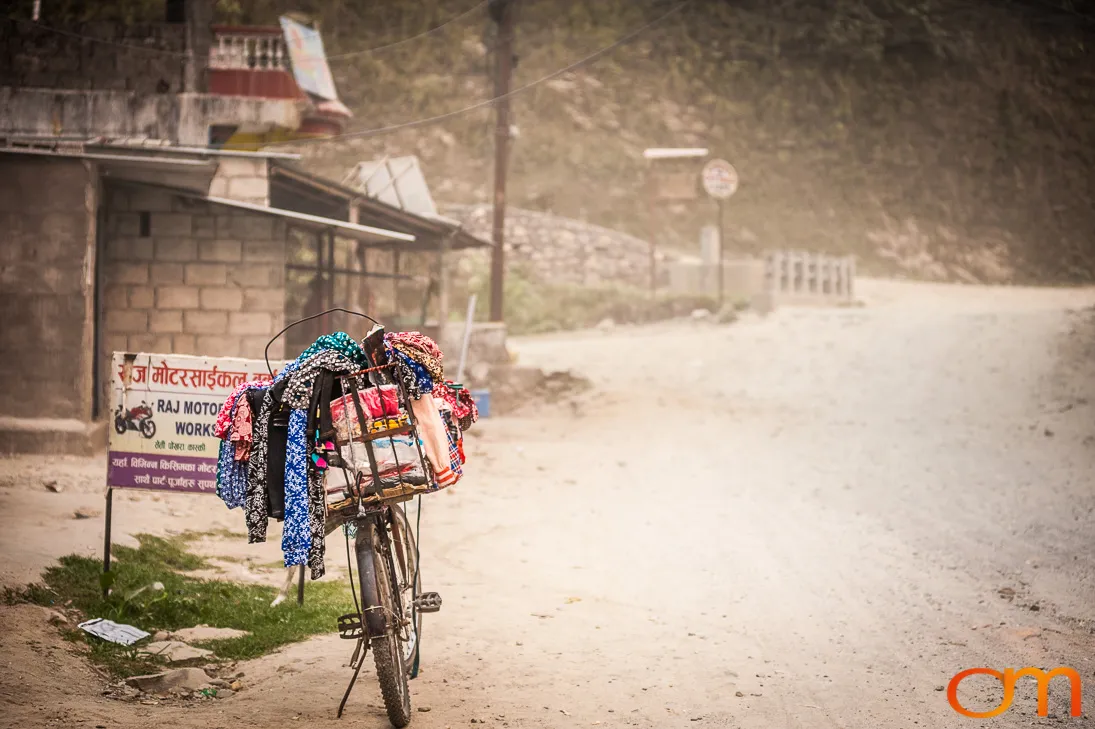
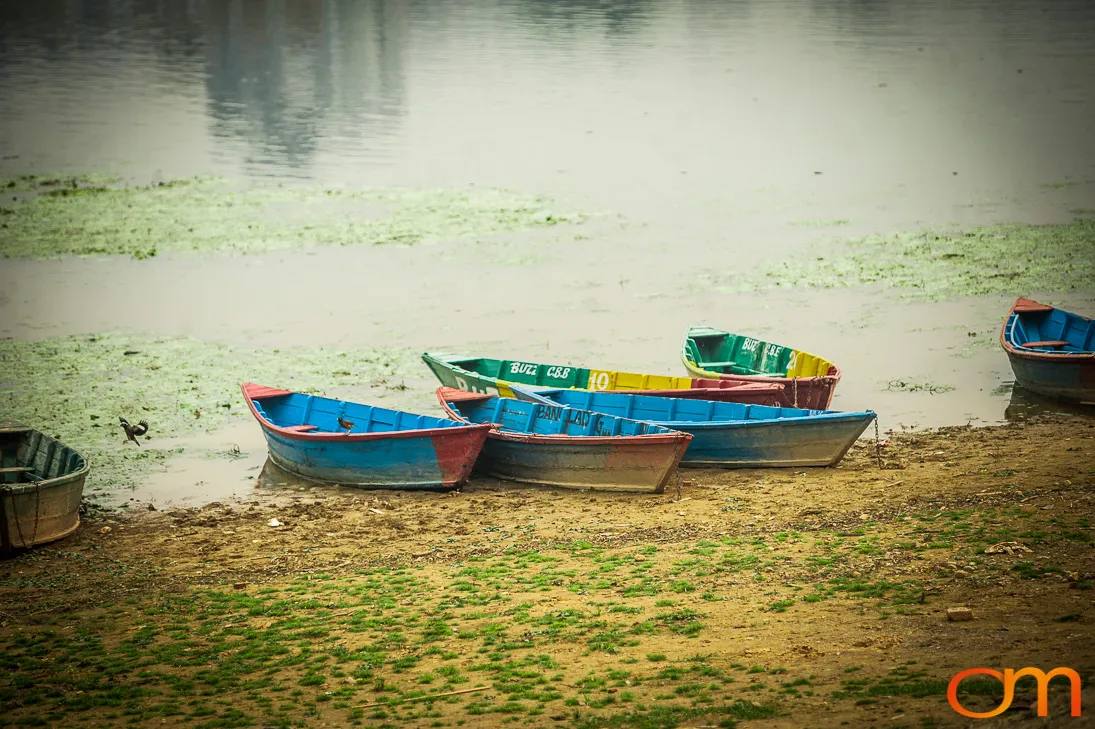
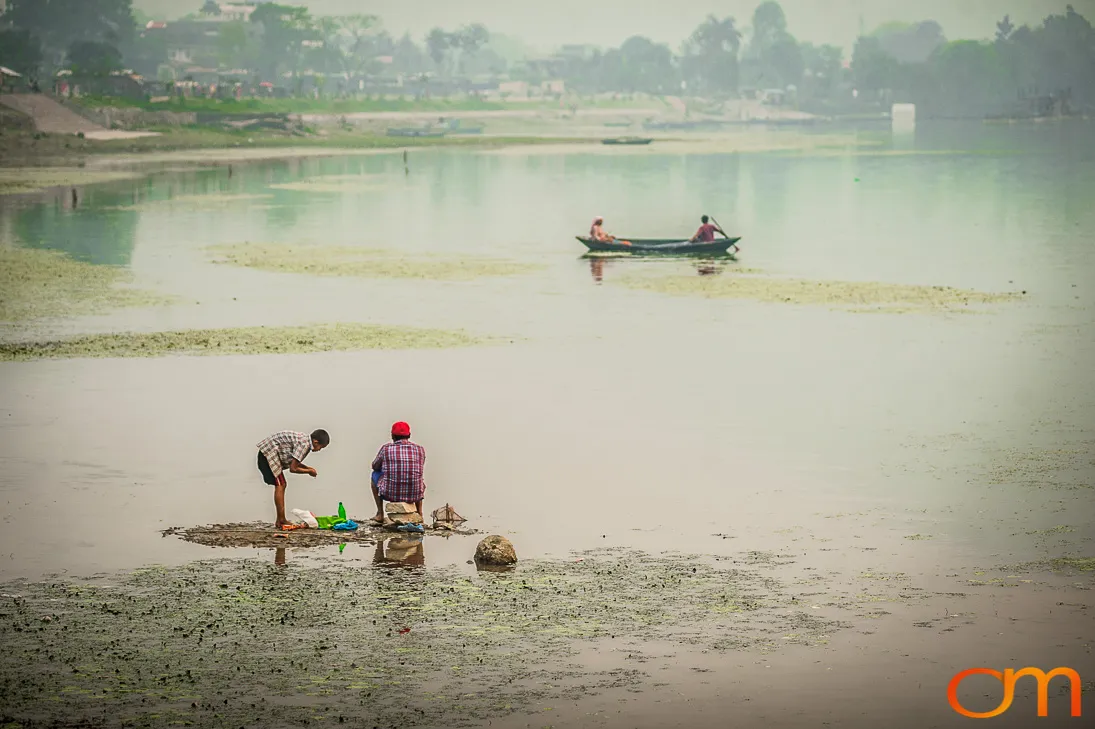
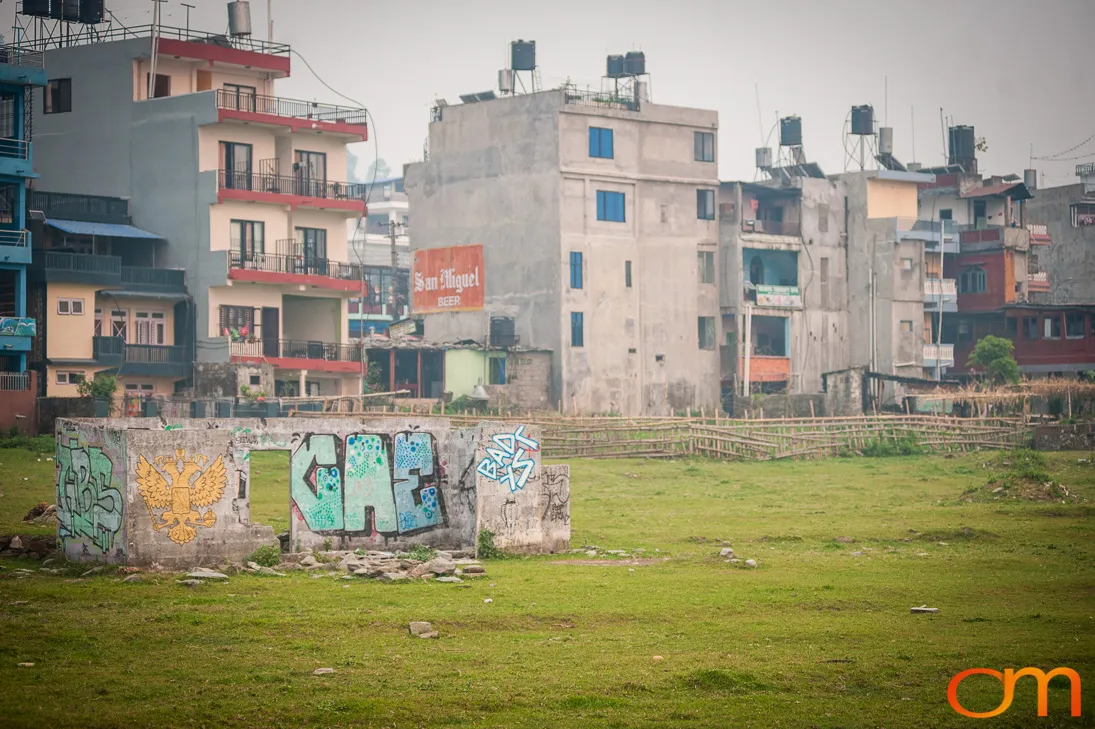
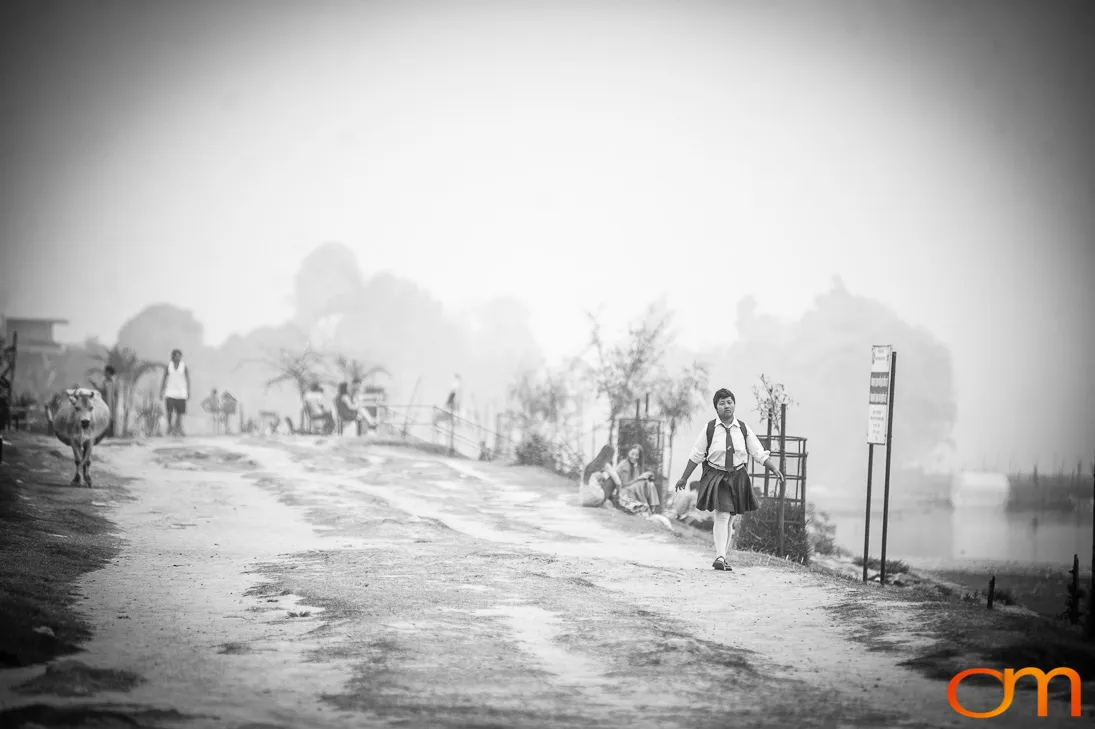
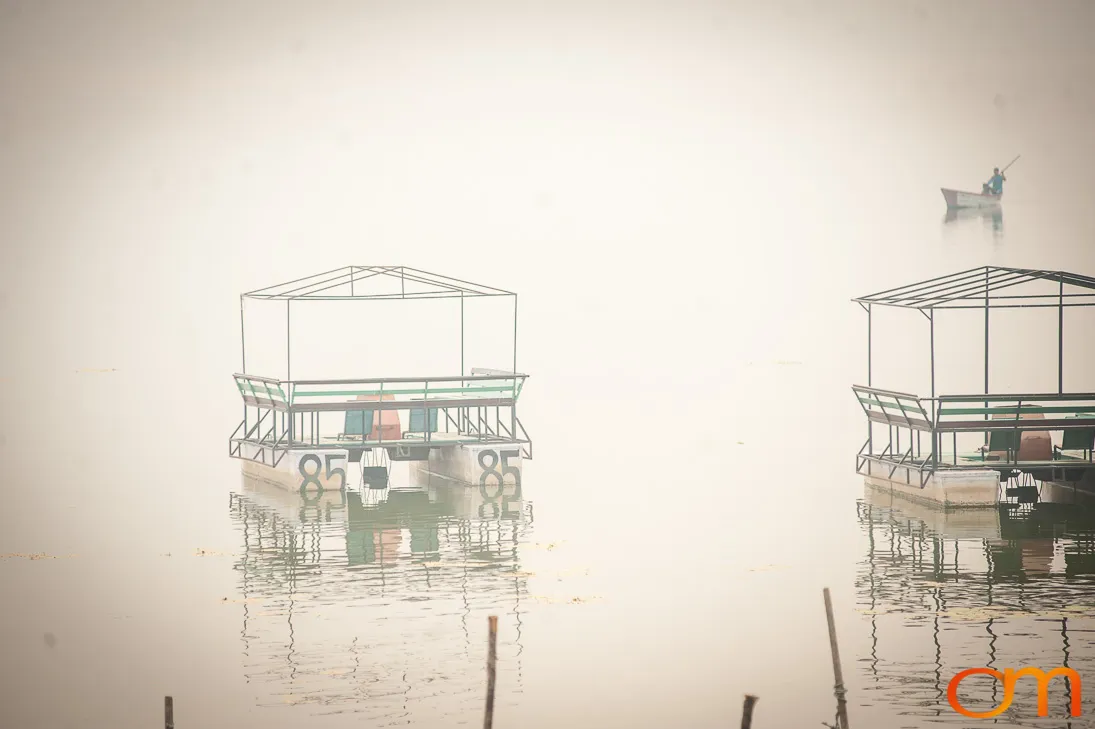
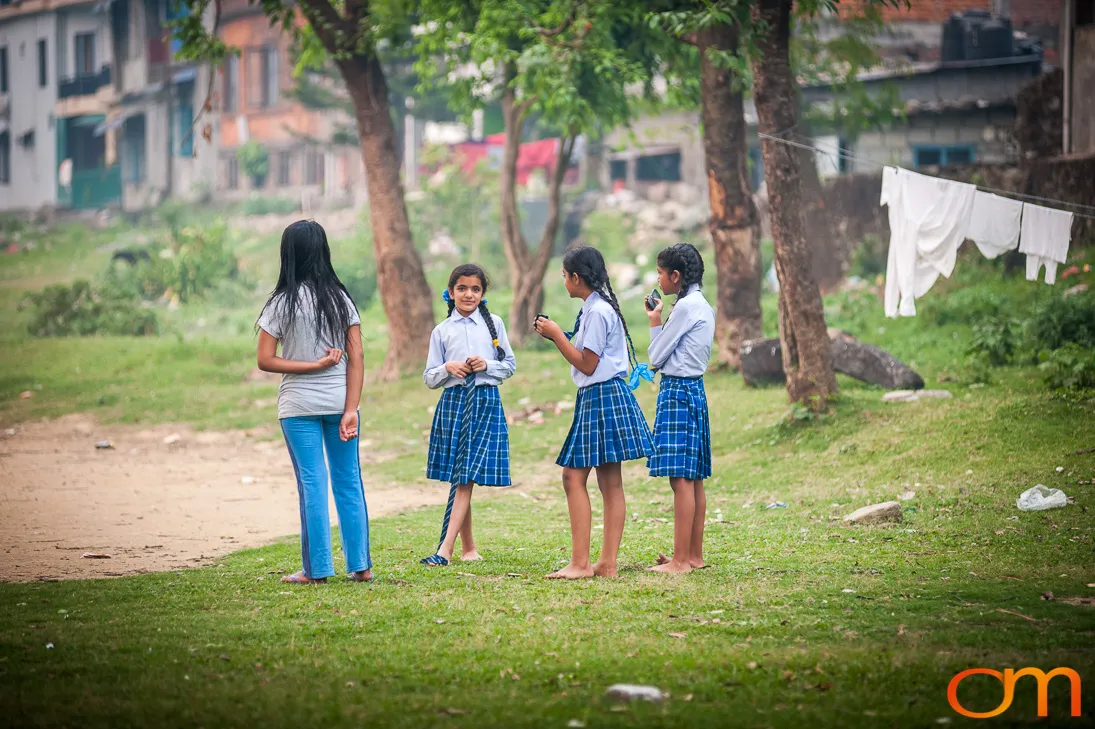
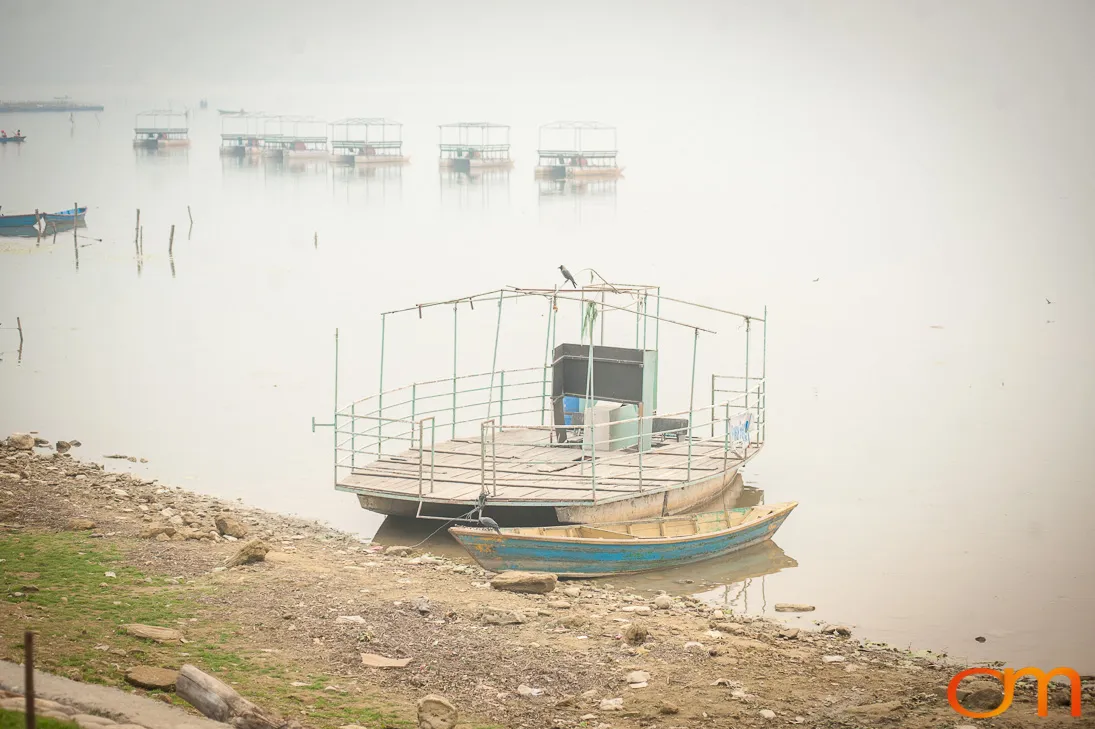
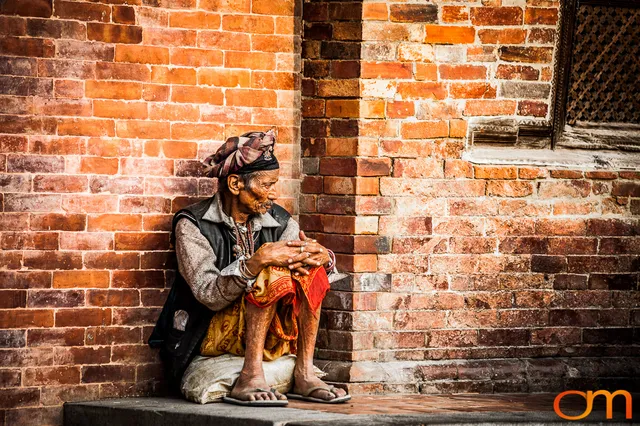
Photographed on April 26, 2016, the series records both the island shrine and the wider lakeshore. Images show temple sculpture, flames from devotional lamps, hanging bells, wooden boats, passenger craft, cultivated fields, low-rise settlements, livestock, children, and small-scale recreation.
Together, the photographs document Phewa Lake as a working cultural landscape rather than only a scenic landmark. Religious practice, water transport, agriculture, settlement, and tourism all occupy the same lakeshore environment.
Current Context
Phewa Lake is one of the nine lakes included in the Lake Cluster of Pokhara Valley, designated a Ramsar Wetland of International Importance on February 2, 2016. Pokhara was formally declared Nepal’s tourism capital on March 17, 2024.
Research published through 2026 continues to report pressures on the lake from untreated sewage, stormwater runoff, nutrient loading, shoreline development, sedimentation, and eutrophication. The photographs therefore preserve a dated record of temple practice and lakeshore conditions during a period of rapid urban and tourism growth.