Kathmandu
Pashupatinath Temple
April 2016
Pashupatinath Temple stands beside the Bagmati River in Kathmandu and is dedicated to Pashupati, a form of Shiva. The principal sanctuary is surrounded by an extensive sacred precinct containing hundreds of temples, shrines, rest houses, ritual spaces, and cremation ghats.
Pashupati forms one of the seven component zones of the Kathmandu Valley World Heritage property, inscribed by UNESCO in 1979. The designation covers the wider Pashupati Monument Zone rather than treating the principal temple as an independently inscribed World Heritage Site.
The Temple Precinct
Religious traditions associate the site with a much earlier period, but its precise foundation date has not been firmly established. The Pashupati Area Development Trust dates the present principal temple to 1697, during the reign of King Bhupalendra Malla. Earlier structures are believed to have been rebuilt several times.
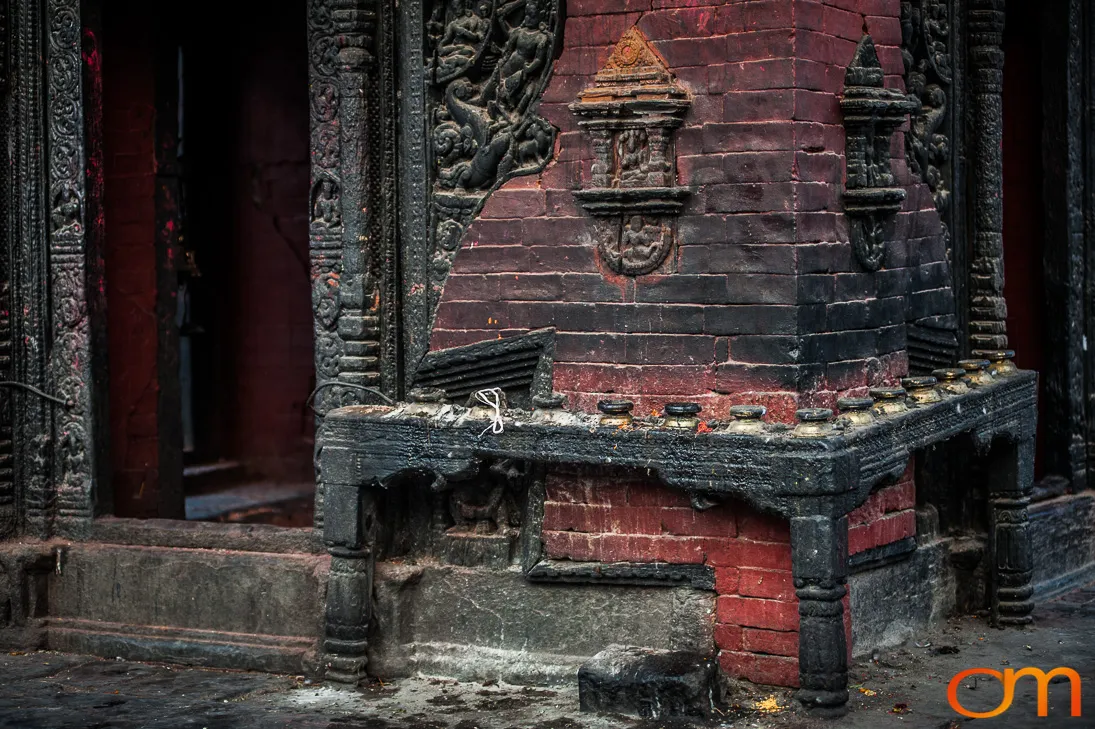
The principal temple is distinguished by gilded roofs, plated doors, carved wooden roof struts, and decorative metalwork. Surrounding temples and shrines were constructed during different periods, creating a layered religious landscape rather than a single isolated monument.
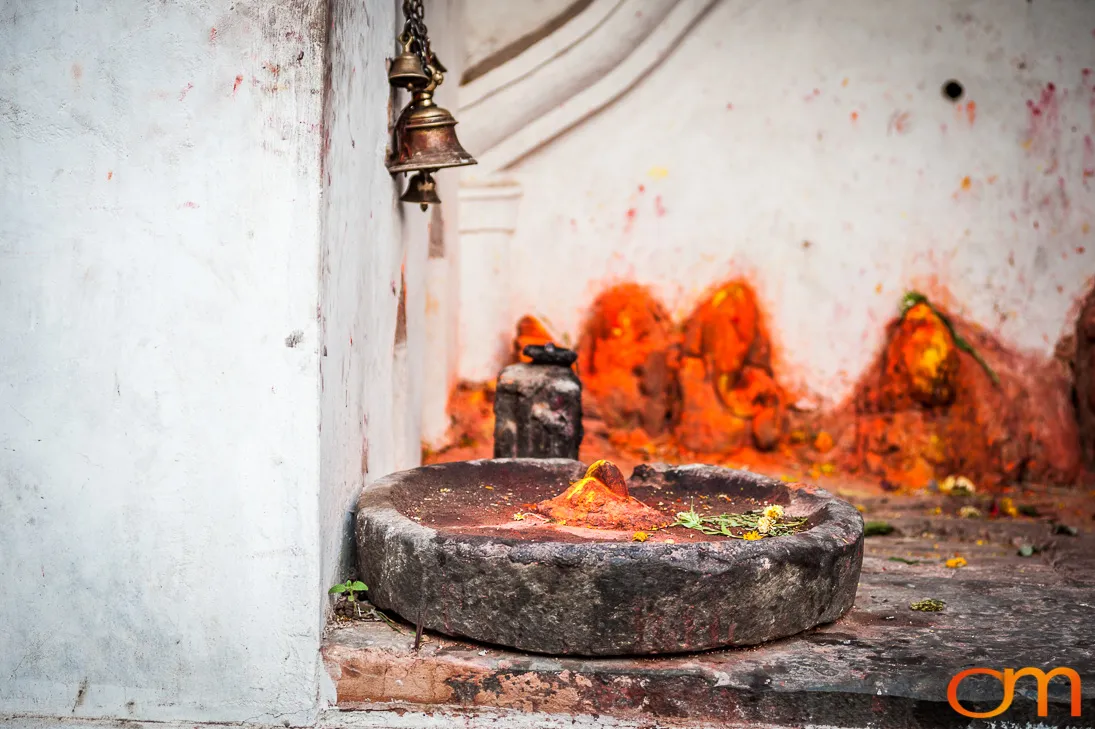
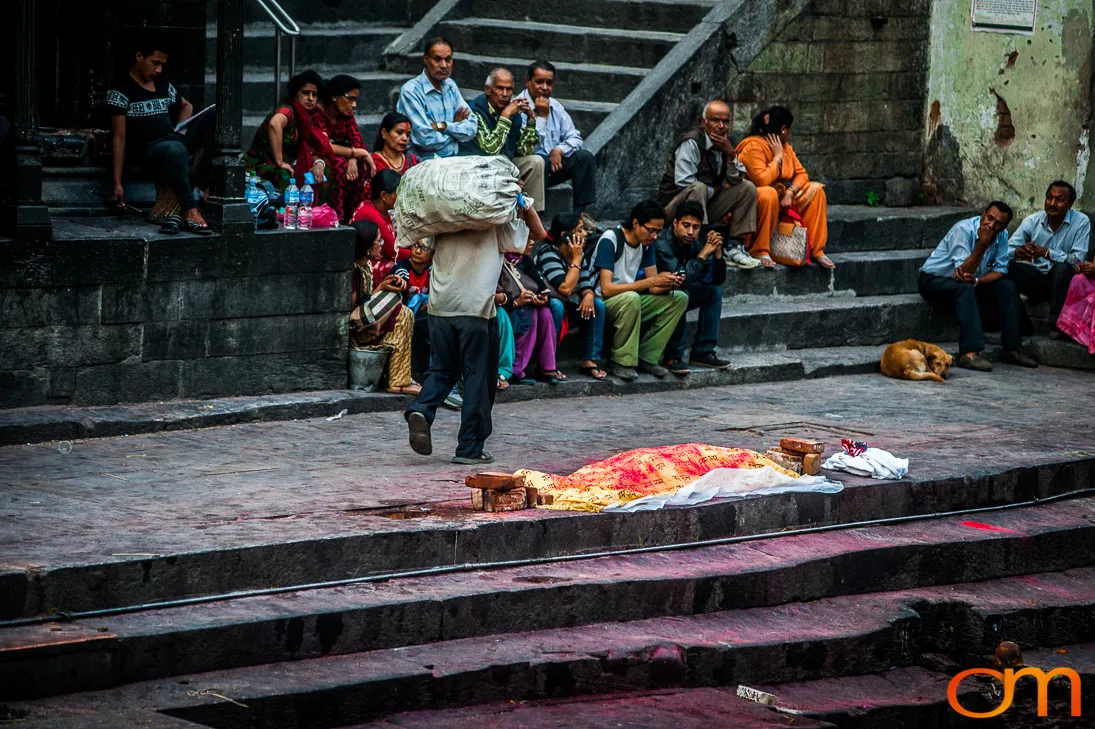
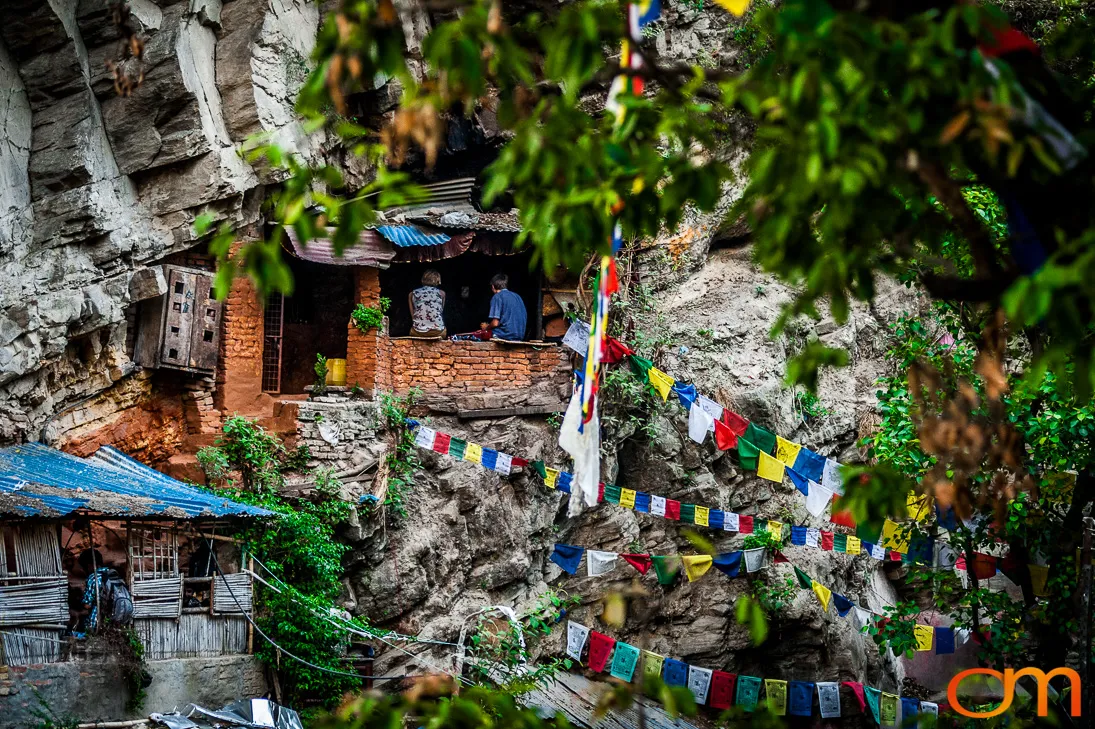
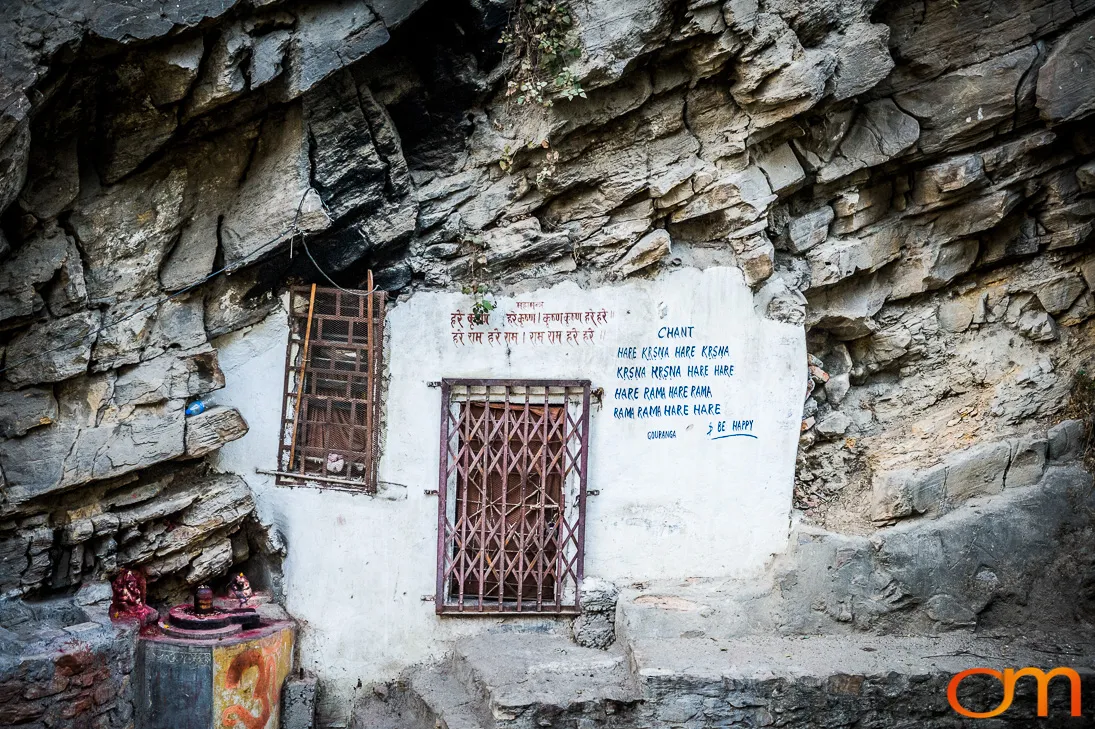
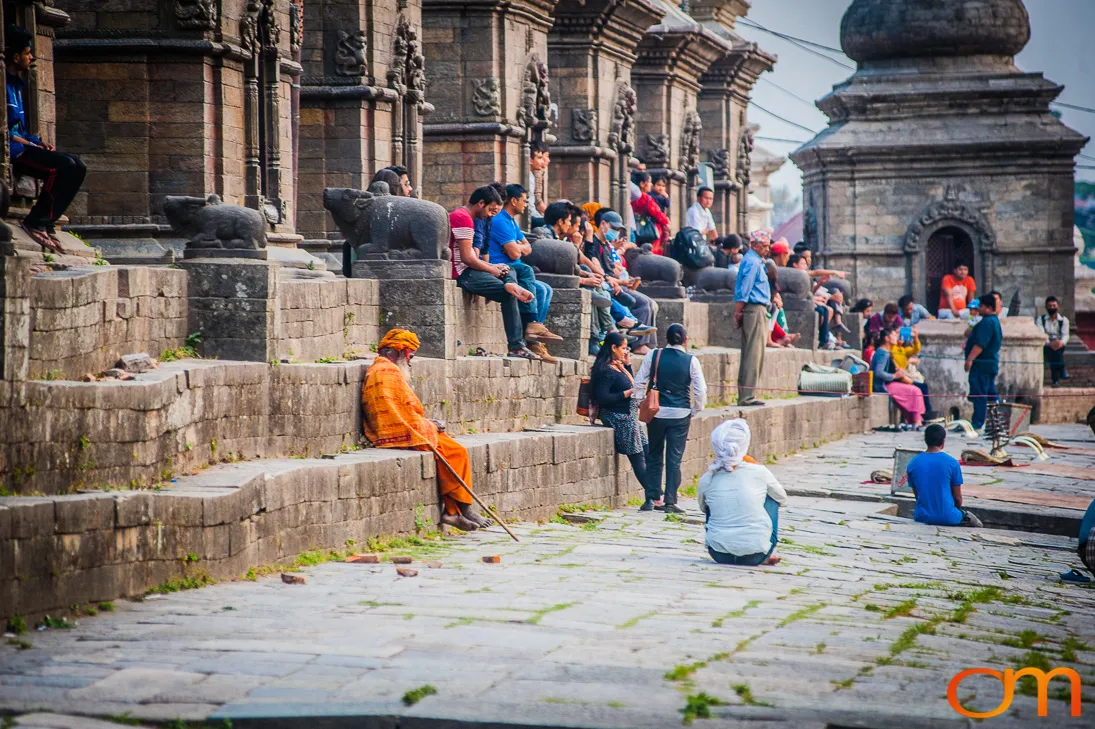
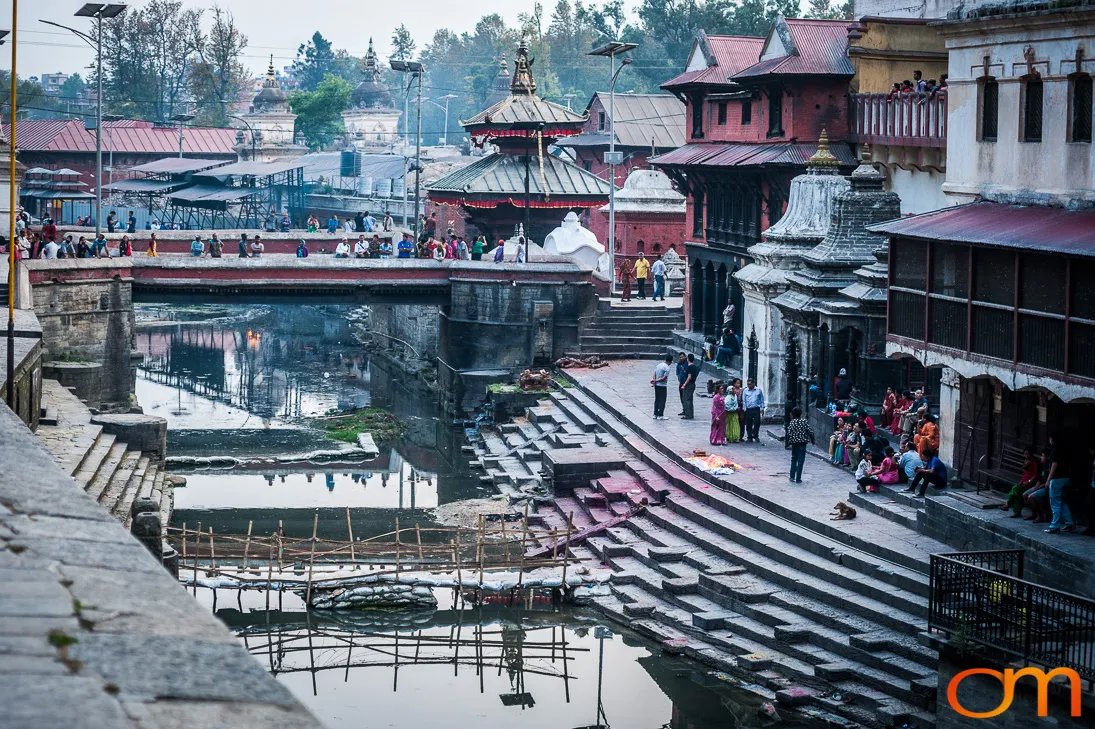
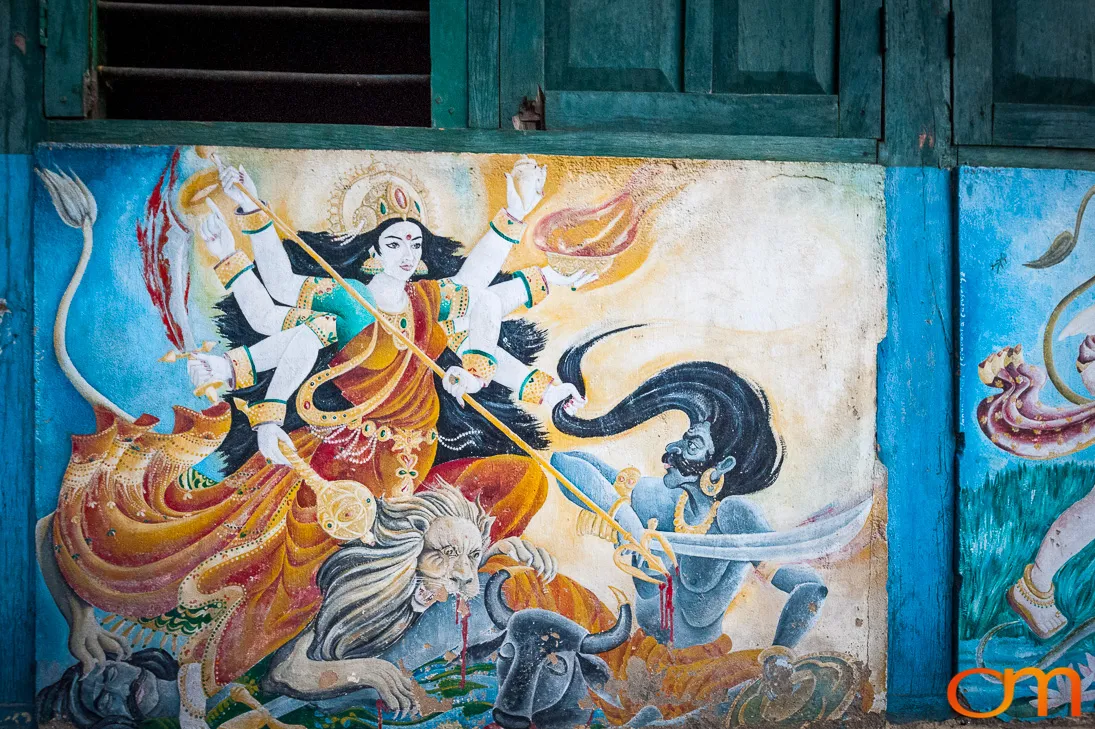
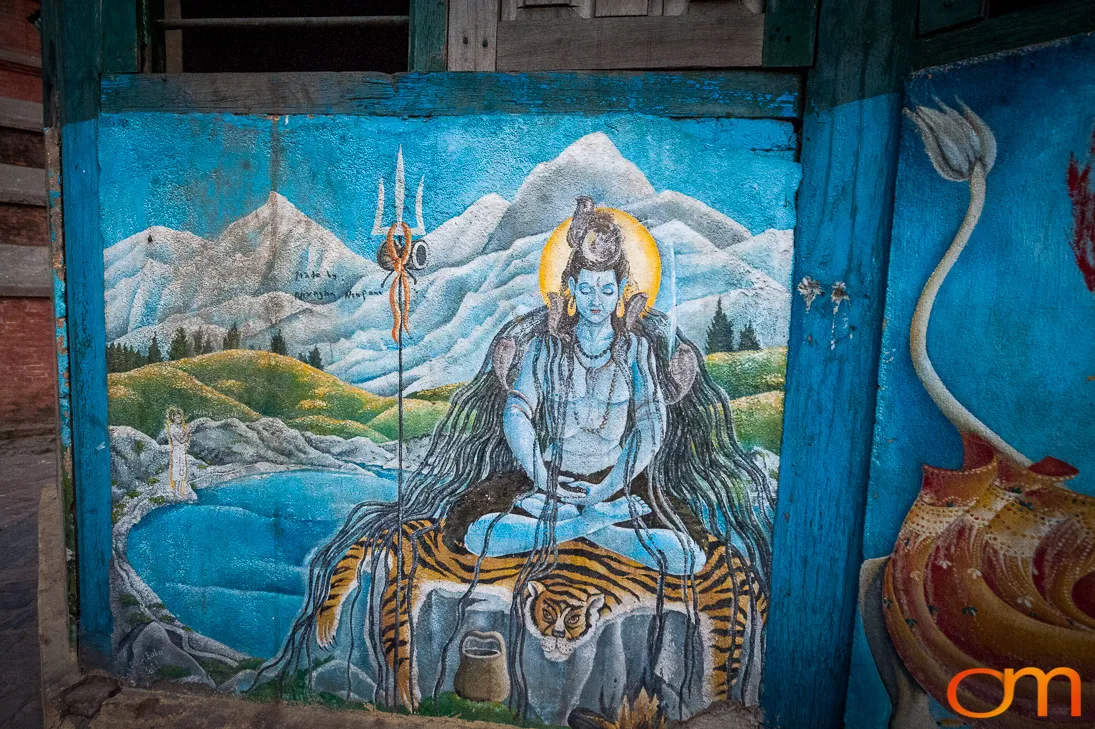
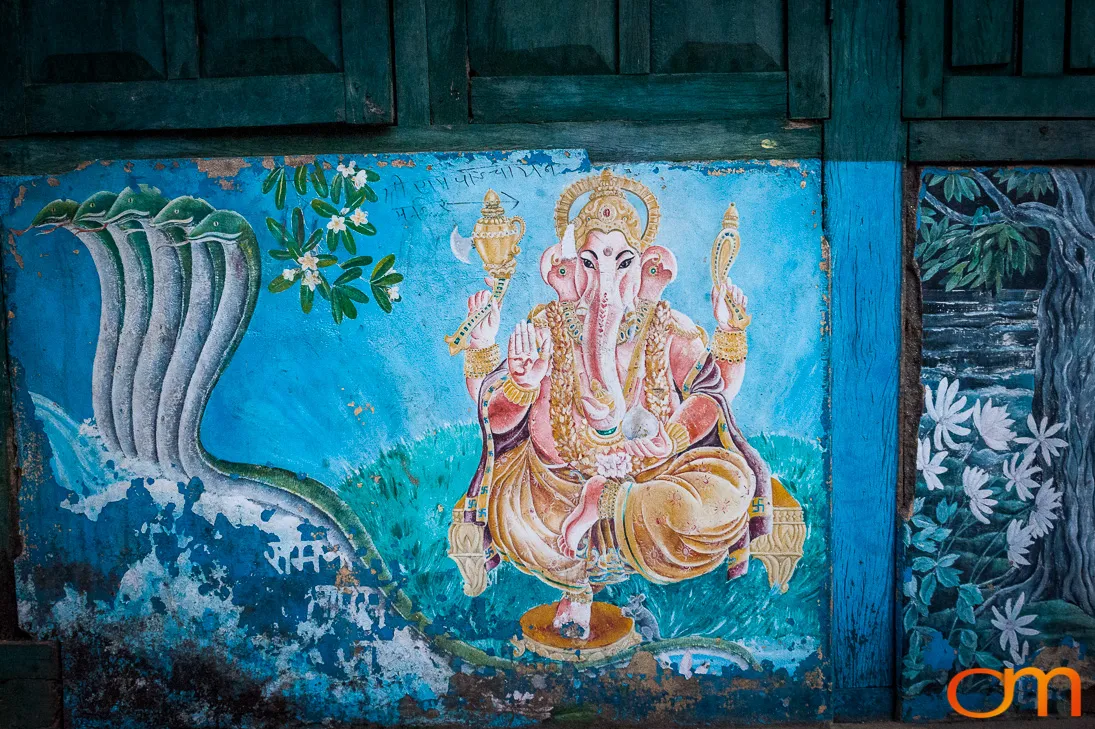
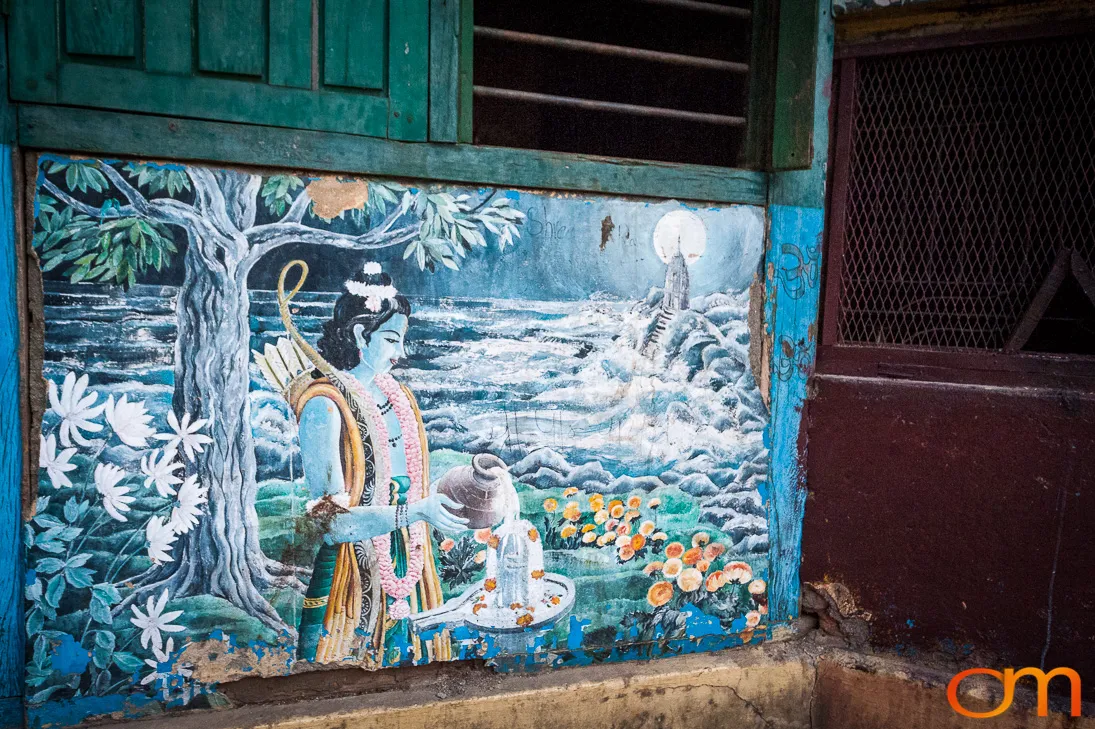
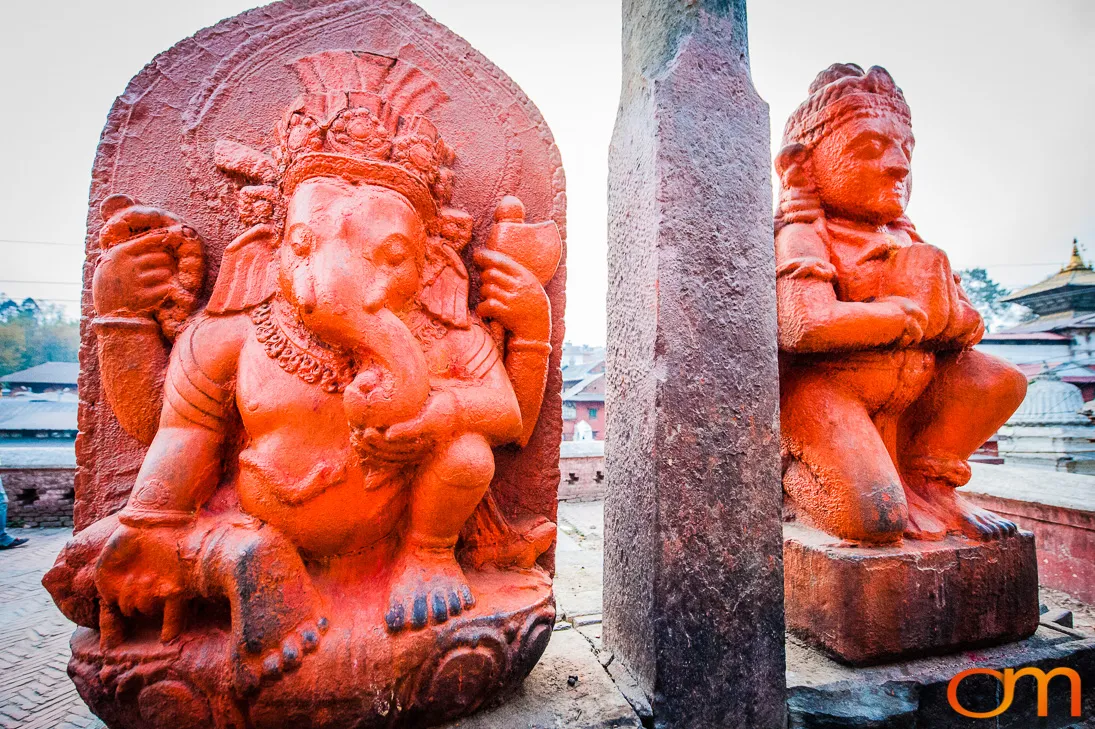
These photographs concentrate on the outer precinct and riverfront. They document small shrines containing Shiva lingas, painted panels depicting Hindu deities and sacred narratives, sculpted religious figures, courtyards, stone steps, and ritual spaces beside the Bagmati.
Among the precinct’s groups of shrines is Pandhra Shivalaya, a row of fifteen miniature temples containing Shiva lingas on the eastern bank of the river. Additional temples and devotional structures extend throughout the Pashupati area.
Cremation Ghats
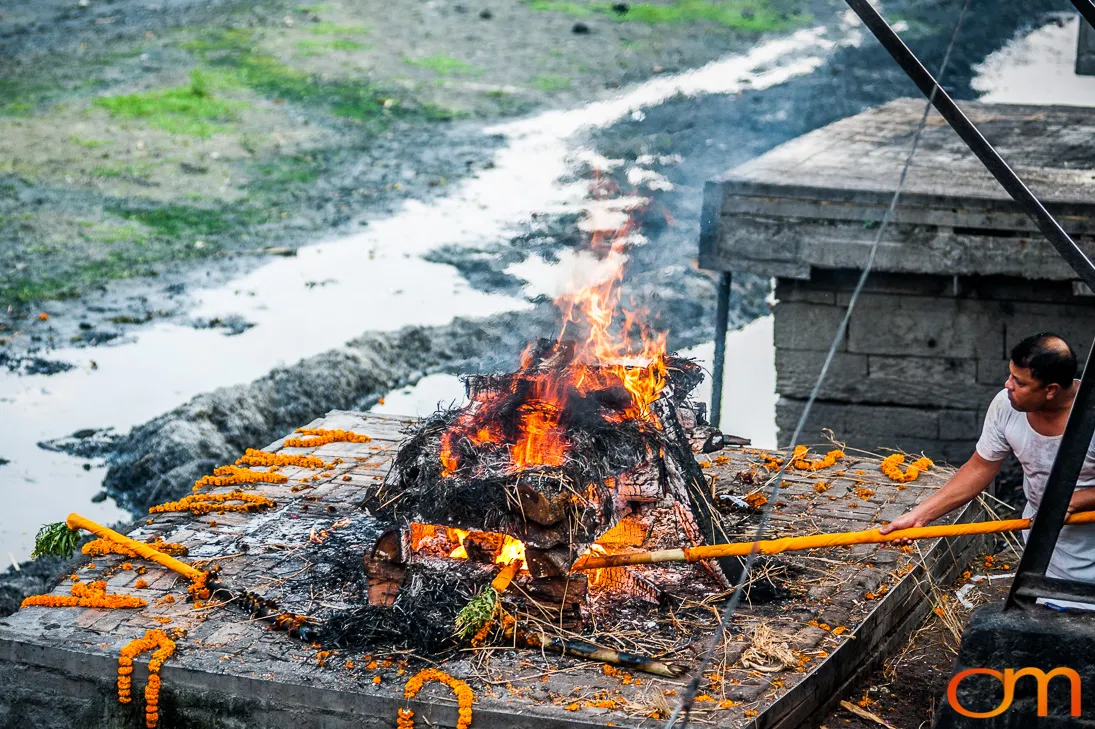
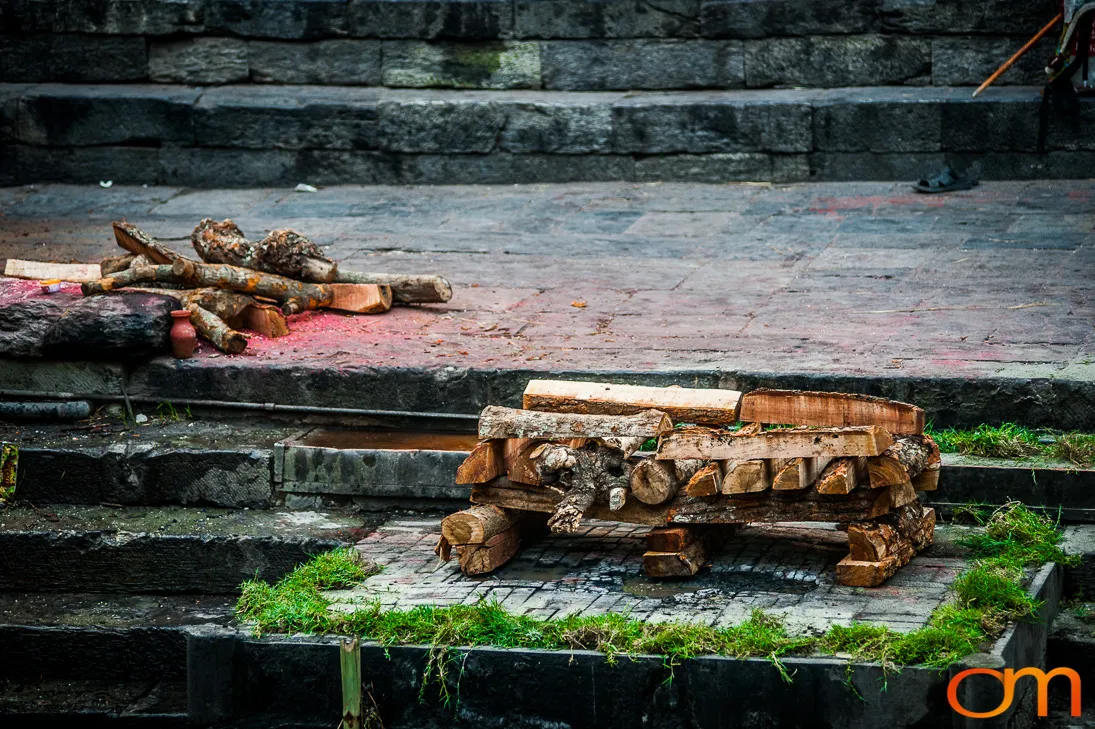
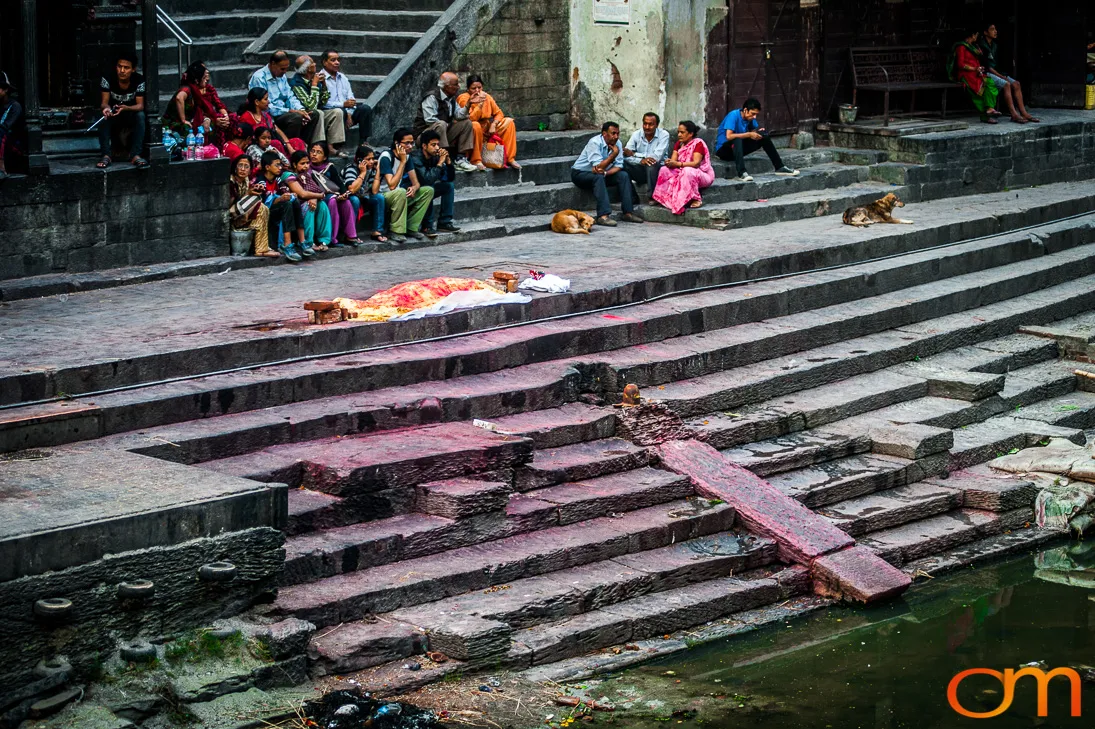
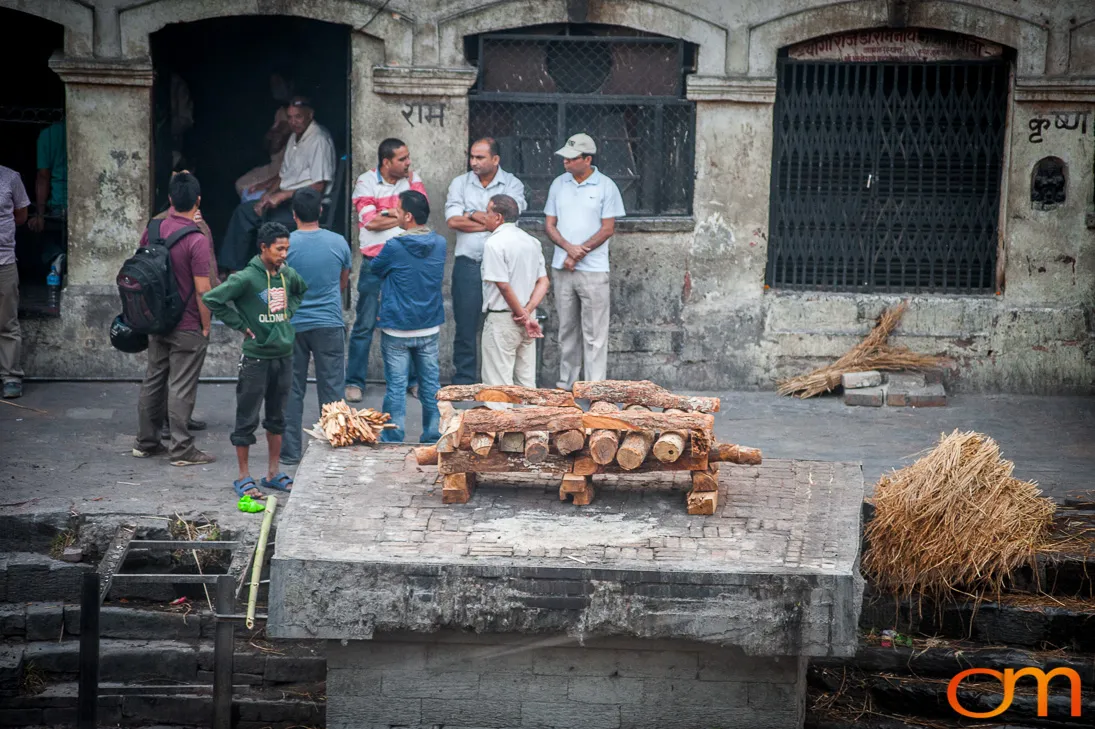
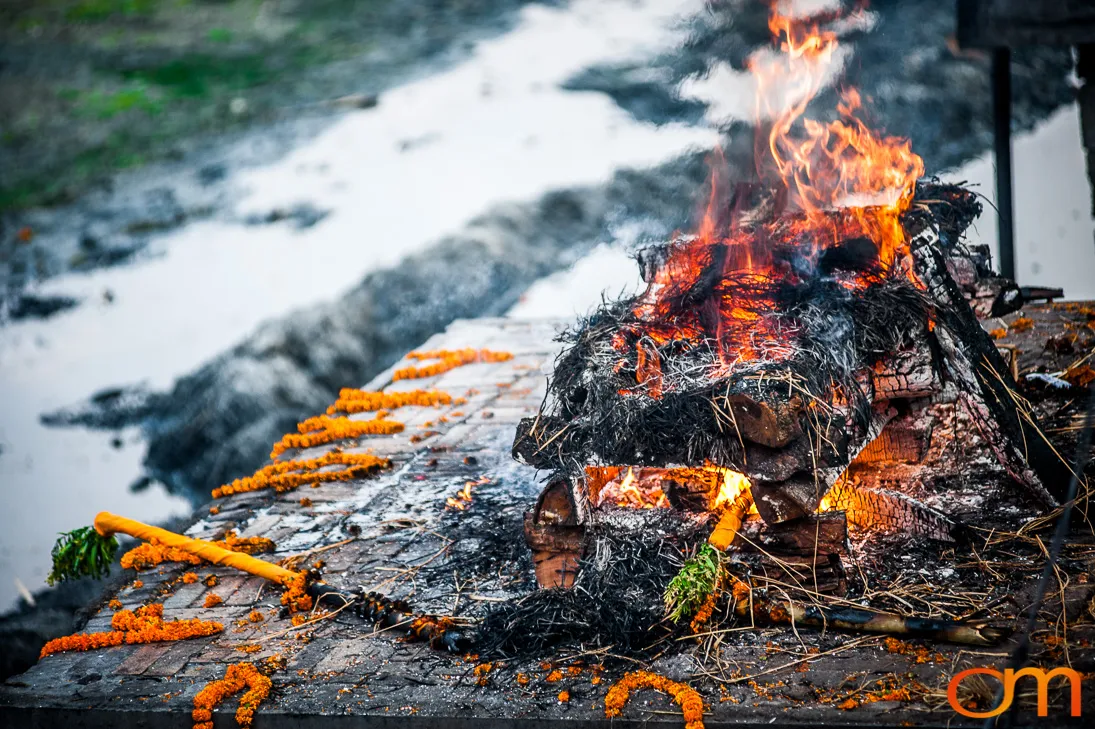
Aryaghat and Bhasmeshwar Ghat are active cremation and funeral sites along the Bagmati River. Families bring deceased relatives to the ghats for cremation and associated Hindu rites, often with guidance from priests and the services responsible for managing the ceremonial spaces.
The river is sacred within Hindu traditions. Cremation beside it forms part of a wider sequence of mourning, purification, remembrance, and post-death ritual. The funeral pyres visible in the photographs are therefore part of a living religious tradition.
Sadhus, or Hindu ascetics, are closely associated with Pashupatinath and are especially visible during religious festivals. They should not, however, be described generally as administering the funeral rites conducted at the ghats.
Photograph-Date Context
These photographs were made on April 28, 2016, approximately one year after the Gorkha earthquake of April 25, 2015. Official reporting described the Pashupati Monument Zone as comparatively less affected than several other components of the Kathmandu Valley World Heritage property, although conservation work on damaged structures within the precinct was continuing.
The photographs document Pashupatinath as both a protected historic complex and an active sacred landscape during Nepal’s post-earthquake heritage recovery.