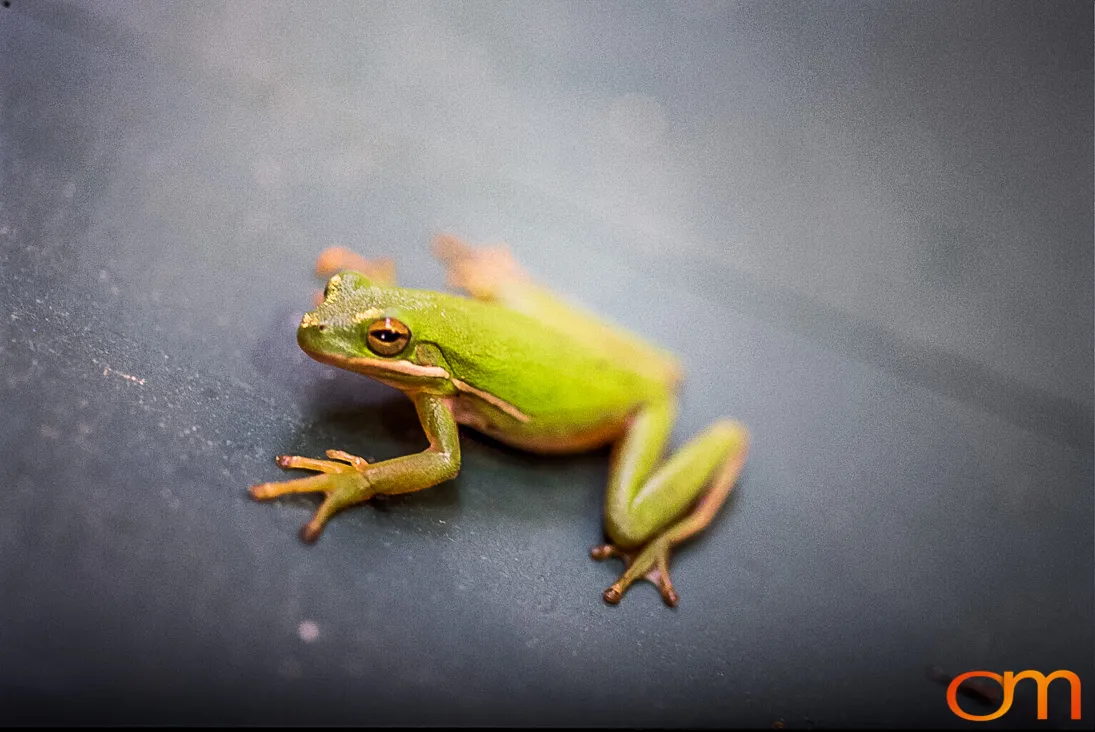
Louisiana
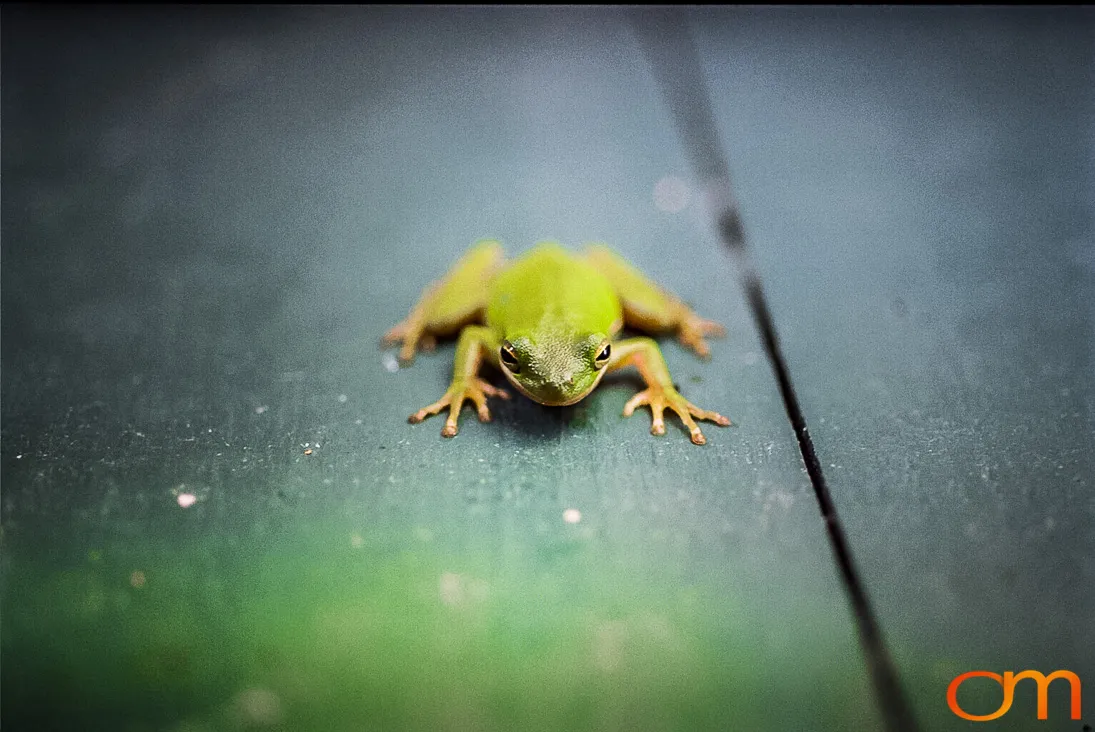
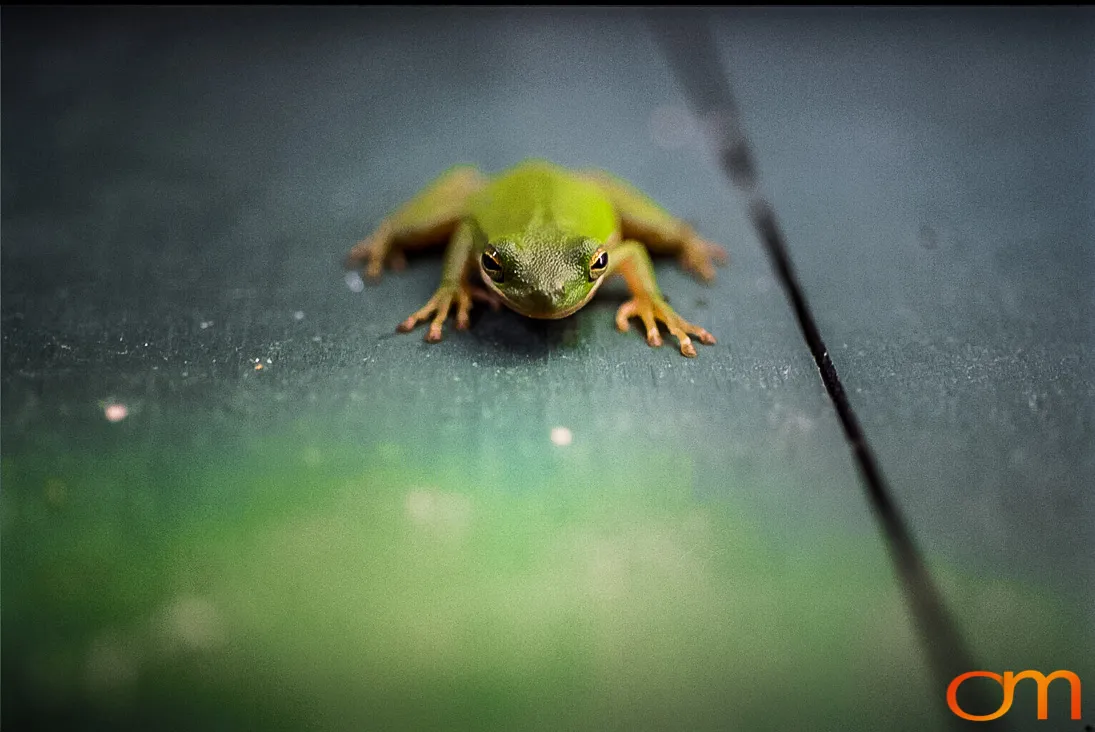
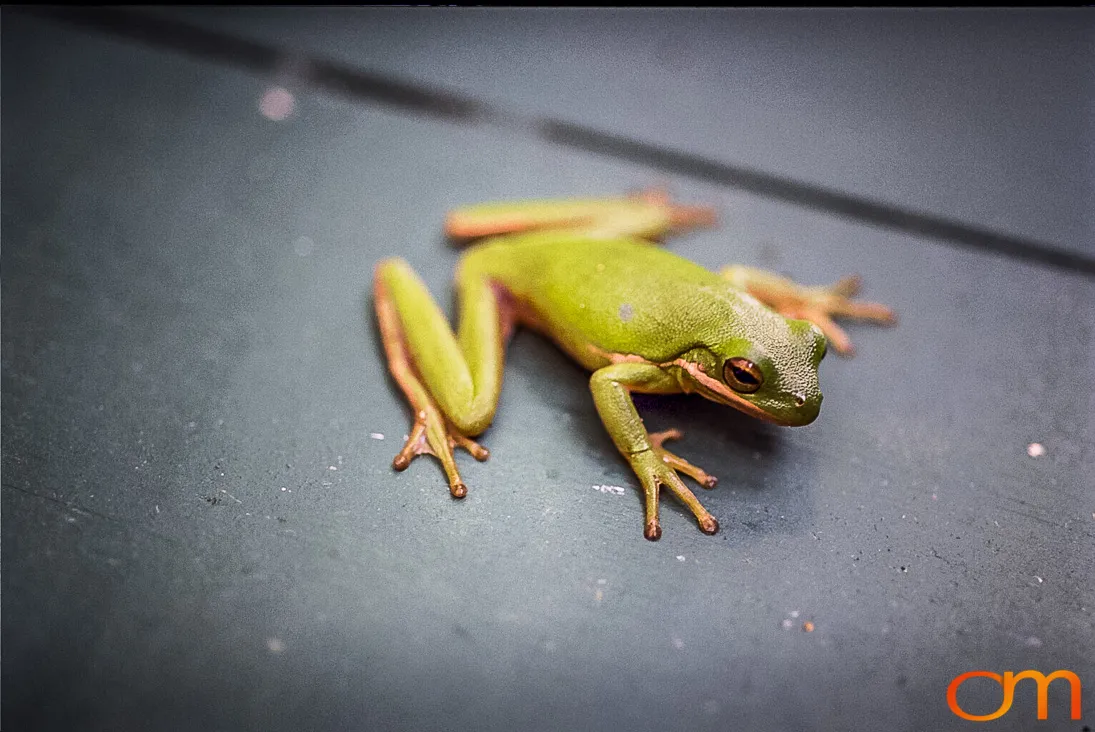
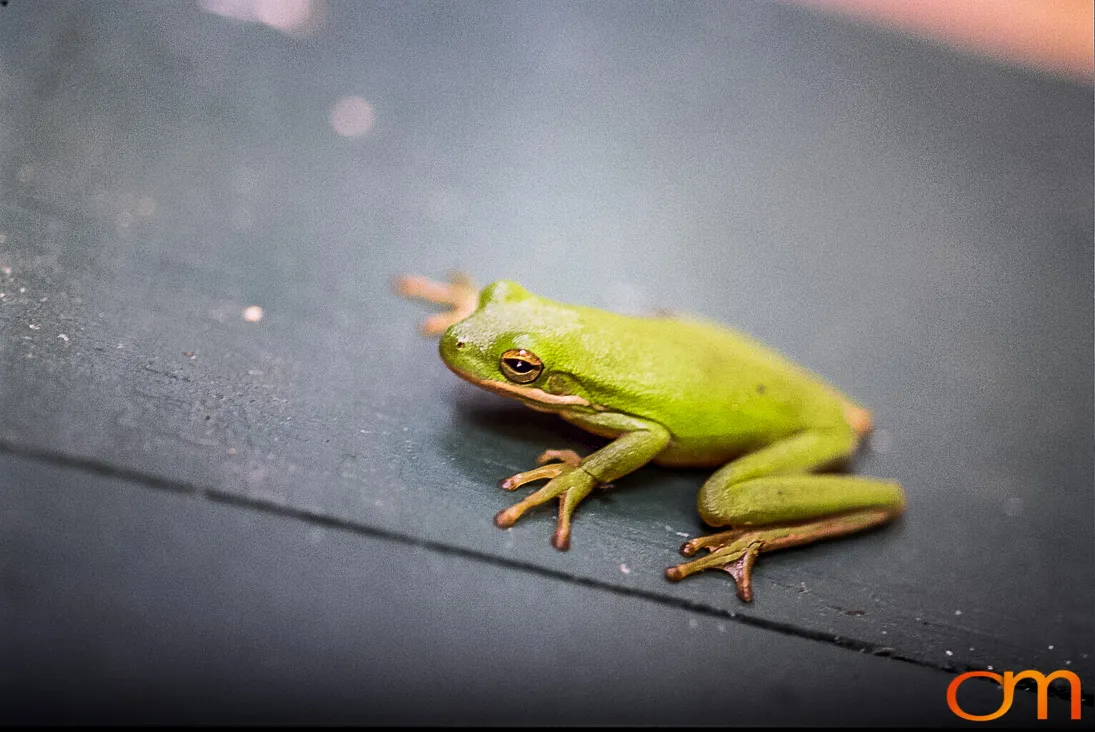
American Green Treefrog
January 2004
The American green treefrog (Dryophytes cinereus), formerly classified as Hyla cinerea, is an arboreal frog native to the southeastern and south-central United States. Its range extends northward along parts of the Atlantic Coastal Plain and Mississippi River drainage. The species is closely associated with marshes, swamps, ponds, lake margins, ditches, and other still-water habitats containing abundant floating or emergent vegetation. Enlarged toe pads help it cling to leaves, stems, and other surfaces.
Adults measure approximately 1.25–2.5 inches (3.2–6.4 cm) from snout to vent. Their smooth skin may be bright green, yellow-green, olive, gray, or brown, often with a pale stripe extending from the upper lip along the side. The underside is white to cream, and females generally grow larger than males.
American green treefrogs feed primarily on small insects. During warm, wet periods, males call from vegetation near water to attract females. Eggs are deposited in small clusters among floating vegetation. Clutch size varies substantially among populations and may range from several hundred to more than 1,000 eggs. The eggs generally hatch within 4–14 days, after which the aquatic tadpoles develop before metamorphosing into juvenile frogs.