Guadeloupe
Guadeloupe: A French Caribbean Archipelago
December 2017
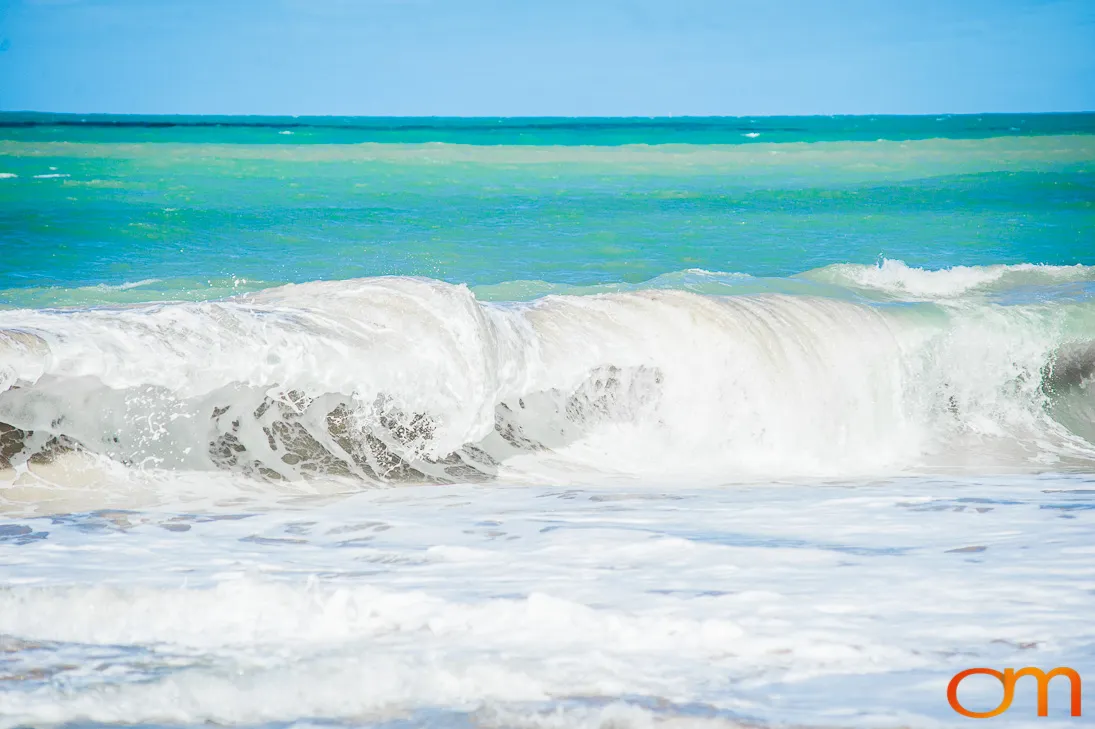
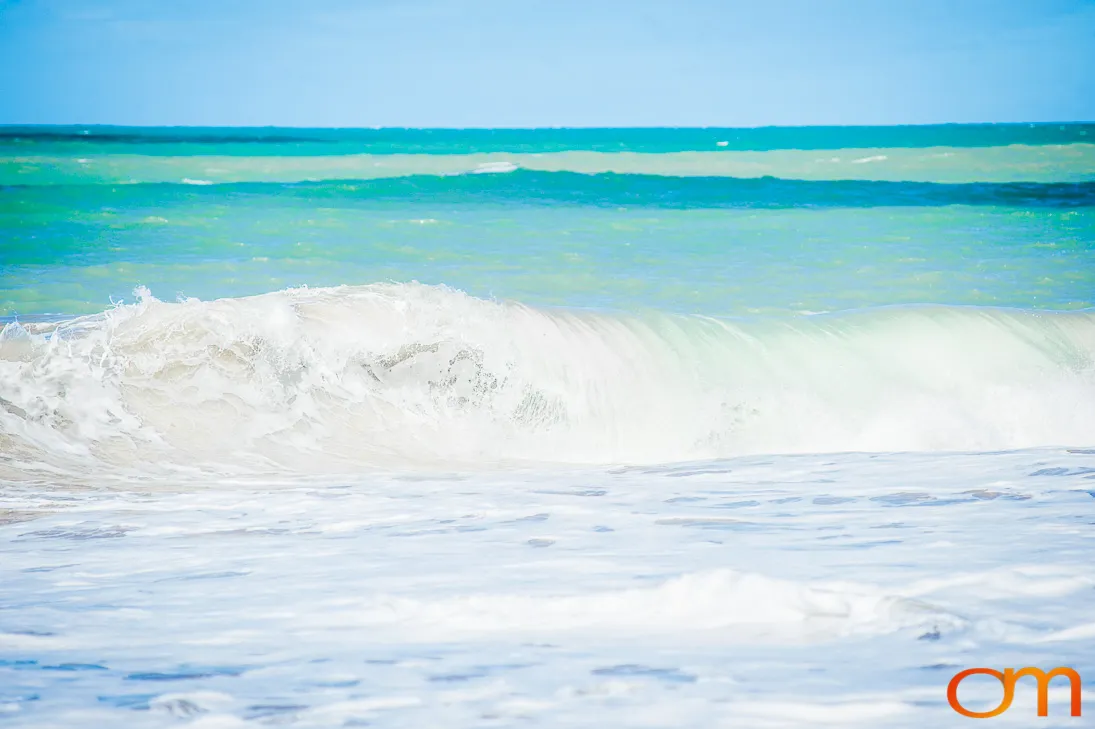
Guadeloupe is an archipelago in the Lesser Antilles, positioned between the Caribbean Sea and Atlantic Ocean. It is both an overseas department and region of France. Its six inhabited islands are Basse-Terre, Grande-Terre, Marie-Galante, La Désirade, Terre-de-Haut, and Terre-de-Bas, accompanied by numerous smaller islets.
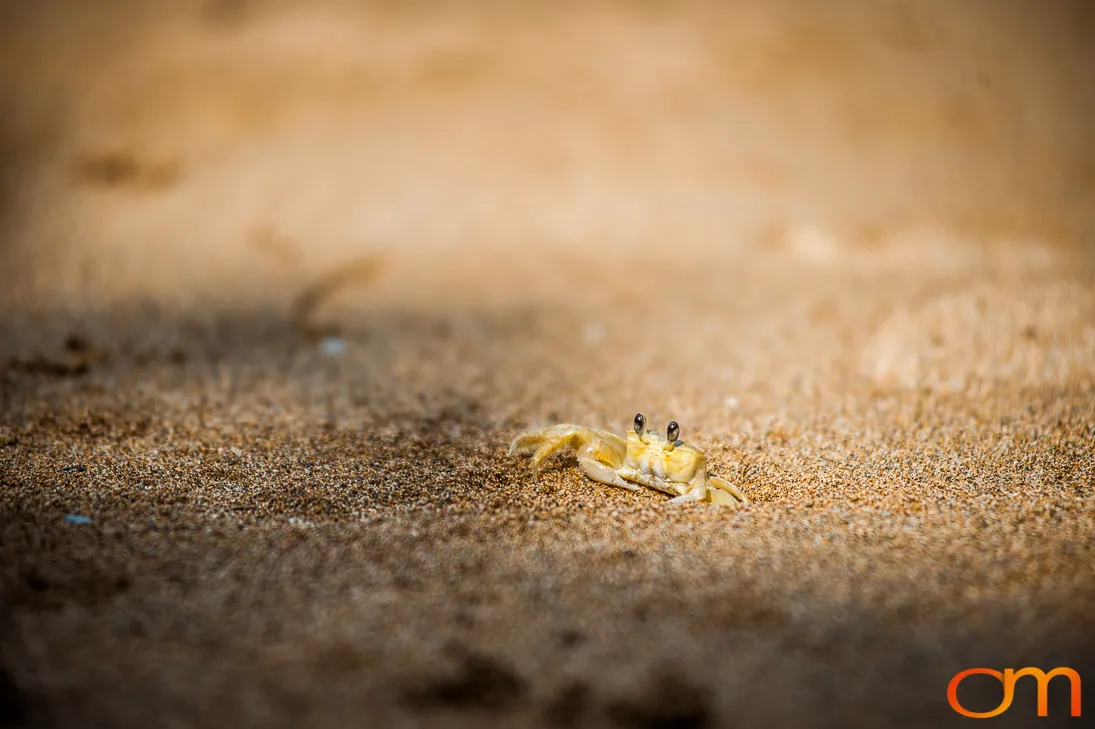
Basse-Terre is mountainous and volcanic, with La Soufrière and extensive tropical forest. Grande-Terre is lower and largely limestone. Mangroves, wetlands, seagrass beds, and coral reefs add to the archipelago’s ecological range. The Guadeloupe Archipelago Biosphere Reserve encompasses Basse-Terre and almost all of Grande-Terre.
Guadeloupe’s present society was shaped by Indigenous settlement, French colonization beginning in 1635, a sugar plantation economy built through African enslavement, abolition in 1848, and later migration, including indentured workers from India. Guadeloupean Creole remains central to cultural expression alongside French. Sugarcane and rum production continue to connect the modern landscape with the archipelago’s agricultural and colonial history.