Ethiopia
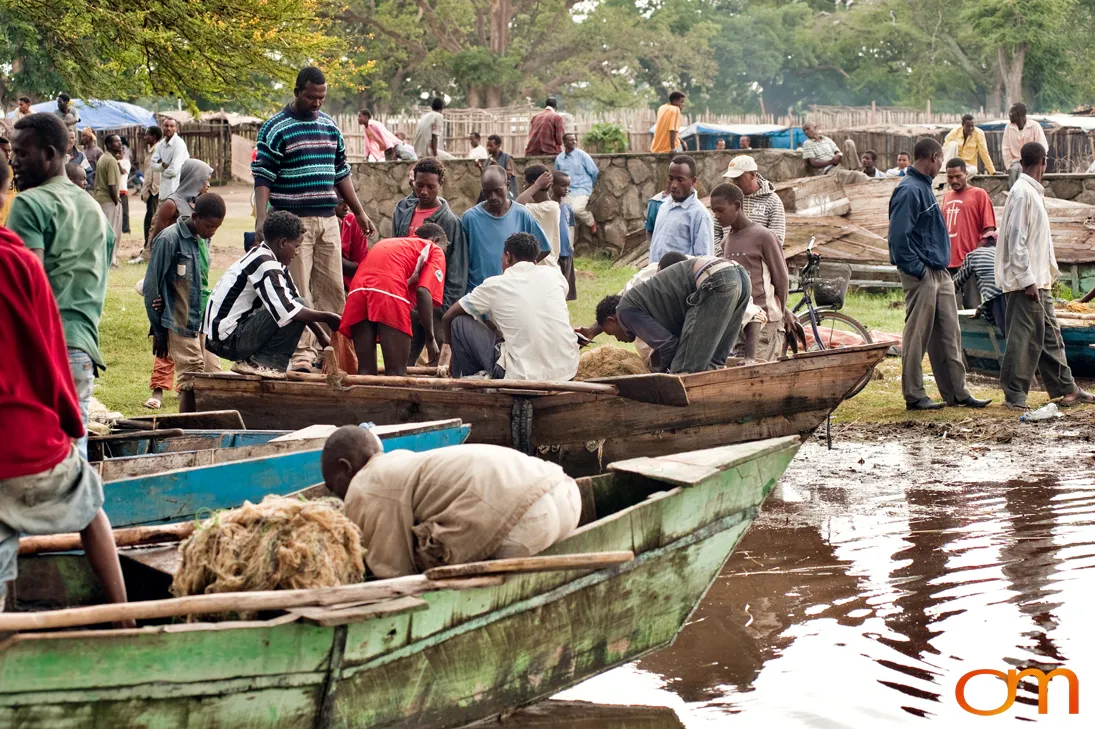
Awassa Fish Market
October 2010
Hawassa, historically also written as Awassa, stands on the eastern shore of Lake Hawassa in Ethiopia’s Main Rift Valley. It is the capital of the Sidama Region and an important regional center.
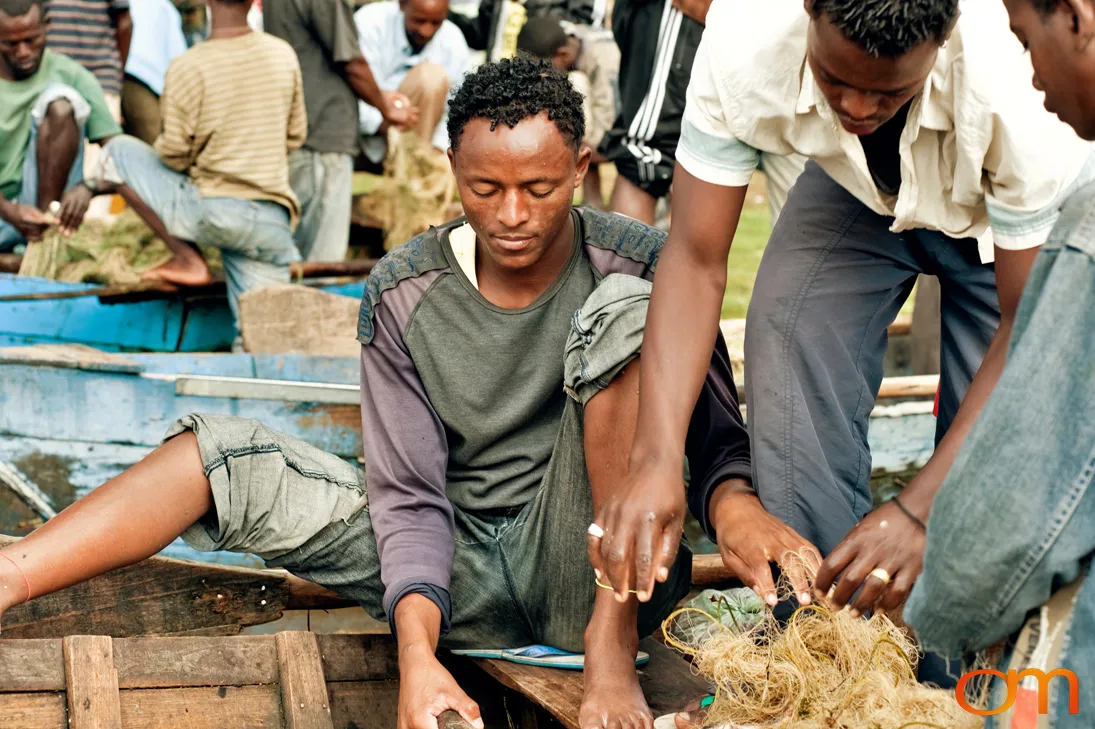
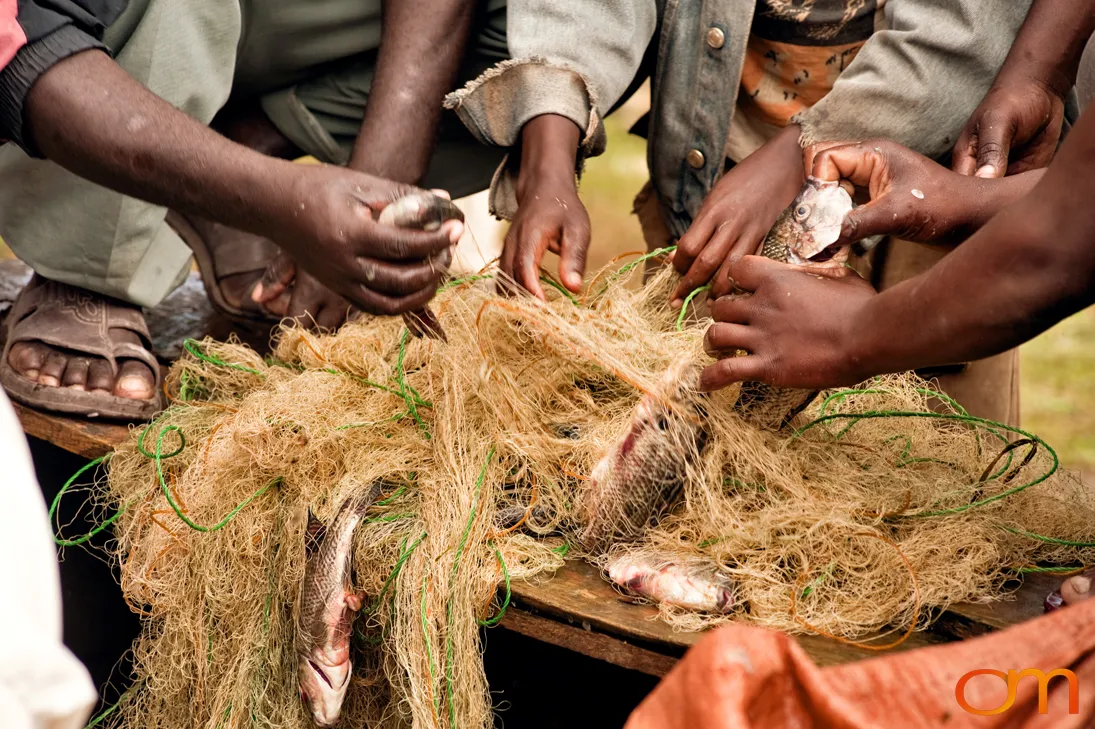
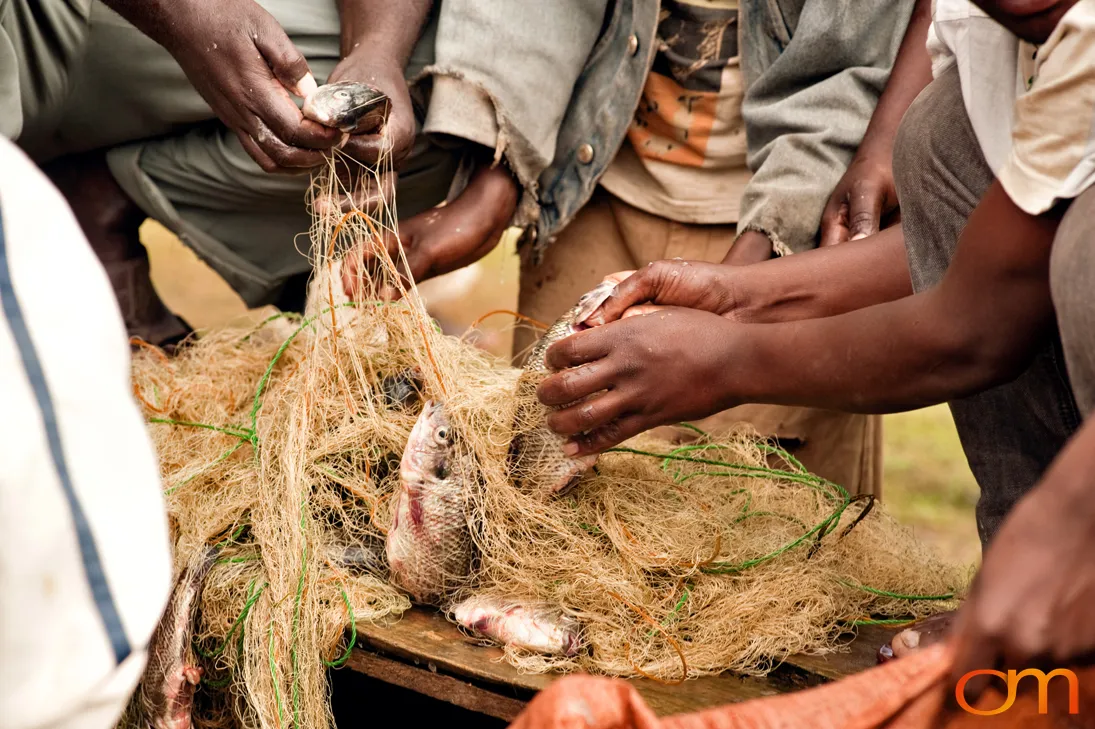
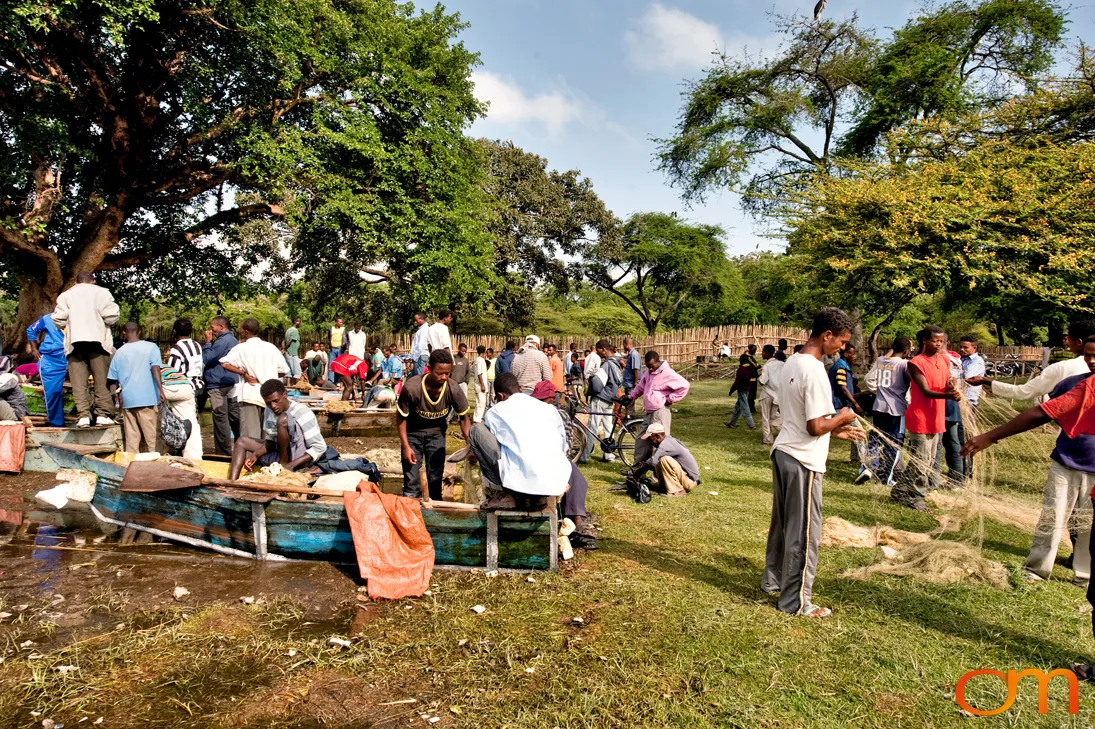
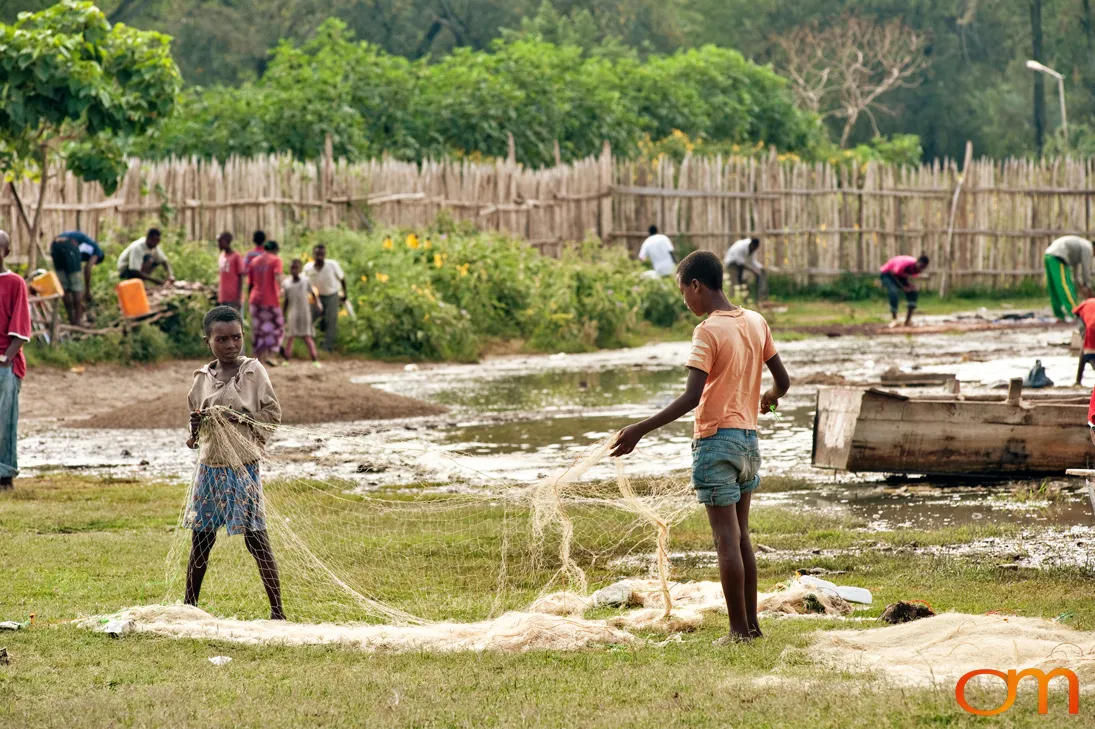
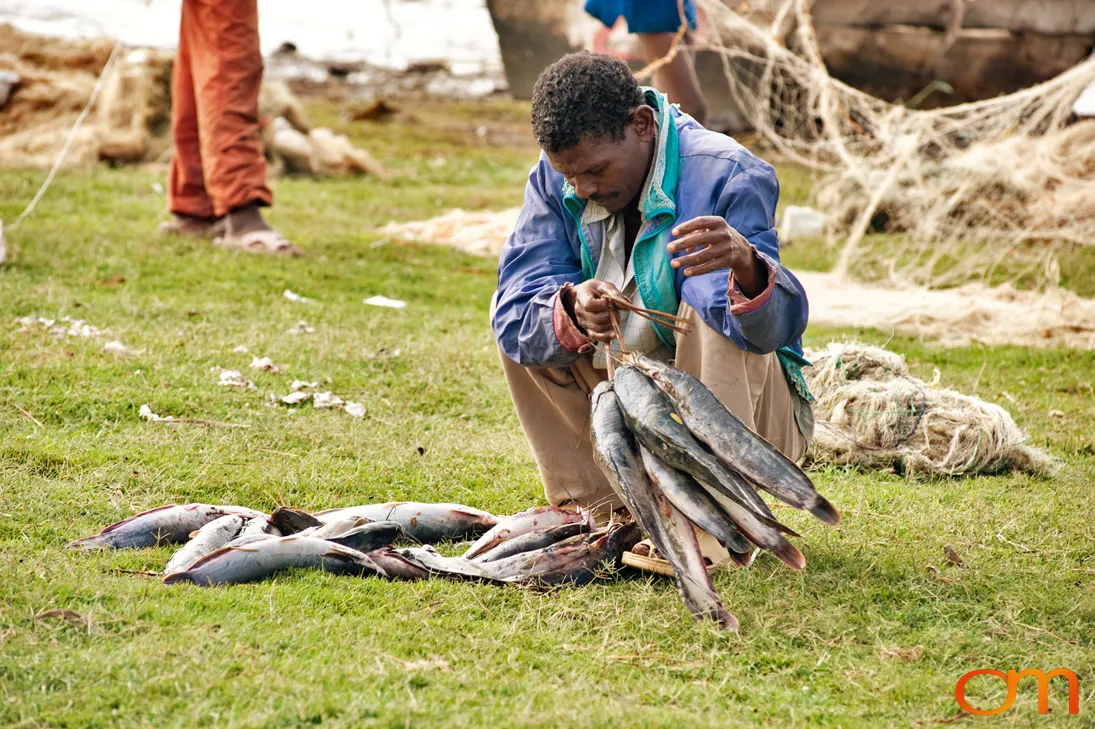
Photographed in 2010, the Hawassa Fish Market documents the close relationship between the lake and the people who depend upon it. Fishermen bring their catch ashore for processing and sale to local customers, food vendors, and restaurants. Nile tilapia (Oreochromis niloticus) is the lake’s principal commercial fish, while African catfish (Clarias gariepinus) also forms part of the catch.
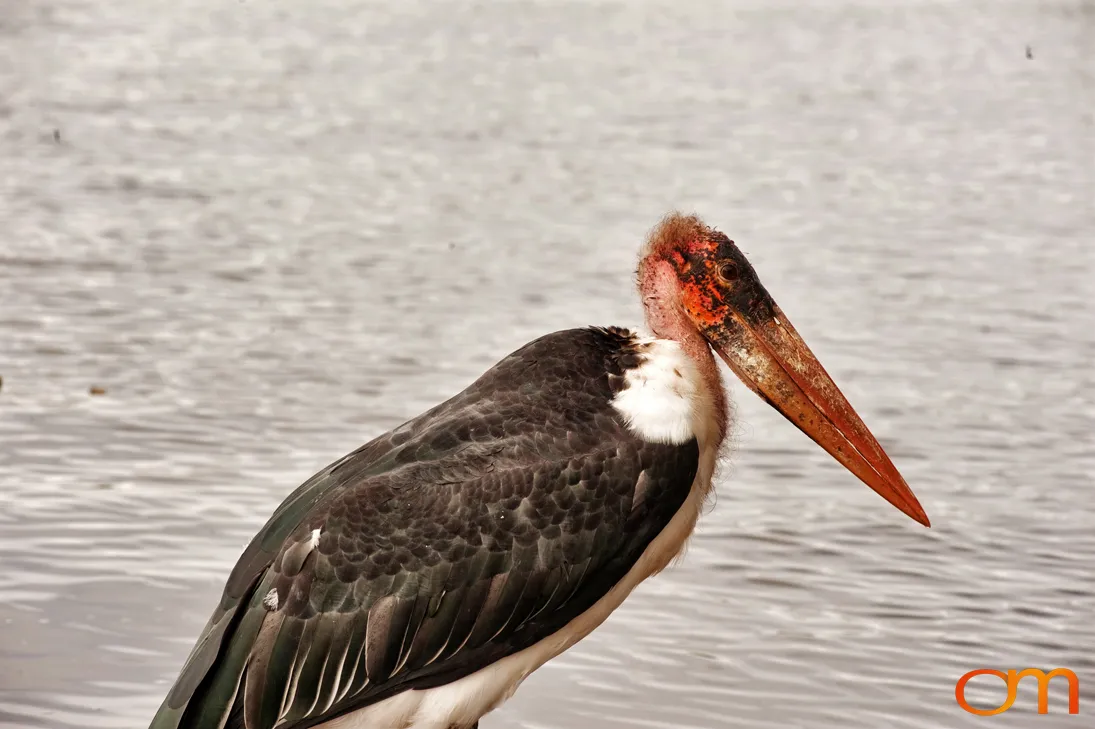
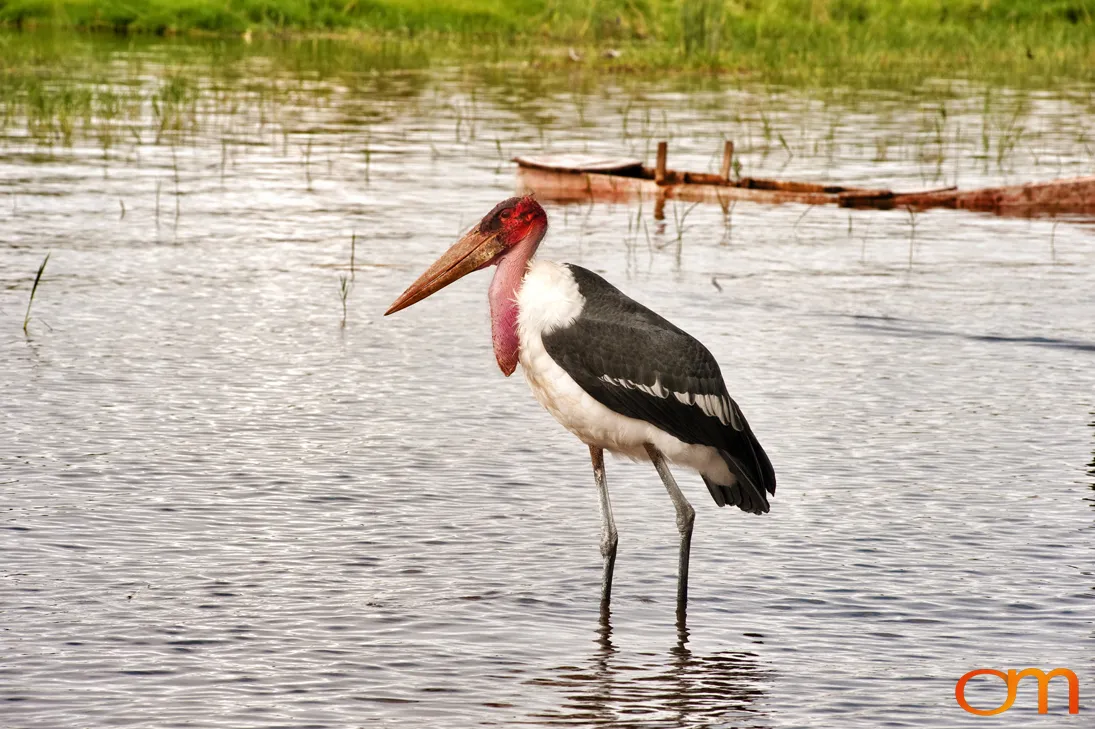
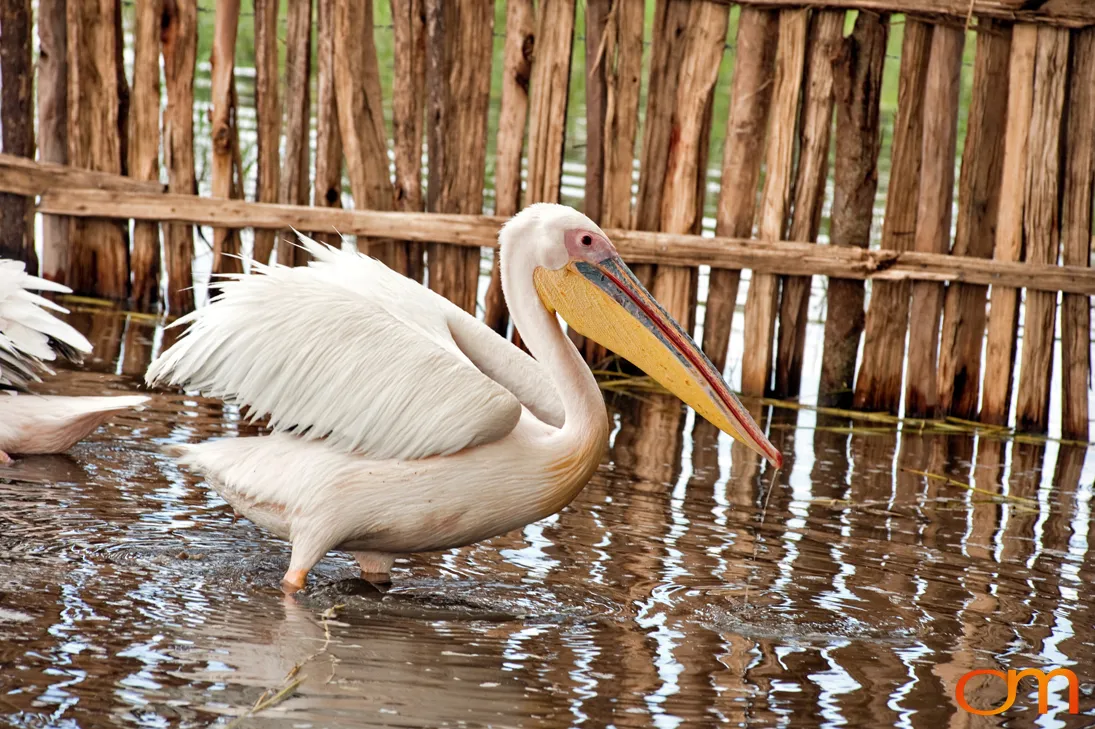
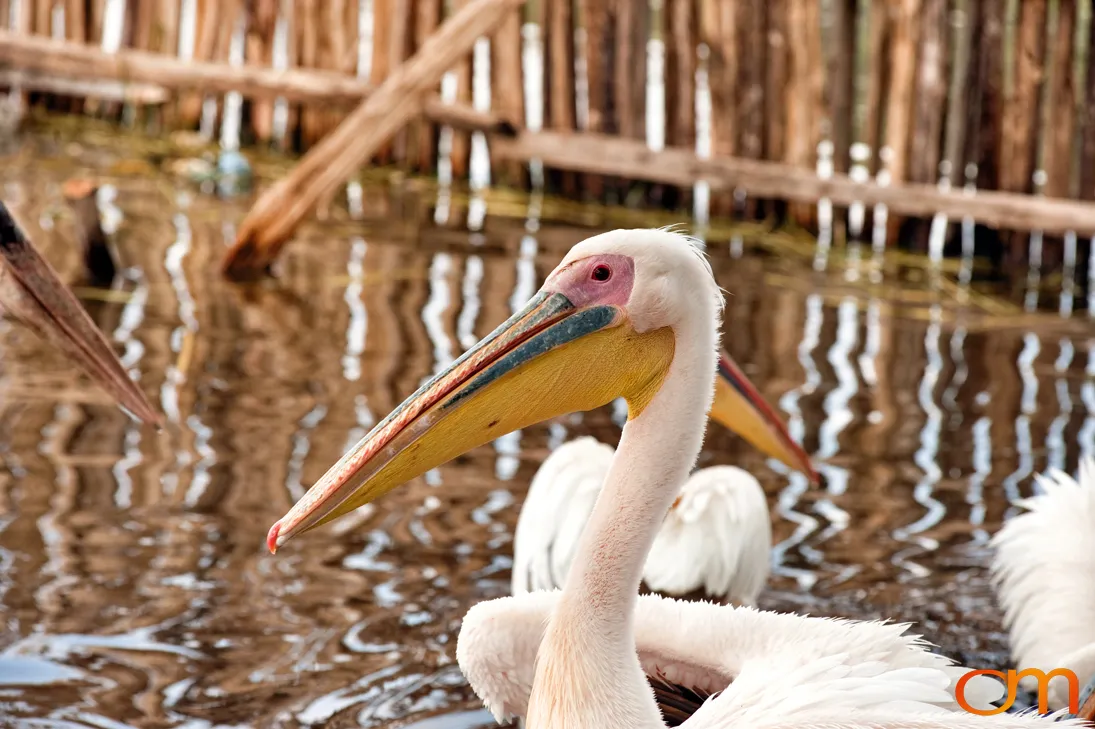
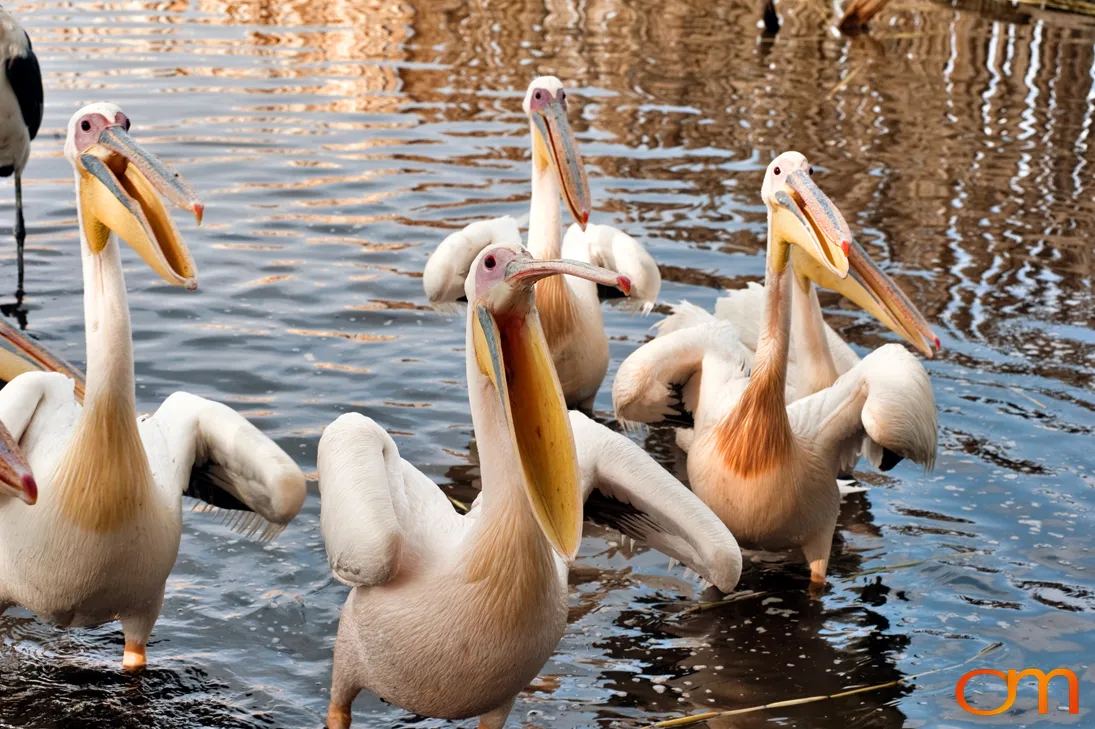
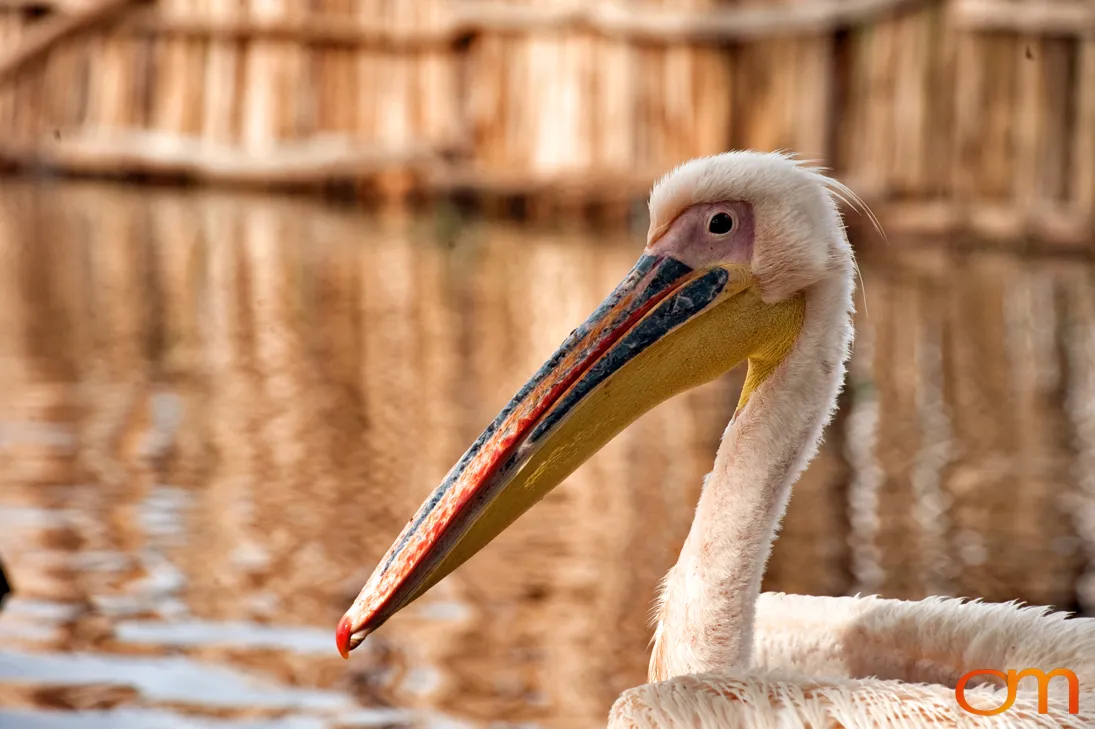
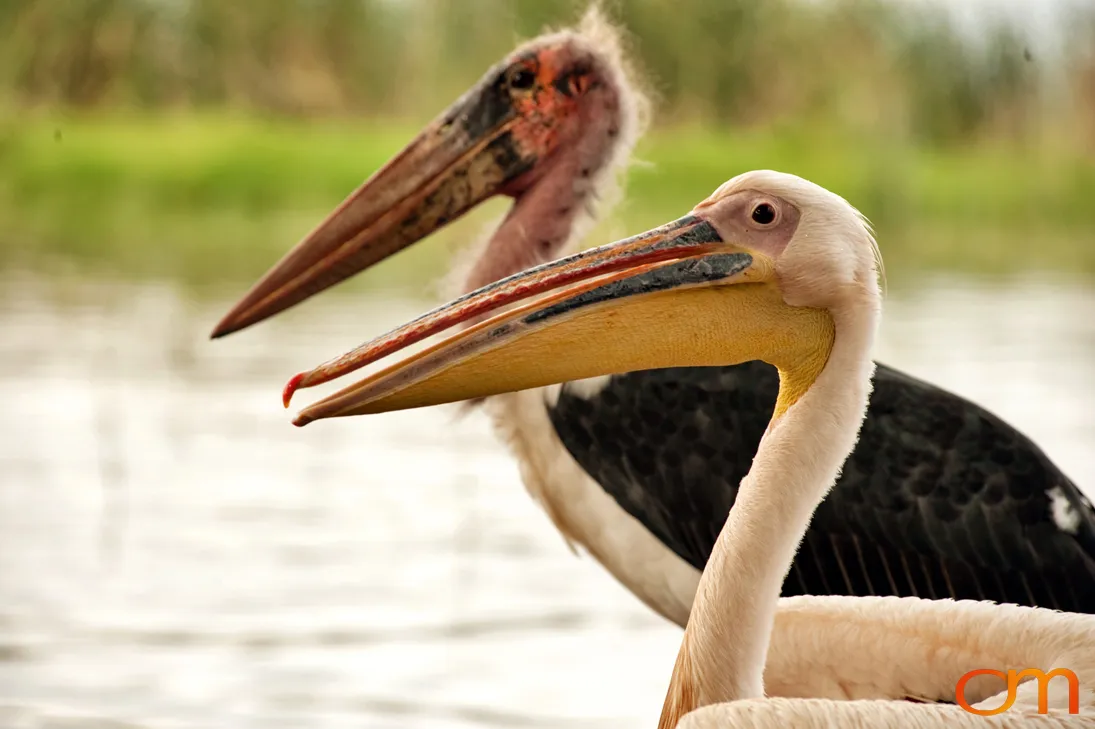
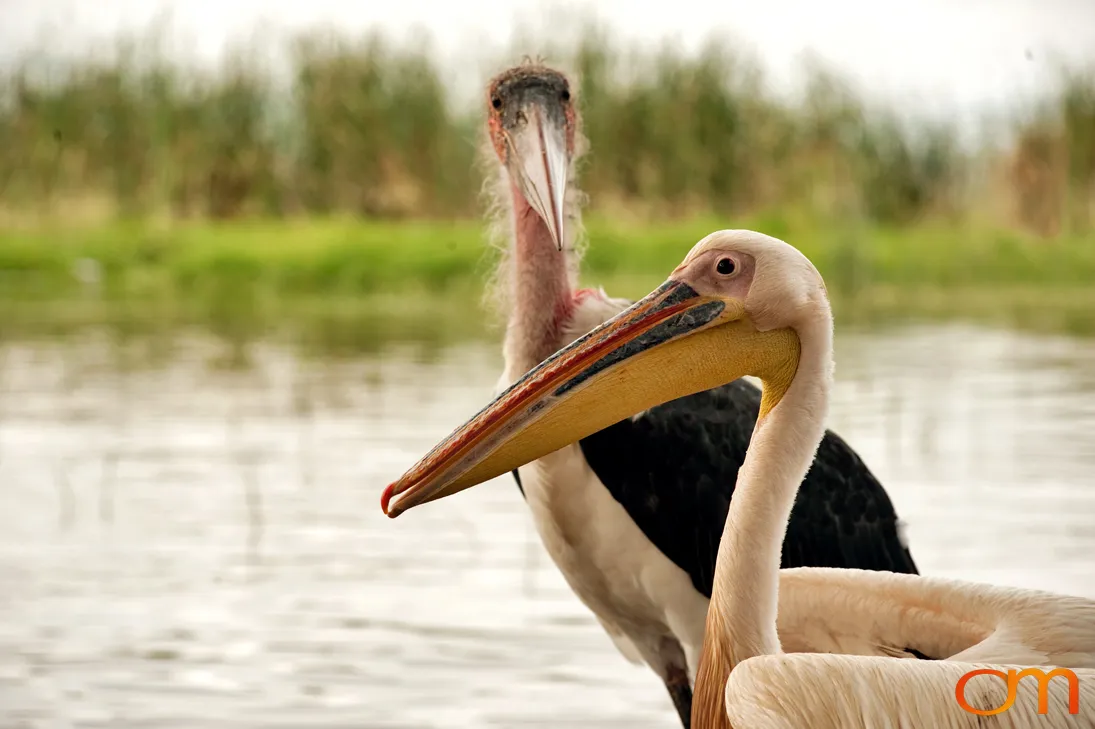
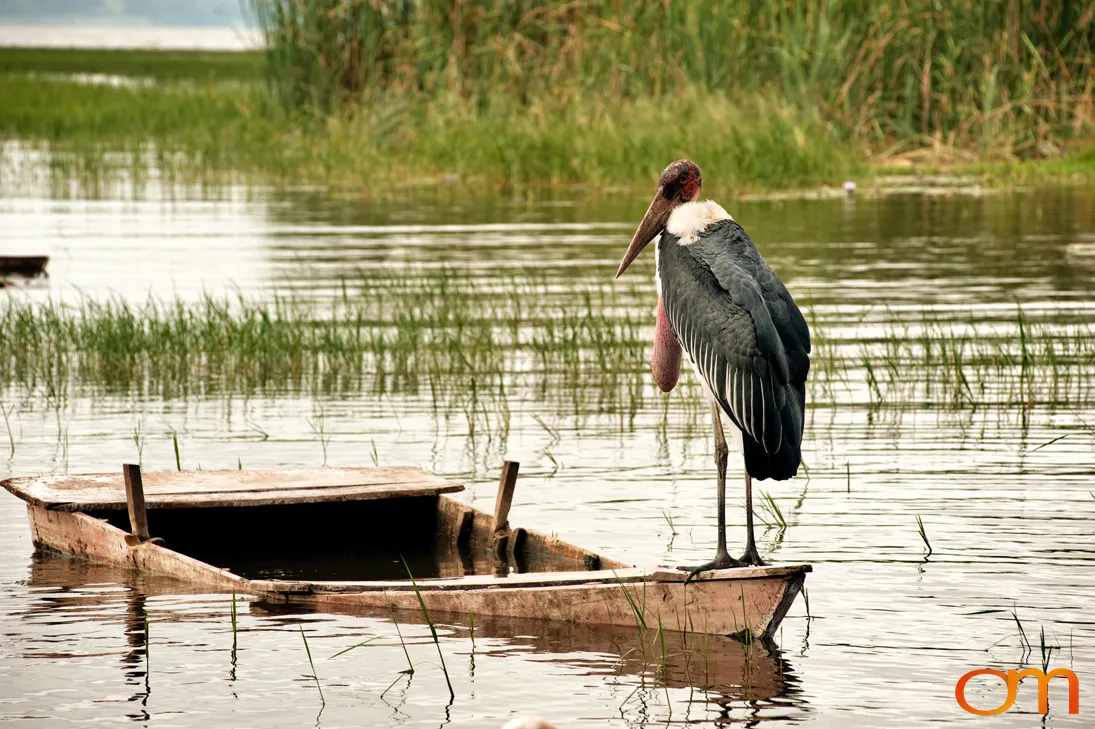
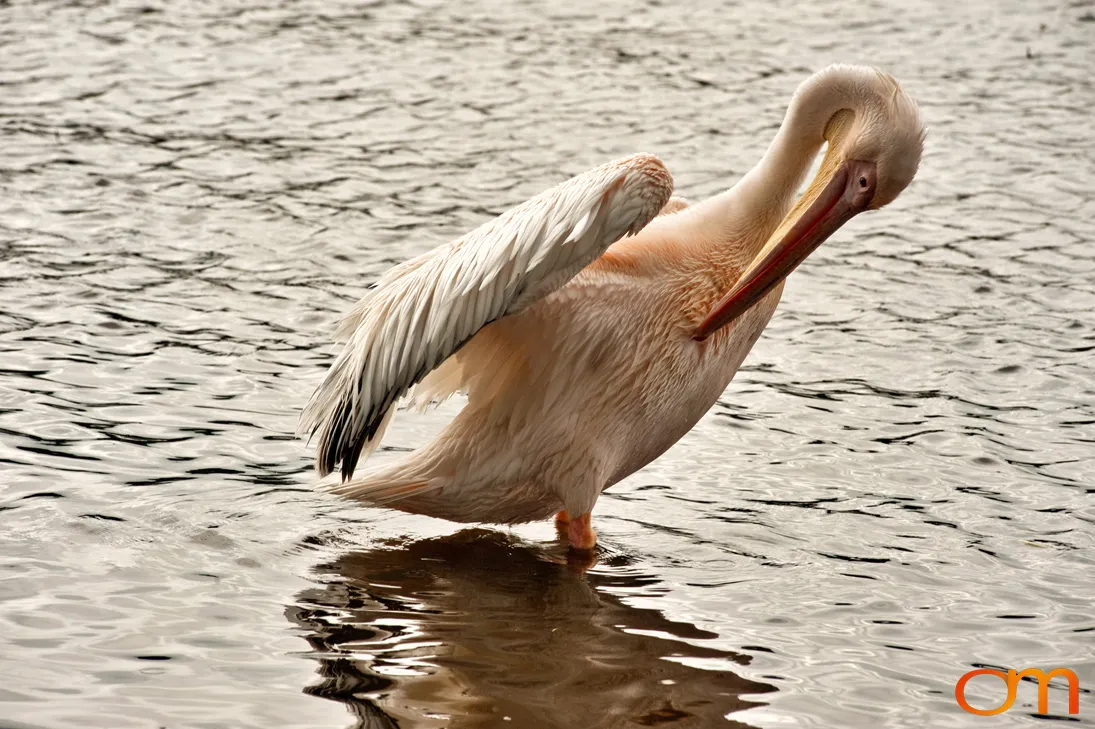
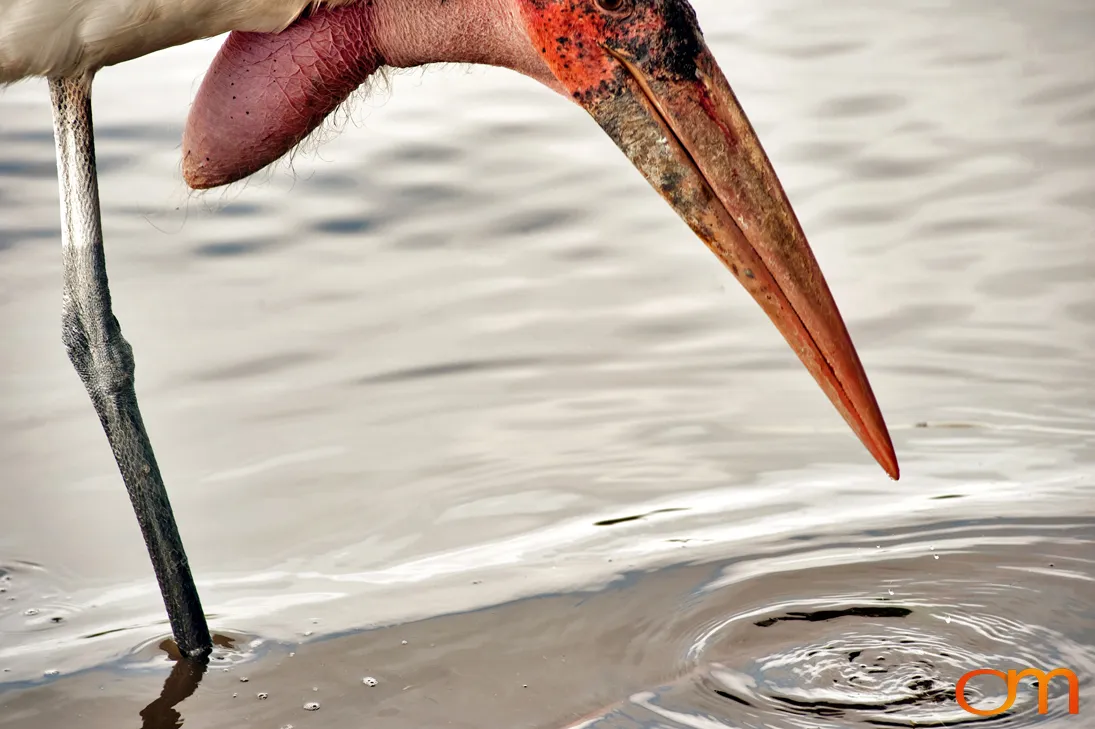
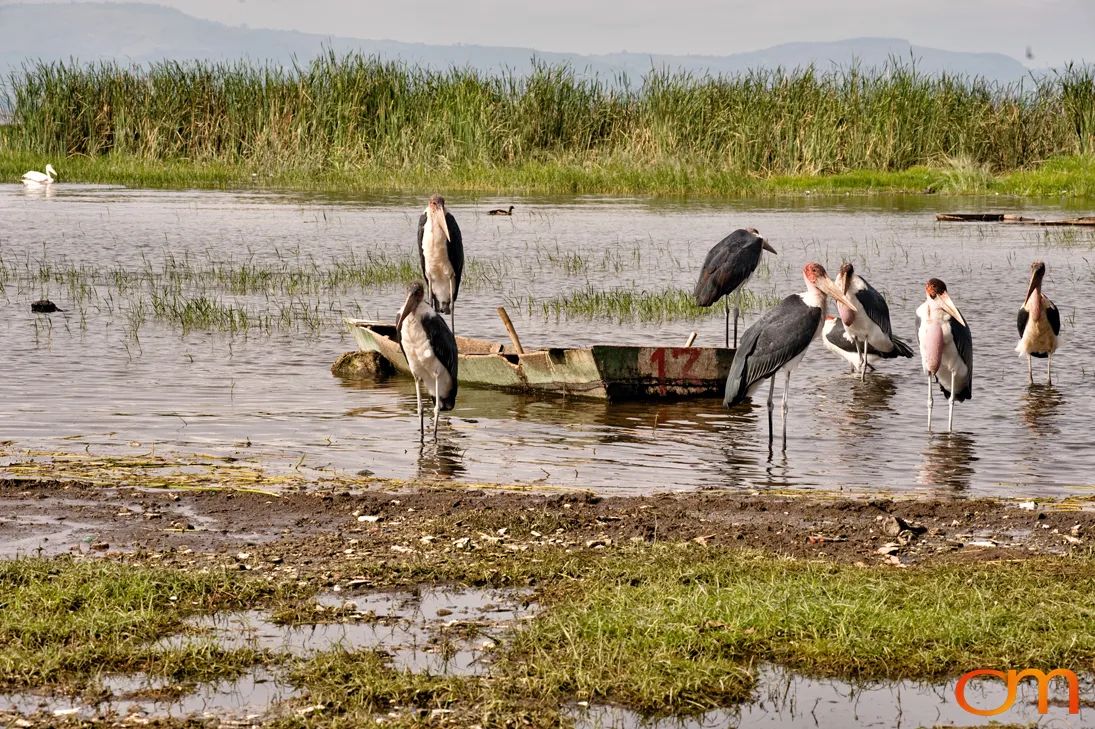
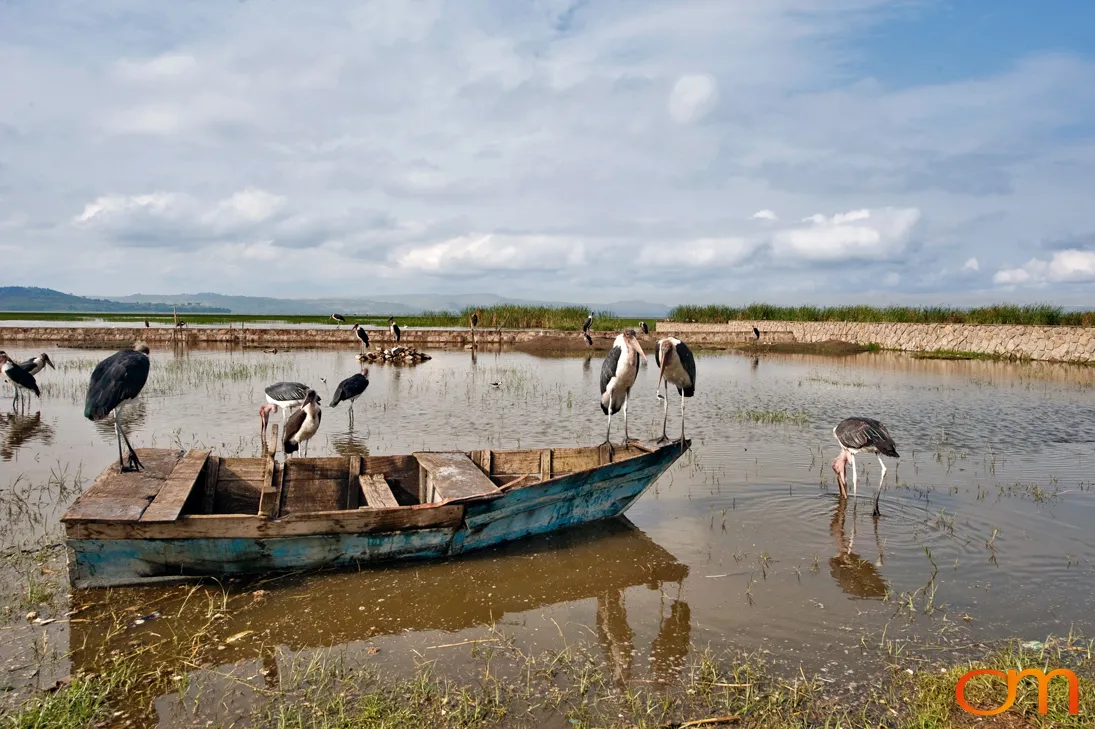
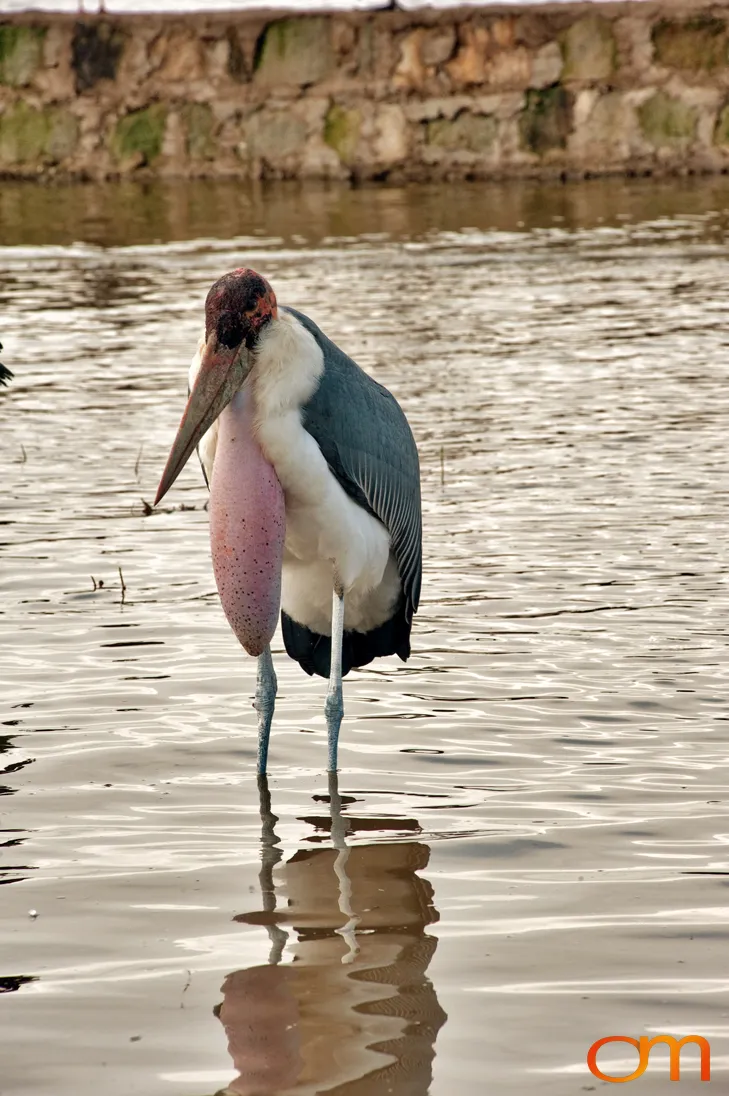
The market also creates a distinctive interaction between people and wildlife. Marabou storks and other fish-eating or scavenging birds gather near the landing area, where they forage for fish and discarded remains. Research at Lake Hawassa has documented marabou storks and African fish eagles around commercial fishing sites and found that fishing activity influences the distribution and diversity of birds along the shoreline.
Lake Hawassa is a freshwater lake within a closed Rift Valley basin. It receives water from the Tikur Wuha River but has no surface outlet, making its hydrology a distinctive feature of the surrounding landscape.
Field Documentation: Photographs taken in 2010.
Where Fishing and Birdlife Meet
Although the market attracts highly visible birds such as marabou storks, a 2017–2018 study found that overall bird diversity was lower around the busy commercial fishing site than along a less-disturbed section of shoreline. The market therefore attracts certain scavenging species while simultaneously discouraging more disturbance-sensitive birds.