Indonesia
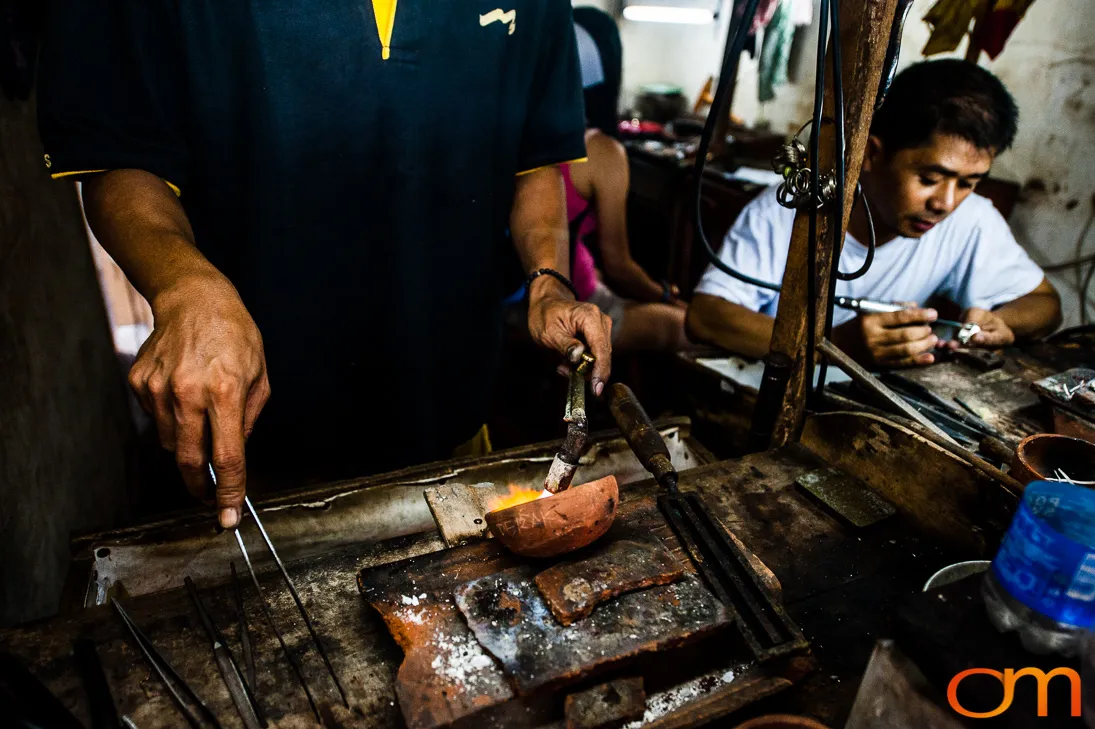
Silversmithing in Bali
May 2015
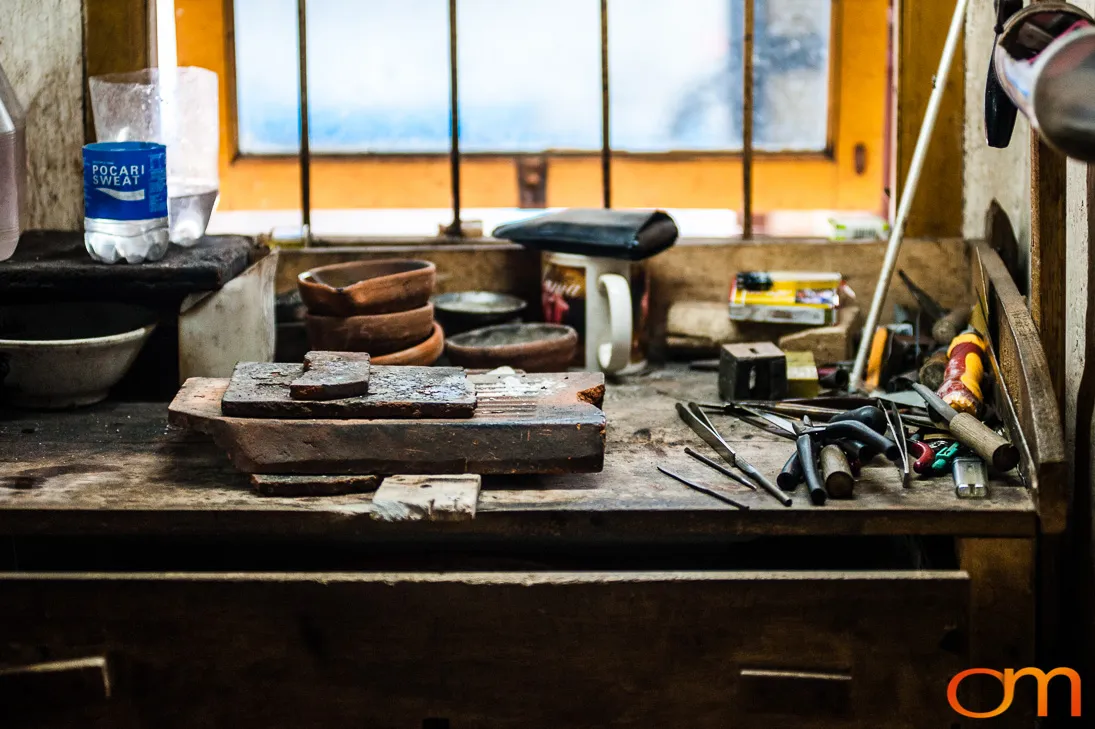
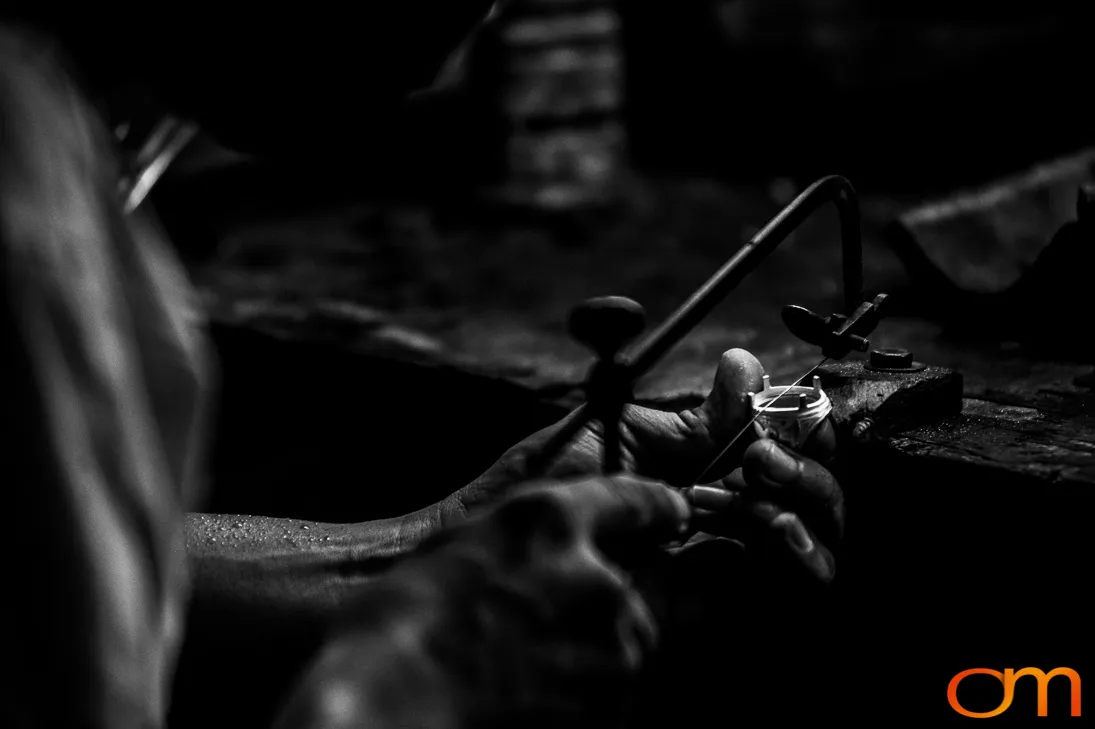
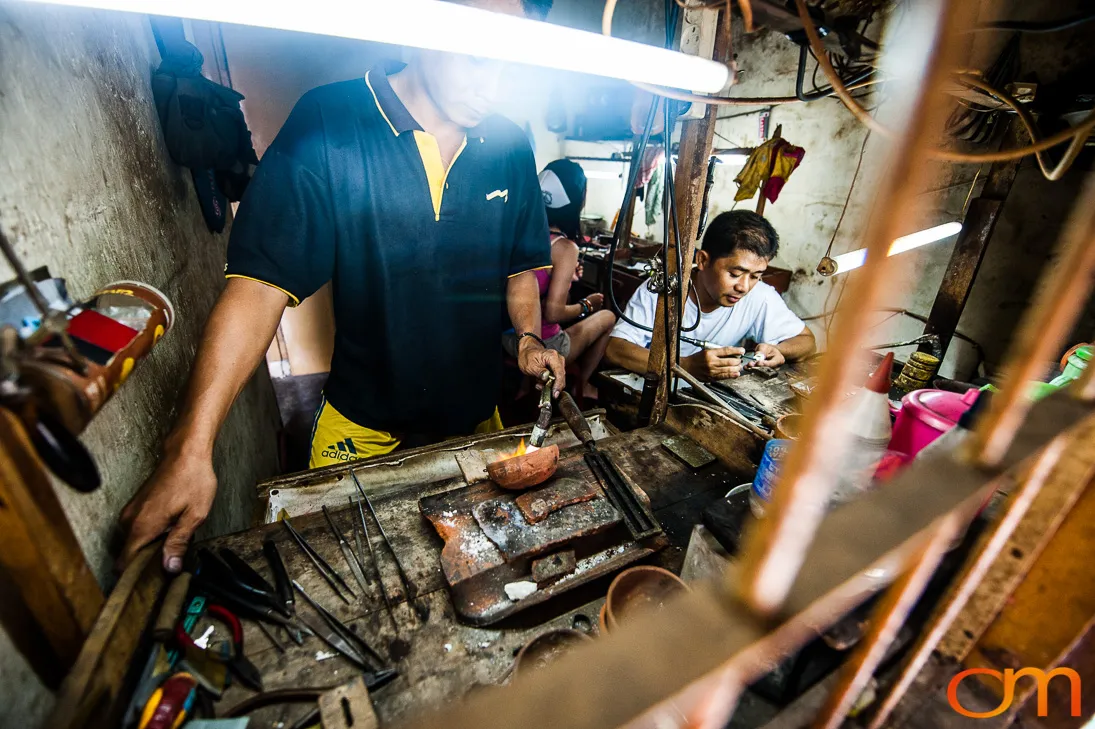
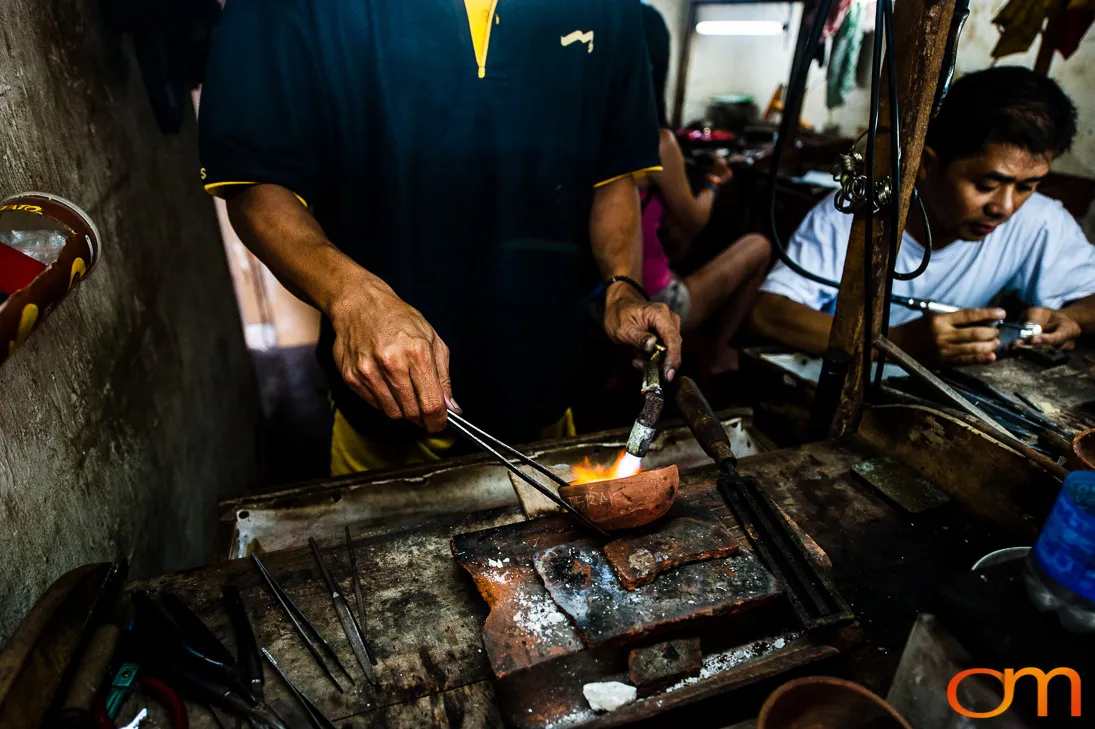
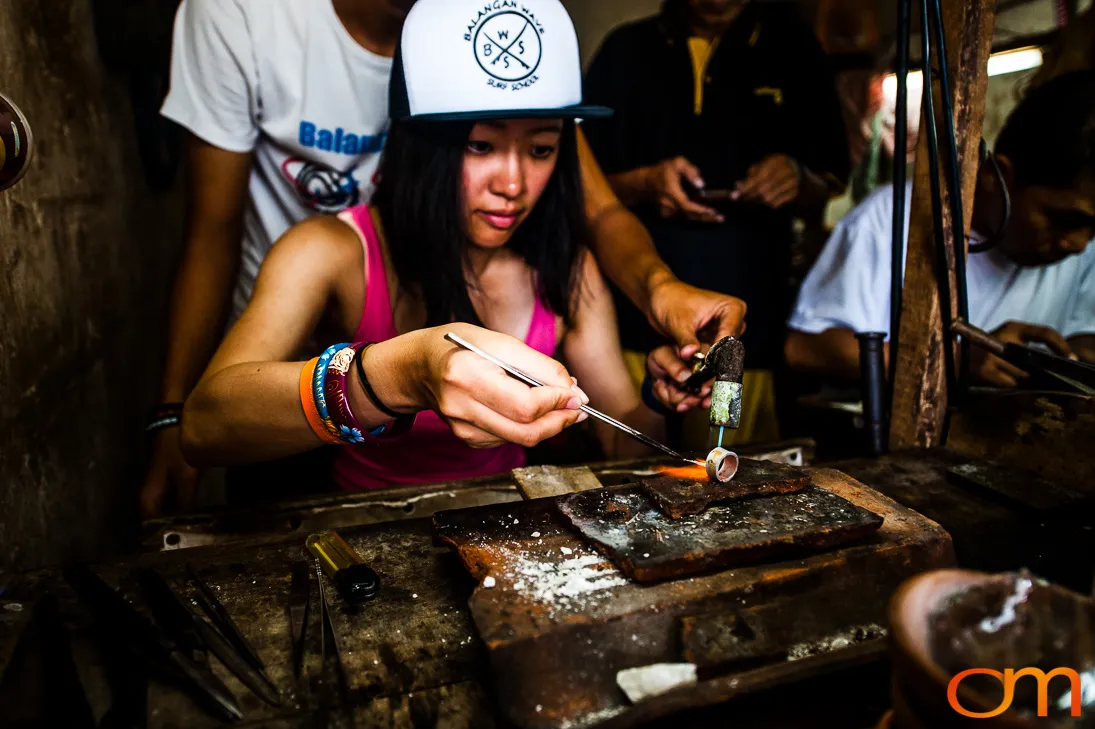
The island province of Bali, Indonesia, is known for many forms of ornate craftwork, including a long-established tradition of silverworking. Balinese workshops produce silver jewelry and decorative objects for local and international markets. Visitors can also tour workshops to observe the silversmithing process, and some workshops offer opportunities to participate in making a piece.
A Basic Silver-Casting Process in Six Steps
-
A model is created, and a heat-resistant mold—often made with investment plaster—is formed around it. The model determines the shape and design of the finished object.
-
Silver is heated until molten. Copper or another metal may be added to create a harder and more durable alloy. Sterling silver generally consists of 92.5 percent silver and 7.5 percent other metal, most commonly copper.
-
The molten silver alloy is poured into the prepared mold.
-
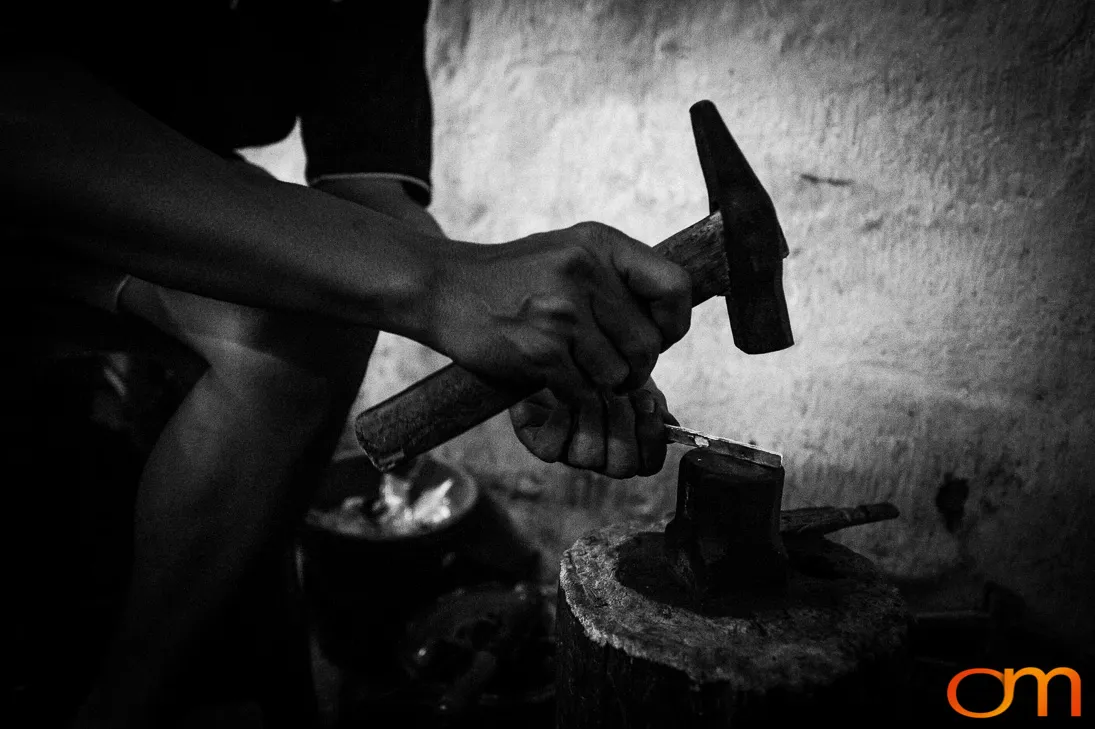
After the metal has cooled and the piece is removed from the mold, rough edges are filed away. The silver can then be shaped, hammered, trimmed, joined, engraved, or imprinted with decorative designs.
-
During heating and shaping, the silver may be quenched in water to cool it before work continues.
-
The completed piece is filed and polished to smooth the surface and create the desired finish. Polishing may be completed by hand or with a mechanical polishing wheel.
Silver has been valued for centuries because it is lustrous, workable, and suitable for jewelry, decorative objects, utensils, and other practical items.