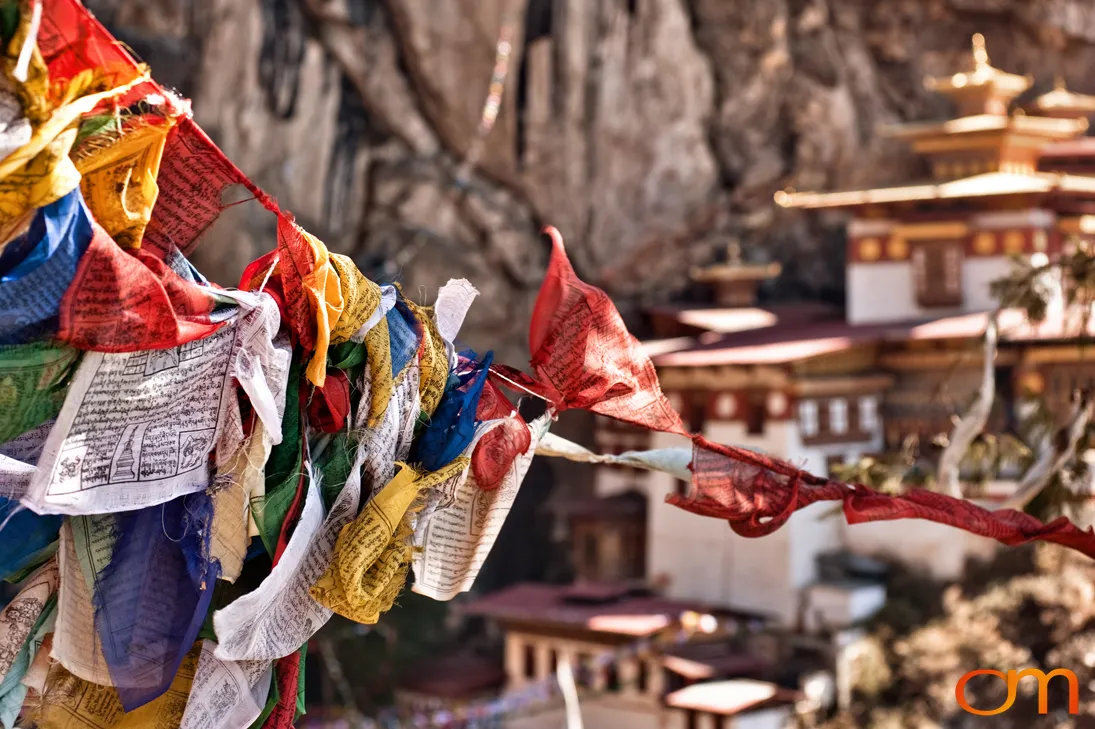
Paro Taktsang
Paro Taktsang: Bhutan’s Tiger’s Nest Monastery
December 2010
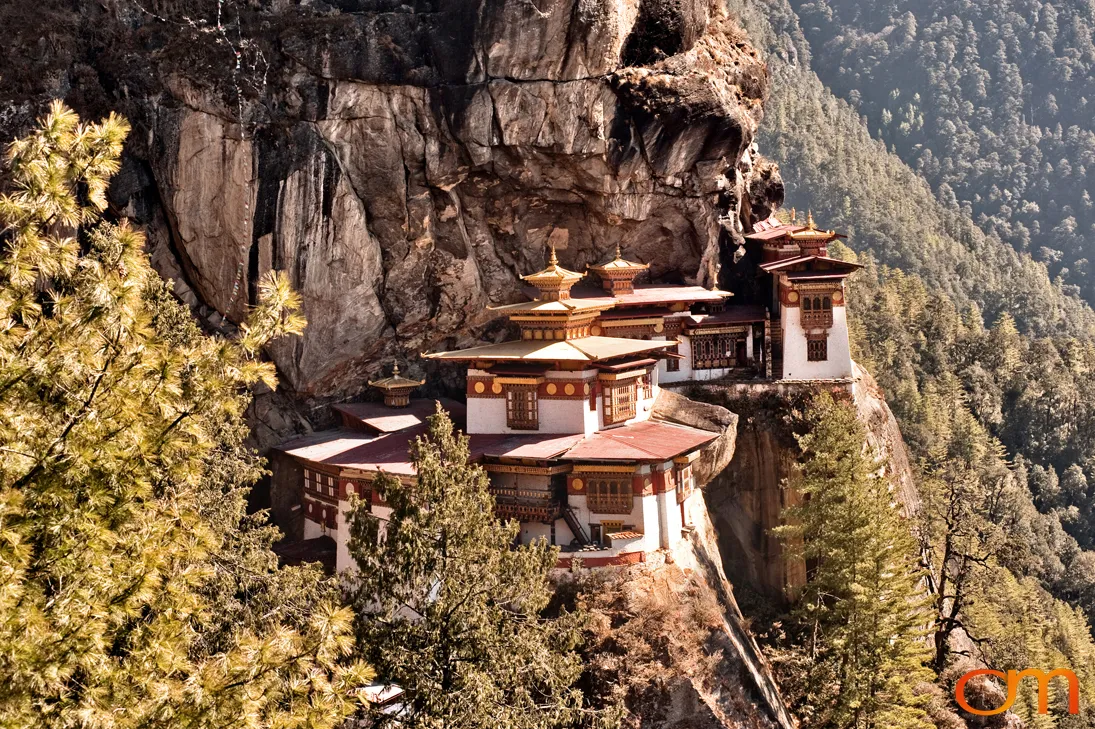
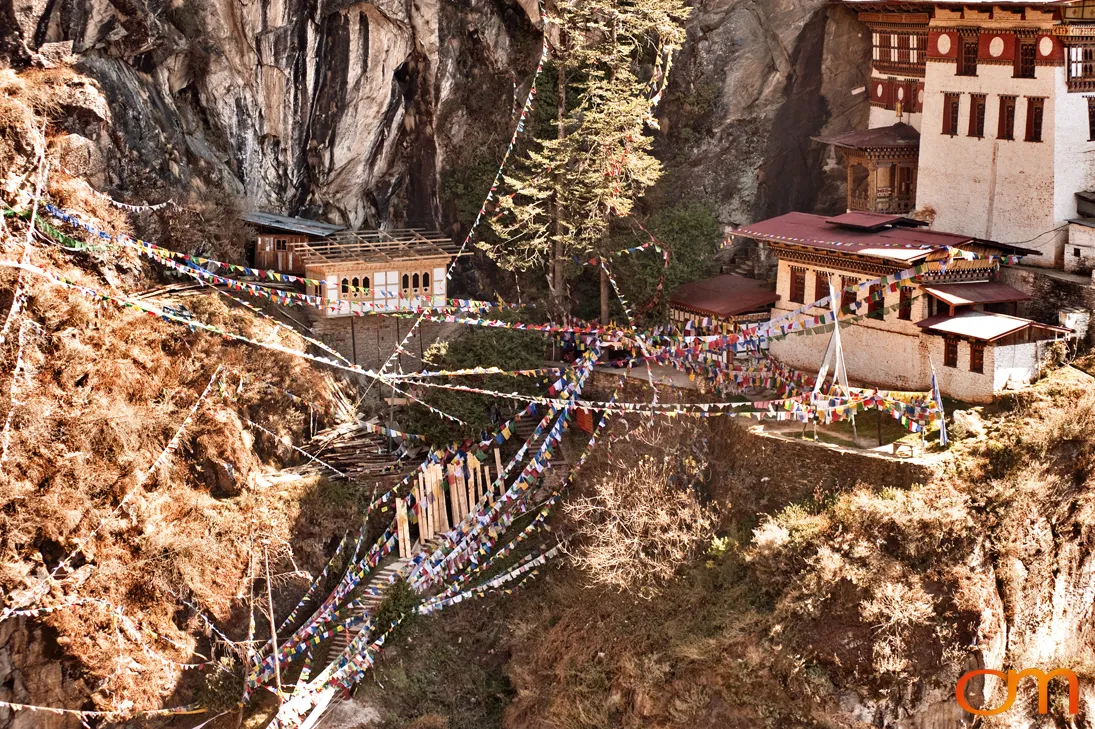
Paro Taktsang, also known as Taktsang Palphug Monastery and Tiger’s Nest, is a sacred Vajrayana Buddhist temple and monastic complex built into a cliff above Bhutan’s upper Paro Valley. It stands just over 3,000 metres—about 10,000 feet—above sea level and approximately 900 metres, or 3,000 feet, above the valley floor.
The principal cliffside sanctuary was constructed from 1692 to 1694 under Tenzin Rabgye, Bhutan’s fourth Druk Desi, or civil ruler. It was built around caves already associated with Buddhist meditation. The complex consists of connected sanctuaries, several enclosing sacred caves, and its religious history reflects both Nyingma and Drukpa Kagyu traditions.
Bhutanese Buddhist tradition holds that Padmasambhava, also known as Guru Rinpoche, reached the site in the eighth century on the back of a tigress and meditated there. This sacred account explains the name Taktsang, commonly translated as “Tiger’s Lair” or “Tiger’s Nest.” It is a religious tradition rather than independently documented history.
A fire in 1998 destroyed much of the historic complex and important murals. The monastery was subsequently rebuilt and remains an active religious and pilgrimage site.