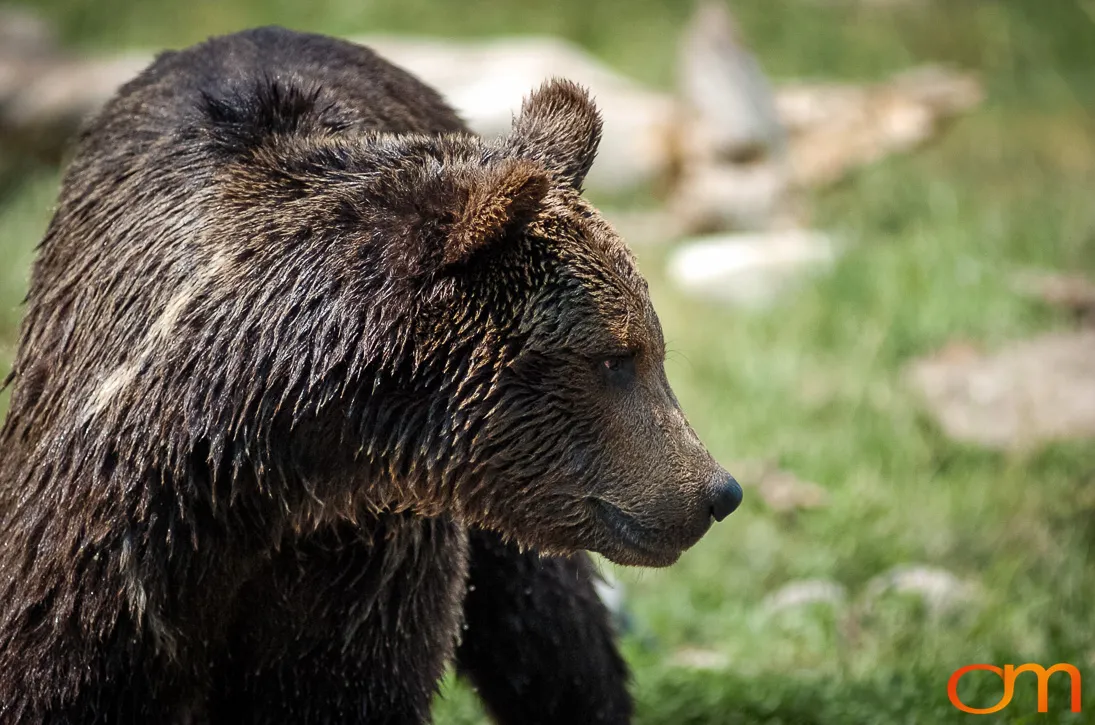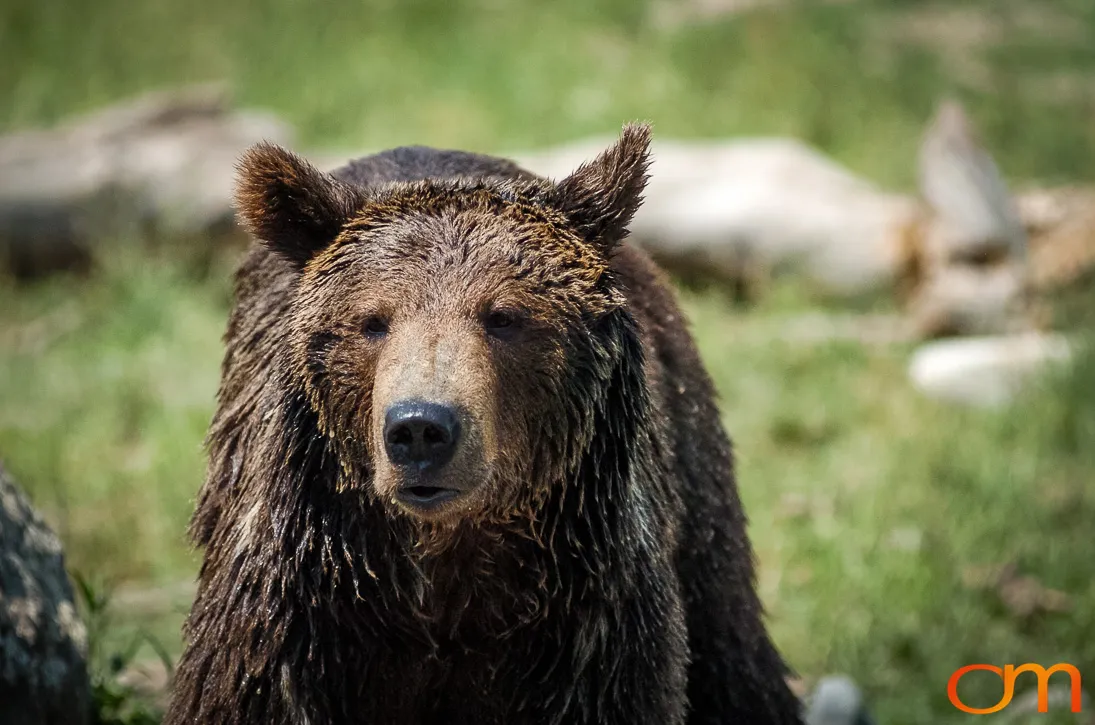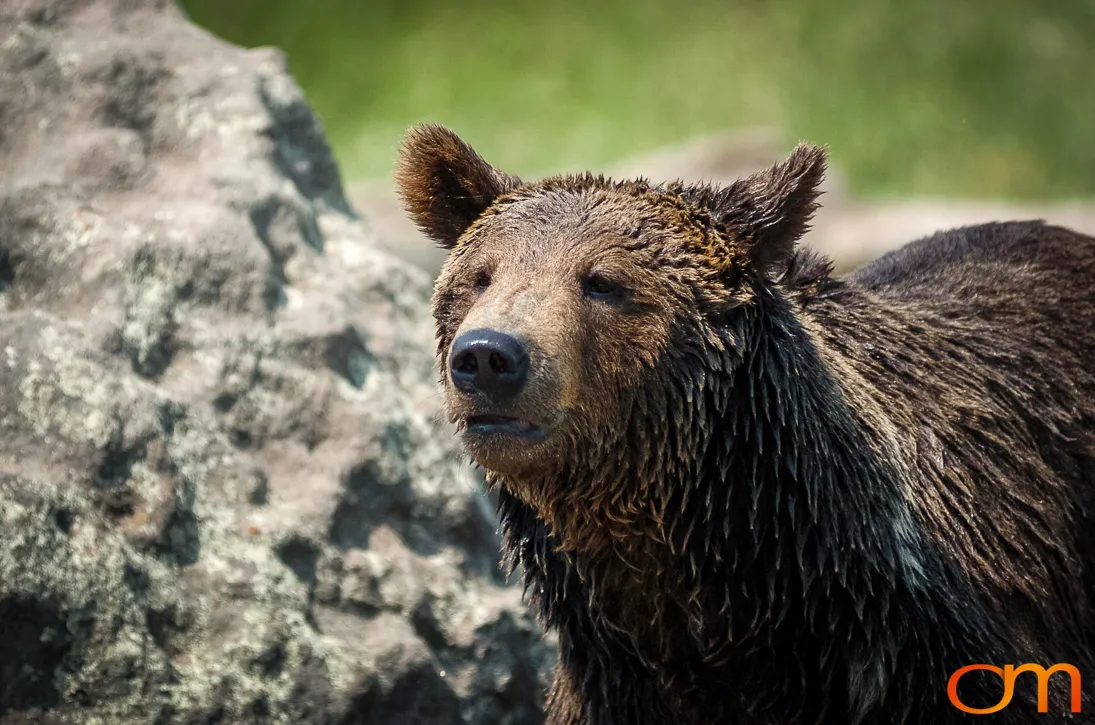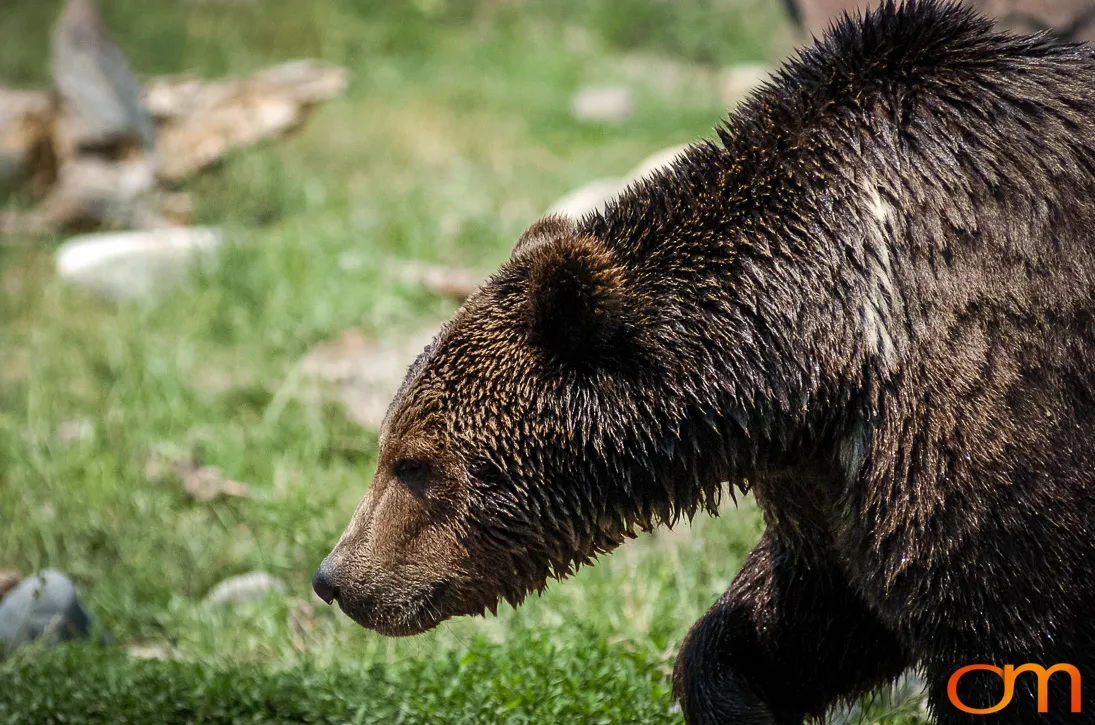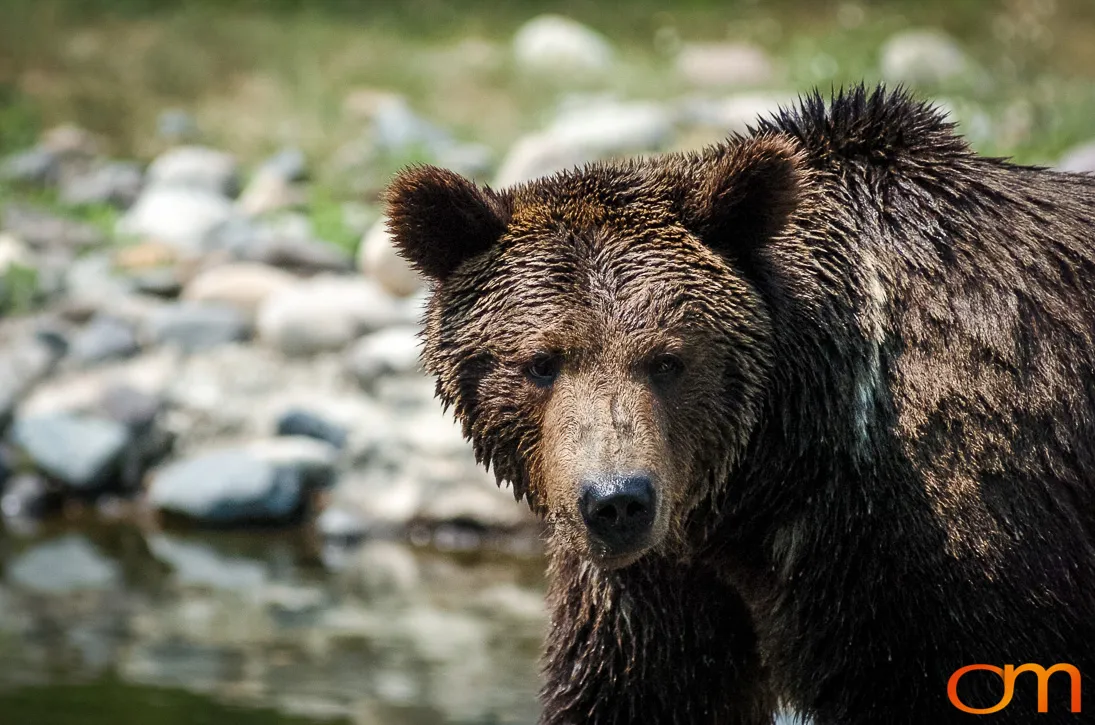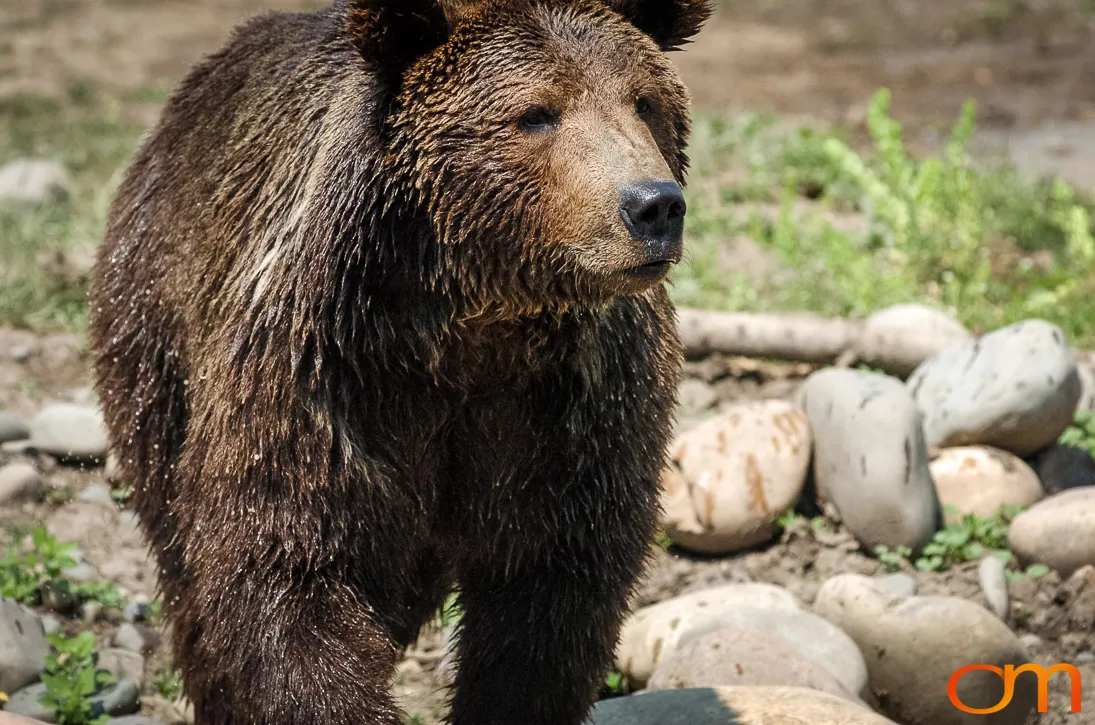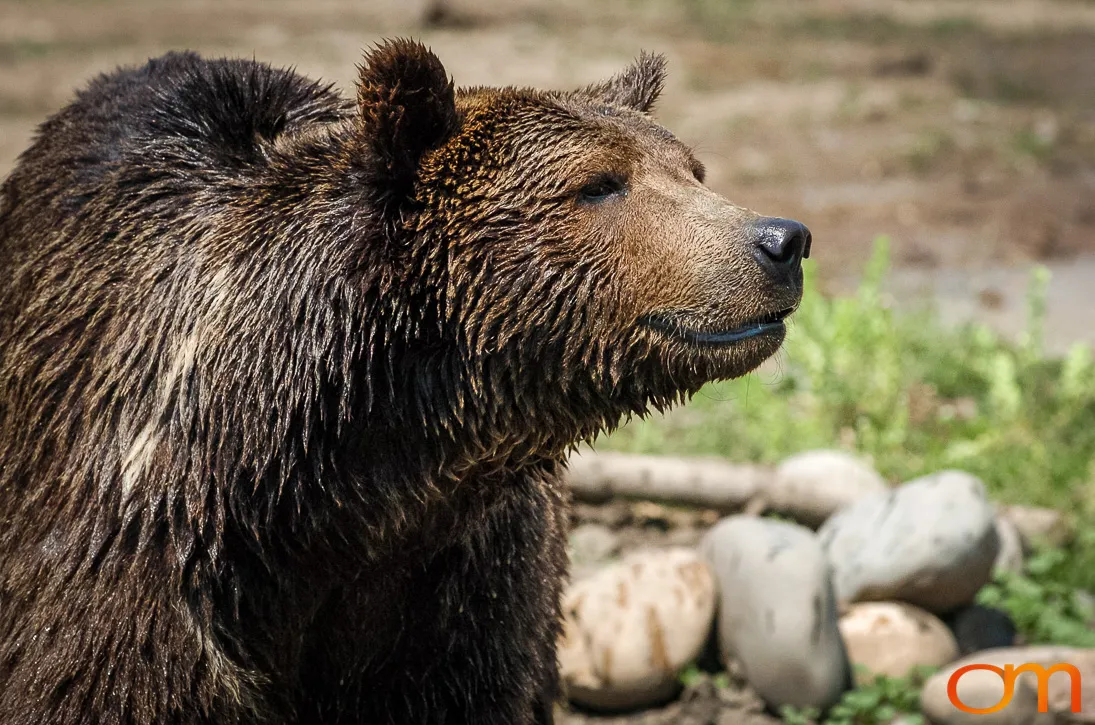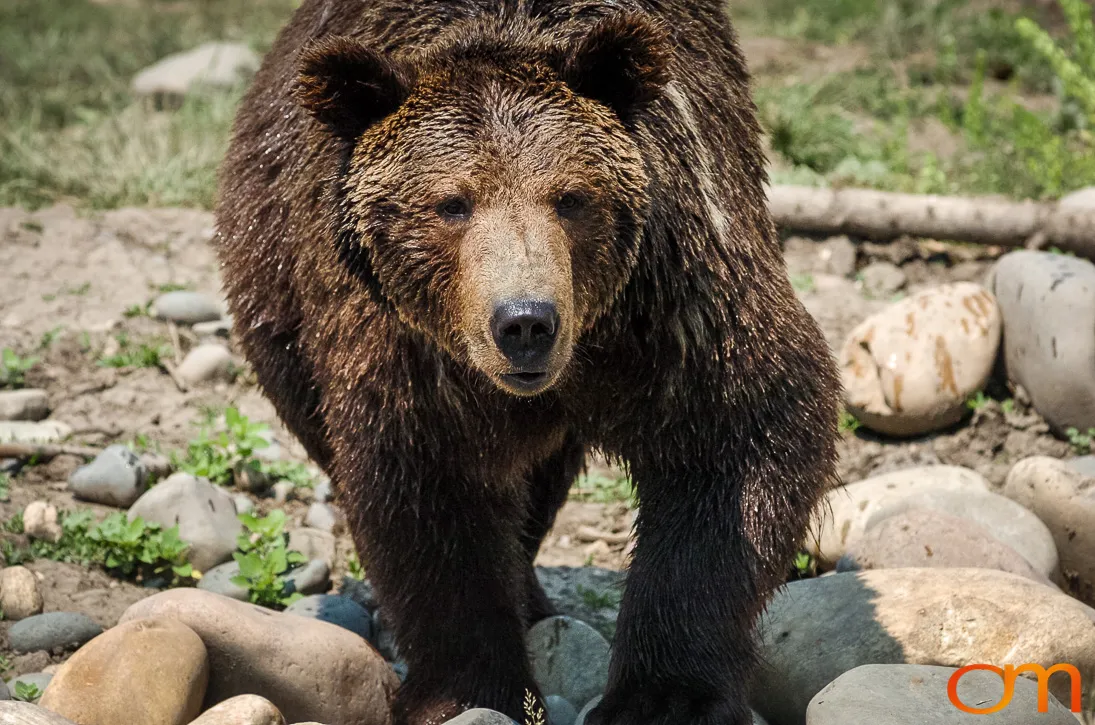
Montana
Brown Bears
July 2008
The brown bear (Ursus arctos) is among the world’s largest terrestrial omnivores. The species occurs across parts of North America, Europe, and Asia, occupying habitats that include forests, tundra, alpine regions, grasslands, and coastal environments.
Adult size varies greatly according to sex, region, season, and food availability. Brown bears commonly weigh between 200 and 1,000 pounds (91–454 kg), although exceptionally large individuals in Alaska can reach approximately 1,500 pounds (680 kg). In the wild, they typically live for 15–25 years.
Brown bears are opportunistic omnivores. Their diets may include grasses, roots, berries, insects, fish, carrion, and mammals. Activity patterns vary by population and conditions; bears may be active during the day, at twilight, or at night depending on food availability, temperature, and human disturbance.
During late summer and autumn, brown bears enter hyperphagia, a period of intensive feeding that builds fat reserves for winter. In regions where seasonal food becomes scarce, most spend the winter hibernating in dens. Their metabolism, heart rate, and breathing slow considerably, although they can awaken during this period. Bears living in milder climates may remain active throughout winter.