Vietnam
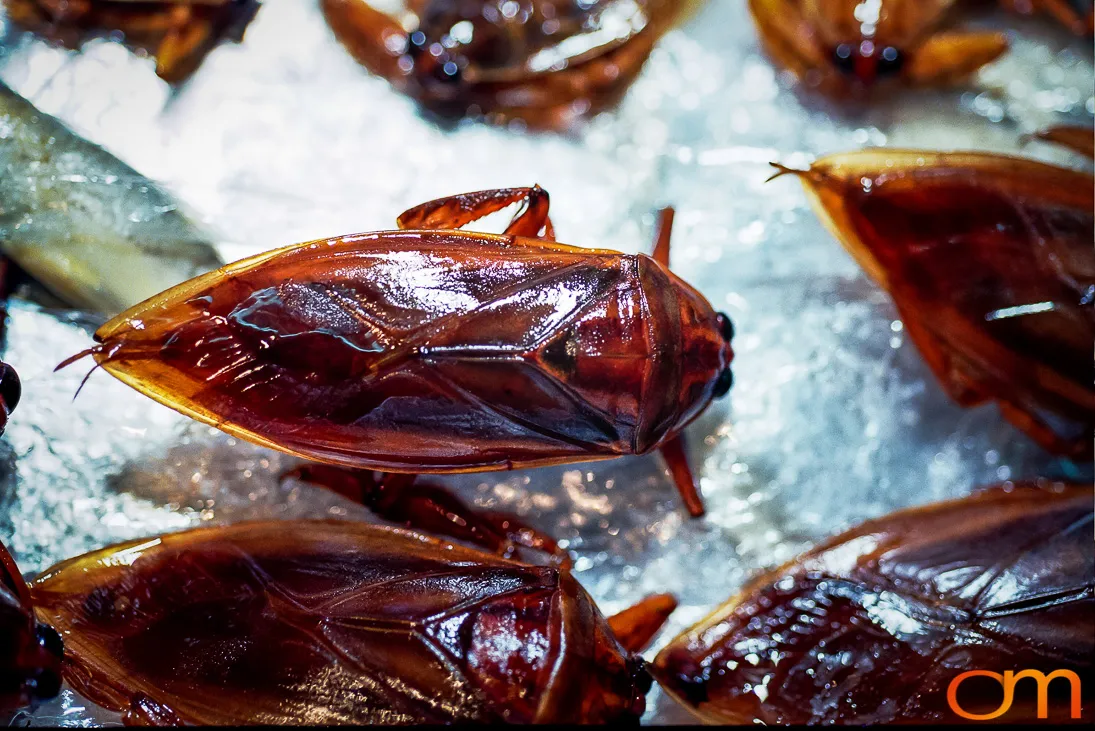
Cà Cuống: Vietnam’s Giant Water Bug
January 2003
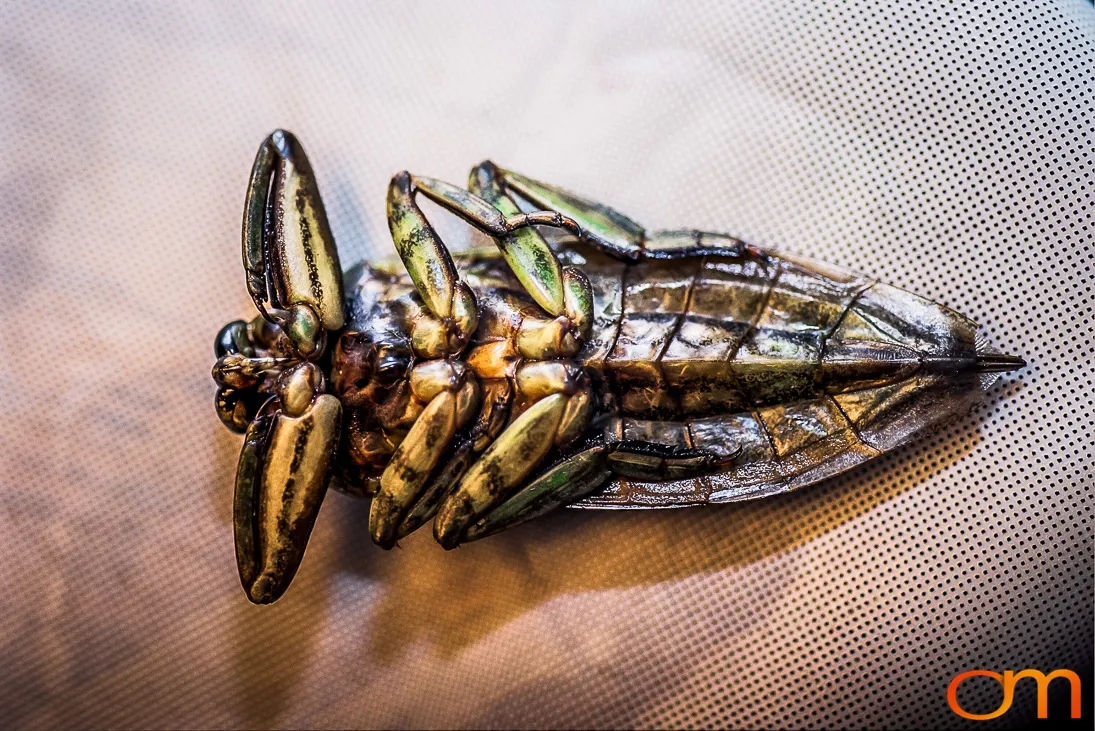
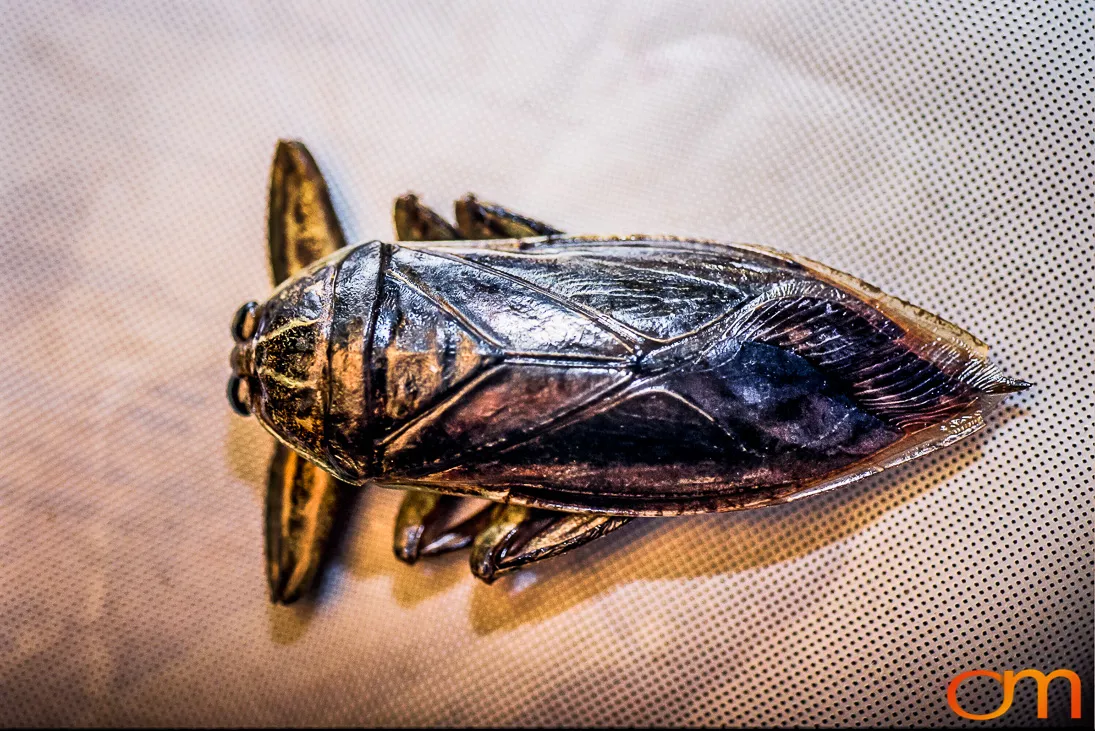
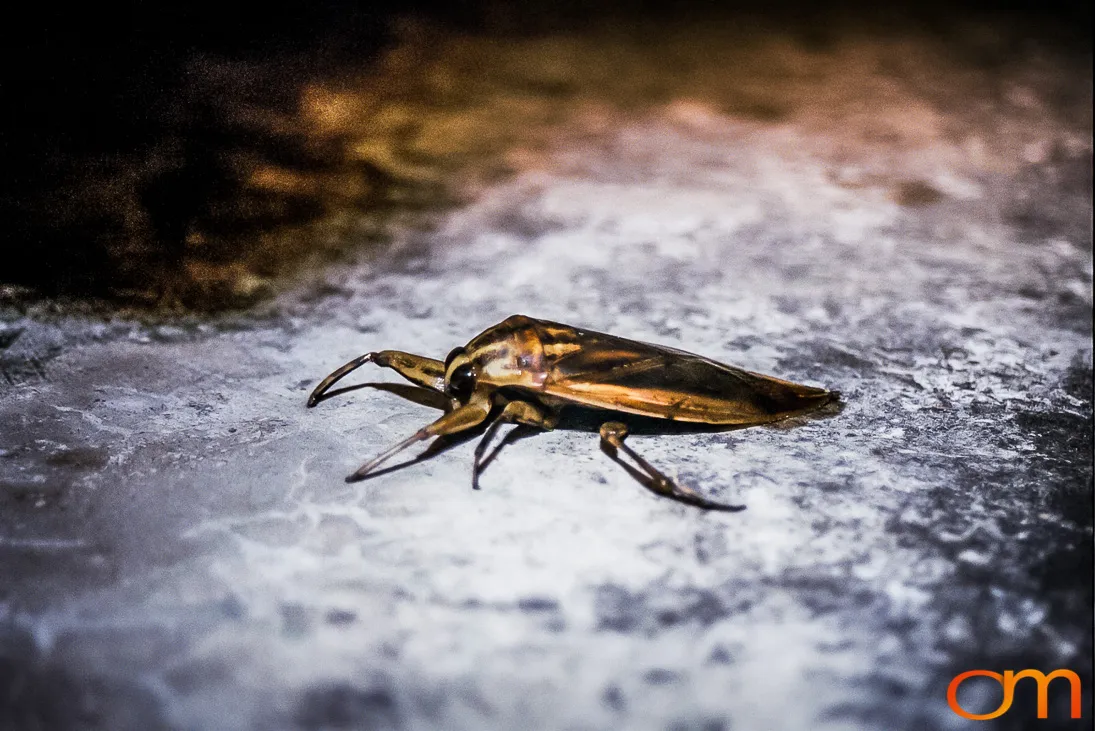
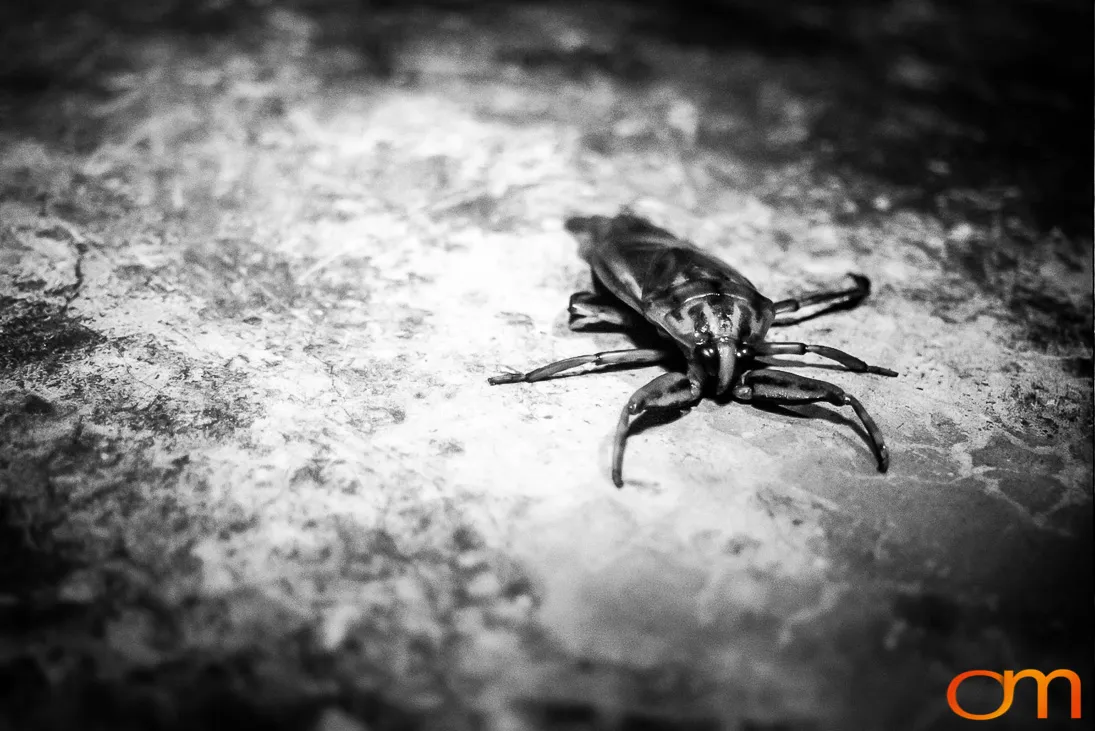
The giant water bug Lethocerus indicus, known in Vietnamese as cà cuống, is a highly prized delicacy in Vietnam. Its broad, flattened body typically measures 2.6 to 3.1 inches (6.5 to 8 centimeters) long. It is eaten across Southeast Asia and has a particularly valued place in traditional northern Vietnamese cuisine. Its taste has been compared to shrimp and scallops.
In Vietnam, adult males are especially valued for a concentrated aromatic secretion produced by their scent glands. The secretion functions as a sex pheromone involved in attracting females. It has an intense, distinctive aroma, sometimes compared to cinnamon, and is used in very small quantities to flavor food. It is traditionally added to nước chấm, the dipping sauce served with bánh cuốn, steamed rice rolls associated with northern Vietnamese cuisine.
Field Documentation and Research
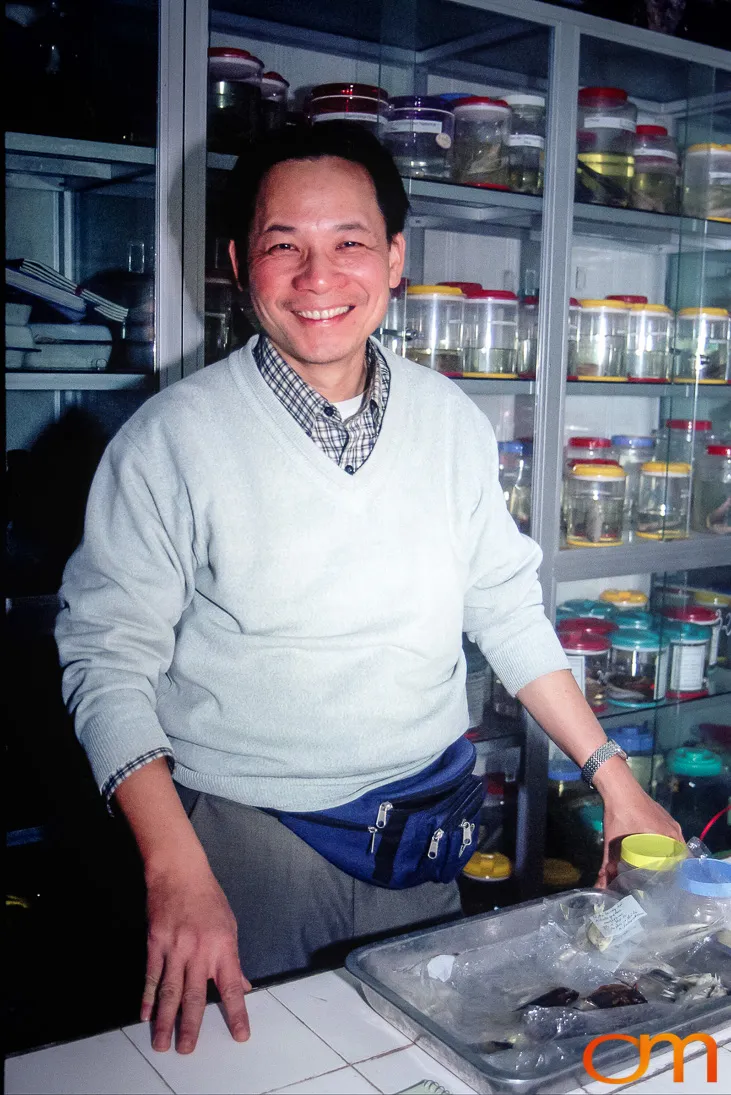
The photographs and research presented here originated during field documentation conducted in Vietnam with explorer and filmmaker Justin Fornal and Vietnamese researcher Vũ Quang Mạnh. The work examined Lethocerus indicus, its traditional role in northern Vietnamese cuisine, its association with dishes such as bánh cuốn, and the potential for village-based breeding and conservation initiatives.
The footage and research were also featured in “Cà Cuống City,” an episode of Justin Fornal’s video podcast Underbelly NYC, released on April 19, 2007. The episode traced the culinary use of the insect and its aromatic secretion from Vietnam to the Bronx, New York.
Vũ Quang Mạnh’s Research
Vũ Quang Mạnh’s work on cà cuống spans several decades and has focused on several areas:
- Documenting the species’ decline and conservation status
- Establishing baseline information on its morphology, ecology, and habitat
- Testing captive-rearing methods
- Investigating whether Southeast Asian populations represent one or several species
- Studying genetics, behavior, sexual morphology, and laboratory husbandry