India
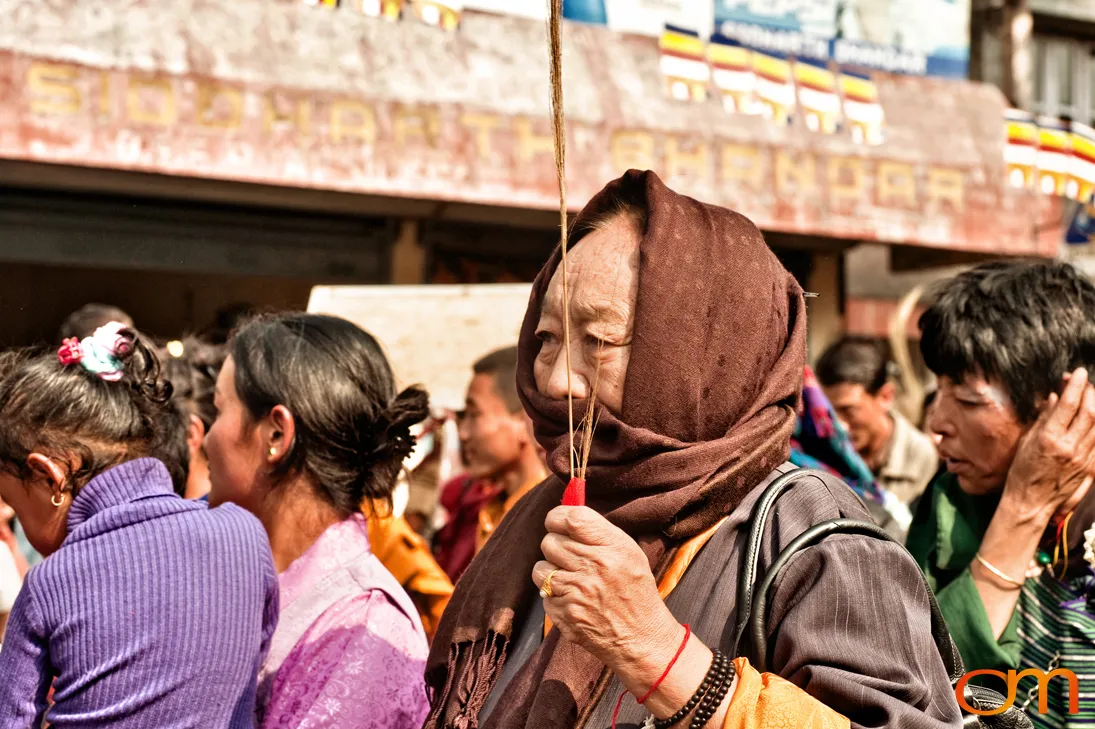
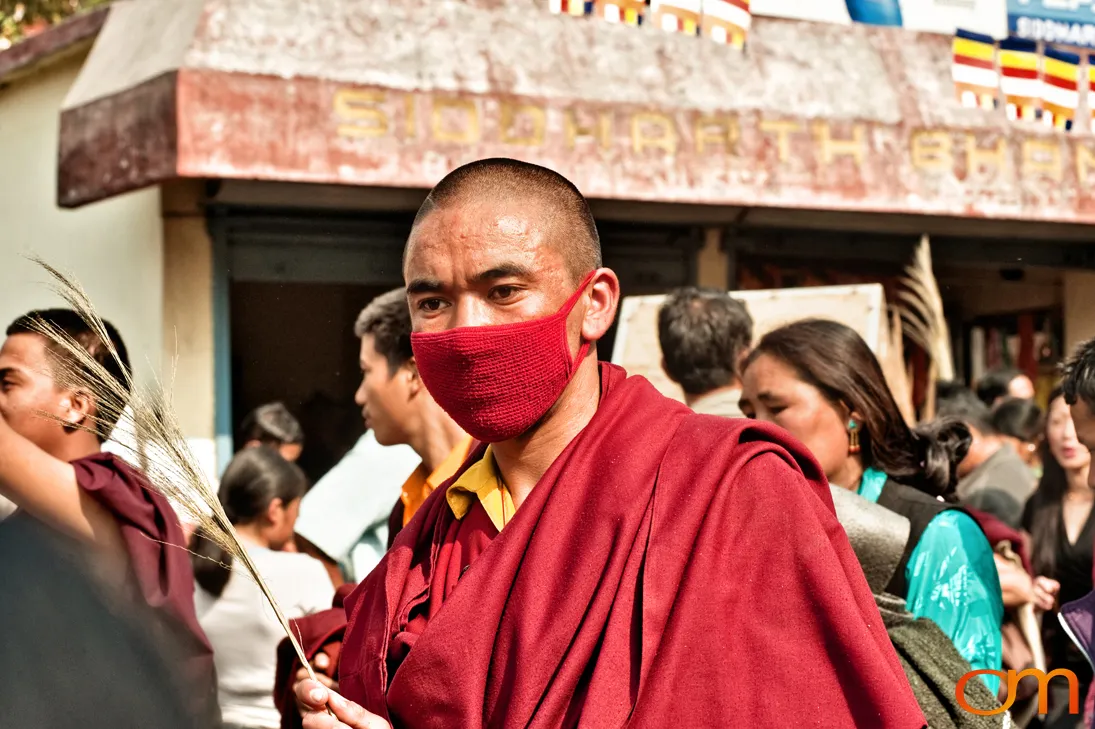
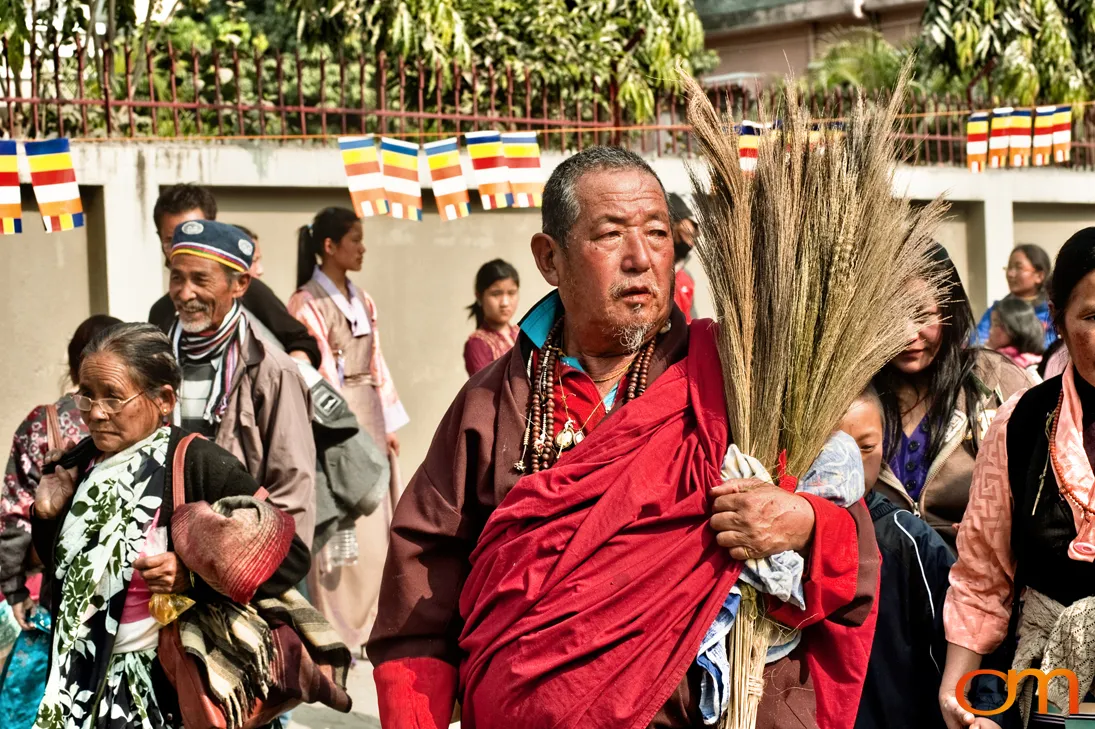
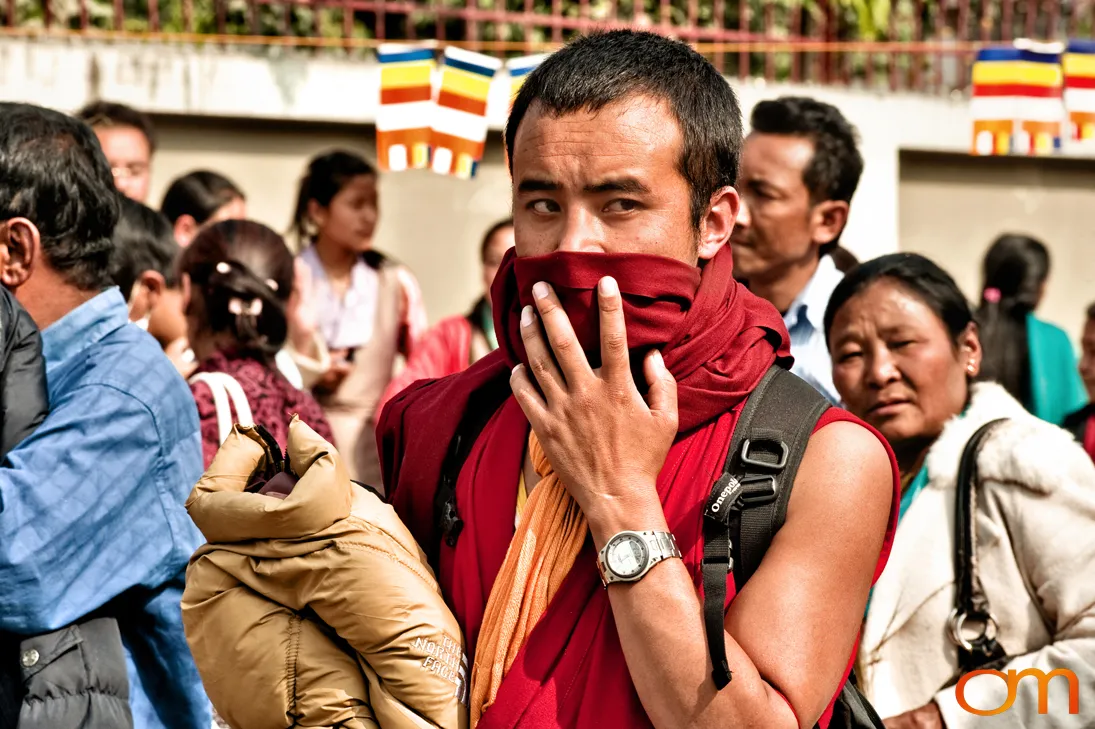
Dalai Lama at Salugara, West Bengal, 2010
December 2010
The Dalai Lama is a title held by a lineage of spiritual leaders within Tibetan Buddhism, particularly the Gelug tradition. It does not refer to the leader of Buddhism as a whole. The title combines the Mongolian word dalai, meaning “ocean,” with the Tibetan word lama, meaning a religious teacher or spiritual master.
The title was first given to Sonam Gyatso by the Mongol ruler Altan Khan in 1578. Sonam Gyatso was designated the Third Dalai Lama, and the title was applied retrospectively to his two predecessors. Tenzin Gyatso, the 14th Dalai Lama, was born as Lhamo Dhondup in northeastern Tibet in 1935. He was identified as the reincarnation of the 13th Dalai Lama while still a child and was formally enthroned in Lhasa in 1940.
In Tibetan Buddhism, the Dalai Lamas are associated with Avalokiteshvara, known in Tibetan as Chenrezig, the bodhisattva of compassion. The 14th Dalai Lama served as both Tibet’s principal spiritual figure and its political leader in exile before transferring his remaining political responsibilities to the democratically elected Tibetan leadership in 2011. He has continued his work as a Buddhist teacher and advocate for compassion, nonviolence, religious understanding, and the preservation of Tibetan culture.
On December 23 and 24, 2010, the 14th Dalai Lama visited the Sed-Gyued Institute of Buddhist Studies in Salugara, near Siliguri in West Bengal, India. During the visit, he gave teachings on The Thirty-Seven Practices of a Bodhisattva, a Tibetan Buddhist text attributed to the 14th-century scholar Gyalse Thogme Sangpo. He also conferred an initiation associated with Avalokiteshvara.
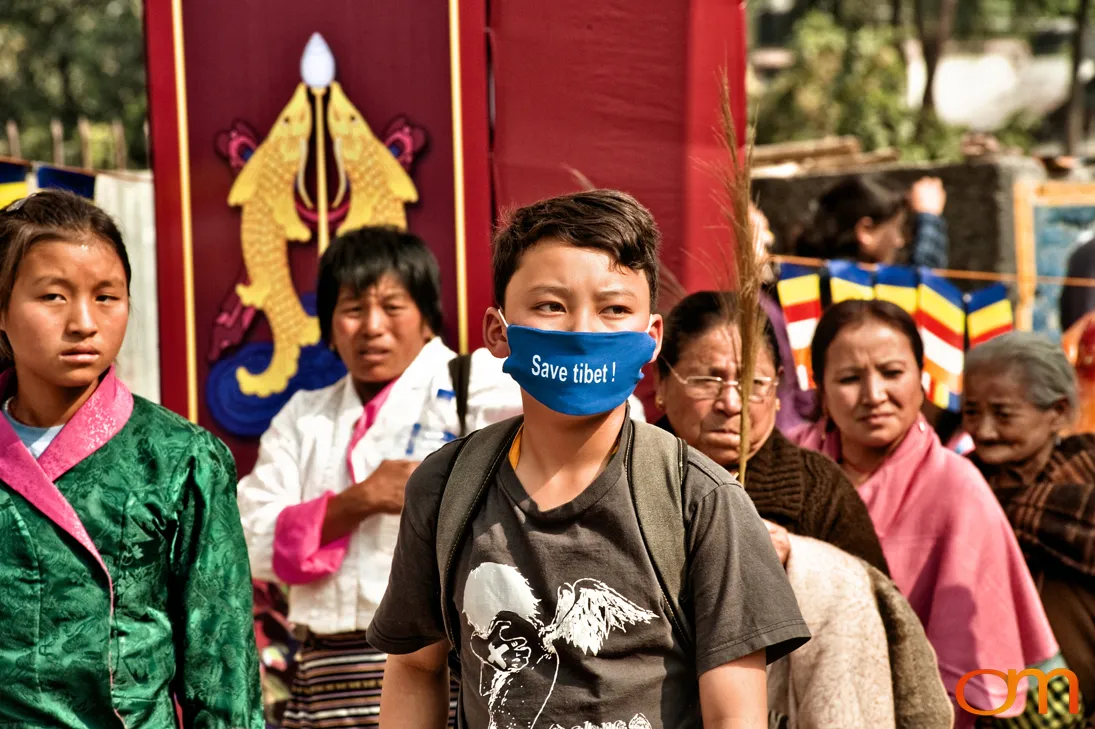
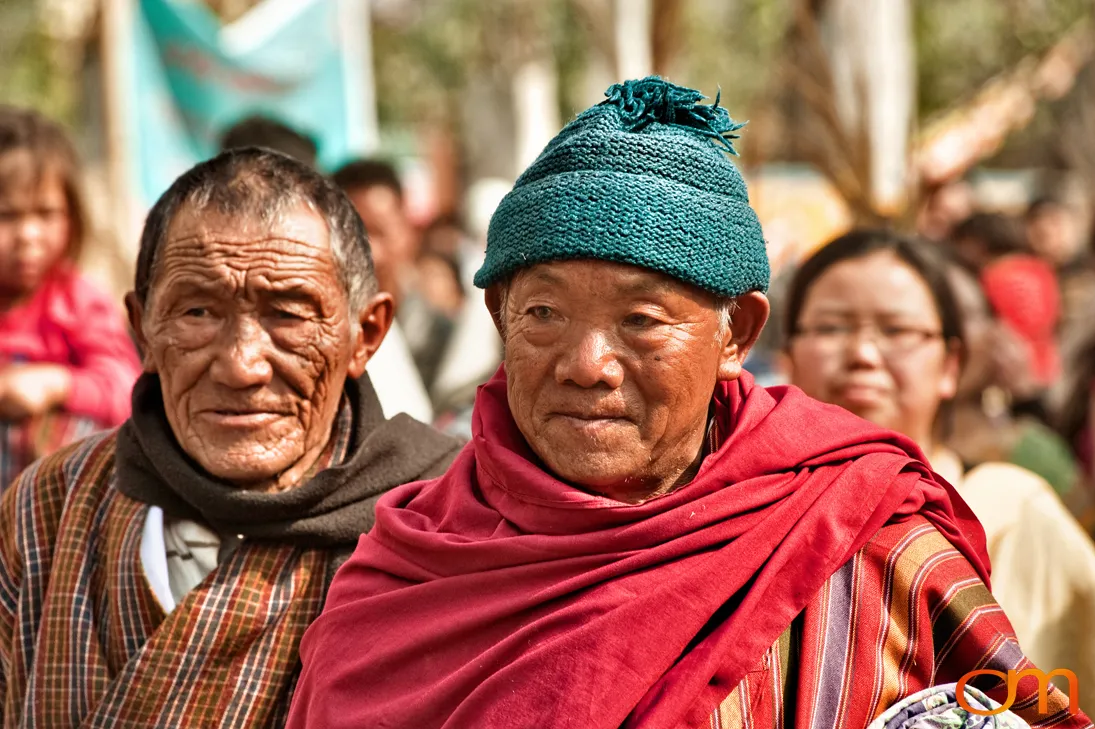
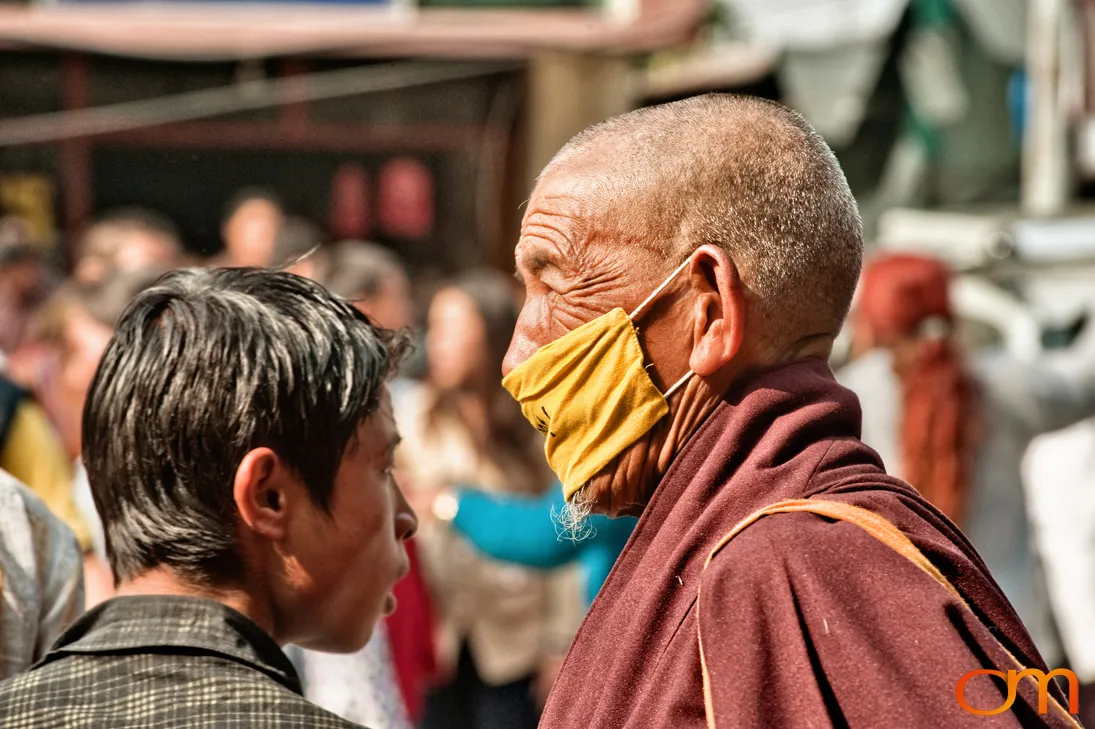
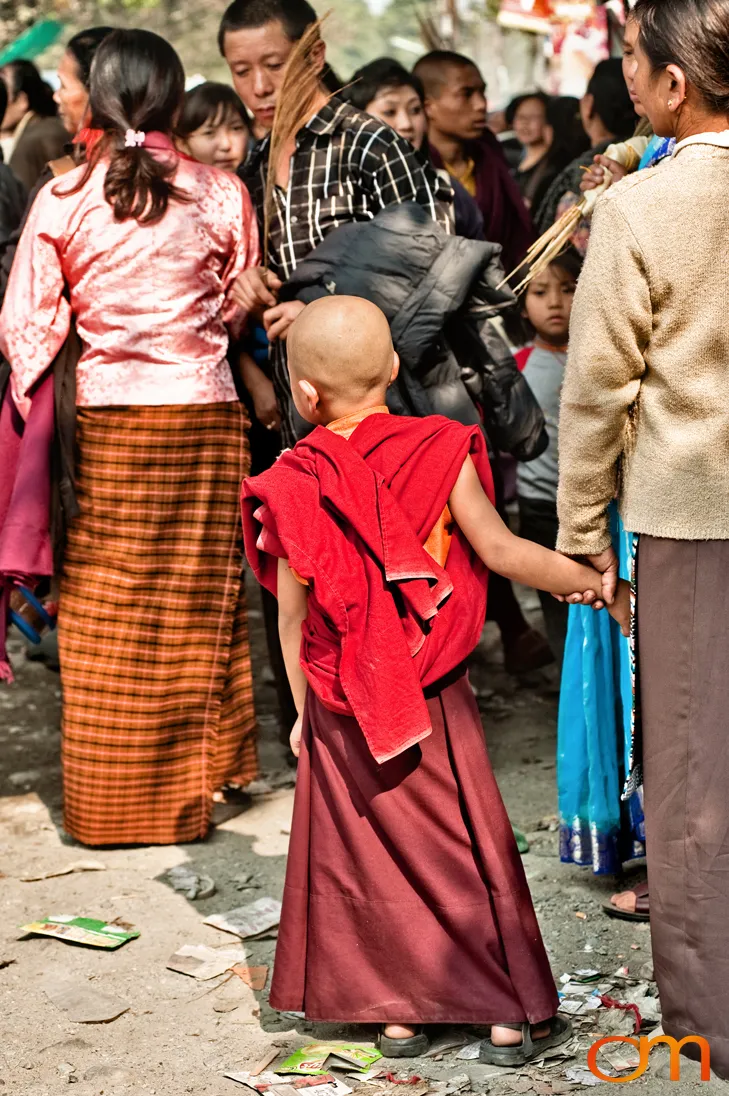
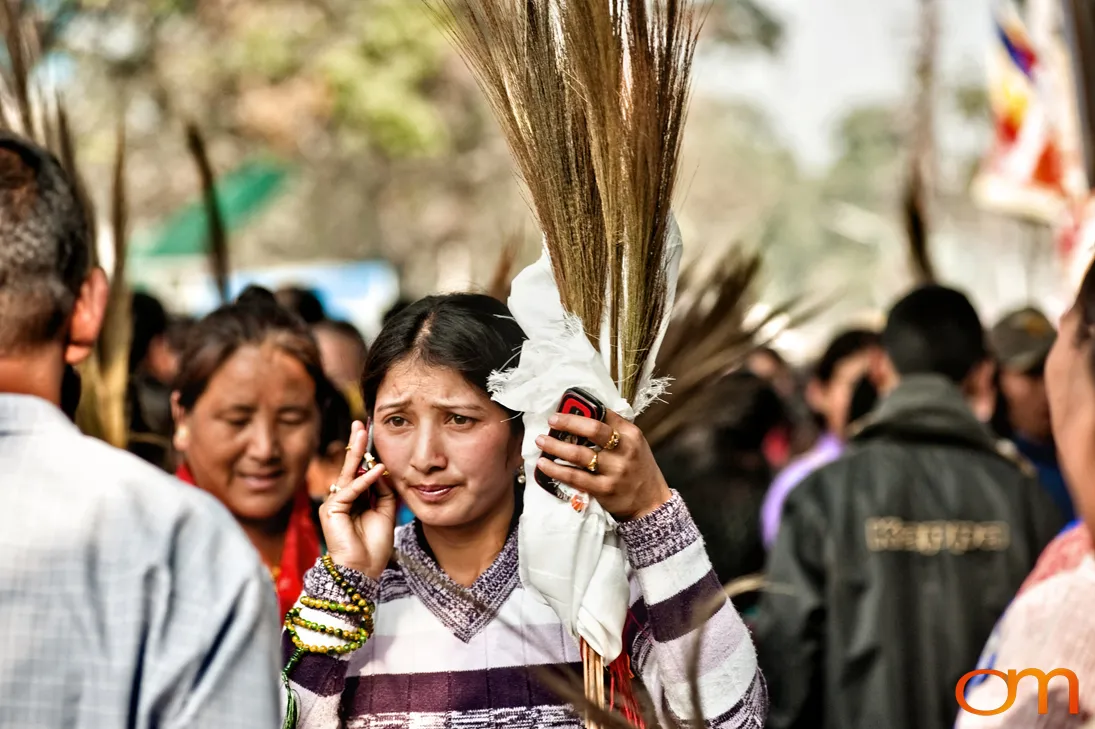
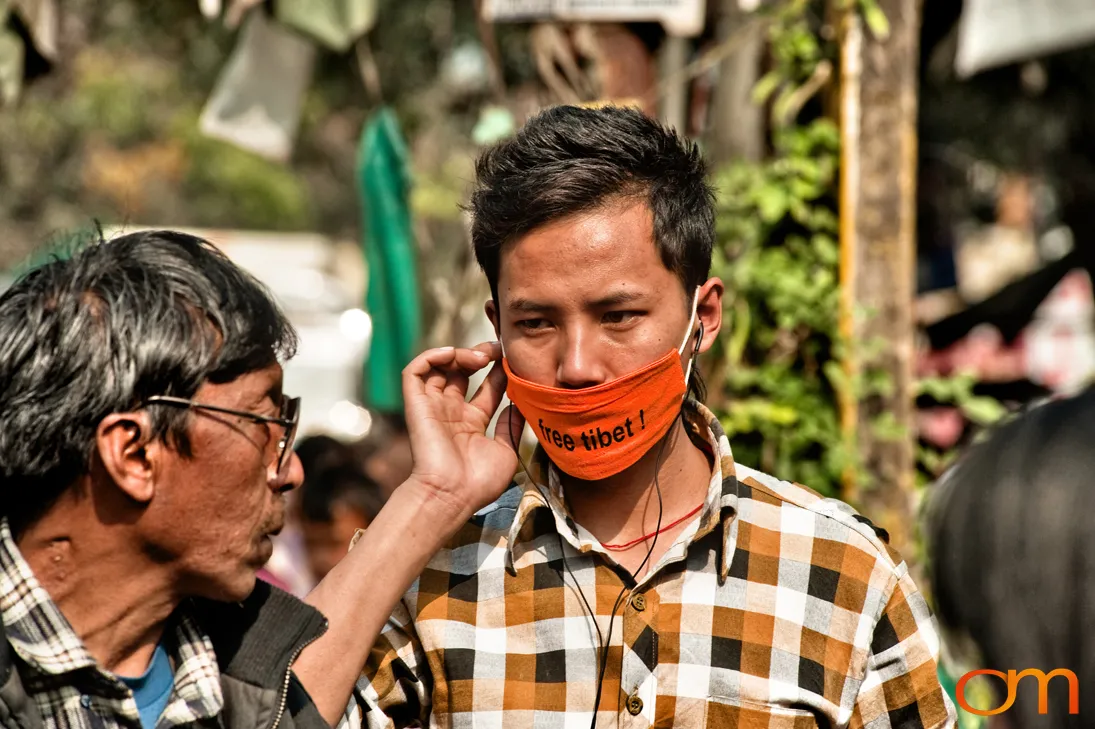
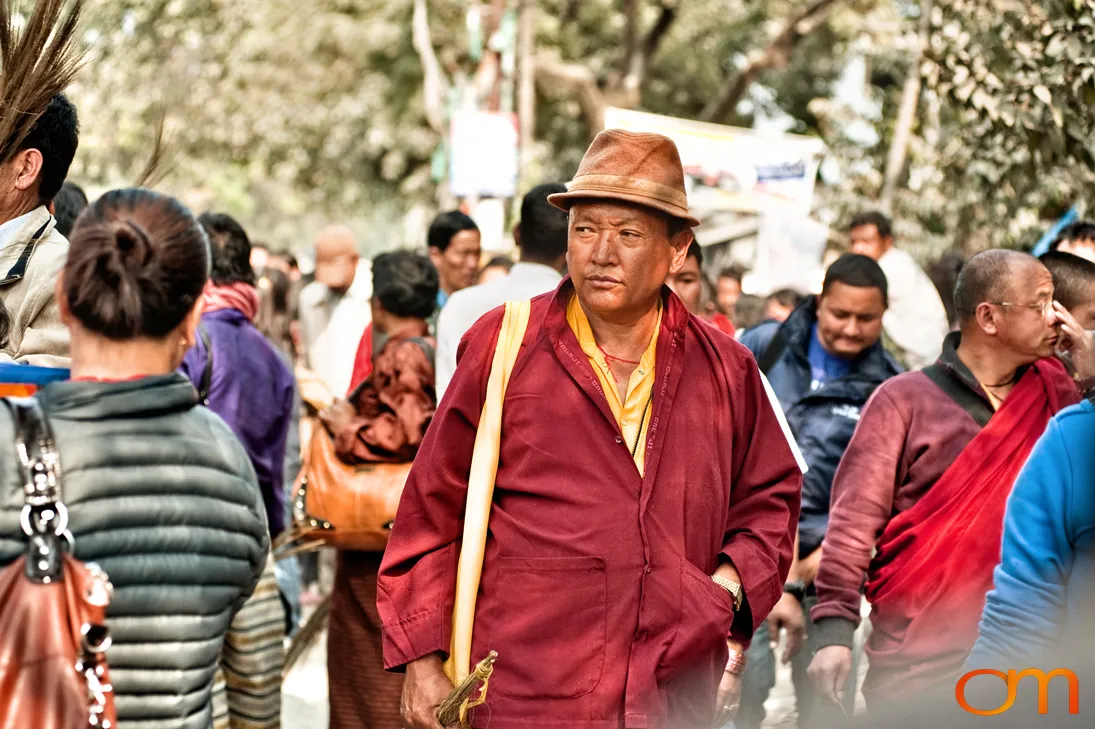
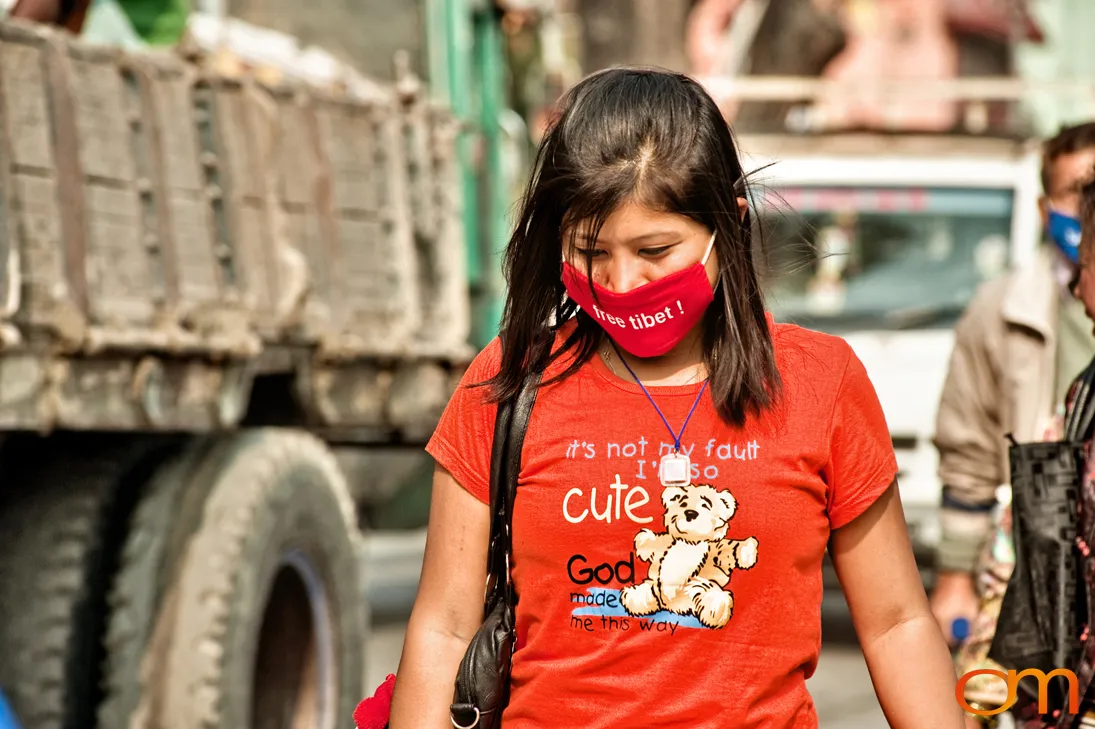
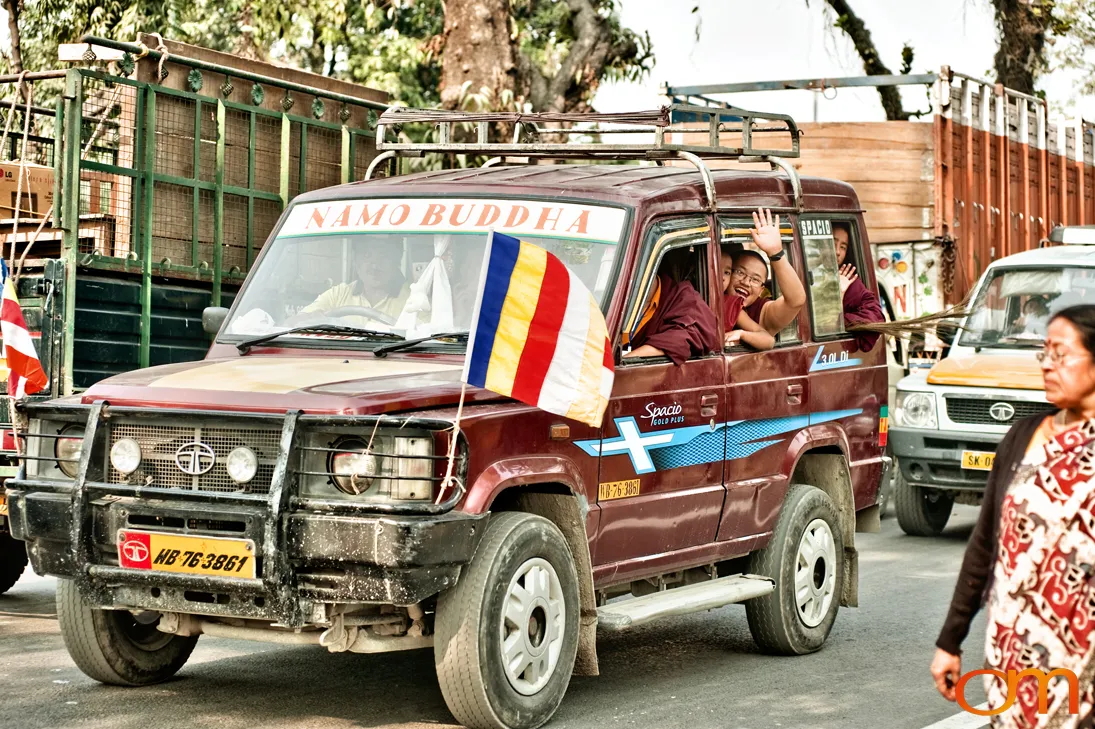
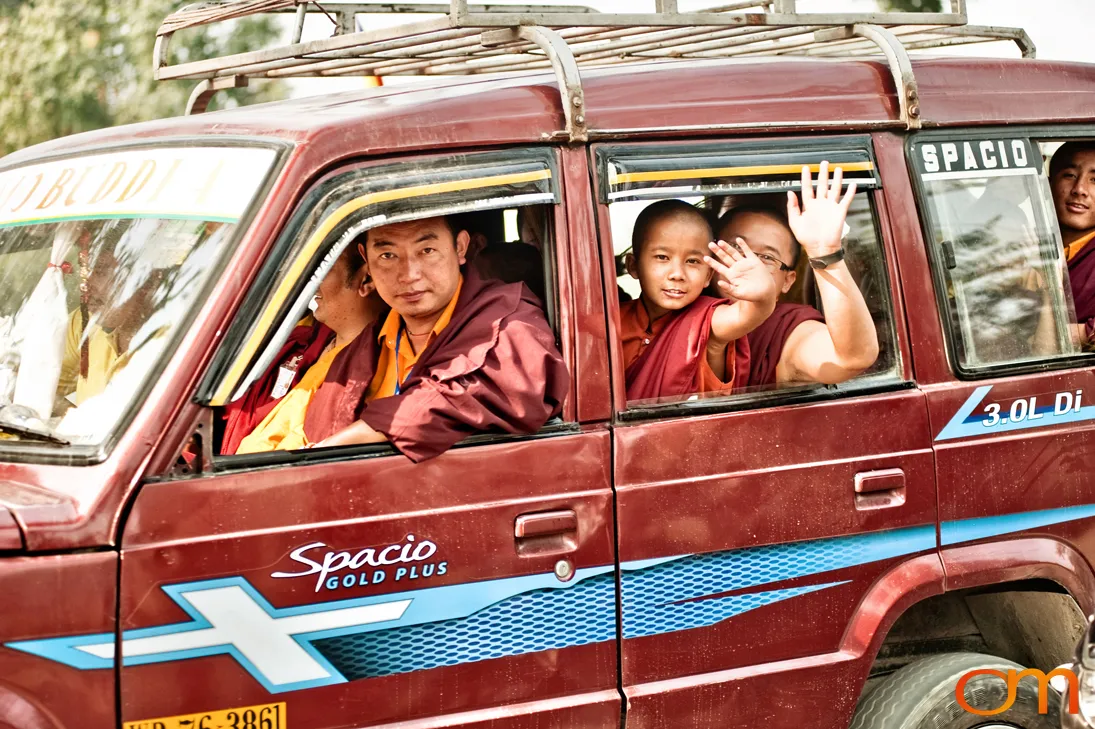
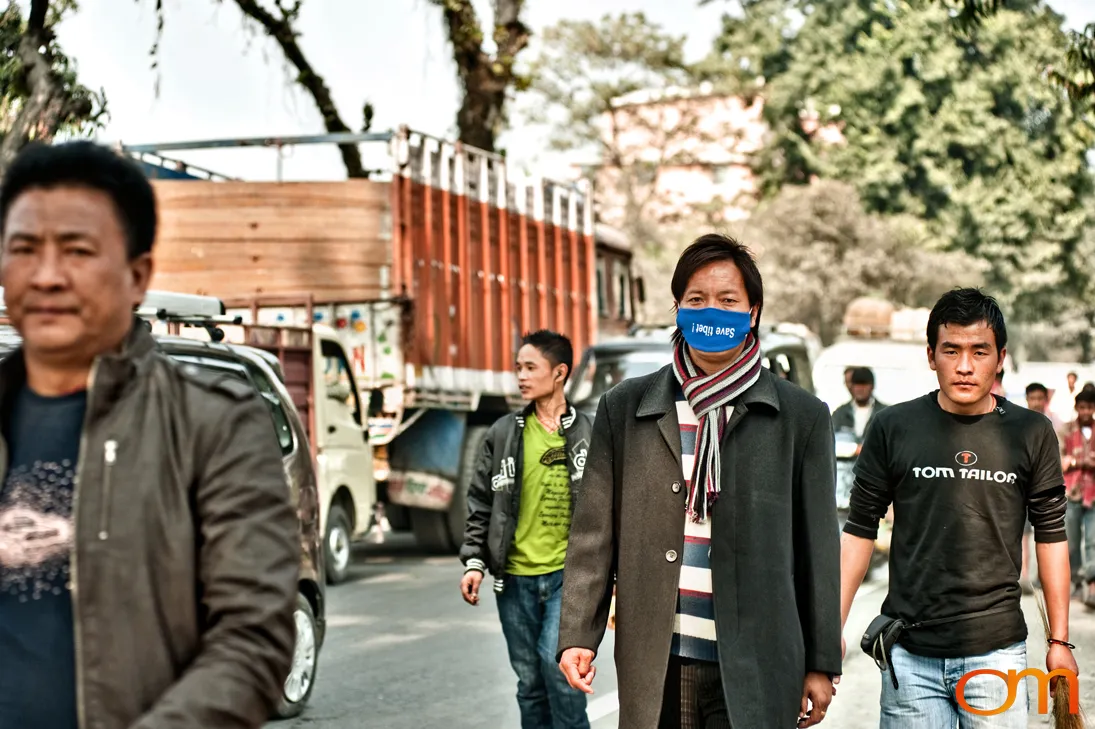
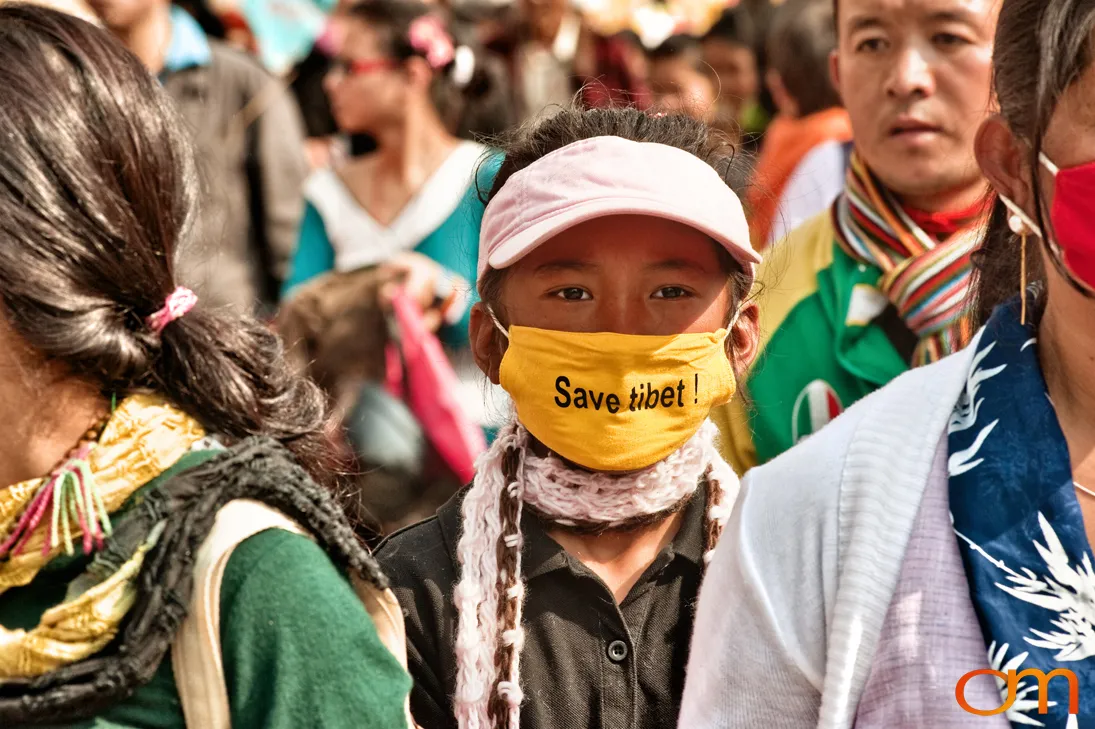
Large crowds gathered around the monastery for the teachings. Buddhist monks, Tibetan community members, local families, and supporters filled the surrounding streets, where vehicles displayed Buddhist flags and some attendees wore face coverings printed with messages supporting Tibet.
Photographed in 2010, the gathering documents an important period in the Dalai Lama’s public life. The visit occurred only months before he formally relinquished his remaining political authority, marking the transition of the Dalai Lama’s role from combined spiritual and political leadership to primarily spiritual leadership.