Darjeeling
Darjeeling: Tea Landscapes and Himalayan Wildlife
January 2011
Darjeeling is located in the Eastern Himalayas of northern West Bengal at an elevation of approximately 6,700 feet (2,045 meters). The surrounding mountain landscape is known for its steep slopes, temperate forests, tea gardens, and views toward Kangchenjunga, the world’s third-highest mountain.
Darjeeling itself is not a UNESCO World Heritage Site. The designation belongs to the Darjeeling Himalayan Railway, which forms part of the UNESCO property Mountain Railways of India. Opened in 1881, the narrow-gauge railway extends approximately 55 miles (88 kilometers) between New Jalpaiguri and Darjeeling. Its route uses six zigzag reverses and three loops to negotiate the steep Himalayan terrain.
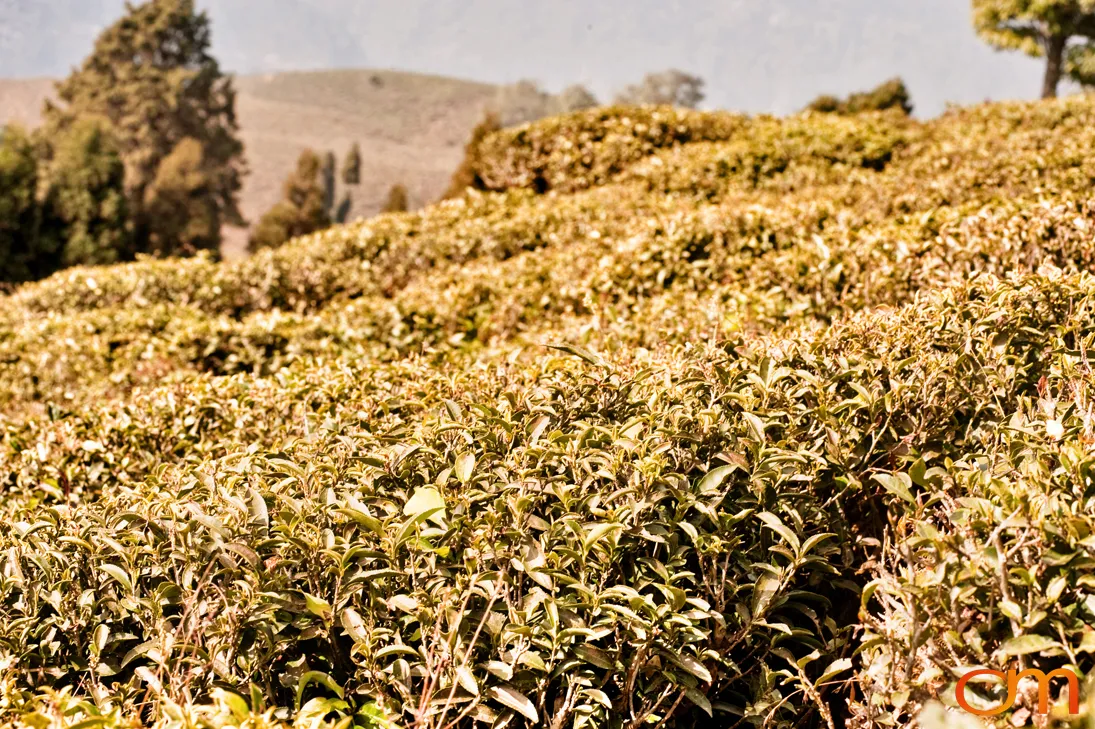
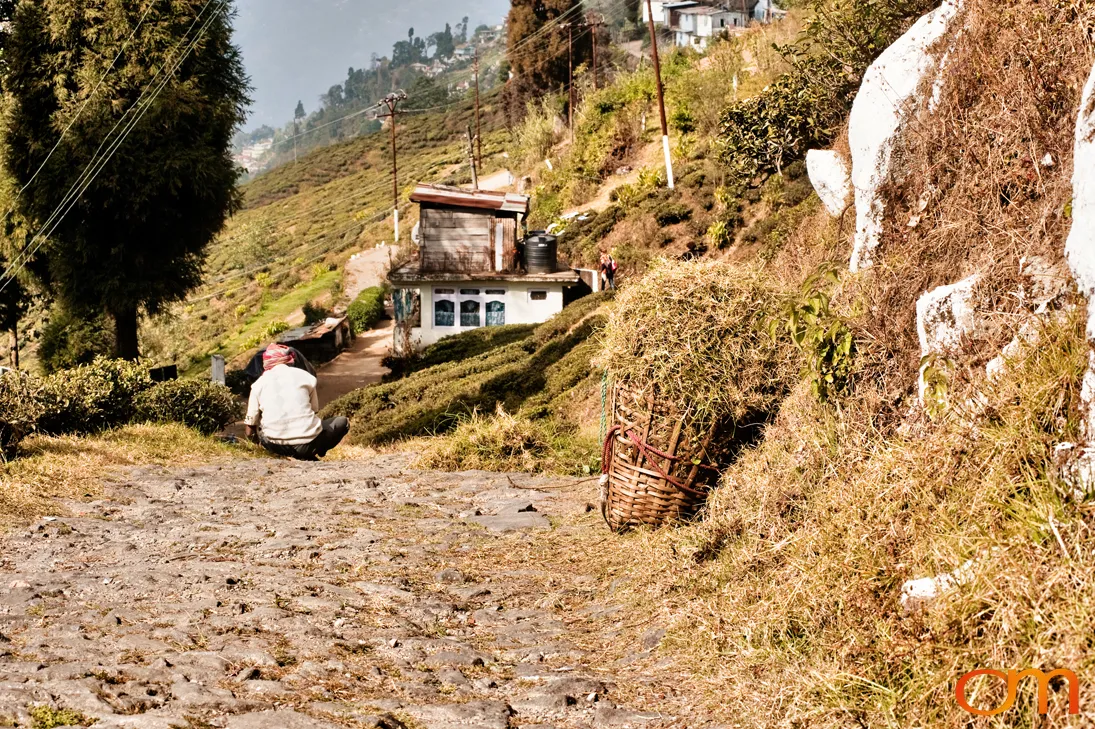
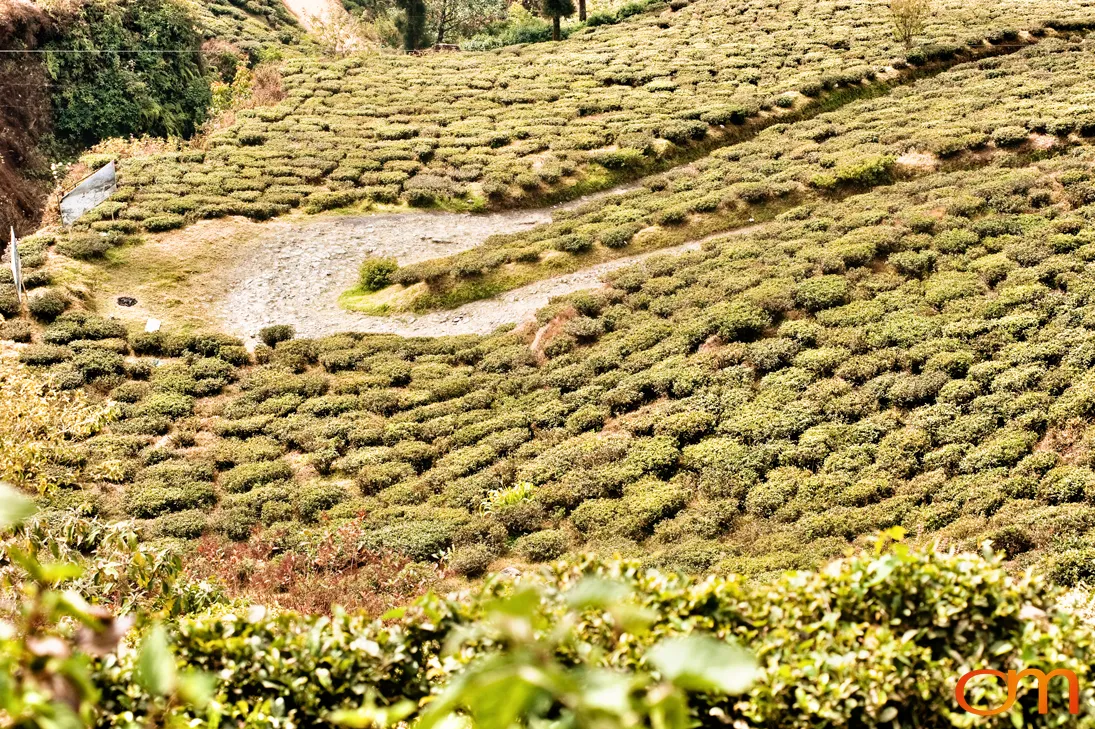
Tea cultivation has shaped the region’s landscape and economy since the nineteenth century. Authentic Darjeeling tea must be grown and processed within defined geographic areas and registered tea gardens. The DARJEELING name and logo became the first geographical indications registered in India, protecting the regional identity of the tea.
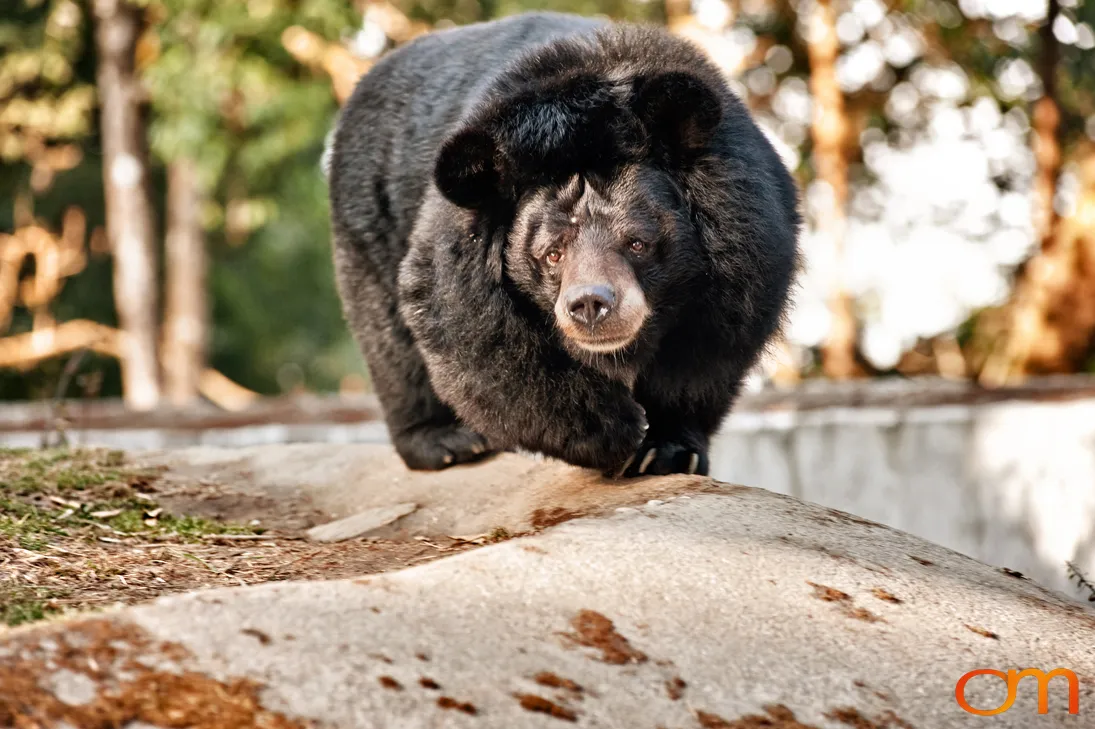
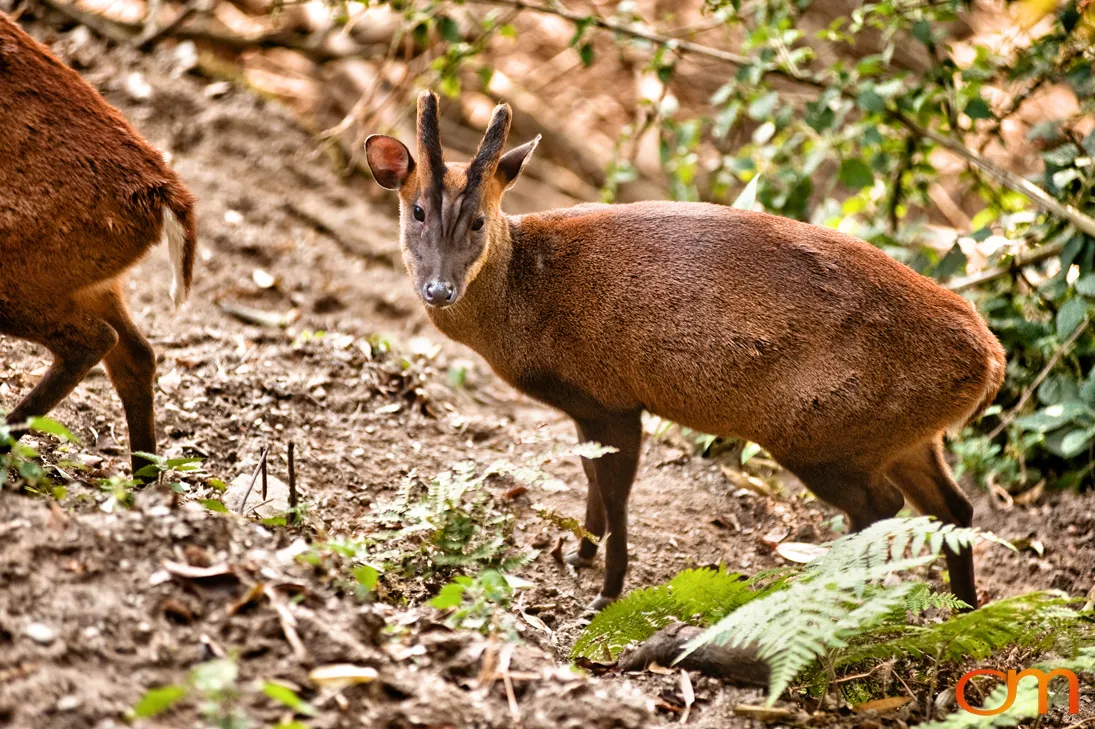
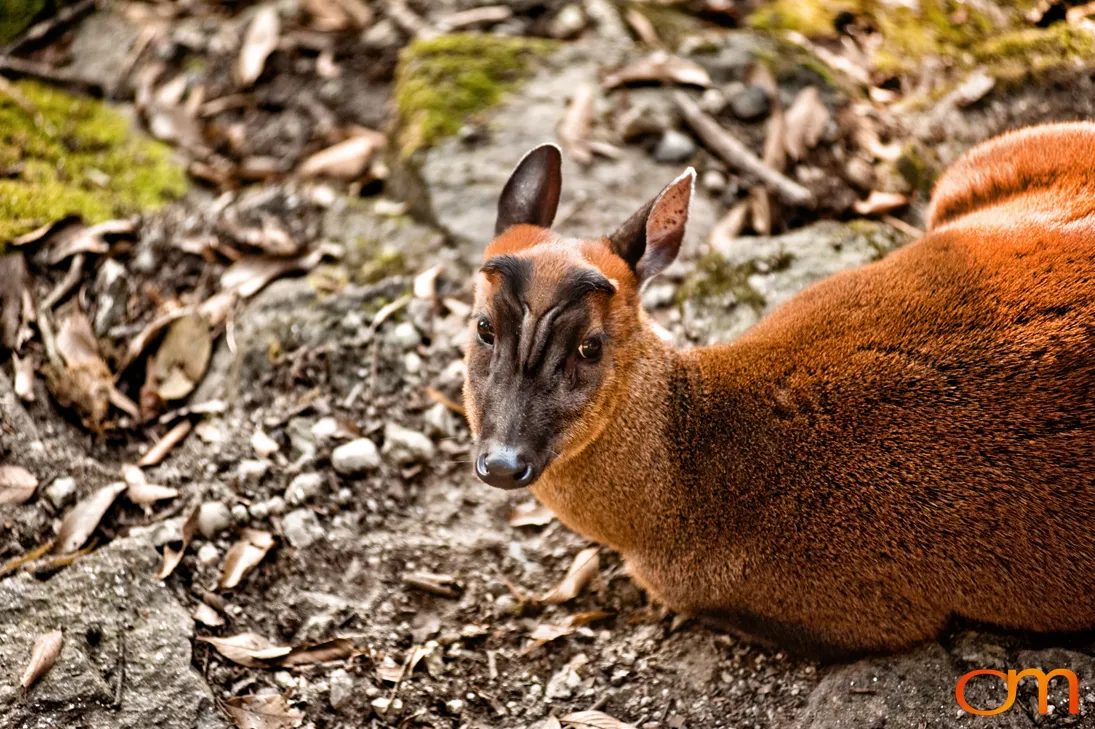
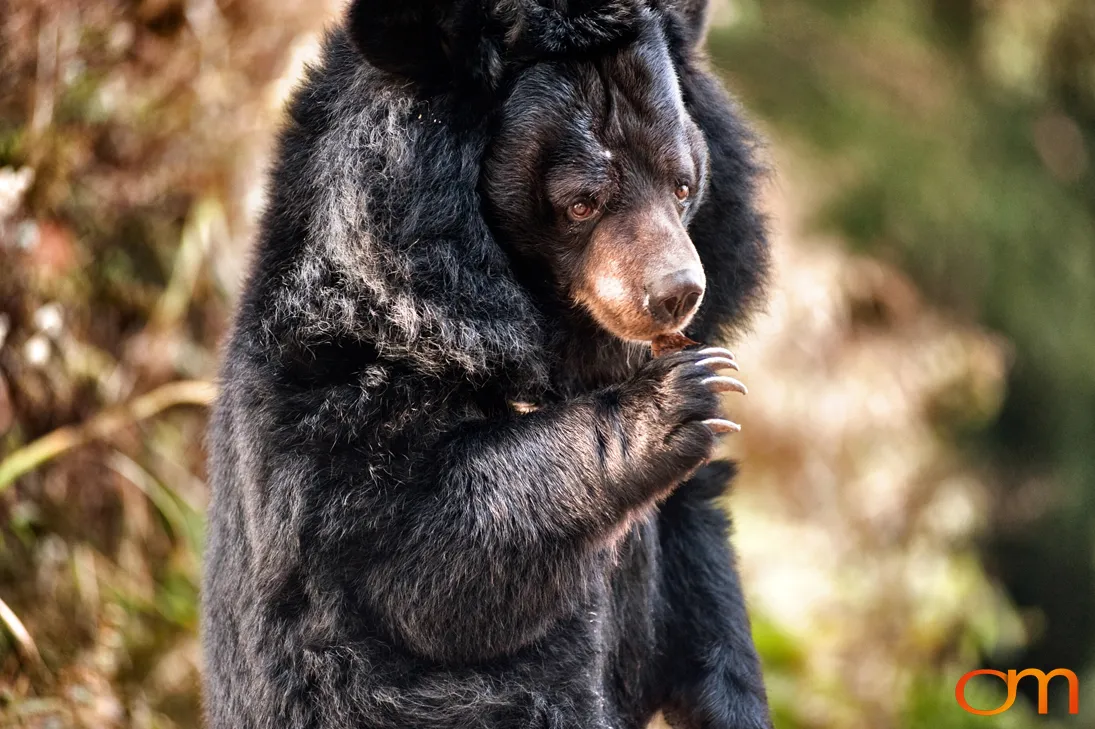
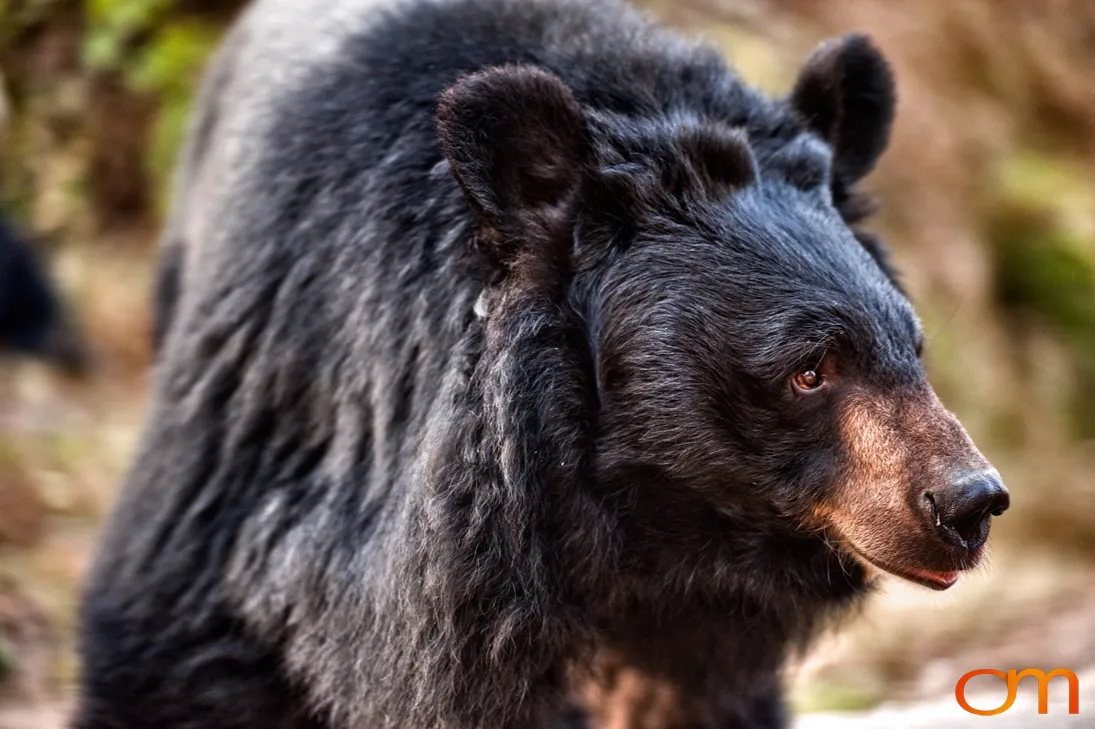
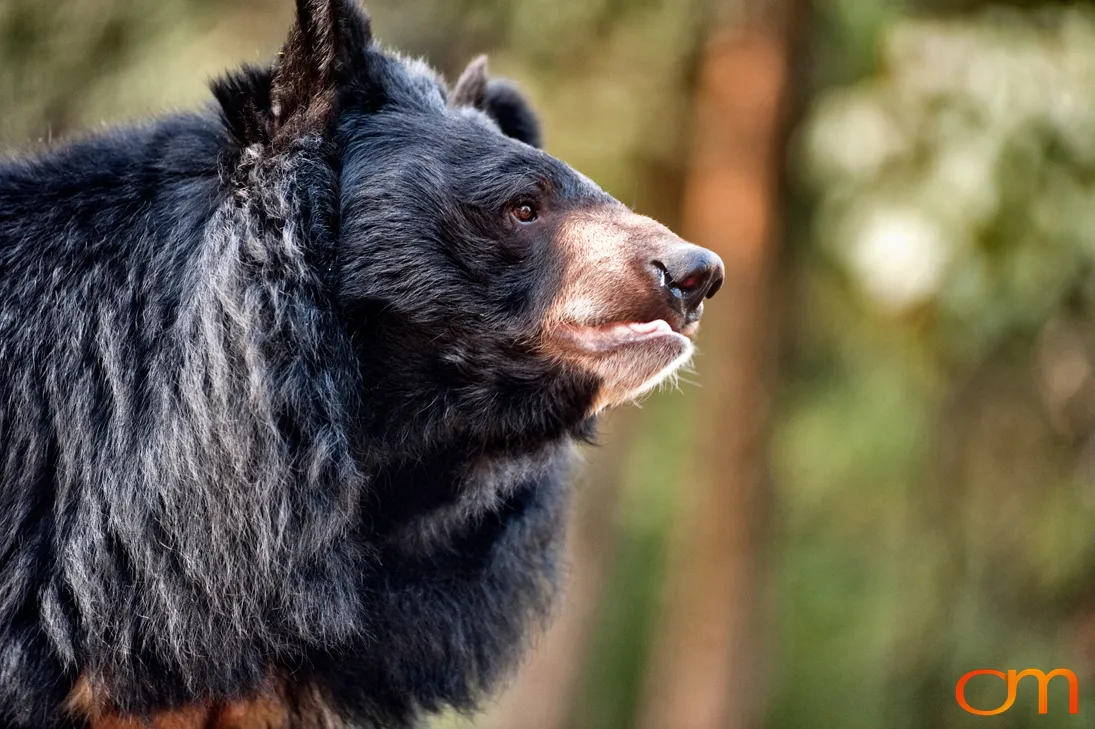
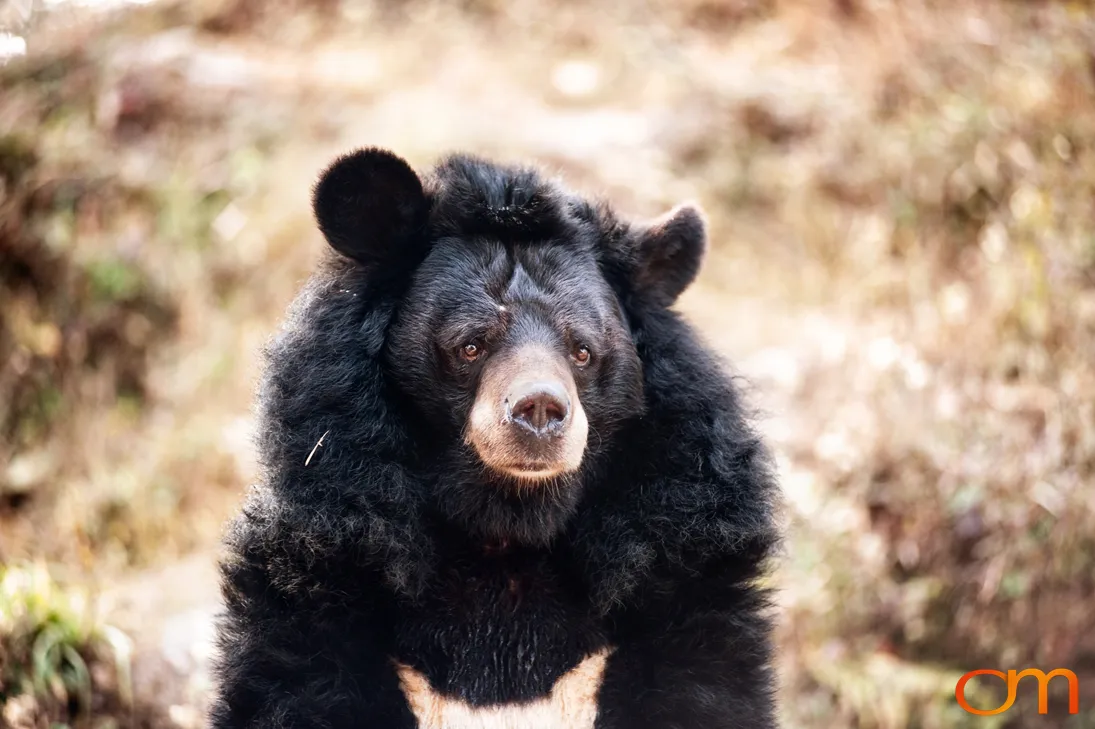
Protected areas within the wider Darjeeling region preserve forests across a broad range of elevations. Senchal Wildlife Sanctuary covers approximately 14.9 square miles (38.6 square kilometers). Established as a game sanctuary in 1915 and formally notified as a wildlife sanctuary in 1976, it contains oak, rhododendron, fern, bamboo, and mixed forest habitats. Wildlife recorded within the sanctuary includes Himalayan black bears, leopards, gorals, serows, wild pigs, muntjacs—commonly called barking deer—and numerous bird species. The sanctuary also contains lakes and forested watersheds that provide much of Darjeeling’s water supply.
Mahananda Wildlife Sanctuary covers approximately 61 square miles (159 square kilometers) in the Himalayan foothills south of Darjeeling. The area became a game sanctuary in 1955 and received wildlife sanctuary status in 1959, primarily to protect gaur—historically called Indian bison—and Royal Bengal tigers. Its habitats range from riverine forests to dense, wet forests at higher elevations and support elephants, leopards, clouded leopards, Himalayan black bears, deer, serows, reptiles, and a diverse bird community.
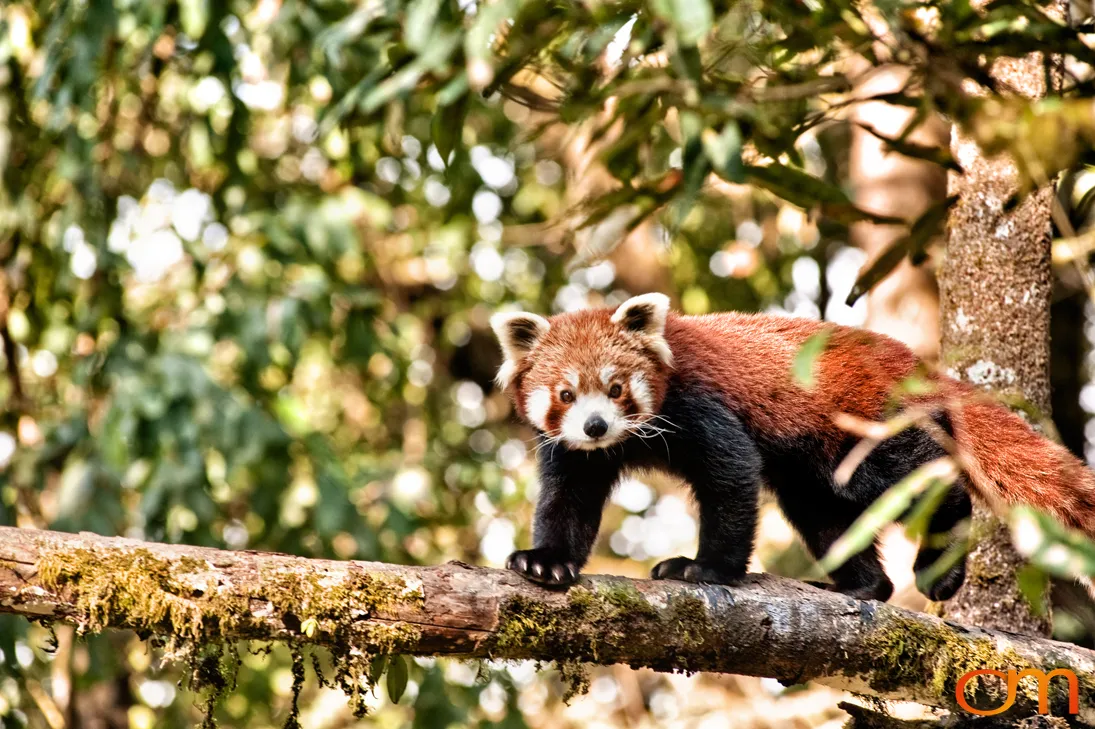
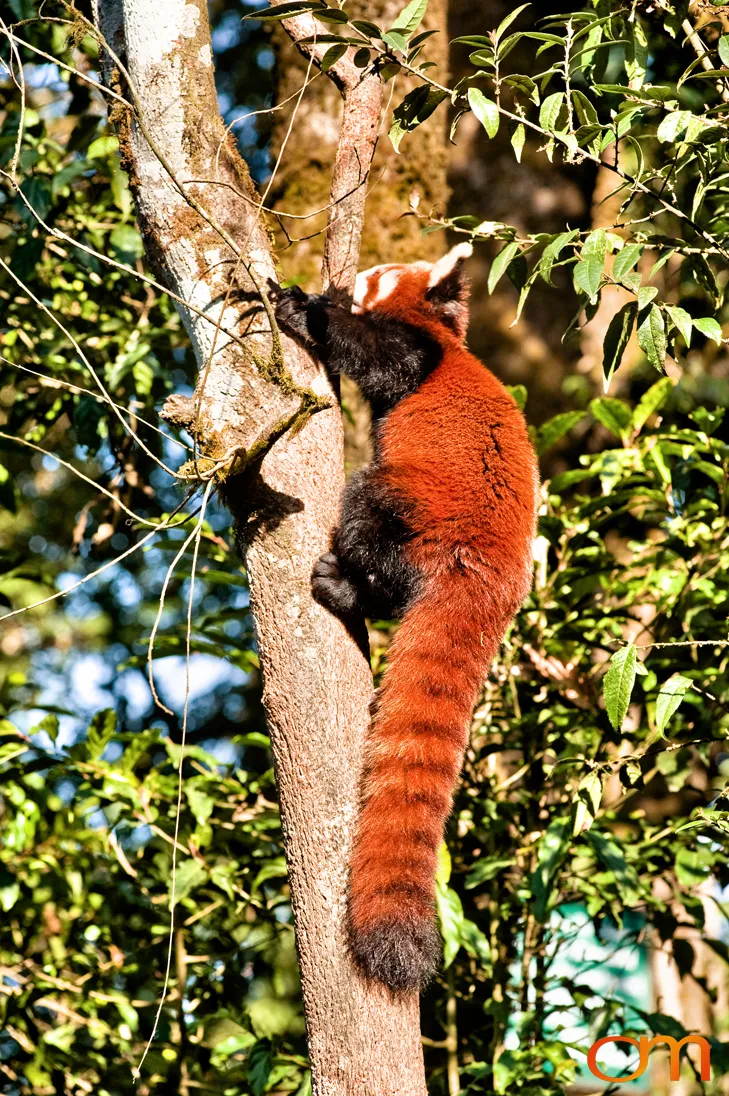
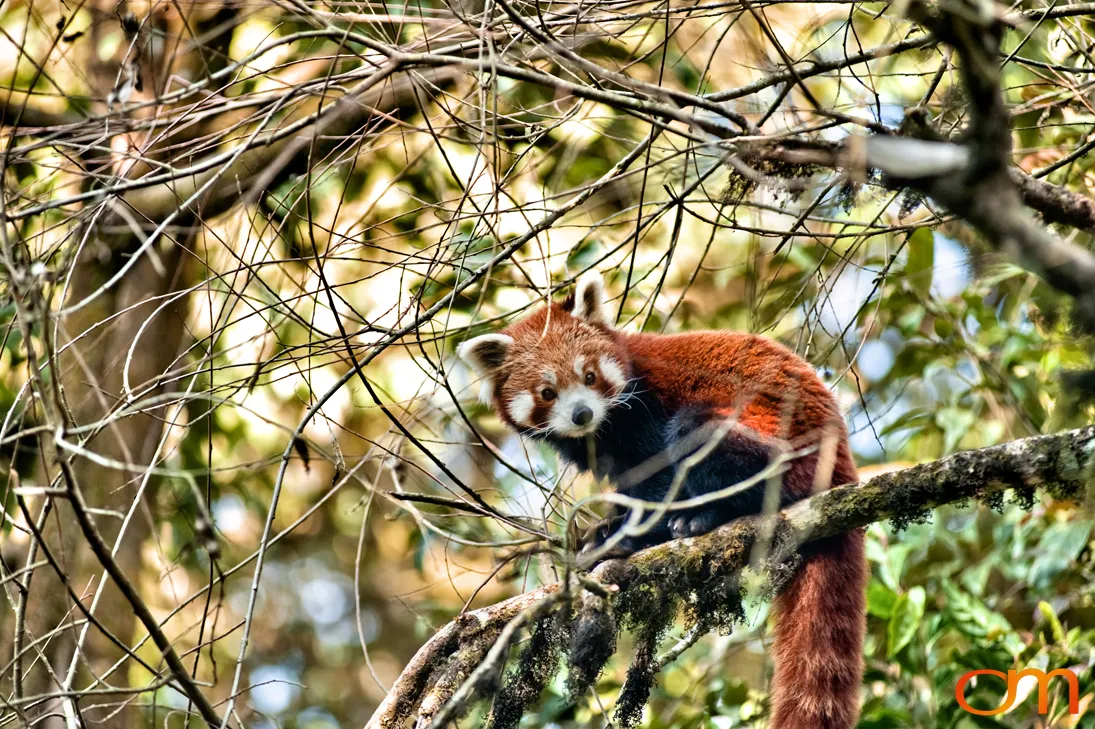
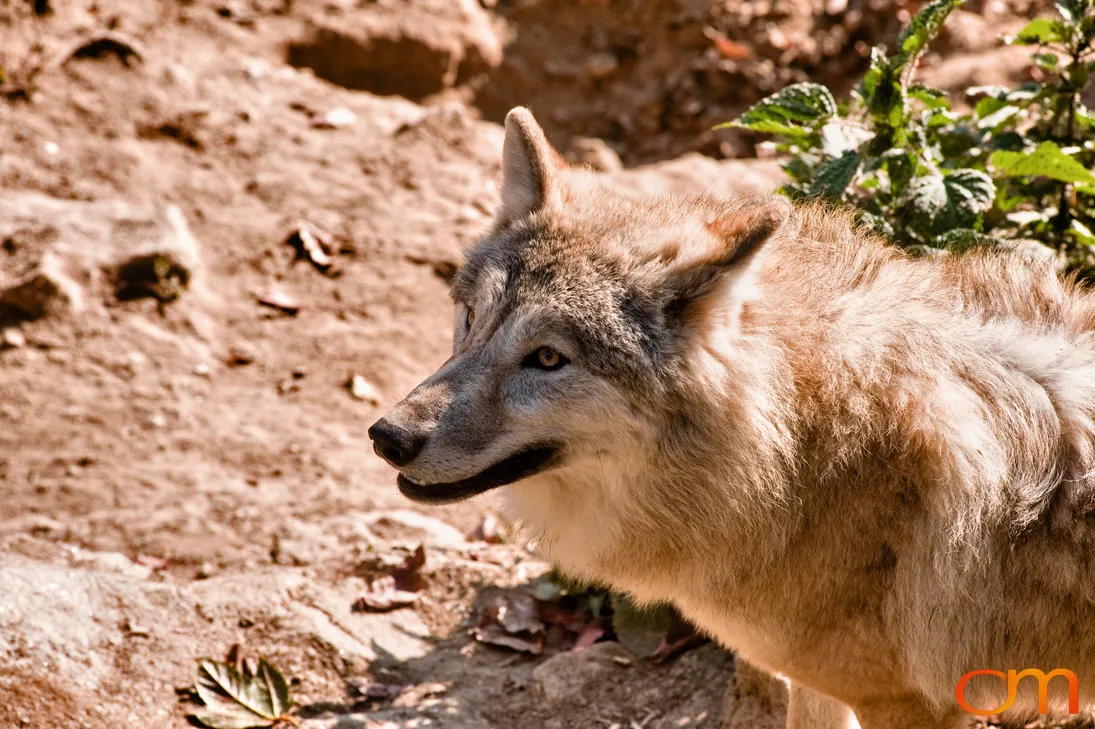
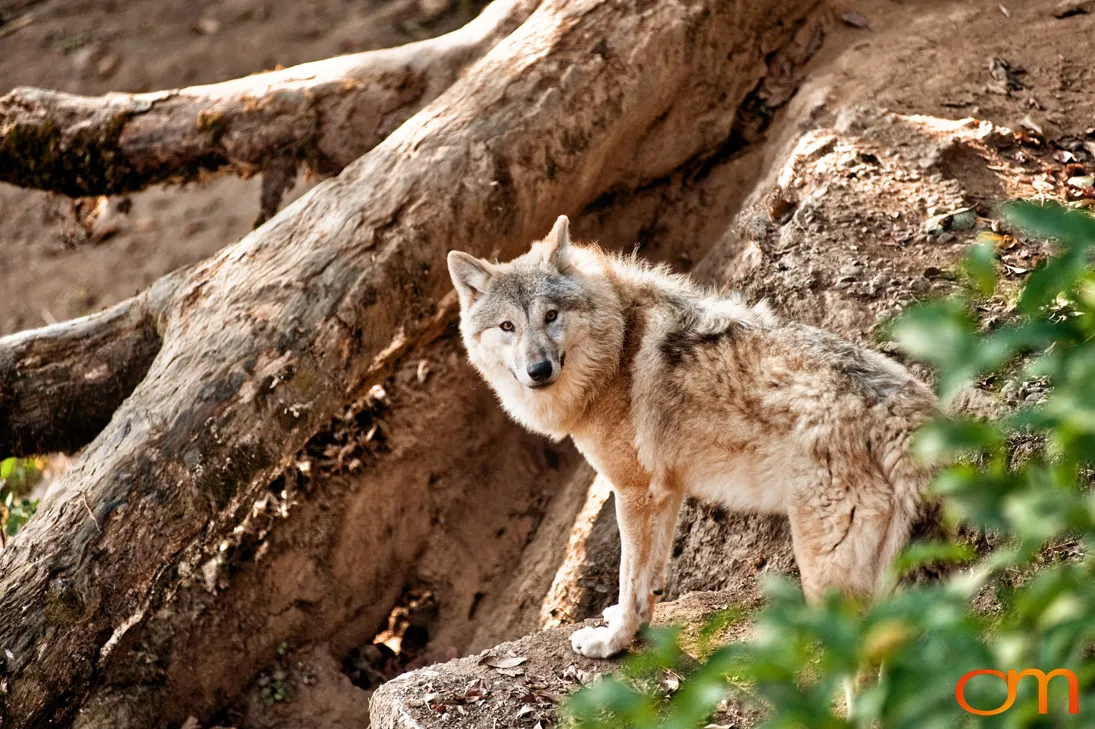
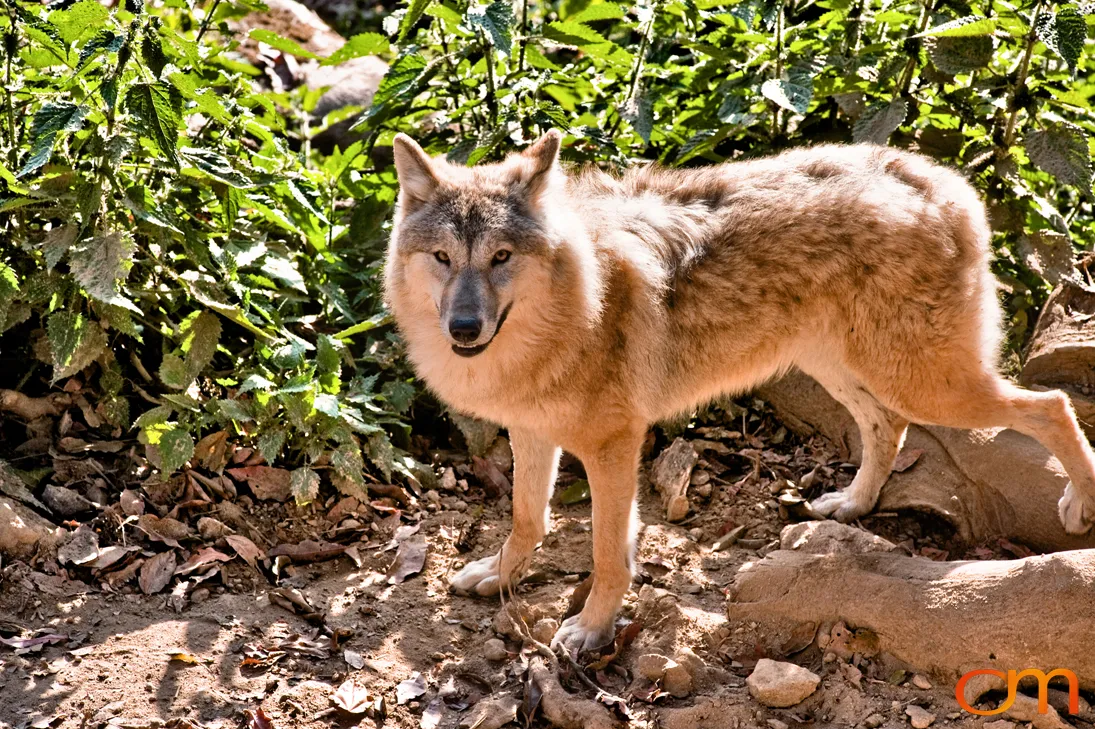
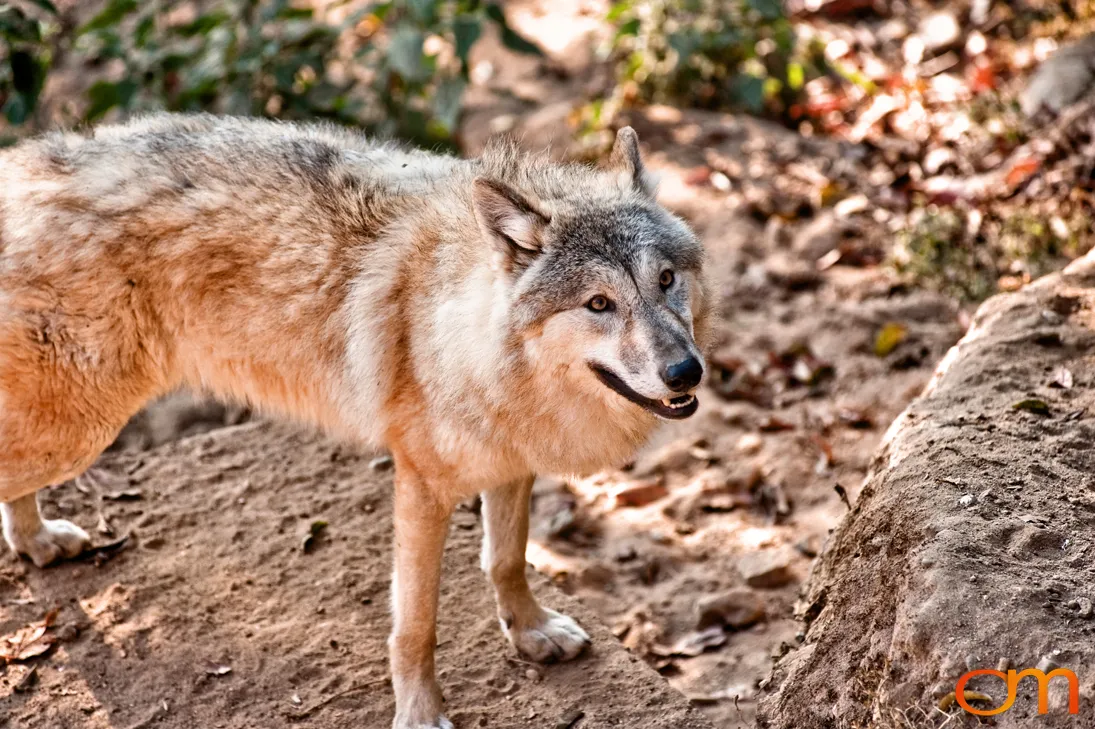
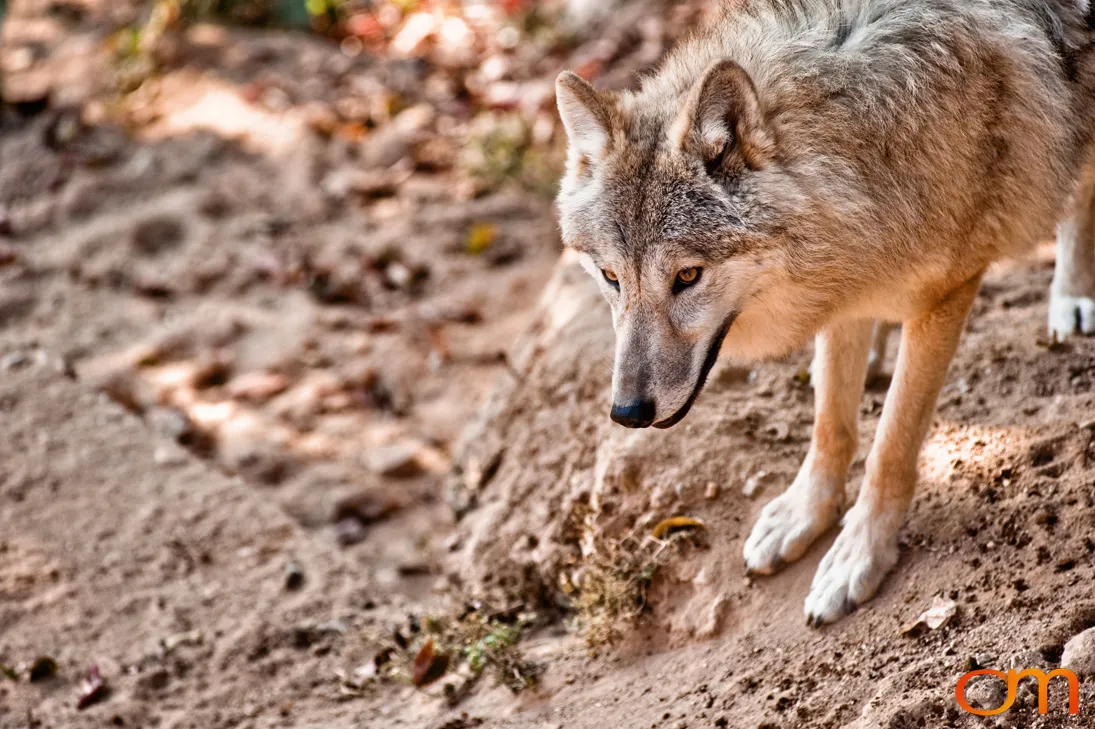
The Padmaja Naidu Himalayan Zoological Park was established in Darjeeling in 1958. The park specializes in the conservation and captive breeding of wildlife from the Eastern Himalayas, including red pandas, snow leopards, Himalayan wolves, and other high-altitude species. A separate conservation breeding center for red pandas and snow leopards operates within Senchal Wildlife Sanctuary.
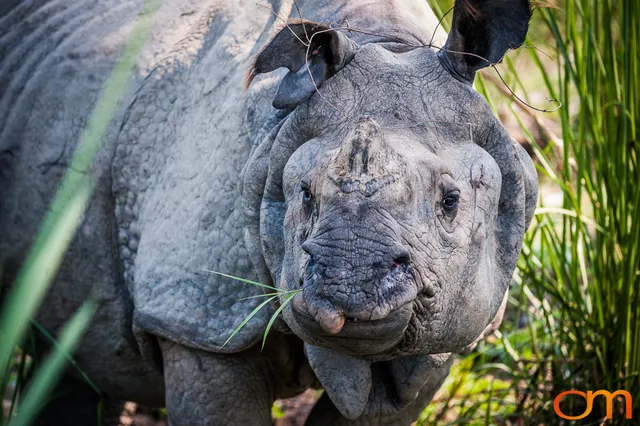
The photographs accompanying this story were taken in Darjeeling in 2011. The wildlife images document red pandas, Himalayan black bears, Himalayan wolves, and a muntjac at the Padmaja Naidu Himalayan Zoological Park. The surrounding landscape photographs record Darjeeling’s steep tea gardens and the working environment created by more than a century of mountain tea cultivation.