Daramshala
Dharamshala: Wheat Fields
April 2016
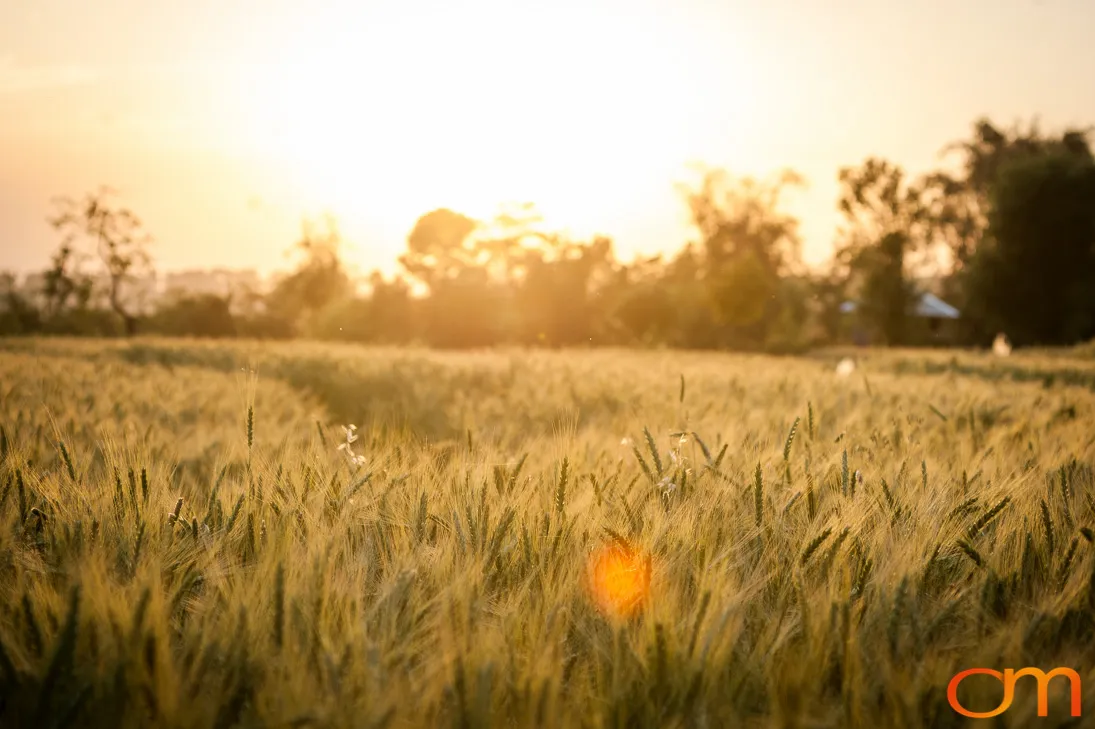
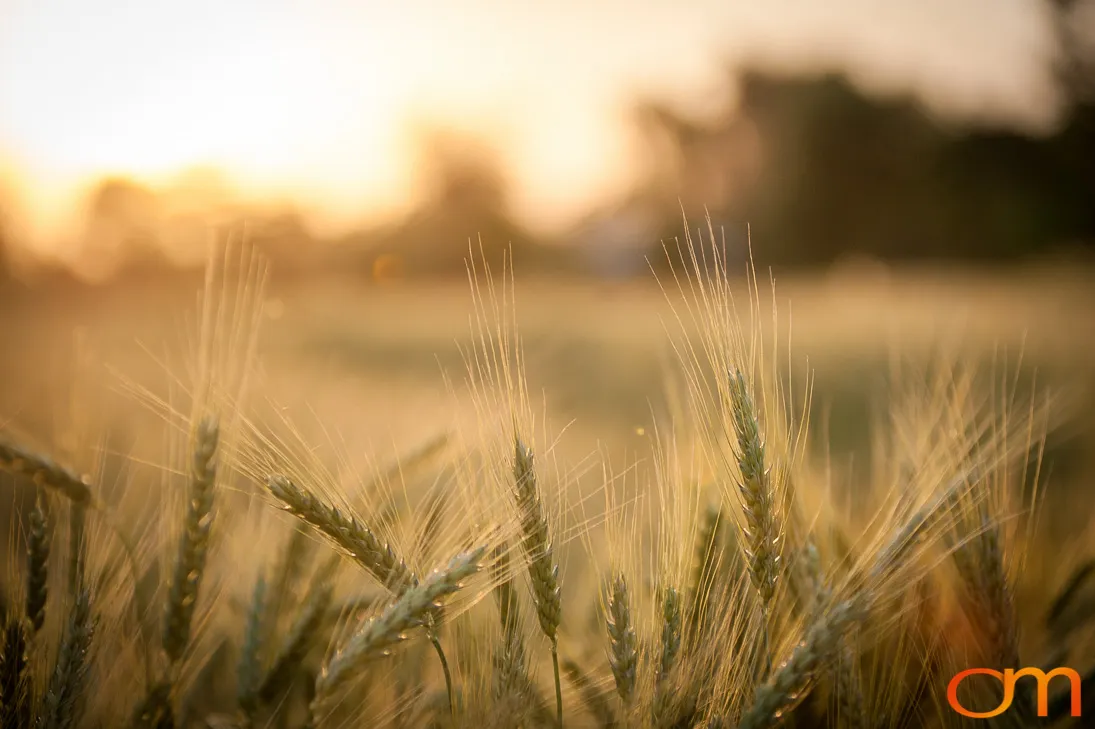
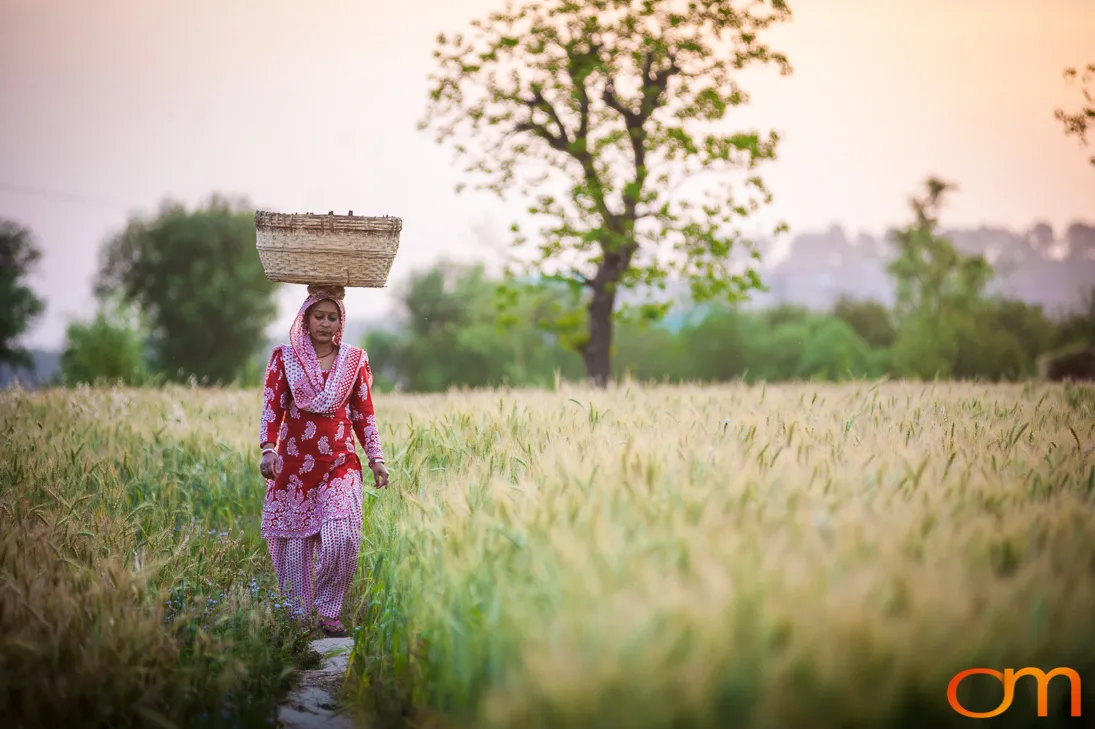
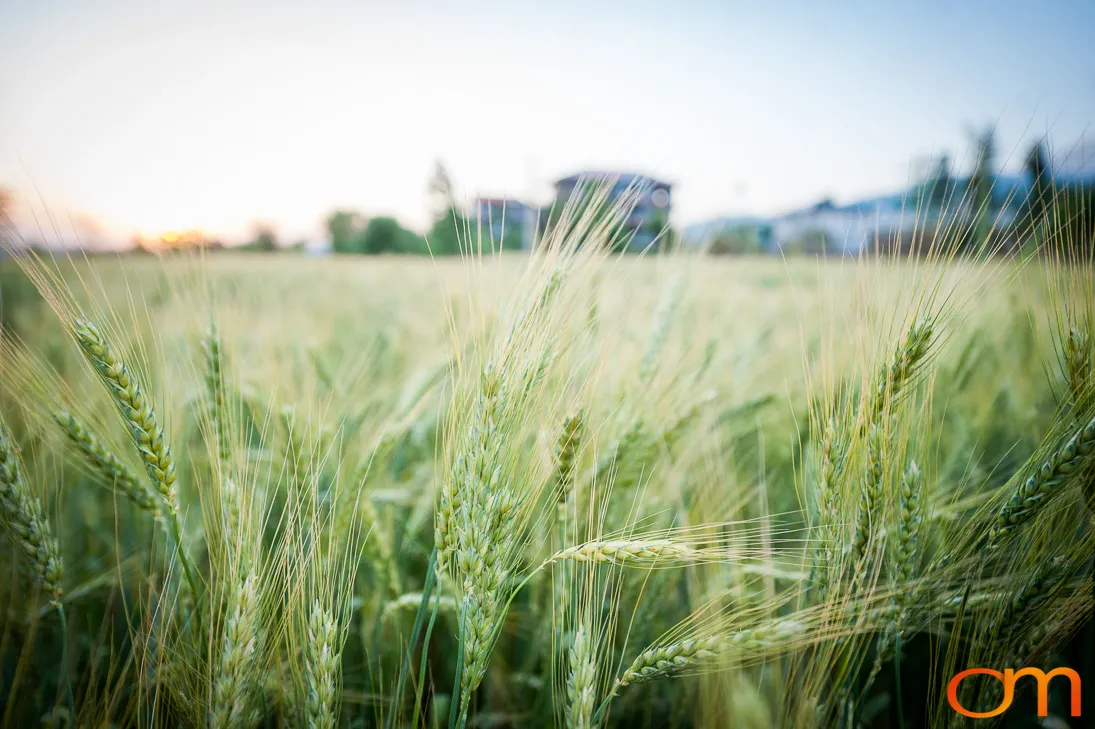
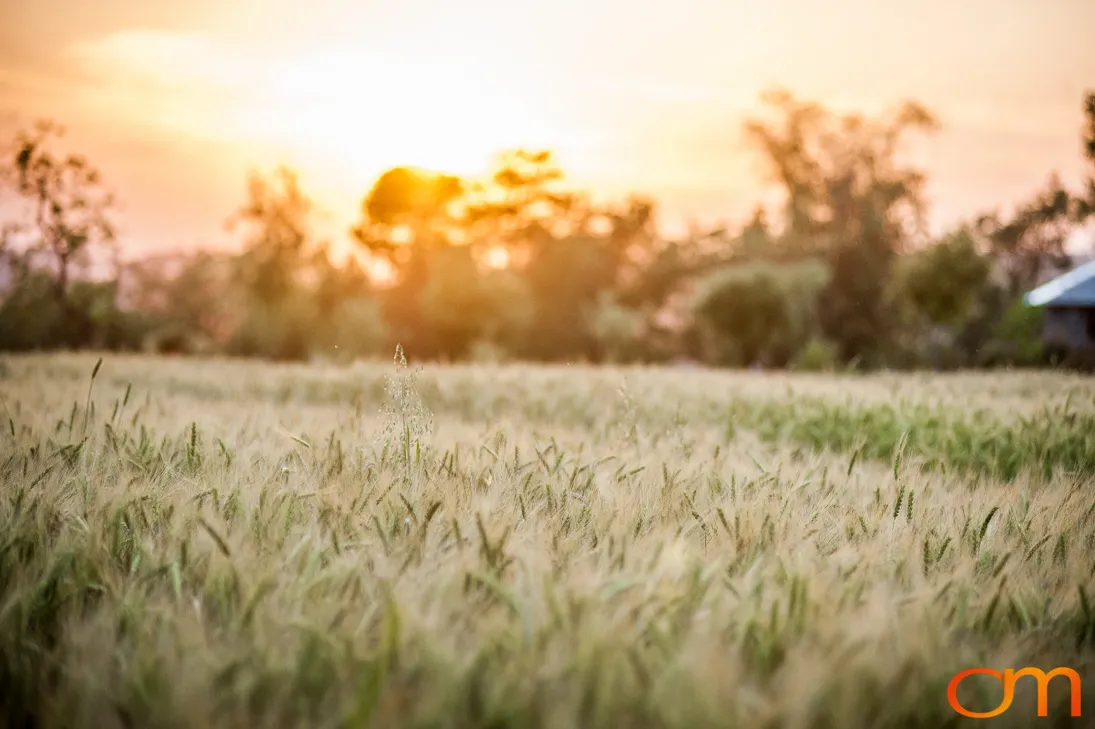
These photographs, taken in 2016 near Dharamshala, document wheat fields approaching maturity in the foothills of the Dhauladhar Range. Wheat is an important winter crop in Himachal Pradesh and is generally planted during the rabi growing season, which begins in autumn and continues through the spring harvest.
Dharamshala is located in Kangra district in the Indian state of Himachal Pradesh. Its landscape rises from cultivated valleys and lower hills to the forested slopes around McLeod Ganj. Climate, vegetation, and agricultural conditions vary considerably across this elevation range. Lower areas support farmland and settlements, while higher slopes contain forests that include chir pine, Himalayan oak, and deodar cedar.
The name Dharamshala comes from a term used for a charitable rest house or shelter for travelers and pilgrims. In 2017, the Government of Himachal Pradesh designated Dharamshala as the state’s second capital.
Wheat cultivation in South Asia began thousands of years before modern national borders existed. Archaeological evidence from early agricultural settlements in the northwestern Indian subcontinent, including Mehrgarh in present-day Pakistan, shows that domesticated wheat was grown during the Neolithic period.
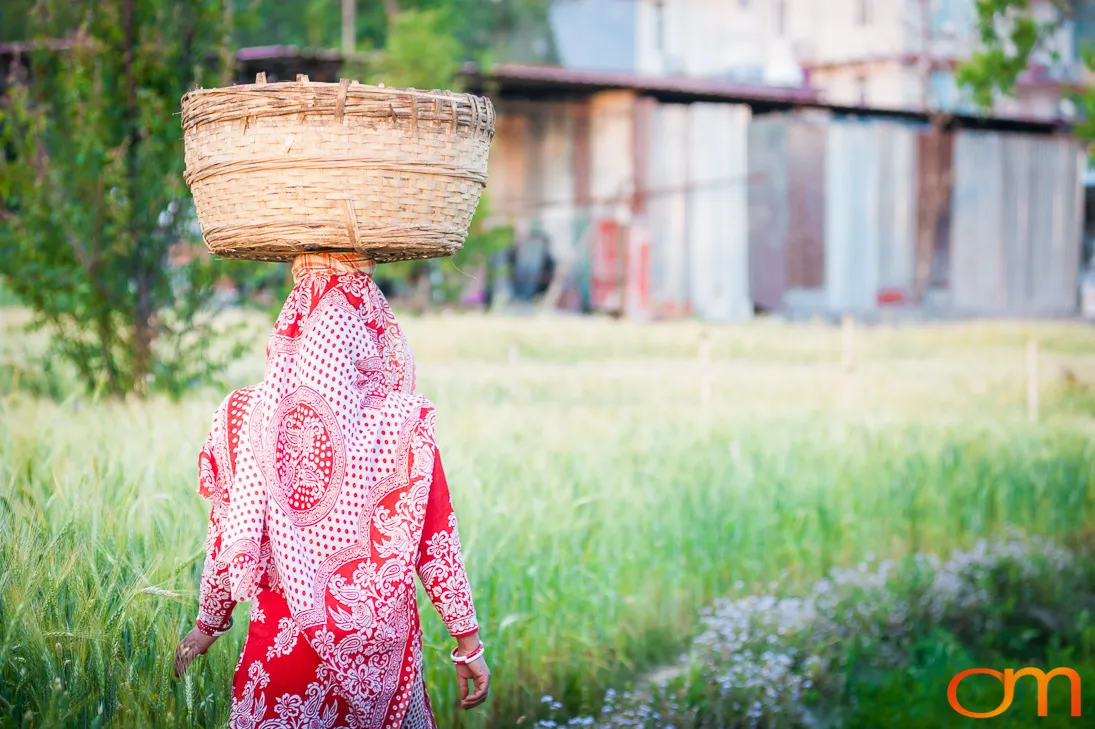
The fields surrounding Dharamshala form part of a working agricultural landscape that is often overshadowed by the region’s mountains, monasteries, and Tibetan cultural institutions. The photographs preserve details of rural life, including mature grain, scattered homes, and a woman carrying a large woven basket through the fields.