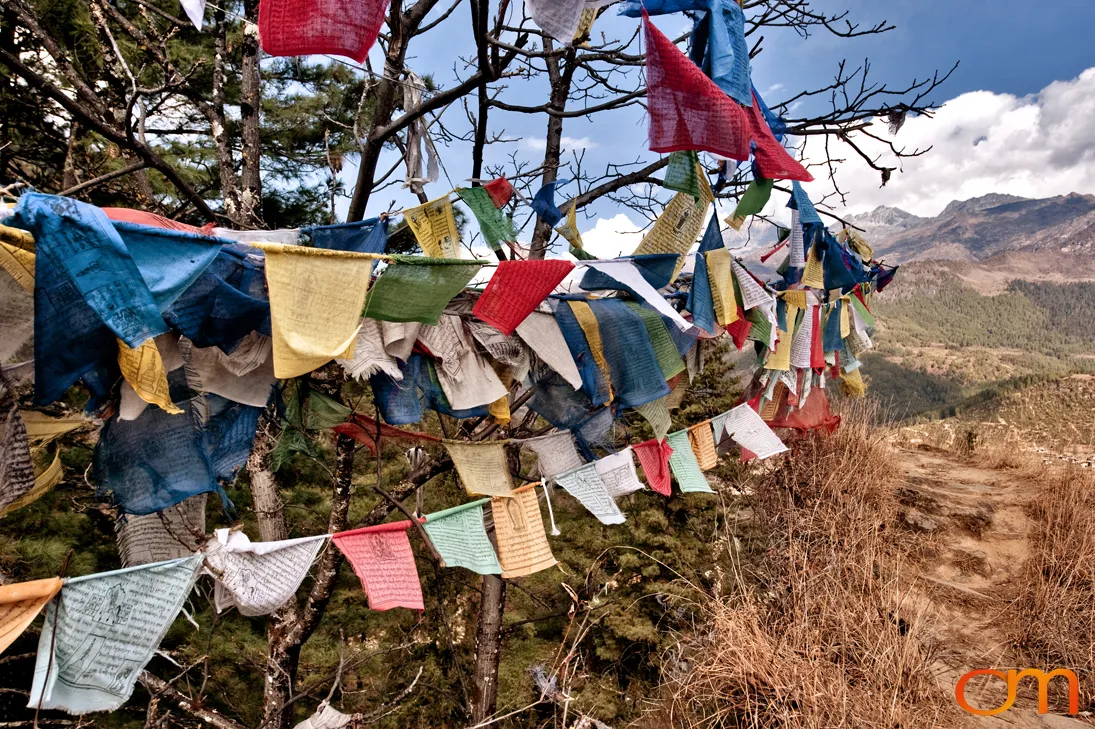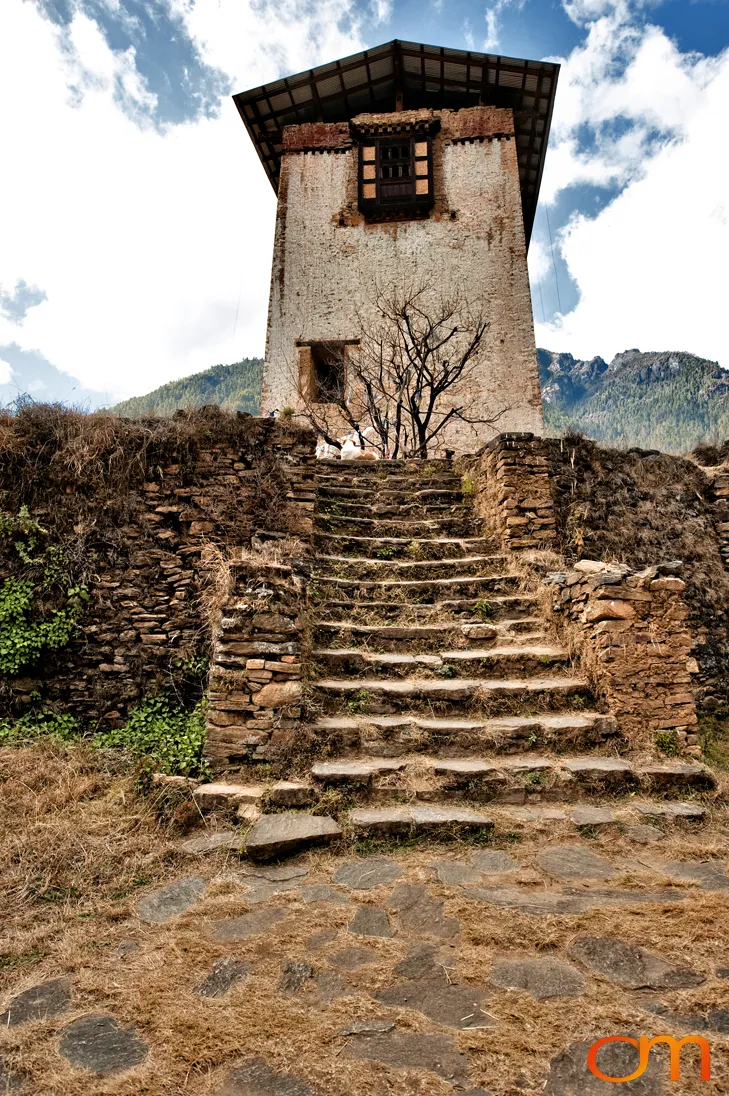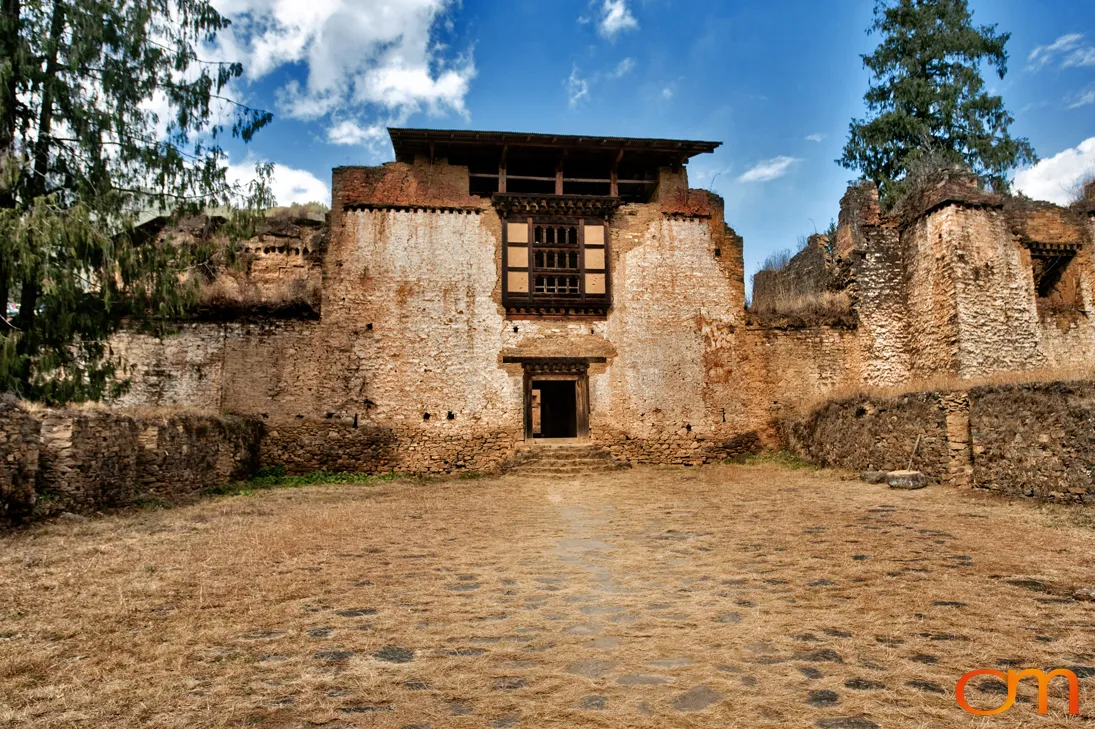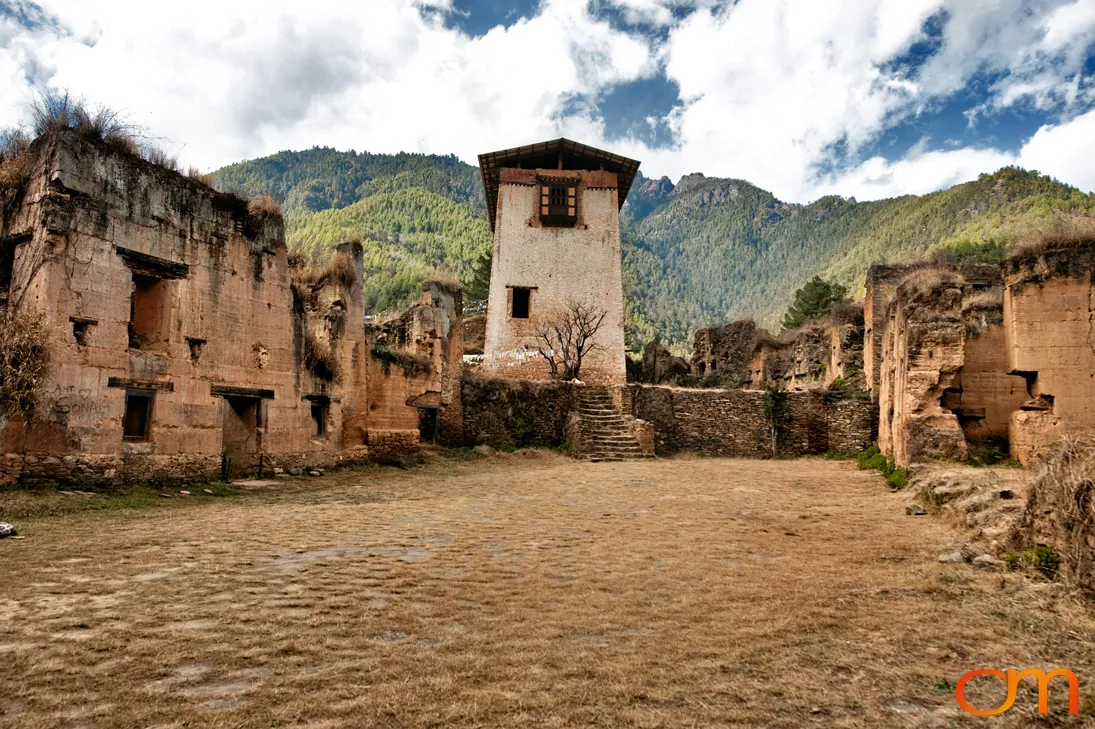
Drukgyel Dzong
Drukgyel Dzong: Fortress of Victory
December 2010
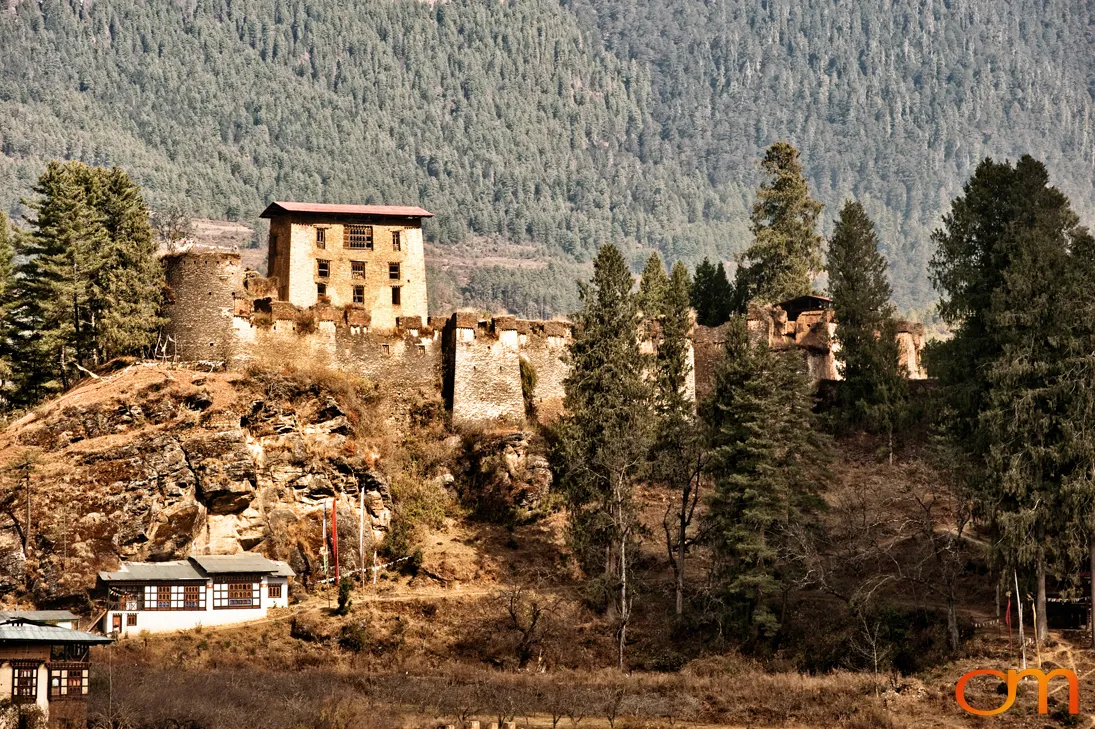
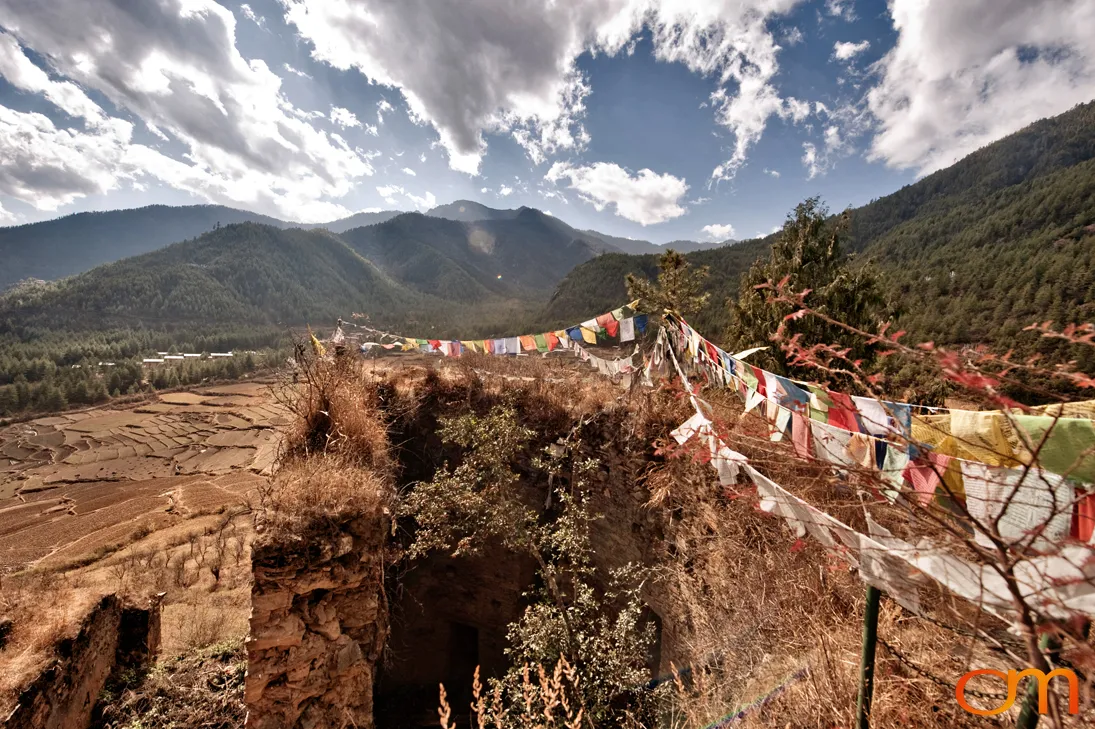
Drukgyel Dzong stands on a ridge in the upper Paro Valley. Built in 1649 during the rule of Zhabdrung Ngawang Namgyal, its construction is attributed to Tenzin Drukdra, the second Druk Desi. The fortress commemorated a Bhutanese victory over invading forces from Tibet, traditionally dated to 1644. Its name is commonly translated as “Fortress of Victory” or “Fortress of the Victorious Drukpas.”
Drukgyel Dzong is commonly identified as one of four principal defense forts built to guard approaches from Tibet. Unlike most Bhutanese dzongs, which combined administrative, religious, and defensive functions, it was constructed primarily as a military stronghold. Its position protected the northern approach into the Paro Valley along a historic route from Tibet.
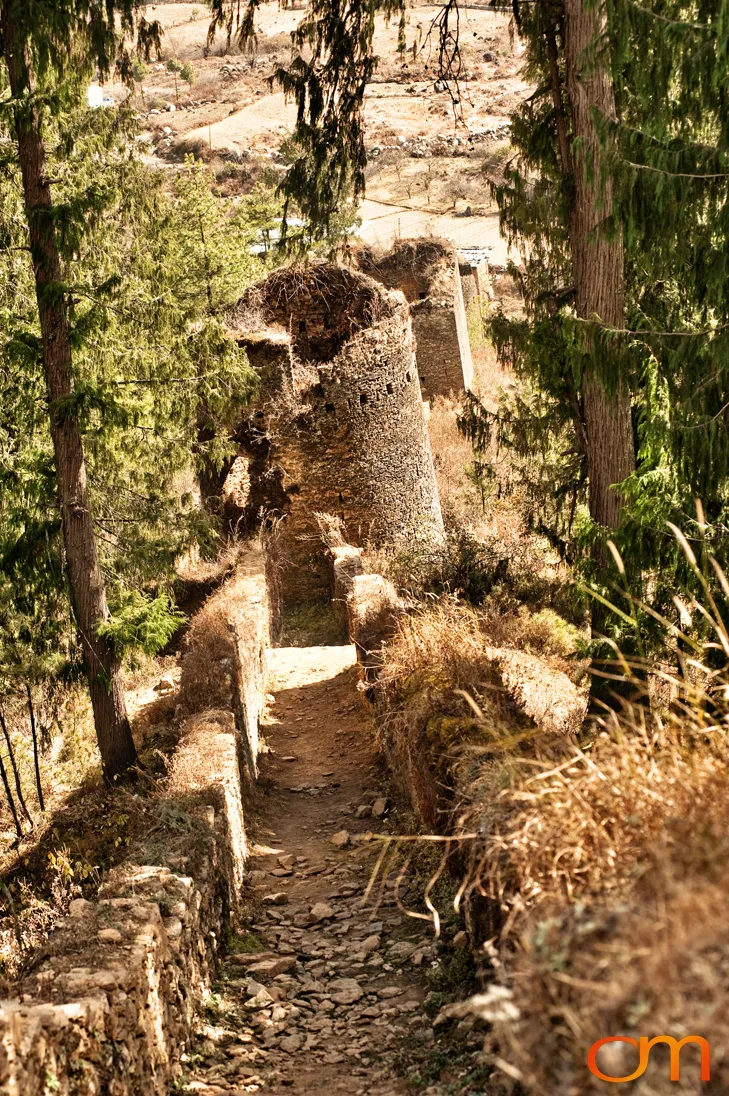
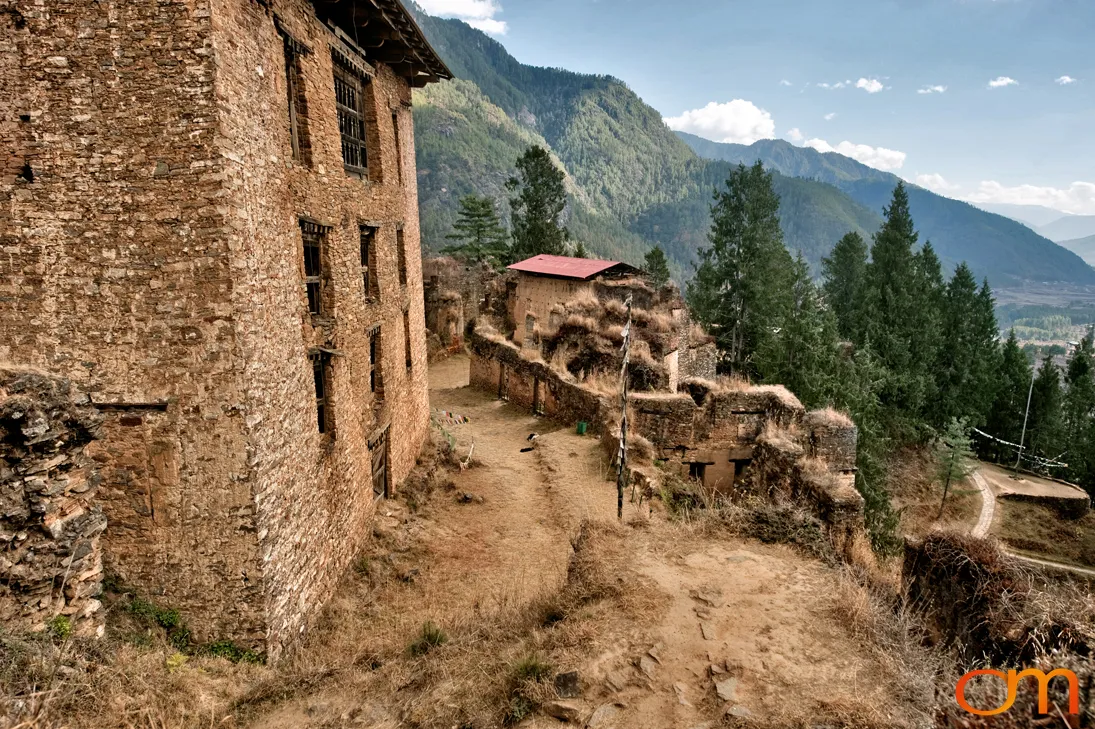
The complex incorporated a central tower, or utse, surrounded by fortified buildings and courtyards. Steep terrain restricted access to a single principal approach guarded by cylindrical watchtowers and defensive walls. Accounts also describe a false entrance intended to direct attackers into an enclosed courtyard.
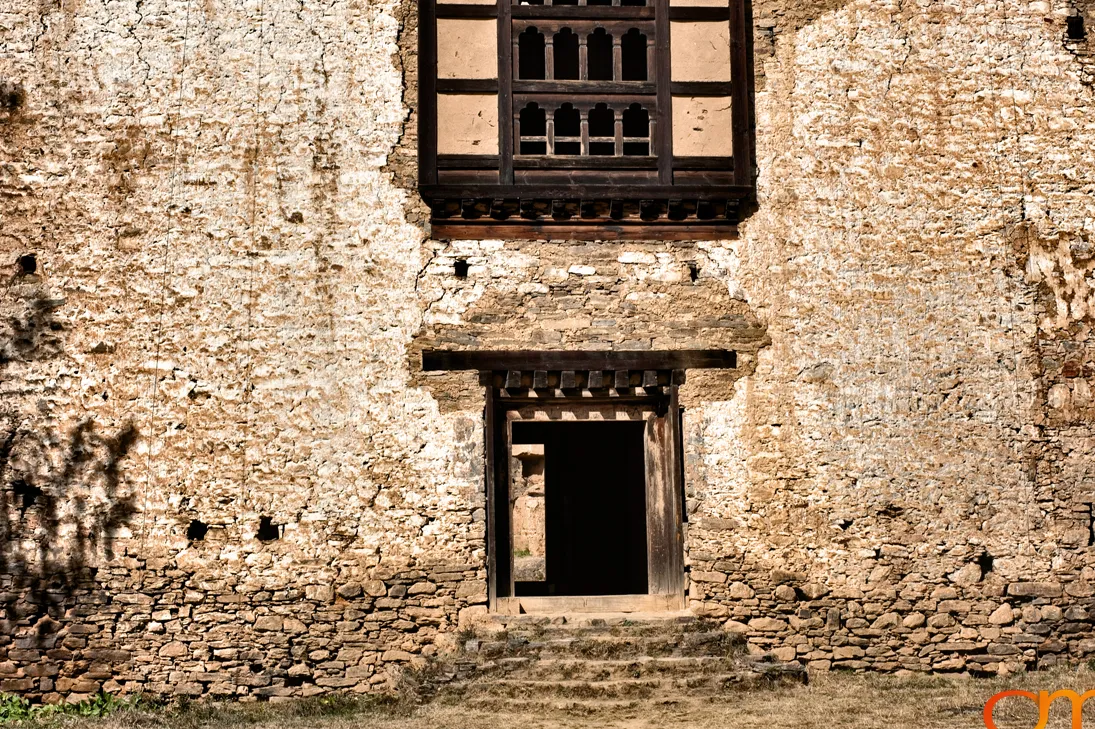
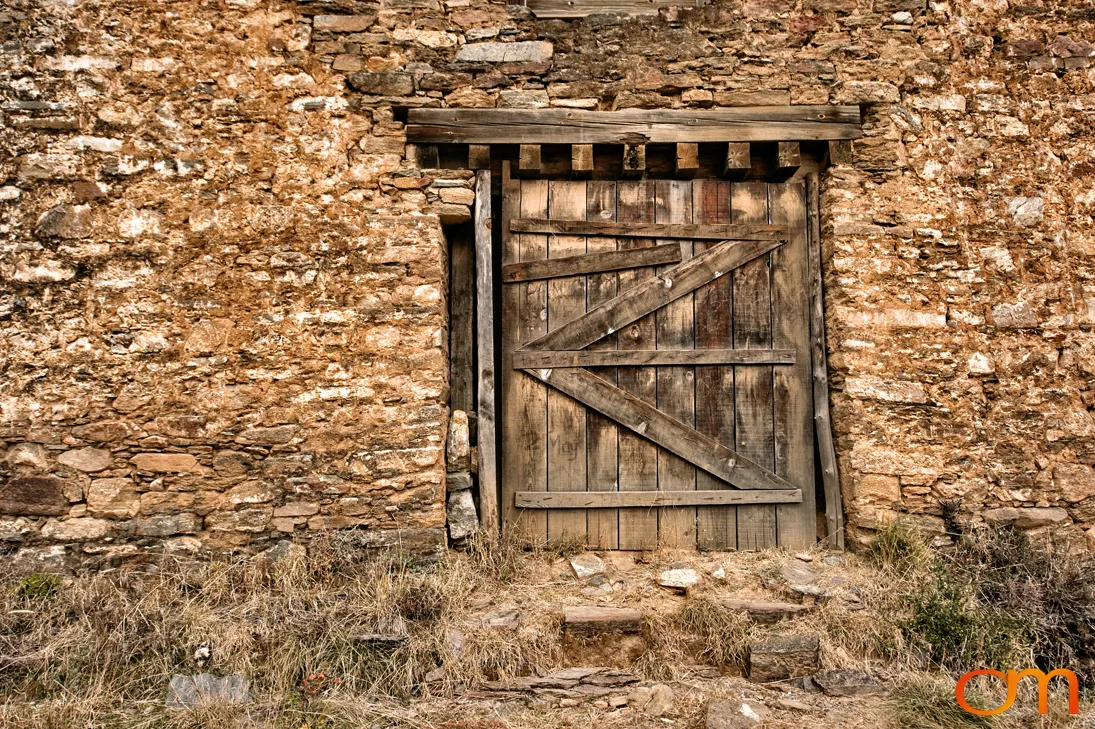
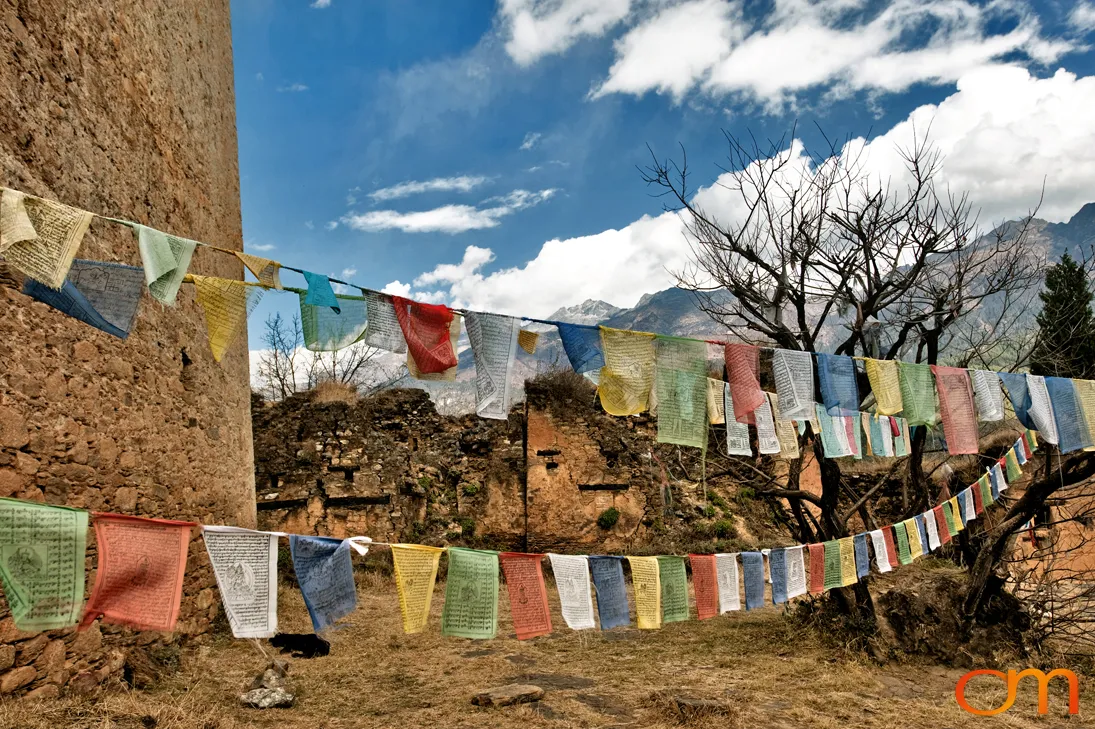
A fire in 1951 destroyed most of the timber roofs, floors, doors, and windows. Substantial stone and rammed-earth walls survived, preserving evidence of the fortress’s defensive layout. The ruins became an important monument associated with Bhutan’s seventeenth-century political consolidation and continued sovereignty.
Developments Since the Photographs Were Taken
These photographs document Drukgyel Dzong before reconstruction began. The Royal Government of Bhutan initiated archaeological investigation and restoration work in 2016. The project continued beyond its original 2022 target, with government procurement records showing that the Drukgyel Dzong Reconstruction Project remained active in May 2023.
As of July 2026, UNESCO continues to include the property on Bhutan’s World Heritage Tentative List under the title “Ancient Ruin of Drukgyel Dzong.” Tentative-list inclusion is not the same as inscription on the UNESCO World Heritage List.