India
Dubdi Monastery: Sikkim’s Oldest Monastery
December 2010
Dubdi Monastery stands on a forested hill above Yuksom in the Indian state of Sikkim. Established in 1701, it is recognized by the Archaeological Survey of India and the Government of Sikkim as the oldest monastery in the state. It is also known as Yuksom Monastery. The name Dubdi is commonly translated as “the retreat,” reflecting its secluded setting.
The monastery belongs to the Nyingma school, the oldest of the four major traditions of Tibetan Buddhism. Dubdi was established during the reign of Chakdor Namgyal, the third Chogyal, or king, of Sikkim.
The monastery forms part of the historic religious landscape surrounding Yuksom. In 1642, three Tibetan lamas consecrated Phuntsog Namgyal as the first Chogyal of Sikkim at nearby Norbugang. Dubdi was founded nearly six decades later, during the early development of the Namgyal kingdom.
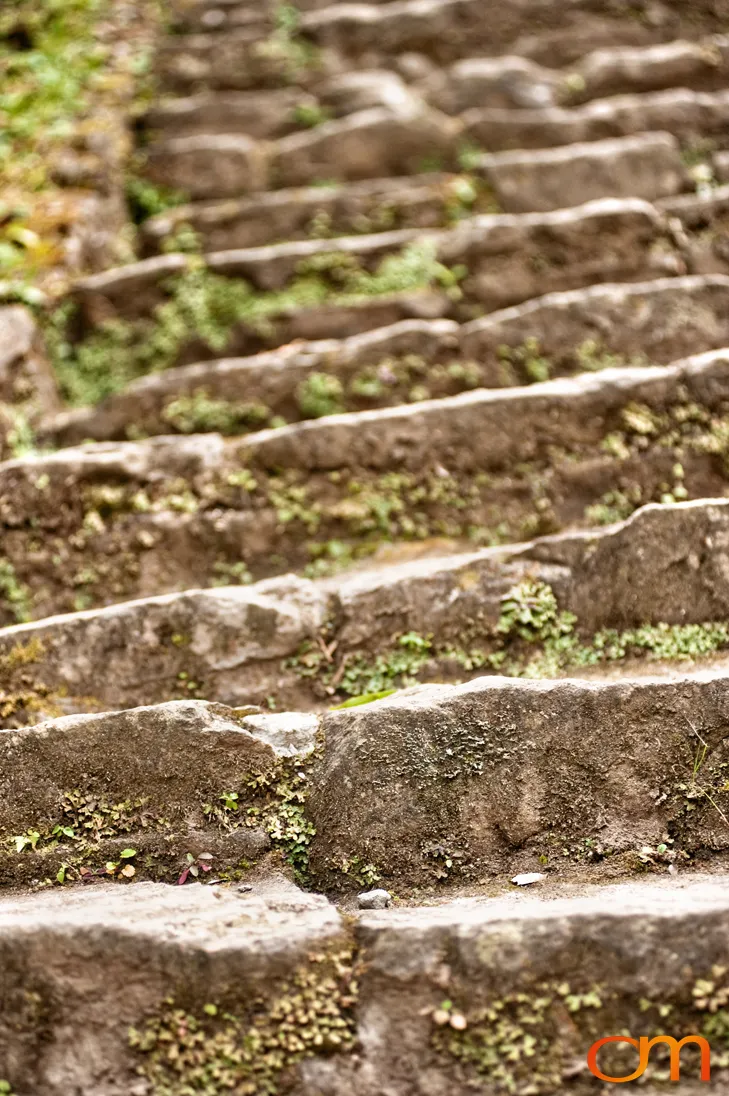
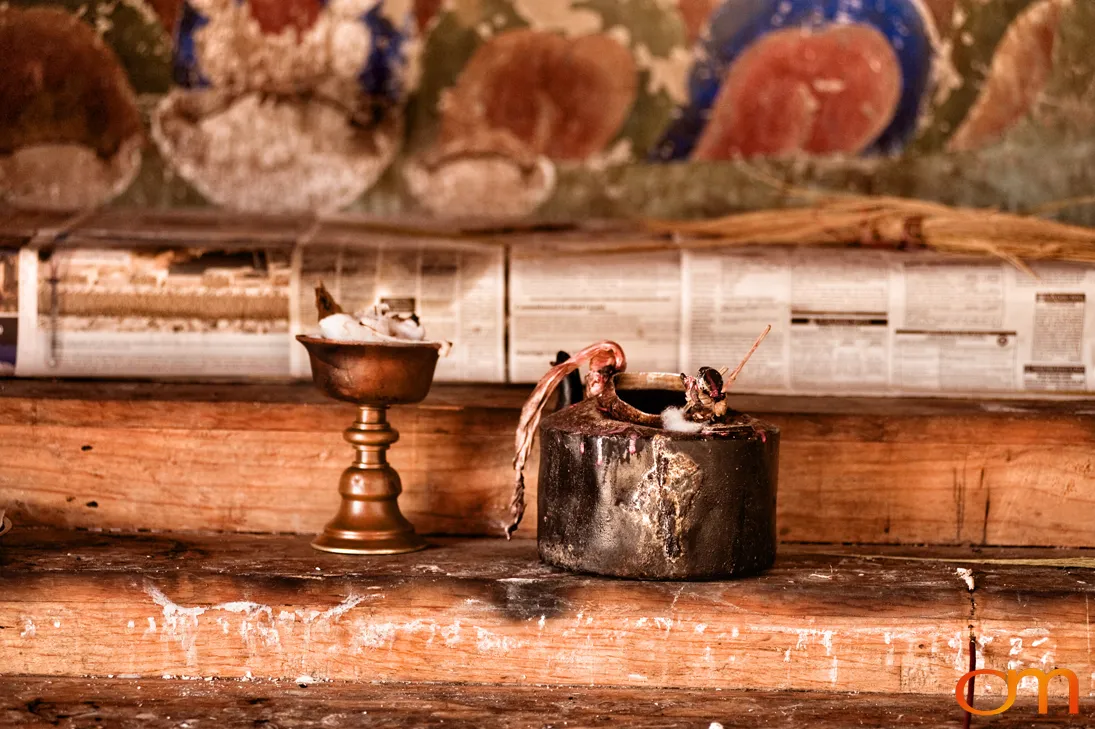
Located at approximately 6,900 feet (2,100 meters) above sea level, the two-story stone monastery contains Buddhist sacred imagery, statues, manuscripts, and ritual texts. It is reached by a steep uphill path through the forest from Yuksom.
Dubdi Monastery is a centrally protected monument under the Archaeological Survey of India. Its architecture, religious traditions, and connection to the early history of the Sikkimese monarchy make it an important part of Sikkim’s cultural heritage.