Elephanta Island
Elephanta Island
August 2004
Elephanta Island, also known as Gharapuri, lies in Mumbai Harbour approximately 11 kilometers northeast of Apollo Bunder. The island is best known for the Elephanta Caves, a complex of rock-cut temples and monumental sculptures associated principally with the Hindu god Shiva. The principal caves were created around the fifth and sixth centuries CE. UNESCO designated the Elephanta Caves as a World Heritage Site in 1987.
The name Elephanta originated with Portuguese visitors who encountered a large stone sculpture of an elephant on the island. The sculpture was later moved to Mumbai, reconstructed, and placed on the grounds of the Dr. Bhau Daji Lad Mumbai City Museum. The island’s older name, Gharapuri, remains widely used.
Bonnet Macaques
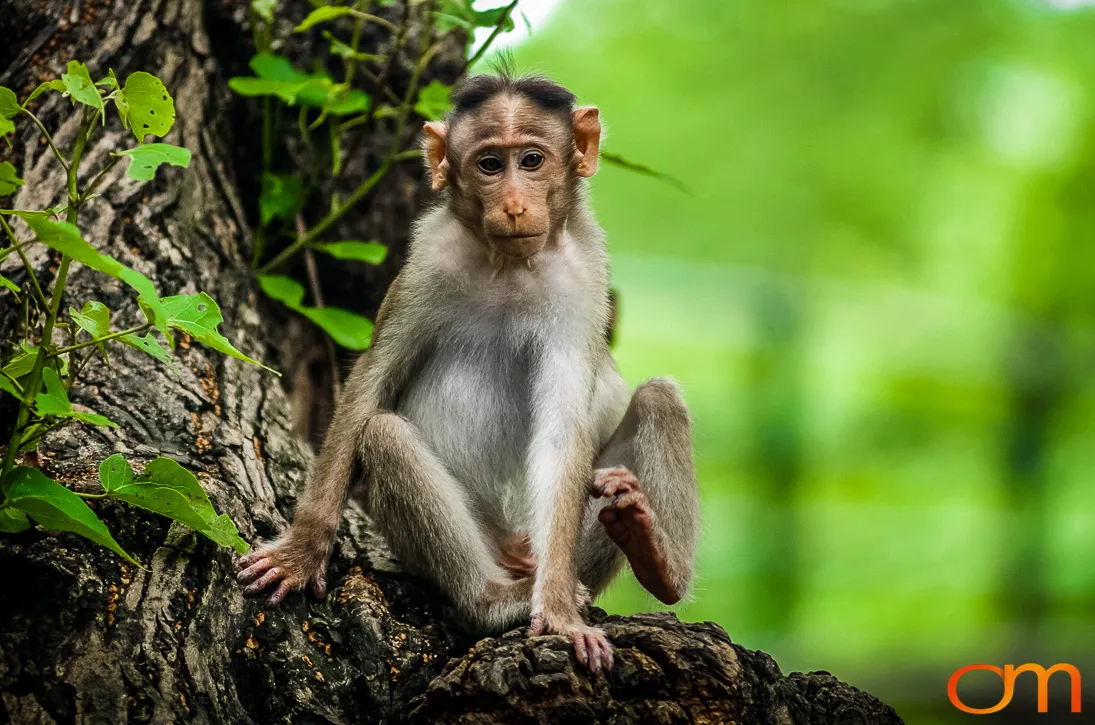
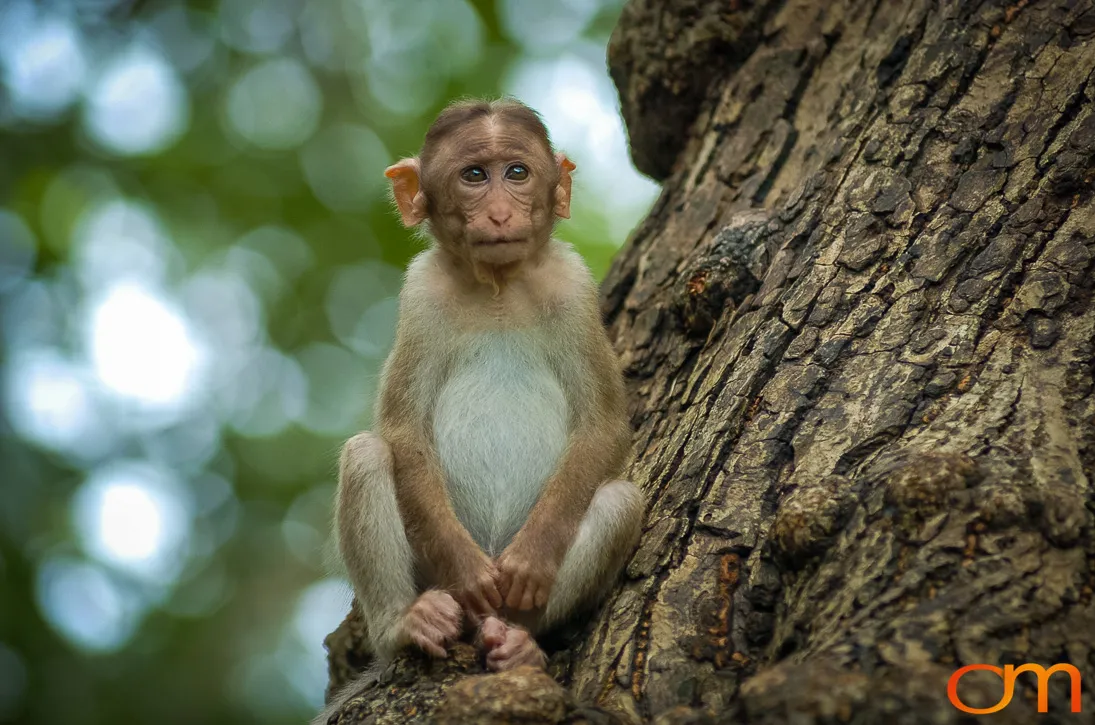
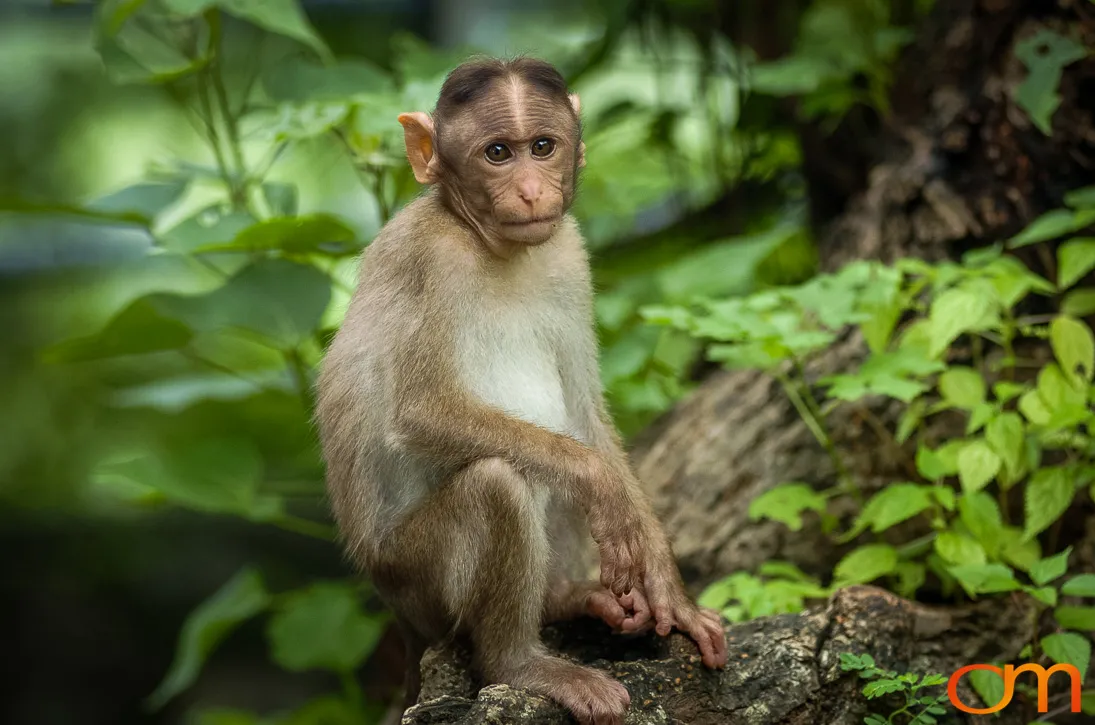
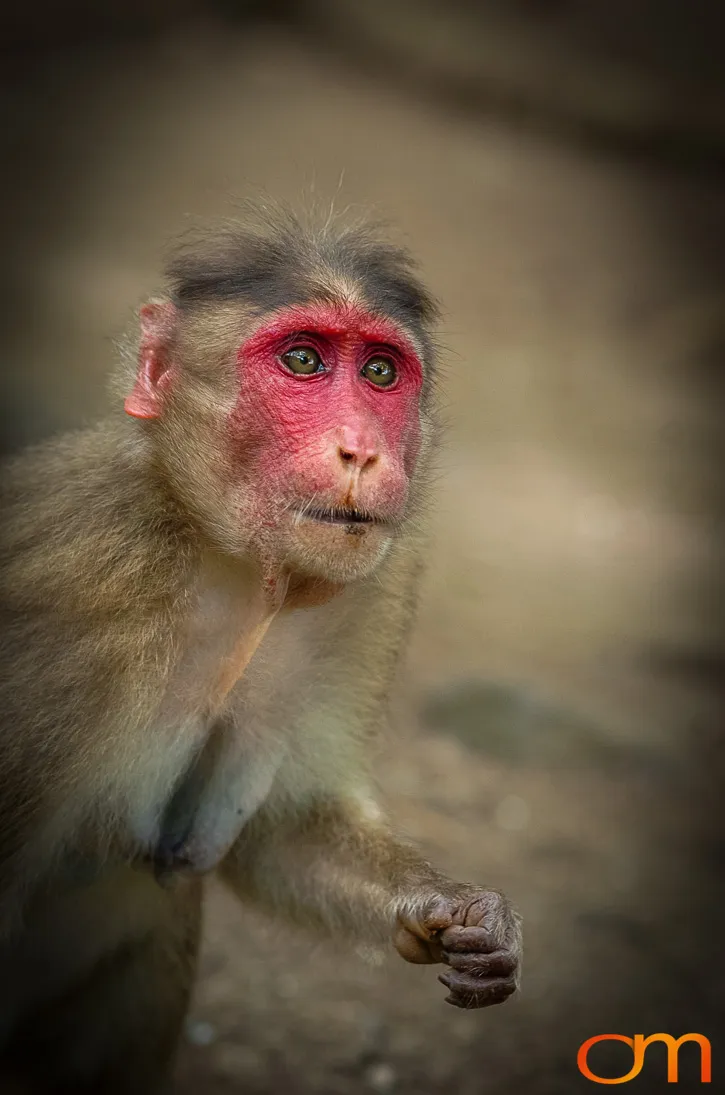
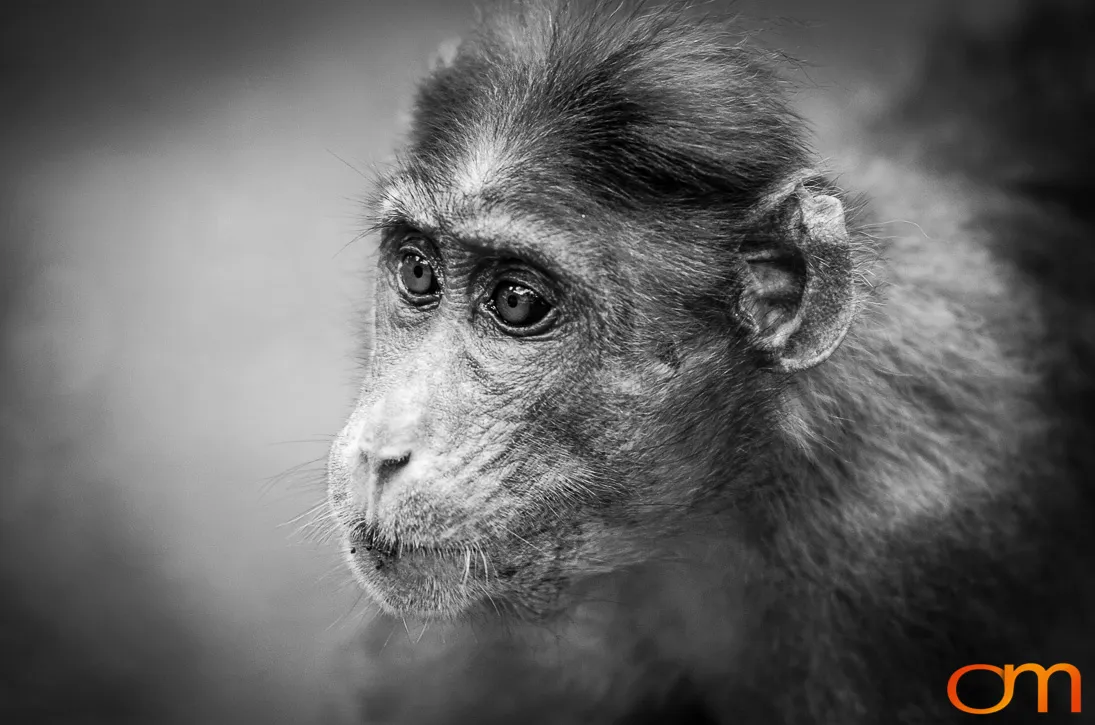
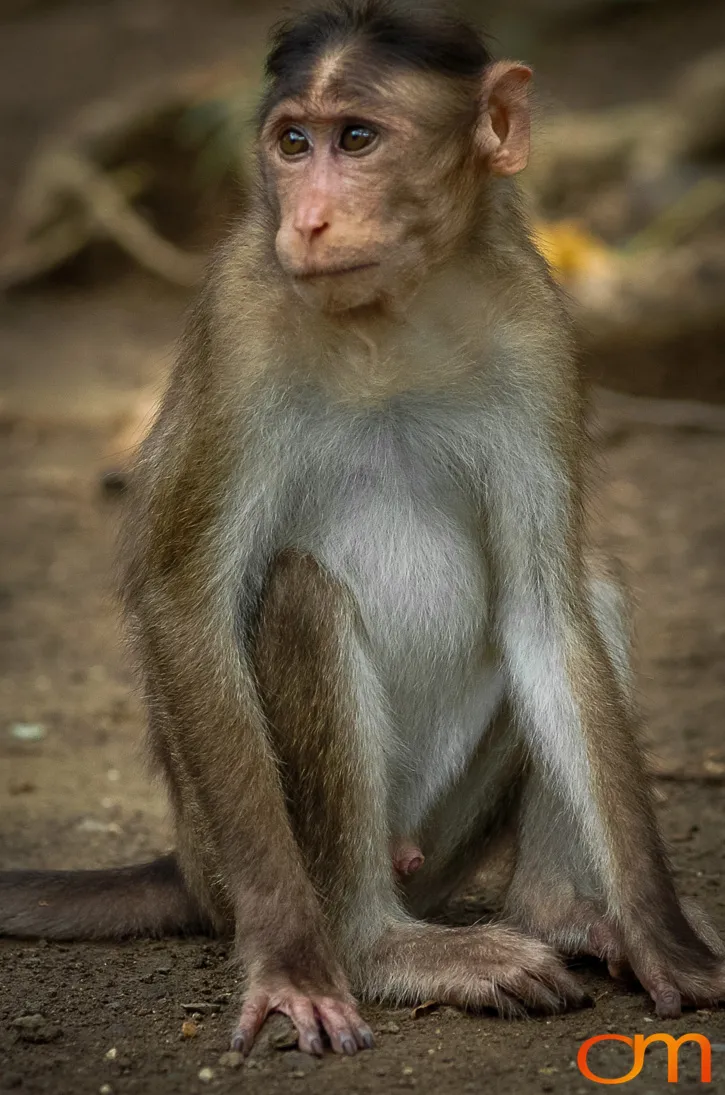
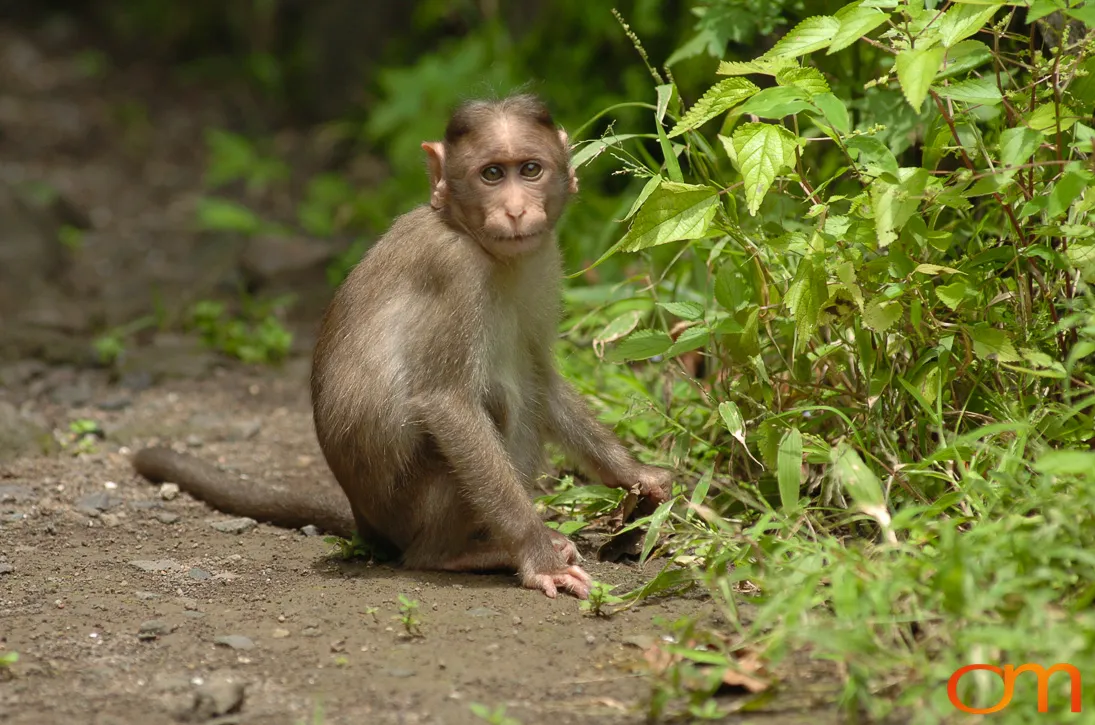
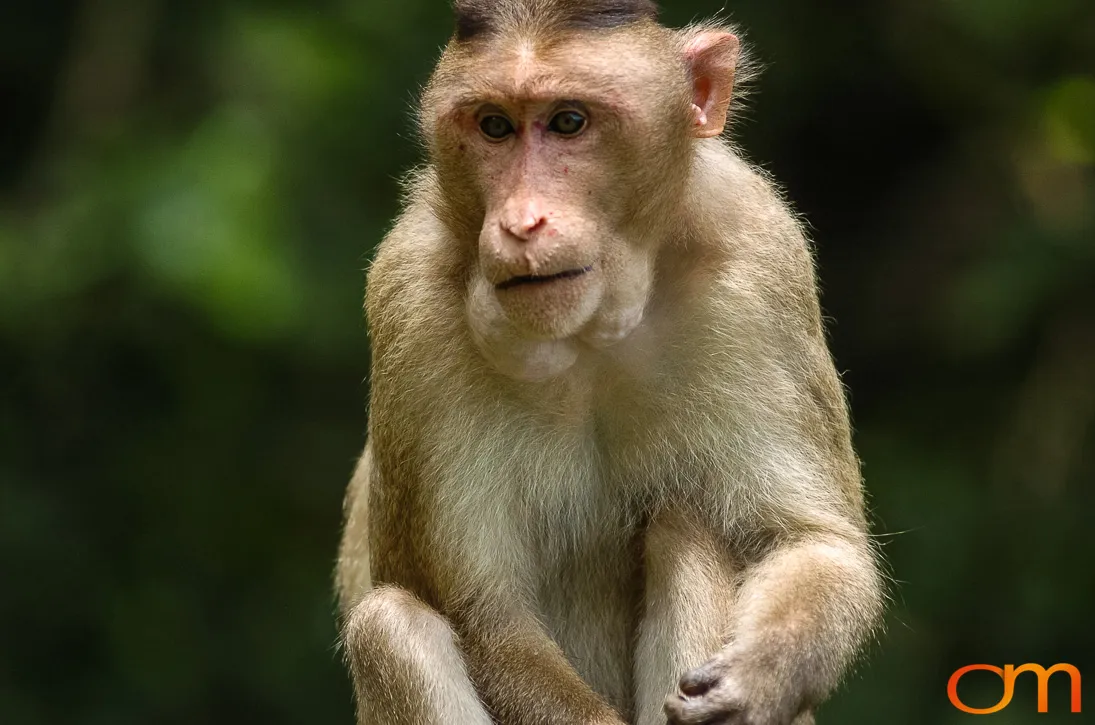
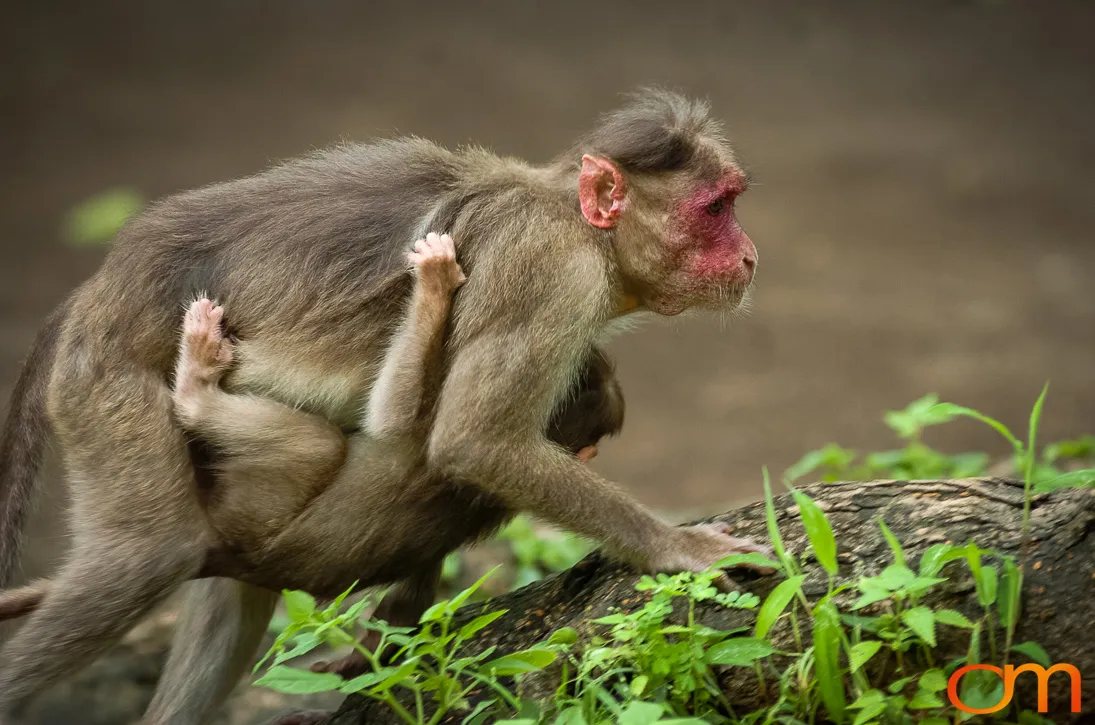
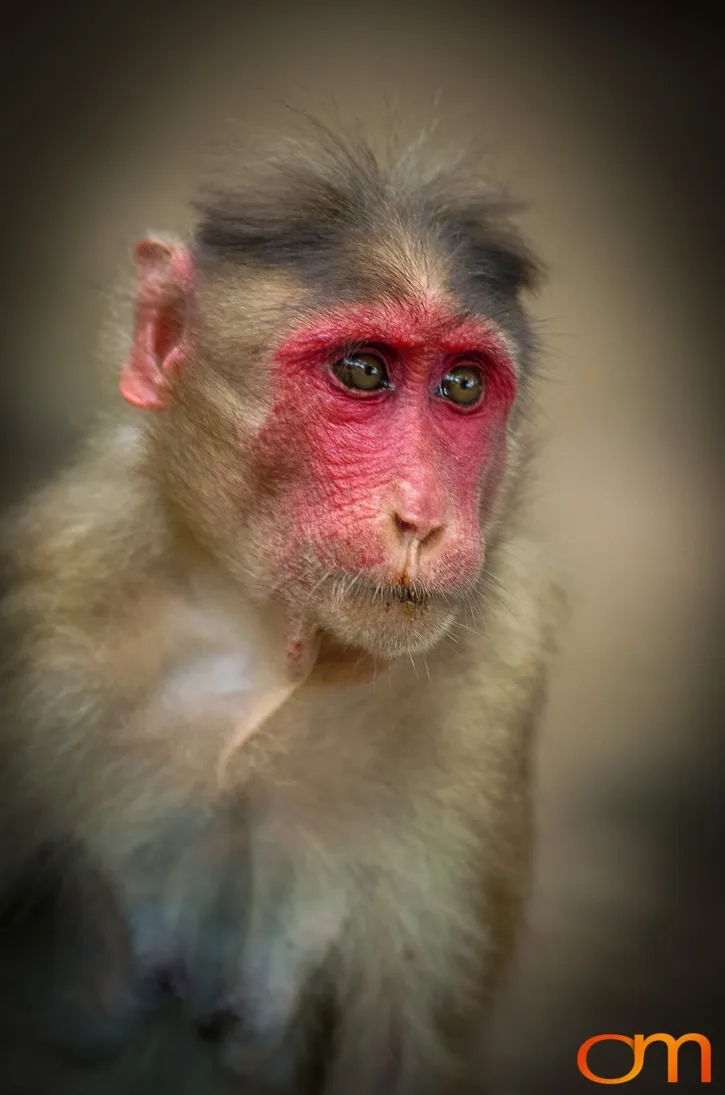
The monkeys documented in this 2004 photographic series are bonnet macaques (Macaca radiata), a primate native to peninsular India. The species takes its common name from the distinctive whorl of hair radiating outward from the crown of the head, creating the appearance of a cap or bonnet.
Bonnet macaques have gray-brown or golden-brown coats, mostly hairless faces, and relatively long tails. These characteristics help distinguish them from rhesus macaques, which lack the pronounced bonnet-like crown and generally have shorter tails.
The species occupies forests and woodlands but is highly adaptable. Bonnet macaques are also found near villages, temples, roads, agricultural land, and tourist sites. Their ability to live near people can make them appear abundant even where regional populations are declining.
Their natural diet includes fruit, seeds, flowers, leaves, insects, and occasional other animal matter. Macaques living near heavily visited sites may also consume food provided by people or obtained from discarded waste. This access to human food can alter natural foraging behavior and increase conflict between macaques and visitors.
Social Behavior
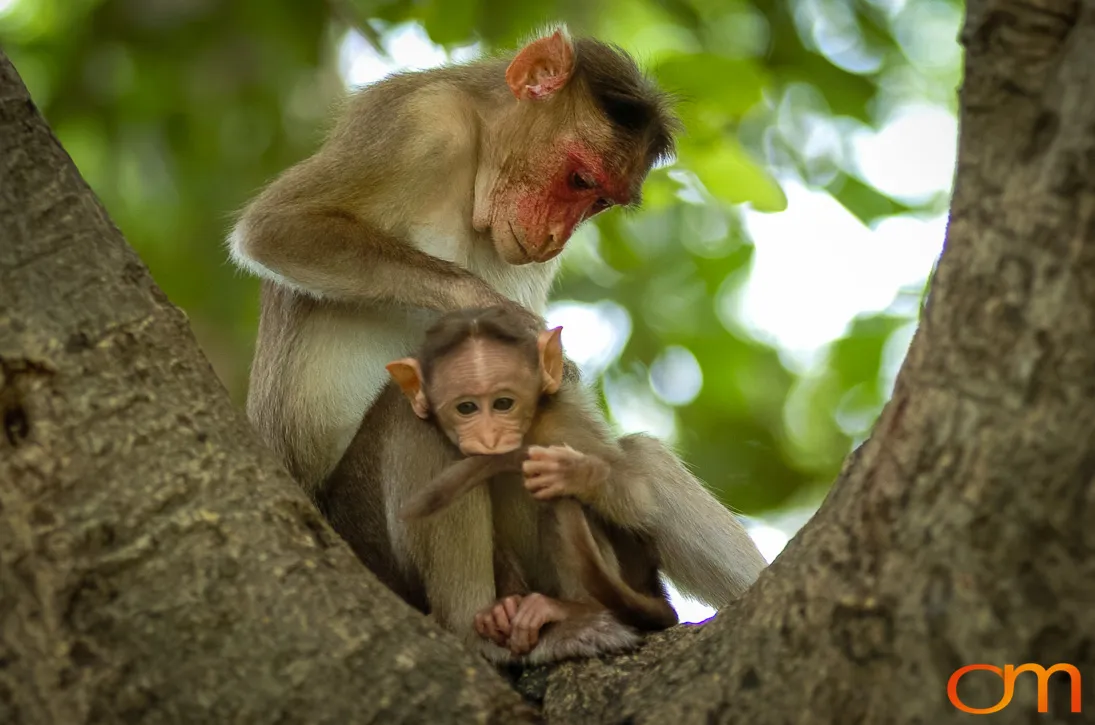
Bonnet macaques live in troops containing adult males and females, juveniles, and infants. Females generally remain in their birth groups and form long-term maternal family lines. Most males leave their original troops as they mature and may move between groups.
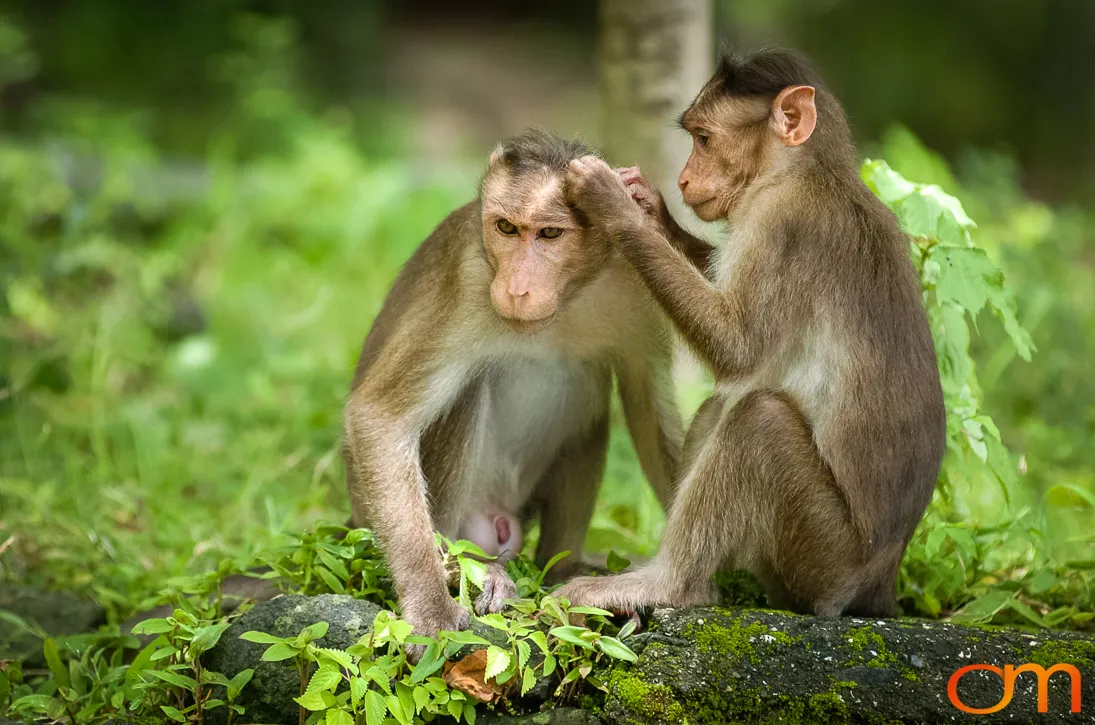
Grooming helps maintain the coat but also serves an important social function. It reinforces relationships, reduces tension, and strengthens bonds between troop members. Bonnet macaques are also known for comparatively strong social relationships among males, including grooming, close association, and play.
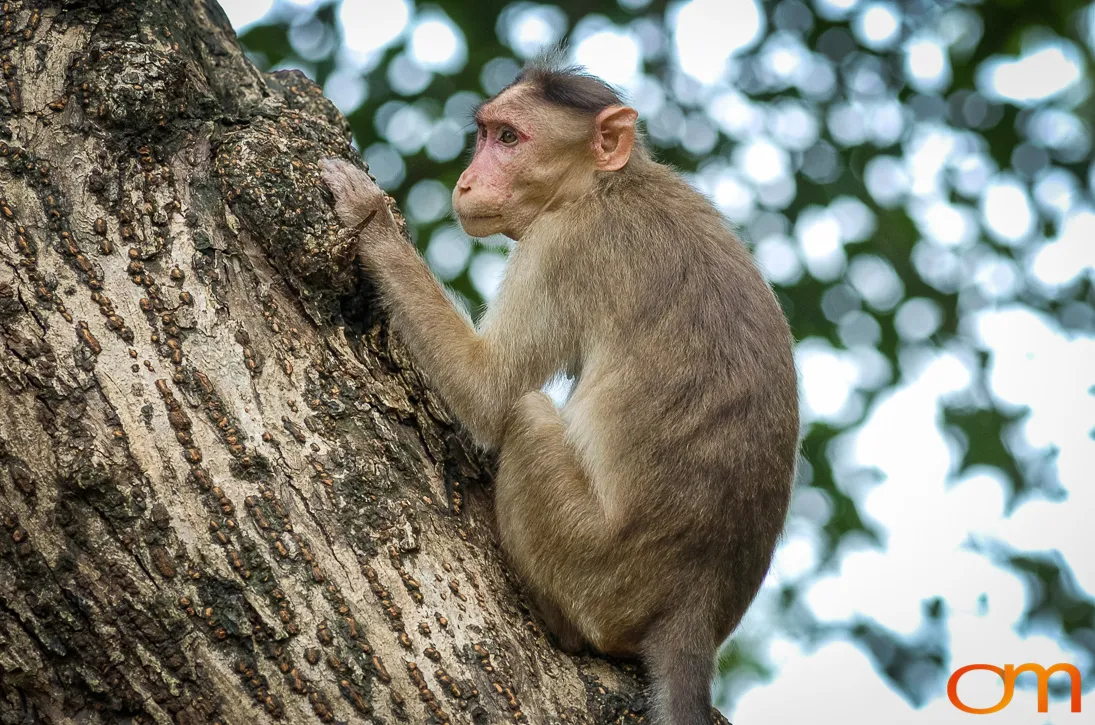
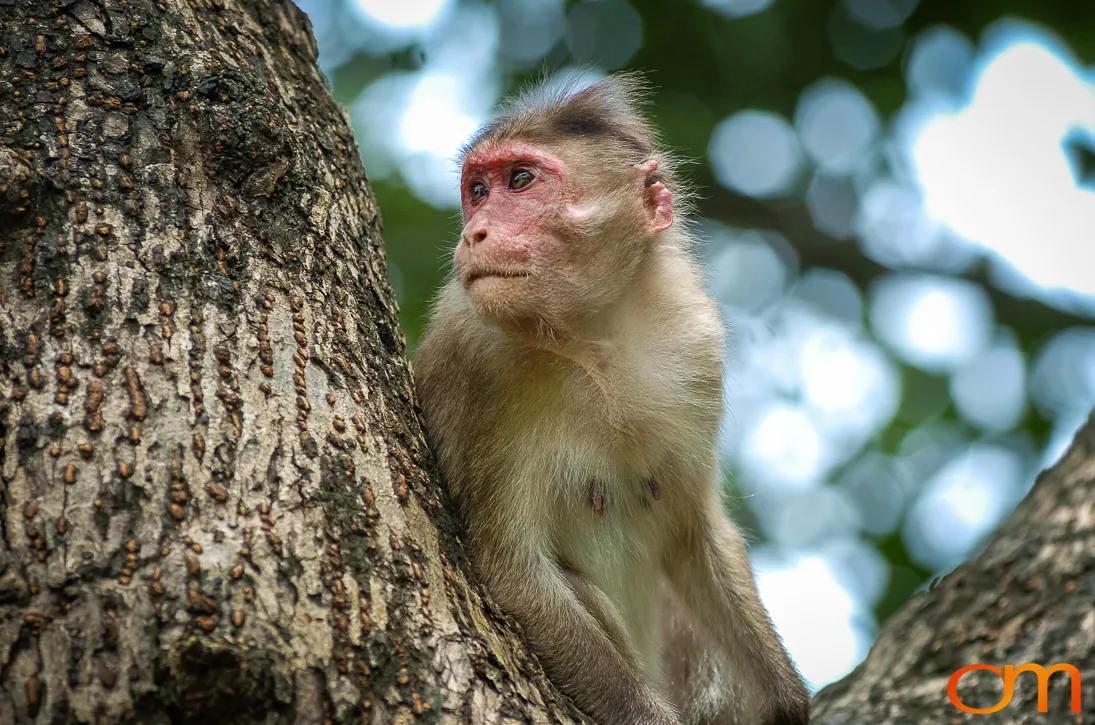
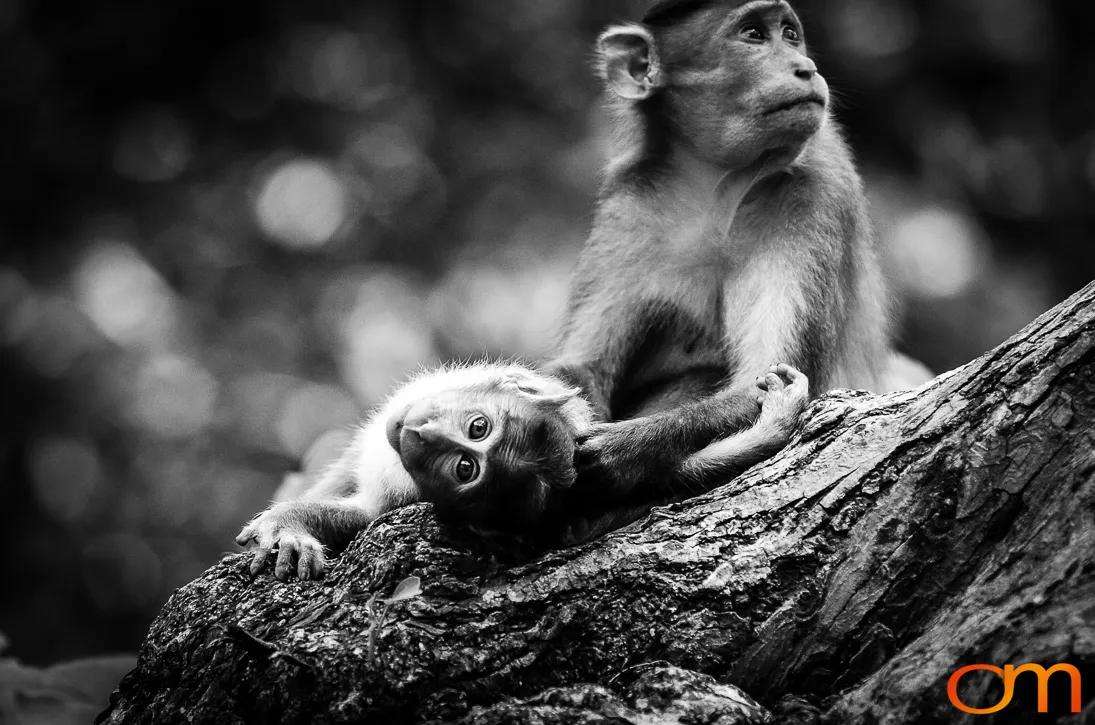
The photographs from Elephanta Island document several aspects of troop life, including infants clinging to adults, maternal transport, grooming, play, resting, and individuals observing their surroundings from trees.
Human–Macaque Interaction
Bonnet macaques living near tourist sites may approach people or attempt to obtain food and carried objects. These behaviors are often reinforced when visitors intentionally feed the animals or leave food and waste accessible.
Feeding wild macaques can encourage close contact, alter troop behavior, and increase the risk of aggression or disease transmission. Maintaining distance and securing food and personal belongings are safer for both visitors and the animals.
Conservation
The bonnet macaque is classified as Vulnerable, and its population is considered to be decreasing. Threats include habitat loss, expanding development, changes to roadside vegetation, conflict with people, and competition with rhesus macaques near the northern edge of its range.
The species’ visibility around settlements should not be interpreted as evidence that its wider population is secure.
- Local name: Gharapuri
- Location: Mumbai Harbour, Maharashtra, India
- Distance from Mumbai: Approximately 11 kilometers from Apollo Bunder
- UNESCO designation: 1987
- Principal cave construction: Approximately fifth to sixth centuries CE
- Photographed primate: Bonnet macaque
- Scientific name: Macaca radiata
- Distinctive feature: Bonnet-like whorl of hair on the crown
- Conservation status: Vulnerable
- Photographic documentation: 2004