Yasawa Islands
Volcanic Landscapes of the Yasawa Islands
September 2006
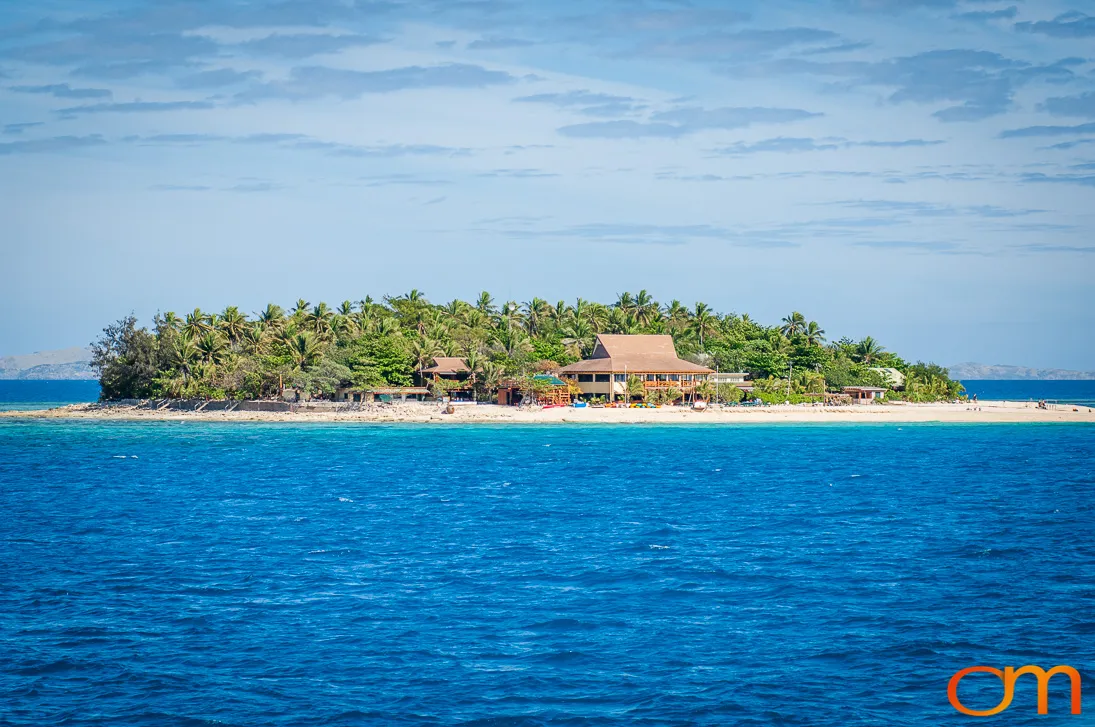
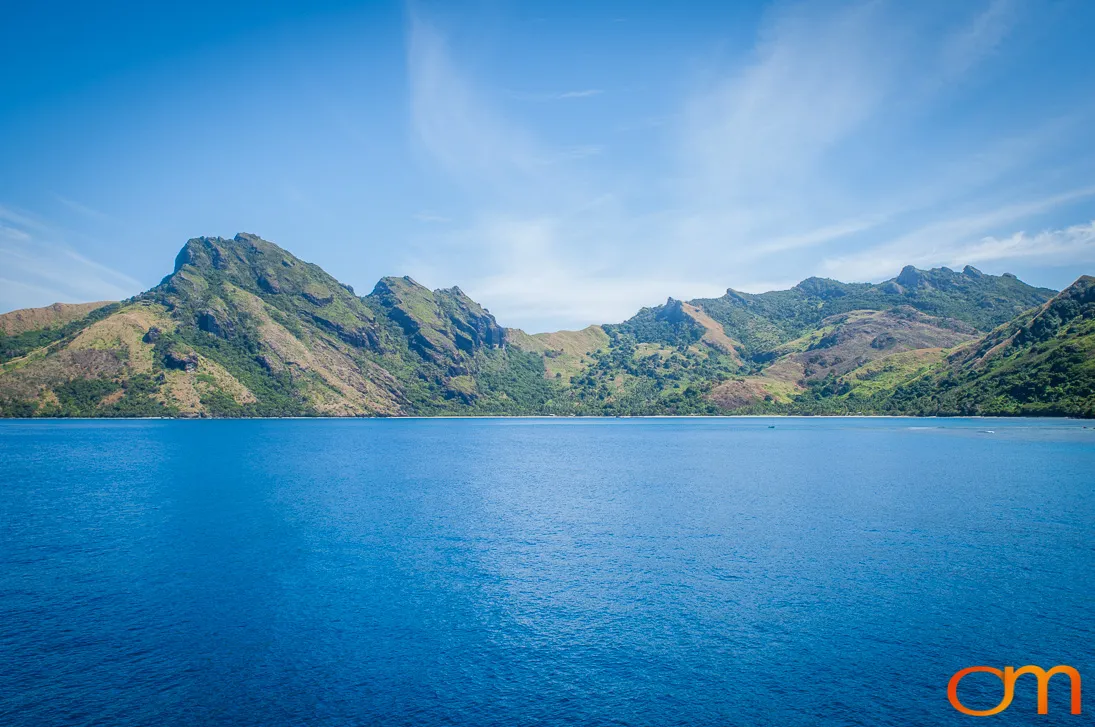
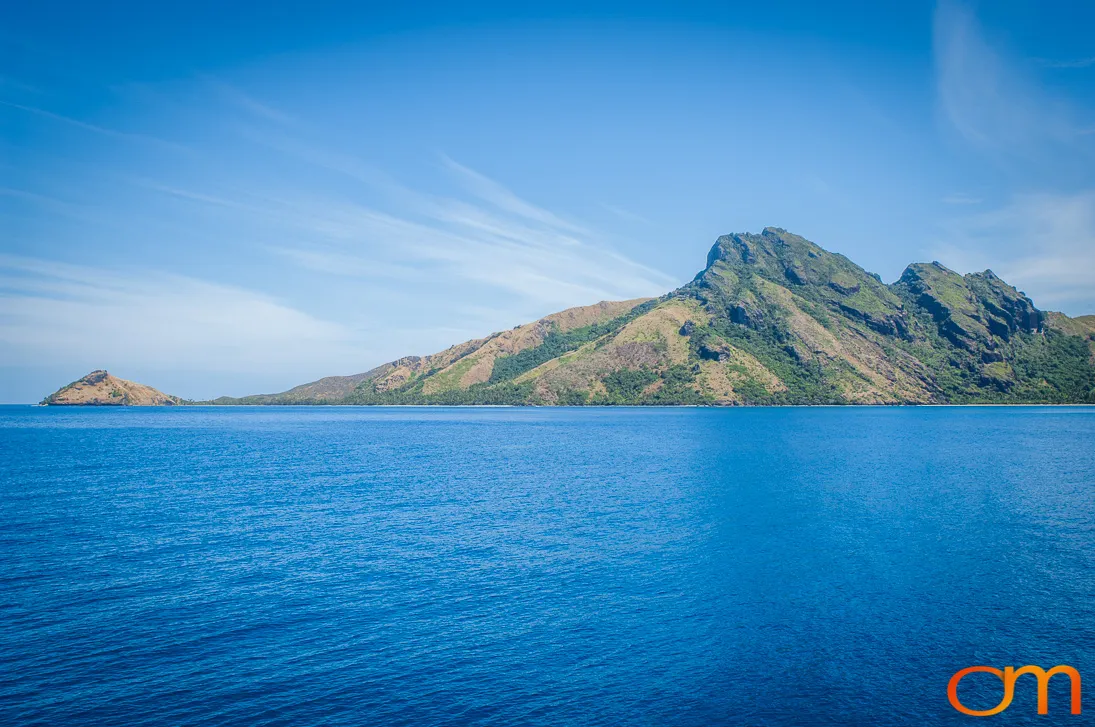
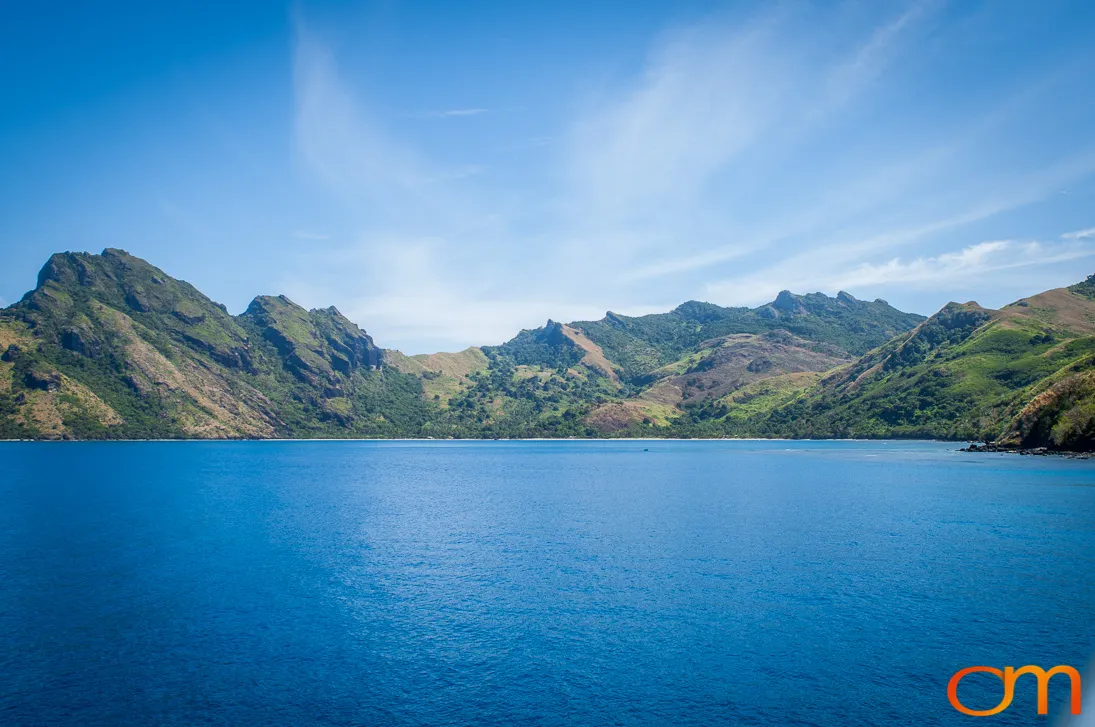
The Yasawa Islands form a chain of approximately 20 islands northwest of Viti Levu, Fiji’s largest island. Most are volcanic in origin, with steep ridges, grass-covered peaks, sheltered bays, coral reefs, and beaches formed from coral-derived sand. Sawa-i-Lau is a notable geological exception: a limestone island within the predominantly volcanic chain.
The islands occupy Fiji’s comparatively dry western region. Their vegetation includes grasslands and seasonally dry forest rather than the extensive rainforest described in some accounts. Fiji’s Ministry of Forestry and the Food and Agriculture Organization have undertaken projects to restore degraded dry-forest habitat in the Yasawa and neighboring Mamanuca islands.
The first recorded European sighting of the Yasawas is attributed to William Bligh in 1789, during his open-boat voyage following the mutiny aboard HMS Bounty. This should not be described as the islands’ “discovery,” because Indigenous Fijian communities had inhabited and navigated the region long before European arrival.
The Yasawas later became widely associated with the 1980 film The Blue Lagoon. Principal filming locations included Nanuya Levu, now commonly known as Turtle Island, and other sites within the northern Yasawa group.