French Polynesia
Cultivating Tahitian Pearls in French Polynesia
November 2006
French Polynesia’s cultured-pearl industry developed during the 1960s. Experimental grafting of local pearl oysters began in 1963 under the territory’s Fisheries Service, followed by the establishment of a commercial pearl farm on Manihi Atoll later in the decade.
Tahitian cultured pearls are produced by the black-lipped pearl oyster, Pinctada margaritifera. Despite their common description as “black pearls,” they occur naturally in many colors, including silver, gray, green, blue, bronze, cream, and dark charcoal, often with iridescent overtones.
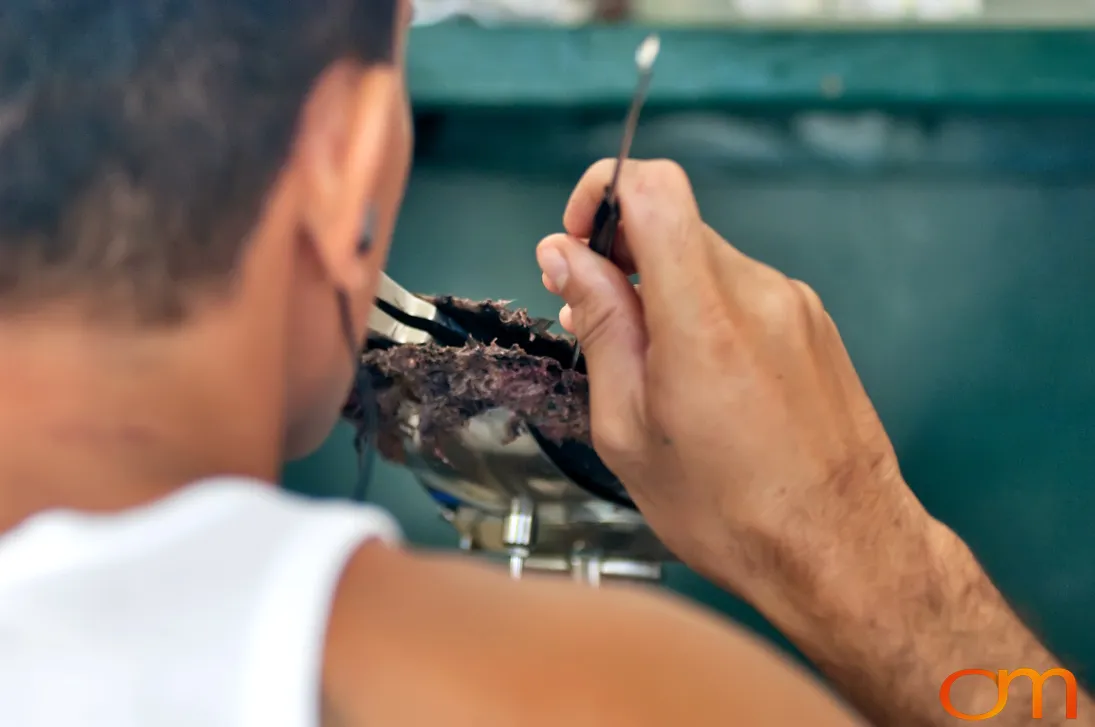
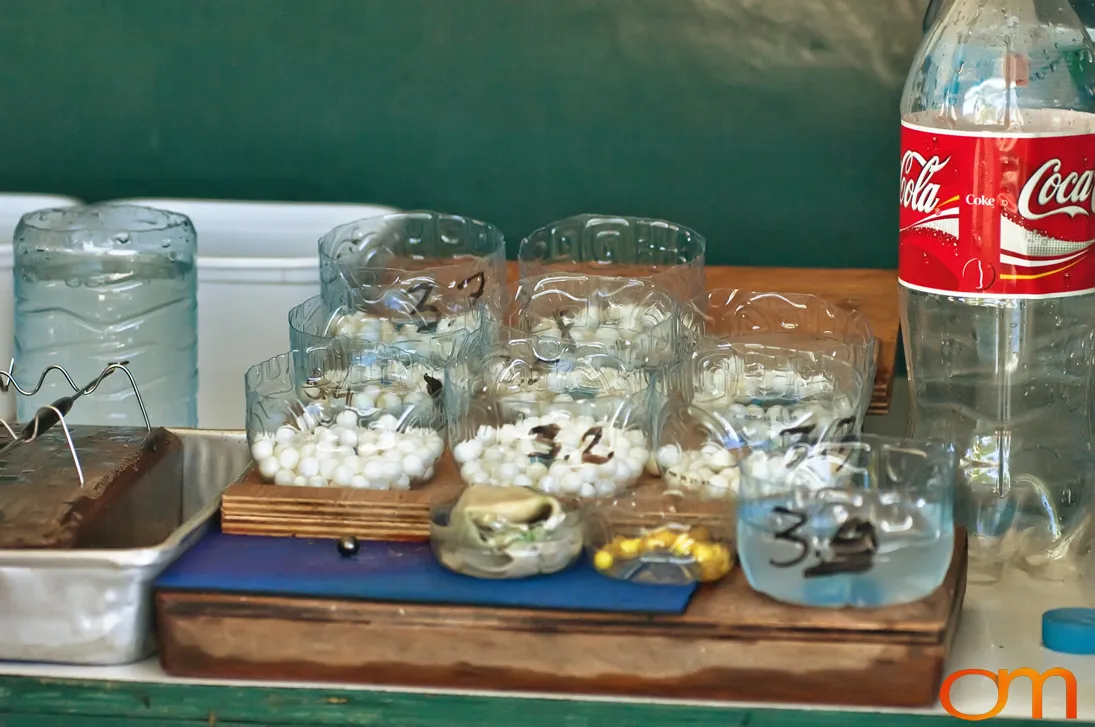
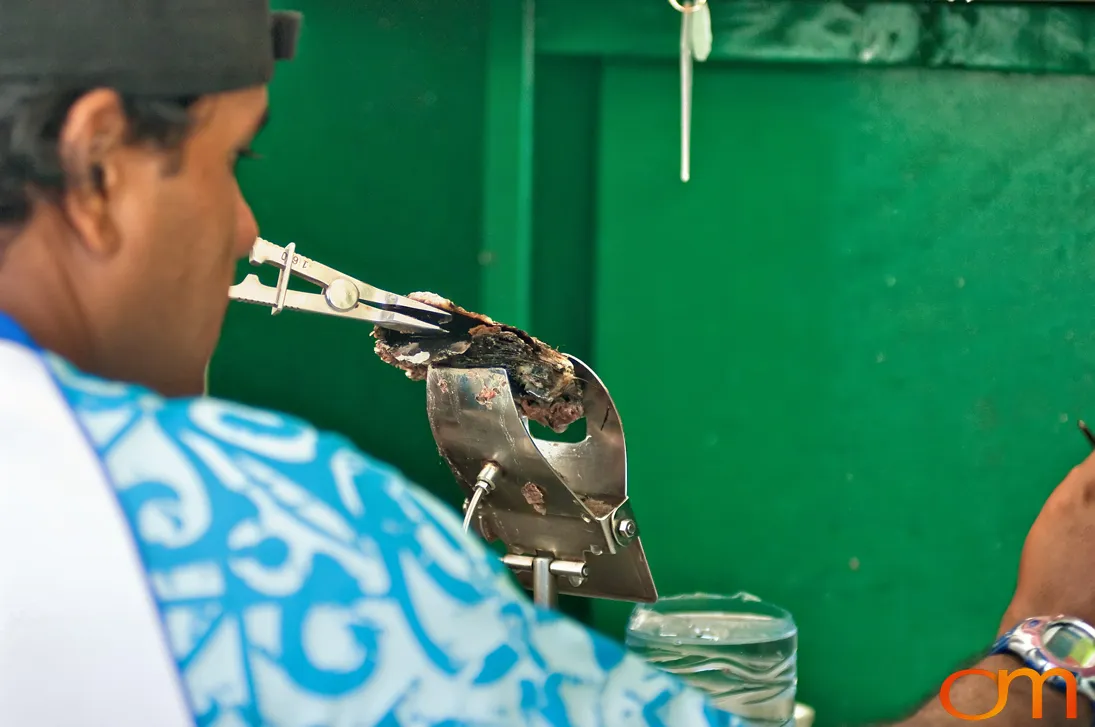
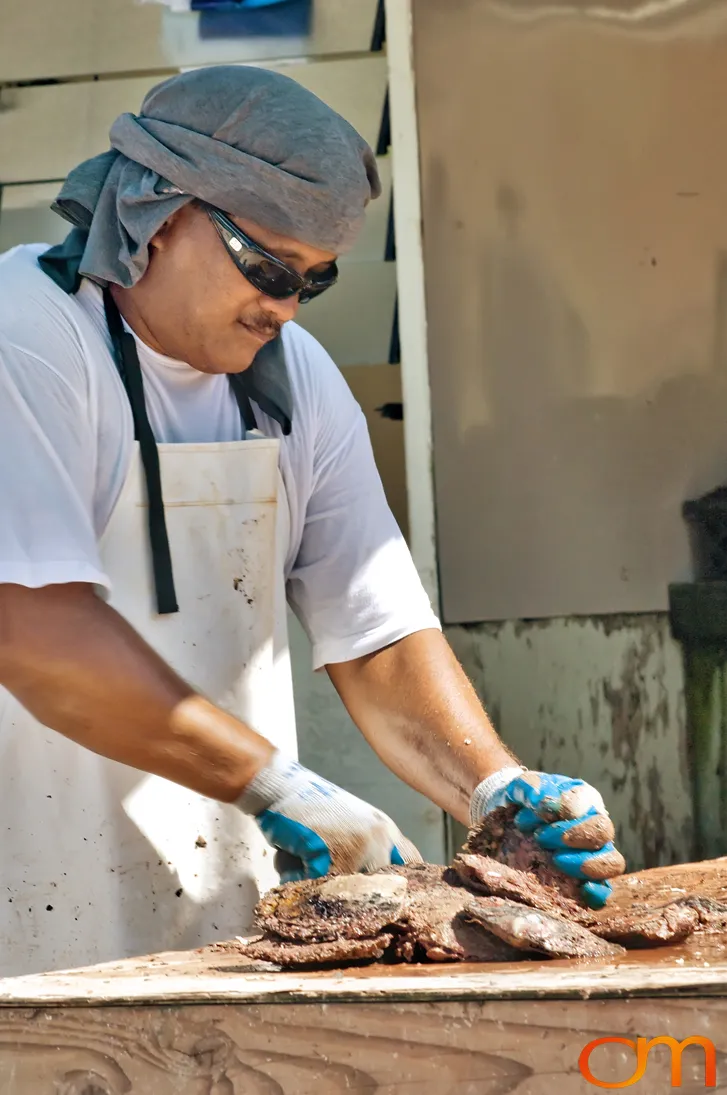
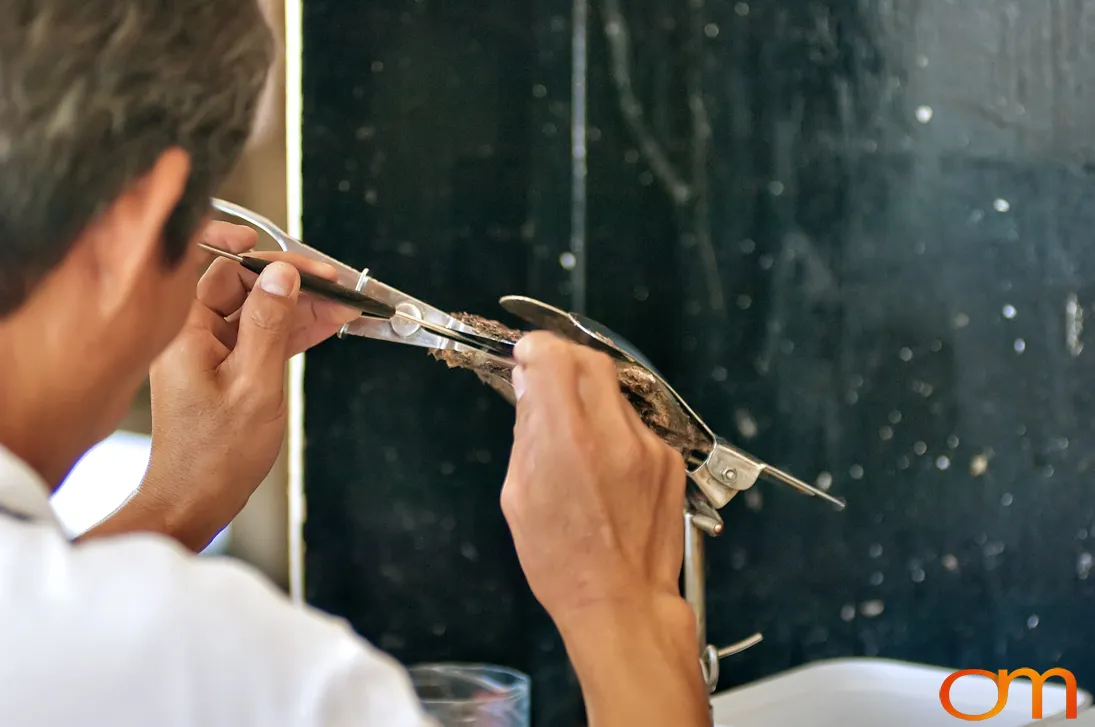
Pearl production requires both oyster cultivation and precise surgical grafting. A trained grafter inserts a rounded nucleus together with a small piece of mantle tissue from a donor oyster. If the graft is accepted, the tissue forms a pearl sac that gradually deposits layers of nacre around the nucleus.
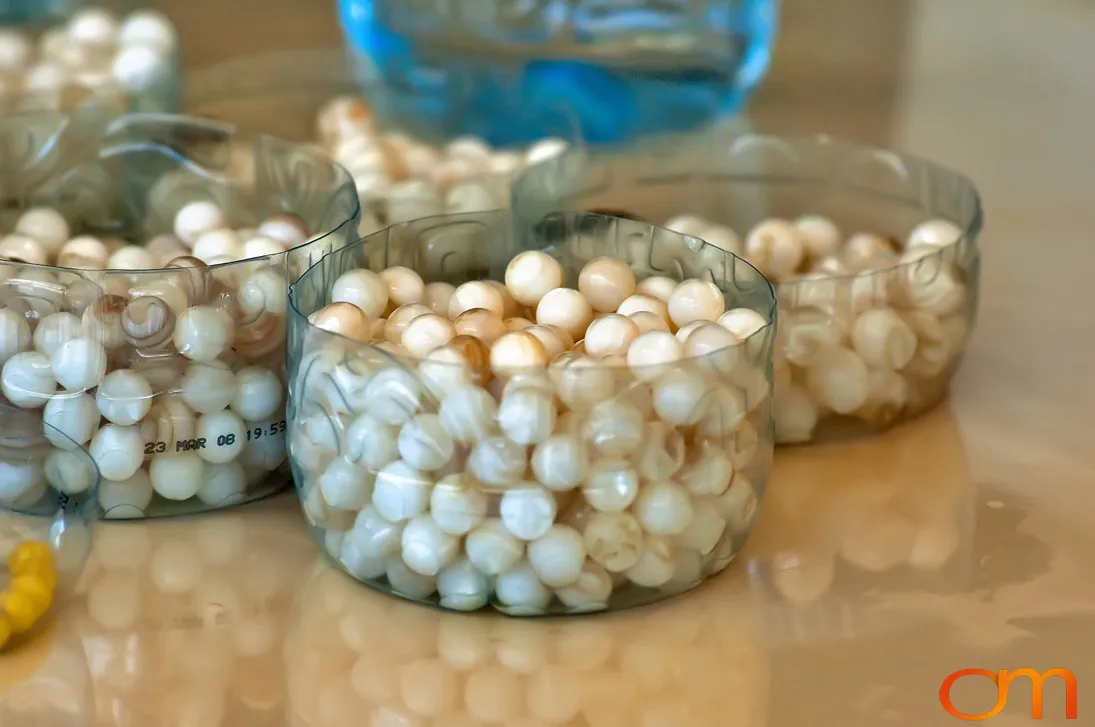
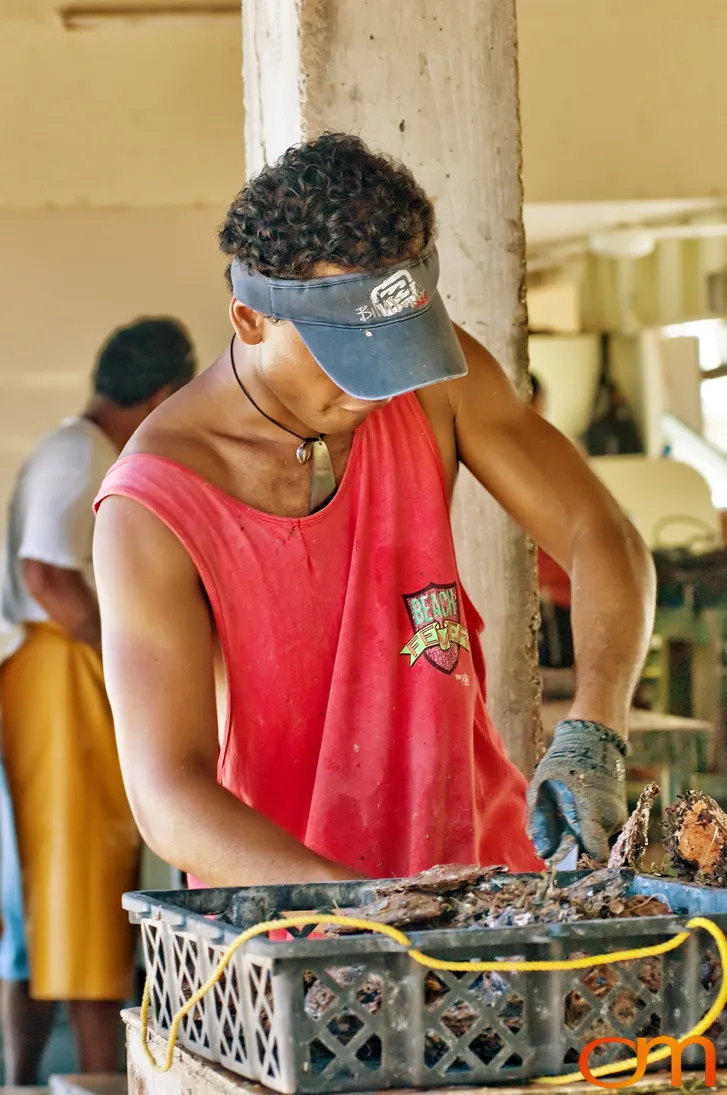
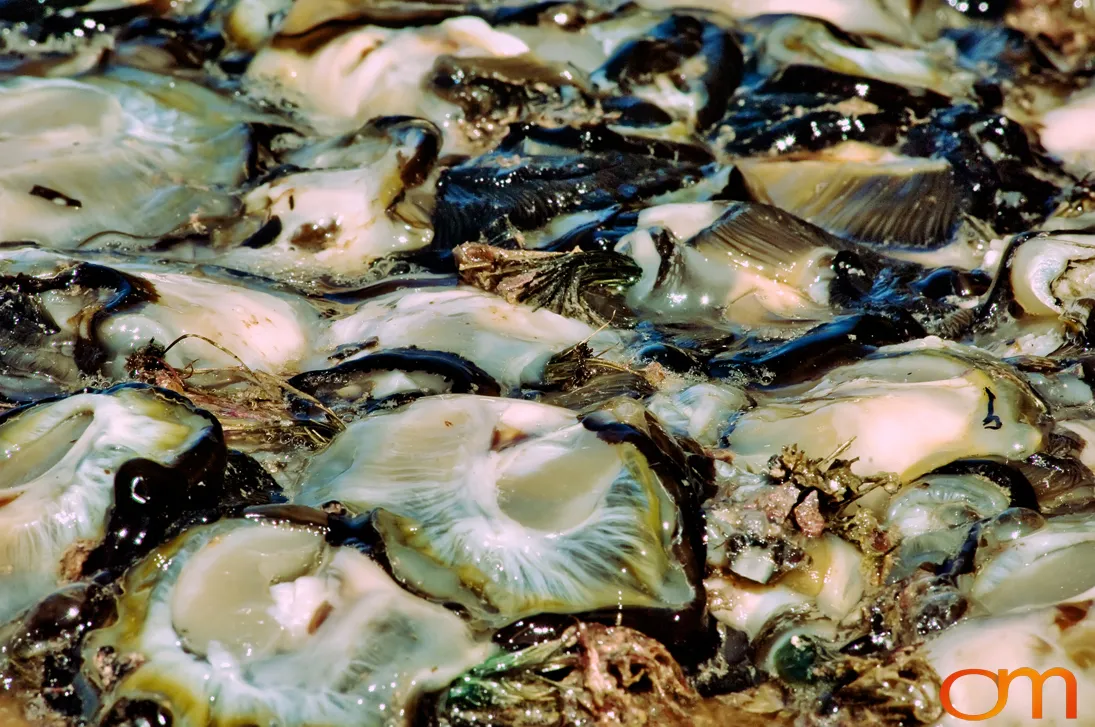
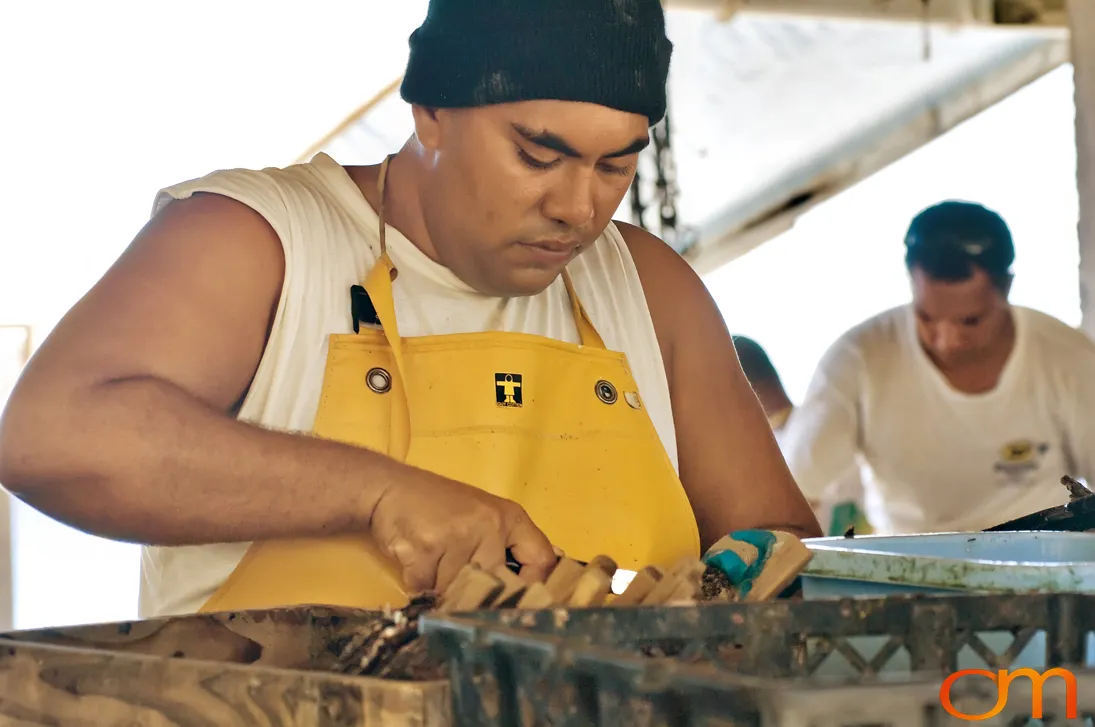
The oysters are returned to the lagoon and suspended from underwater lines or held in protective baskets. Farmers regularly inspect and clean them because fouling organisms, disease, environmental conditions, and predators can affect survival and pearl quality. After the cultivation period, the pearls are harvested and evaluated according to characteristics such as size, shape, surface quality, luster, and color.
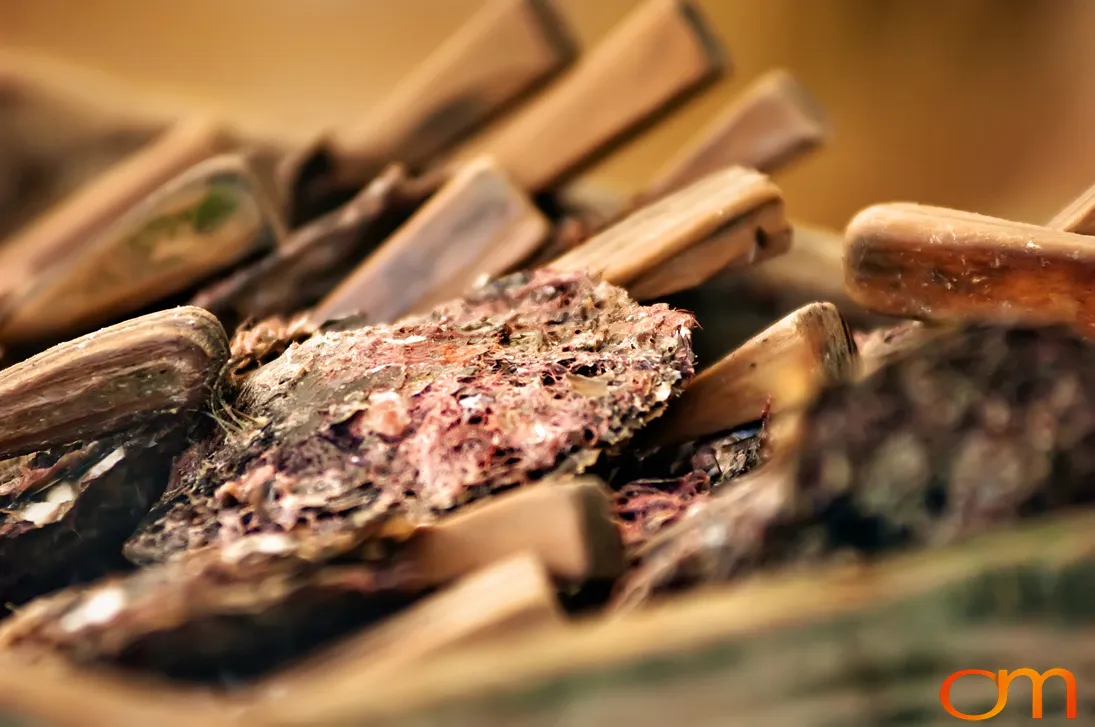
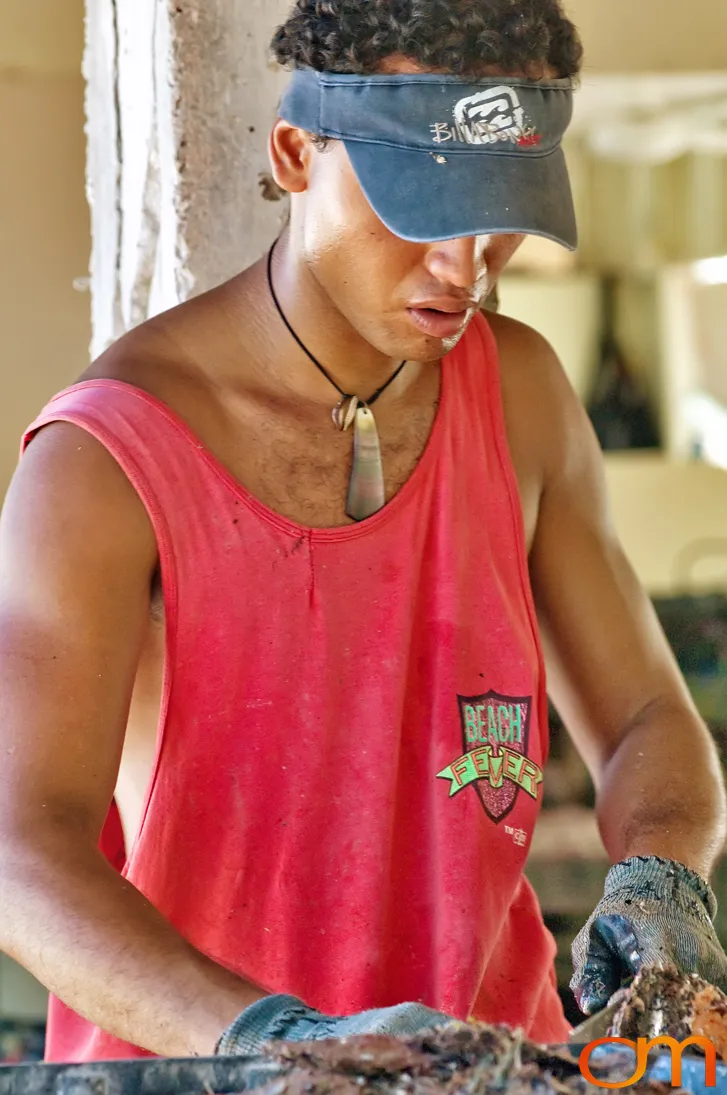
These photographs from 2006 document several stages of the process, including oyster preparation, grafting, harvesting, and the sorting of completed pearls.