Ghana
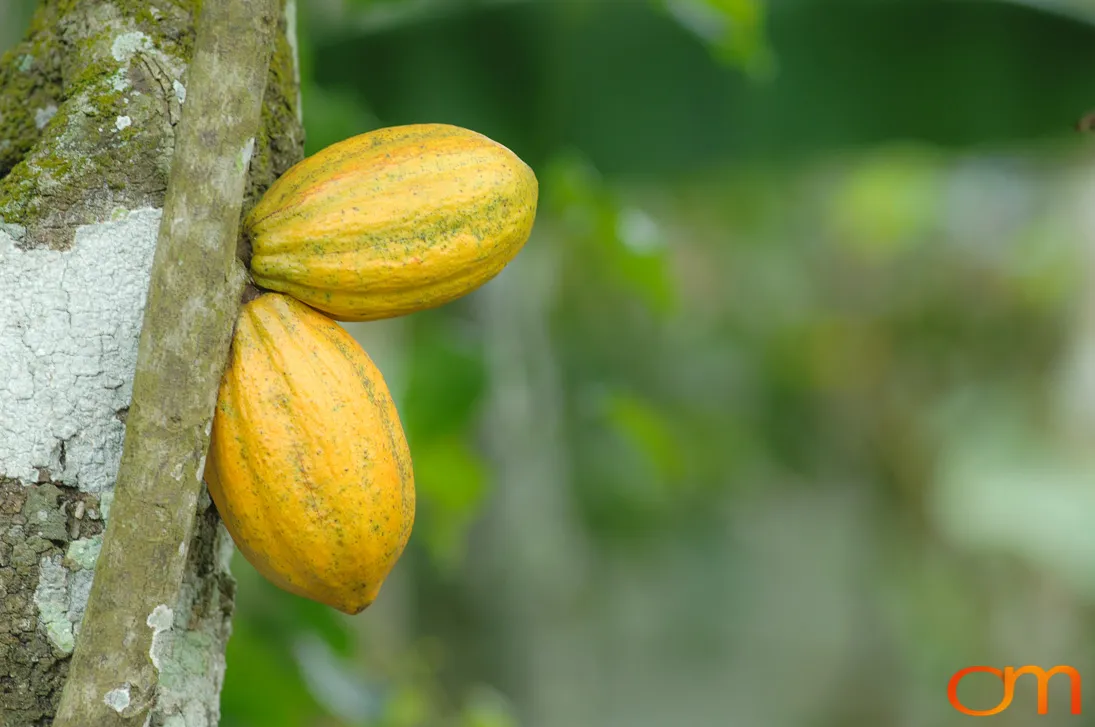
Ghana: Cocoa Plantations
June 2007
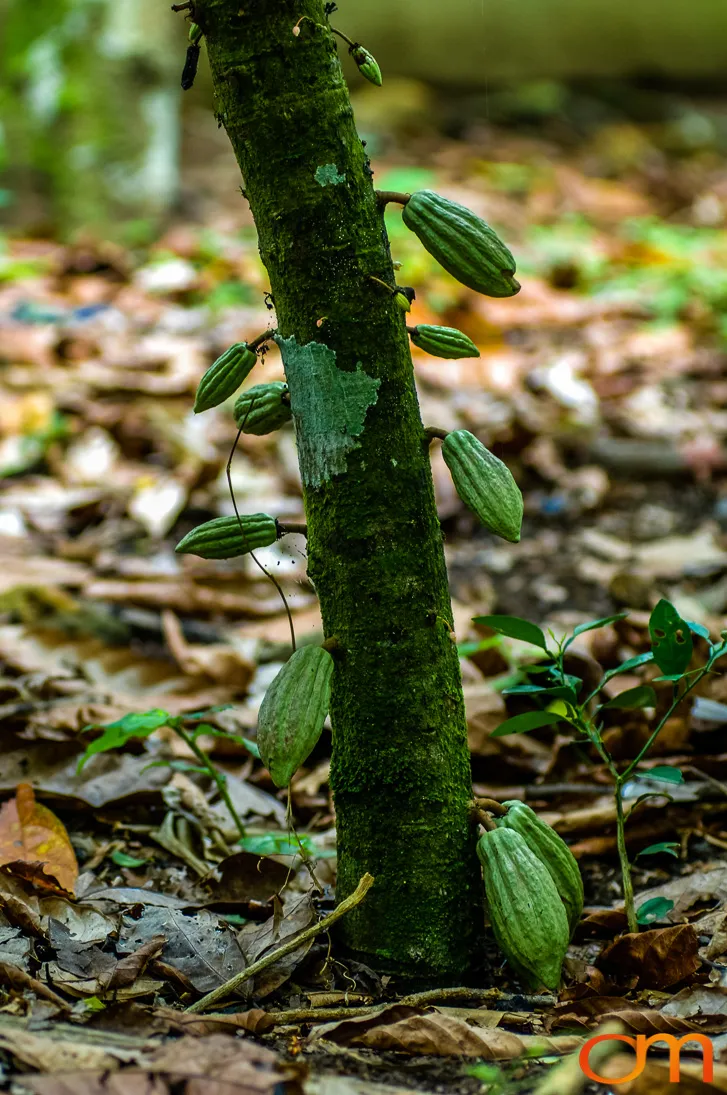
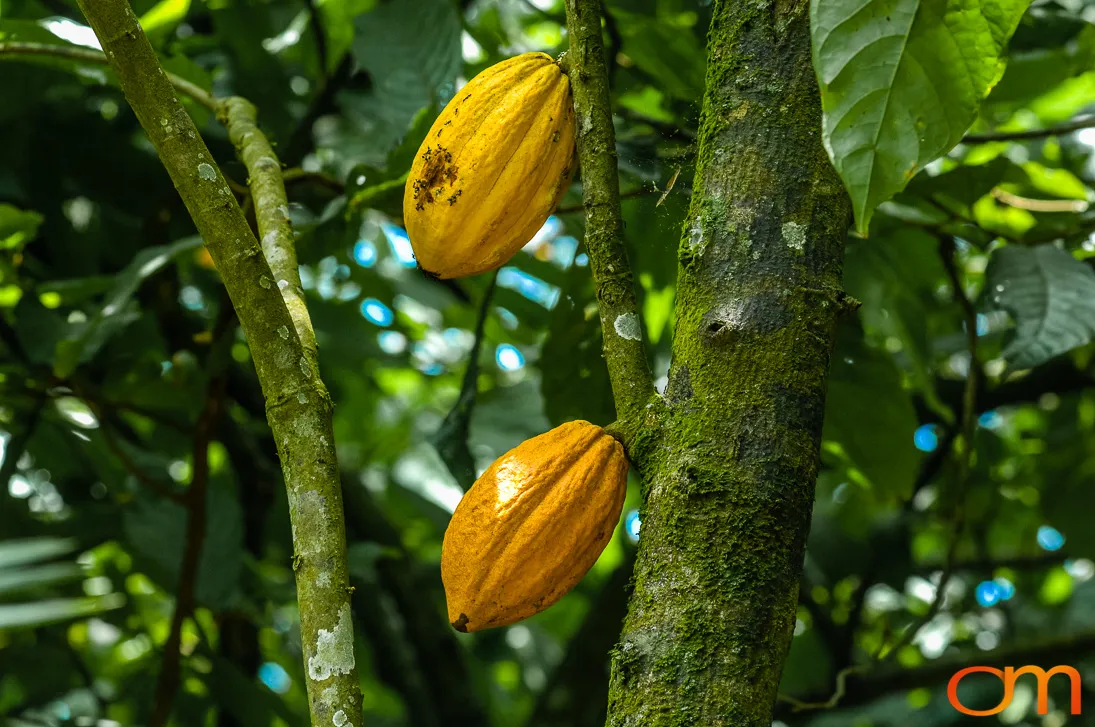
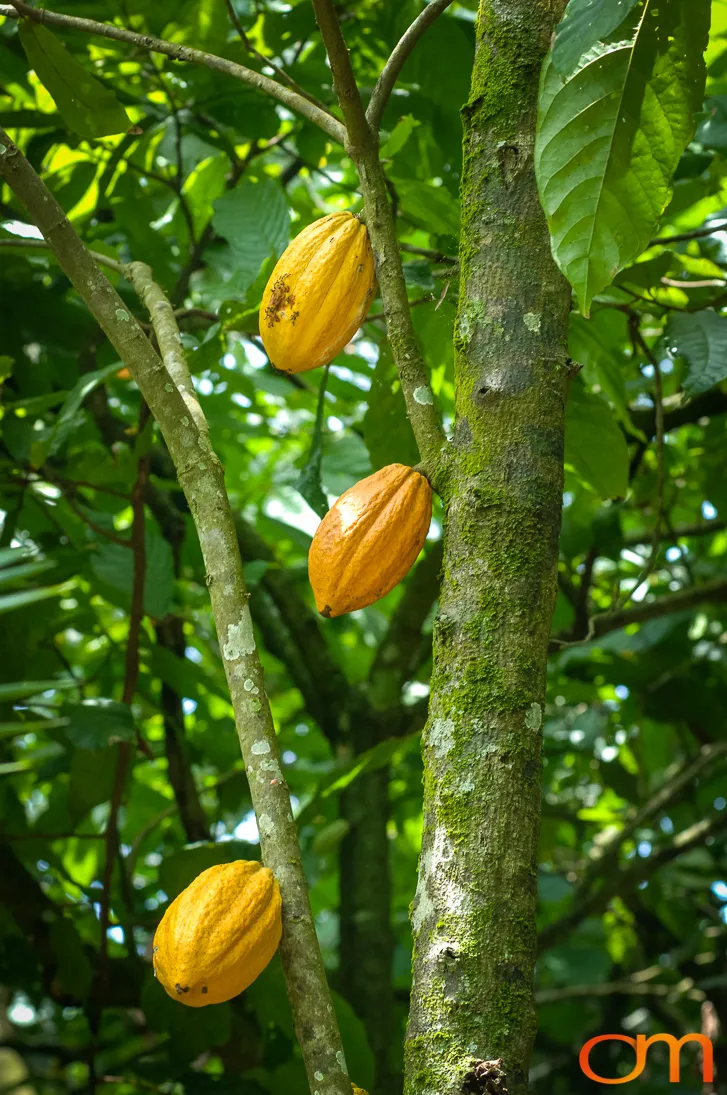
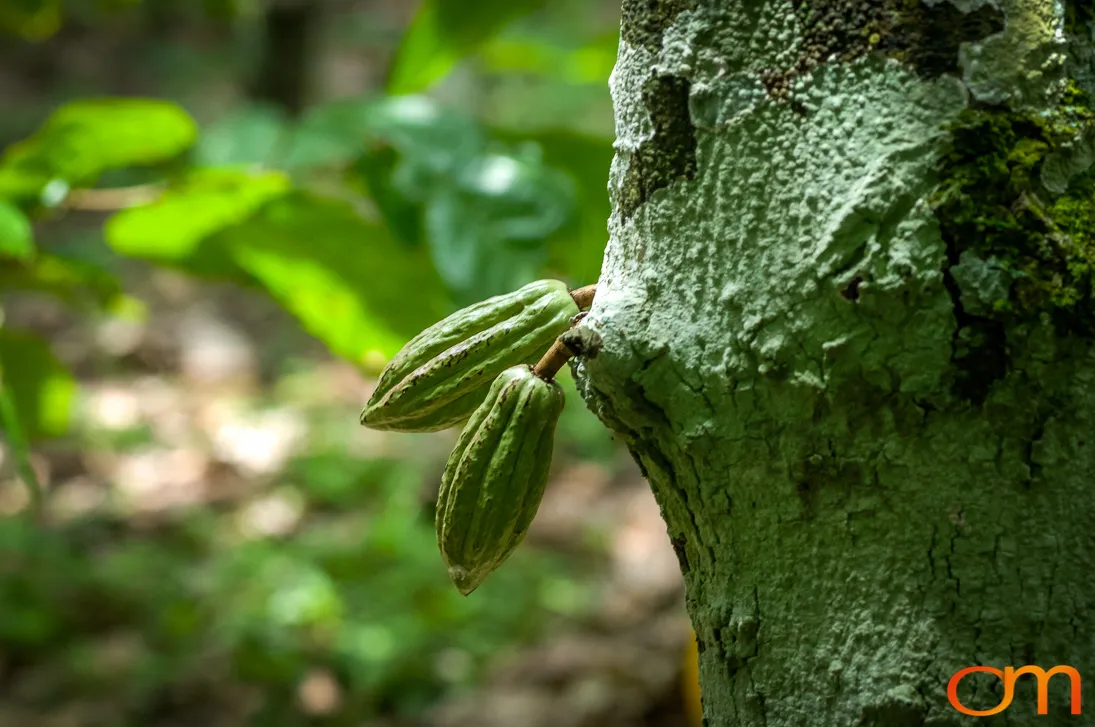
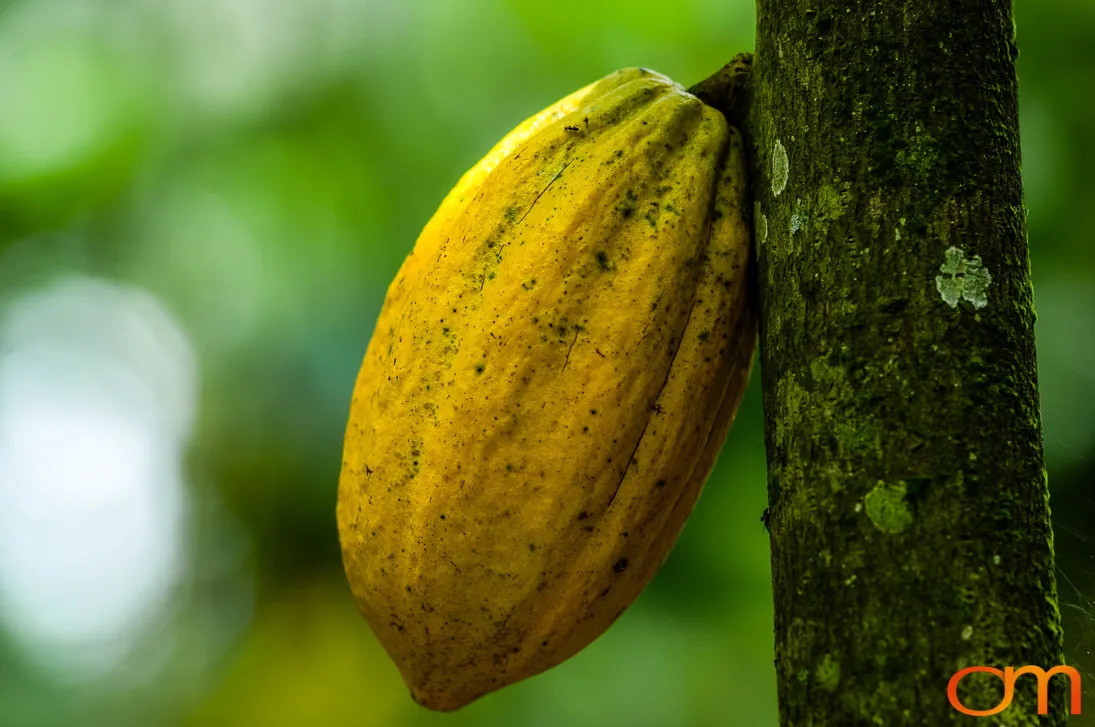
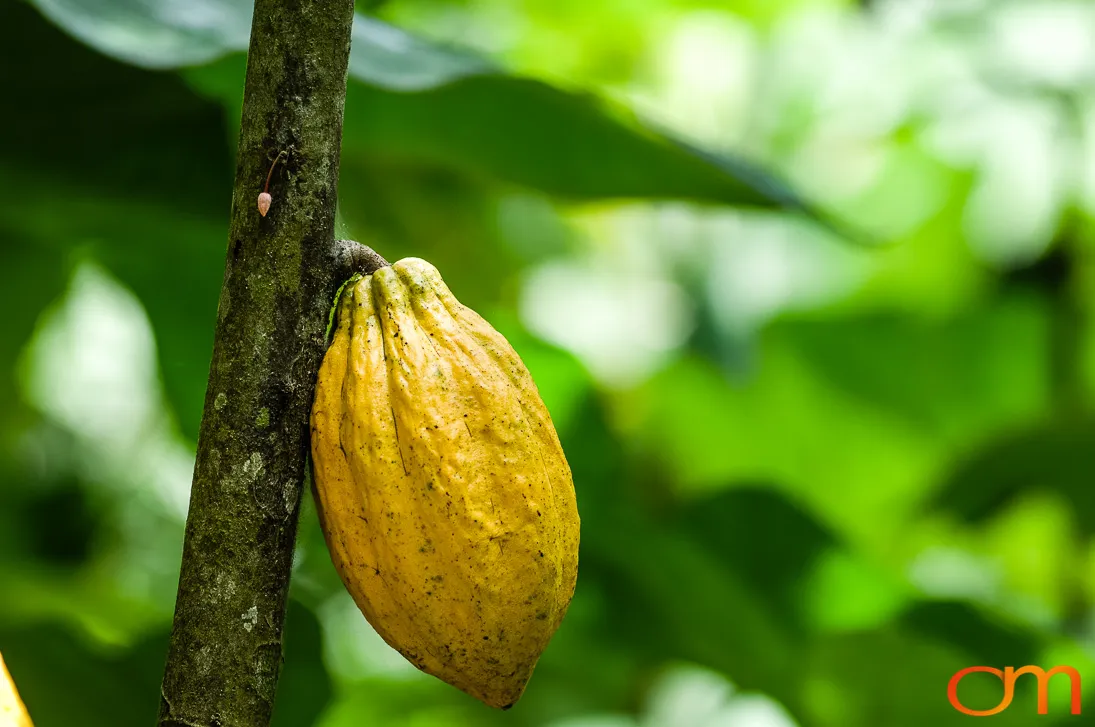
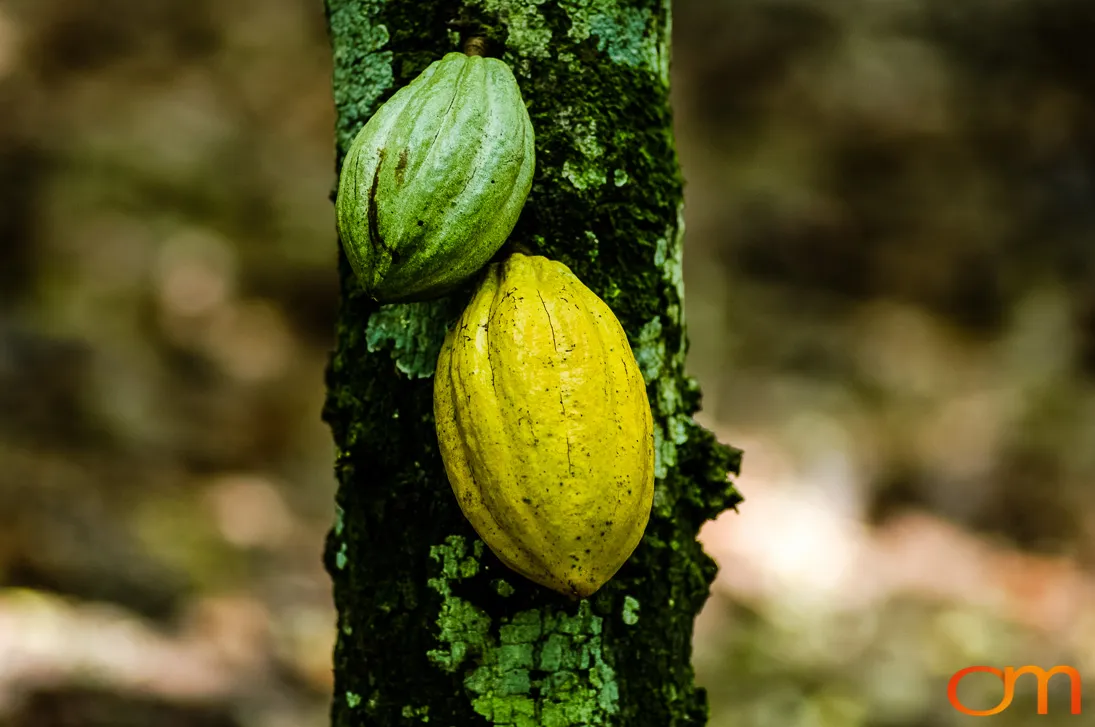
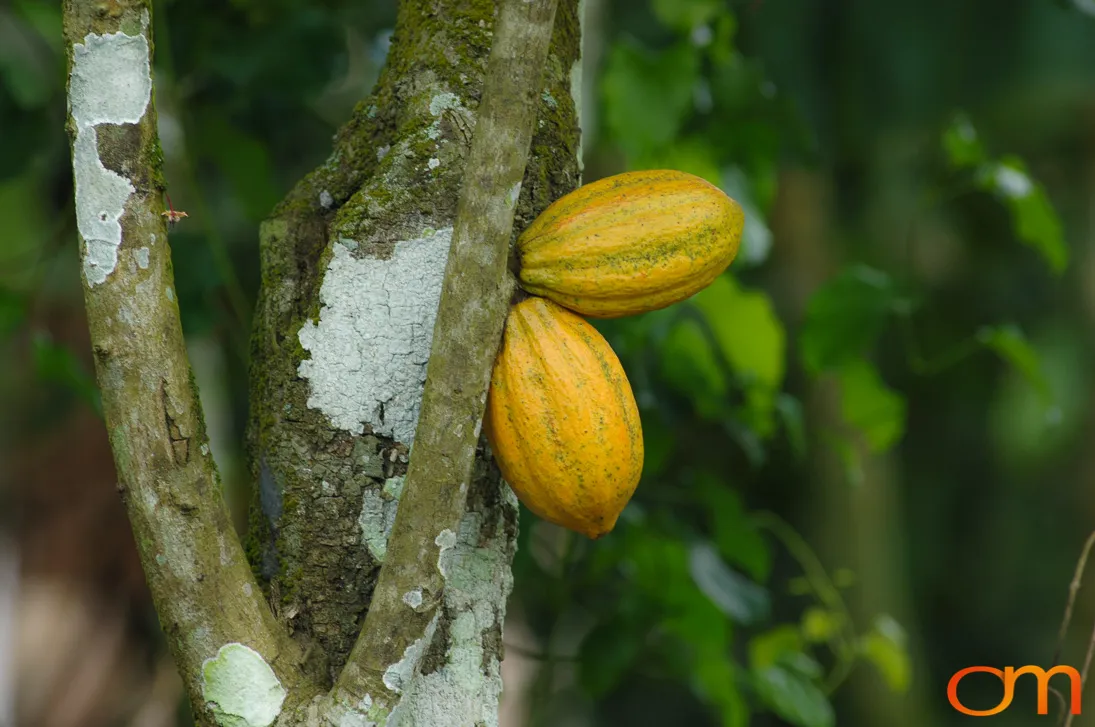
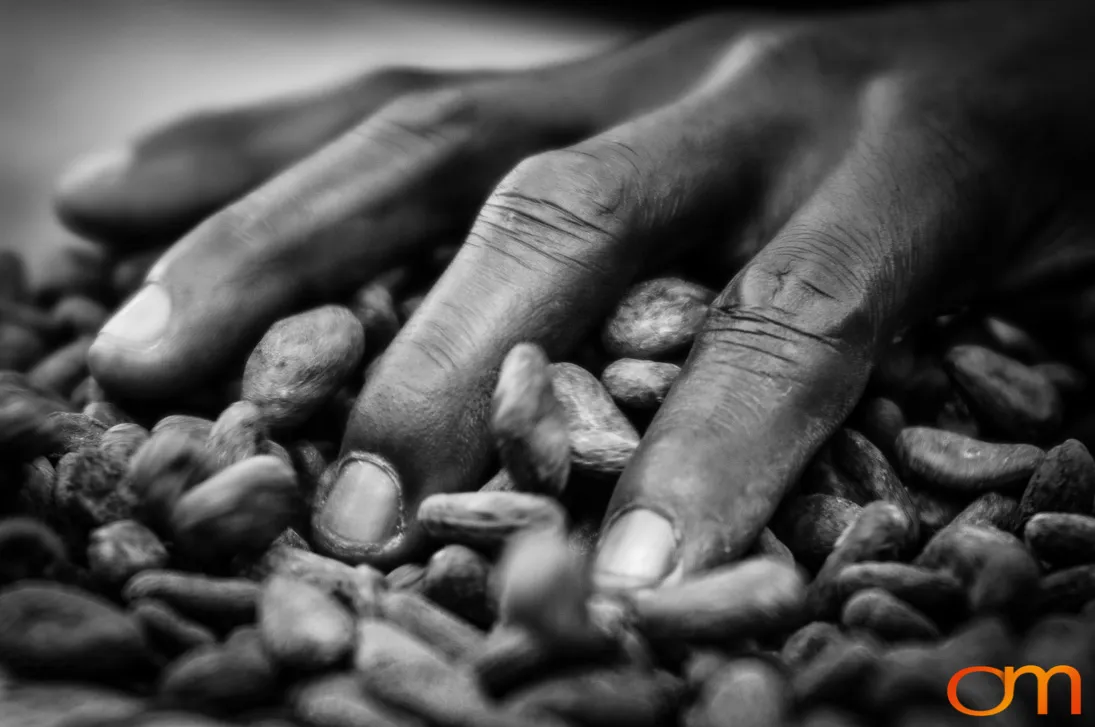
Cacao, Theobroma cacao, is native to the tropical Americas and was introduced to the Gold Coast during the nineteenth century. Records indicate that Dutch missionaries planted cocoa in coastal areas as early as 1815 and Basel missionaries planted it at Aburi in 1857, but these experiments did not lead to widespread cultivation.
Commercial cocoa farming is closely associated with Tetteh Quarshie, a Ghanaian blacksmith who returned from Fernando Po, now Bioko in Equatorial Guinea, in 1879 with Amelonado cocoa pods. He established a farm at Akwapim Mampong, where farmers obtained pods and helped spread cocoa cultivation through the Eastern Region.
By 1911, the Gold Coast had become the world’s leading cocoa producer. Ghana remains one of the world’s largest producers, and cocoa continues to be an important national crop. Much of the value in the global chocolate industry has historically been created after cocoa leaves producing countries. Ghanaian chocolate makers and local manufacturers are increasingly producing finished chocolate within Ghana, allowing more processing, employment, and economic value to remain closer to where the cocoa is grown.
Today, companies such as Amanase are helping retain more of cocoa’s economic value within Ghana. Amanase produces organic, vegan, and climate-neutral chocolates at fairafric’s factory in the village of Amanase, described by the company as West Africa’s first solar-powered chocolate factory. Producing finished chocolate products in Ghana creates local manufacturing jobs and keeps more processing and economic value in the country where the cocoa is grown.