Arizona
Gray Wolves
September 2013
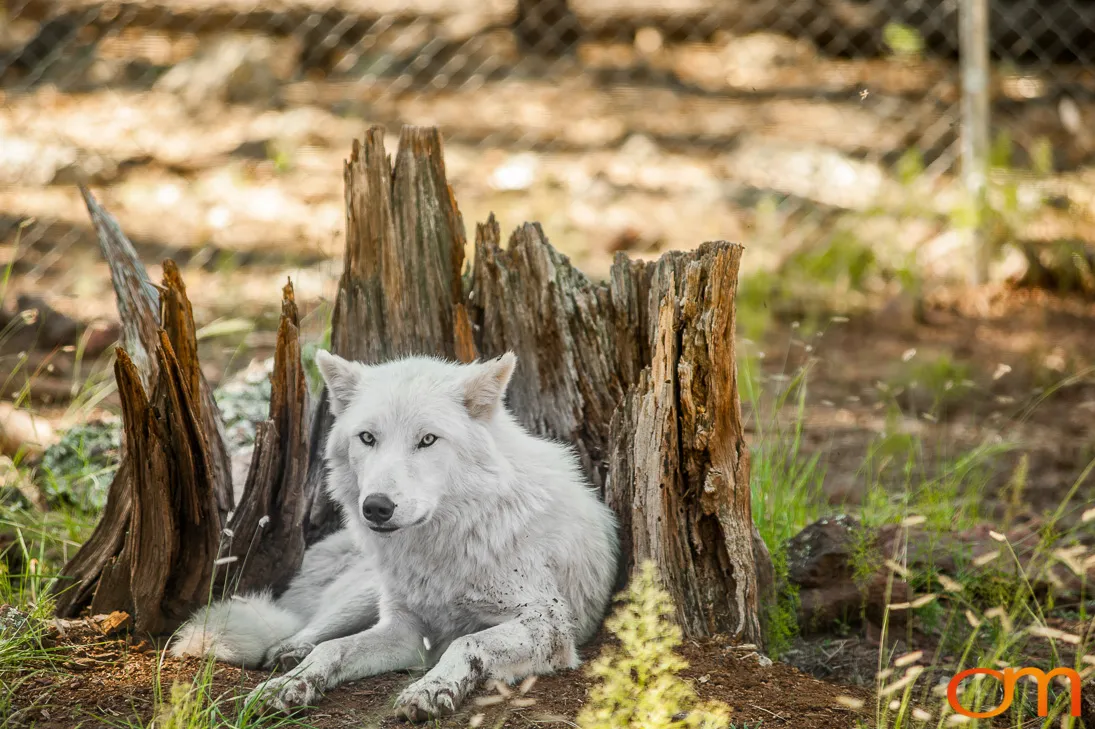
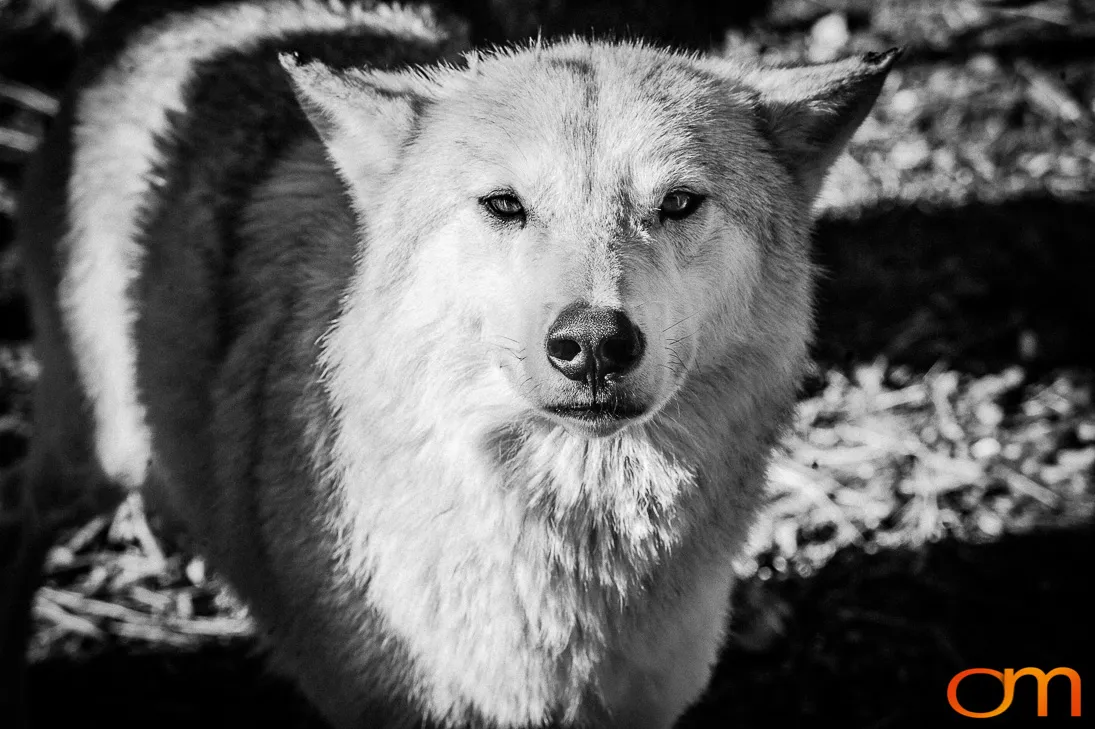
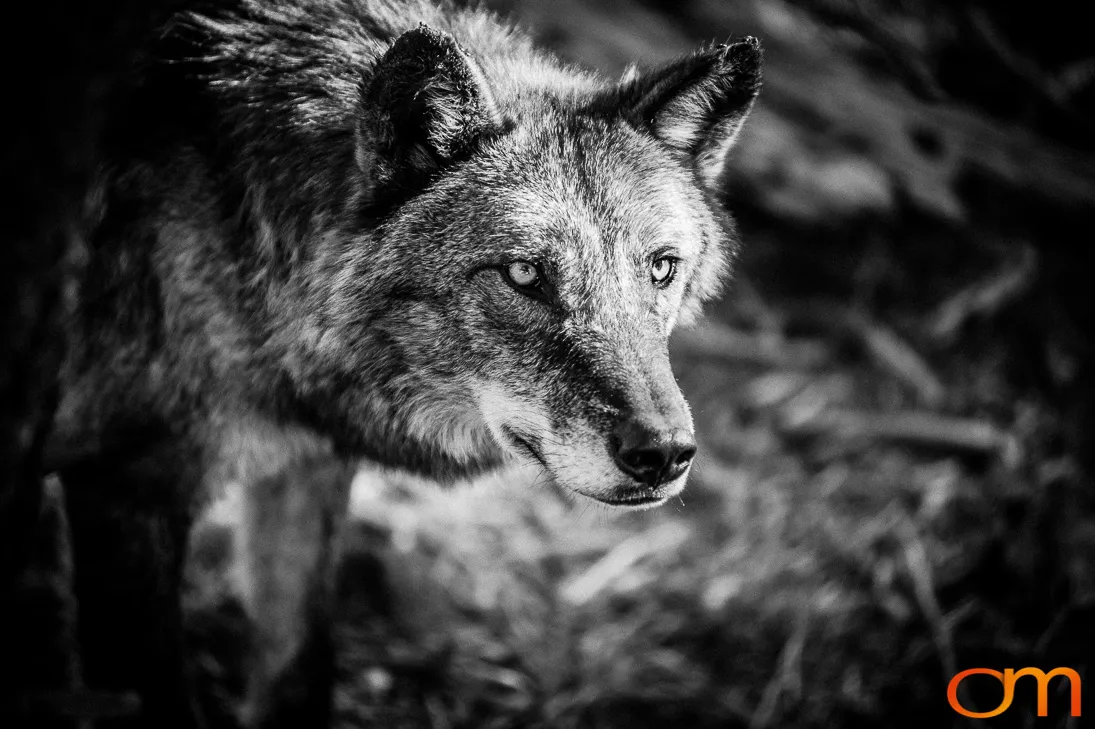
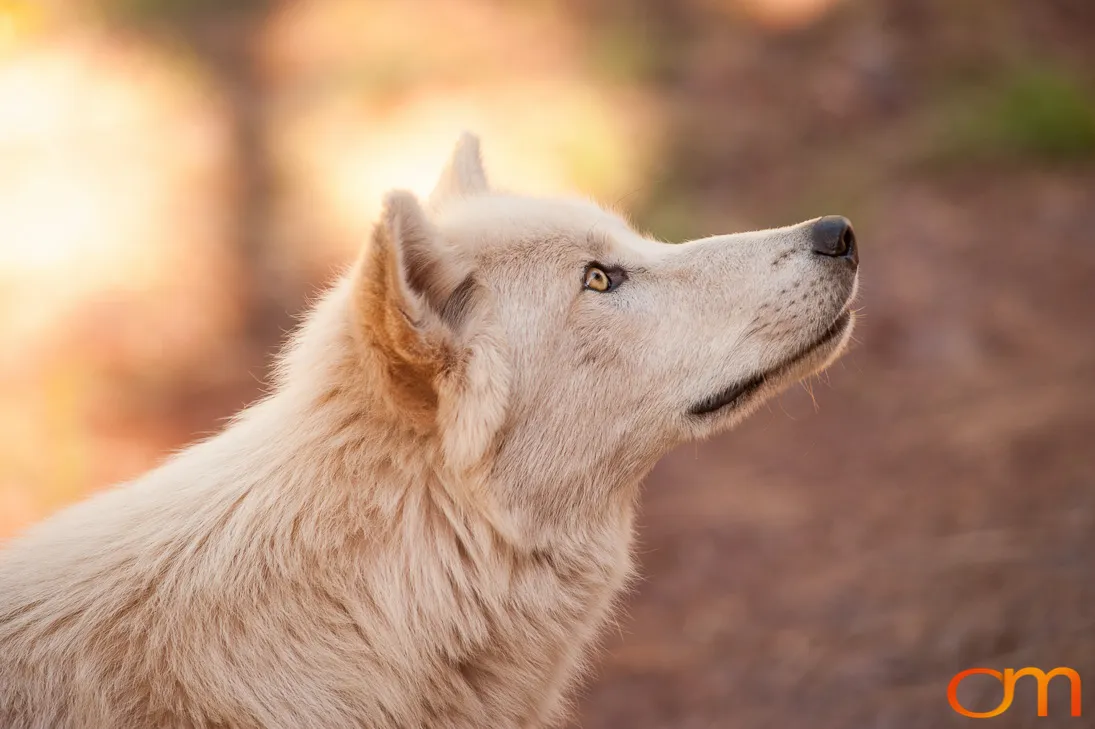
The gray wolf (Canis lupus) is the largest living wild canid. Despite its name, its coat may be white, gray, brown, black, or a mixture of these colors. Domestic dogs descended from ancient wolf populations; living gray wolves are close relatives rather than the unchanged direct ancestors of modern dogs.
Most wolf packs are family groups composed of breeding parents, their offspring, and sometimes additional adults. For wild packs, “parents” or “breeding pair” is generally more accurate than “alpha male and female,” terminology largely derived from studies of unrelated wolves living in captivity. Pack members cooperate in hunting, defending territory, and caring for pups.
After a gestation of approximately 63 days, females usually give birth in spring, commonly to four to six pups. The pups are born blind and dependent. Their mother nurses them while other pack members help provide food, protection, and opportunities to learn the behaviors needed for survival.
Wolves communicate through scent marking, body posture, whines, growls, barks, and howls. Howling helps locate separated pack members, coordinate social activity, and advertise territory. Individual wolves can sometimes be distinguished through acoustic differences in their howls.
As large predators, wolves can influence the abundance and behavior of prey and indirectly affect vegetation, scavengers, and other parts of an ecosystem. Wolf recovery may contribute to trophic cascades, but ecosystem responses vary by location and also reflect climate, habitat, human hunting, and the presence of other predators.