East Greenland
Qimmit: Greenland’s Working Sled Dogs
August 2015
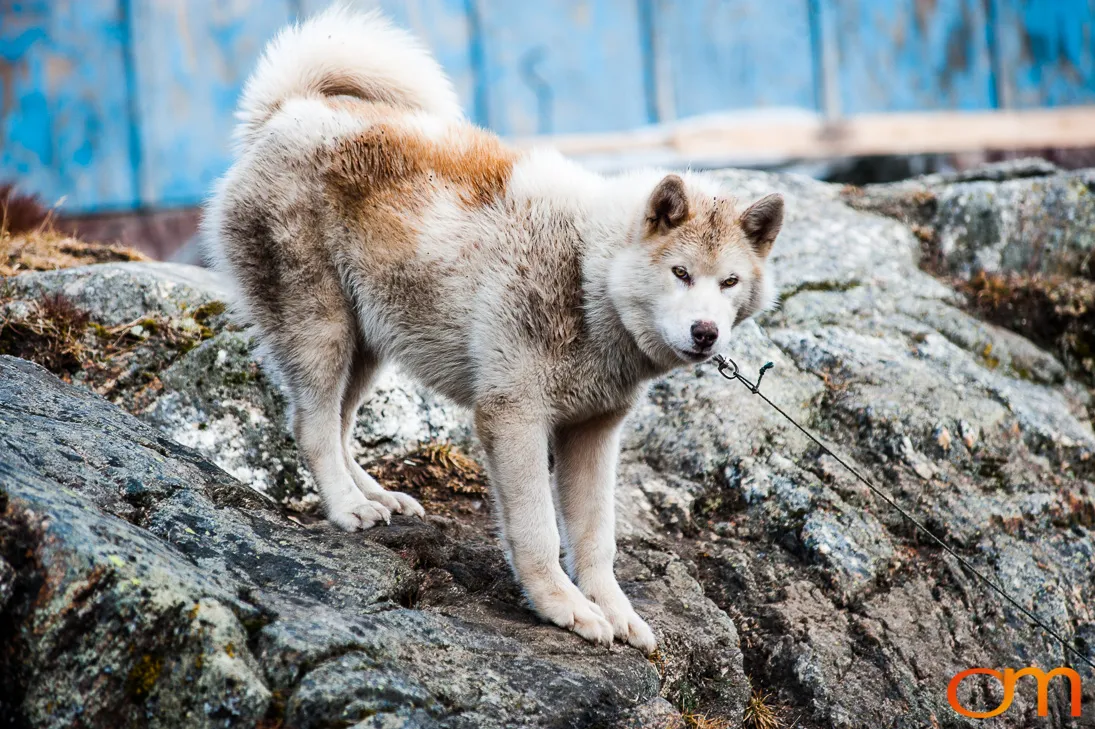
The Greenland Dog (Canis lupus familiaris), known in Greenlandic as qimmeq and in the plural as qimmit, is an Arctic sled dog bred for strength, endurance, and work under polar conditions. Genomic research published in 2025 found that qimmit have worked continuously with Inuit communities in Greenland for more than 800 years. Their ancestors reached Greenland during Inuit migrations from the Canadian Arctic, and regional dog populations remained genetically distinct for centuries.
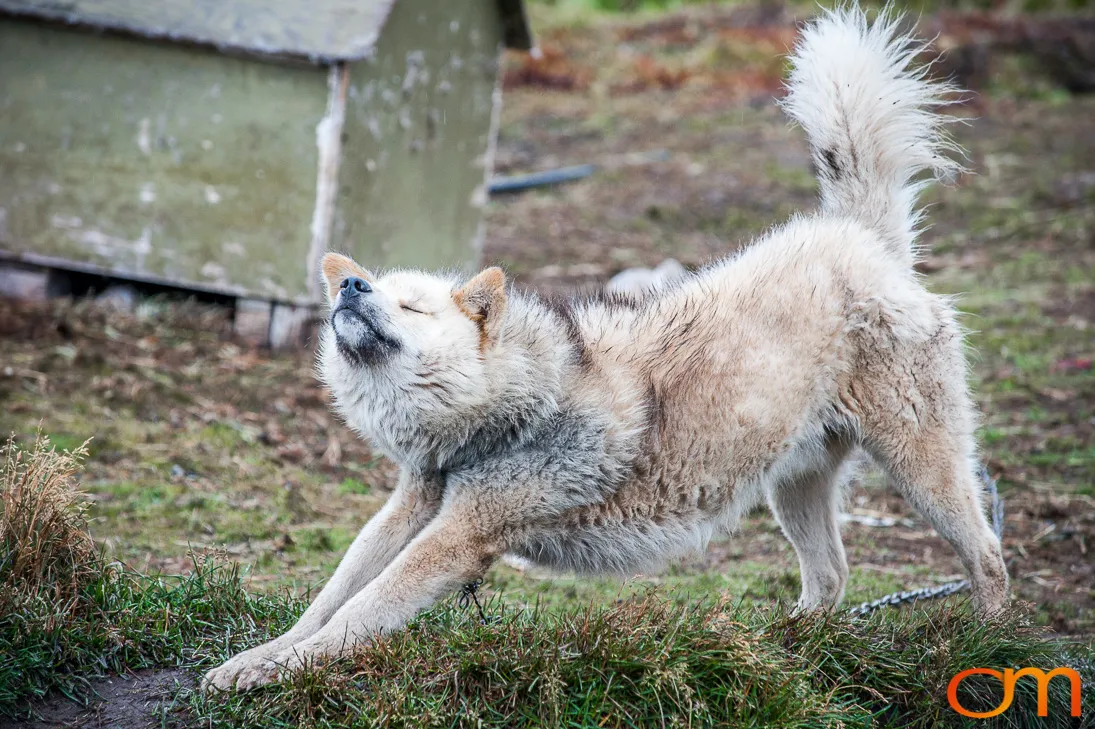
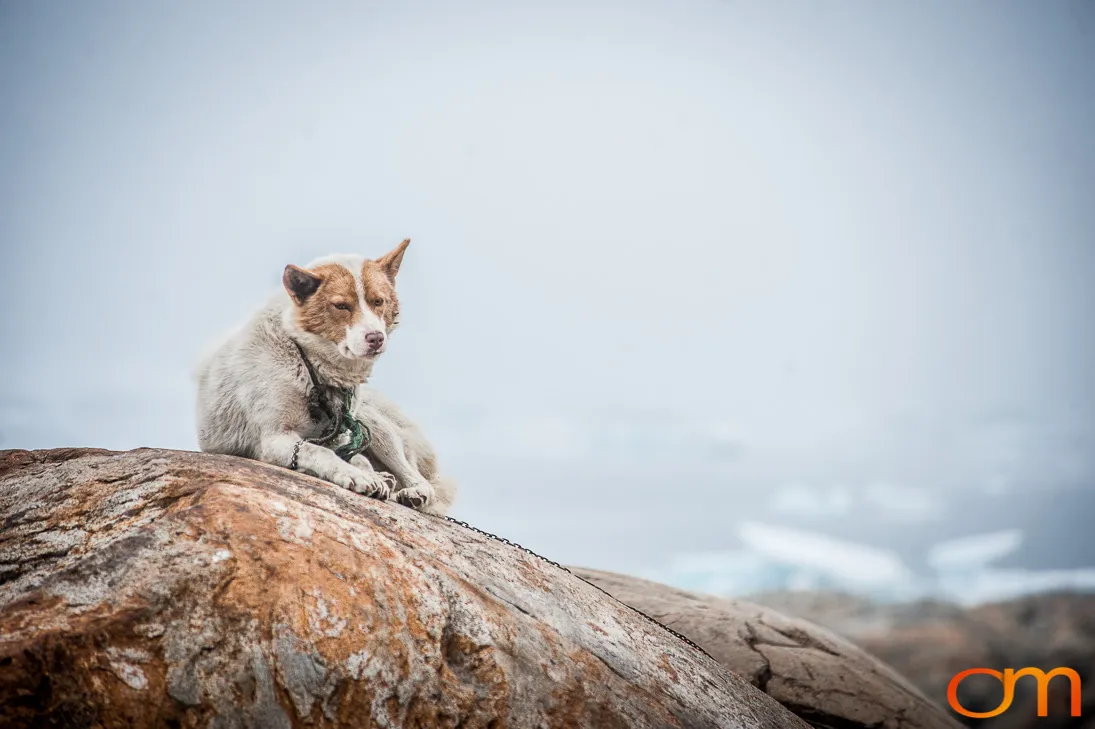
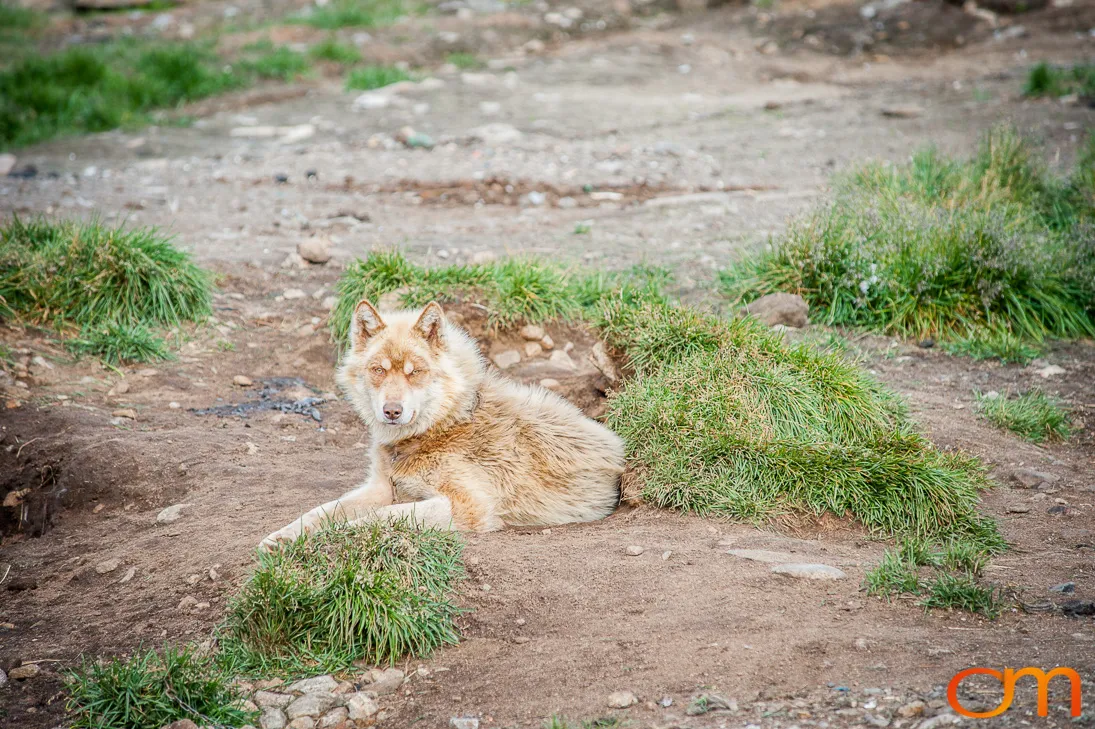
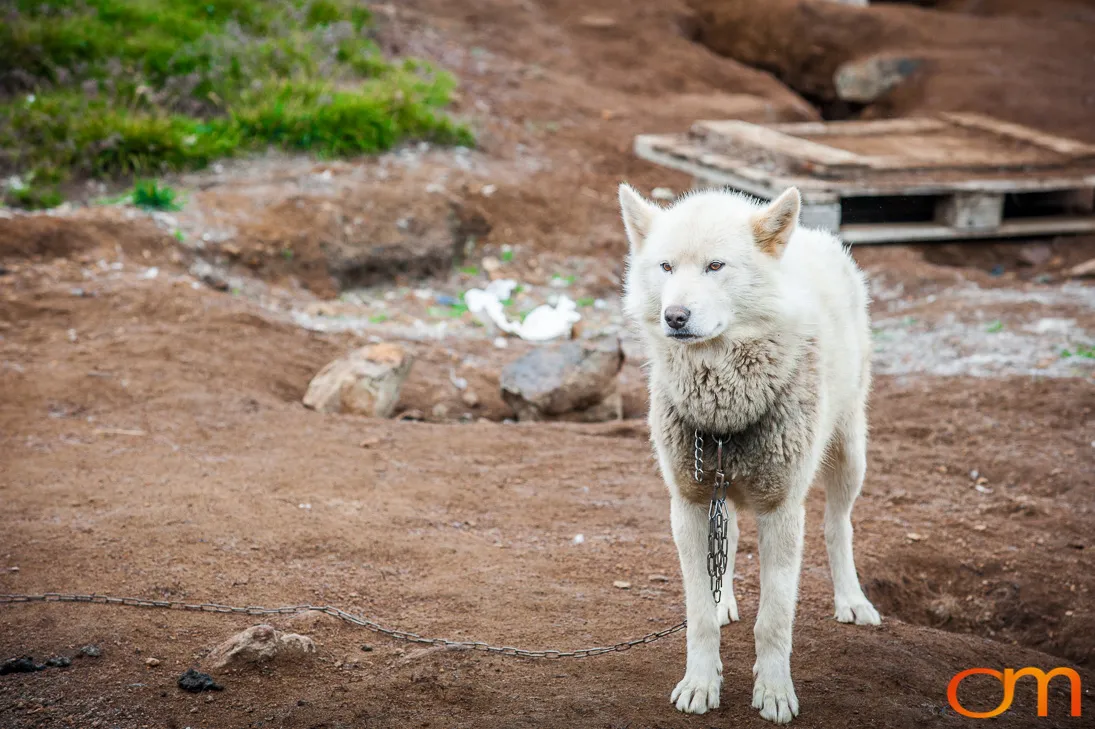
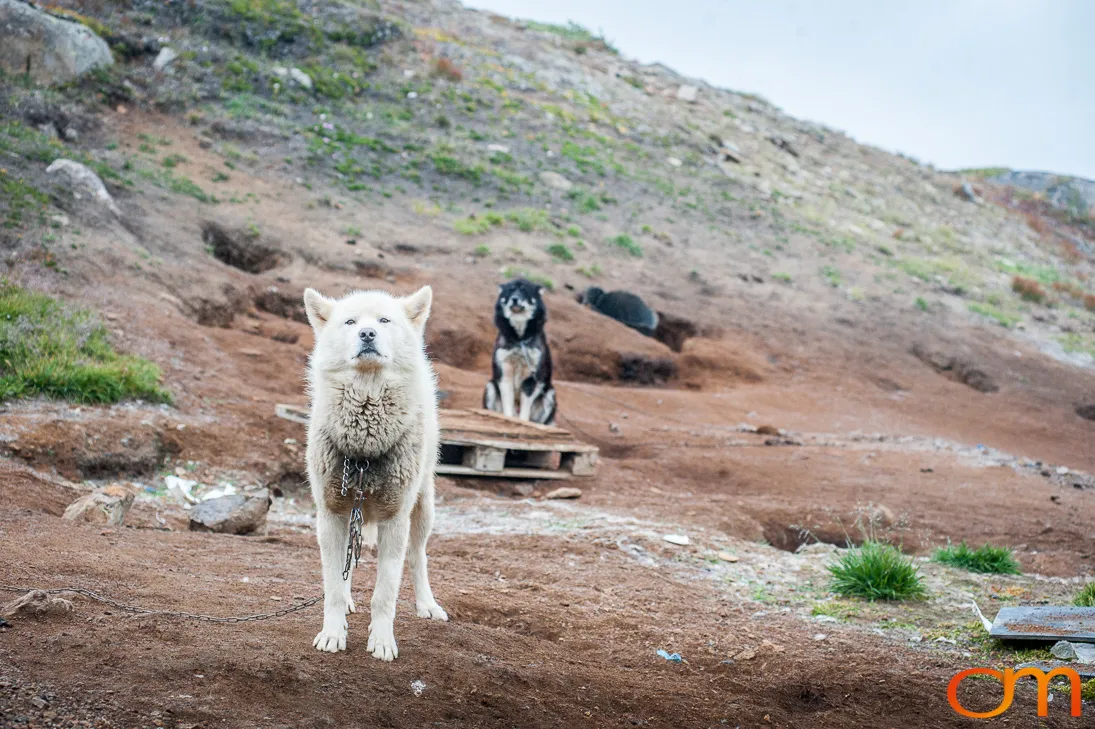
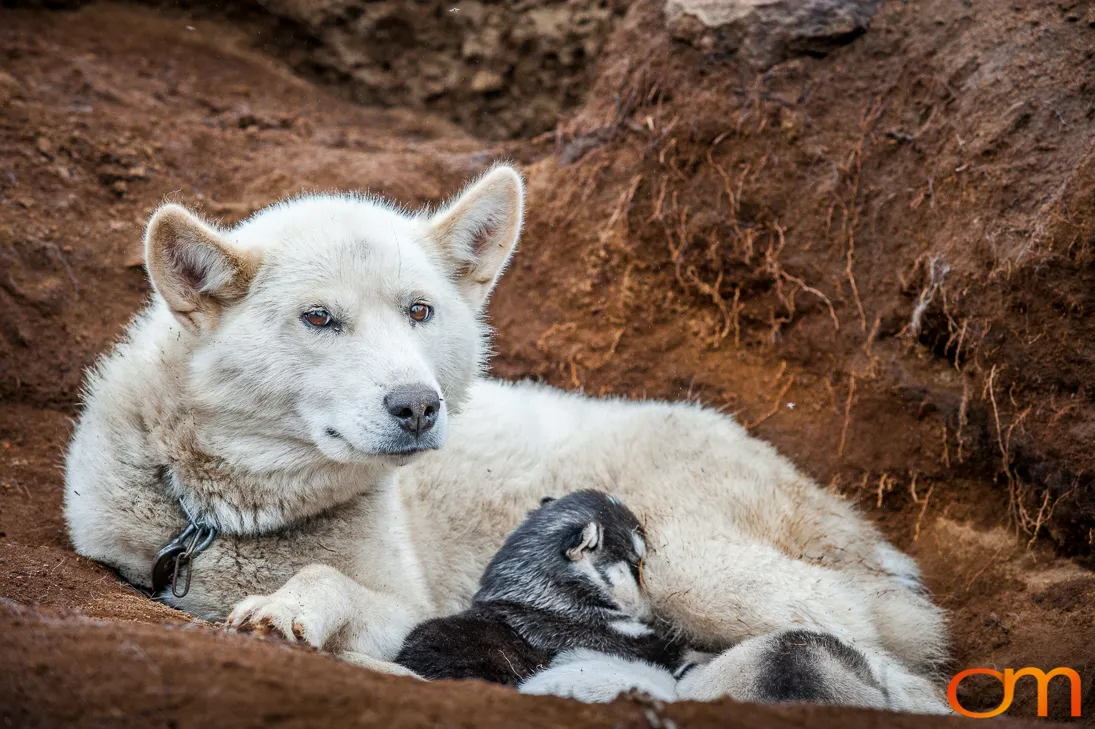
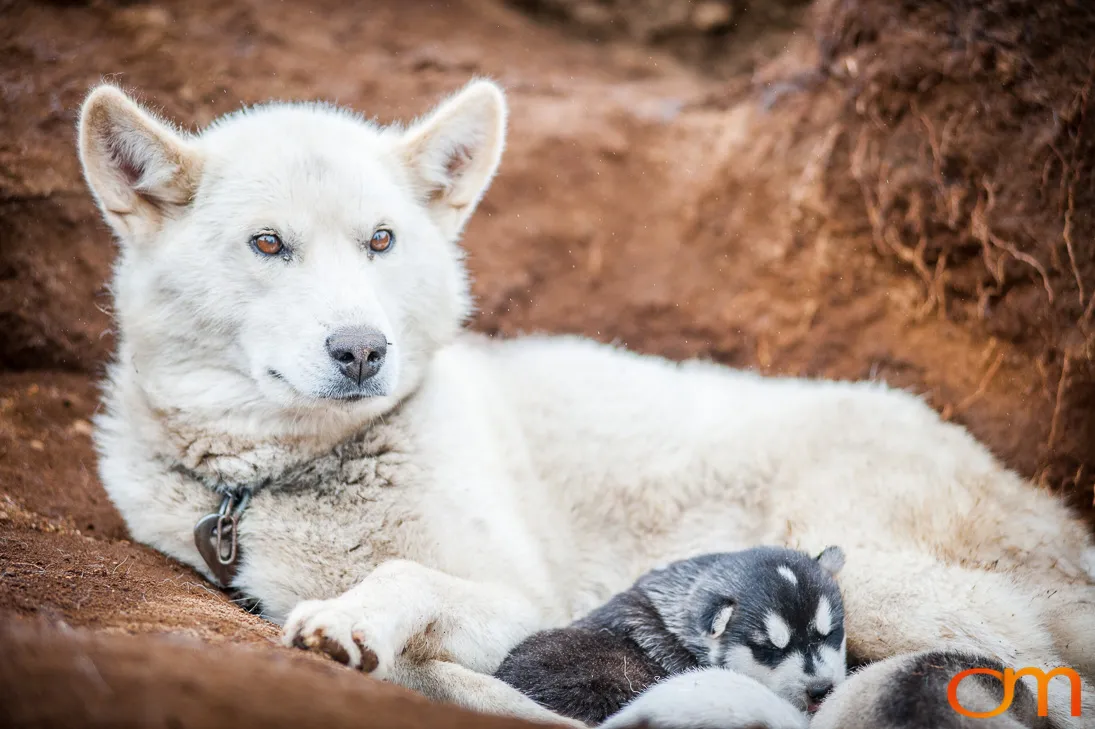
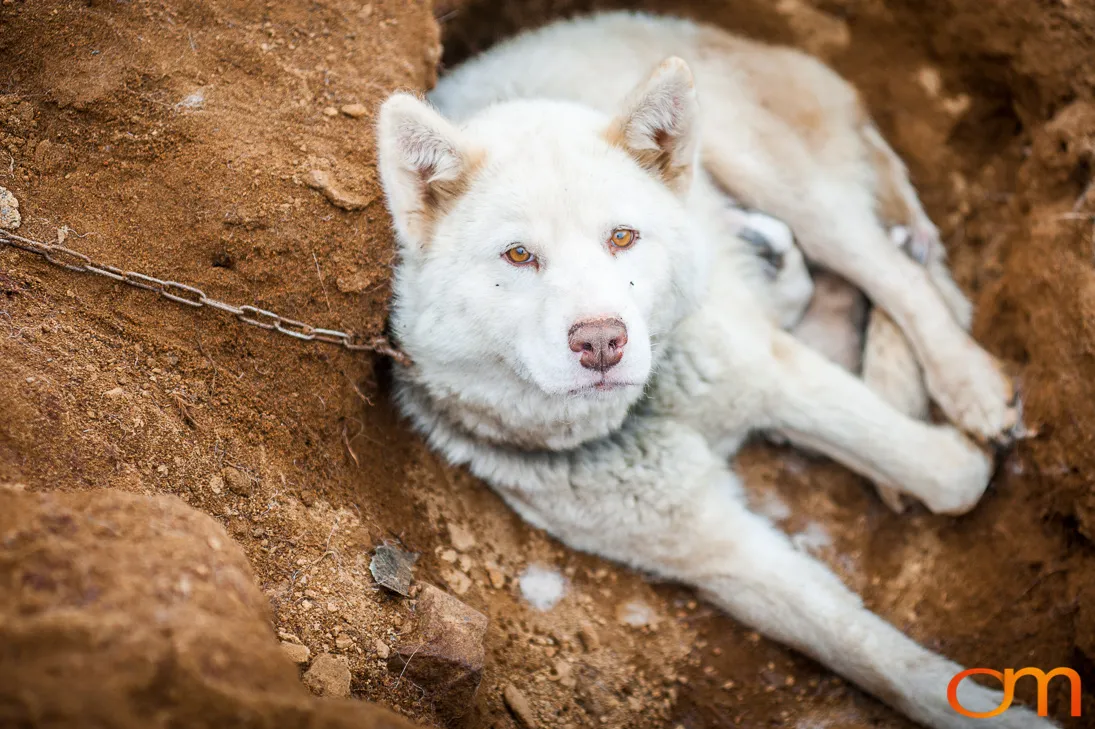
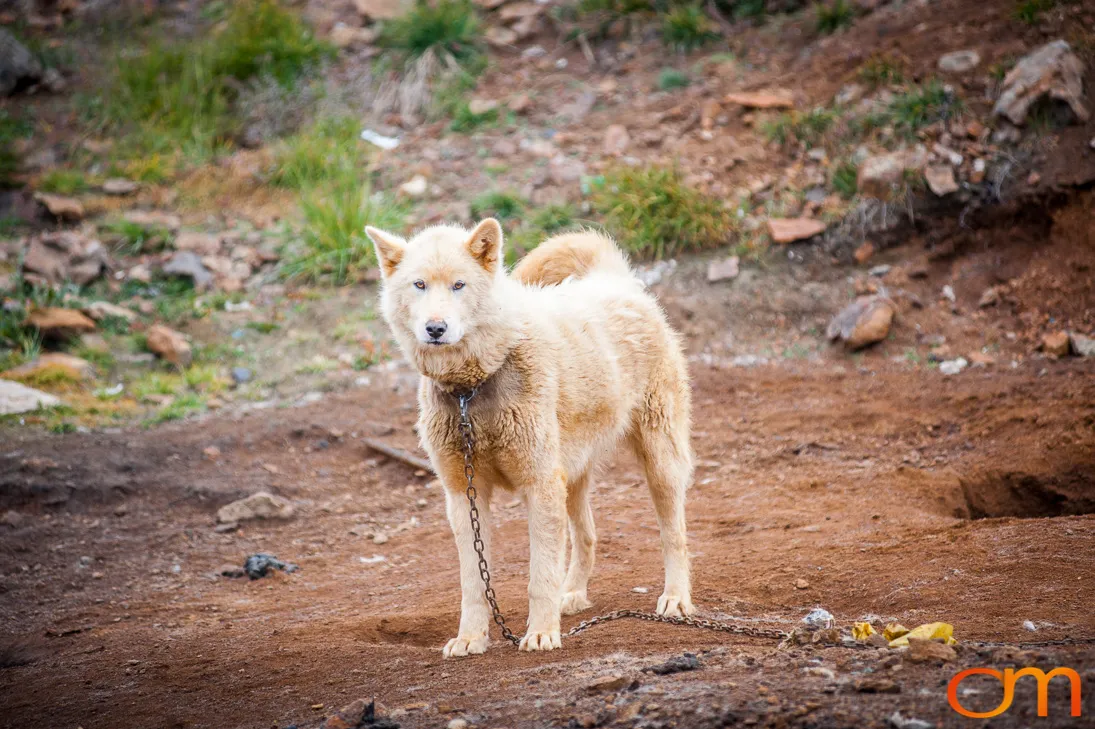
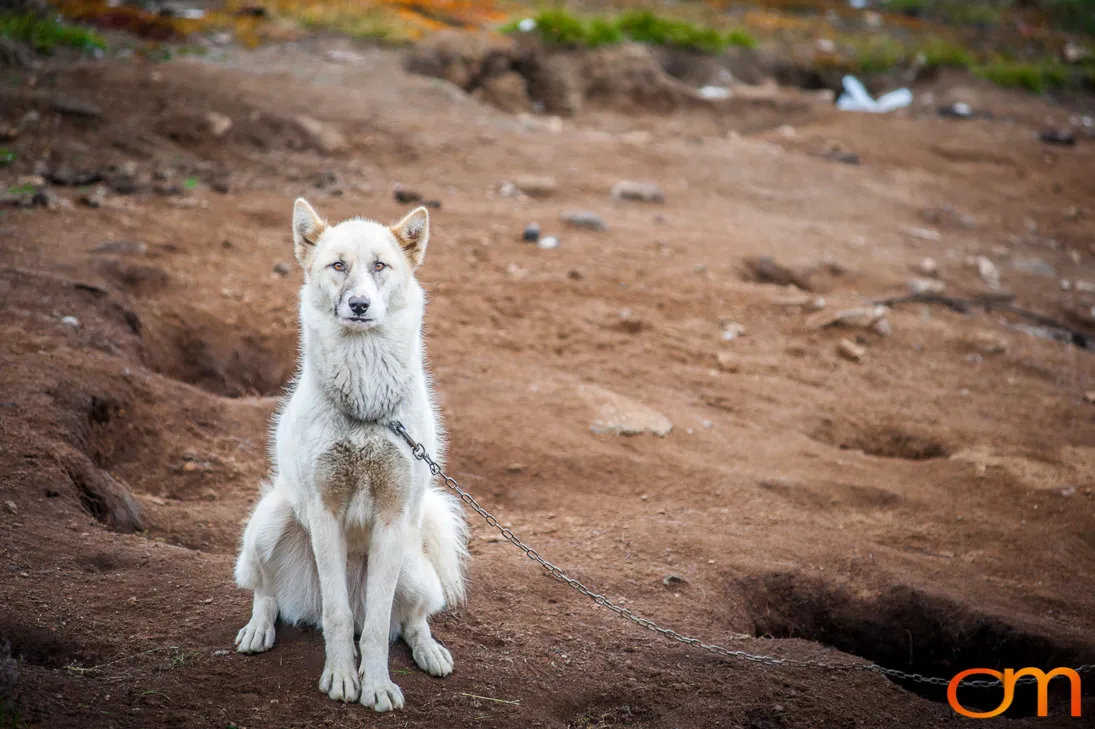
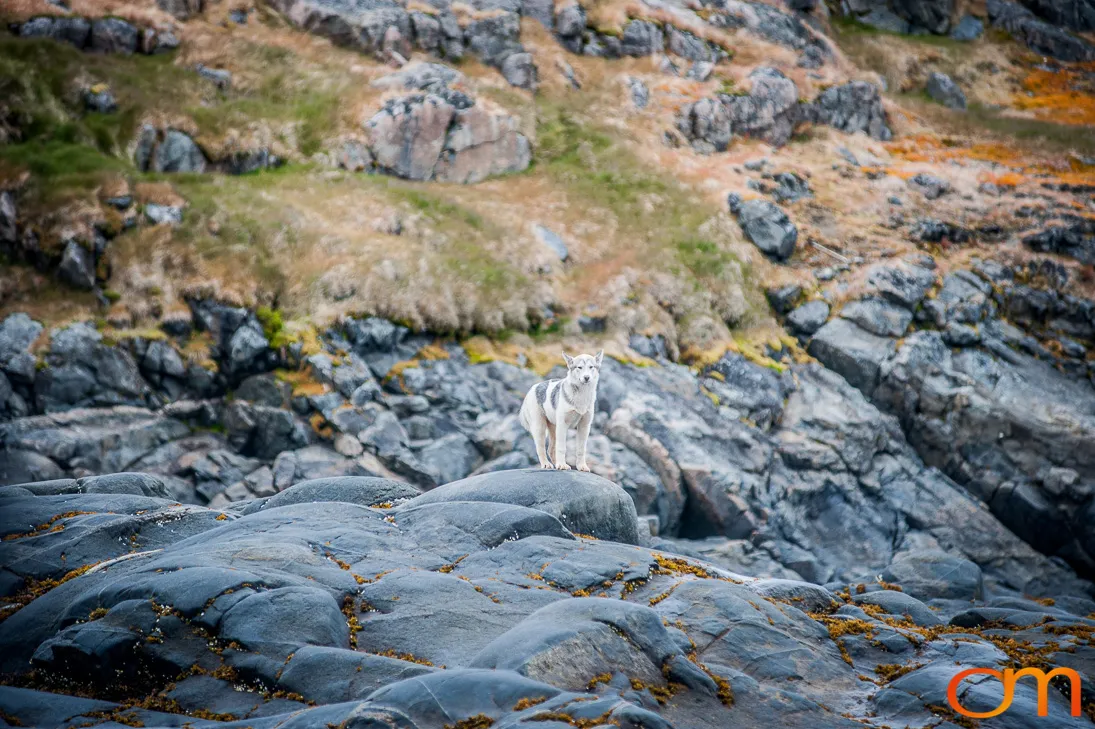
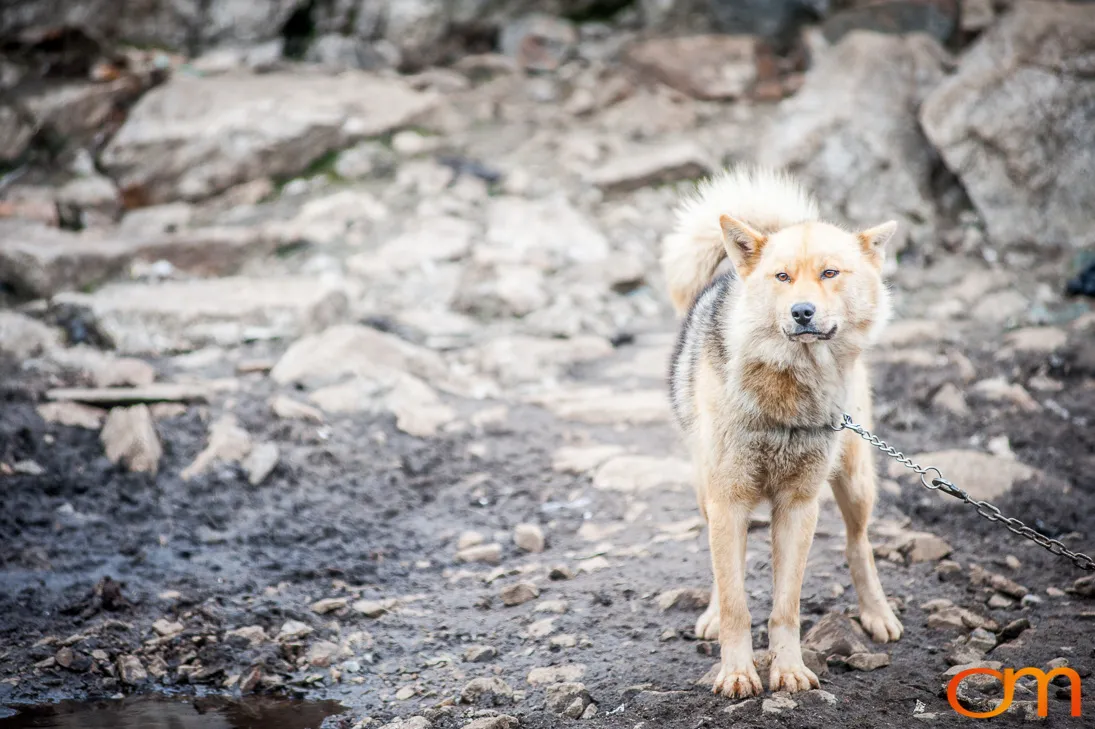
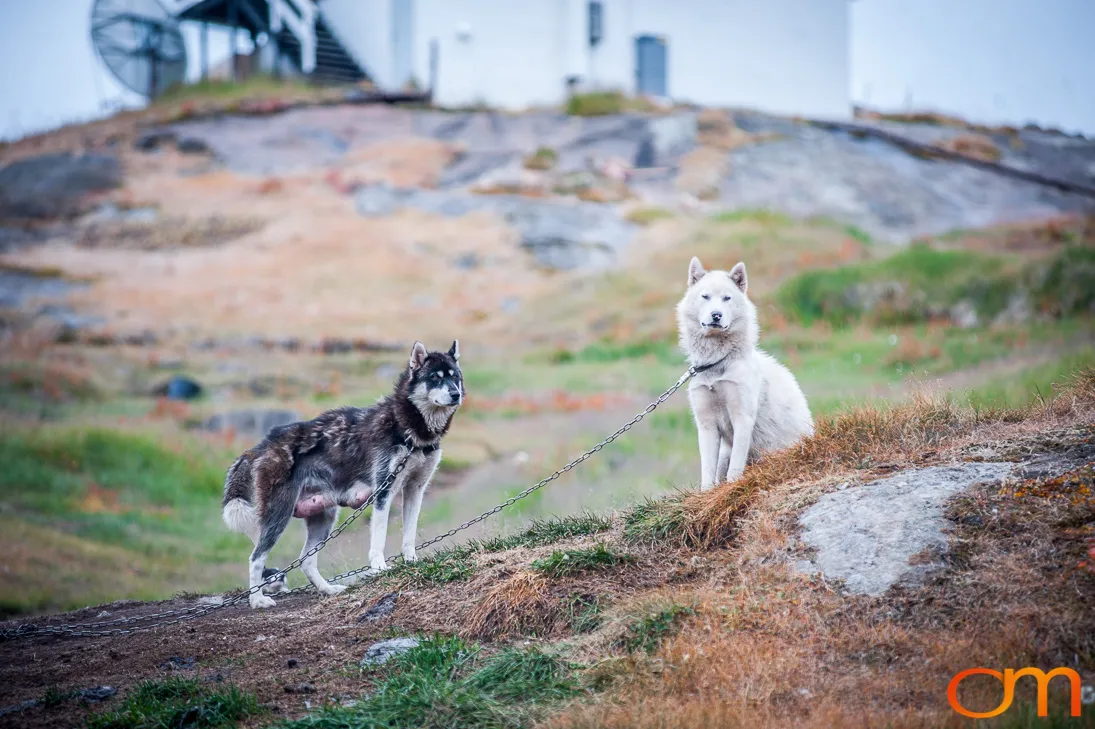
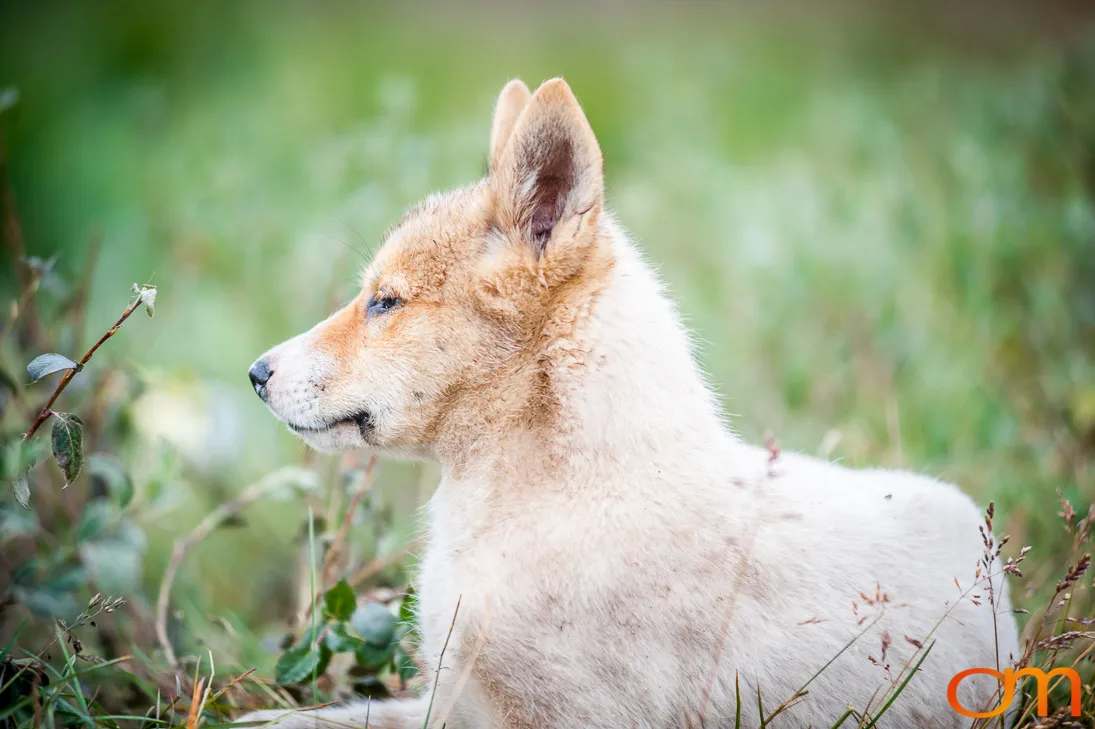
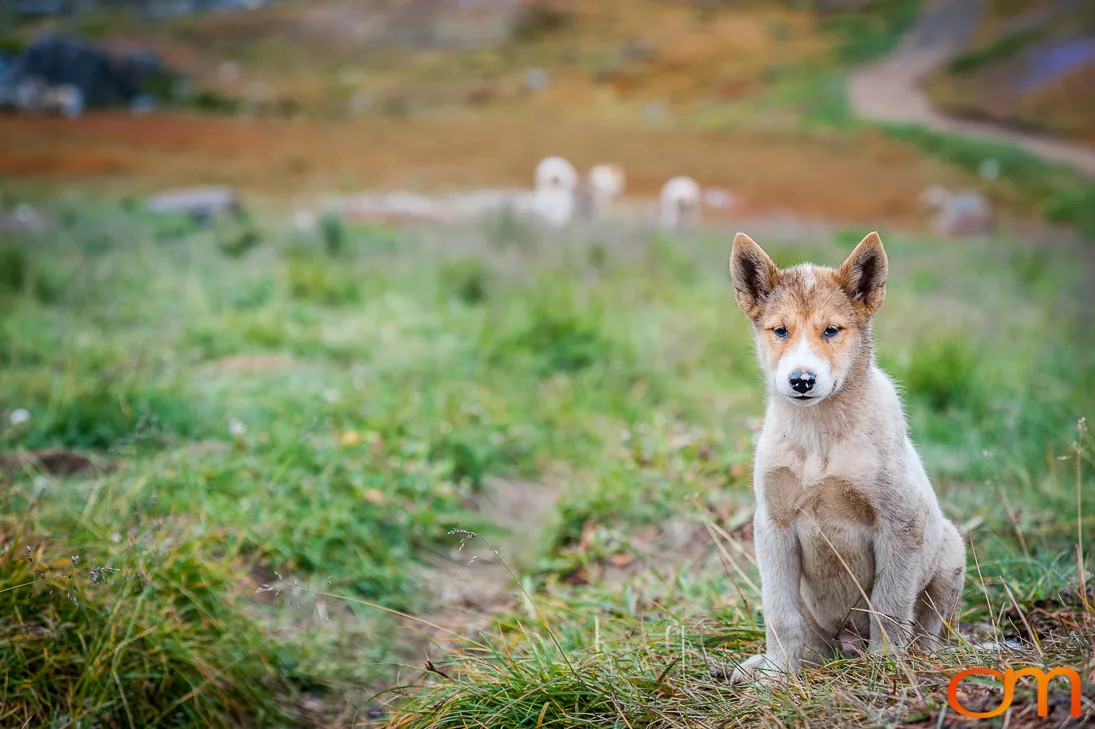
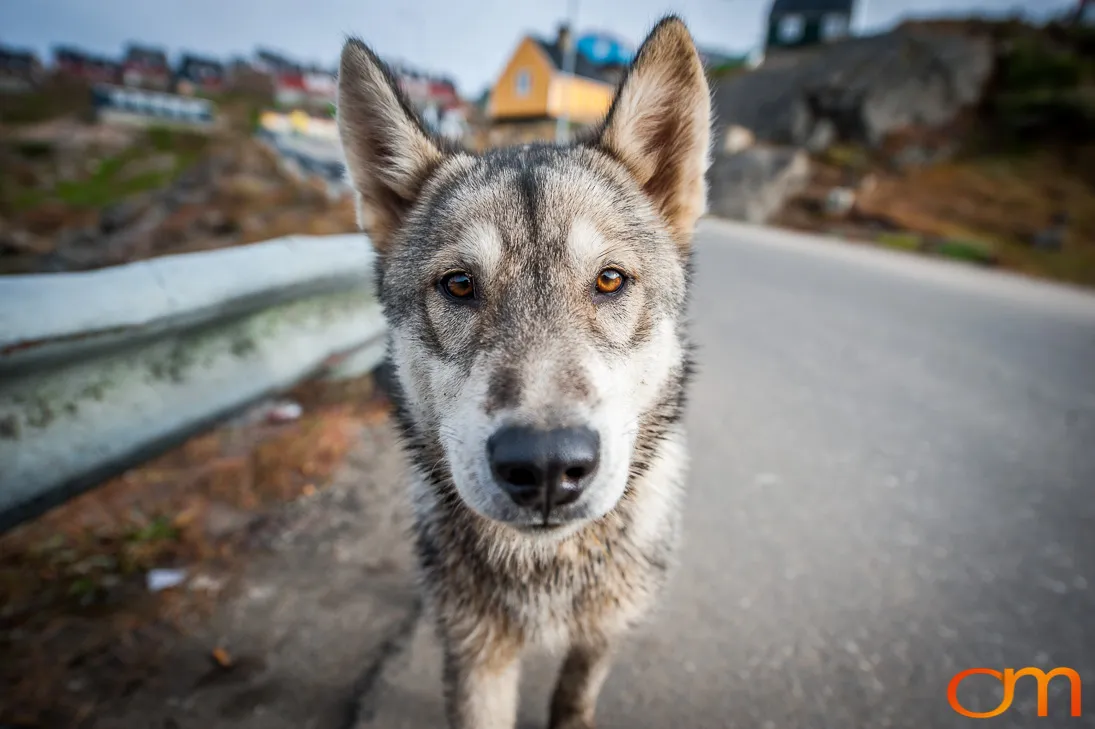
Qimmit have a dense double coat consisting of a soft undercoat beneath straight, coarse outer hair. The breed standard permits nearly every solid or mixed coat color except albinism and merle. Adult males stand at least 23.6 inches (60 cm) at the shoulder and females at least 21.7 inches (55 cm). The official standard emphasizes energy, endurance, mental strength, and boldness rather than a fixed weight.
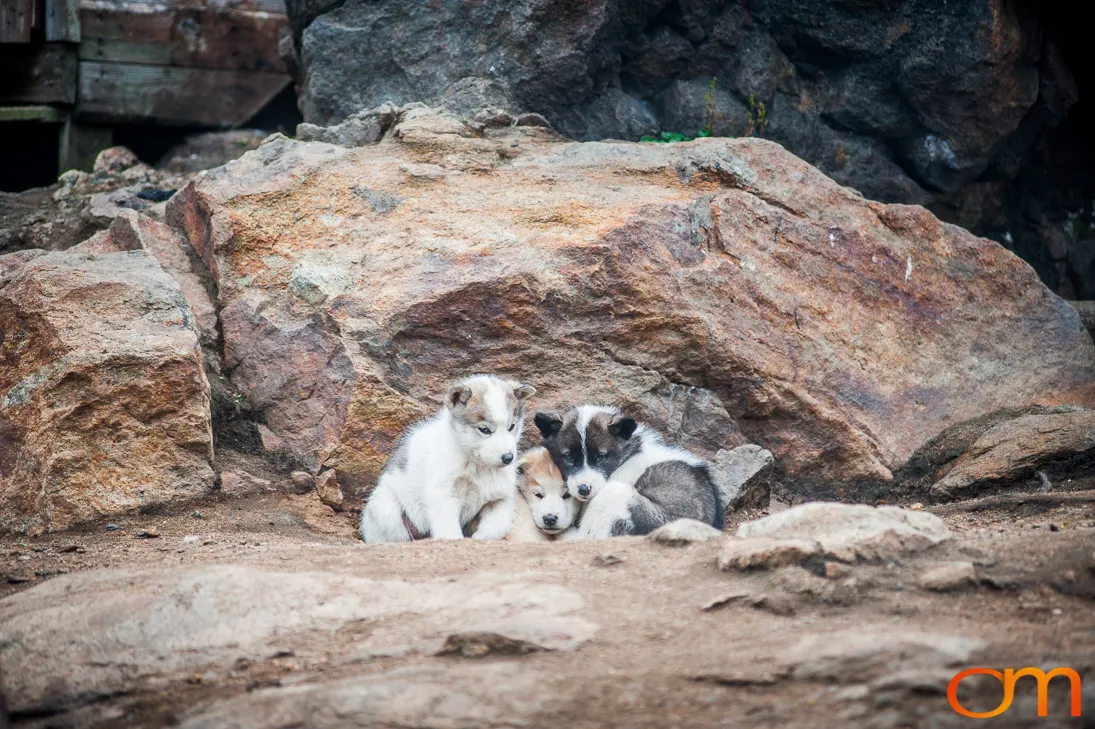
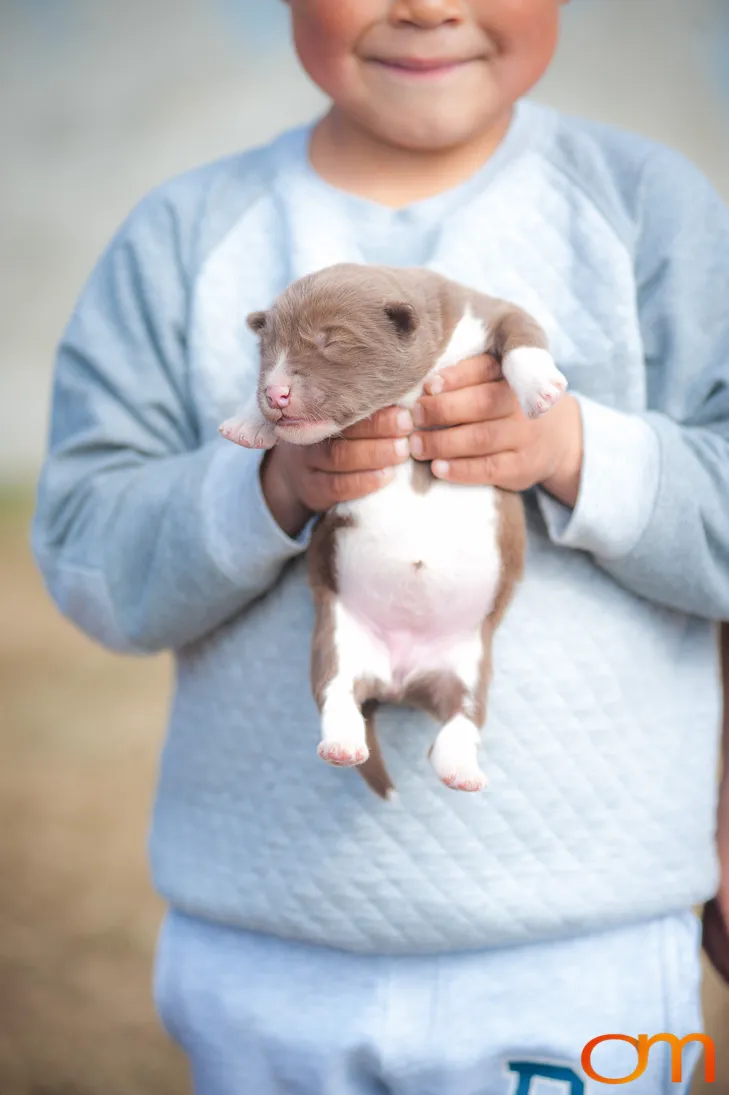
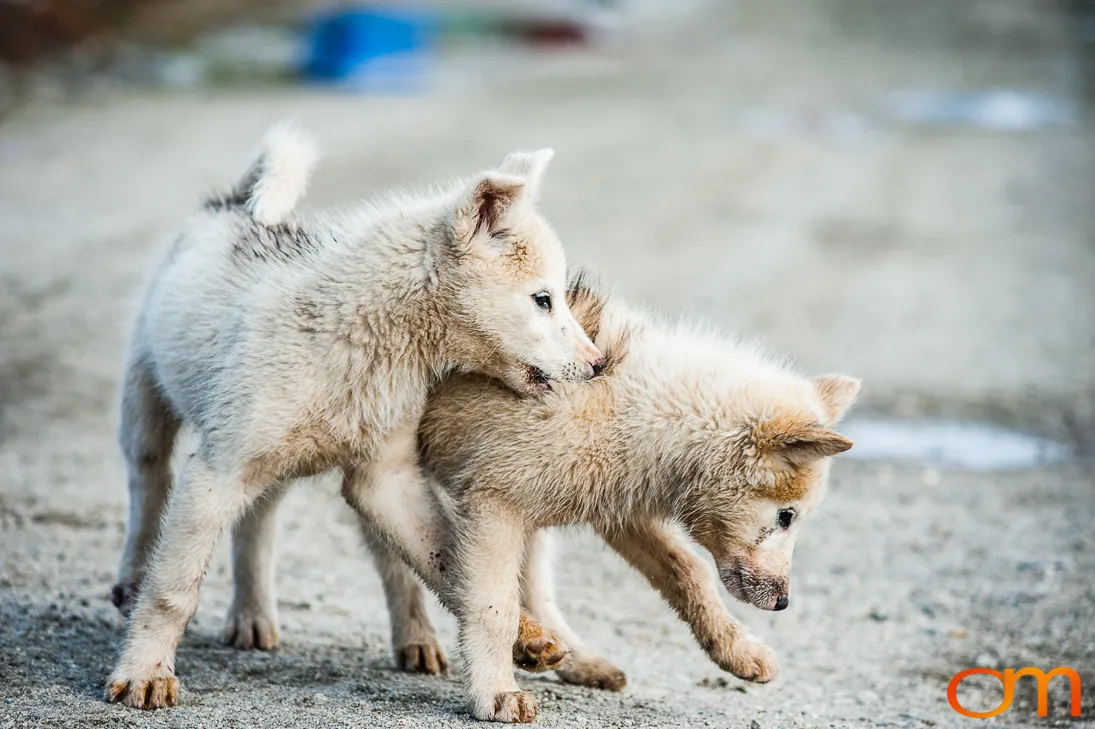
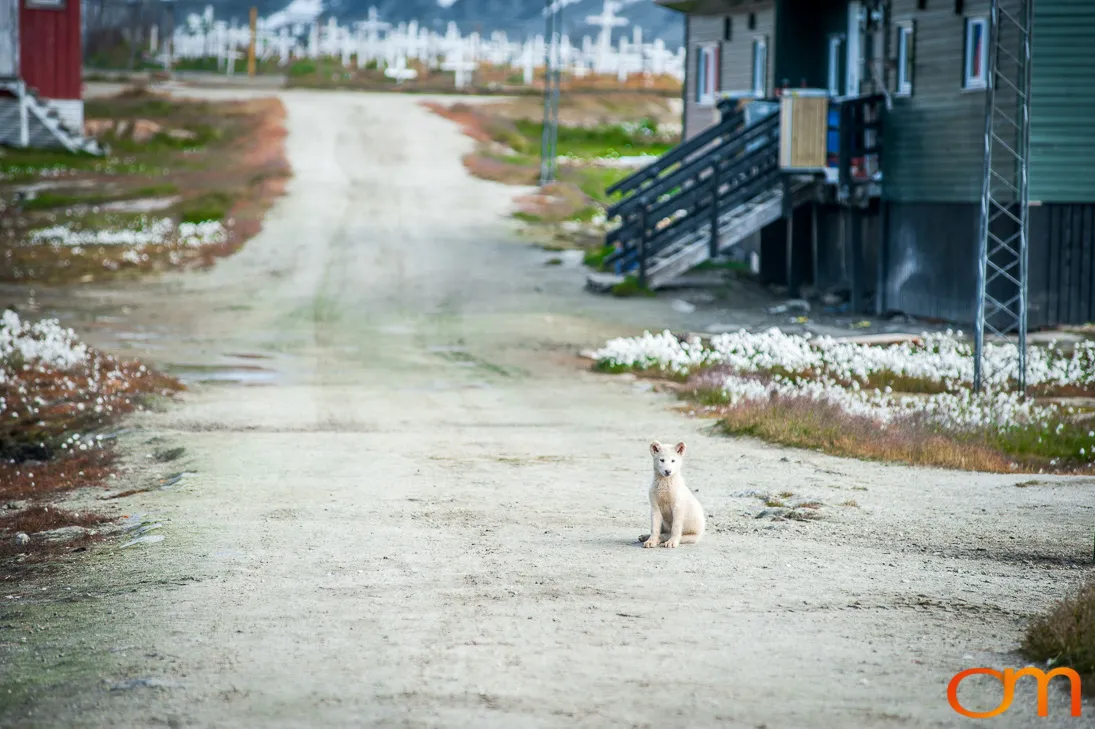
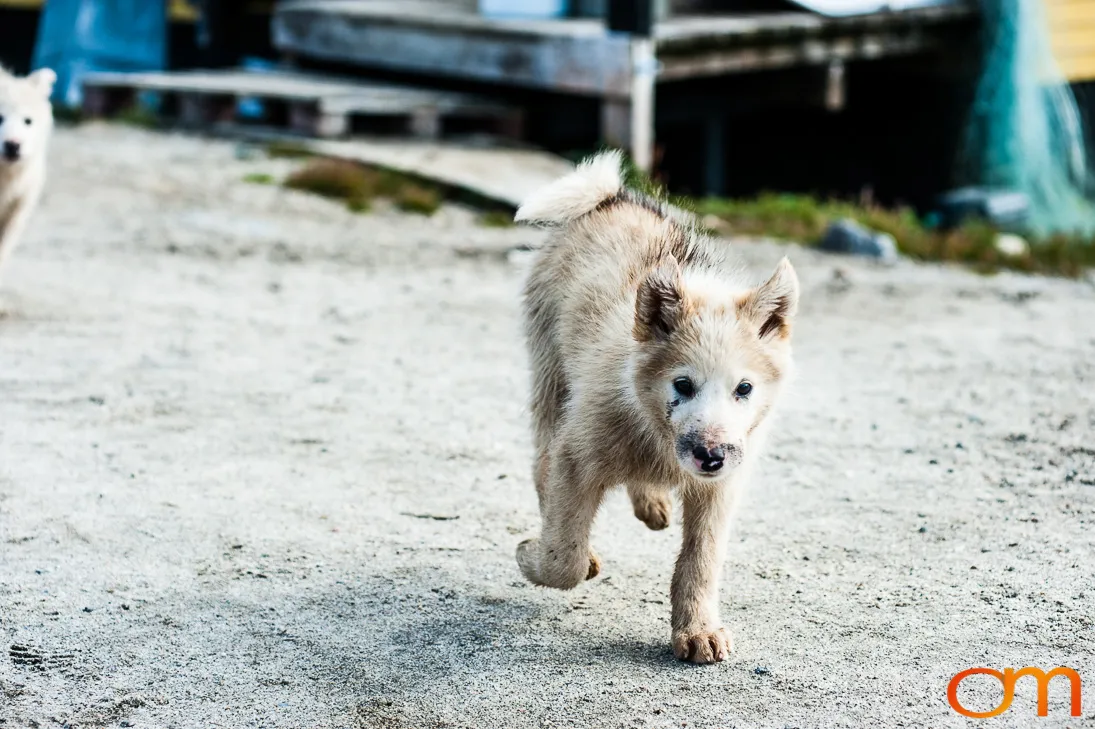
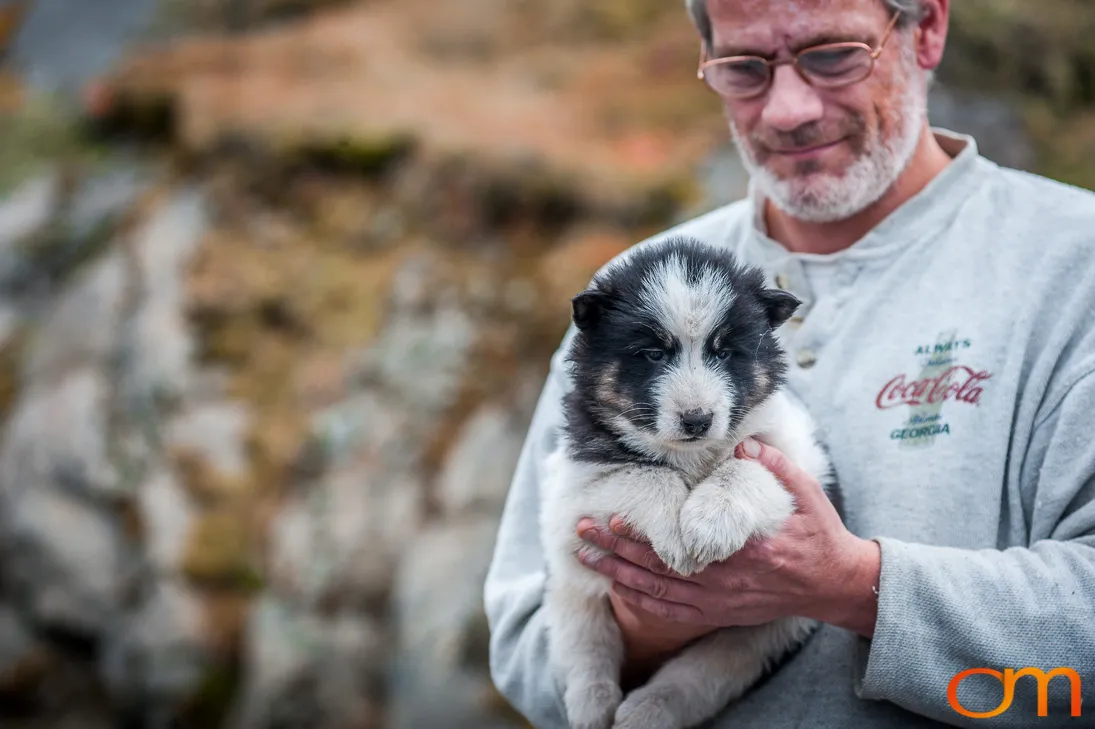
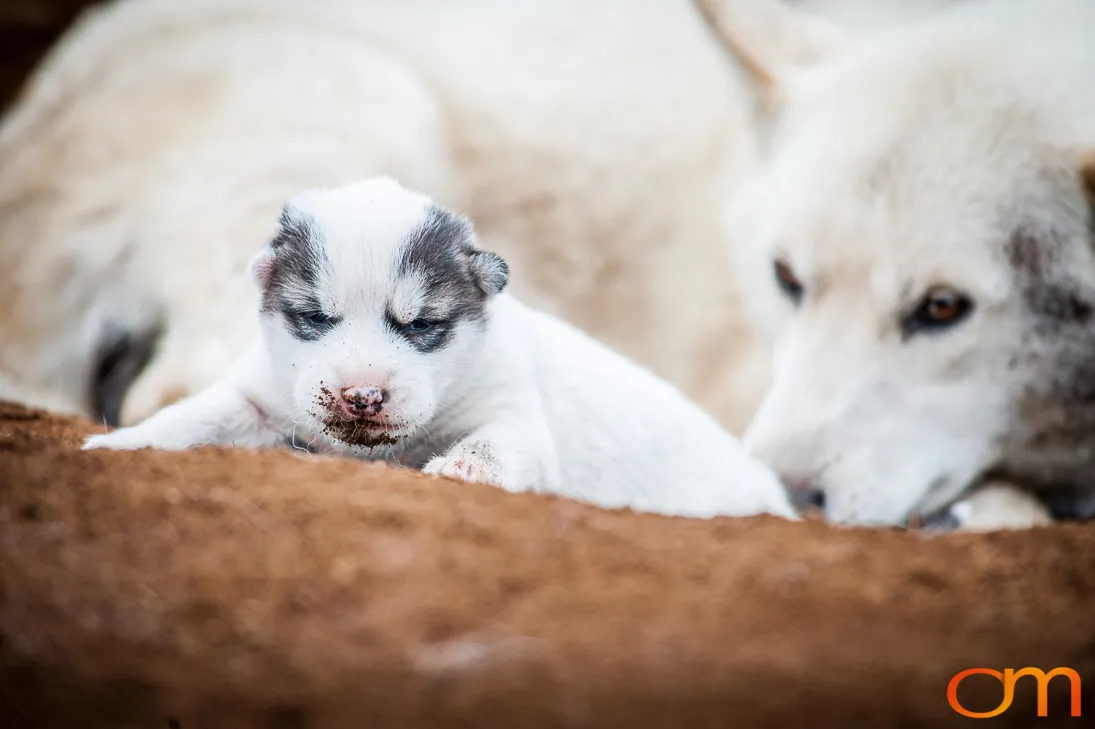
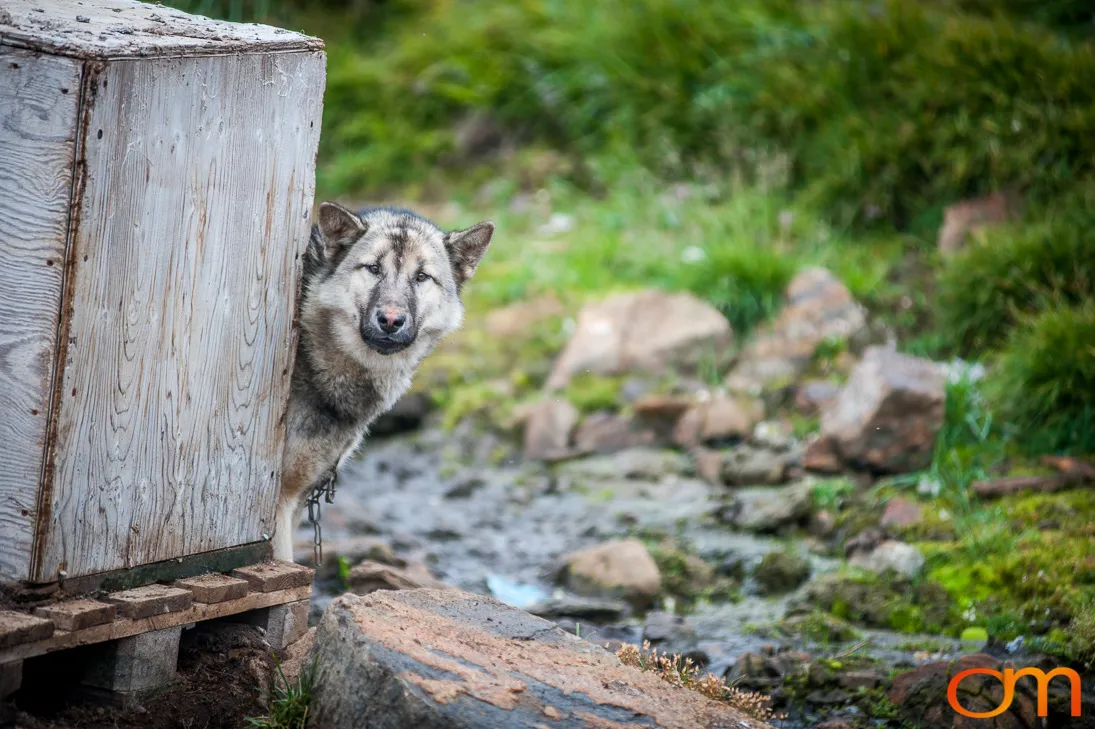
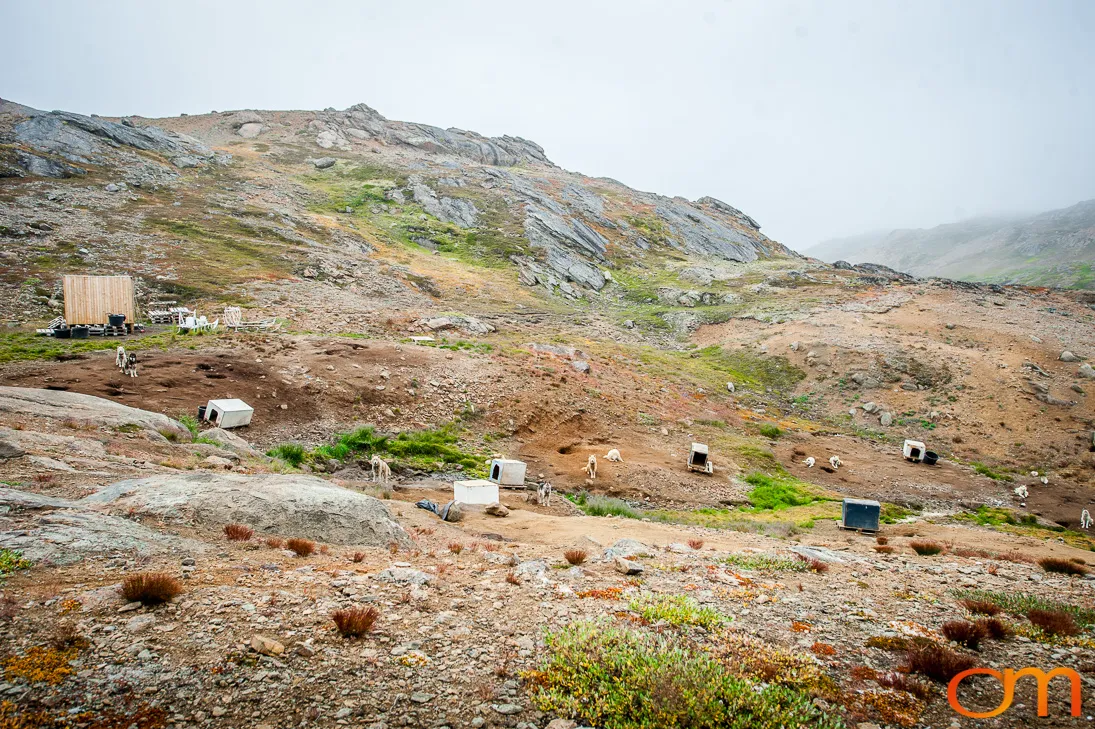
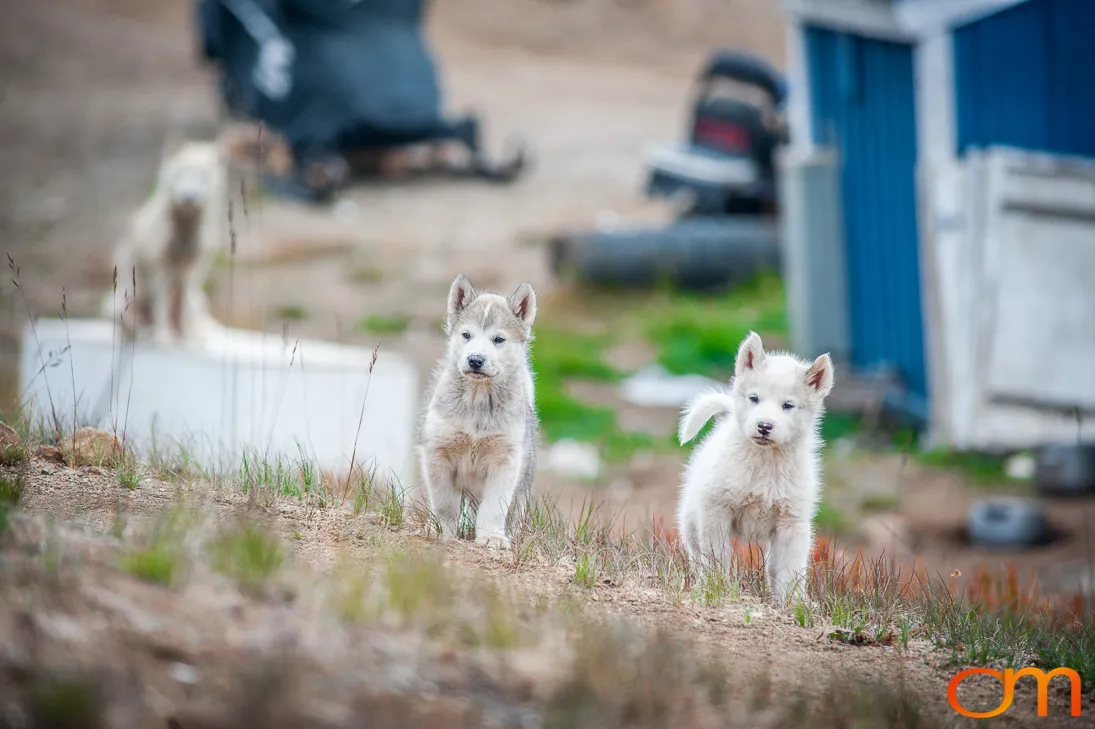
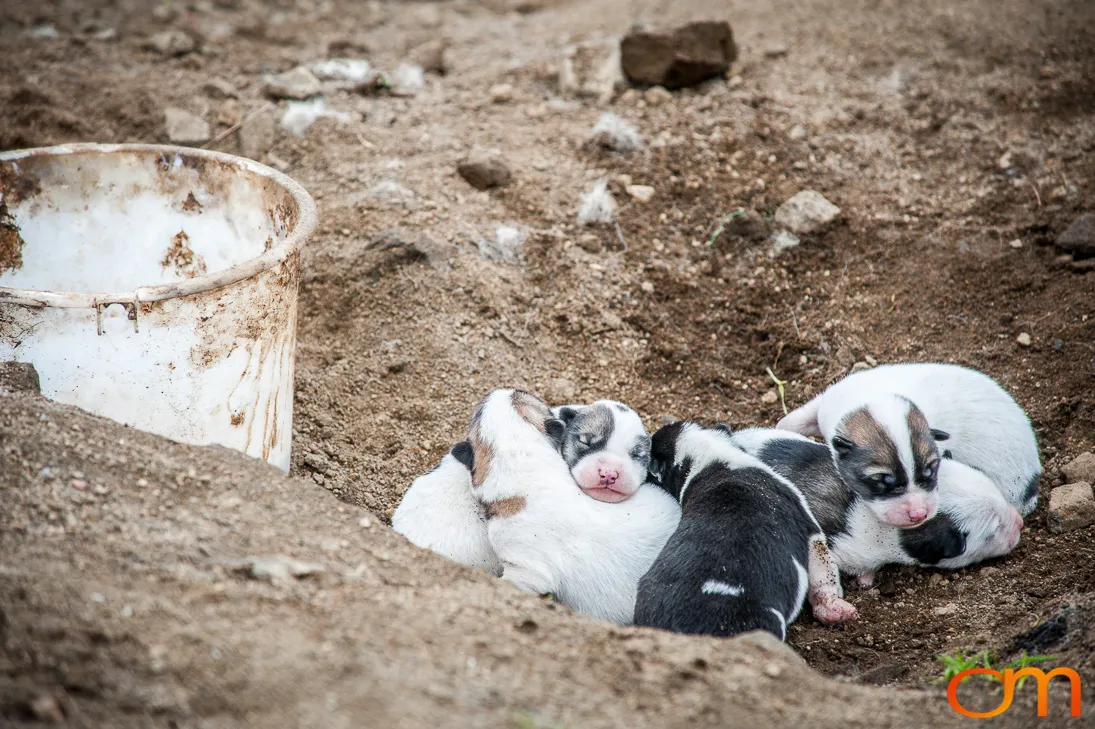
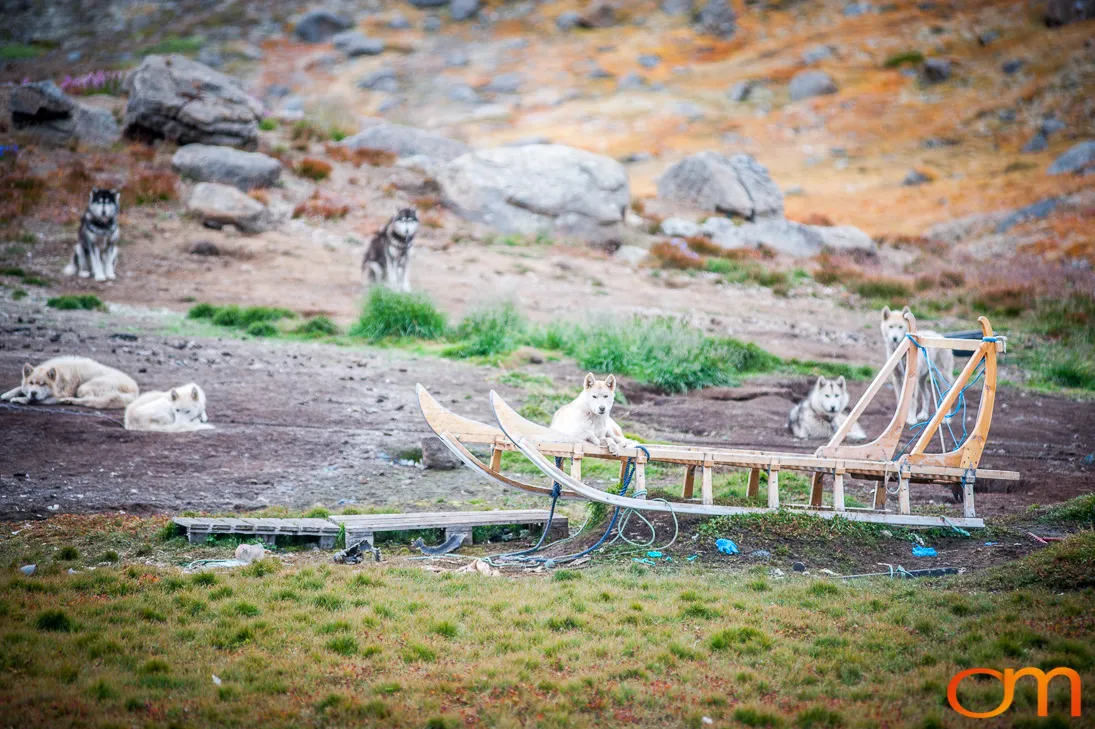
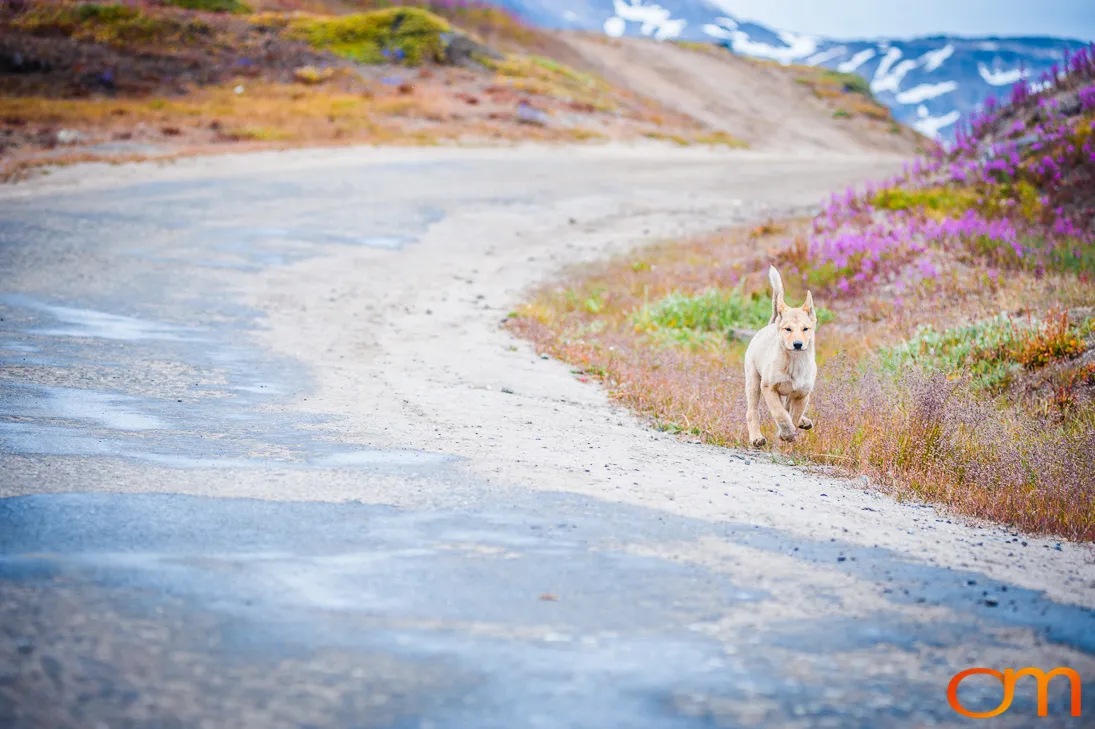
The 2015 photographs show adult working dogs tethered outdoors and puppies moving freely through the settlement, a management pattern commonly documented in Greenland’s sled-dog communities. Traditionally used for transportation and hunting, qimmit remain closely connected to Greenlandic mobility, working knowledge, and cultural heritage.
Current Context
A 2025 genomic study identified distinct regional qimmeq populations and minimal European-dog ancestry among present-day animals. The study also reported that Greenland’s sled-dog population declined from approximately 25,000 in 2002 to 13,000 in 2020 amid diminishing snow and sea ice, urbanization, and competition from snowmobiles. The research provides a genetic baseline for efforts to preserve both the dogs and the working traditions associated with them.