Arizona
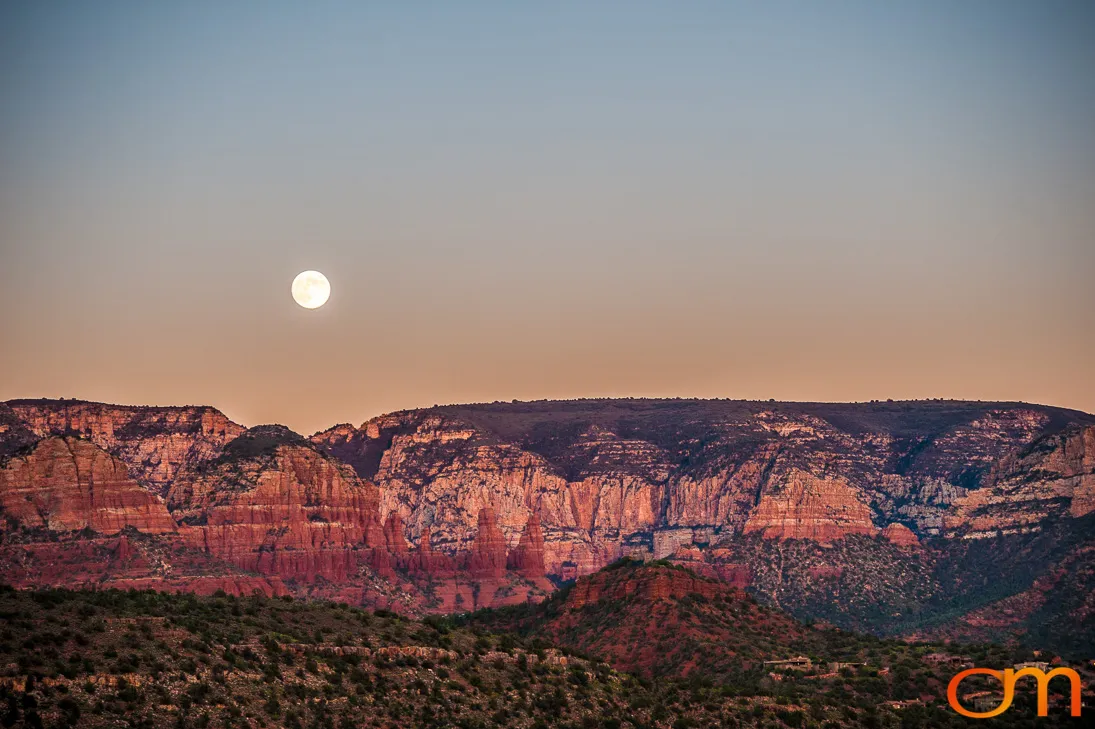
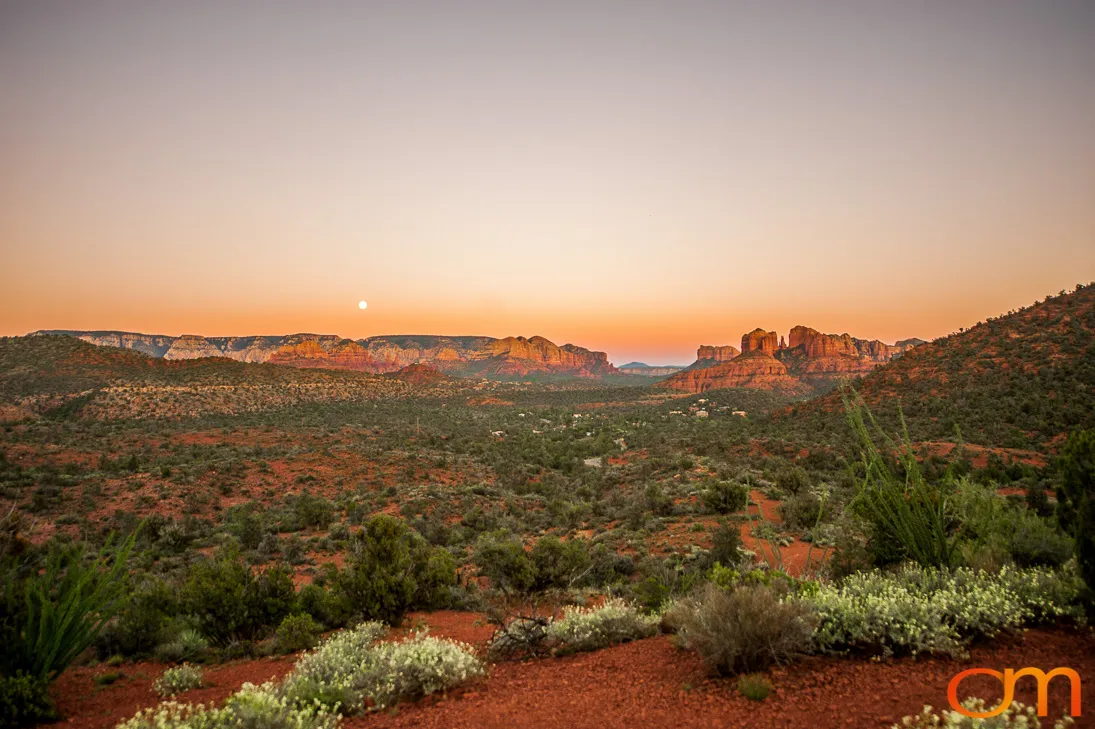
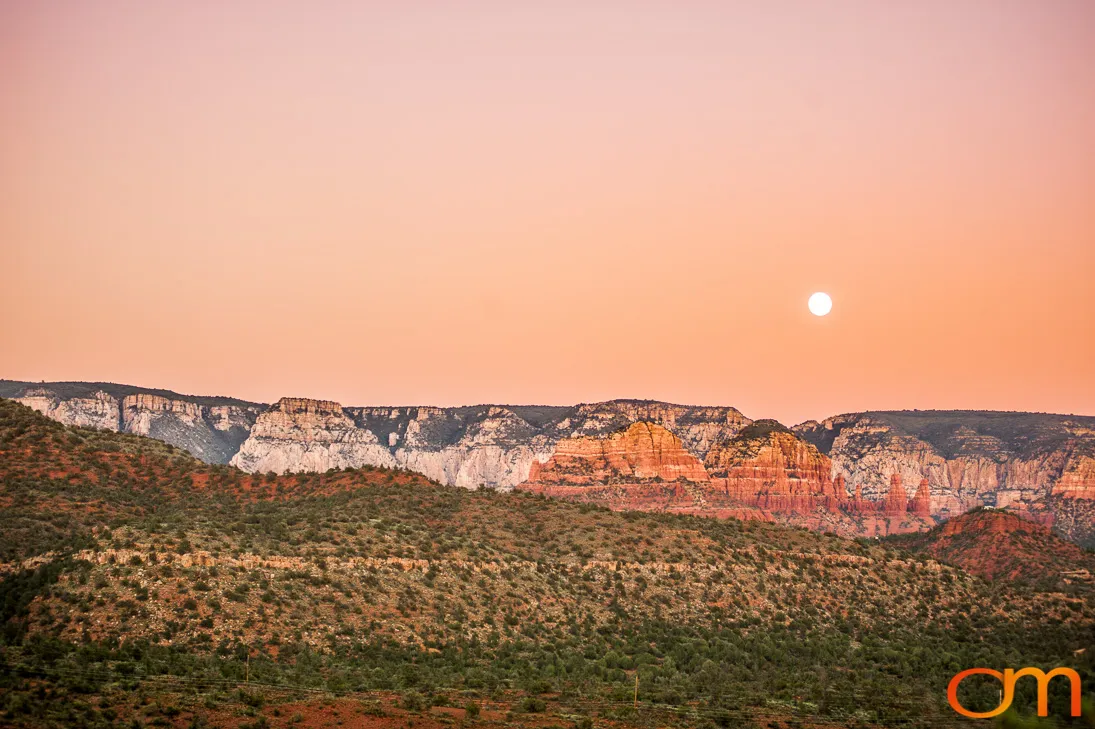
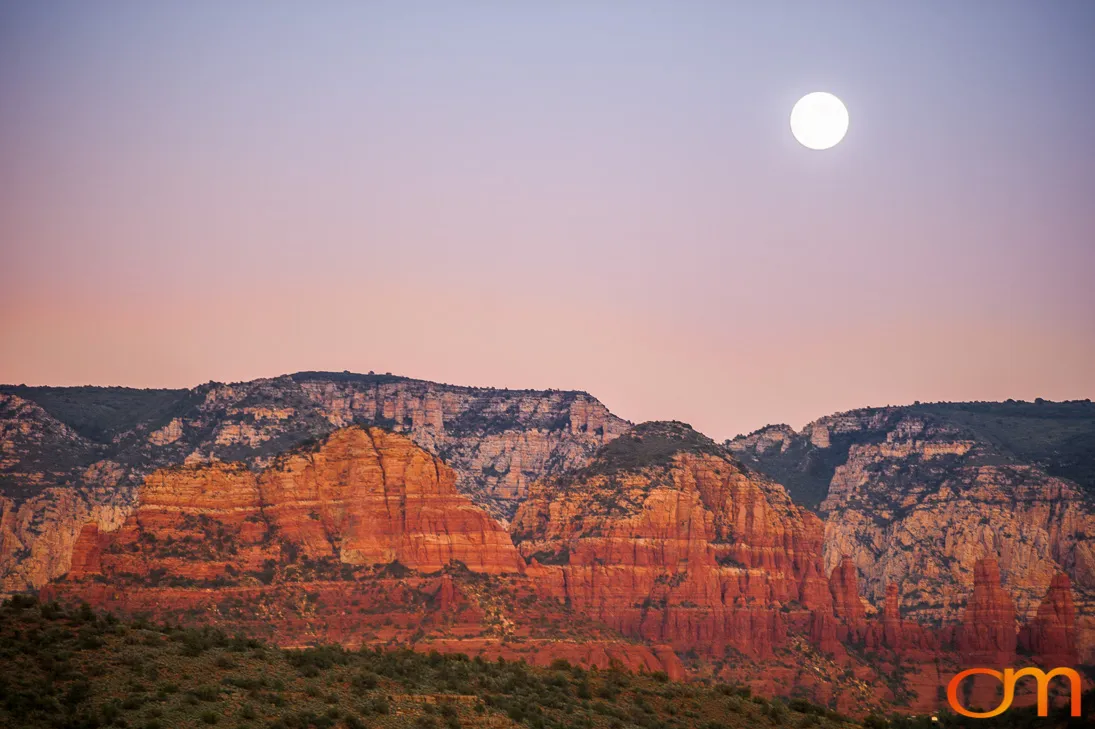
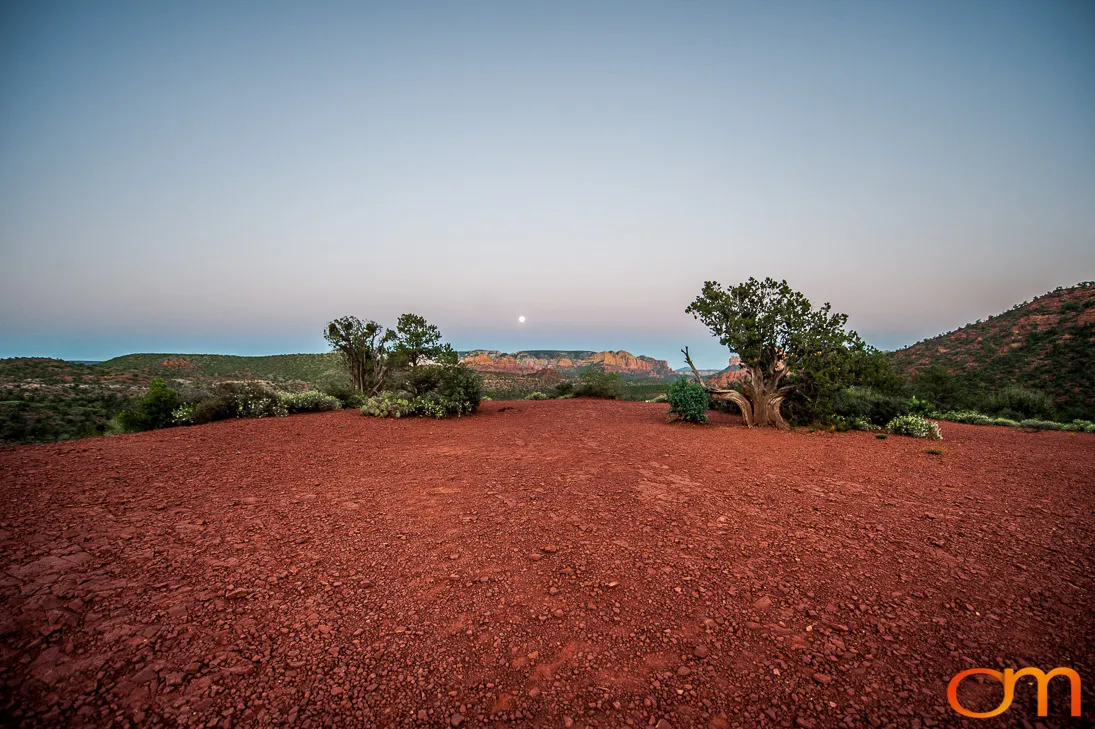
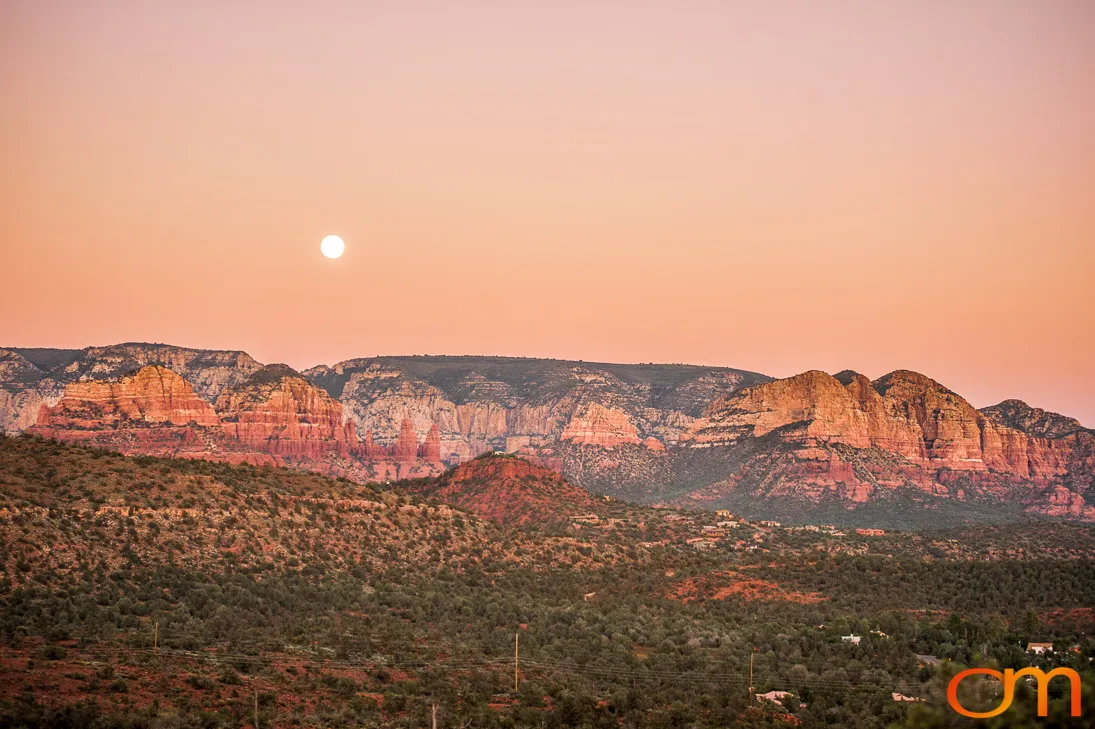
Harvest Moon over Sedona, Arizona
September 2013
The Harvest Moon is the full Moon closest to the Northern Hemisphere’s September equinox. It usually occurs in September, although it can fall in October. In 2013, the Harvest Moon reached full phase on September 19.
Around the autumn equinox, the Moon’s path meets the eastern horizon at a shallow angle across much of the Northern Hemisphere. Moonrise therefore occurs only slightly later on successive evenings, producing several evenings of bright moonlight soon after sunset. Before electric lighting, this additional evening light was associated with extending seasonal harvest work.
The Harvest Moon is not inherently larger, brighter, or more orange than other full Moons. A rising Moon can appear yellow, orange, or red because its light travels through more of Earth’s atmosphere near the horizon, where shorter blue wavelengths are scattered more strongly. In Sedona, the low moonrise appears above the region’s red-rock landscape.