Sikkim
Sikkim: Biodiversity, Sacred Landscapes and Organic Farming
December 2010
Sikkim is a small state in the eastern Himalayas of northeastern India. It borders the Tibet Autonomous Region of China to the north and northeast, Bhutan to the east, Nepal to the west, and the Indian state of West Bengal to the south. Covering approximately 2,740 square miles (7,096 square kilometers), Sikkim is India’s second-smallest state by area. The 2011 Census recorded a population of 610,577, making it the country’s least populous state. Once a Himalayan kingdom governed by hereditary rulers known as chogyals, Sikkim became India’s 22nd state on May 16, 1975.
Sikkim is both multiethnic and multilingual. Its officially recognized languages include Nepali, Bhutia, Lepcha, Limbu, Newari, Rai, Gurung, Mangar, Sherpa, Tamang, Sunuwar, and Bhujel. English is also used for the business of the state government and Legislative Assembly. This linguistic diversity reflects the traditions of the many communities that have shaped Sikkim.
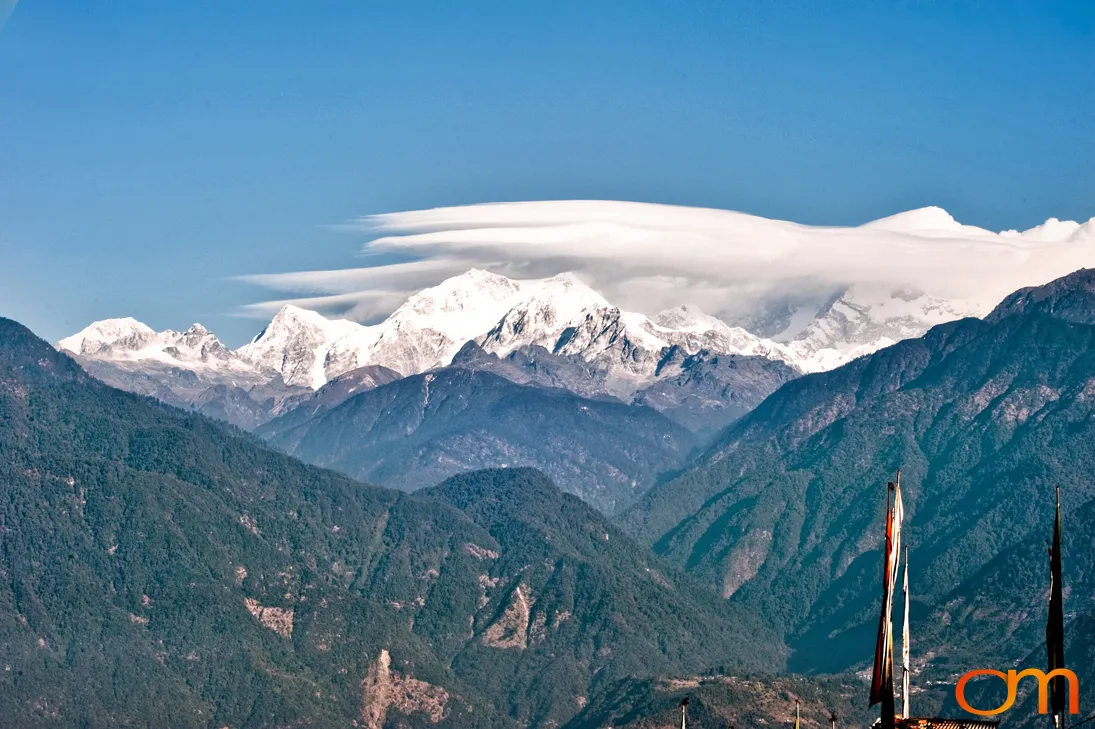
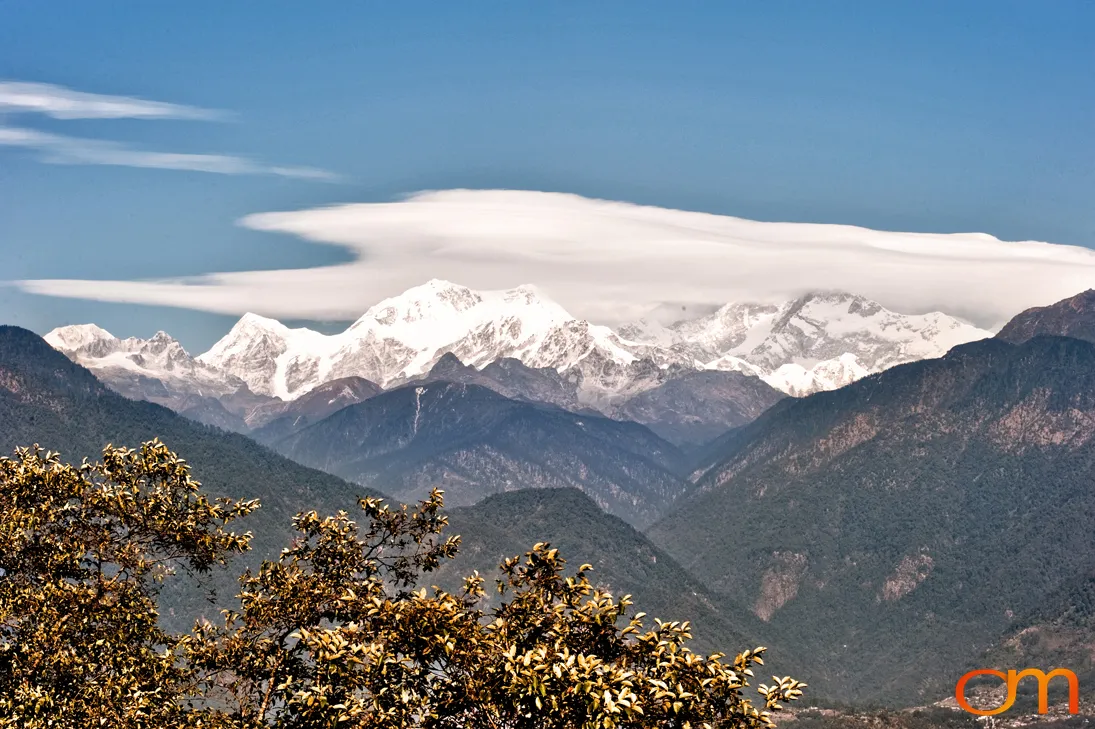
The state’s steep terrain rises from subtropical valleys to the 28,169-foot (8,586-meter) summit of Mount Khangchendzonga, the third-highest mountain on Earth. This dramatic elevation range supports forests, alpine meadows, glaciers, and other habitats containing more than 4,500 flowering plant species, approximately 550 orchid species, and 36 species of rhododendron.
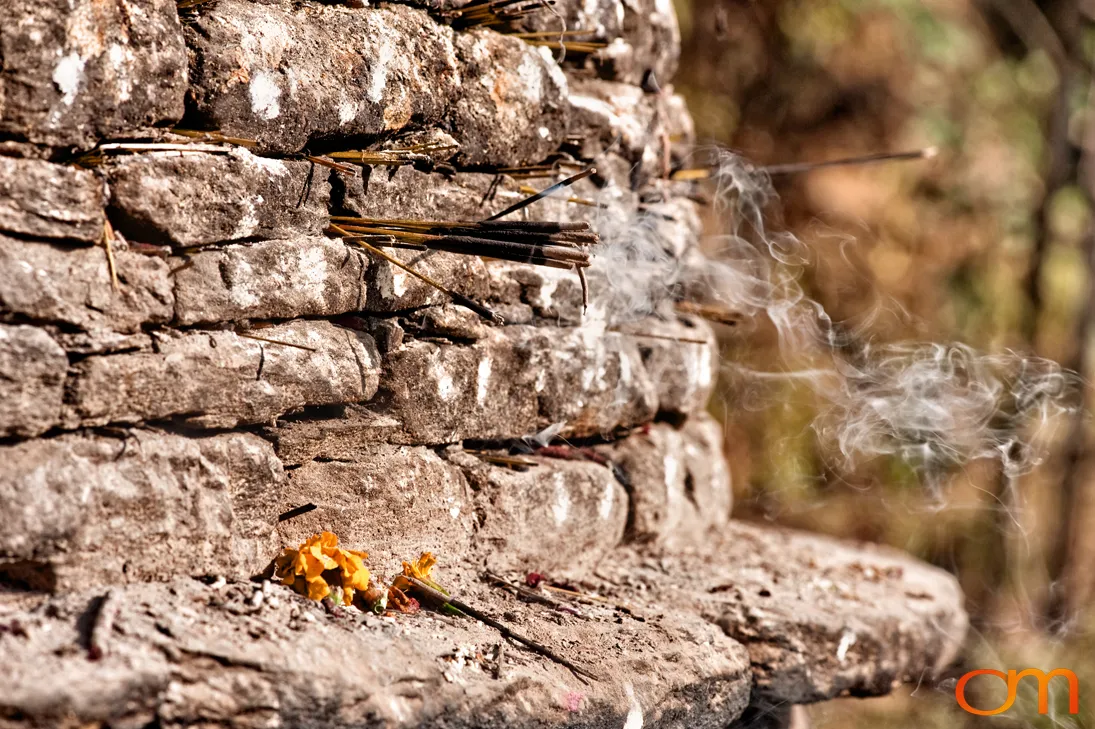
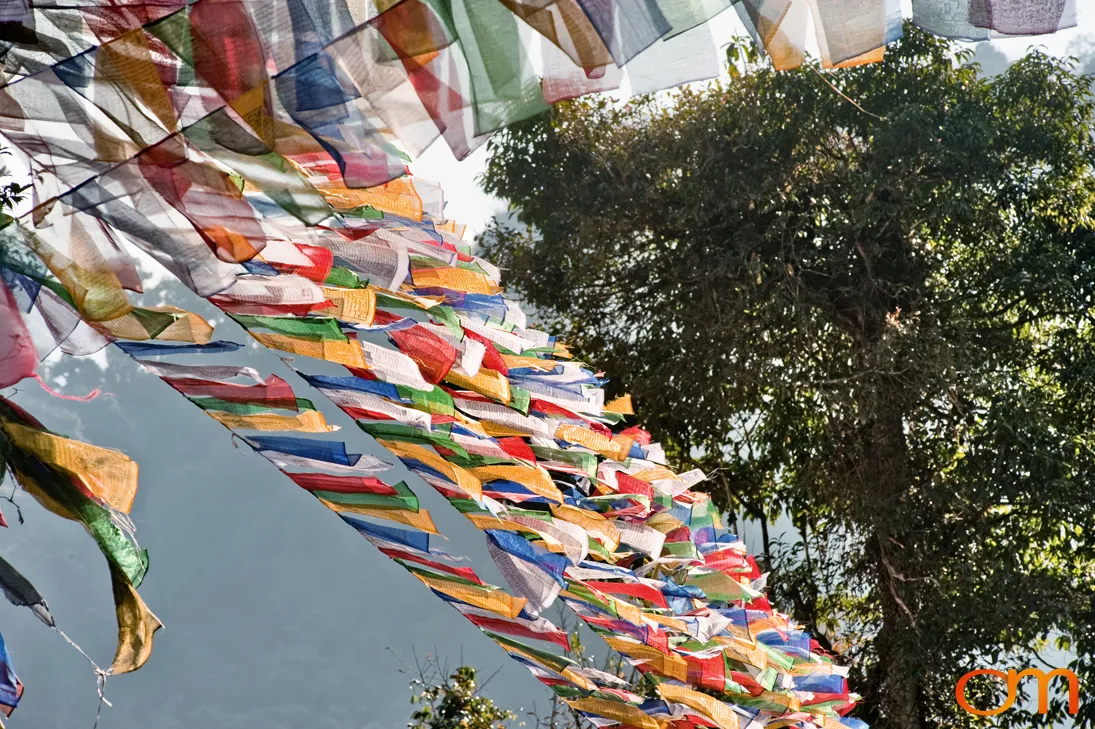
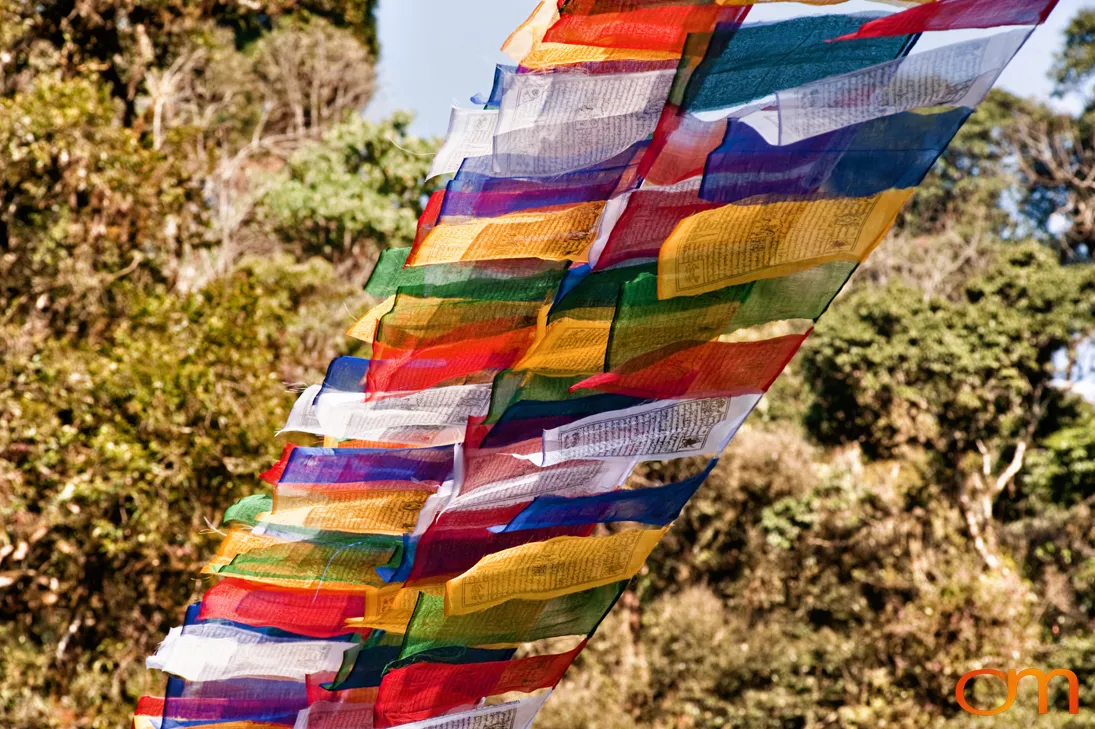
Khangchendzonga National Park covers roughly one-quarter of Sikkim. The park was designated a UNESCO World Heritage Site in recognition of both its natural biodiversity and its culturally sacred landscape. Mountains, lakes, caves, rocks, and other features within the park hold spiritual significance for communities in Sikkim.
Environmental policy has become an important part of Sikkim’s modern identity. In 2016, it became India’s first state to convert all of its agricultural land to certified organic production. Large cardamom, a Himalayan spice and one of Sikkim’s principal cash crops, remains closely associated with the region.
Sikkim has also introduced environmental restrictions in stages. Measures regulating plastic bags and wrappers began in the 1990s, followed by later restrictions on several single-use plastic items, disposable foam products, and smaller packaged drinking-water bottles.
Maenam Wildlife Sanctuary protects temperate forests and a variety of medicinal plants in southern Sikkim. Its name is commonly interpreted as “treasure-house of medicines,” reflecting the botanical importance traditionally associated with the area.