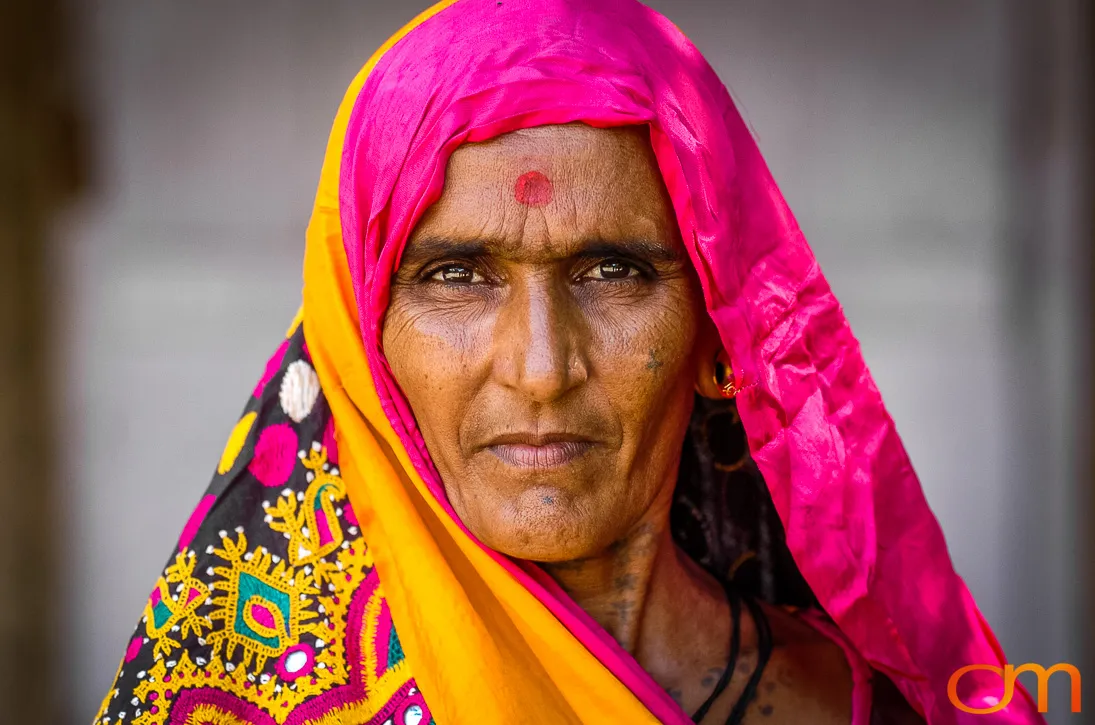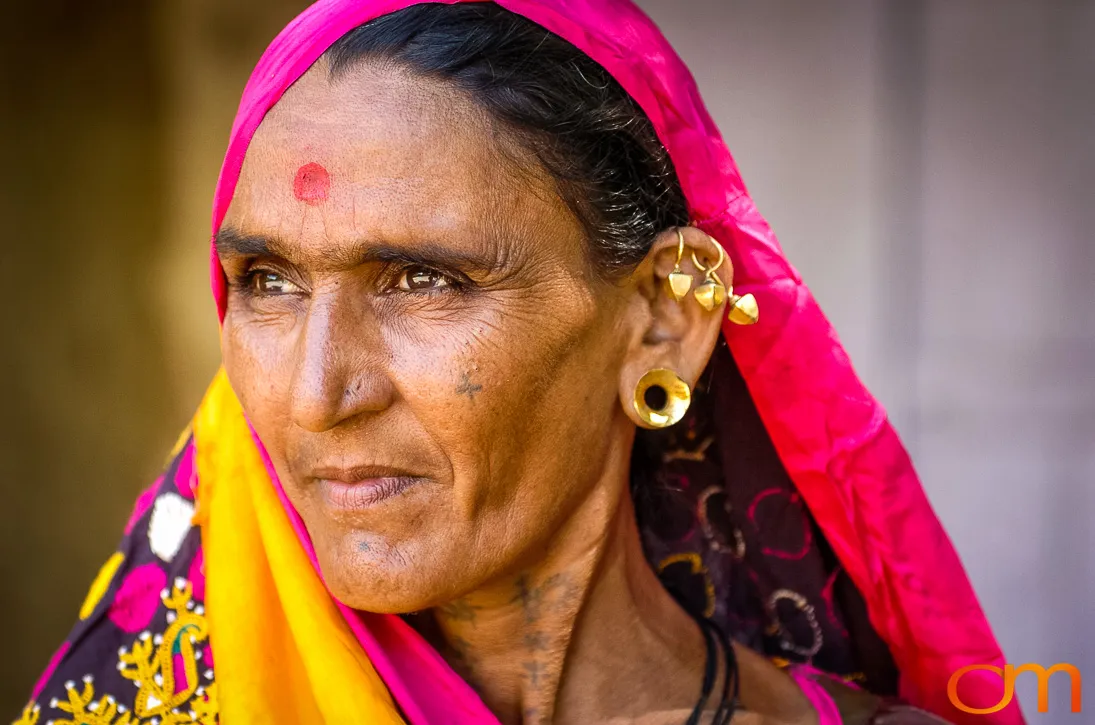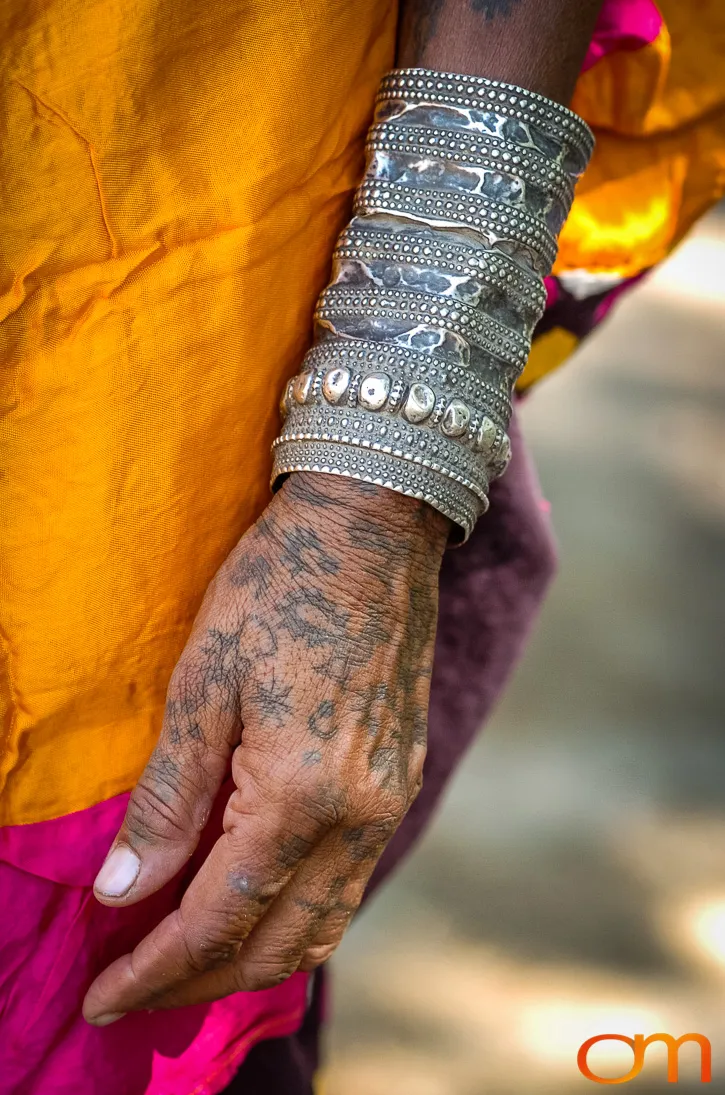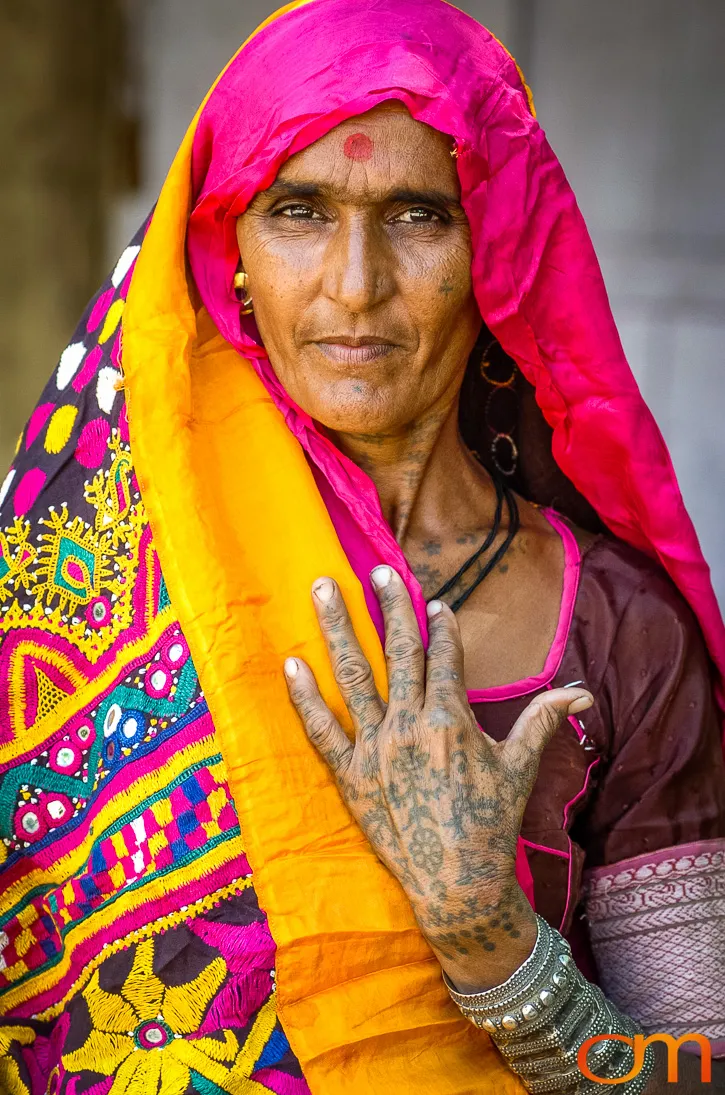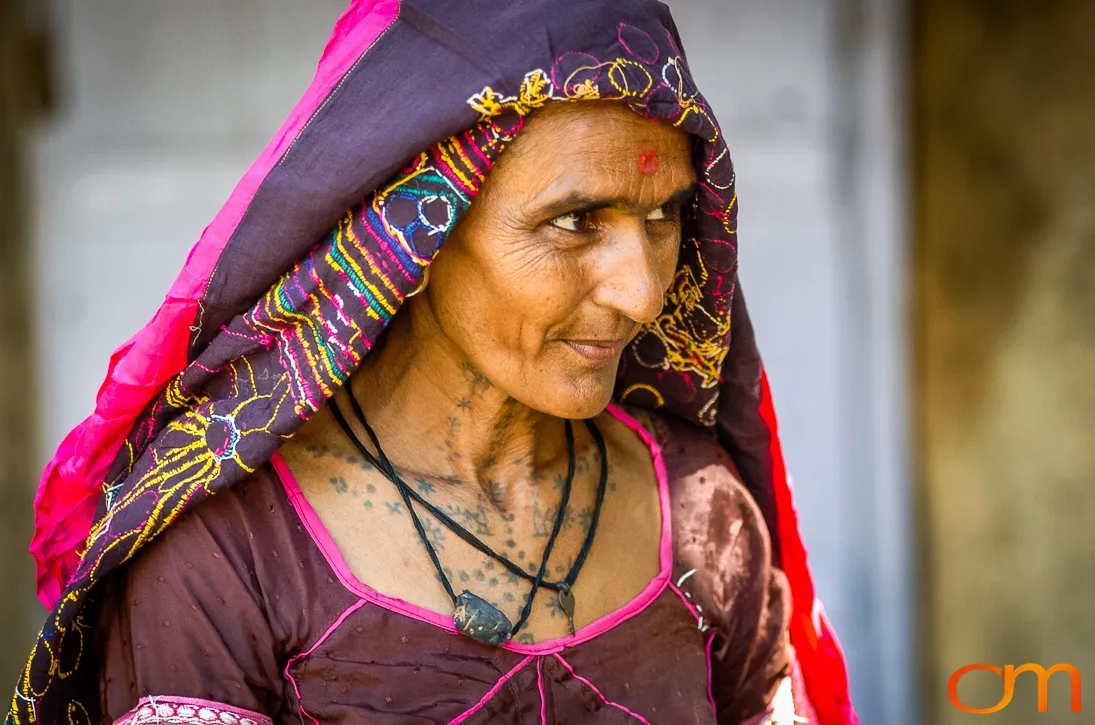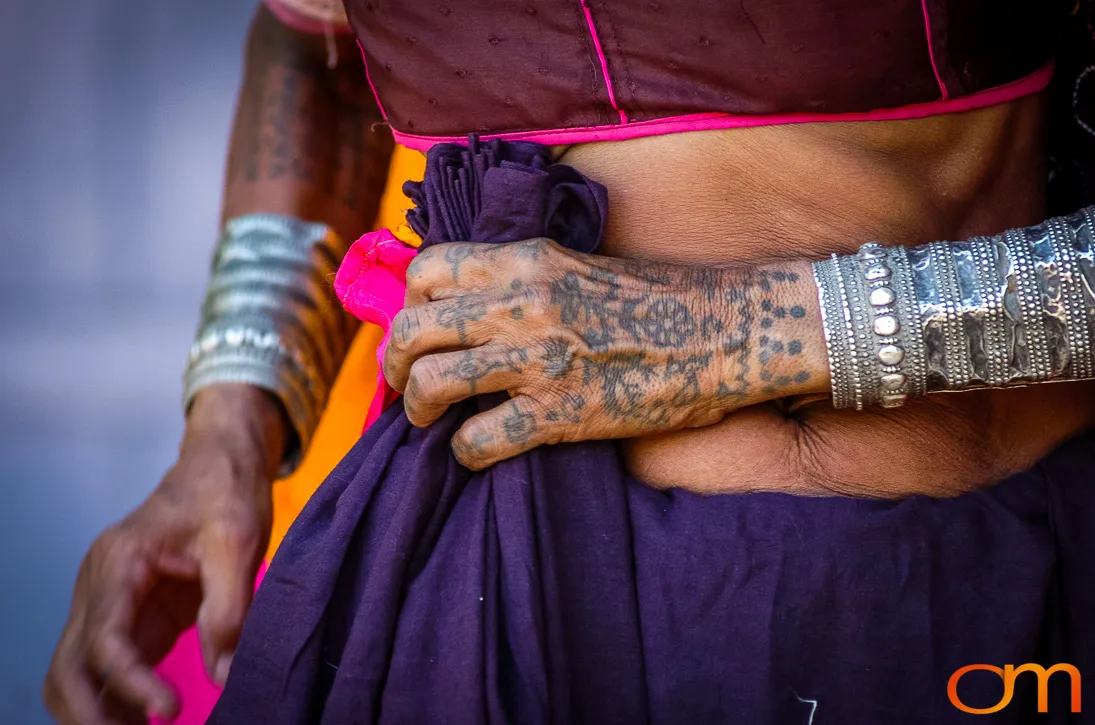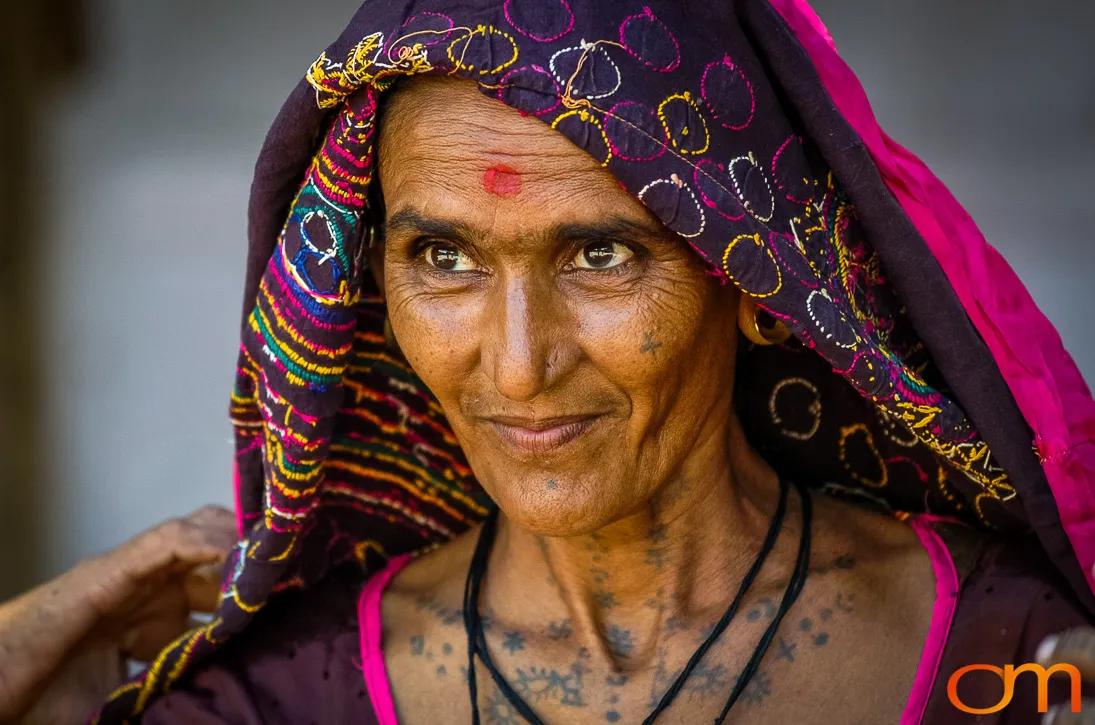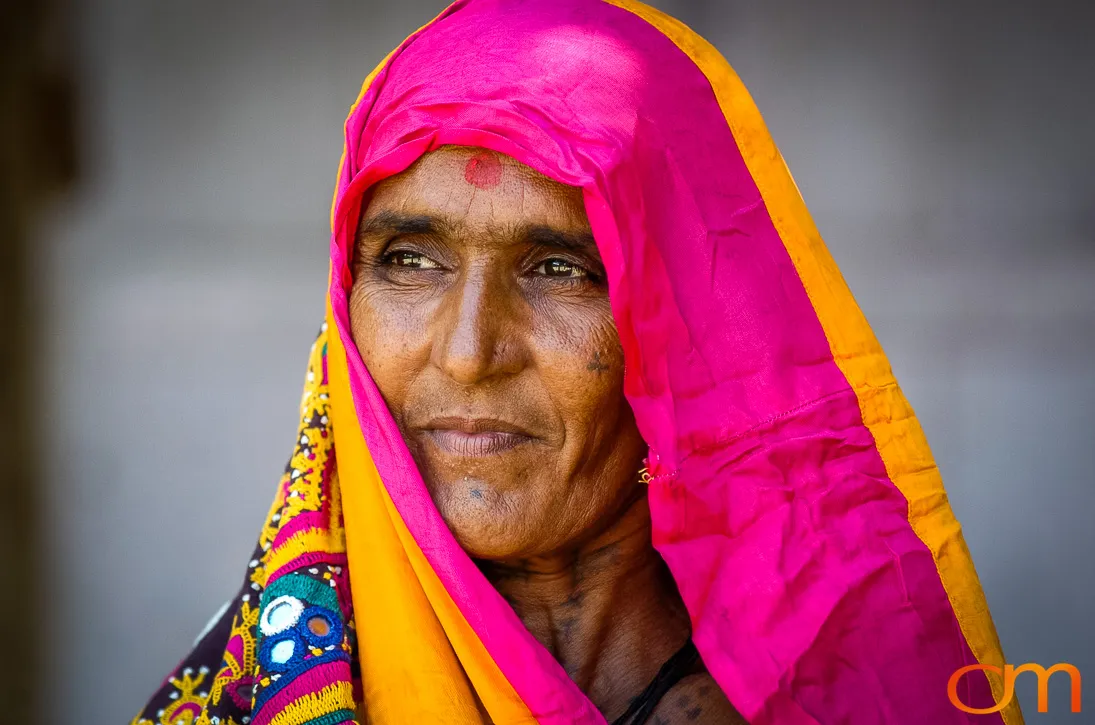
Gujarat
India: Traditional Sari
September 2004
The sari is an unstitched length of cloth worn in India and elsewhere in South Asia. Its name is derived from the Sanskrit word śāṭī, meaning a strip of cloth. Depending on the regional tradition and method of draping, a sari may measure approximately 5 to 9 yards (4.5 to 8 meters) in length. Rather than being cut and tailored into a fixed shape, the fabric is wrapped, pleated, tucked, and arranged around the body.
Draped clothing has been represented in South Asian literature, sculpture, and art for centuries. However, the modern sari did not originate in a single place or at one precisely documented moment. It developed through numerous regional textile and clothing traditions, influenced by local climates, occupations, religious practices, available materials, and changing ideas about dress.
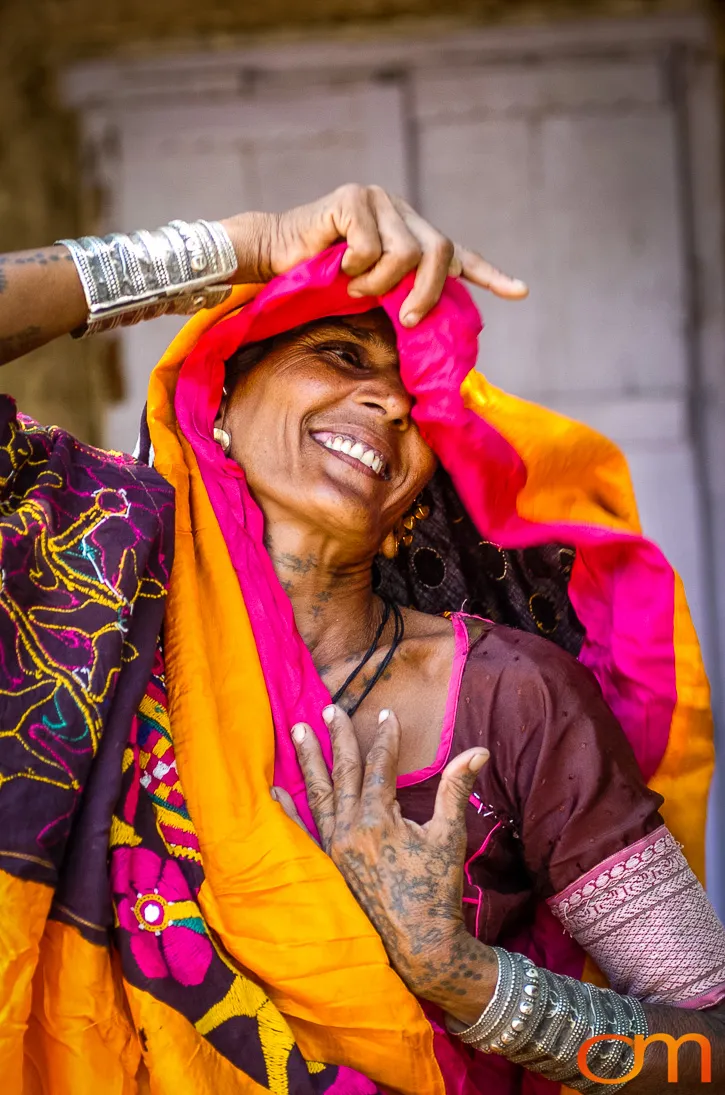
A traditionally woven sari may contain several distinct sections. The main area is known as the field, while decorative borders extend along its sides. One end, called the pallu, is often more elaborately woven or decorated and may be arranged over the shoulder or used to cover the head. The weight and density of the border and pallu can also help the fabric hang correctly when draped.
India has many regional sari drapes rather than one universal method. The widely recognized Nivi style uses pleats tucked at the front of the waist, with the pallu carried over one shoulder. It is commonly worn with a fitted blouse, or choli, and a petticoat. These accompanying garments are now widespread, but they are not required by every regional draping tradition and became increasingly common during the colonial period.
Saris are produced in cotton, silk, wool, synthetic fibers, and blended fabrics. Their weaving methods, motifs, colors, and borders may indicate a region, weaving center, community, or intended occasion. Saris worn for weddings and ceremonies also vary considerably; no single color, fabric, or decorative style represents all Indian bridal traditions.
The sari remains both a practical garment and an important form of textile heritage. A single rectangular textile can be adapted through draping for work, ceremony, climate, mobility, and individual preference, allowing the garment to change while retaining its fundamental unstitched form.