Yamuna
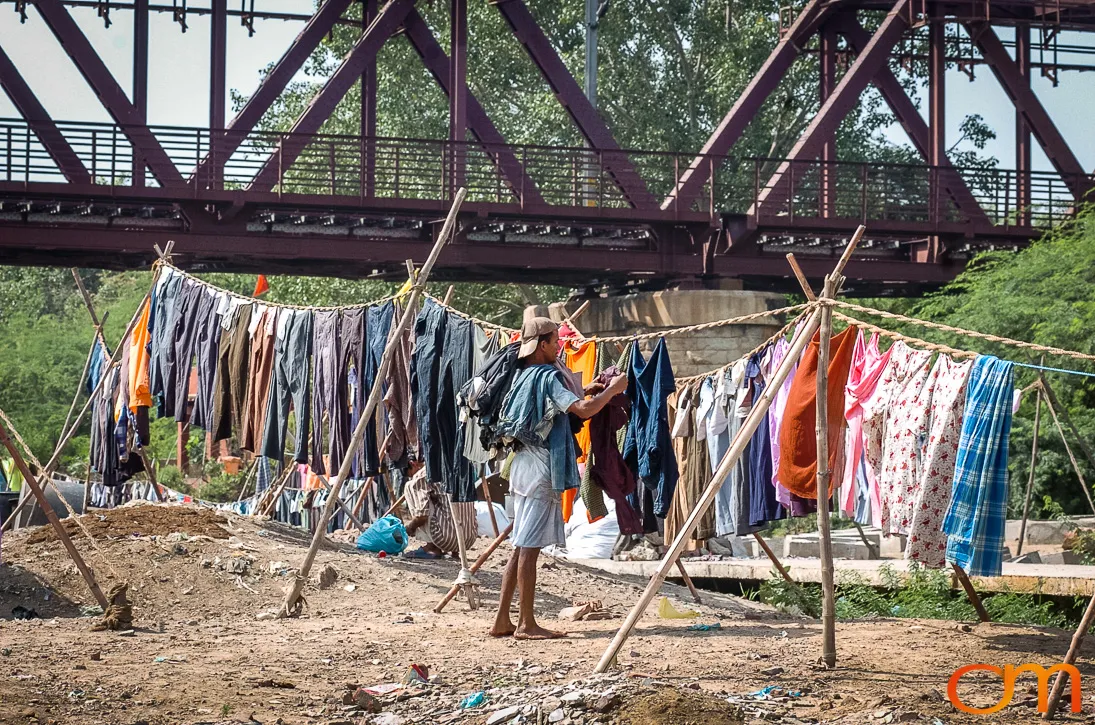
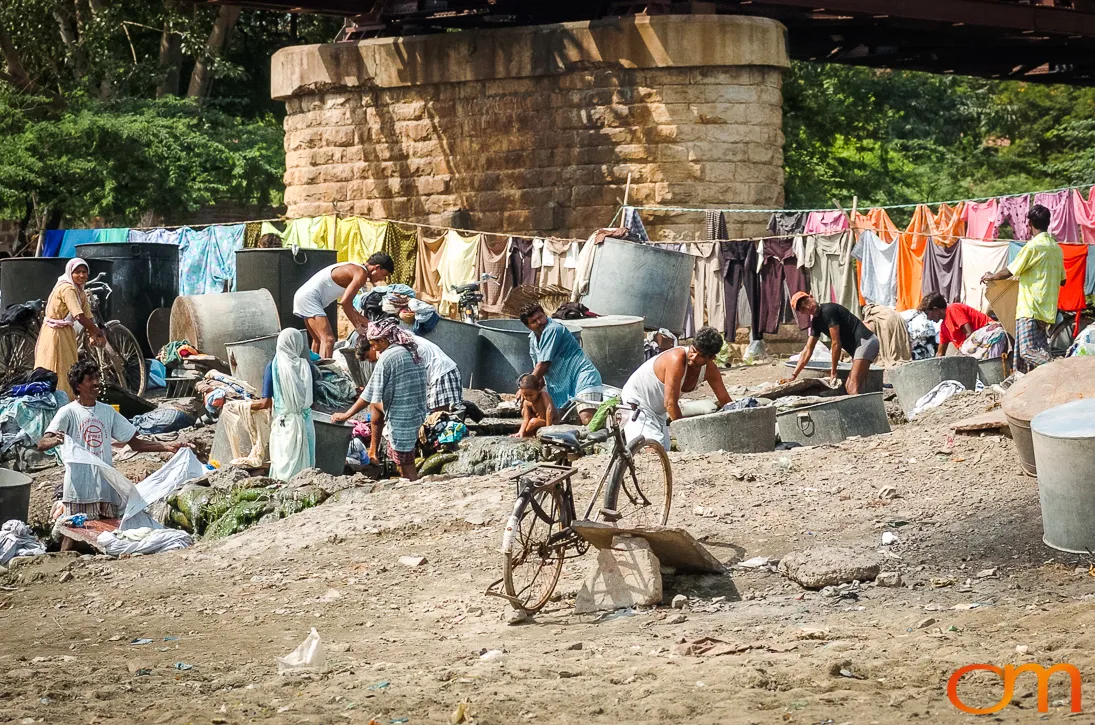
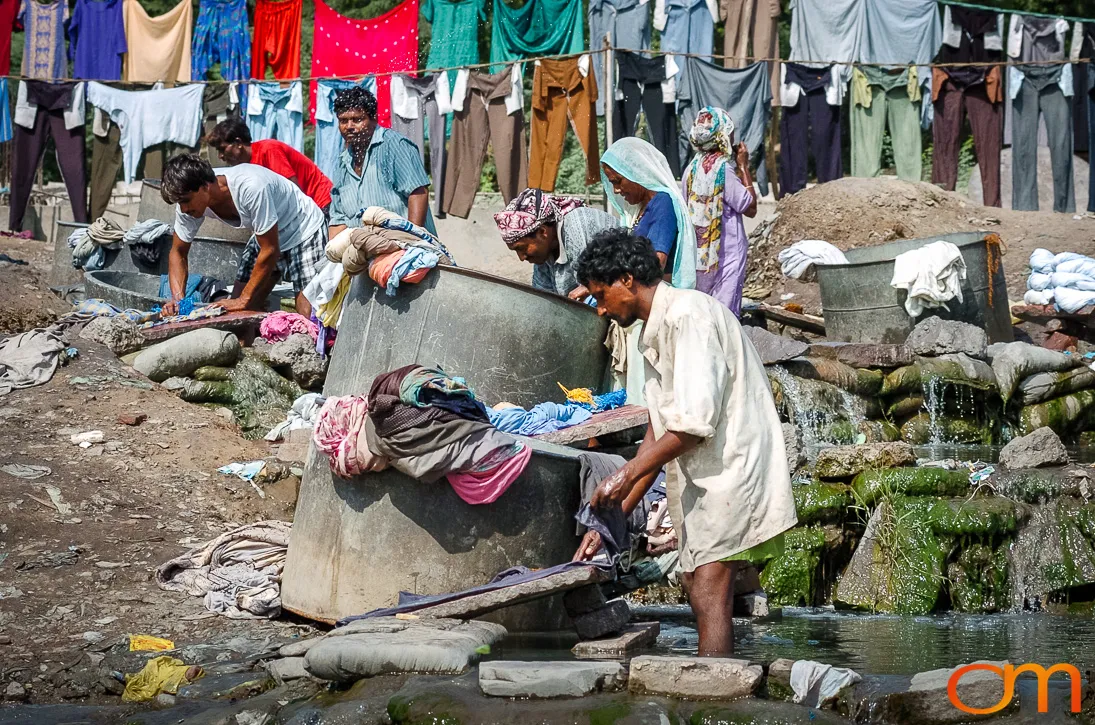
Open-Air Laundry Along the Yamuna River, Agra, 2004
September 2004
The Yamuna is a major tributary of the Ganges and one of northern India’s most important river systems. Its headwaters rise in the western Himalaya near Yamunotri and the Bandarpunch massif. From there, the river travels approximately 855 miles (1,376 kilometers) before joining the Ganges at Prayagraj. Because it ends at this confluence rather than reaching the ocean independently, the Yamuna has been described as the longest river in India that does not flow directly into the sea. Major tributaries include the Tons, Chambal, Sind, Betwa, and Ken.
The river also holds substantial religious and cultural importance. In Hindu traditions, the Yamuna is personified and worshipped as a goddess. Historical sculptures and architectural carvings frequently depict Yamuna carrying a water vessel and standing on a tortoise, her traditional vahana, or symbolic mount.
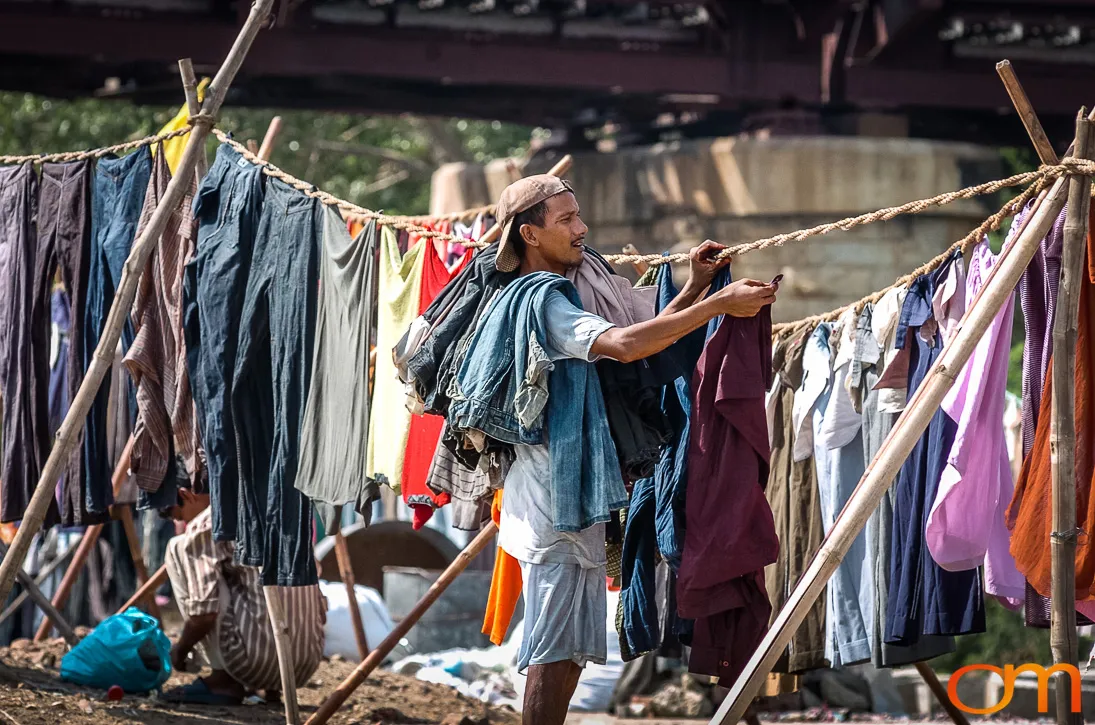
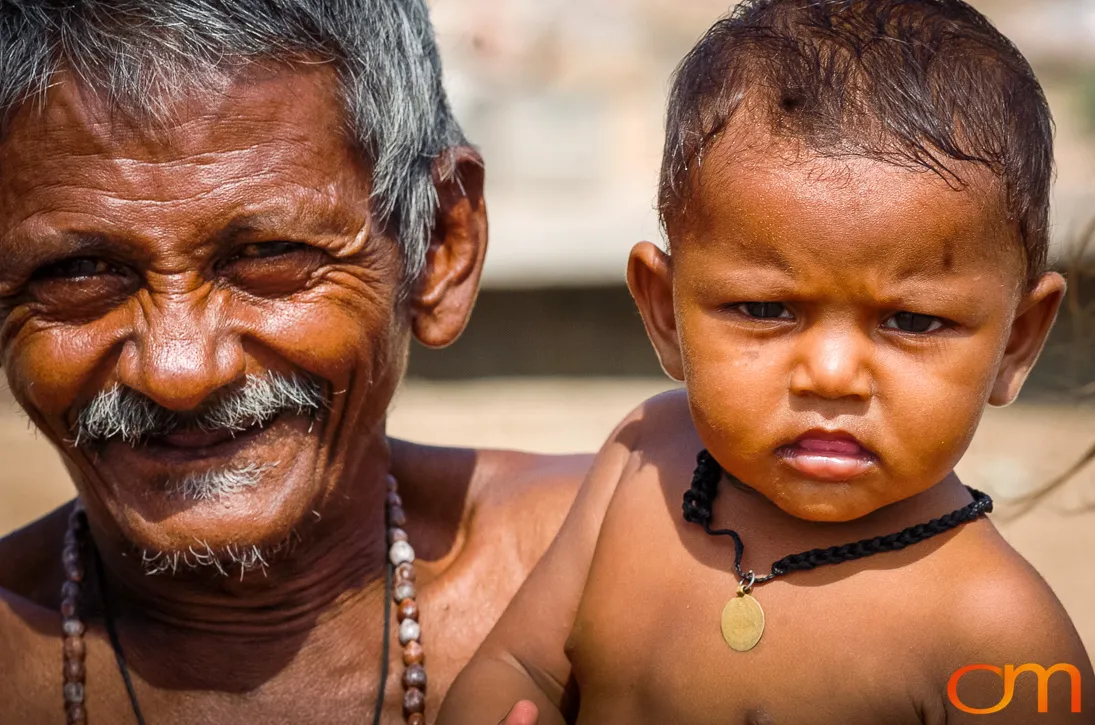
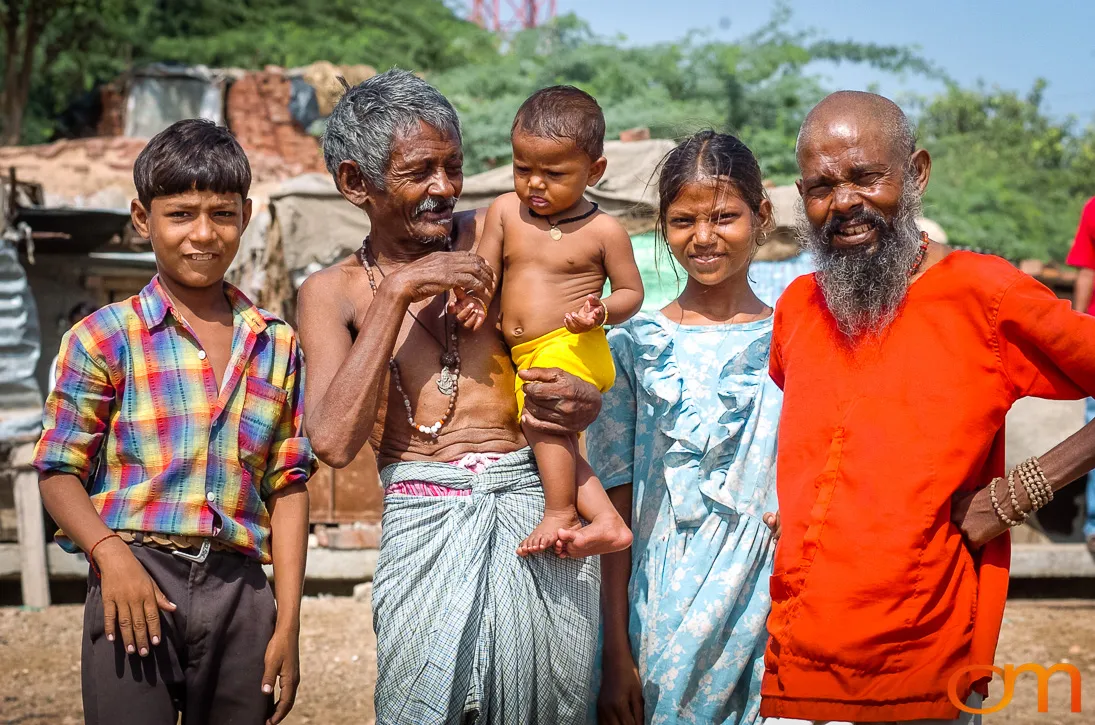
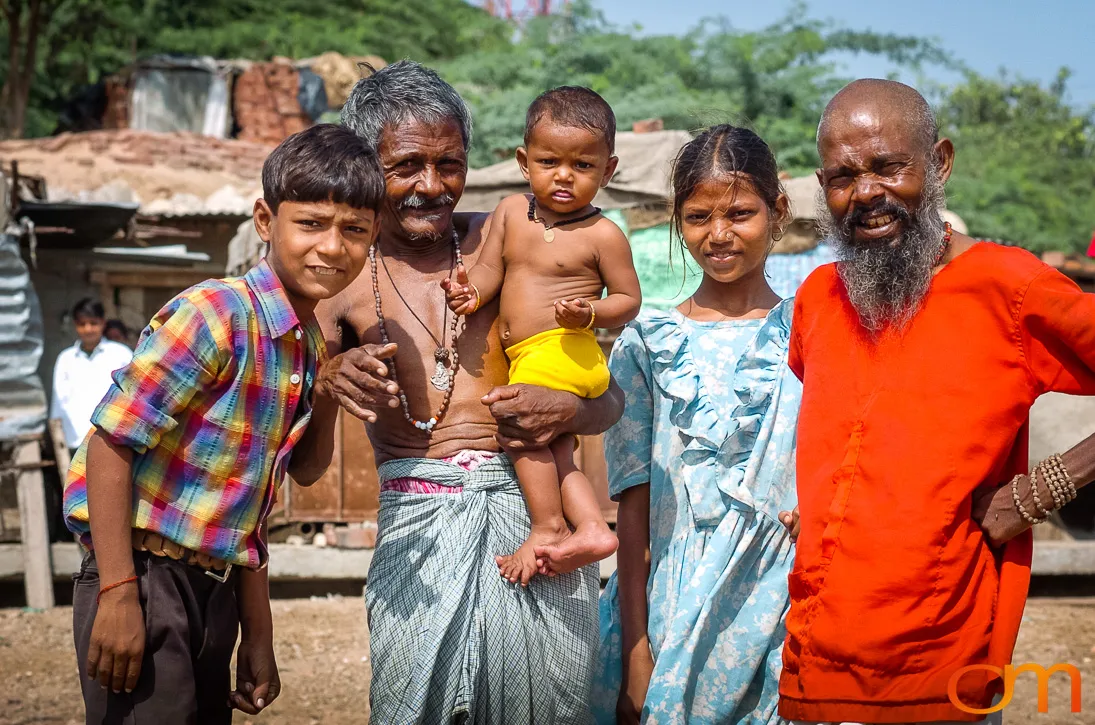
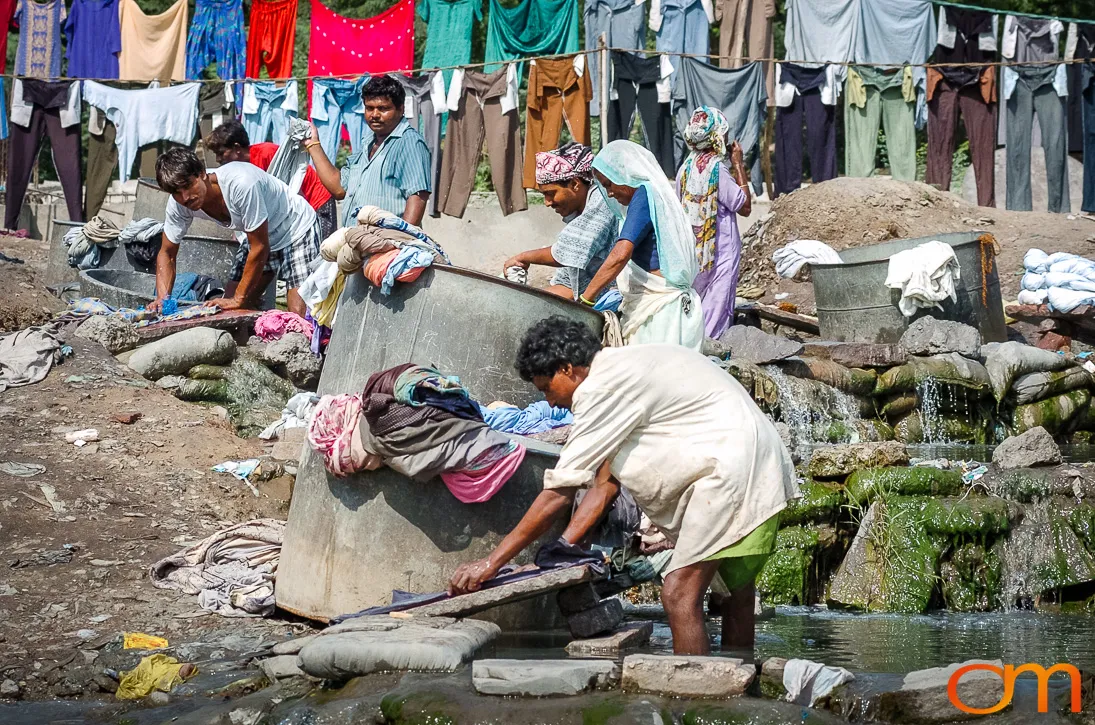
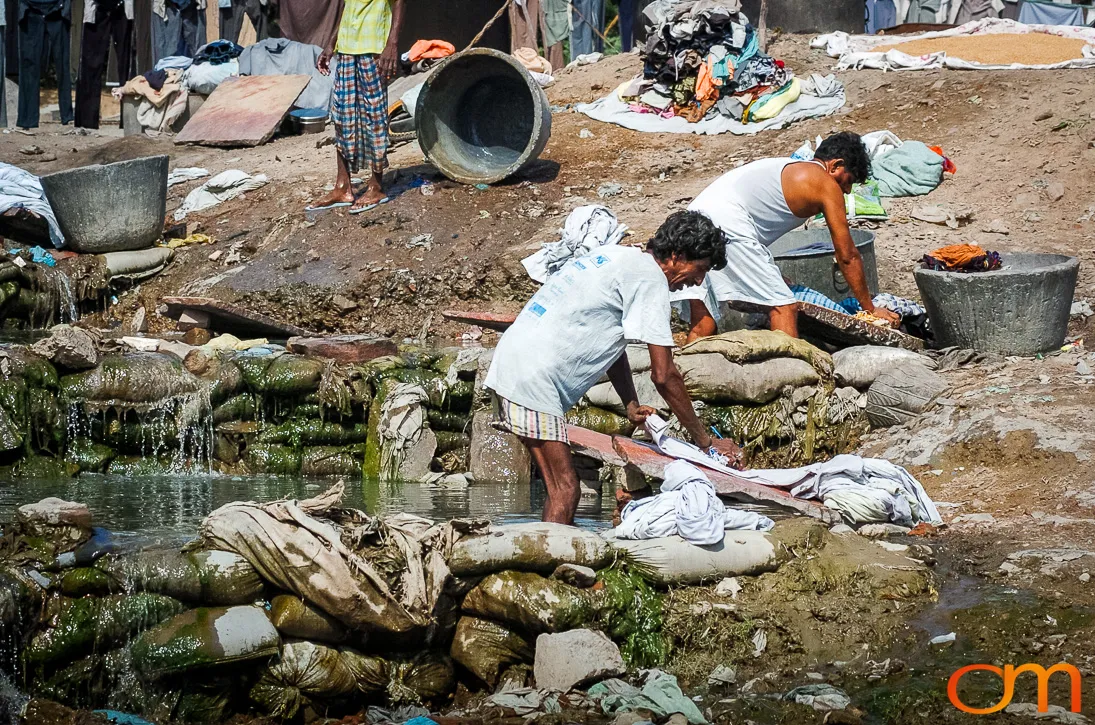
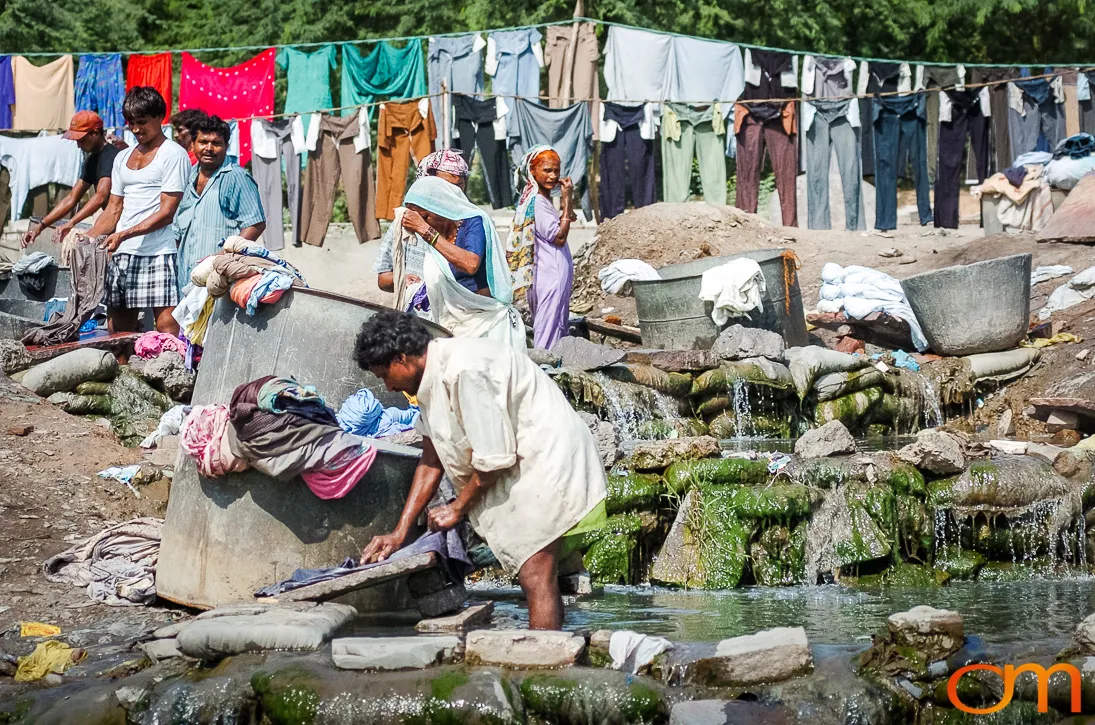
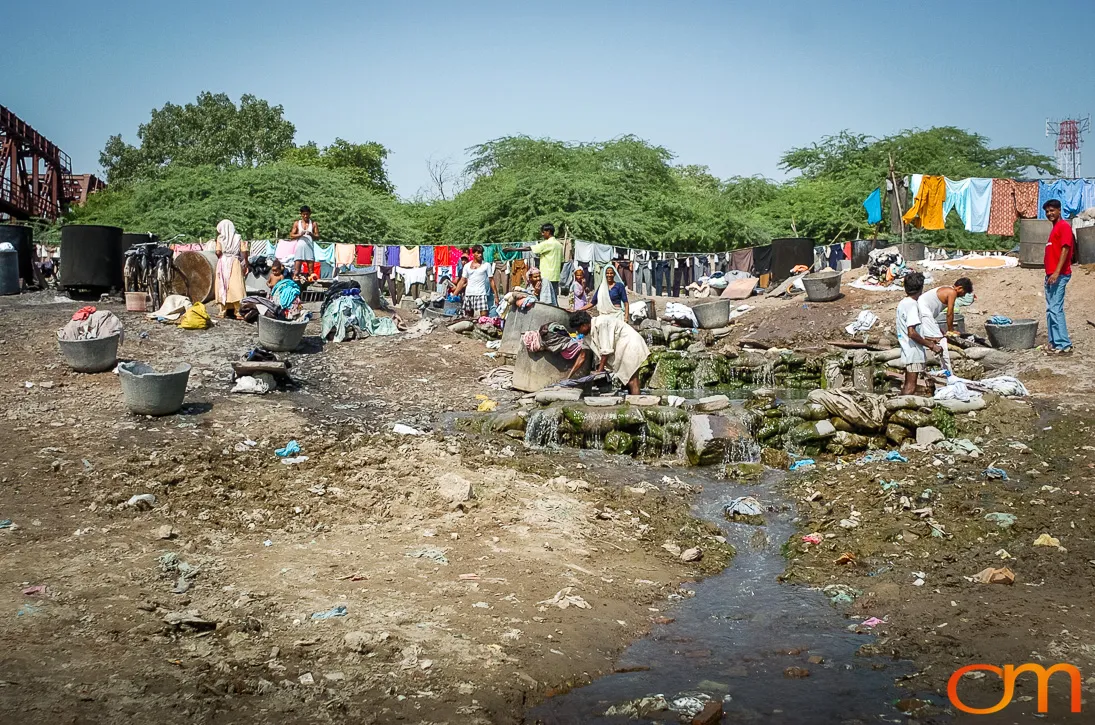
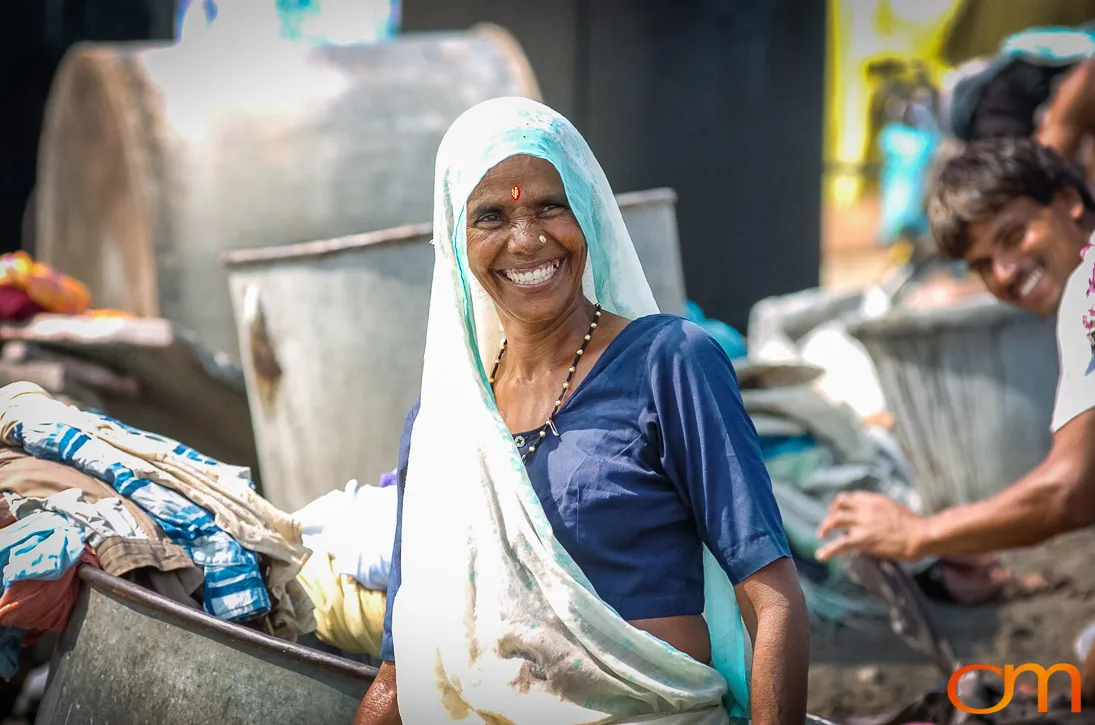
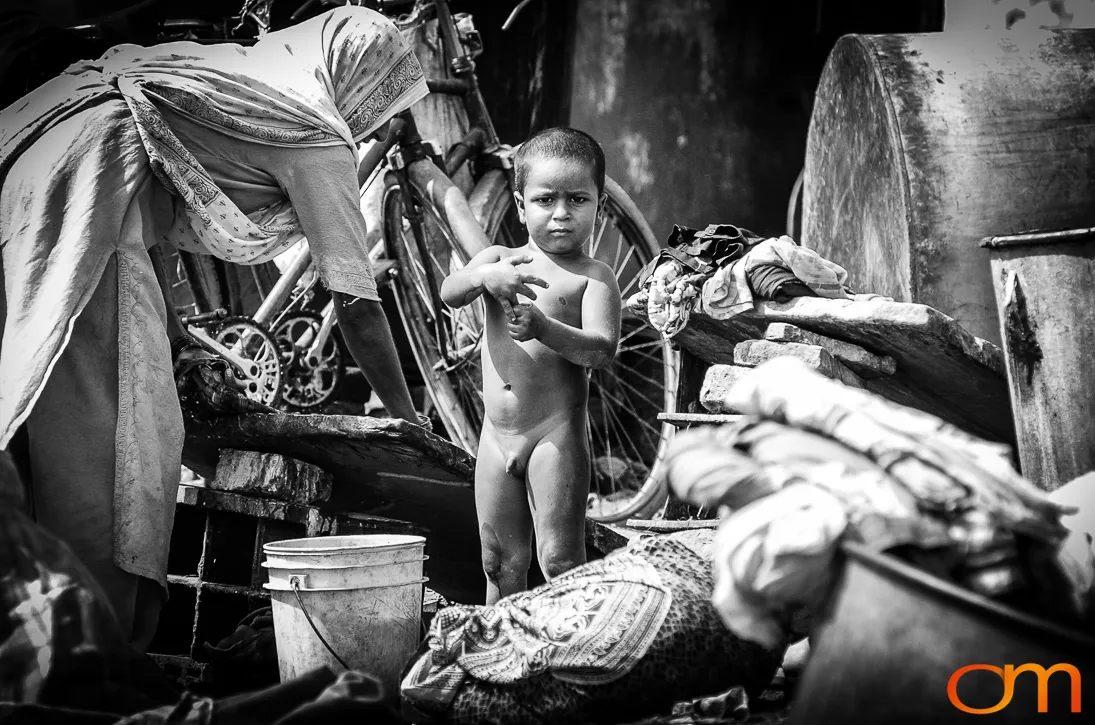
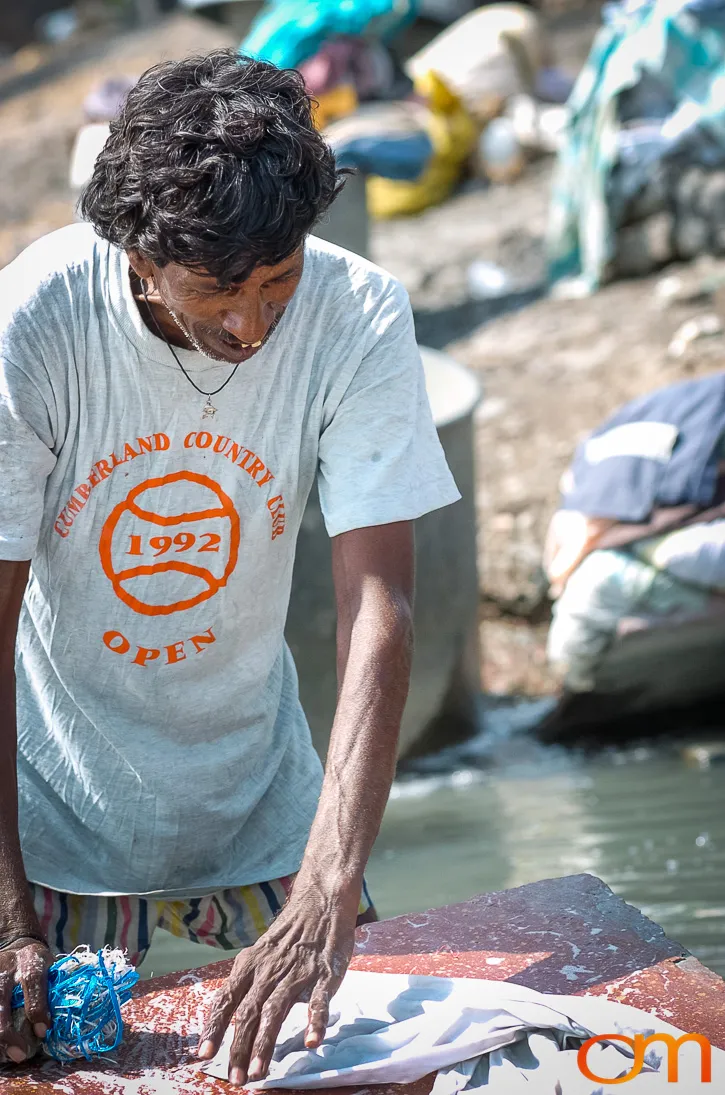
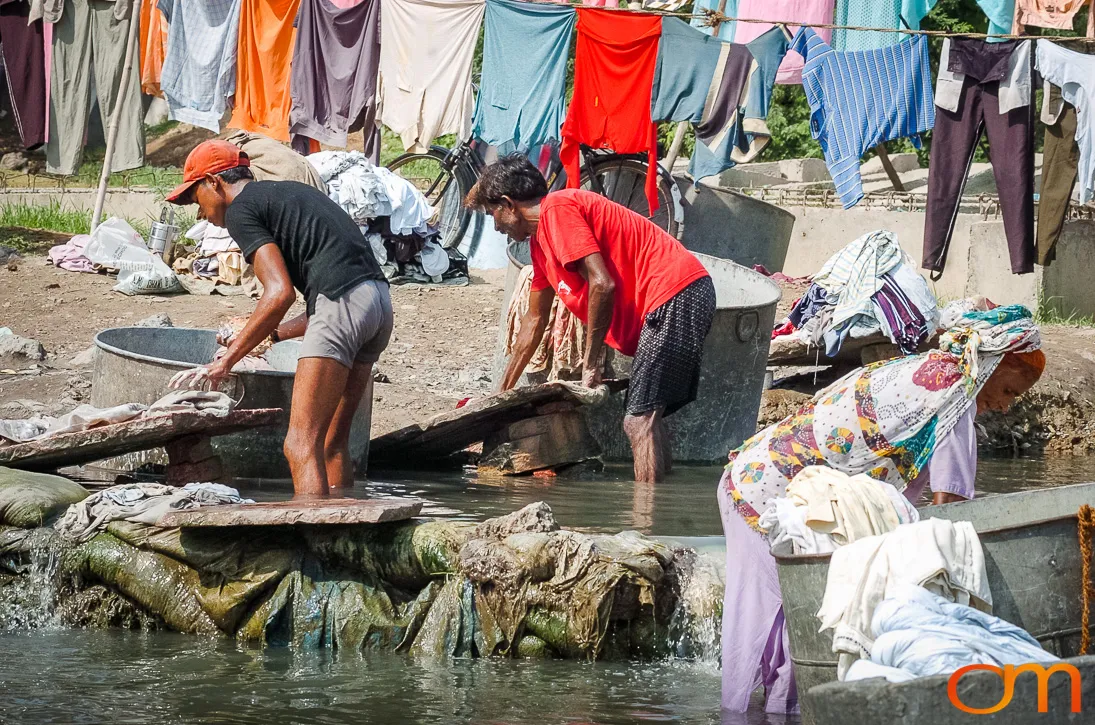
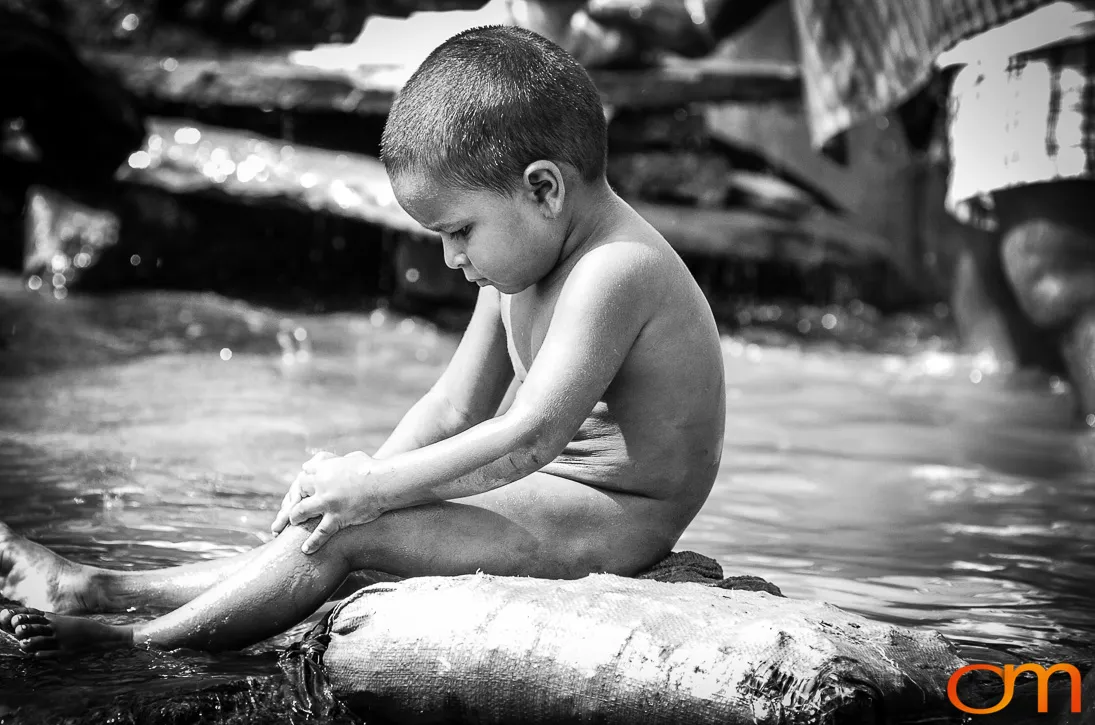
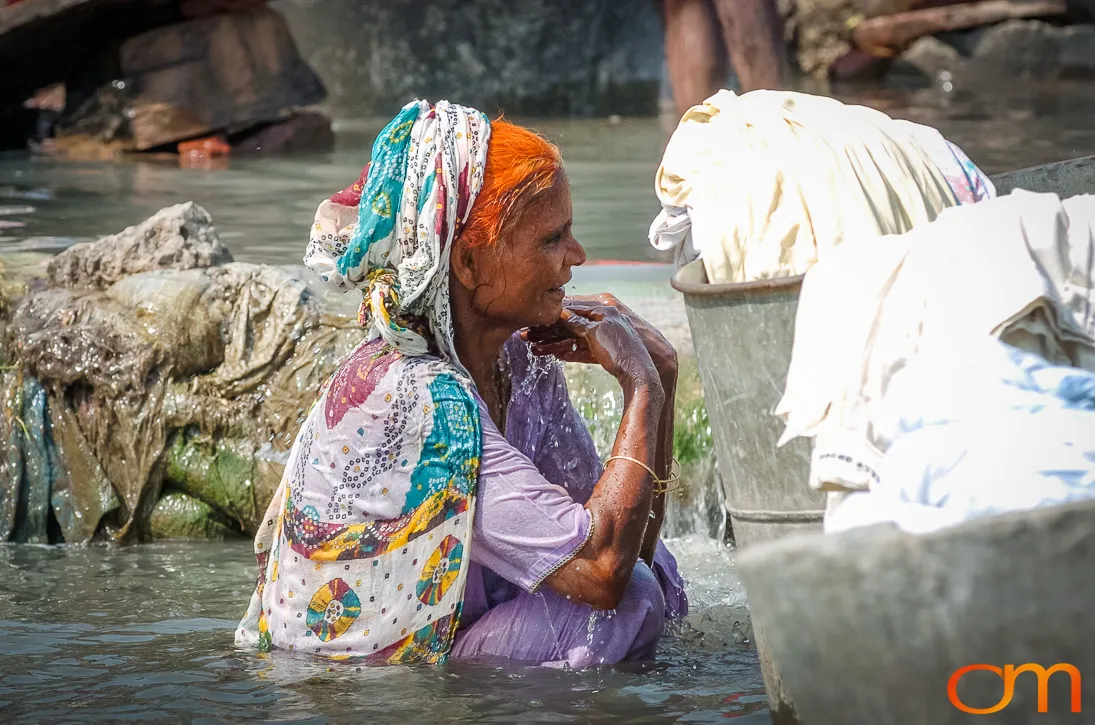
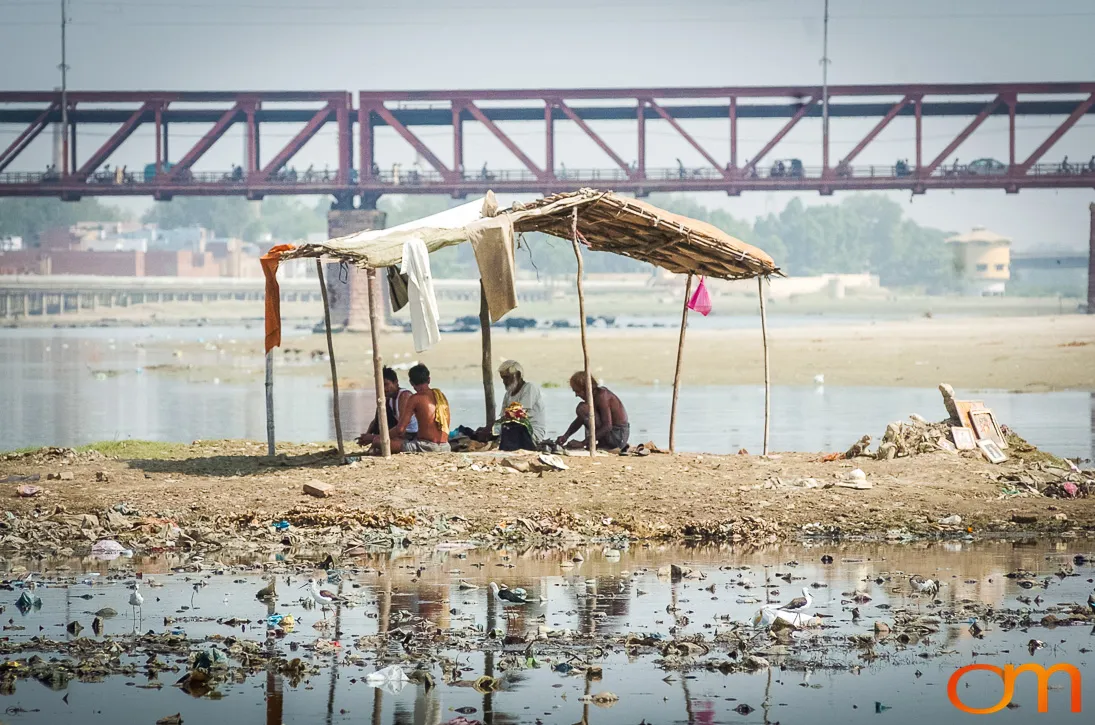
These photographs, taken in Agra in 2004, document an open-air laundry area along the Yamuna riverbank. Workers soaked, scrubbed, beat, rinsed, and wrung garments by hand before spreading them across the ground or hanging them from extensive lines to dry. Metal tubs, stone washing surfaces, wooden supports, and the nearby railway bridge formed part of the working environment. The images also record the families, children, temporary structures, accumulated waste, and shallow channels surrounding the laundry site.
Open-air communal laundry areas in South Asia are commonly called dhobi ghats. The term dhobi traditionally refers to a laundry worker but can also carry occupational, community, and caste associations. It should therefore not be used as a general label for all women or every person photographed at the site.
The river water visible in the photographs should not be characterized as clean or pure. A Government of India assessment published in 2006—close to the period documented—described the Yamuna through Delhi and Agra as severely affected by reduced water flow and domestic, industrial, and agricultural wastewater. The report recorded biochemical oxygen demand downstream of Agra at 39 milligrams per liter, compared with a bathing-water target of 3 milligrams per liter. Later monitoring has continued to document poor water quality around Agra.
The photographs preserve a specific moment in the relationship between the Yamuna and the people who depended on its banks for work, washing, transportation, and community life. They also document the difficult intersection of traditional livelihoods, urban growth, inadequate sanitation infrastructure, and river pollution.