Suva
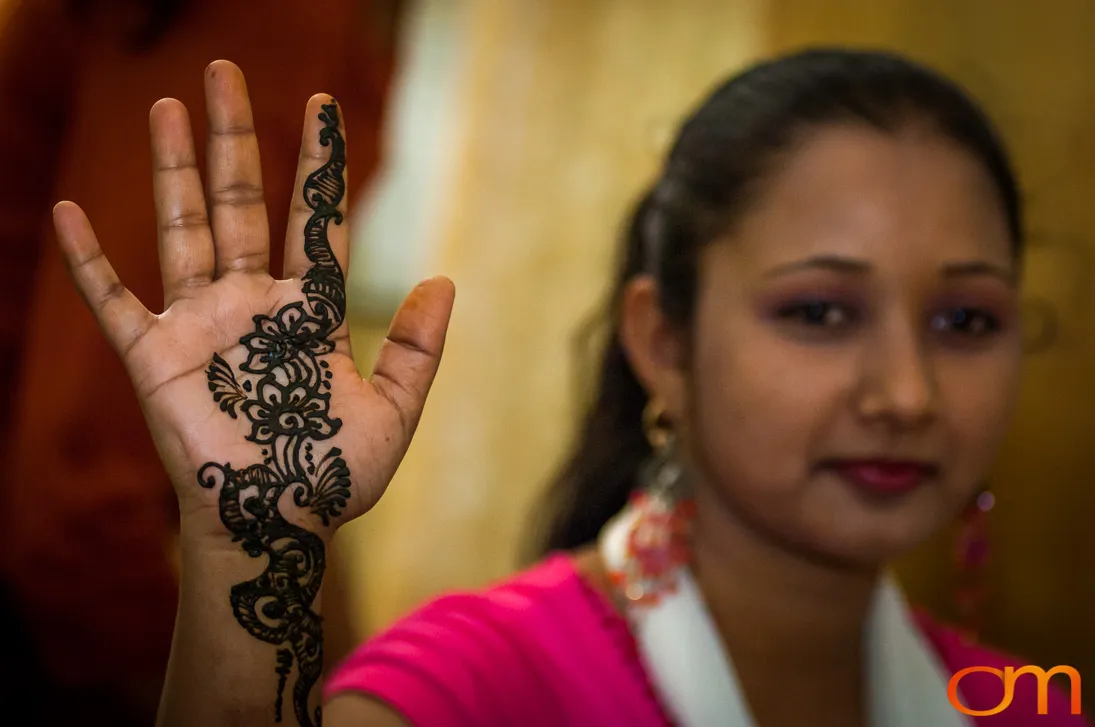
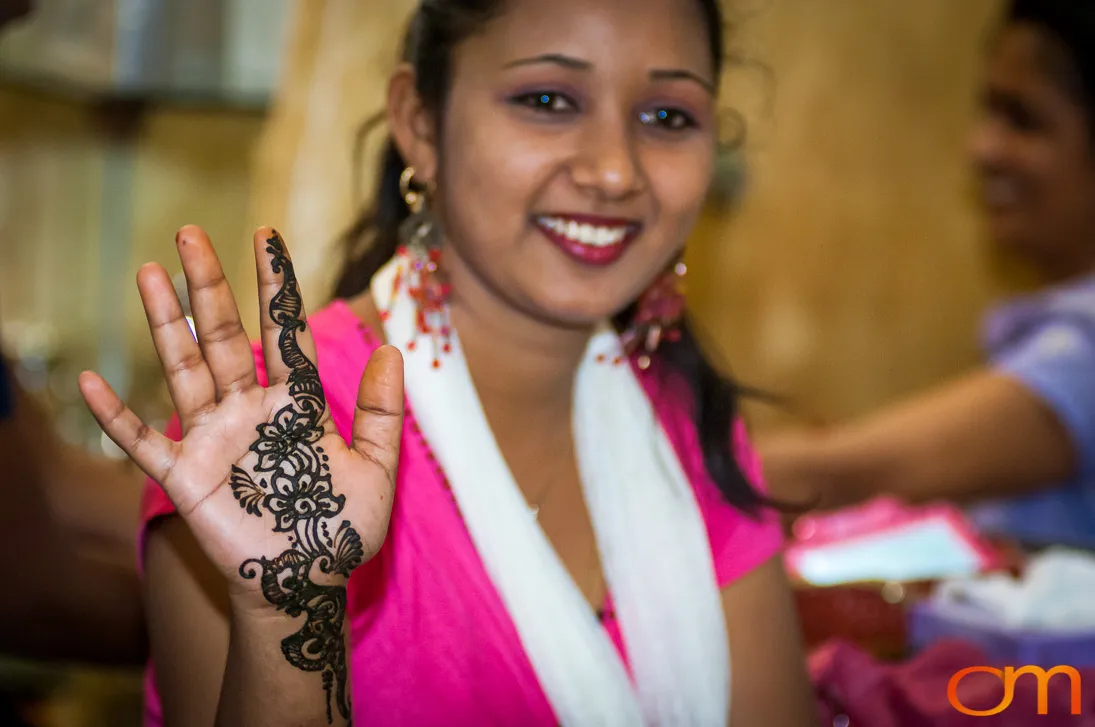
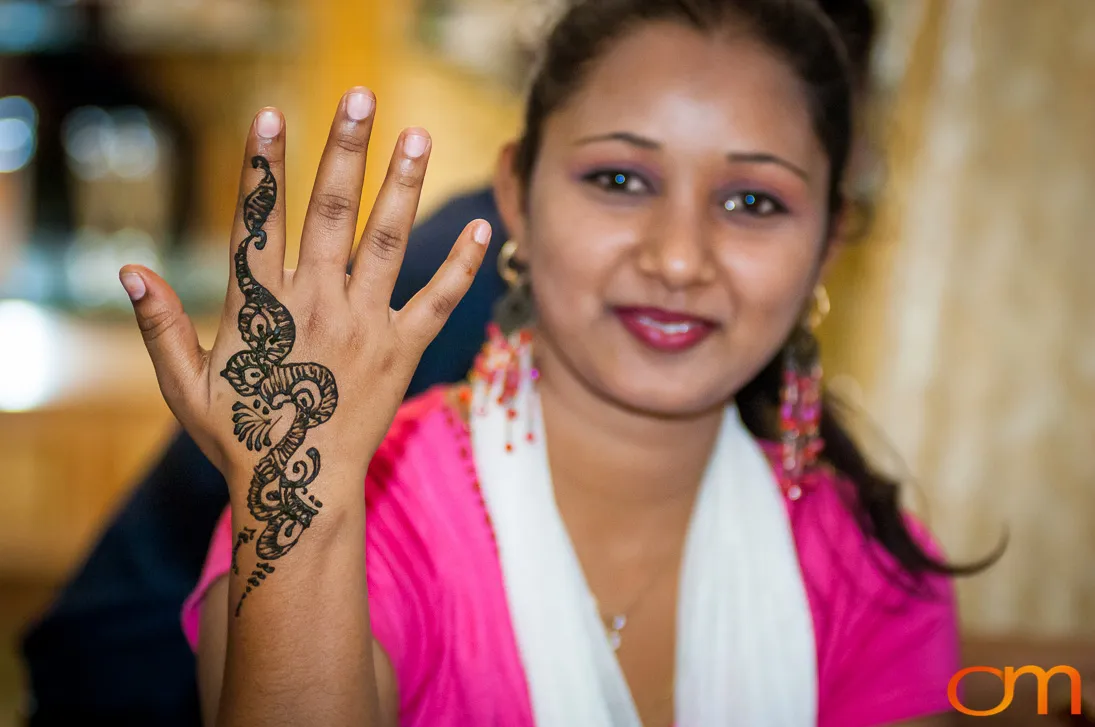
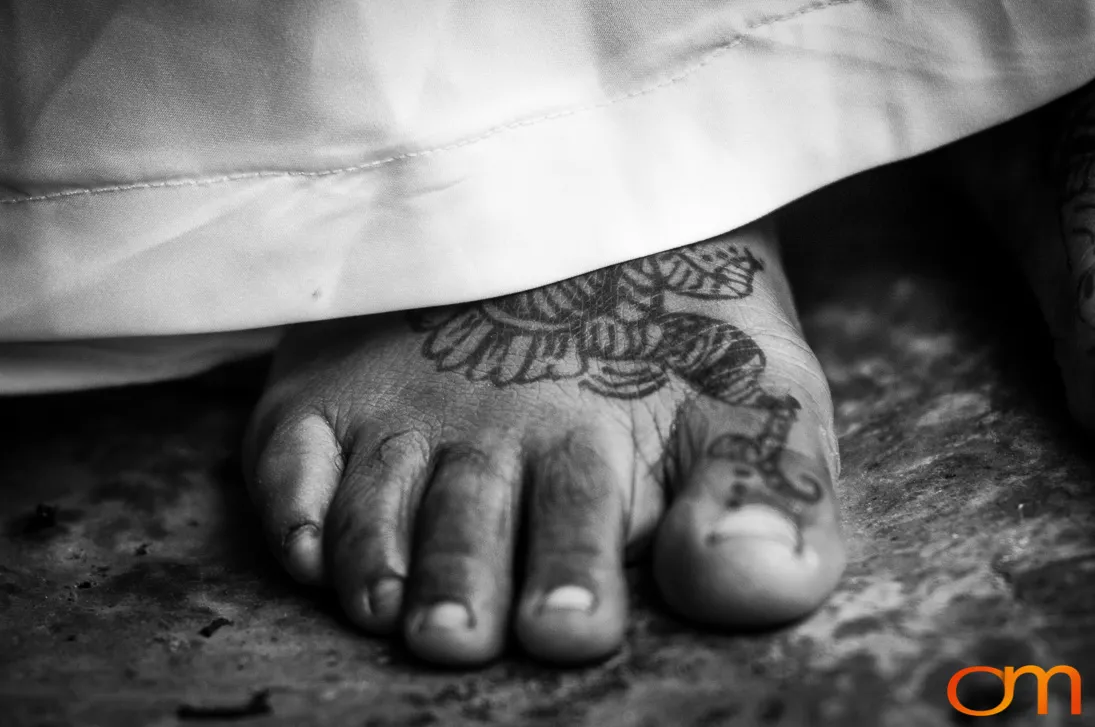
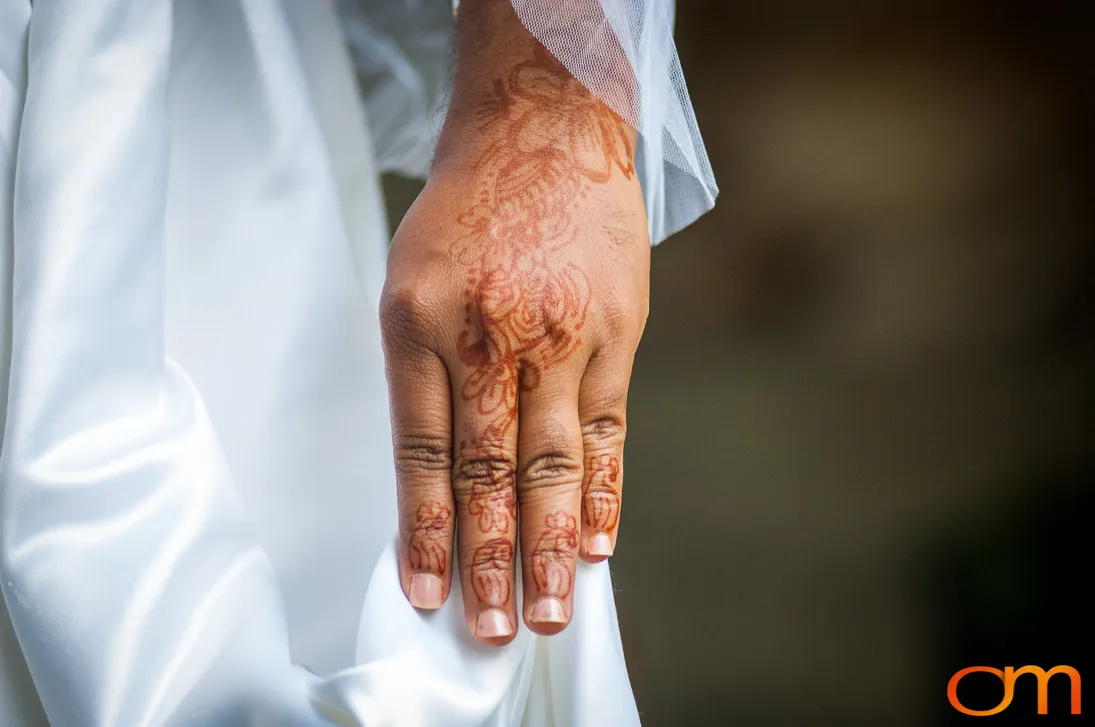
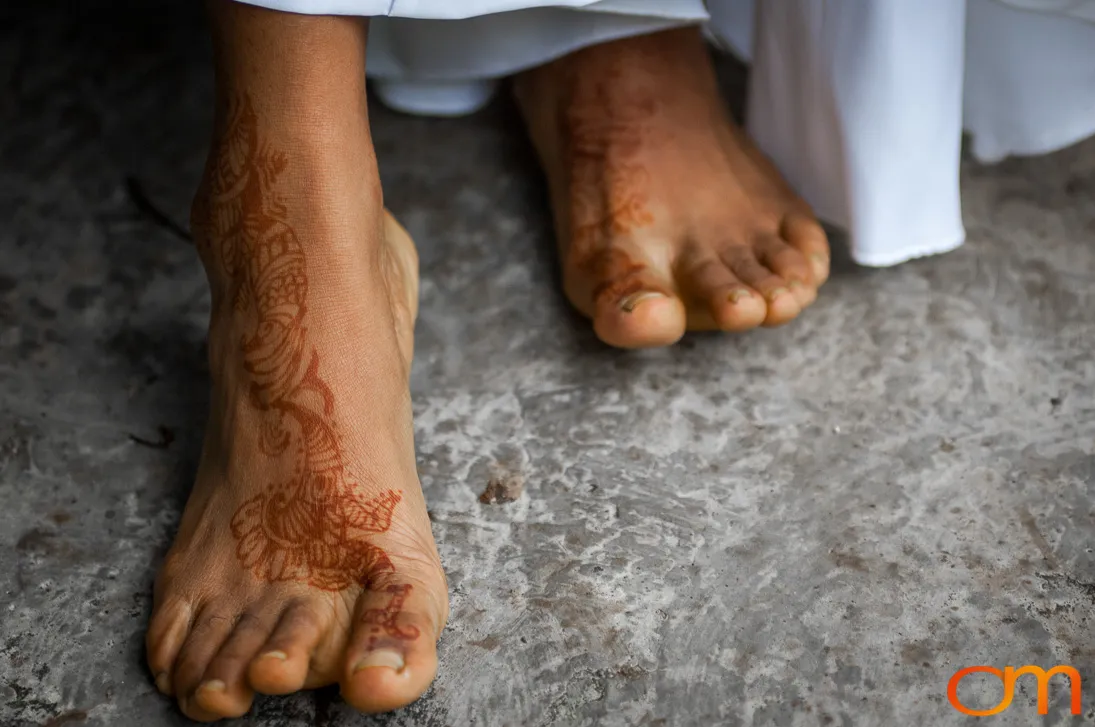
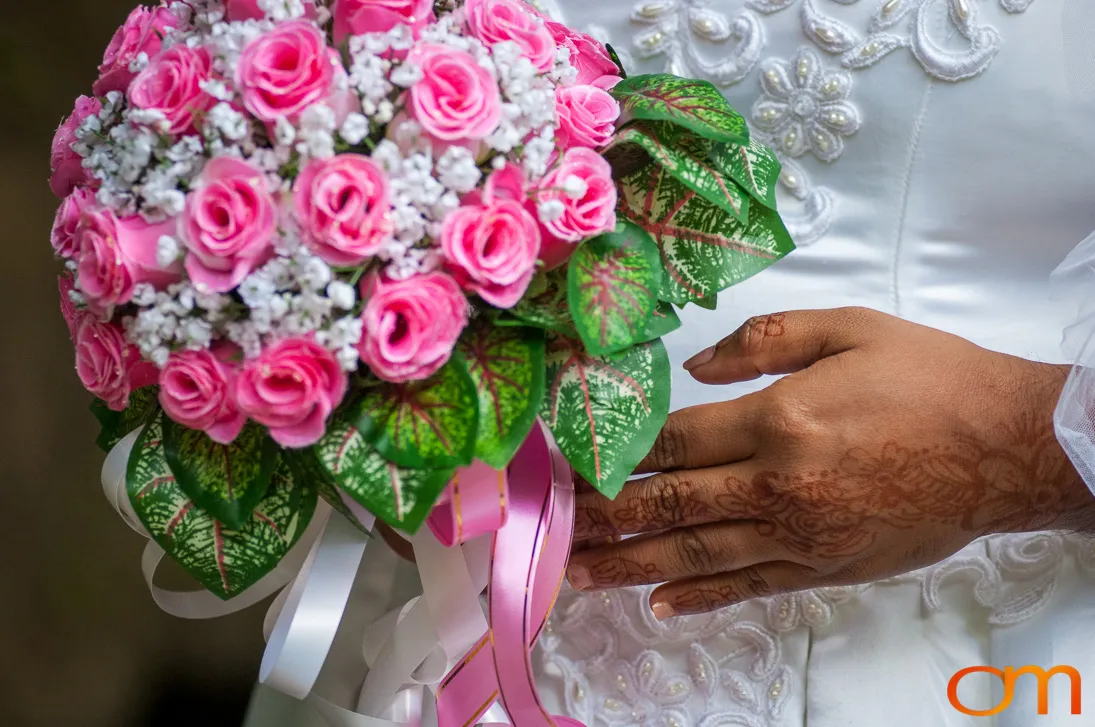
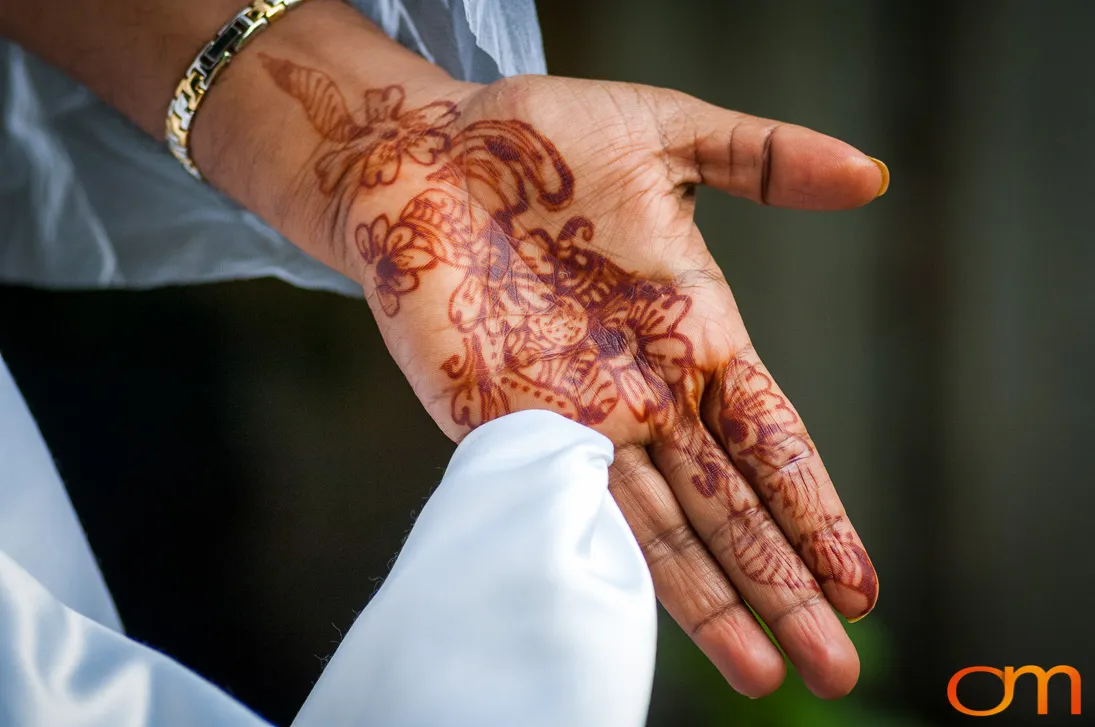
Indo-Fijian Wedding Henna
August 2006
Fiji is home to several cultural communities, including iTaukei, Indo-Fijian, and Rotuman communities. Indo-Fijians are largely descended from approximately 60,000 Indians transported to Fiji as indentured labourers under British colonial rule between 1879 and 1916, although later migrants also contributed to the community.
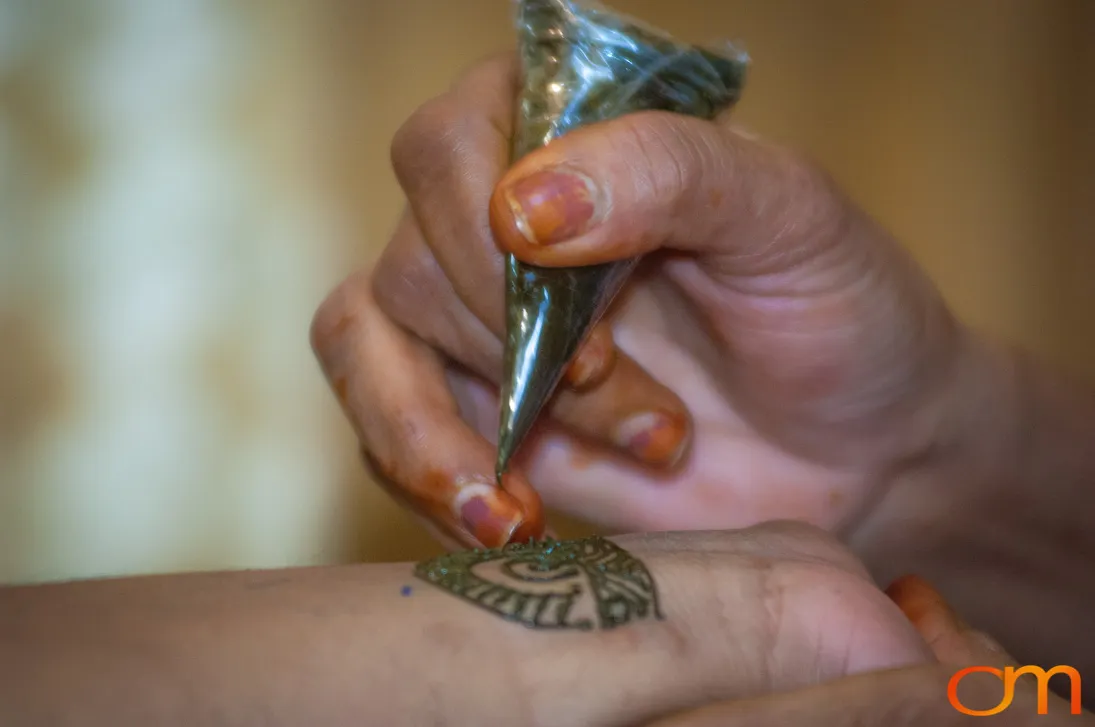
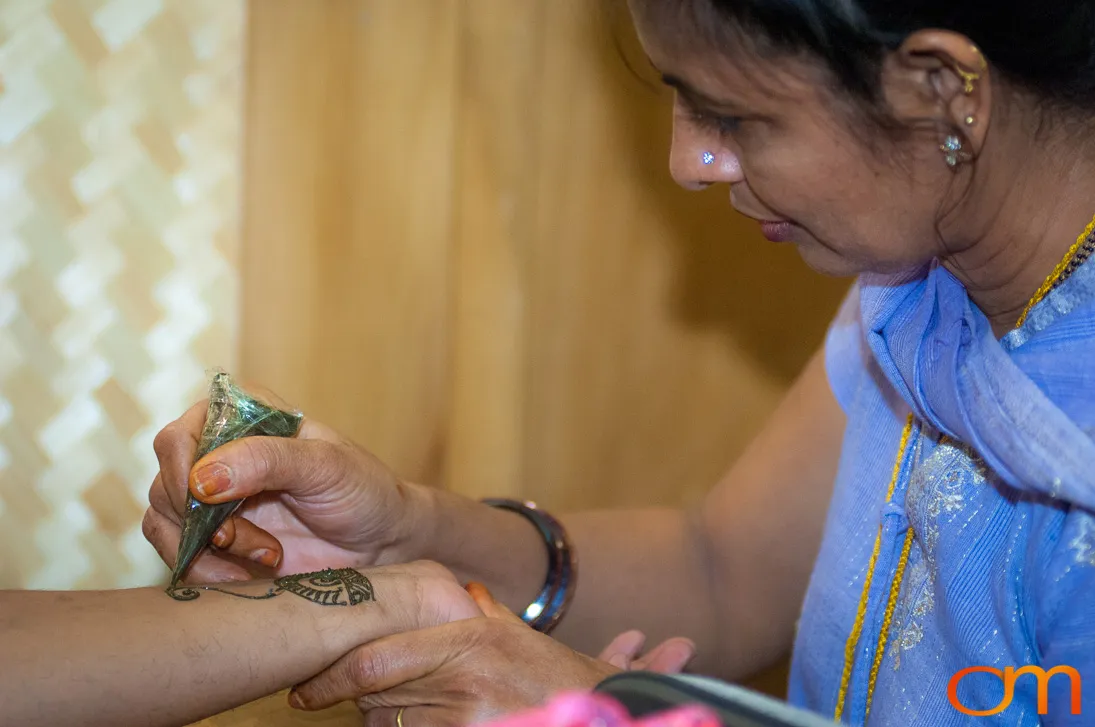
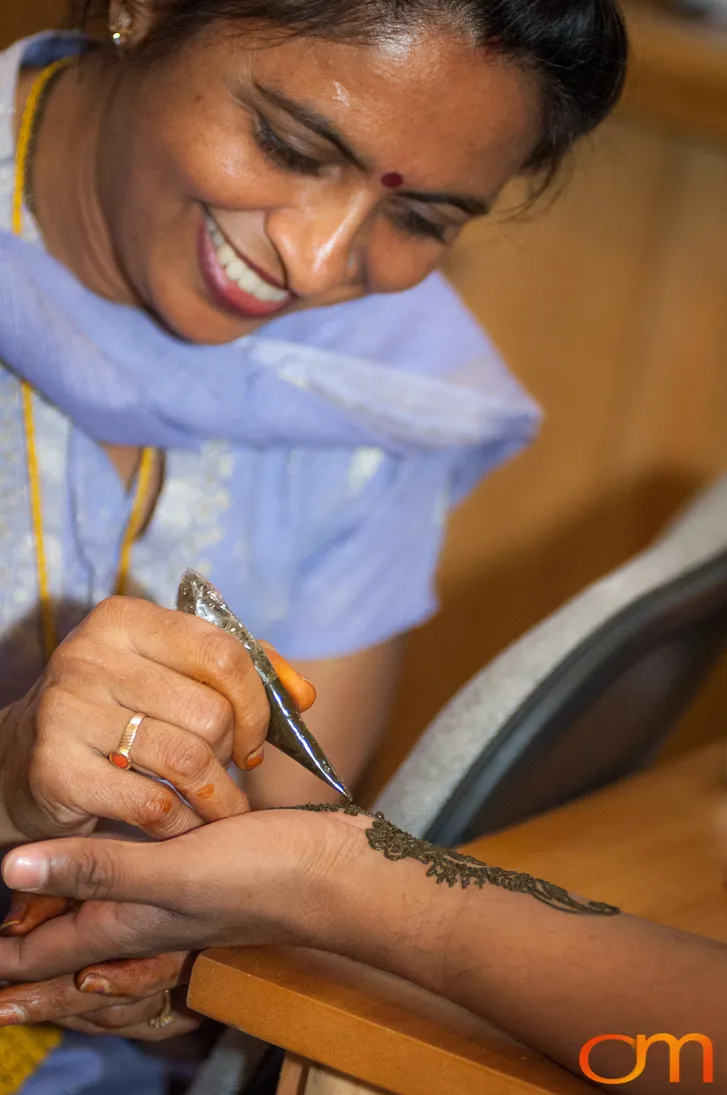
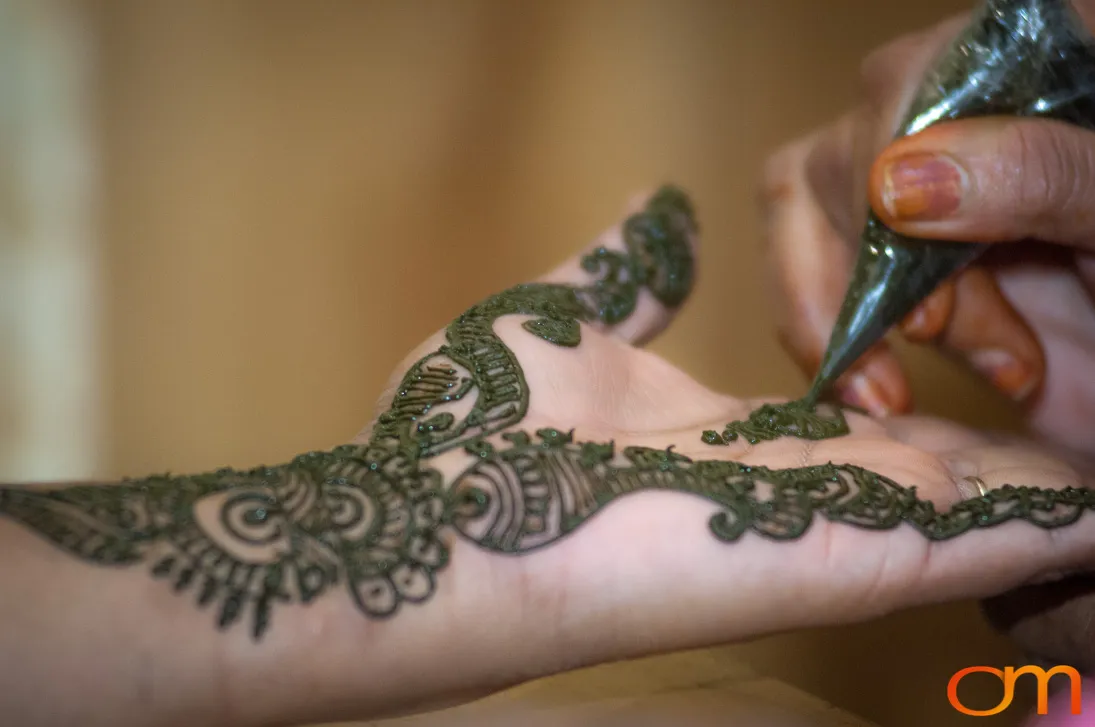
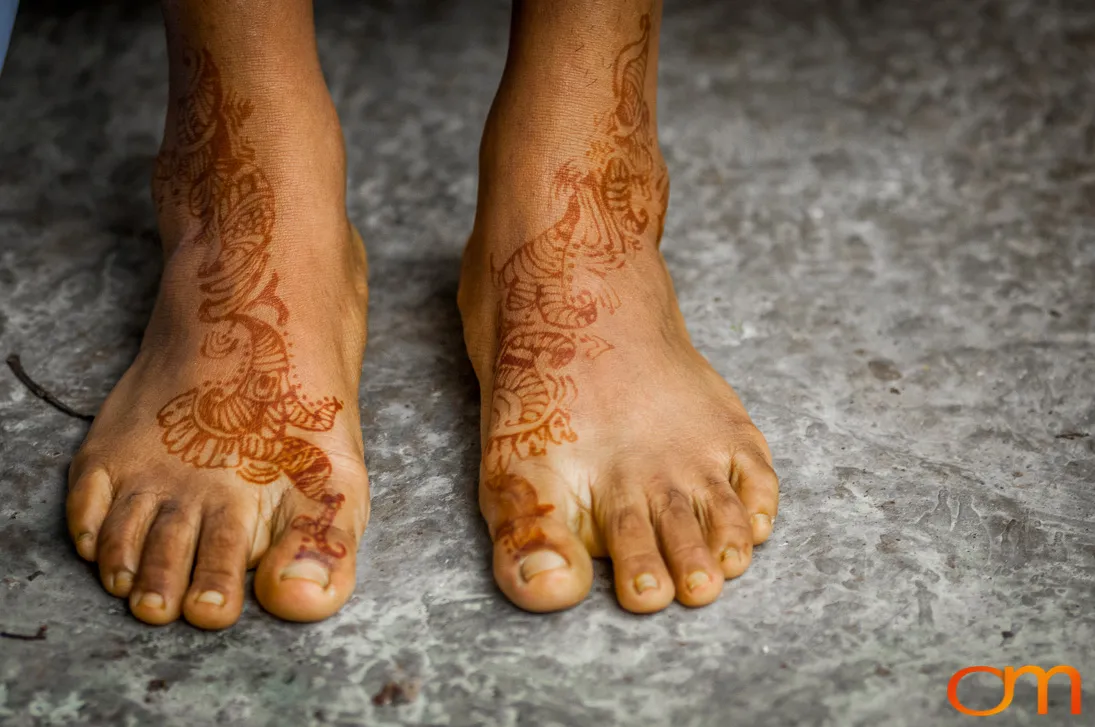
Henna decoration, commonly called mehndi, remains part of some Indo-Fijian wedding traditions. Before a wedding, henna paste may be applied in detailed patterns to the bride’s hands and feet. The practice connects Indo-Fijian ceremonies with wider South Asian wedding traditions found among Hindu, Muslim and Sikh communities.
Natural henna is made from the dried and powdered leaves of the henna tree, Lawsonia inermis. The powder is mixed into a paste and applied to the skin, where it produces a temporary orange-to-reddish-brown stain that gradually fades as the outer layers of skin are shed. Henna has also long been used to colour hair and textiles.