Israel Dead Sea
Israel: Dead Sea
April 2008
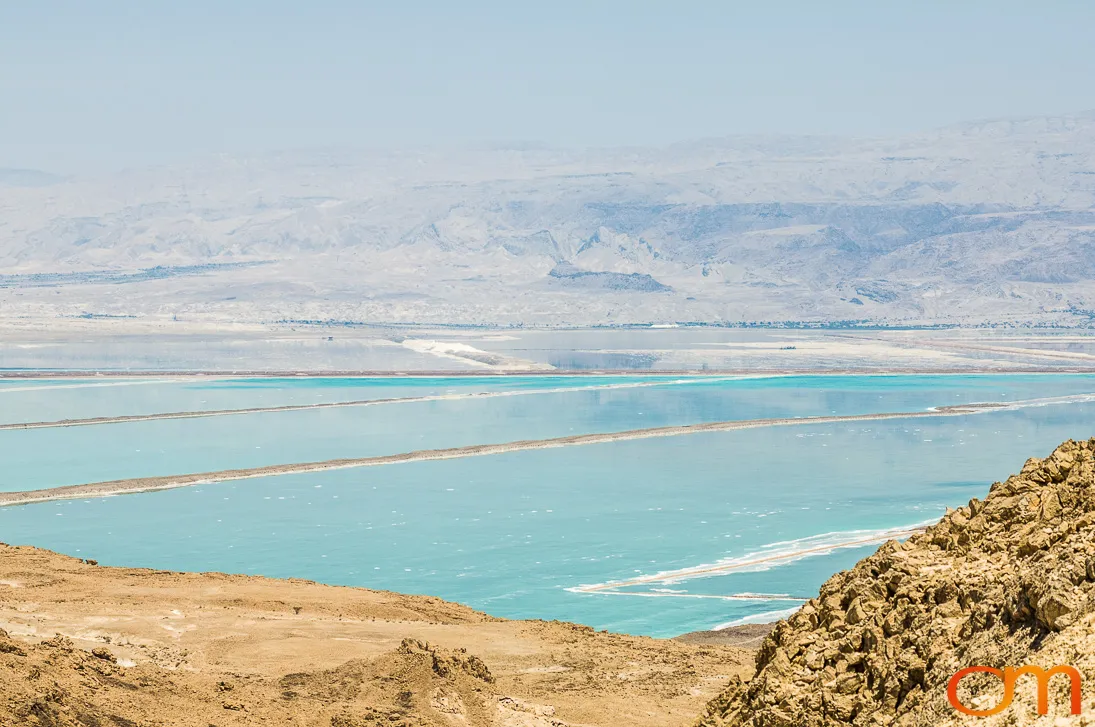
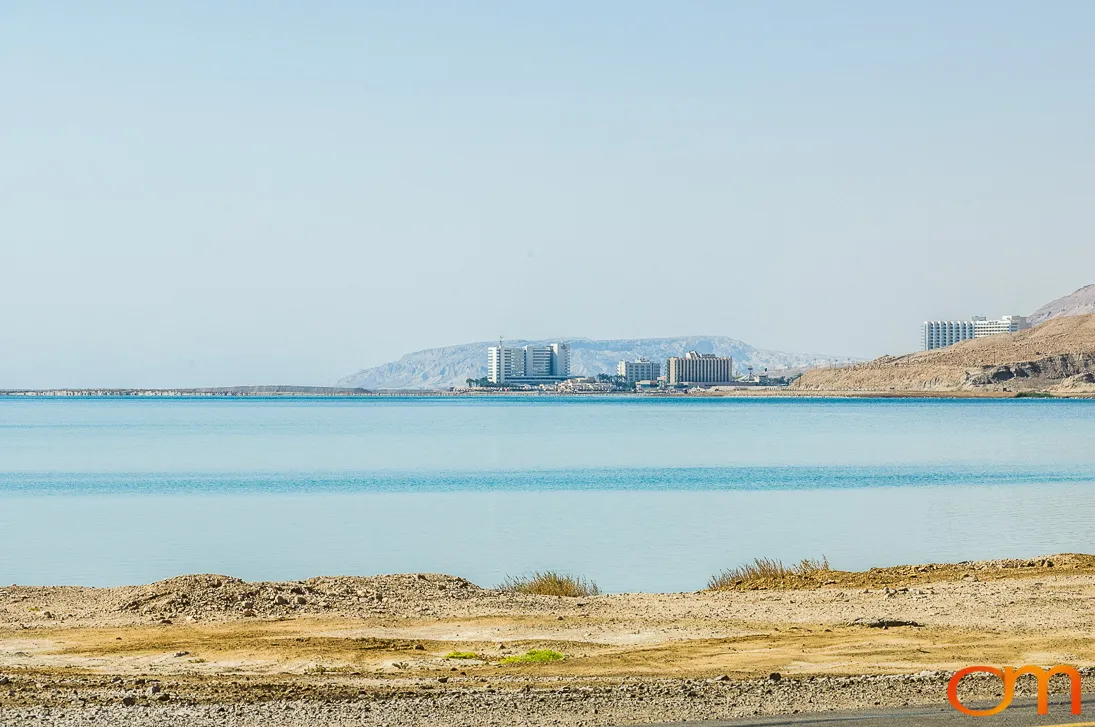
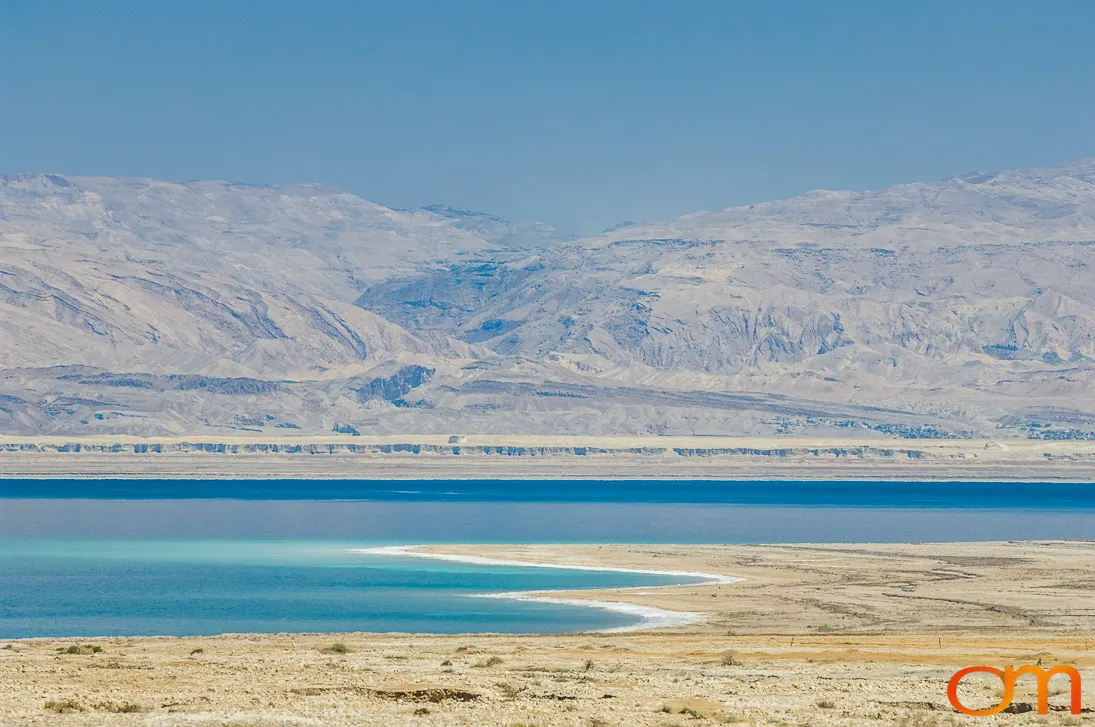
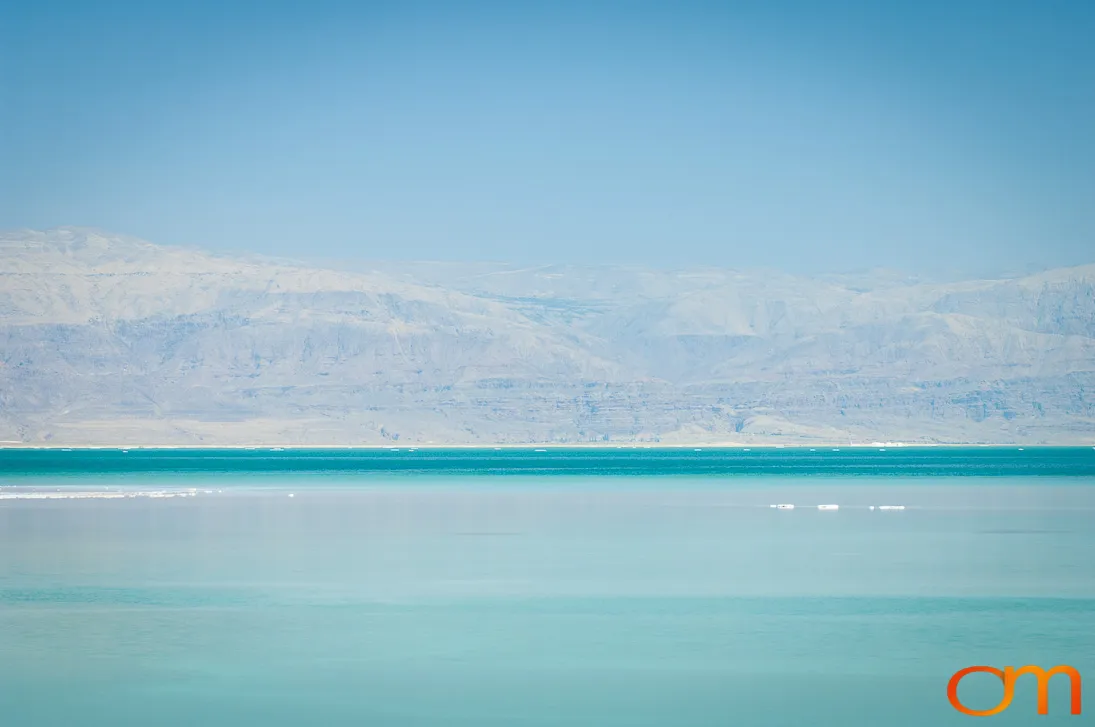
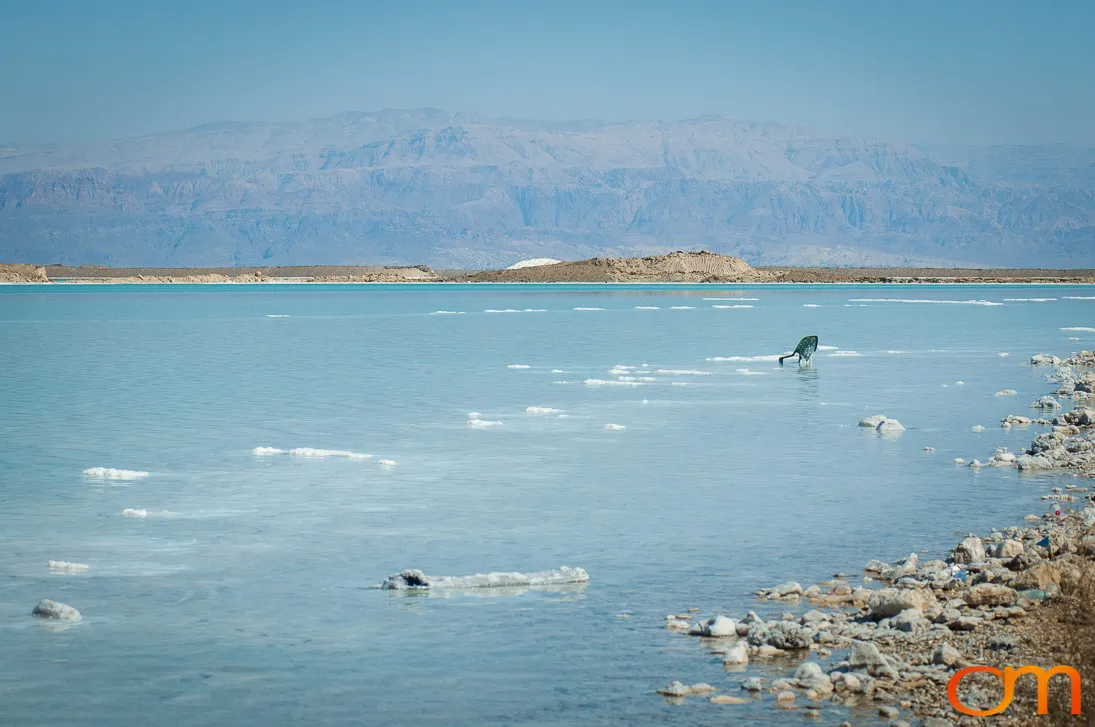
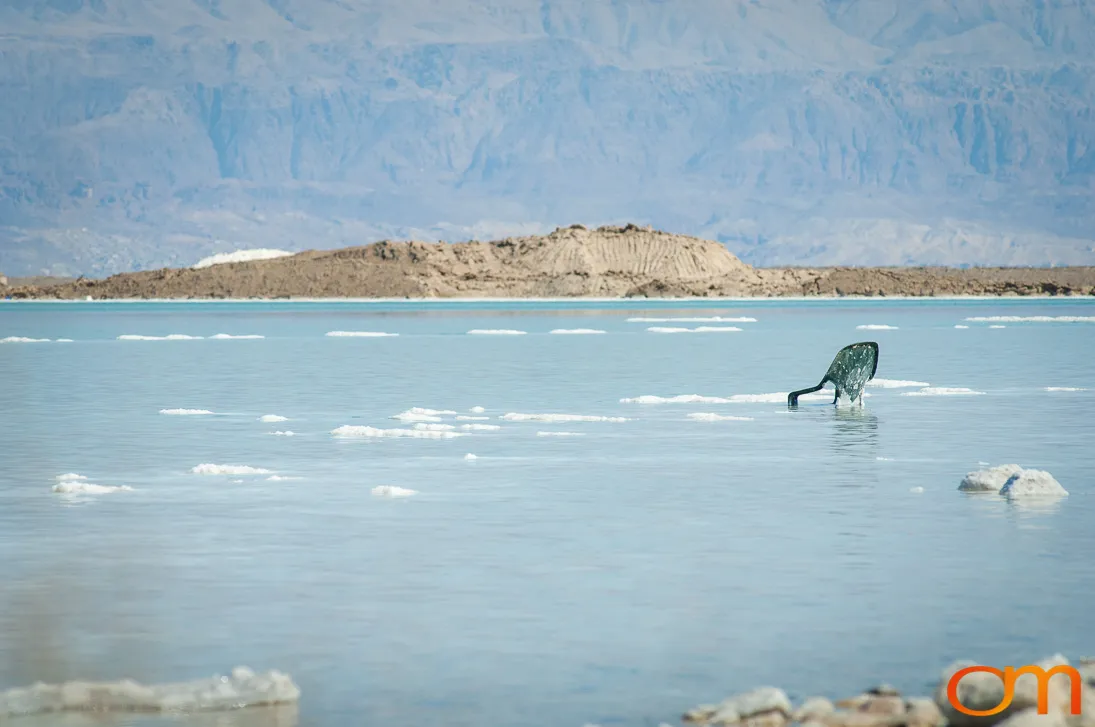
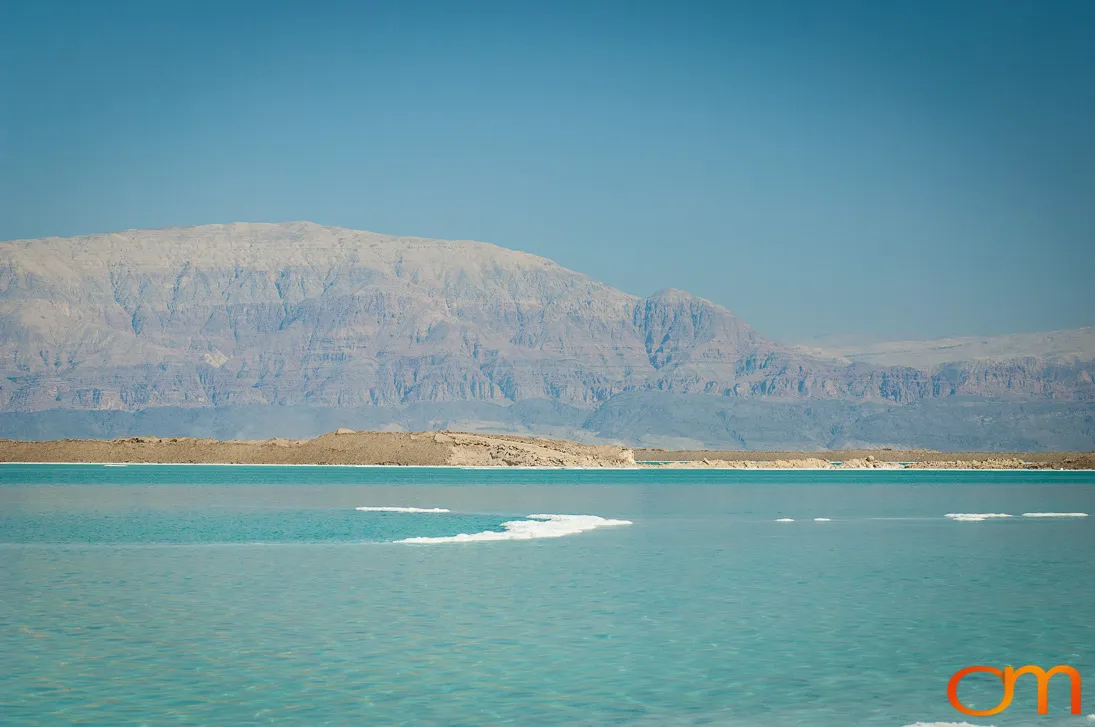
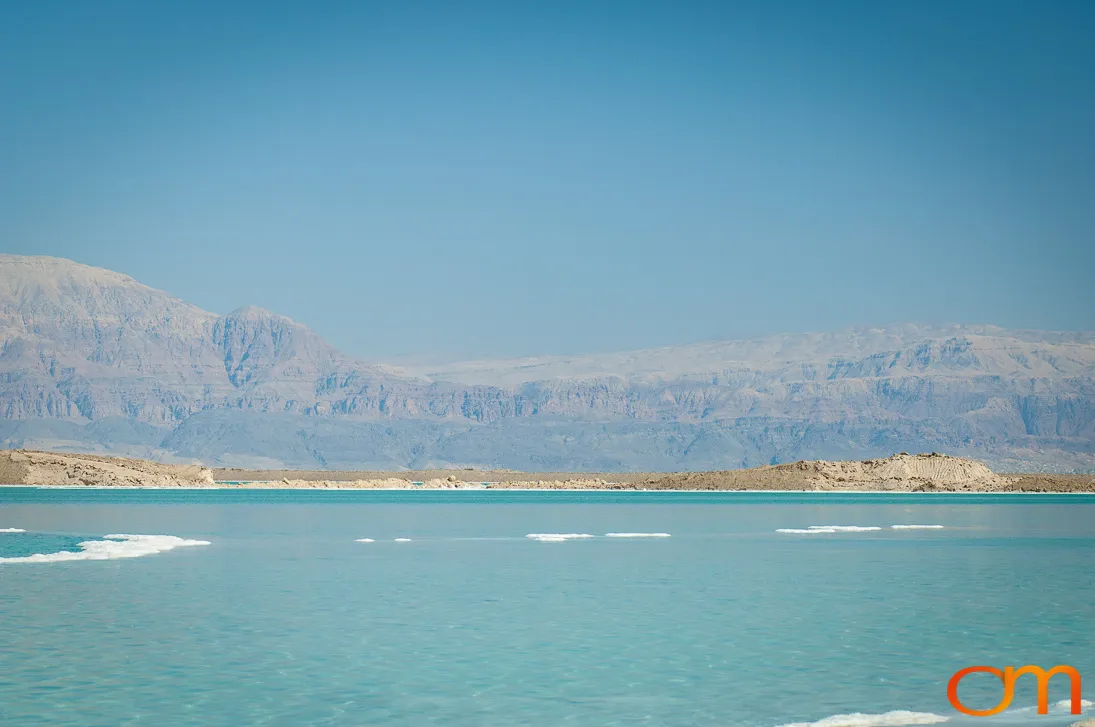
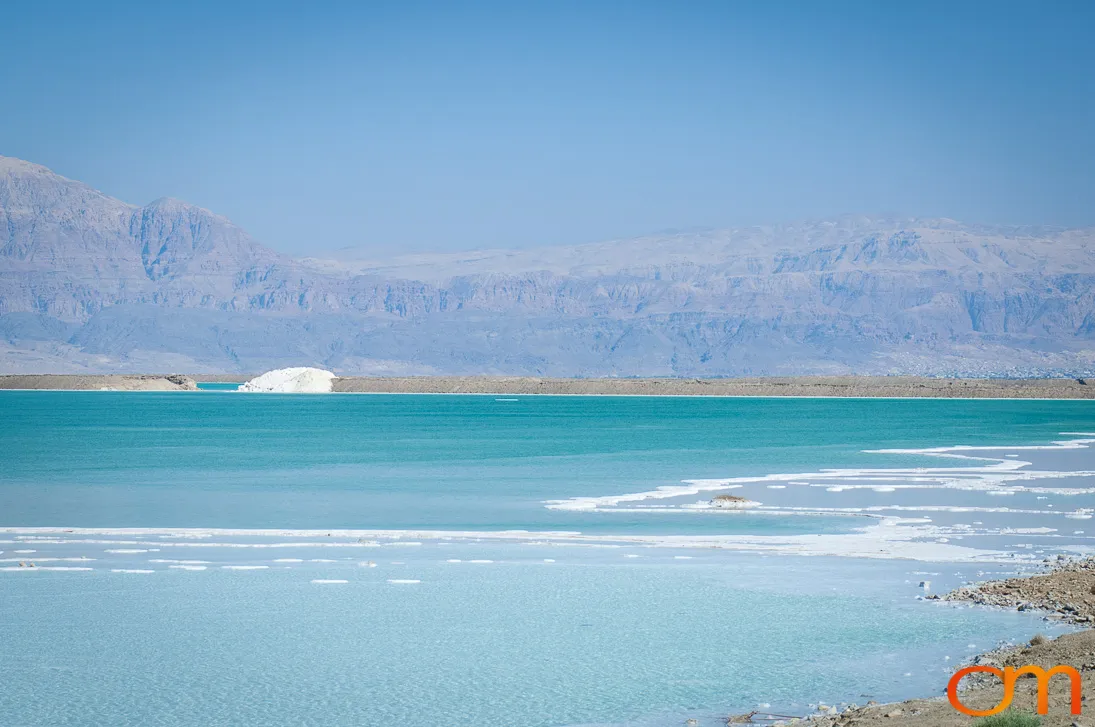
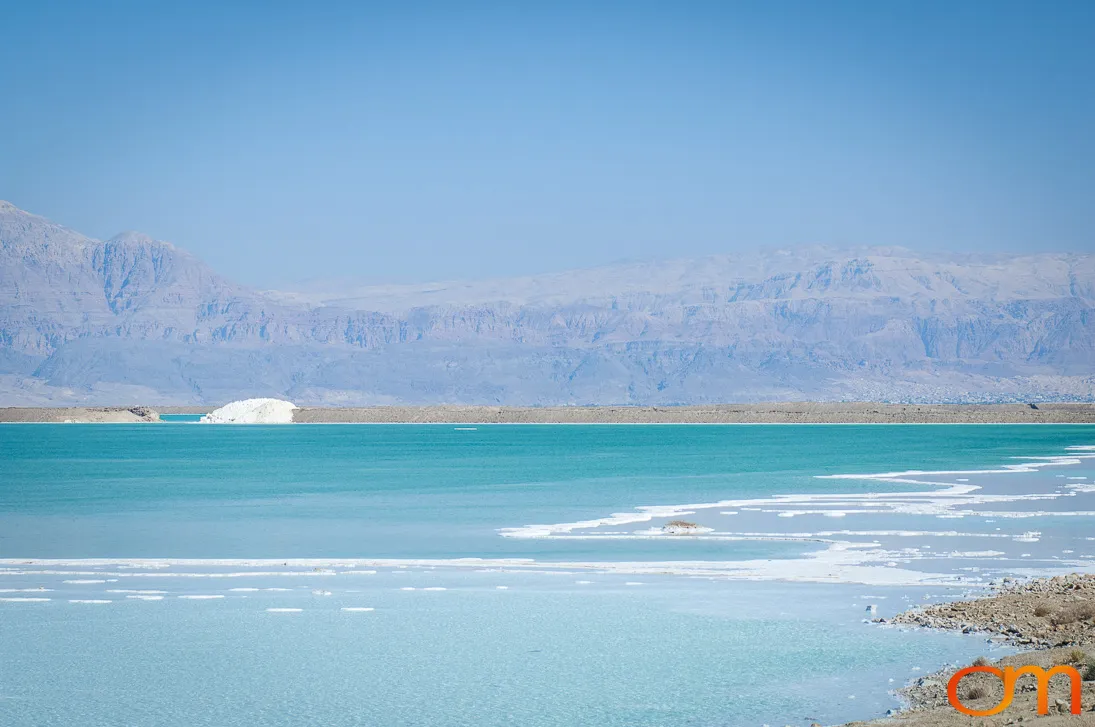
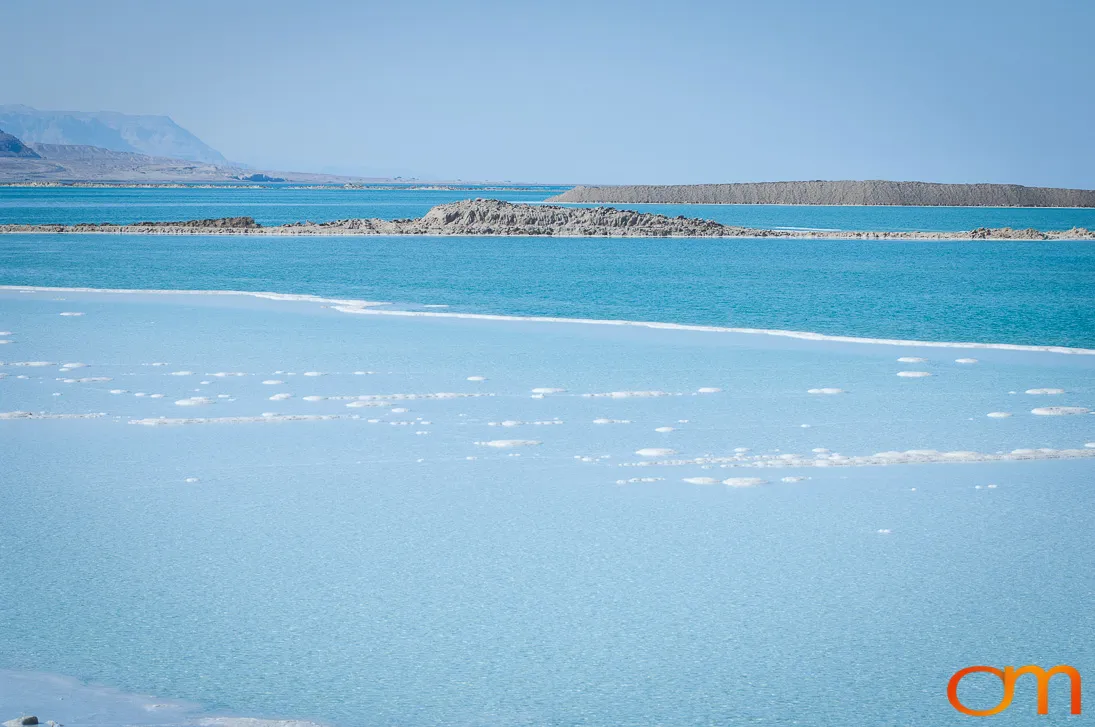
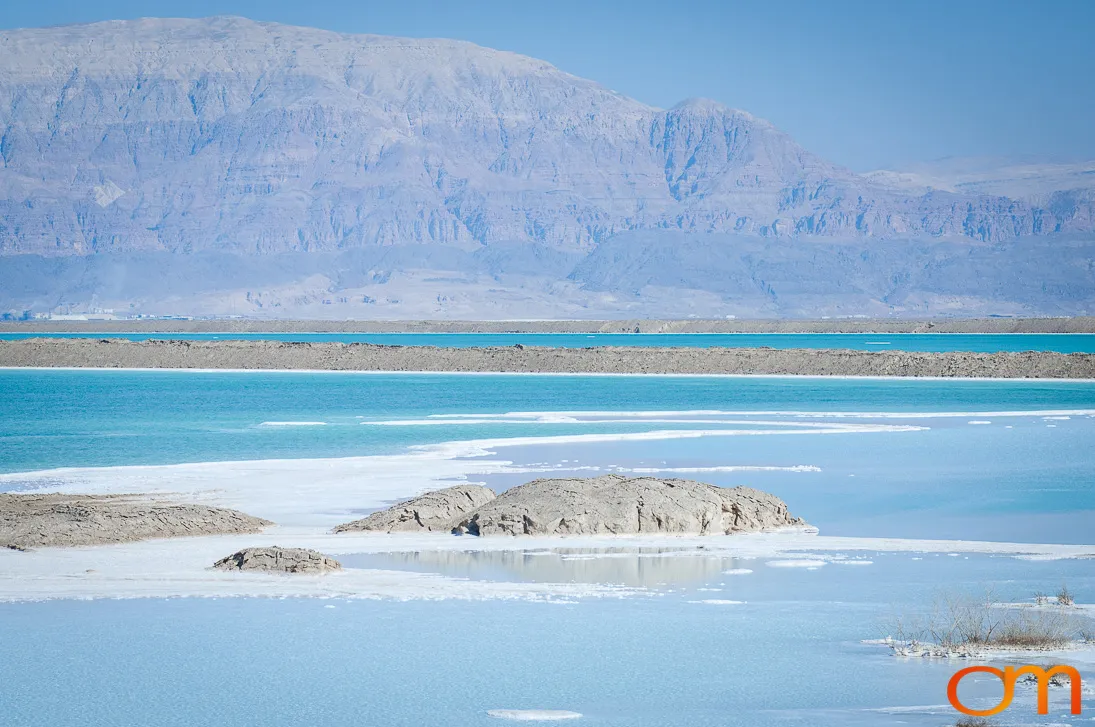
The Dead Sea is a hypersaline terminal lake in the Jordan Rift Valley, bordered by Jordan to the east and Israel and the West Bank to the west. It has no natural outlet. Water enters primarily through the Jordan River and seasonal watercourses, while evaporation removes water and concentrates dissolved salts. Its shoreline is the lowest exposed land surface on Earth.
Dead Sea brine contains approximately 343 grams of dissolved salts per litre and has a density near 1.24 grams per cubic centimetre. This high density creates unusually strong buoyancy. Although the extreme salinity excludes most familiar aquatic organisms, salt-adapted microorganisms, including halophilic archaea, survive in the lake.
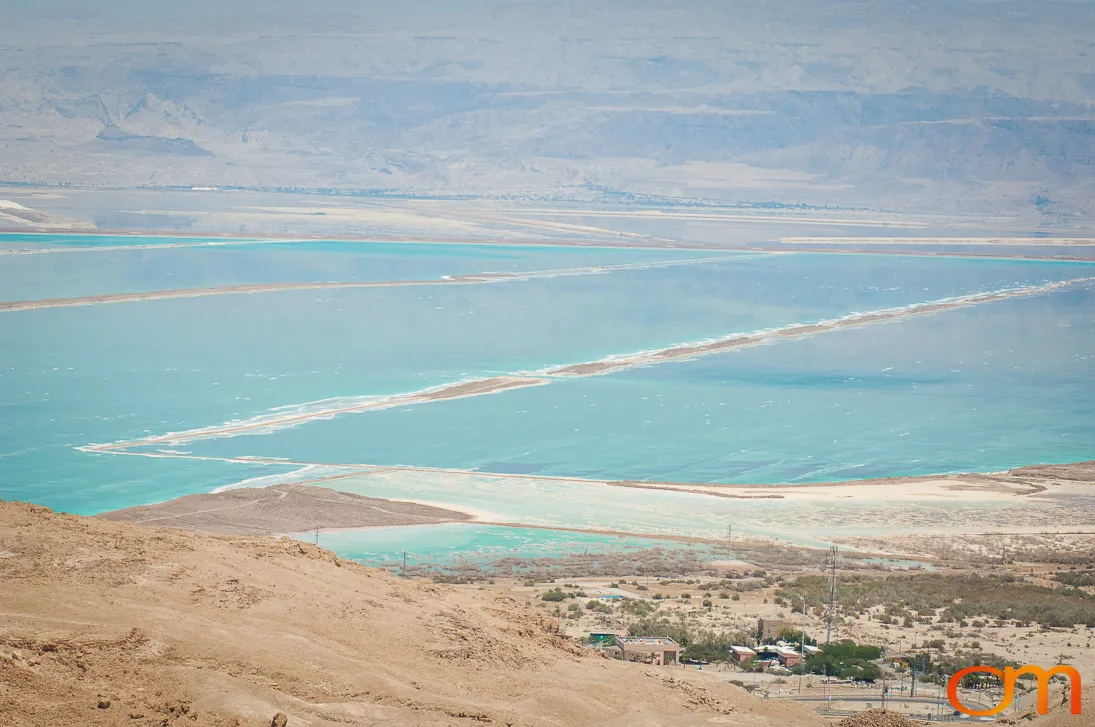
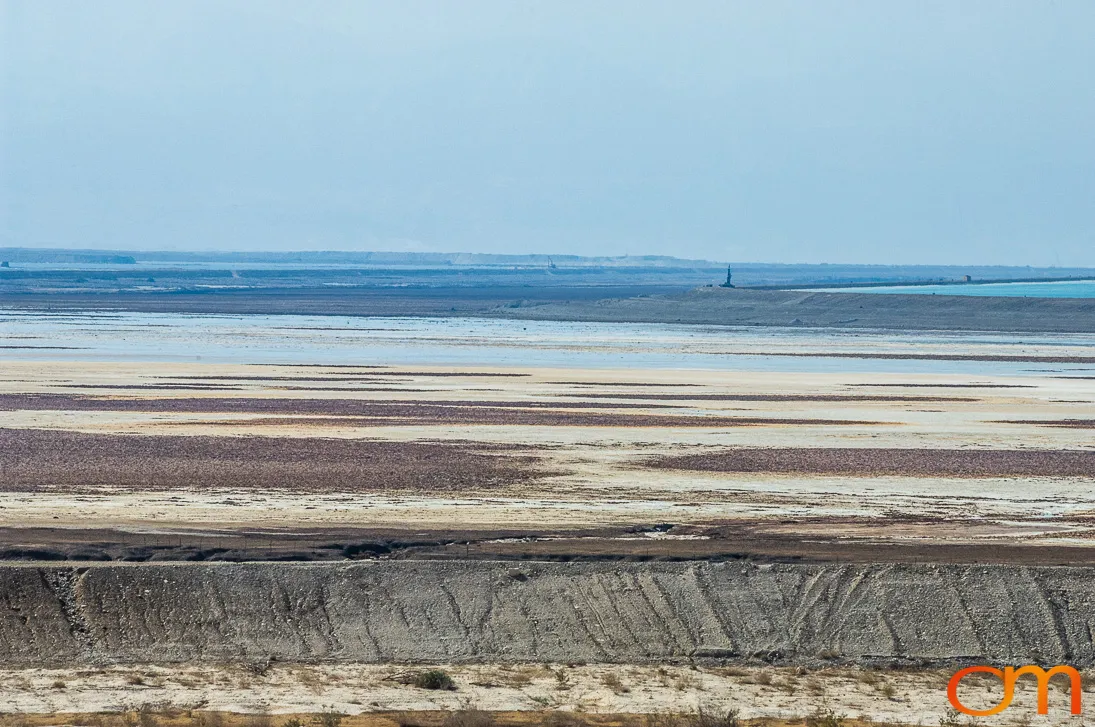
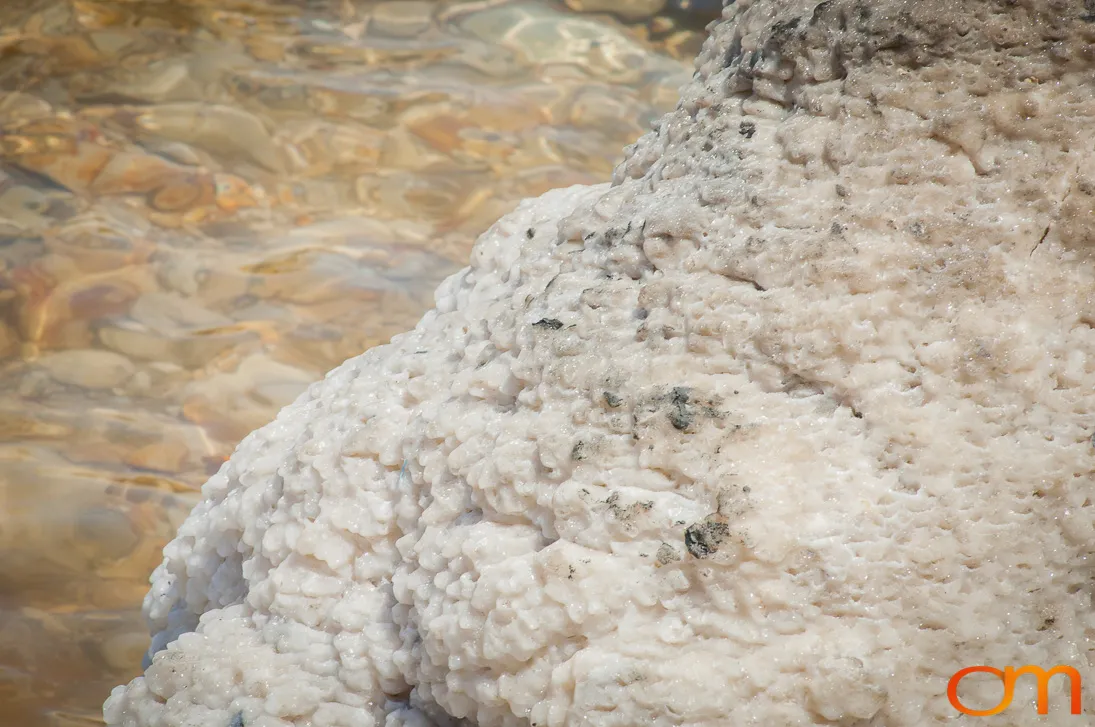
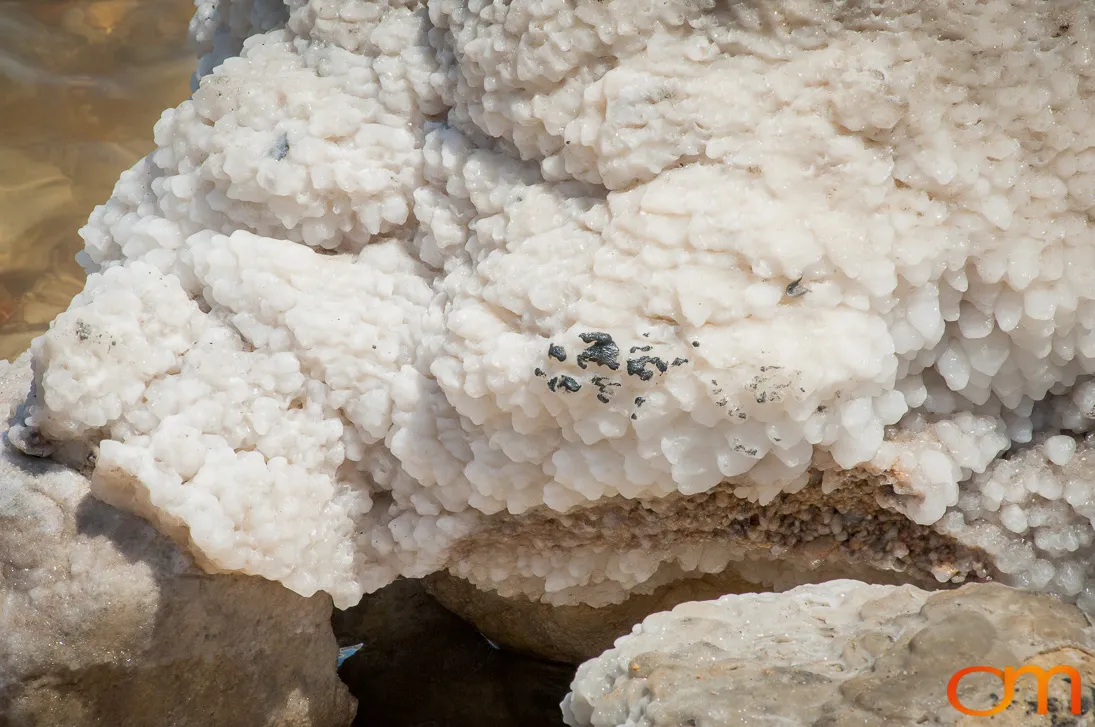
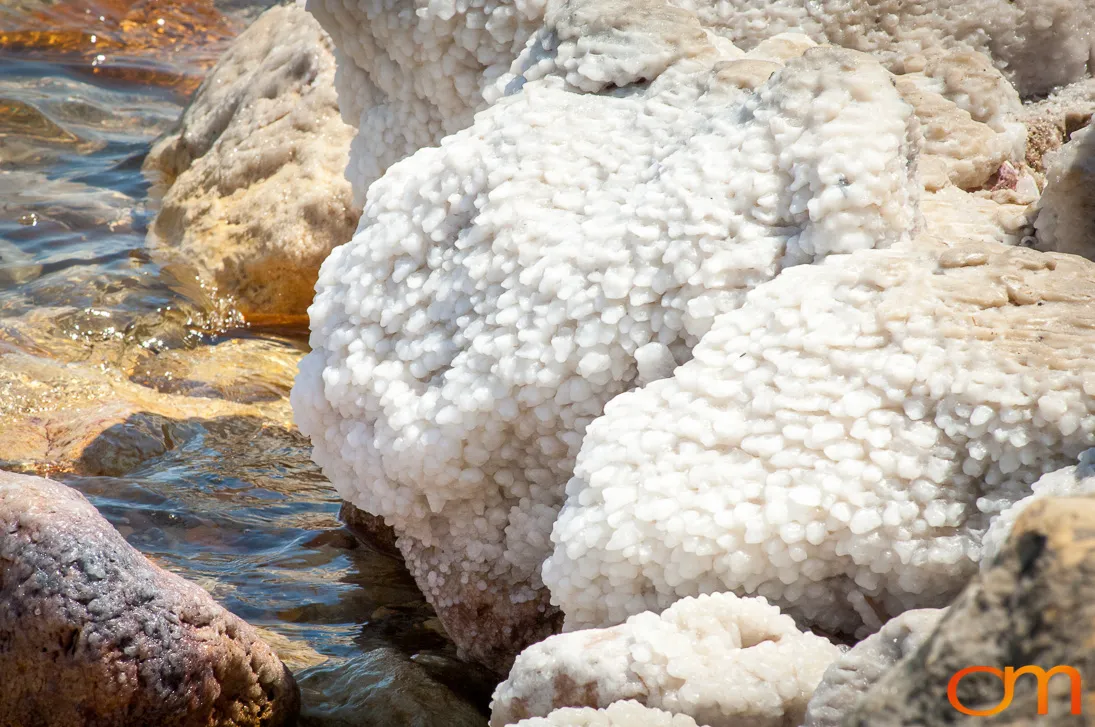
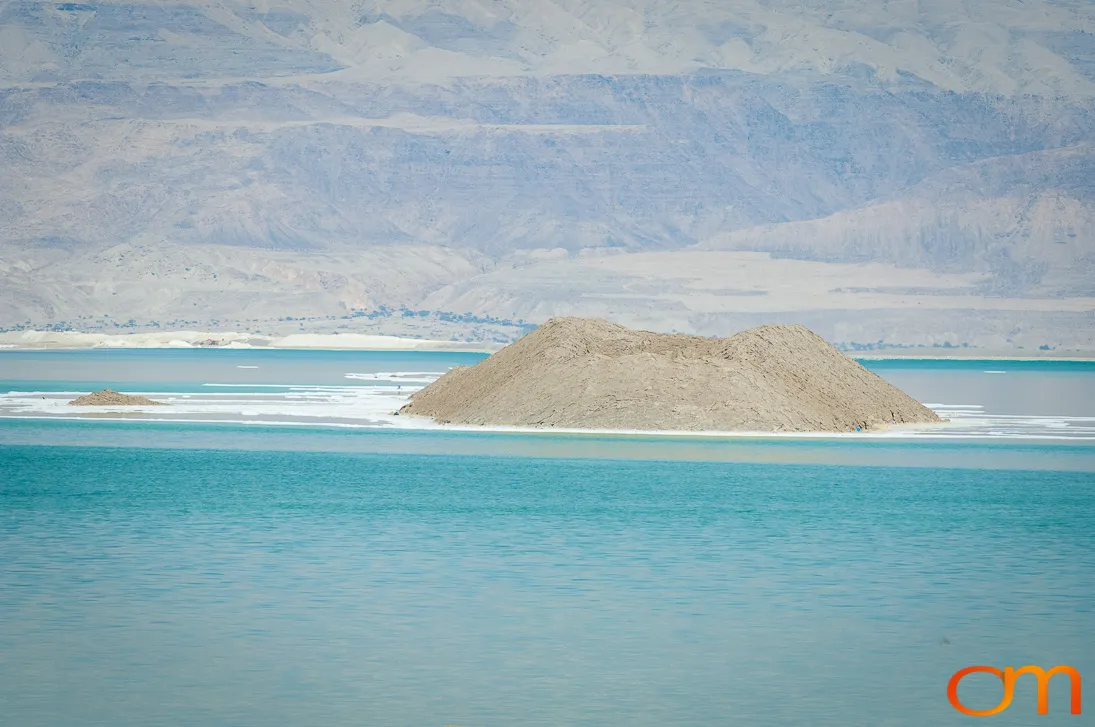
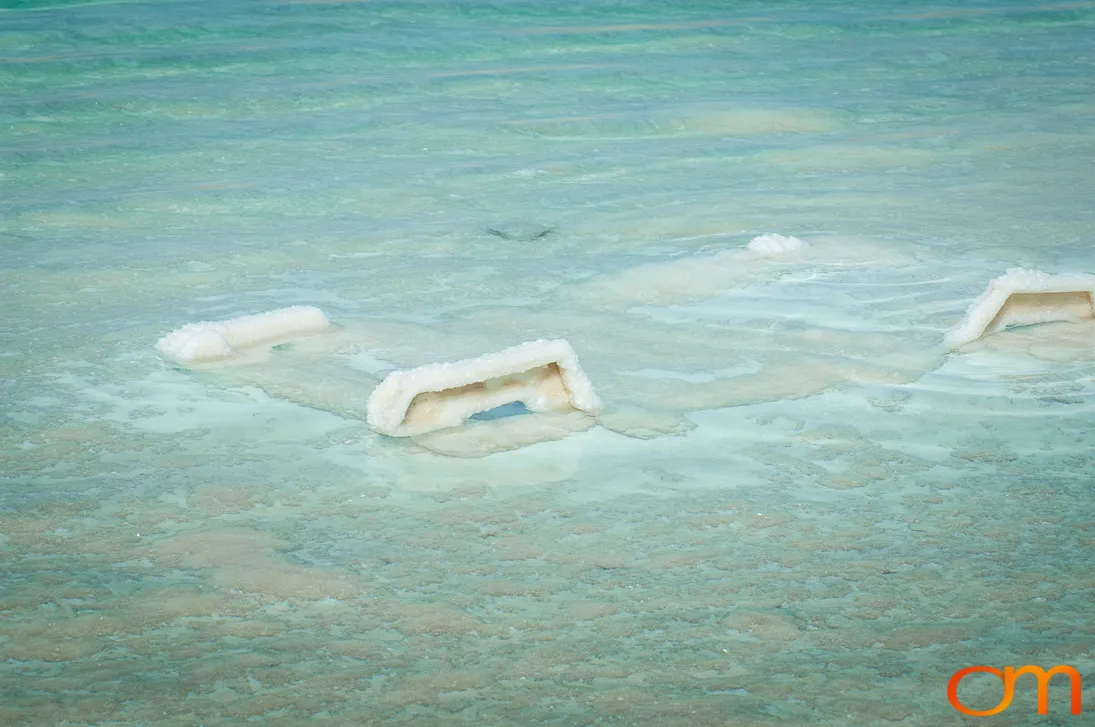
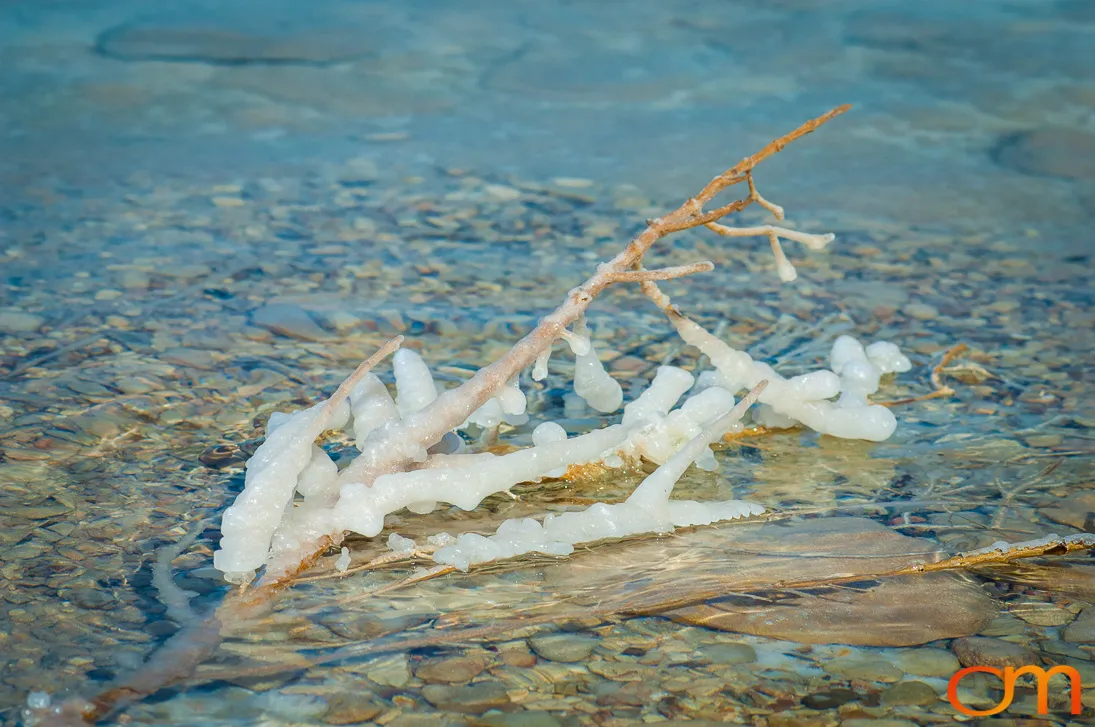
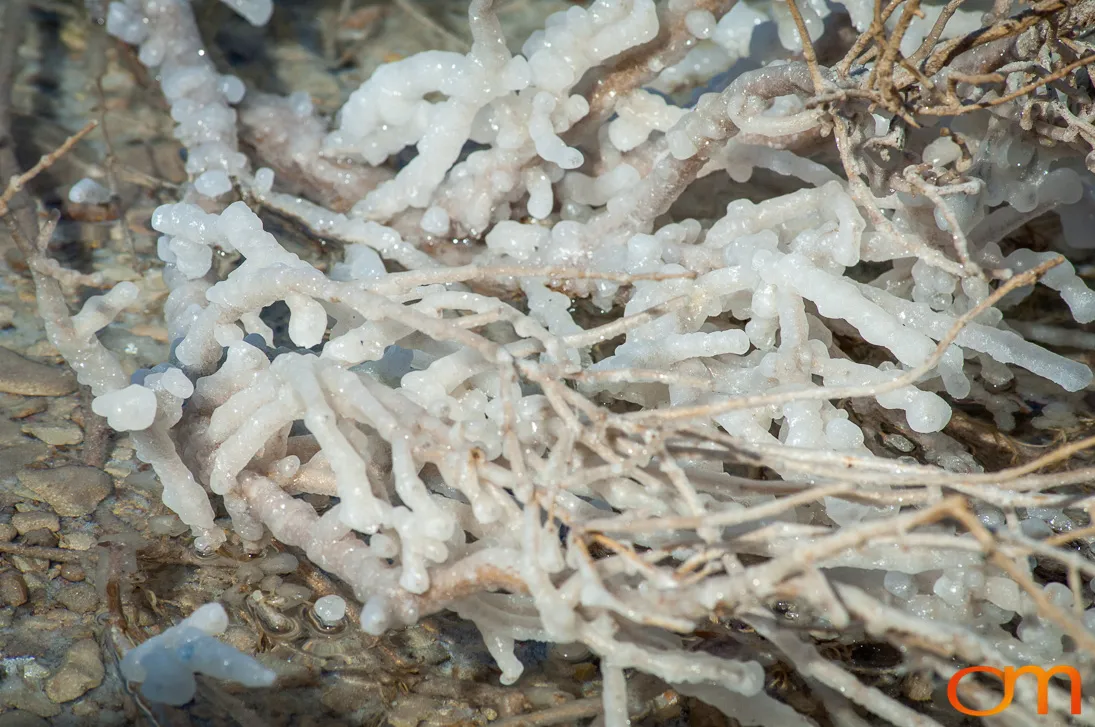
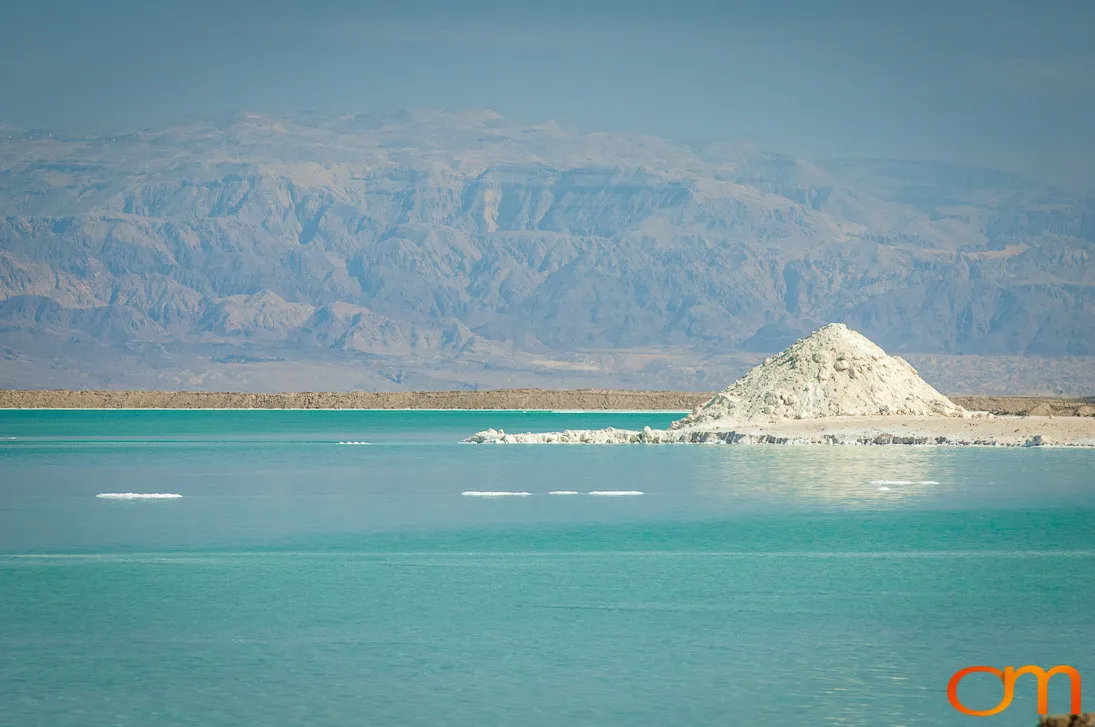
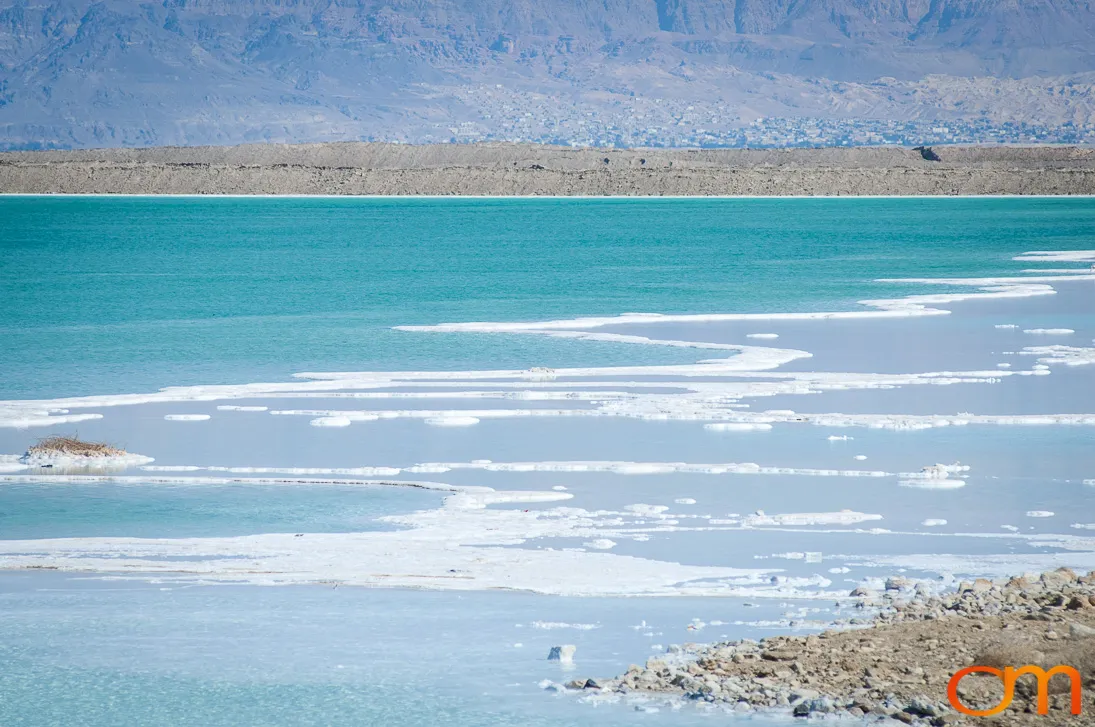
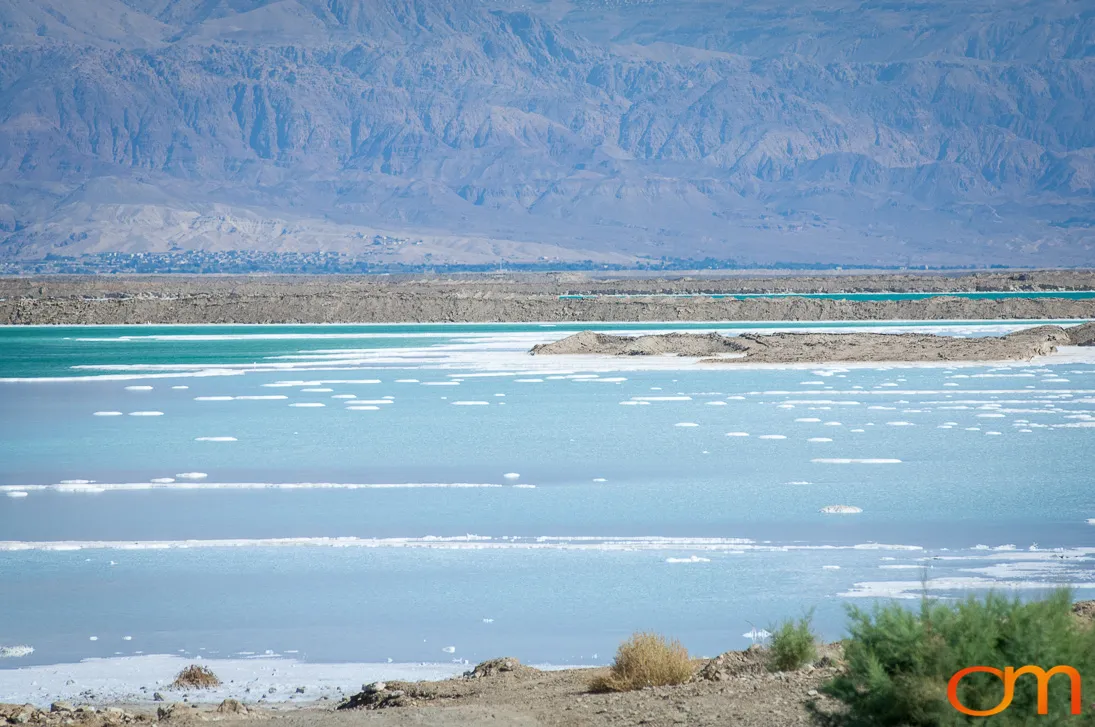
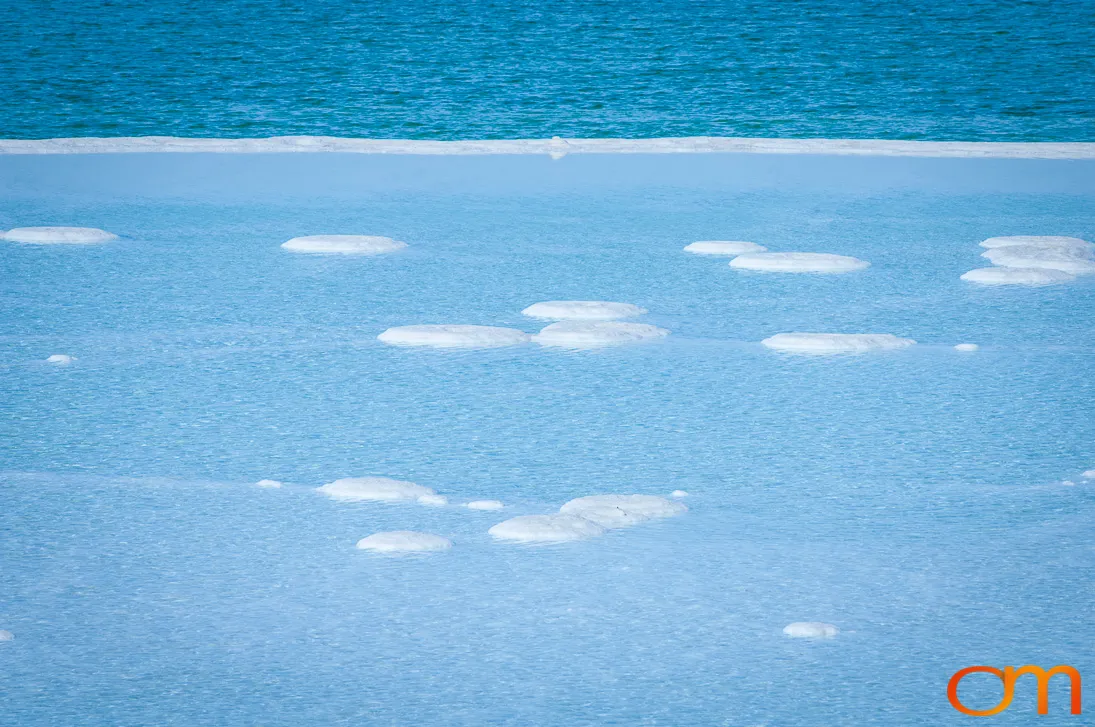
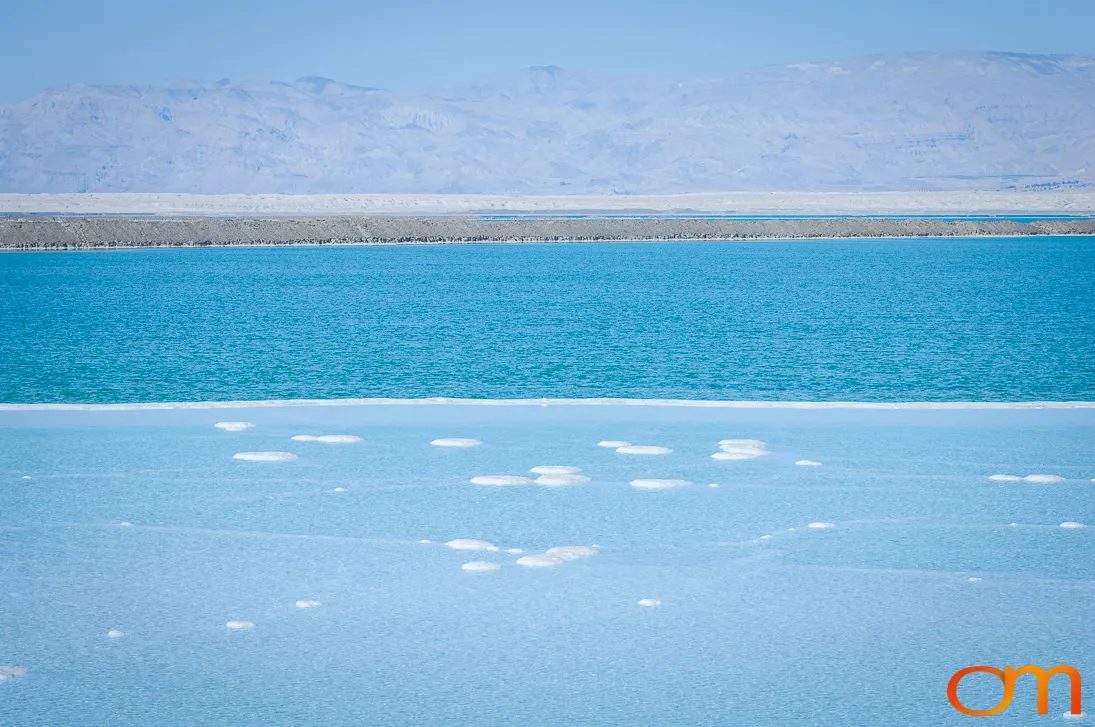
As evaporation concentrates the brine, halite—sodium chloride—precipitates as crystals and lakebed deposits. The southern basin became separated from the natural northern lake as water levels declined and is maintained as a system of industrial evaporation ponds used for mineral production.
Developments Since the Photographs Were Taken
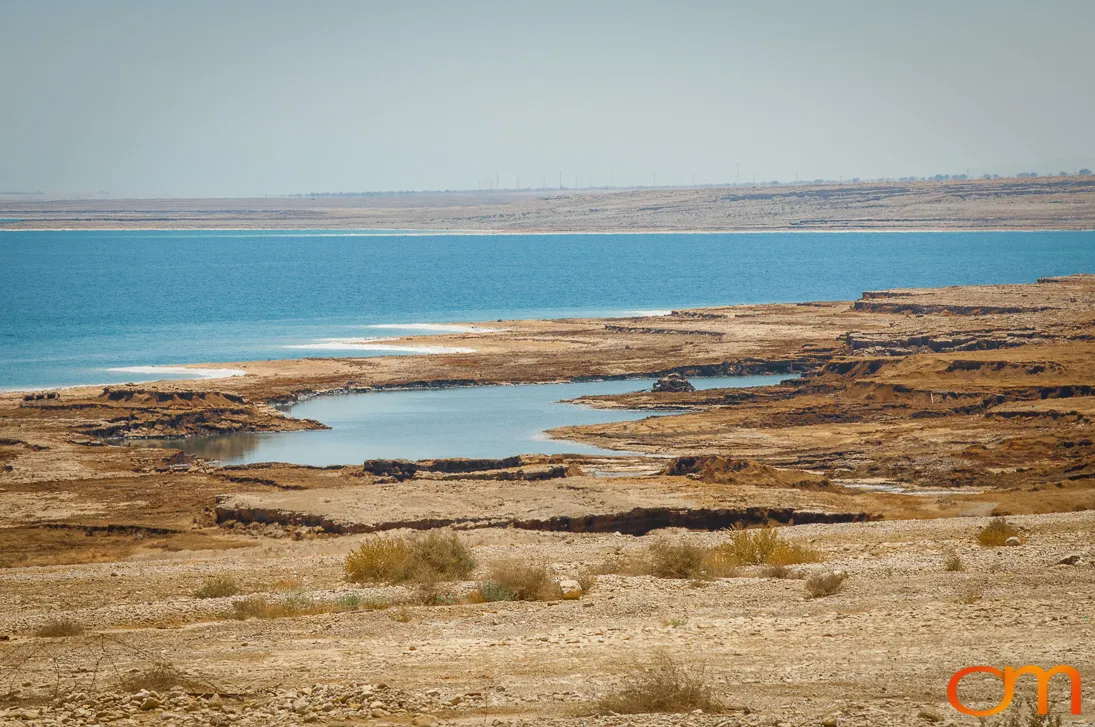
In 2008, the Dead Sea surface was approximately 421 metres below sea level. By December 2023, it had fallen to about 438.5 metres below sea level, a decline of roughly 17.5 metres. The water level continues to fall by approximately one metre per year, primarily because of reduced inflow from the Jordan River system and industrial mineral extraction.
Shoreline retreat has also contributed to the formation of thousands of sinkholes, created when fresher groundwater dissolves underground salt deposits. The photographs from 2008 document a landscape that has continued to change substantially.