Masada
Herod’s Desert Fortress and the Roman Siege
April 2008
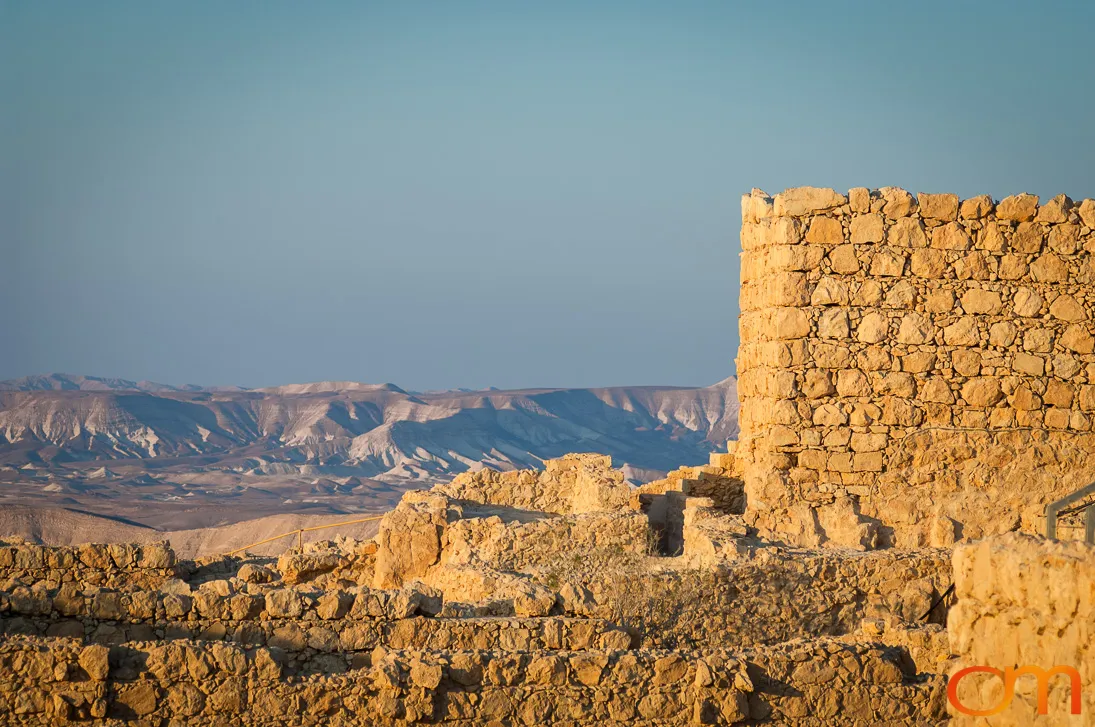
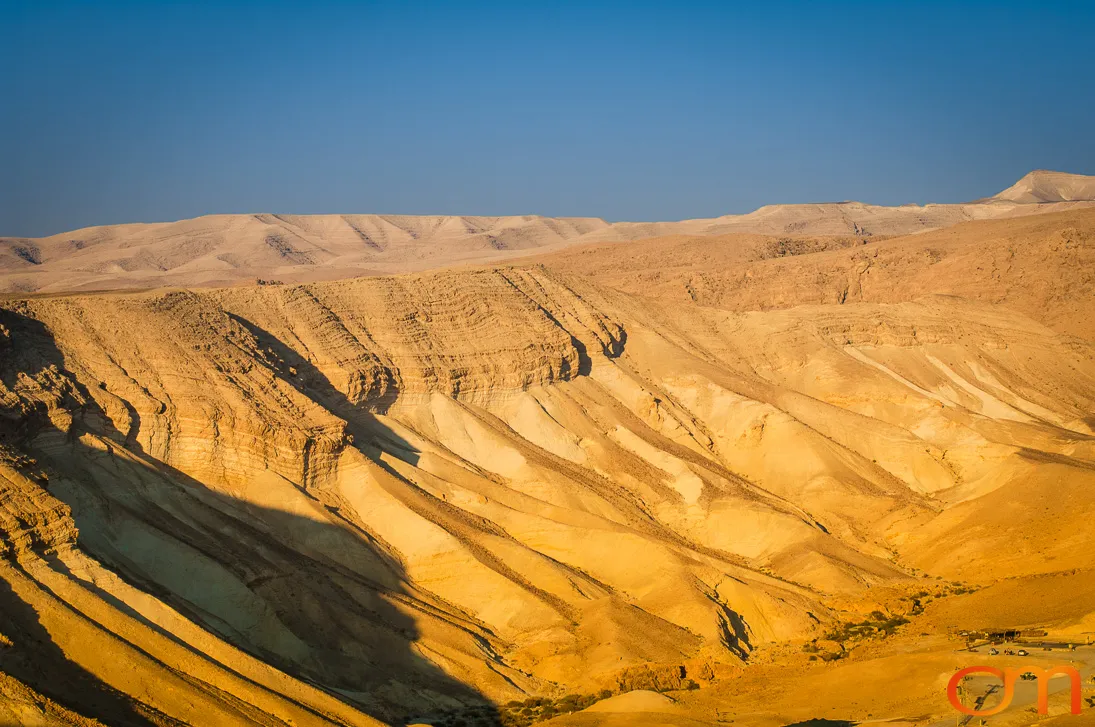
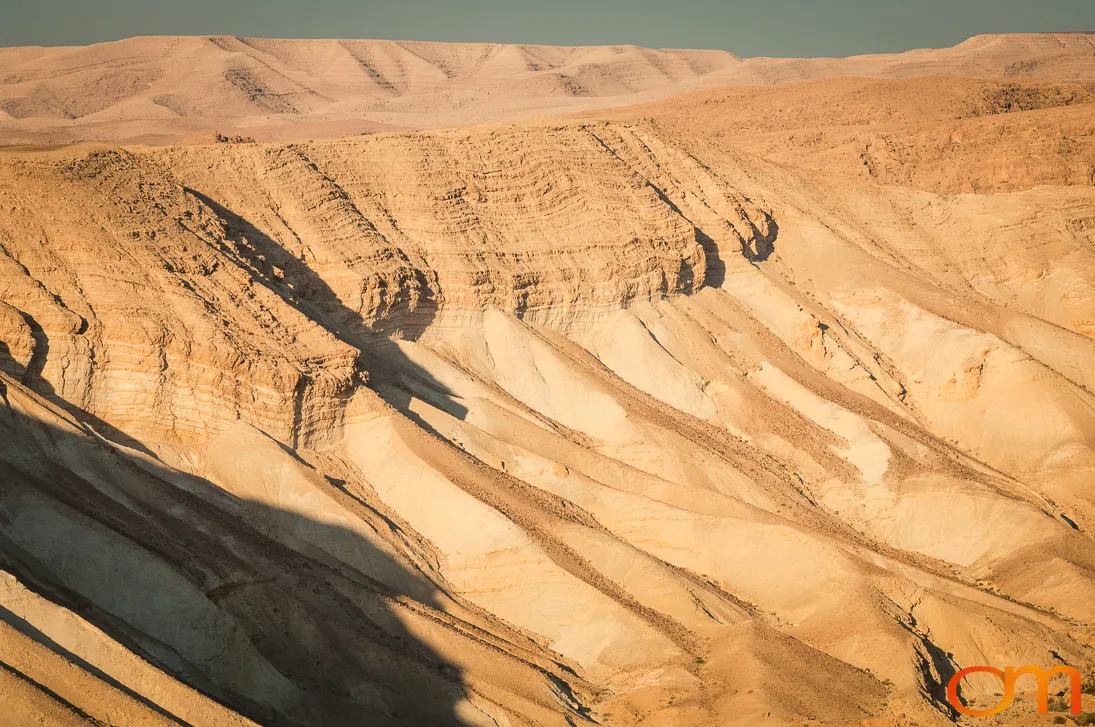
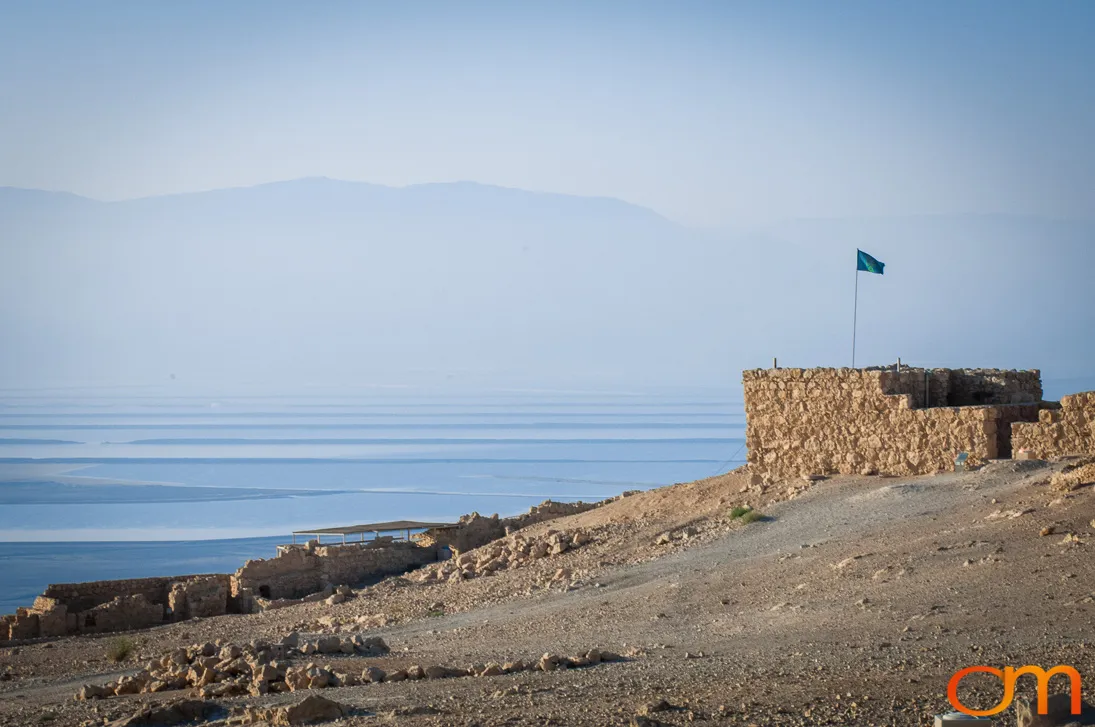
Masada is a fortified plateau on the eastern edge of the Judean Desert, overlooking the Dead Sea. Herod the Great, king of Judaea from 37 to 4 BCE, developed the site as a royal refuge and palace-fortress. The complex included palaces, storerooms, bathhouses, a casemate wall, and an engineered water system that directed desert runoff into large cisterns.
At the beginning of the First Jewish Revolt against Rome in 66 CE, the Sicarii, a Jewish rebel faction, seized Masada and established a community on the plateau. In 73 or 74 CE, the Roman Tenth Legion Fretensis, commanded by Lucius Flavius Silva, surrounded the mountain with eight camps and an encircling siege wall. Roman forces also constructed the large assault ramp on the western approach, and the fortress fell to Rome.
The historian Flavius Josephus provides the only surviving detailed narrative of Masada’s final hours. He wrote that 960 defenders and family members died through a sequence of killings and suicides rather than submit to Roman captivity. Archaeology confirms the Roman siege and destruction at the site, but it cannot independently establish the precise manner or number of deaths. Josephus’s account should therefore be presented as an ancient narrative rather than as fully verified archaeological fact.
A small Byzantine monastic community occupied Masada during the fifth and sixth centuries. Large-scale excavations led by Yigael Yadin from 1963 to 1965 uncovered much of the surviving complex. Masada was inscribed as a UNESCO World Heritage Site in 2001; its surrounding camps, siege wall, and assault ramp constitute the most complete surviving Roman siege system.
Current Research
A 2024 three-dimensional archaeological study estimated that approximately 5,000 soldiers could have built the Roman wall and camps in 11 to 16 days. The findings support a siege lasting weeks rather than the prolonged siege sometimes described in popular accounts.
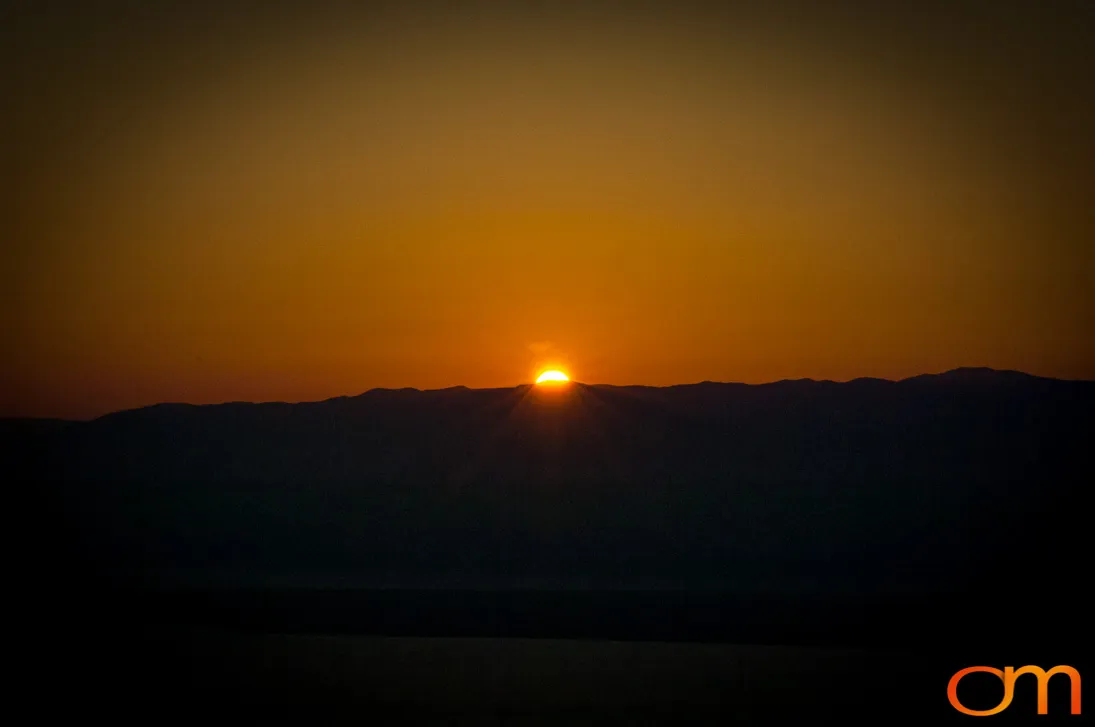
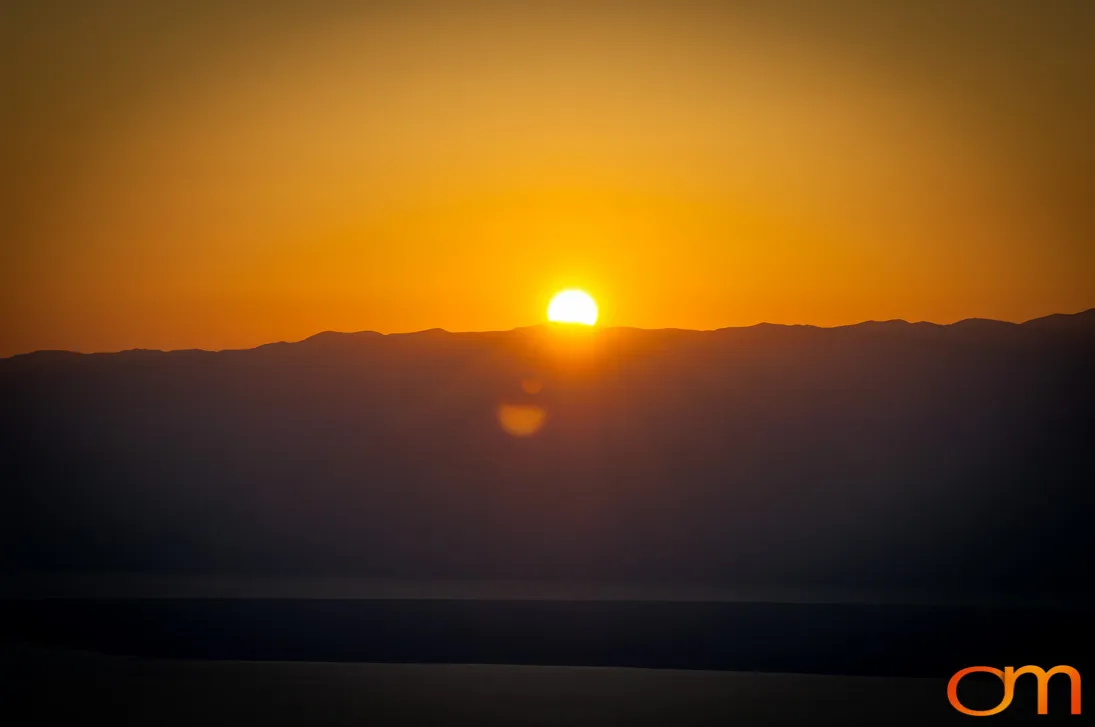
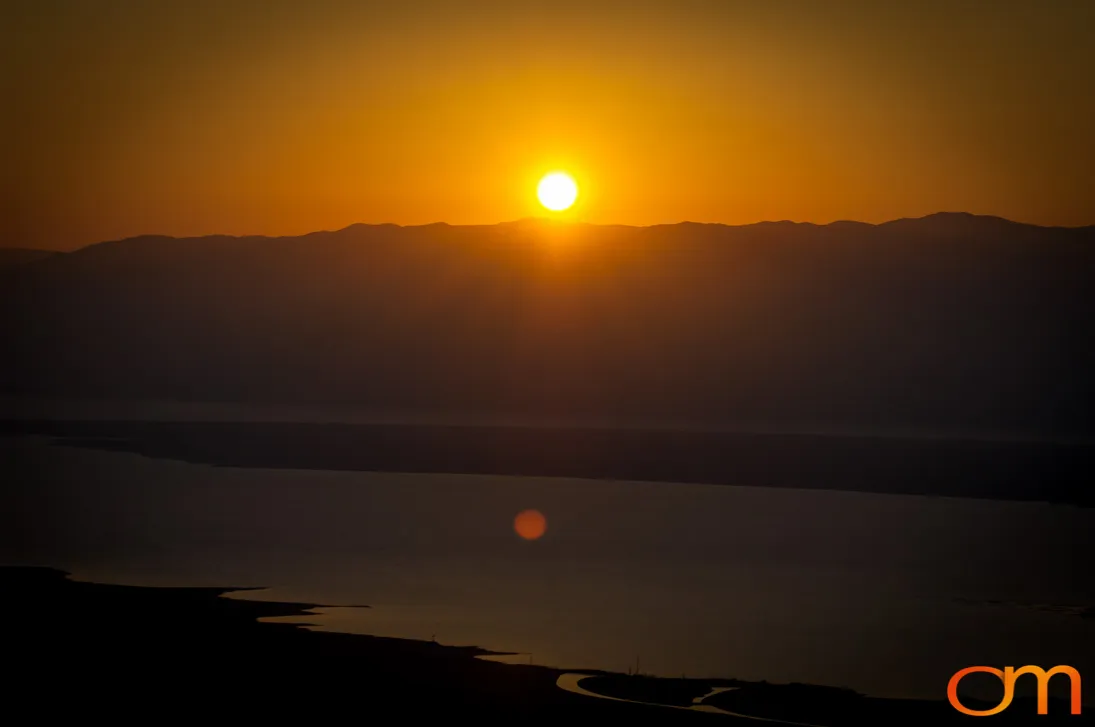
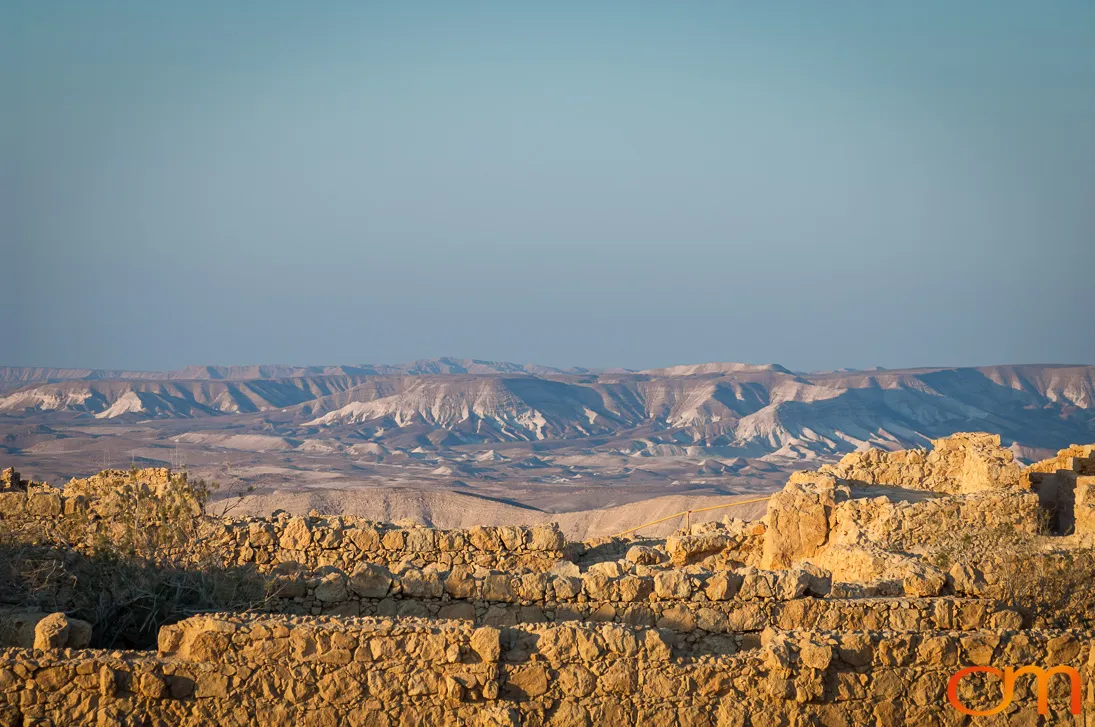
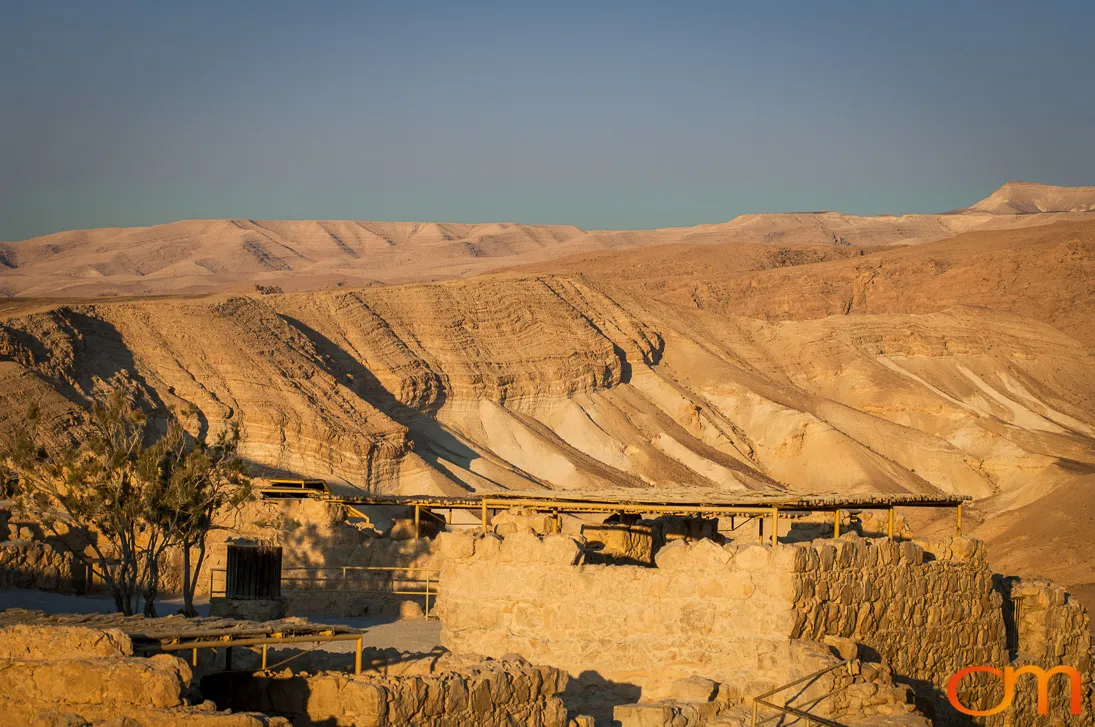
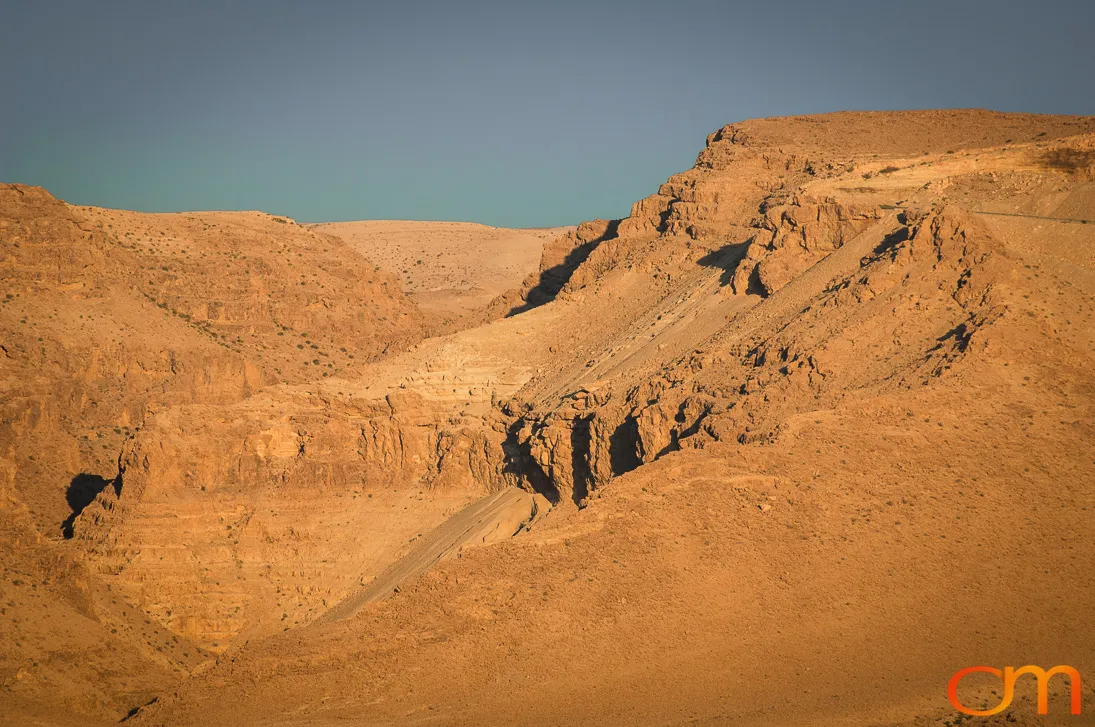
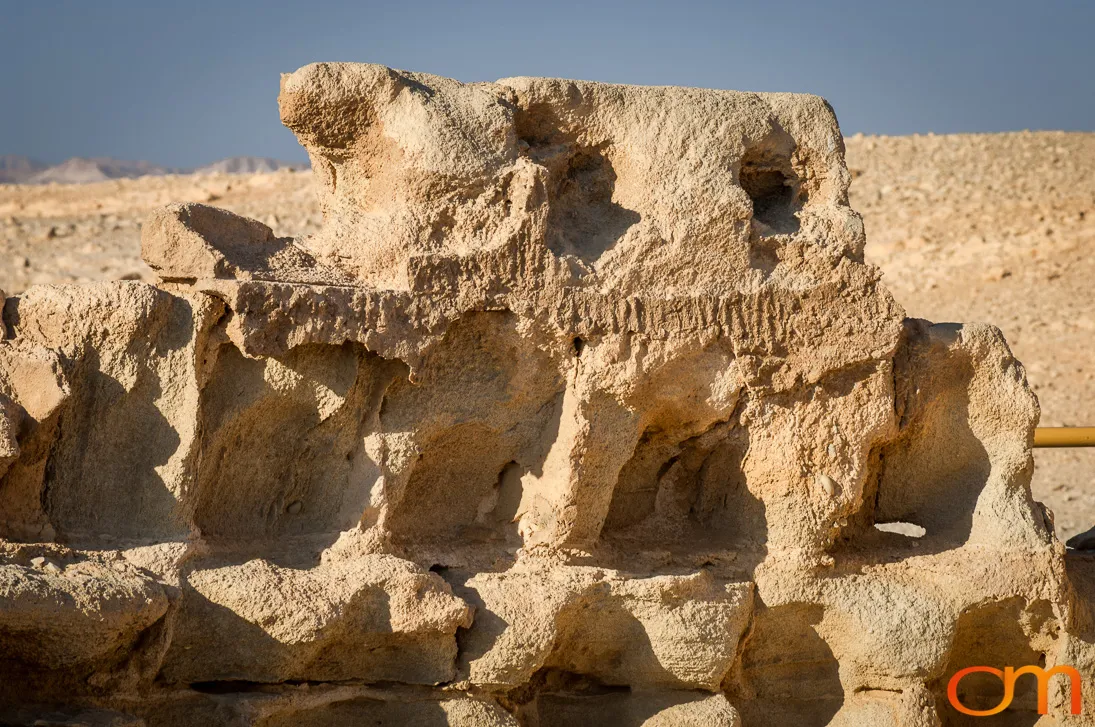
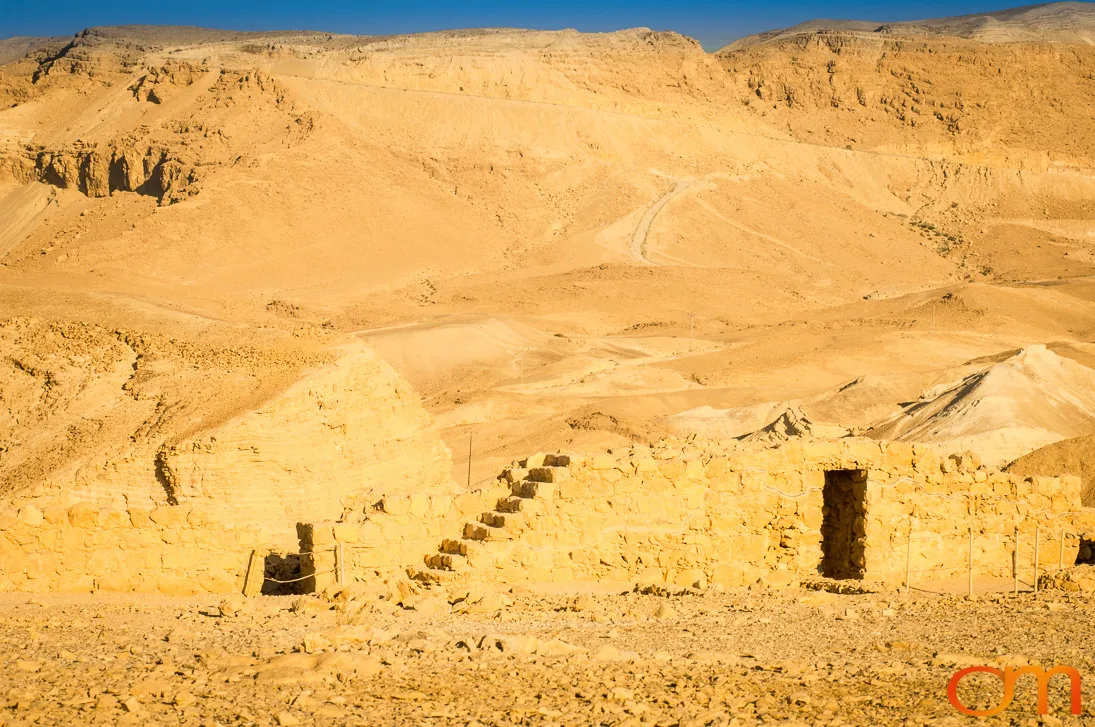
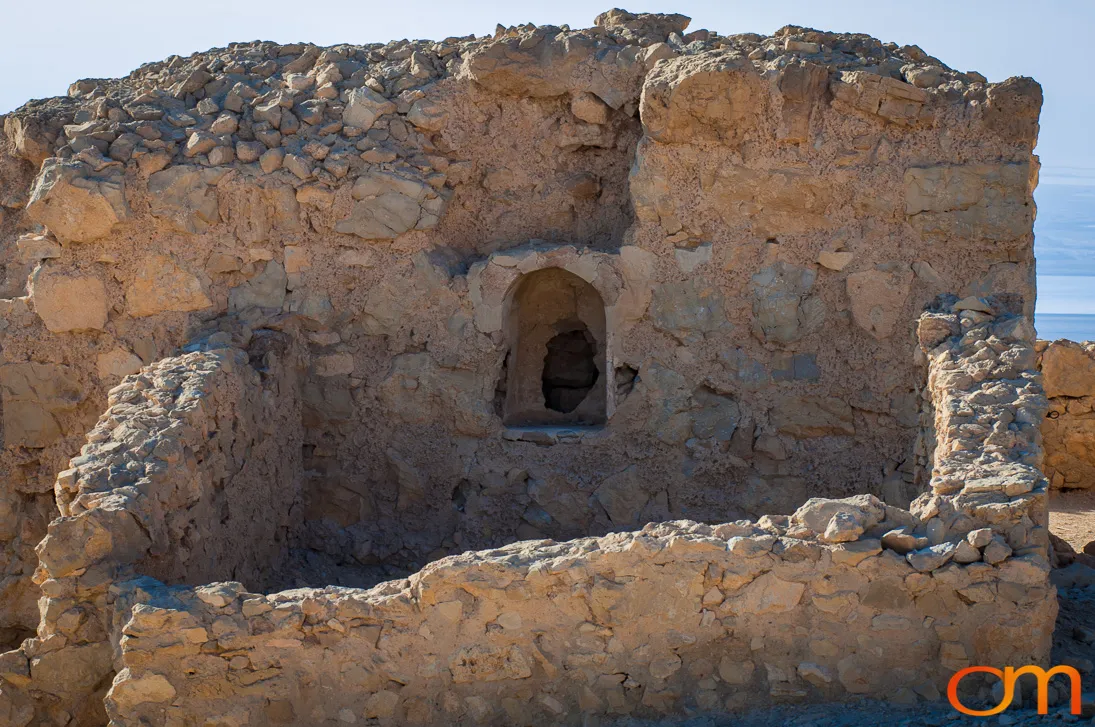
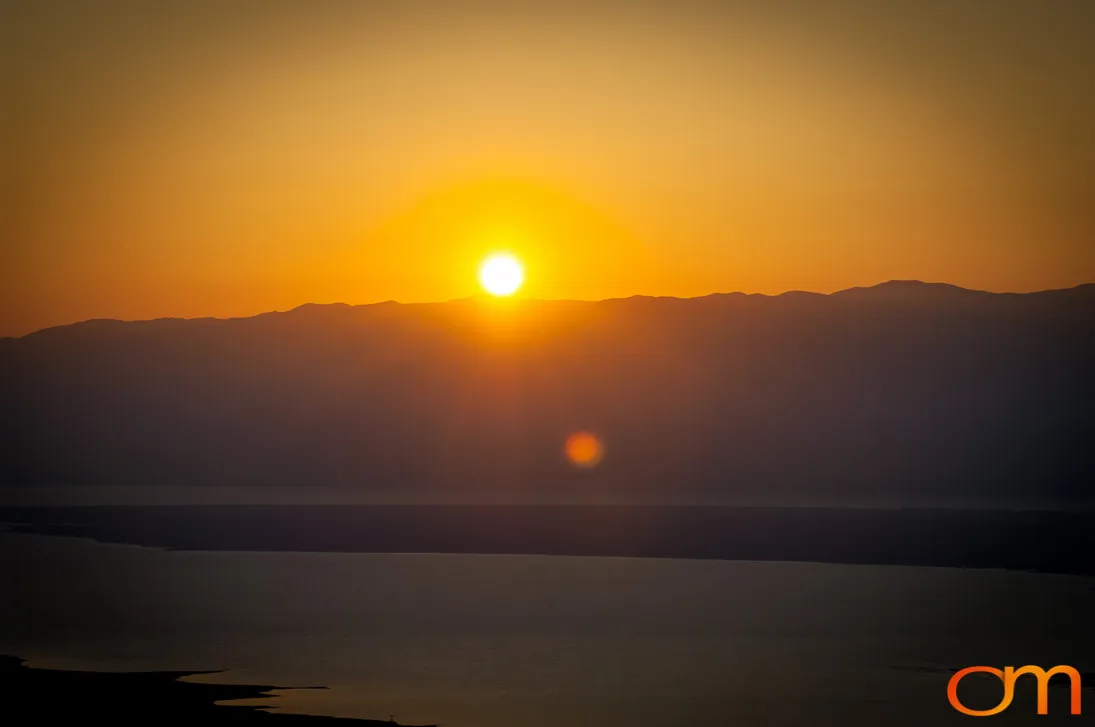
These photographs, taken in 2008, document Masada’s archaeological remains, the surrounding desert escarpments, and the Dead Sea at sunrise.