Kolkata
Kolkata Street Dogs: Community Care and the Indian Native Dog
January 2011
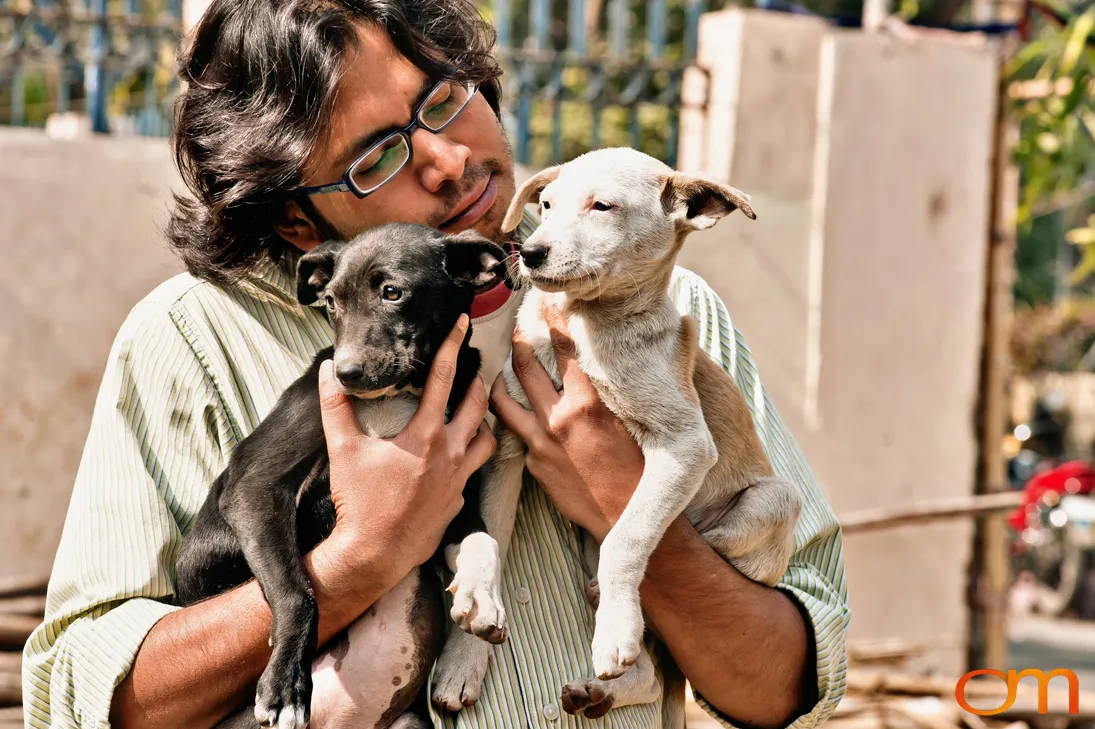
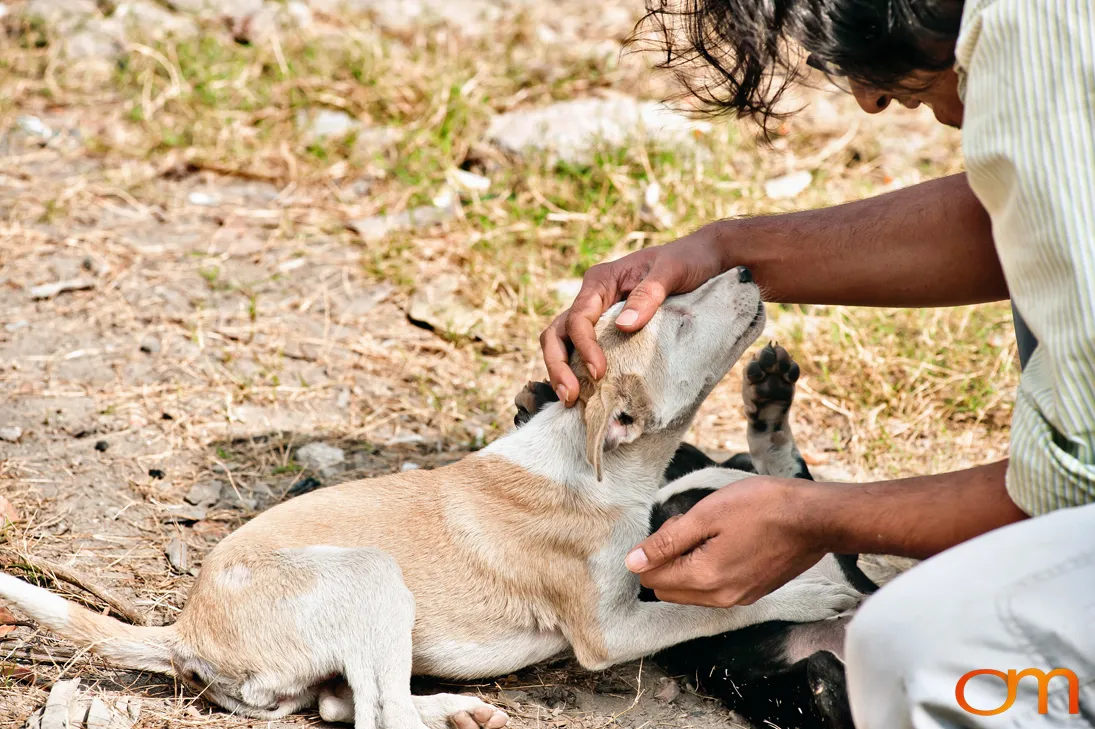
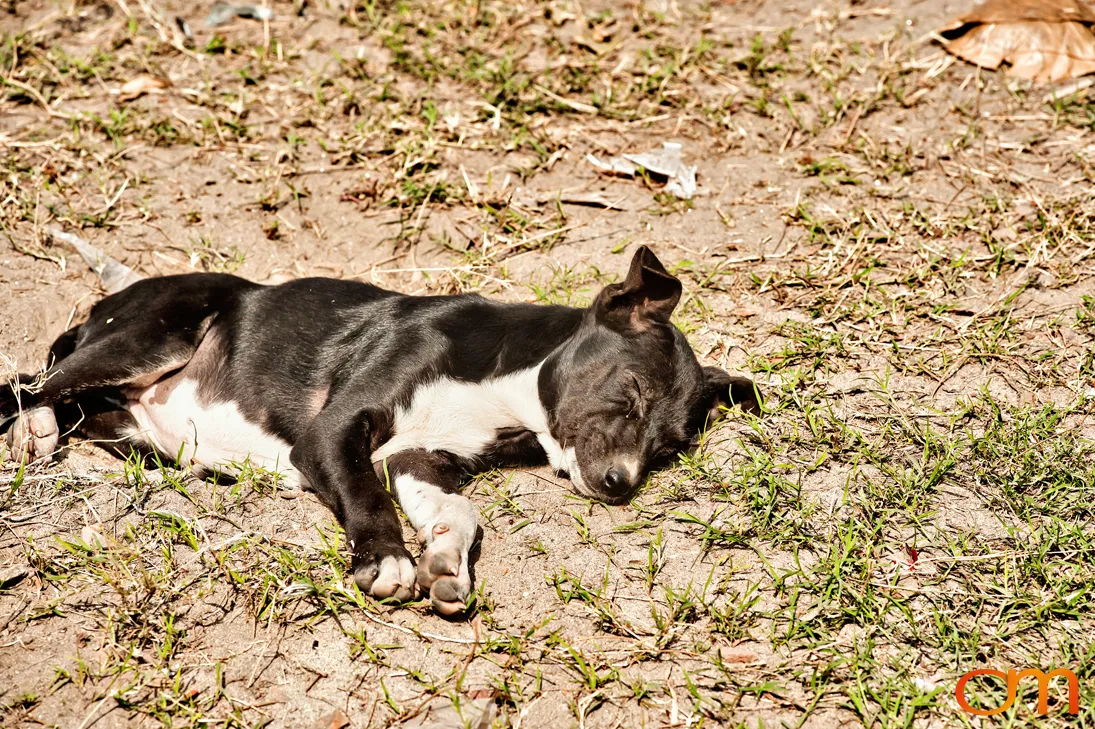
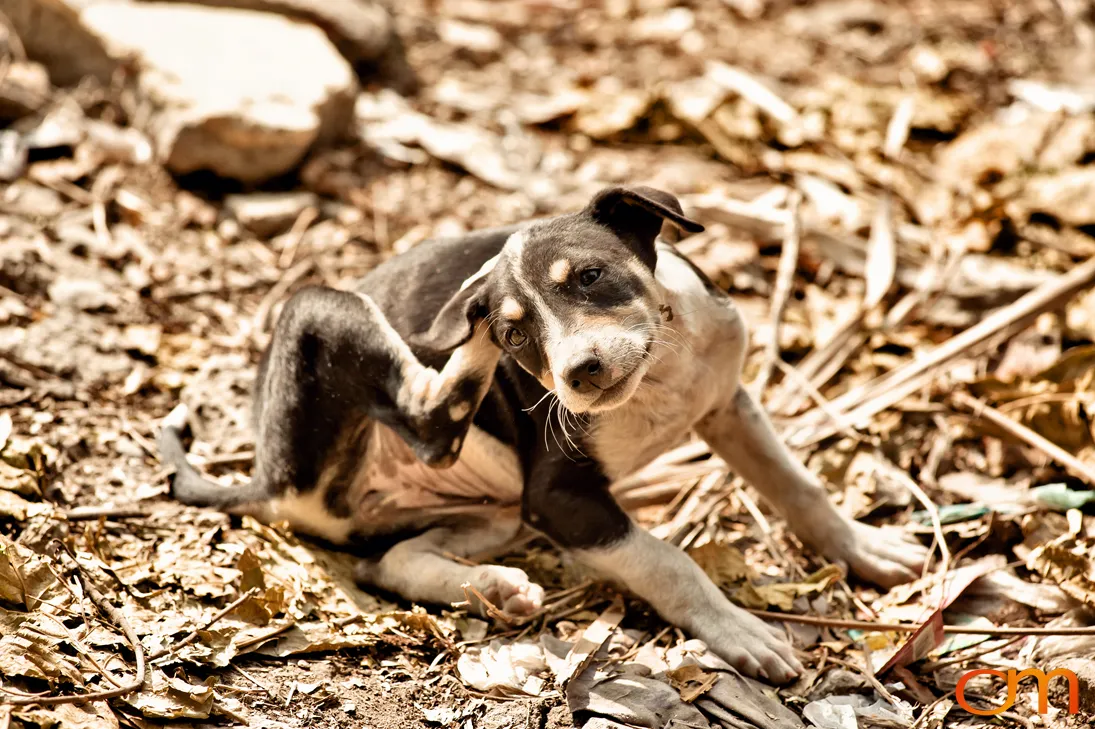
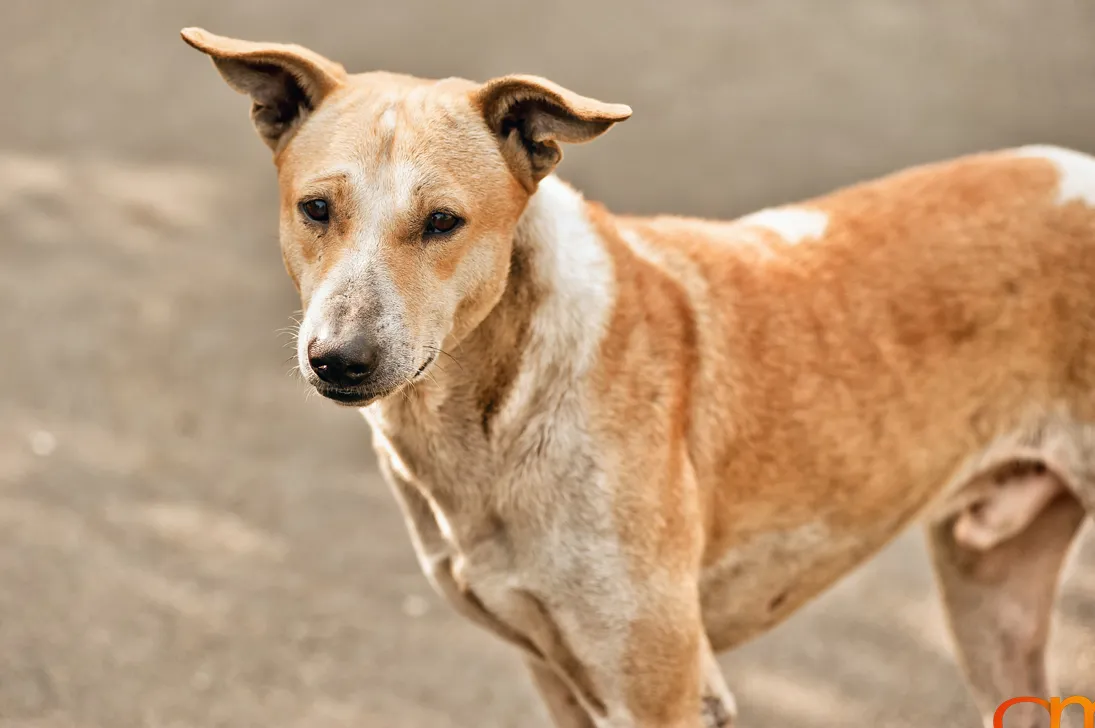
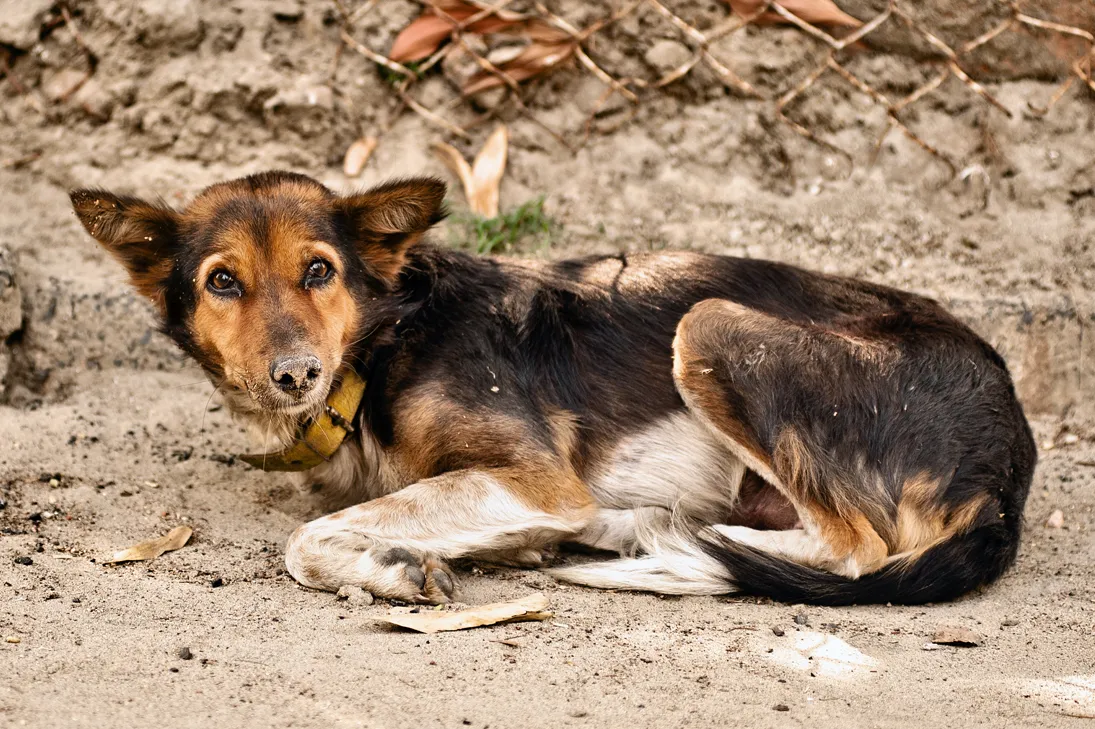
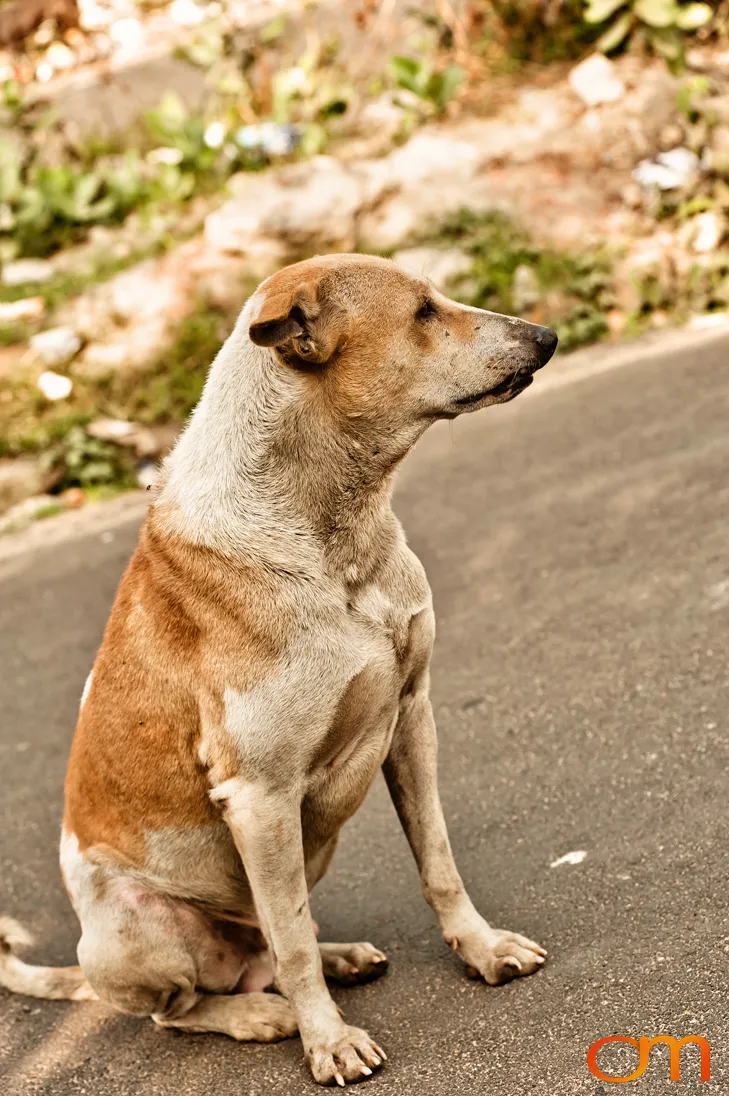
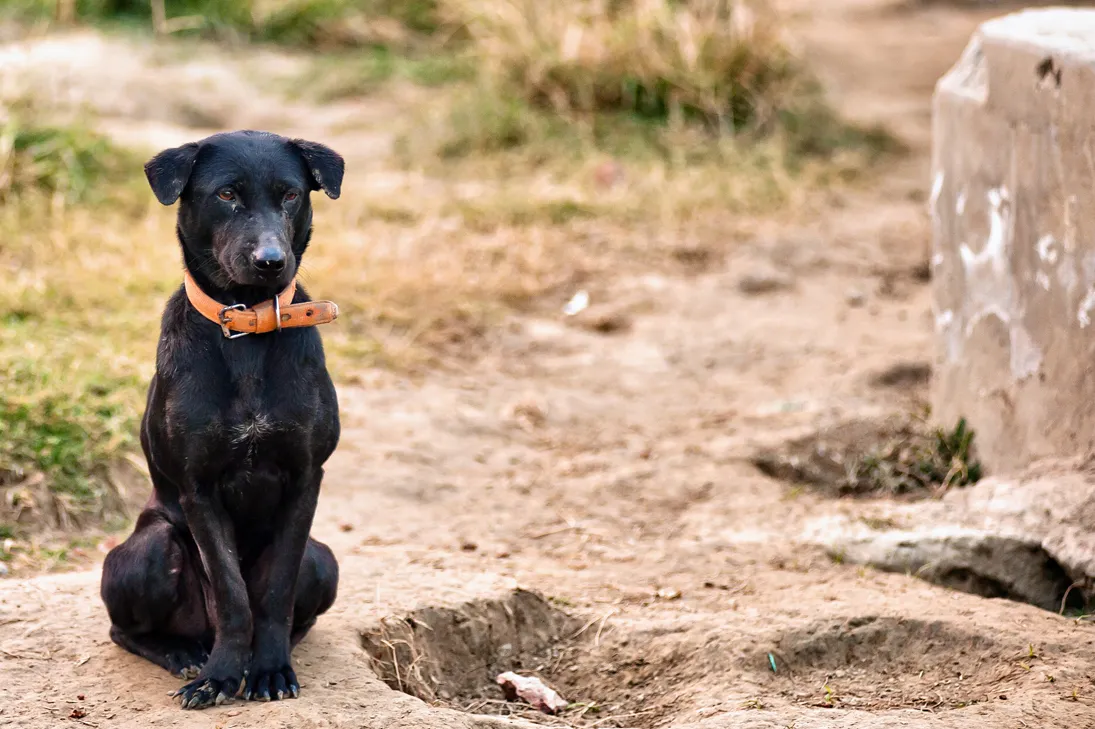
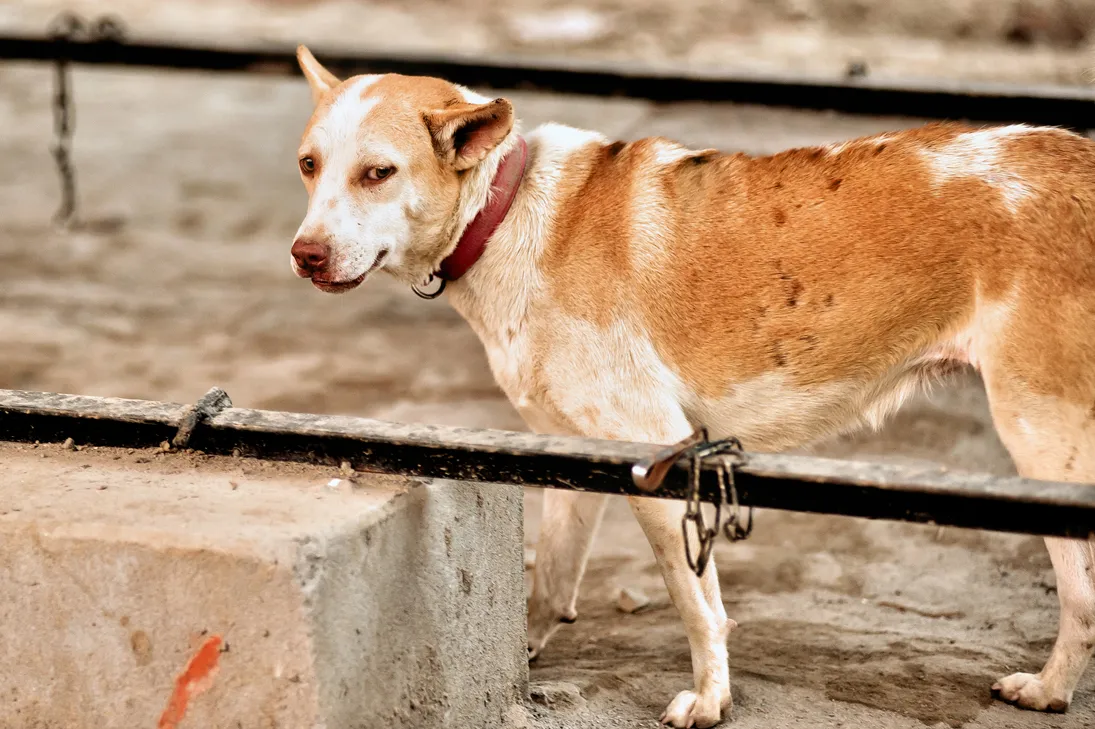
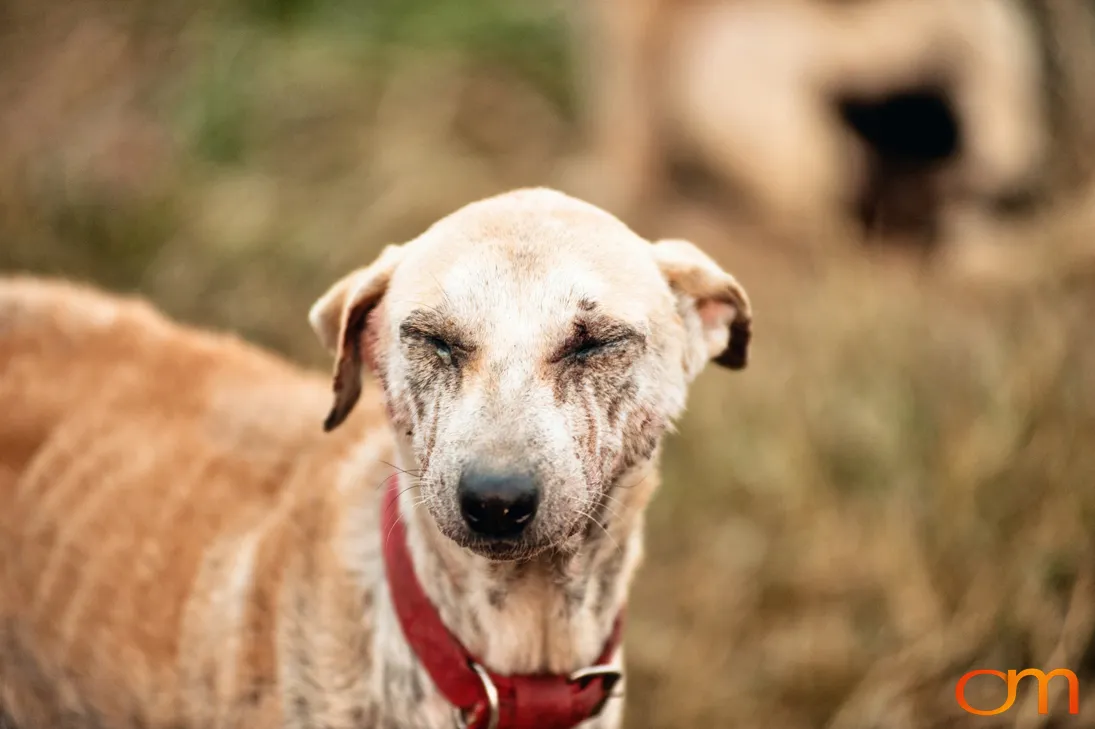
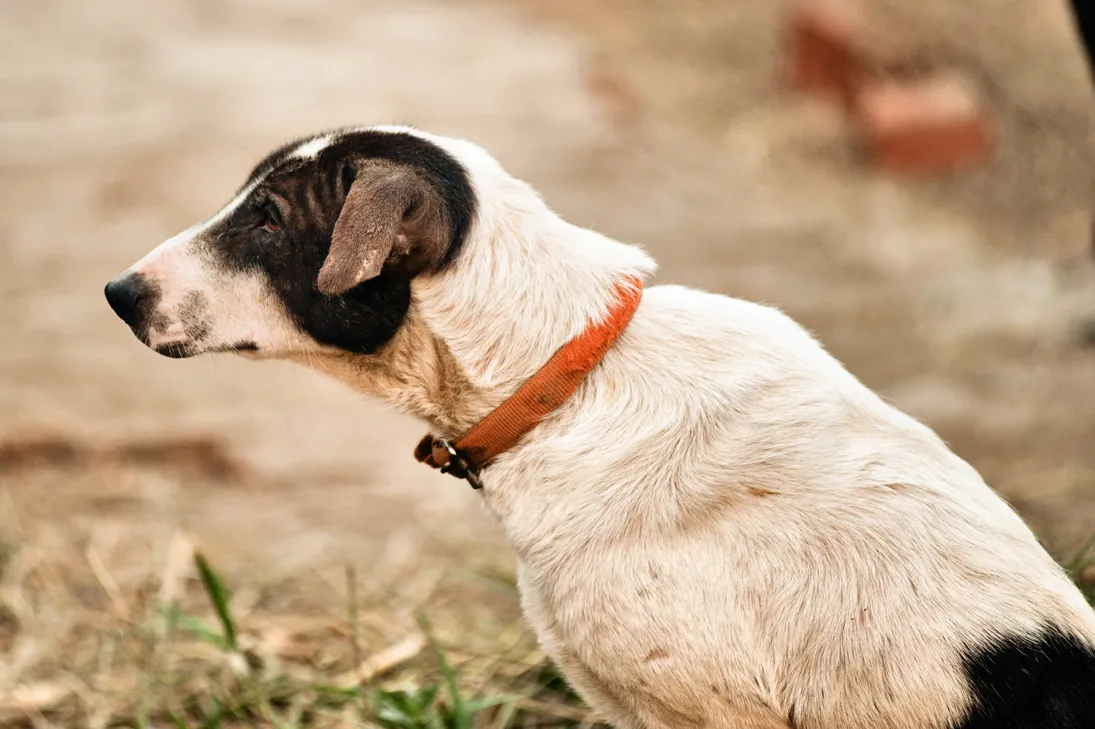
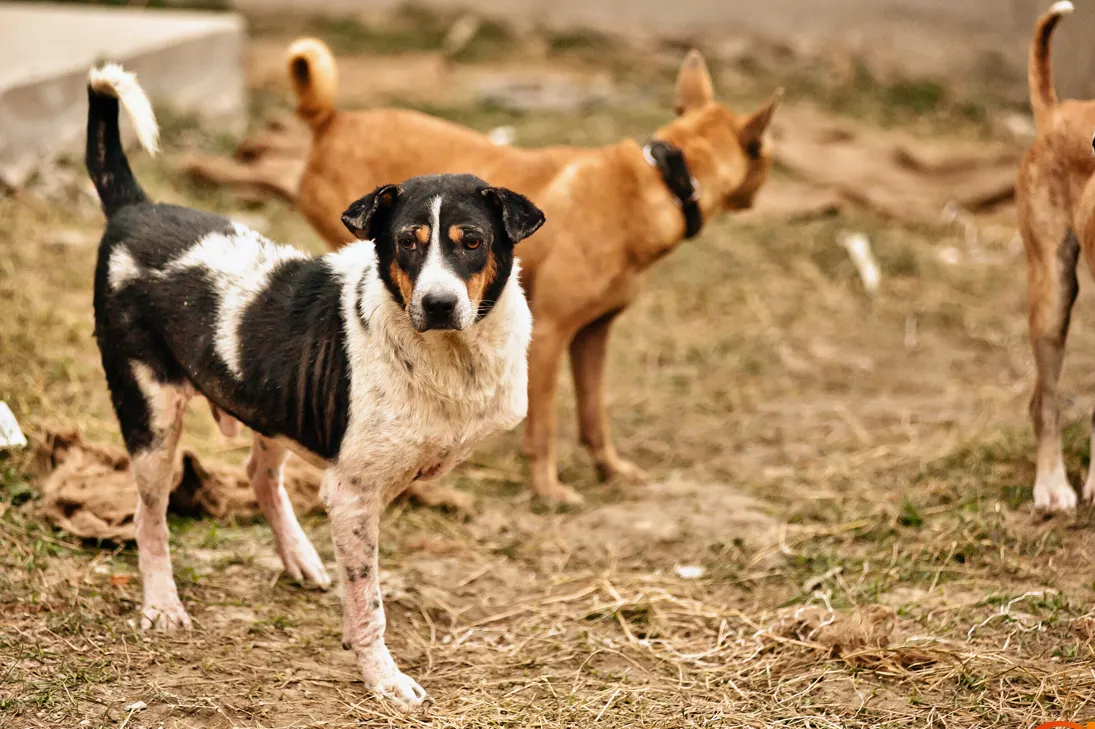
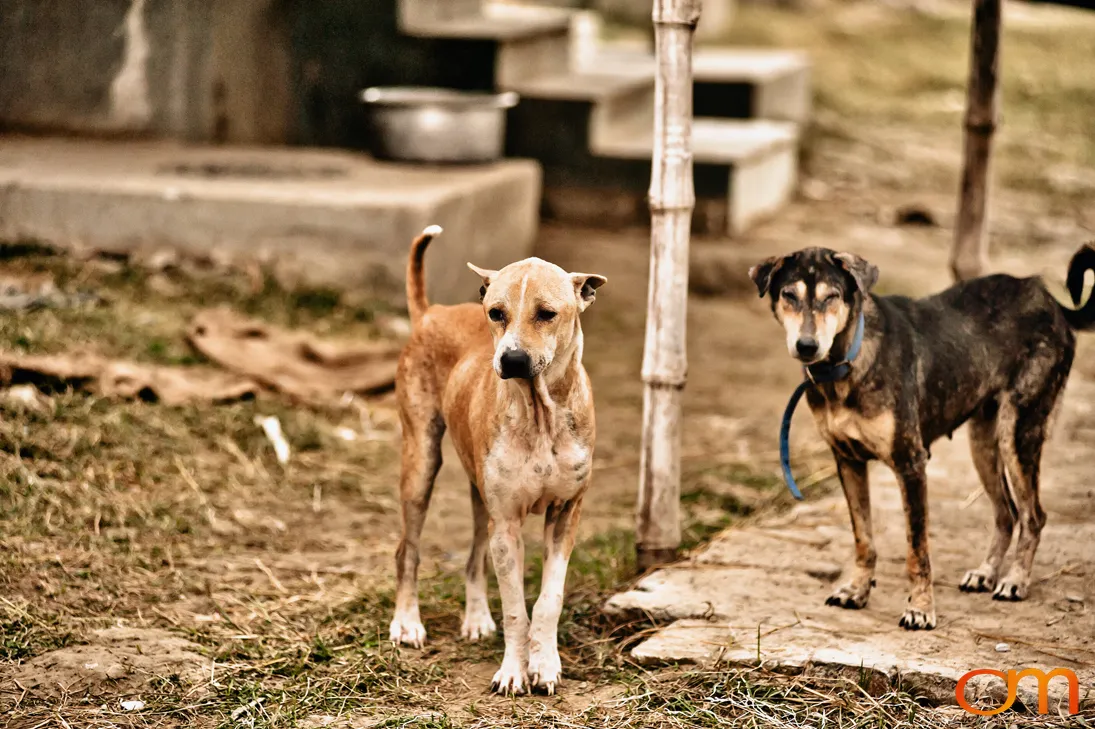
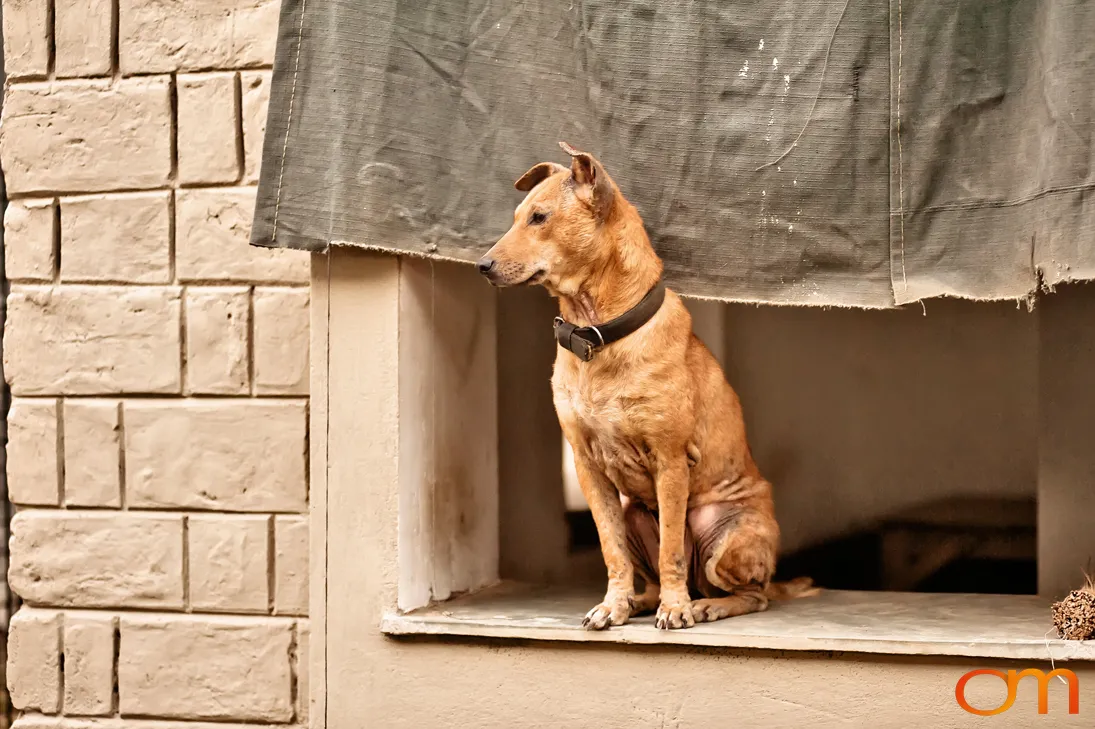
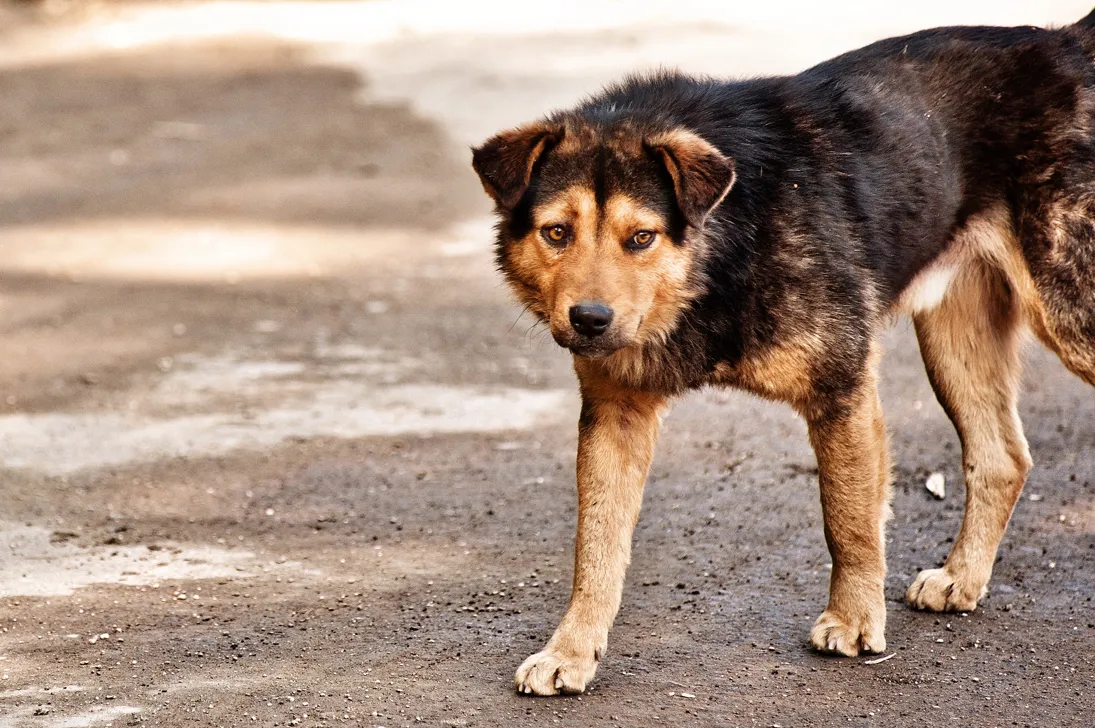
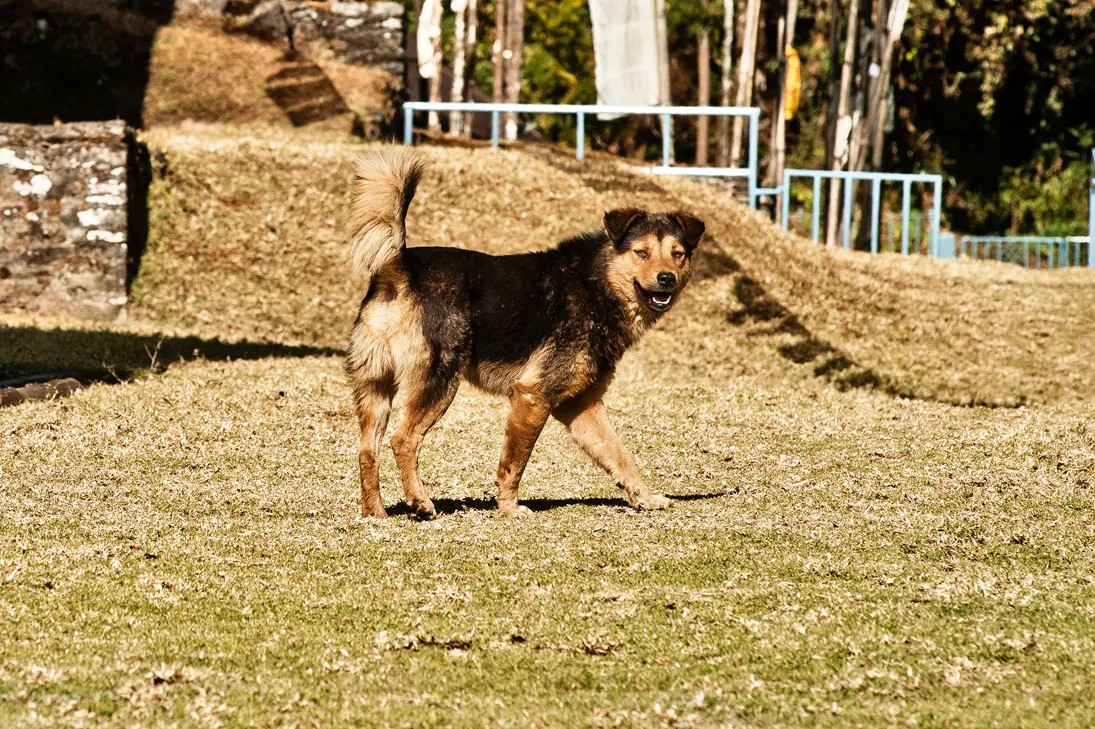
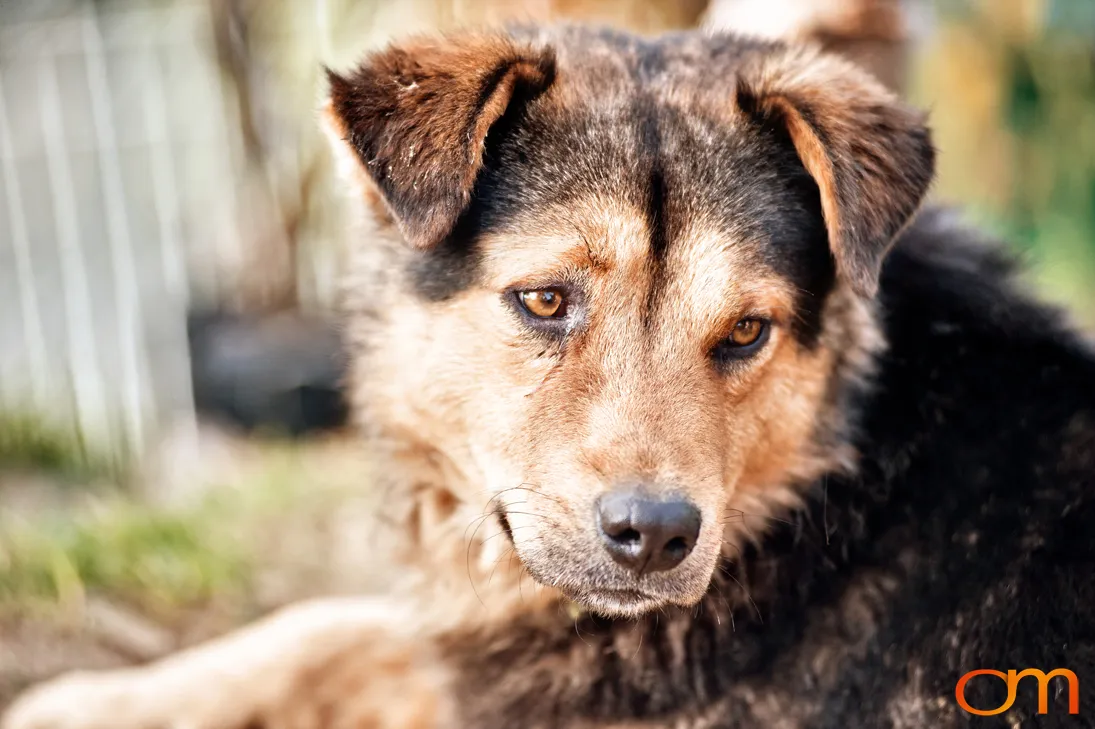
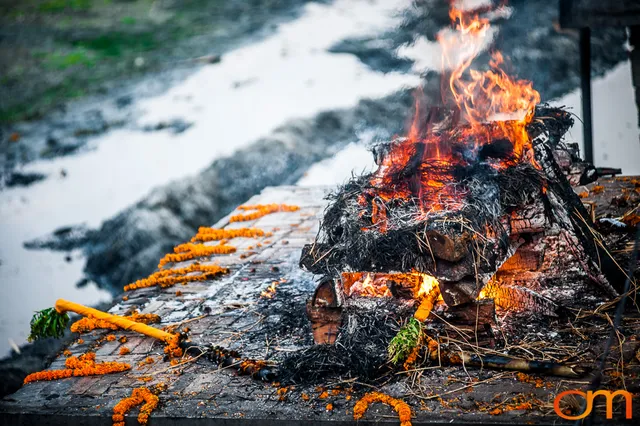
In 2011, Amanda Fornal traveled in and around Kolkata, India, to document street and community dogs and the people working to improve their welfare. The project included interviews with animal-welfare volunteers, neighborhood residents who regularly fed local dogs, and workers caring for injured and abandoned animals at Chhaya Animal Shelter.
Community-Based Animal Care
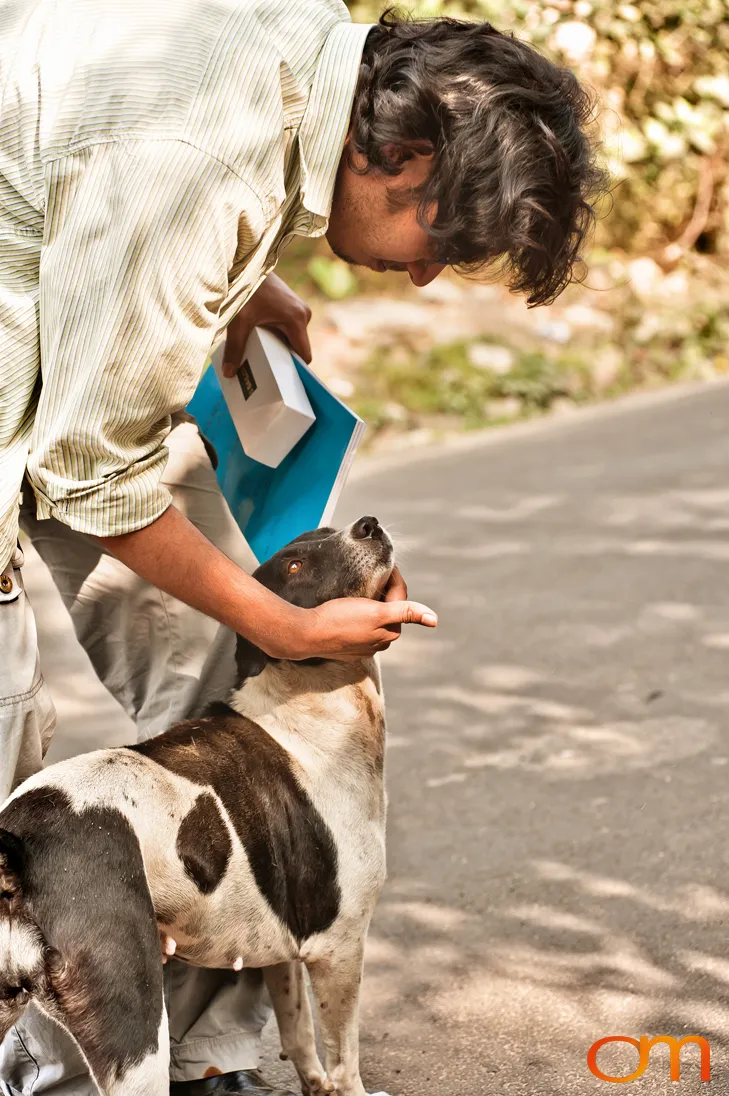
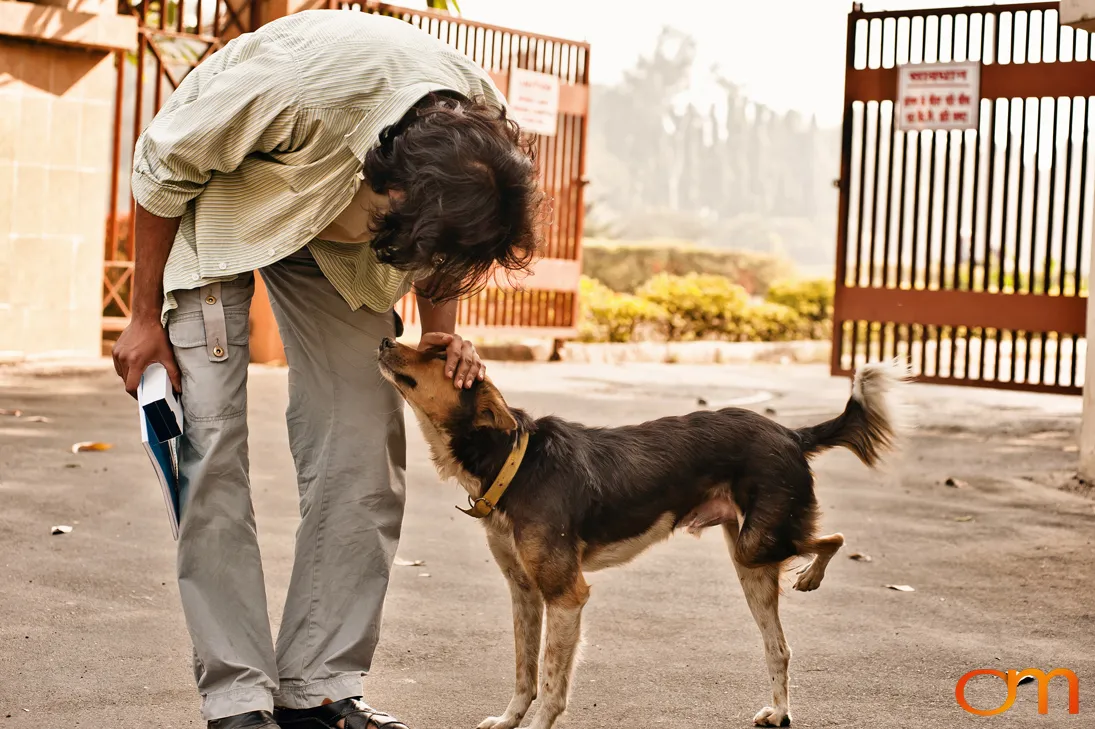
Divyangshu, an animal-welfare volunteer associated with YODA and the Debasree Roy Foundation, arranged visits with people caring for dogs throughout Kolkata.
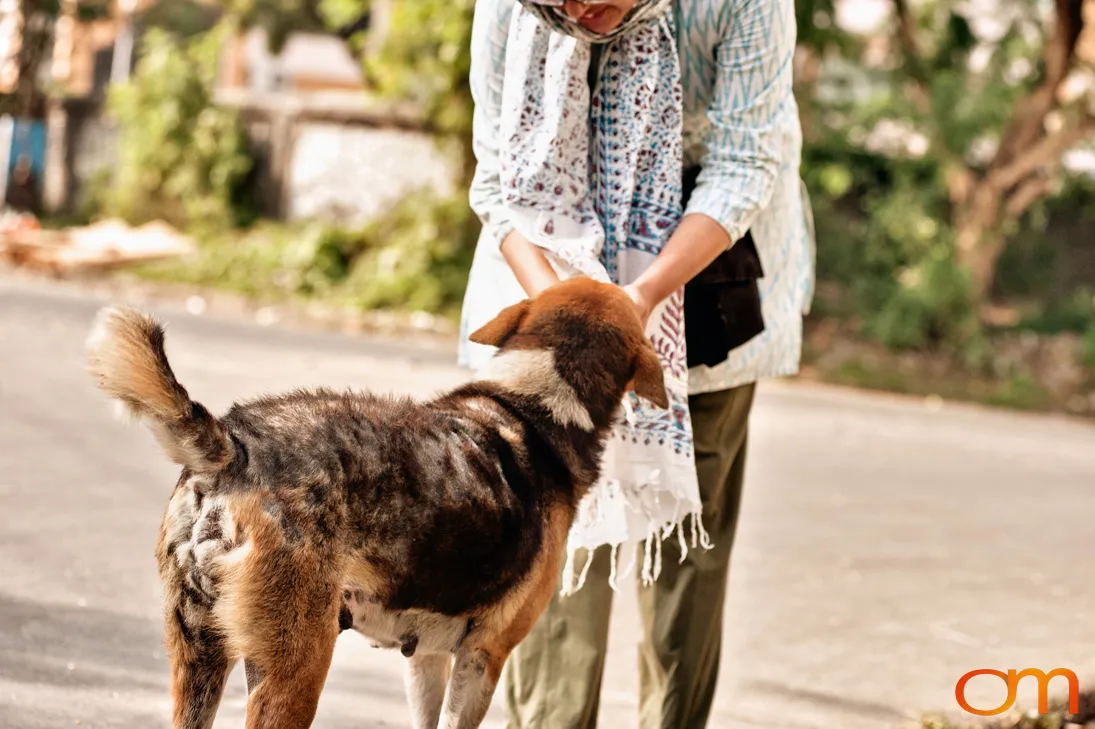
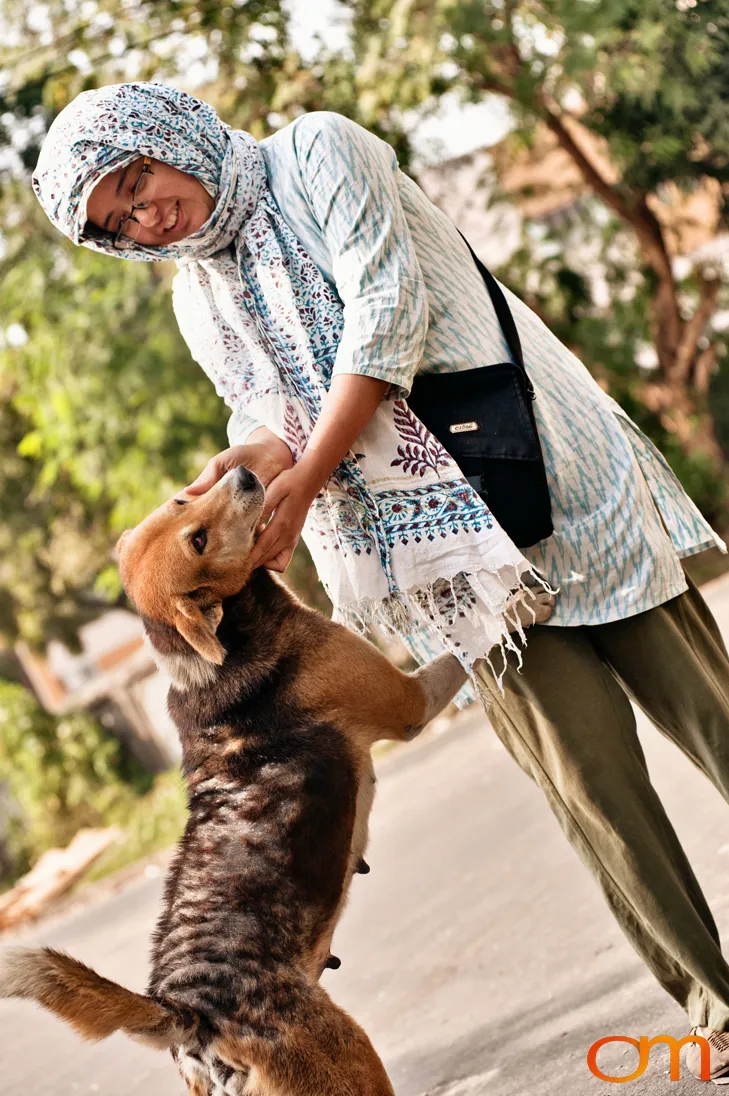
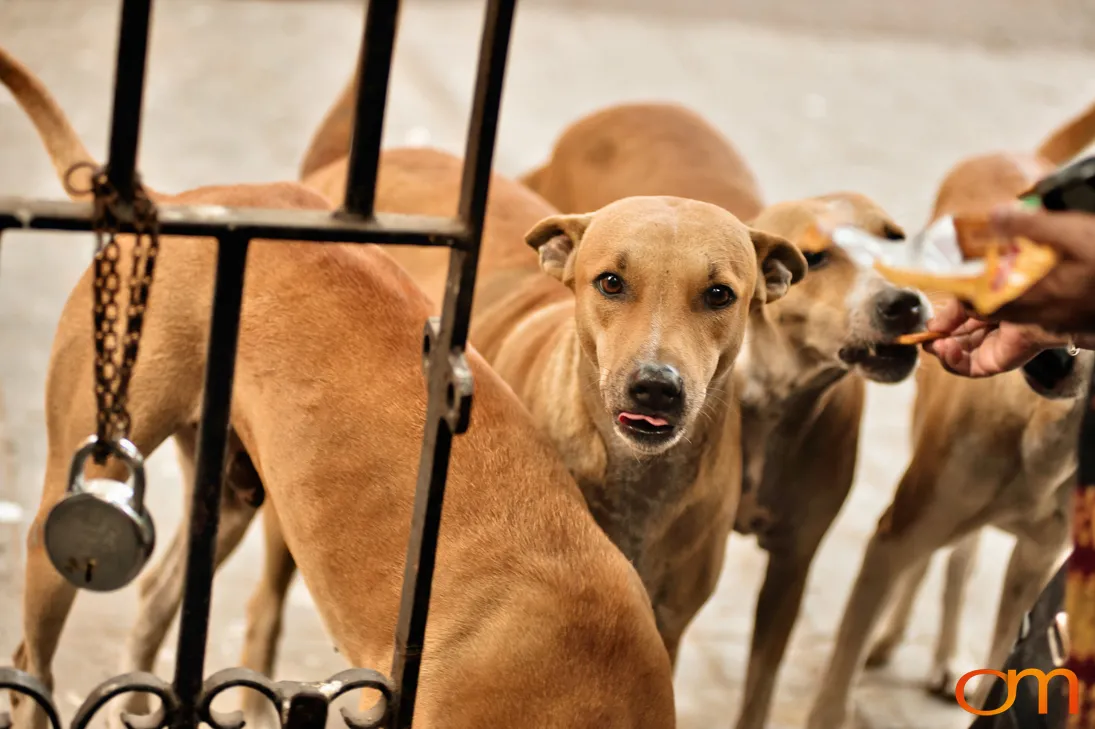
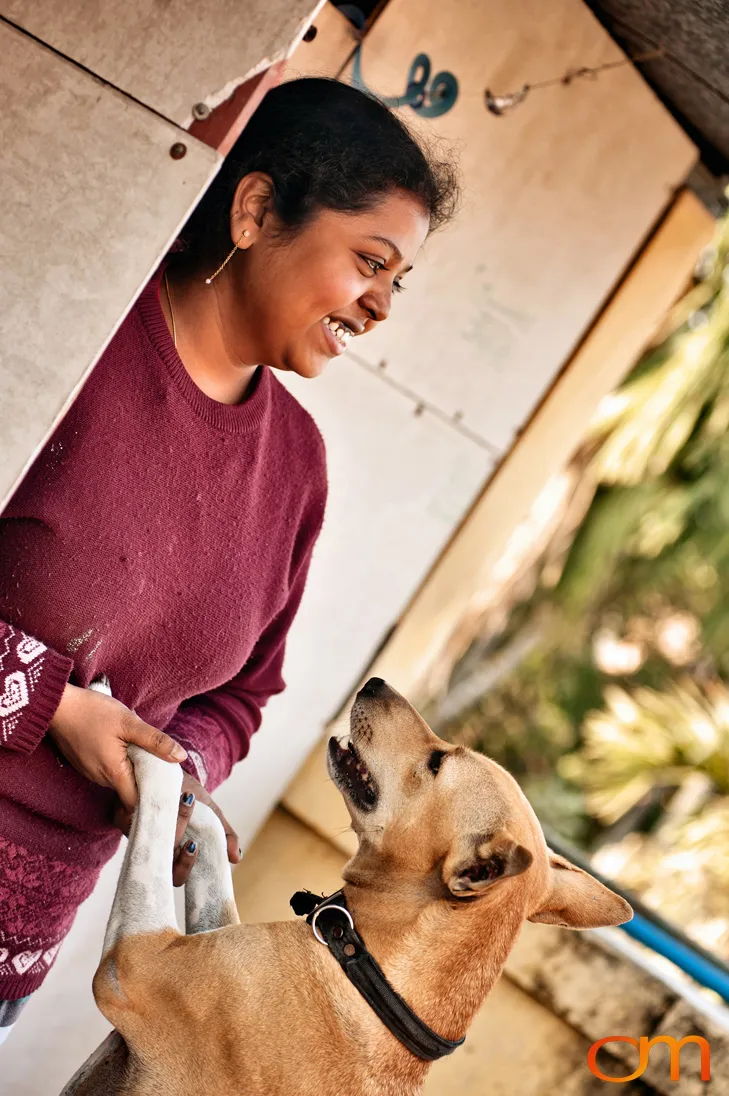
Oindrila and Tamaghna, both physics doctoral students, reported feeding approximately 30 street dogs each day. They also monitored the animals’ health, arranged vaccinations, and responded when dogs in their area were injured or ill.
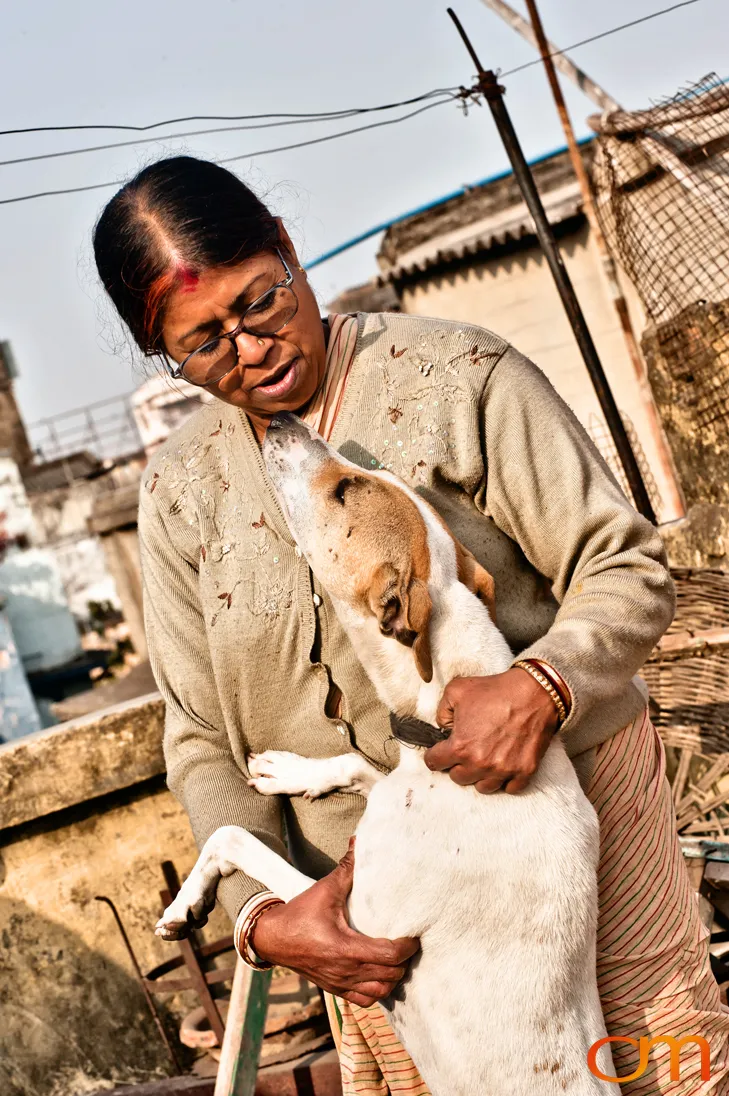
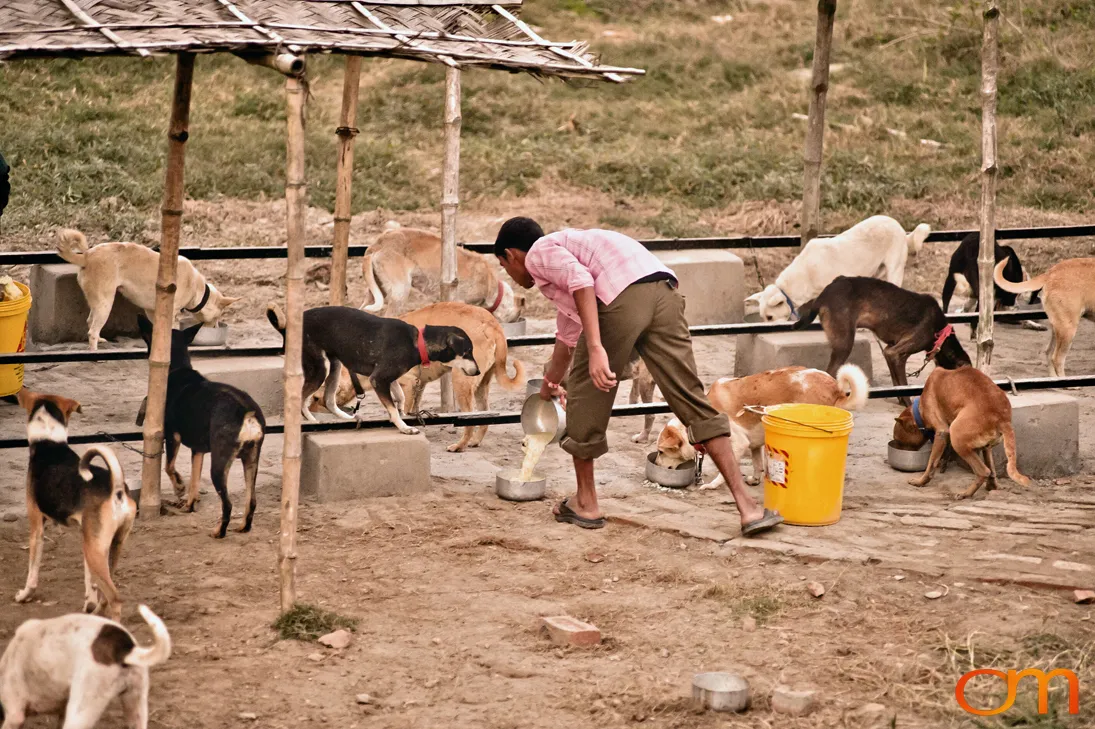
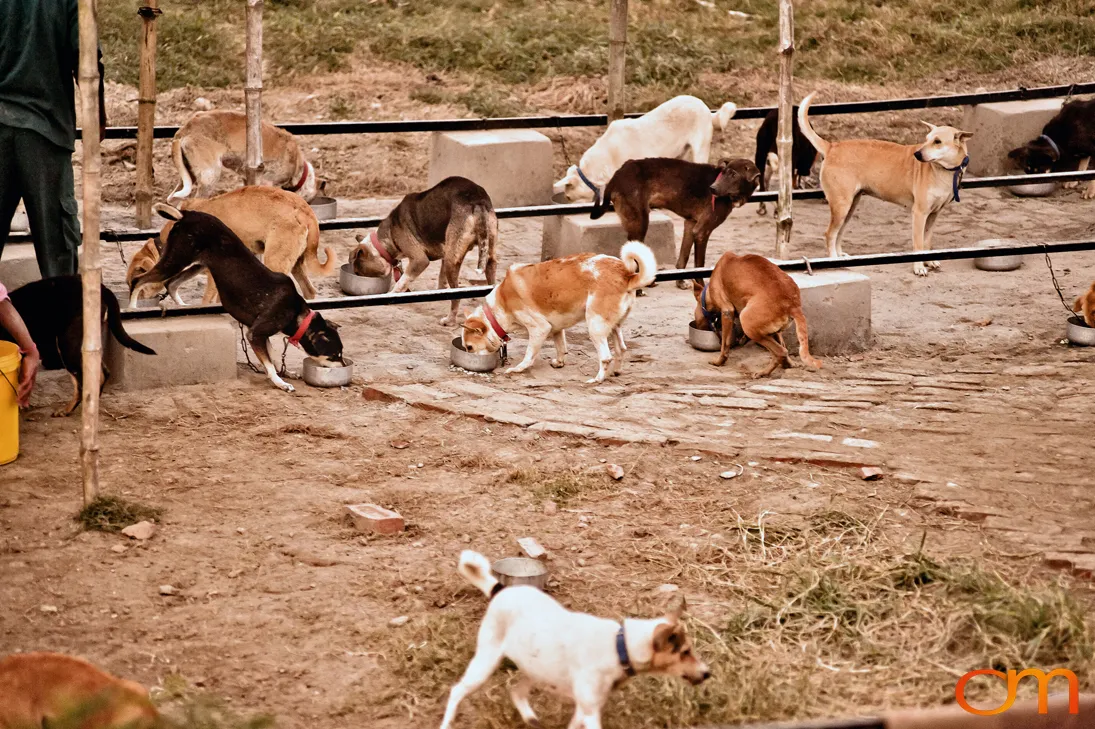
Other residents prepared food for animals living near their homes. Sulekha and her daughter reported feeding approximately 30 to 45 dogs in the Dhakuria Lake area. Israt and her mother prepared food for approximately 40 dogs.
Beena, a domestic worker with limited financial resources, reportedly fed approximately 35 dogs and two dozen cats. According to the field account, she carried buckets of water for meat and fish sellers in exchange for scraps that could be used to feed the animals.
Together, these residents formed an informal neighborhood care network. Their work relied largely on personal time, household resources, and relationships with local volunteers rather than a centralized animal-care system.
Chhaya Animal Shelter
The principal institutional visit was to Chhaya Animal Shelter in Aswathberia, outside Kolkata.
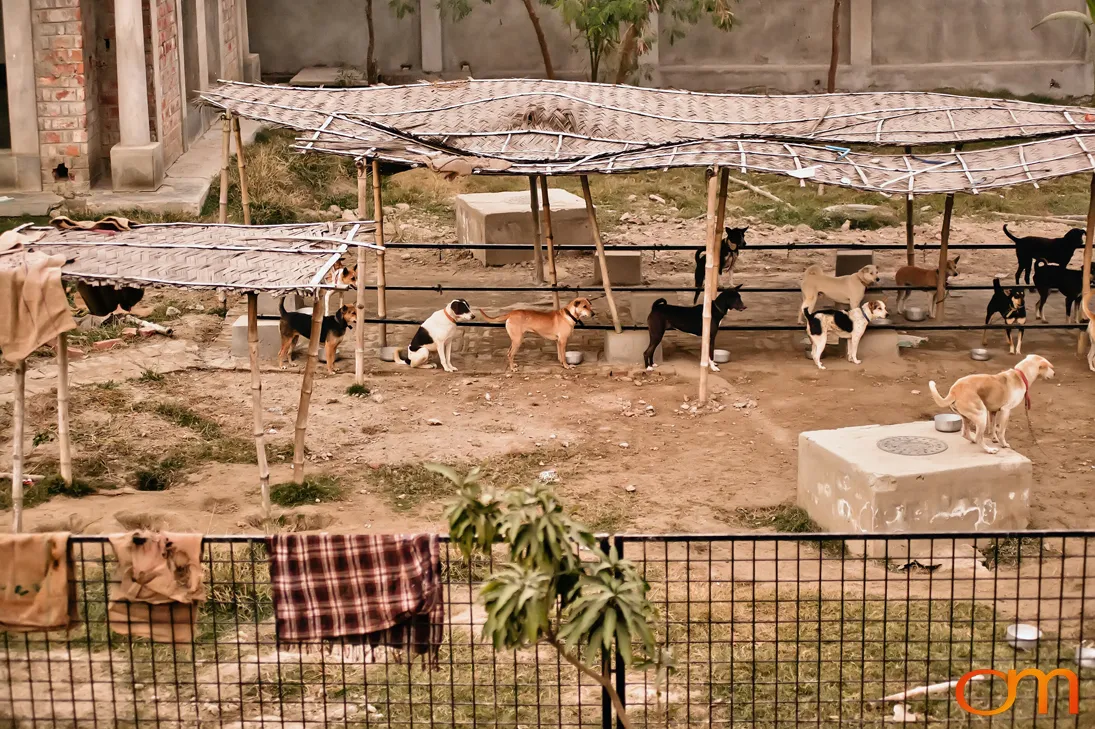
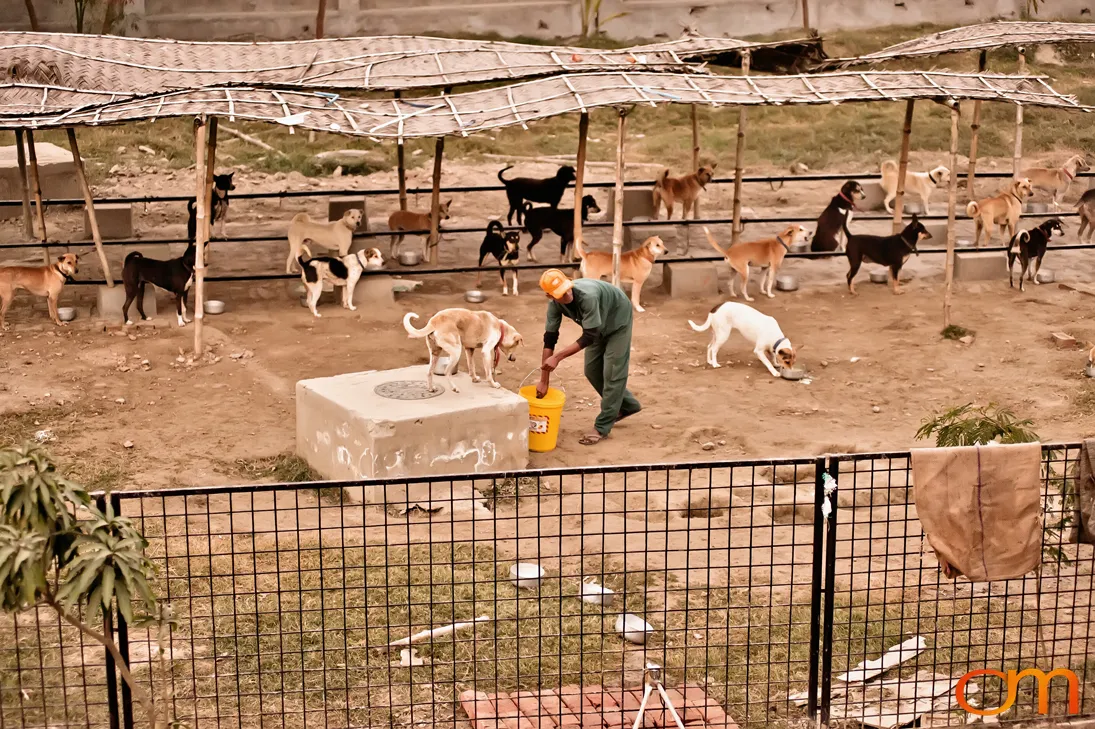
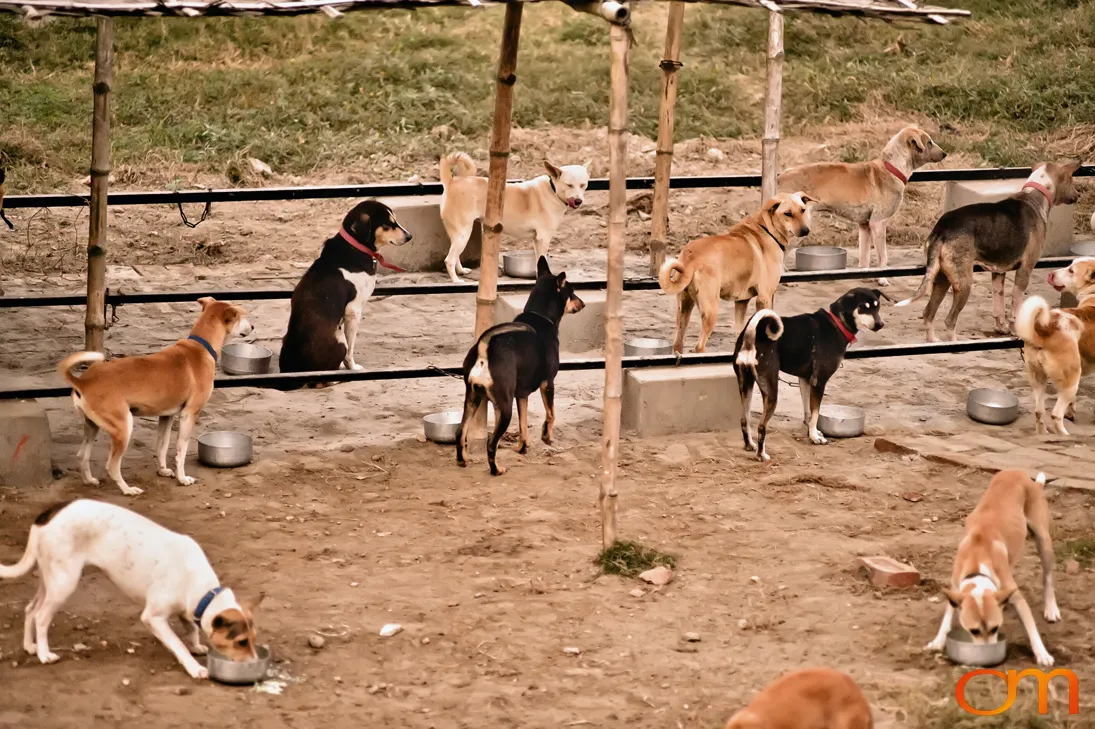
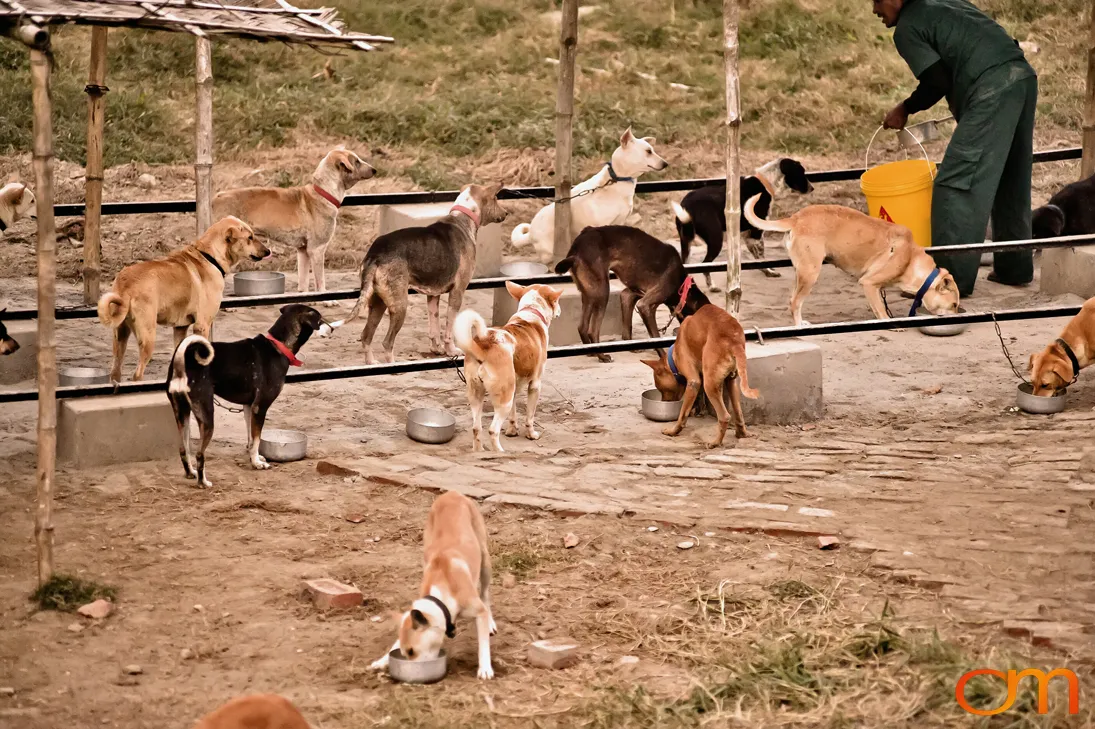
During the 2011 visit, the shelter cared for injured, disabled, abandoned, and unwanted animals. Indoor recovery areas housed dogs receiving postoperative care following sterilization, treatment for traffic injuries, tumor removal, wound treatment, and other medical procedures.
Treatment boards near the enclosures recorded individual animals’ procedures, medications, and recovery status. Dogs healthy enough to return to their original neighborhoods were released after treatment and recovery. Animals unable to survive safely on the streets remained at the shelter.
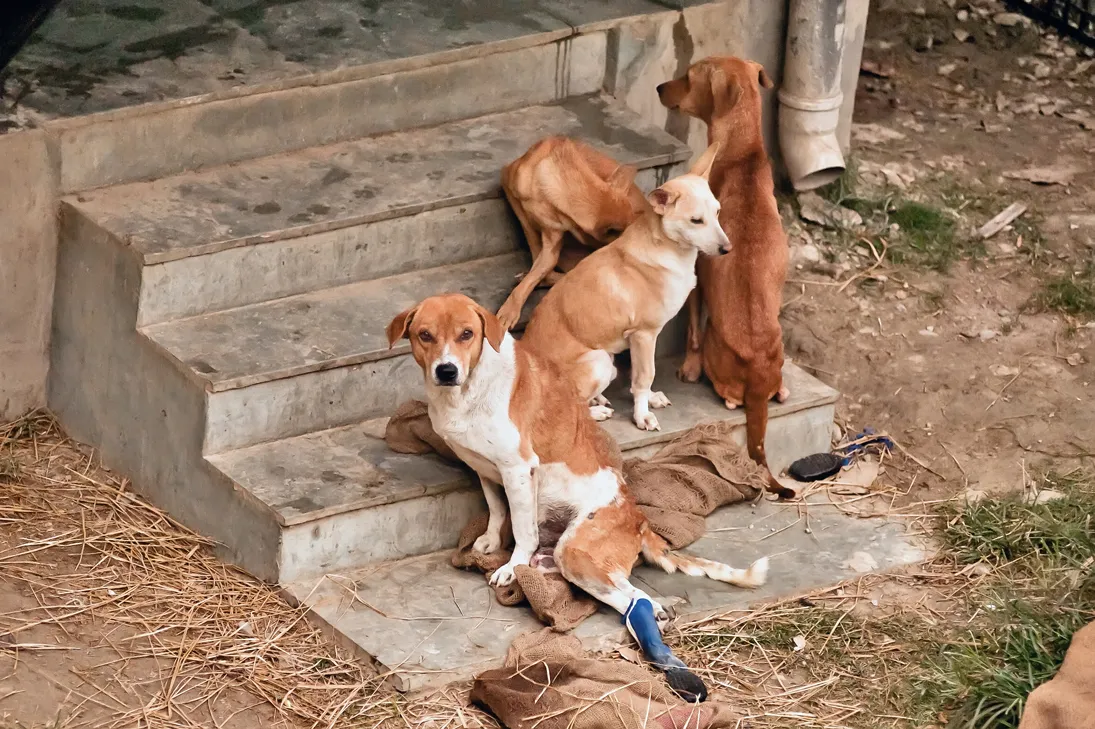
The project documented abandoned puppies, dogs recovering from serious injuries, and dogs whose rear legs had been paralyzed in accidents. Shelter workers bottle-fed young puppies and provided long-term care for animals requiring continuing assistance.
Chhaya continues to operate as Chhaya Animal Hospital and Shelter under People for the Respect and Care of Animals. Its current services include animal rescue, medical and surgical treatment, rehabilitation, and permanent sanctuary for animals that cannot safely be released.
The Indian Native Dog
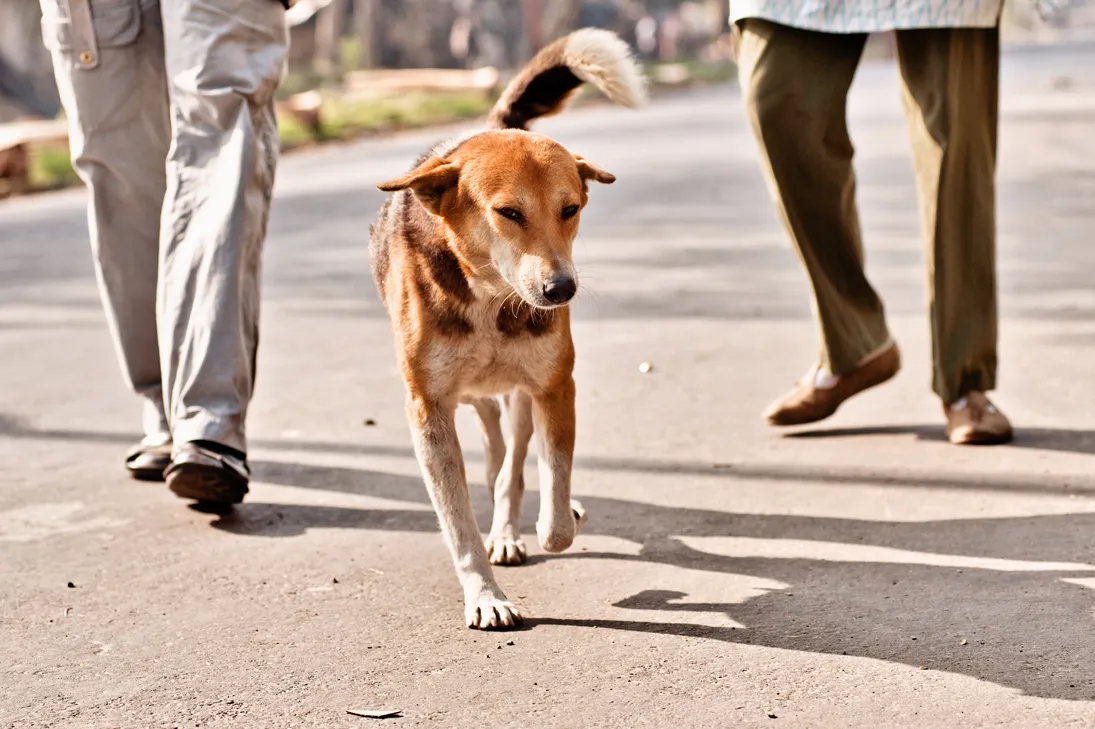
During the project, Oindrila and Tamaghna discussed the Indian Native Dog, commonly called the INDog, and their interest in increasing recognition and protection for indigenous dogs in India.
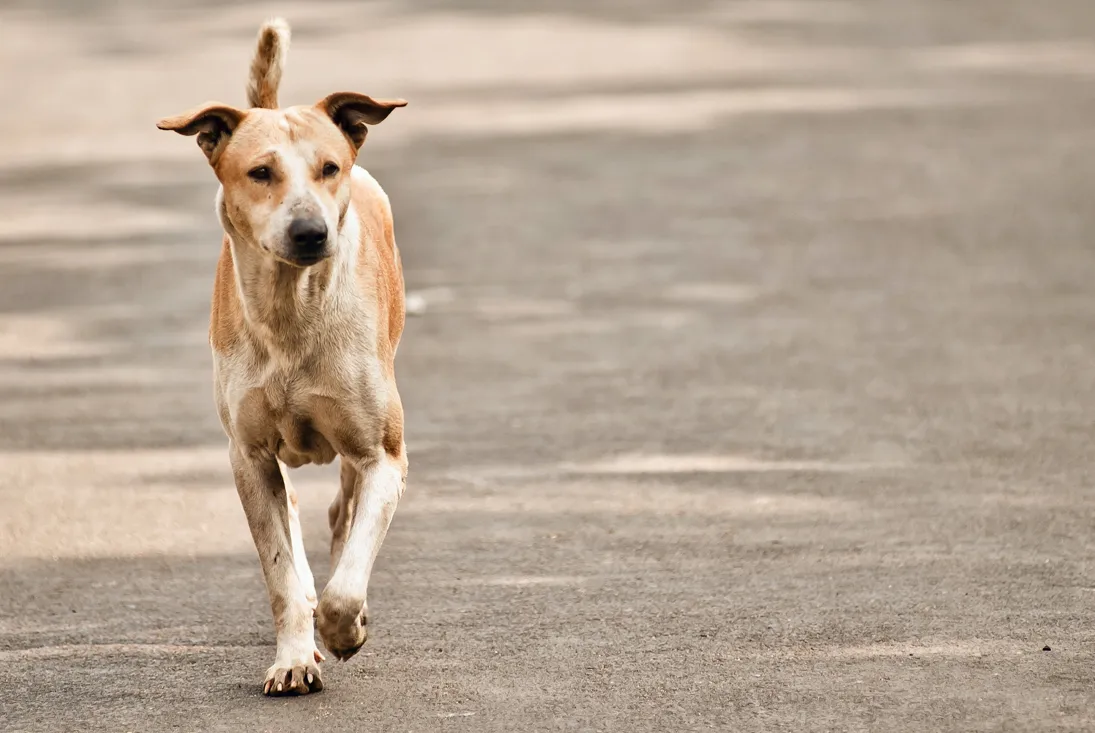
The term INDog is used to describe an indigenous village-dog landrace of the Indian subcontinent. Unlike standardized modern breeds developed through controlled breeding, landrace populations are shaped over generations by their local environments, human communities, natural selection, and varying degrees of human influence.
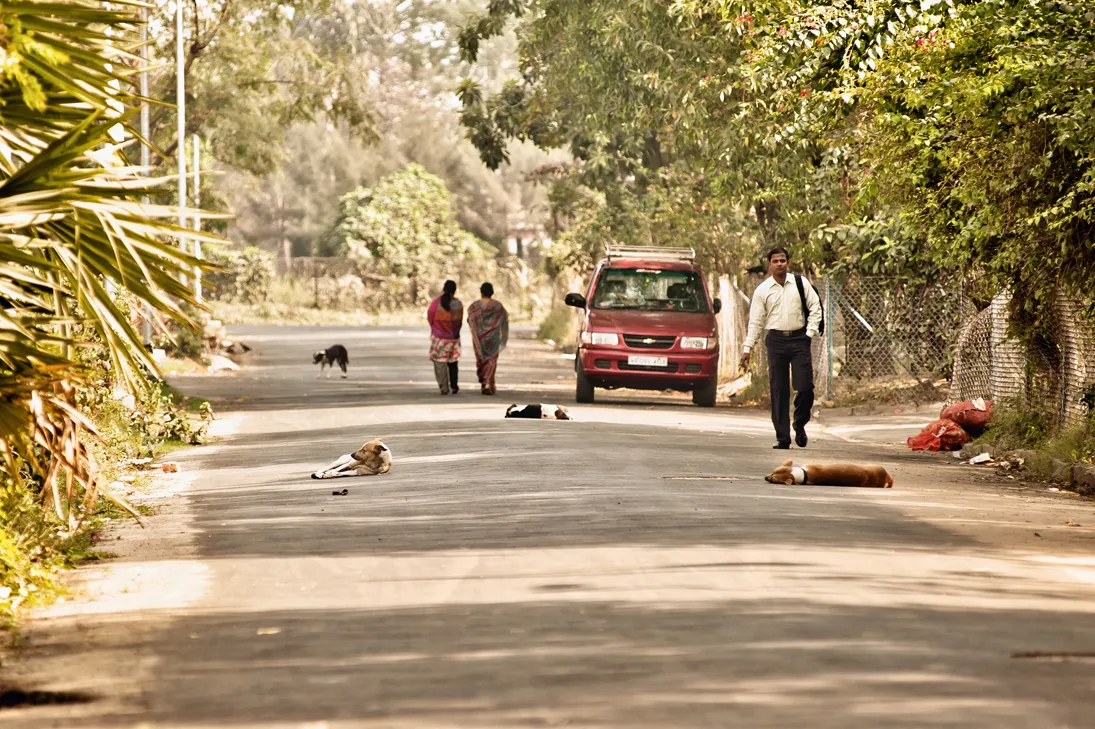
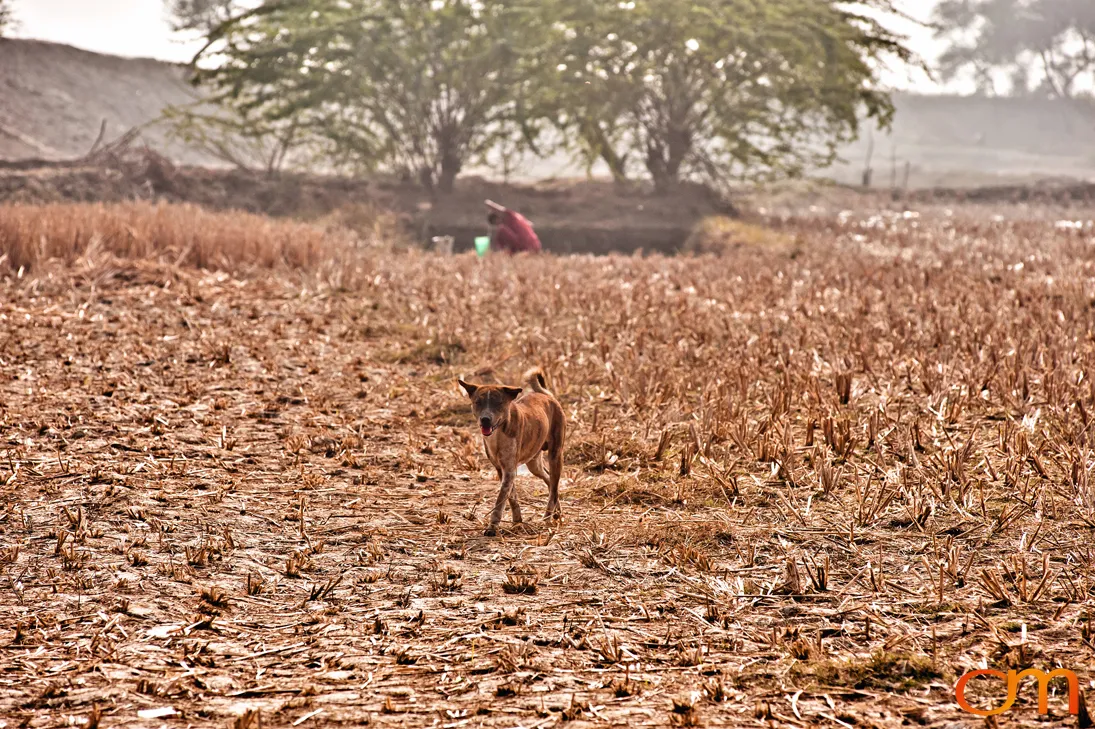
INDog should not be used as a general name for every street dog in Kolkata or elsewhere in India. Urban free-ranging dog populations can include indigenous village dogs as well as dogs with mixed ancestry.
Archaeological sites across India and the wider subcontinent demonstrate that domestic dogs have lived alongside people in the region for thousands of years. However, ancient DNA has not yet established that present-day INDogs are direct descendants of the dogs found at those sites. Similarities in appearance or skeletal structure alone are not sufficient to confirm an uninterrupted genetic lineage.
Archival Significance
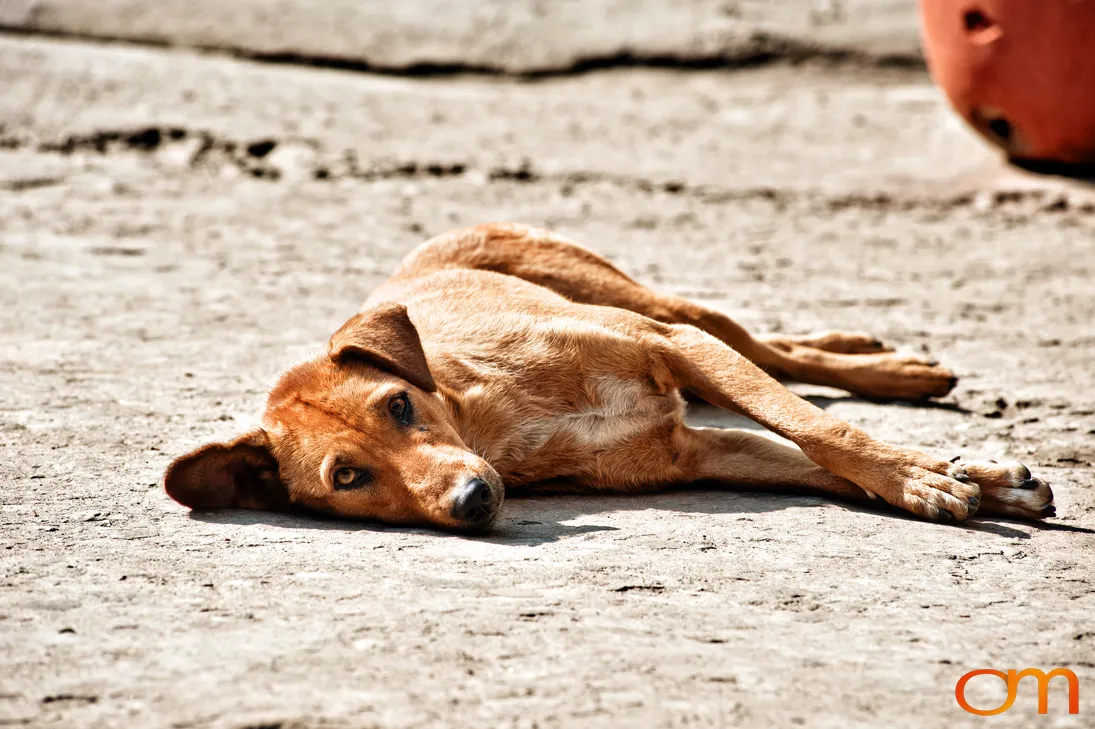
The project documents more than the physical conditions experienced by Kolkata’s street dogs. It records the informal human networks that fed them, arranged vaccinations, responded to injuries, and provided shelter and medical care.
The photographs and interviews preserve a record of community-based animal welfare in Kolkata in 2011 and the individuals who devoted personal time and resources to protecting animals living around them.