Lalitpur
Rebuilding the City of Beauty - Lalitpur, Nepal
April 2016
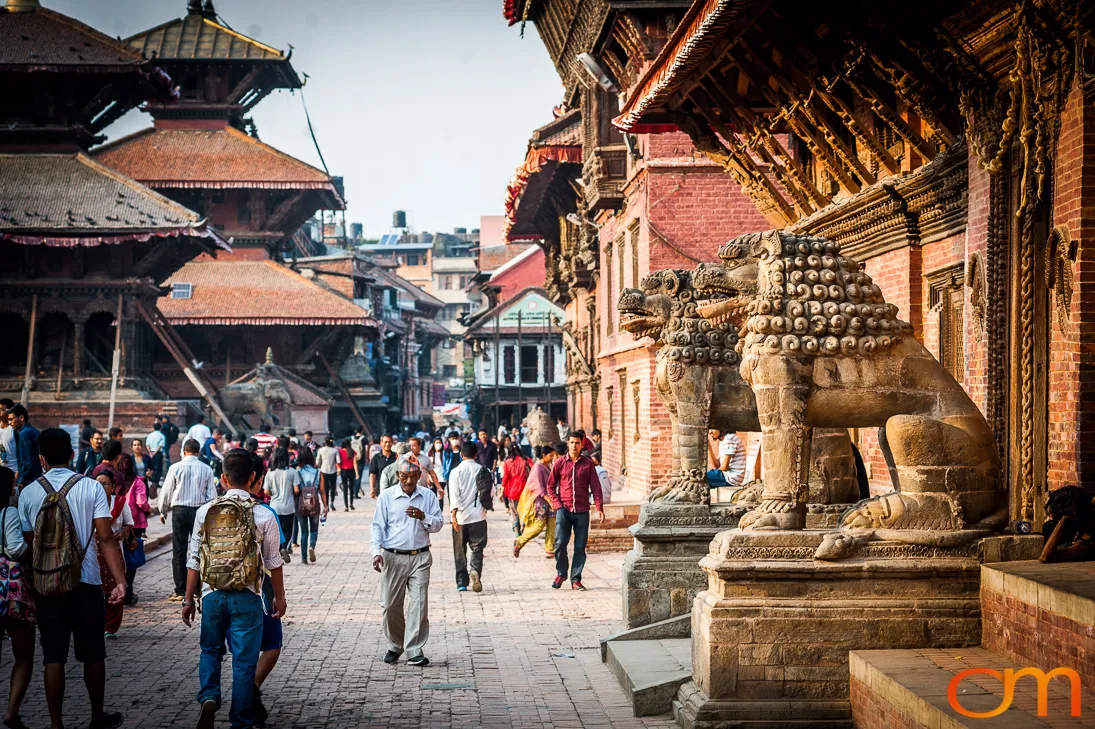
Patan Durbar Square stands within the historic center of Lalitpur, also widely known as Patan. It is one of seven Monument Zones forming the UNESCO Kathmandu Valley World Heritage property, inscribed in 1979.
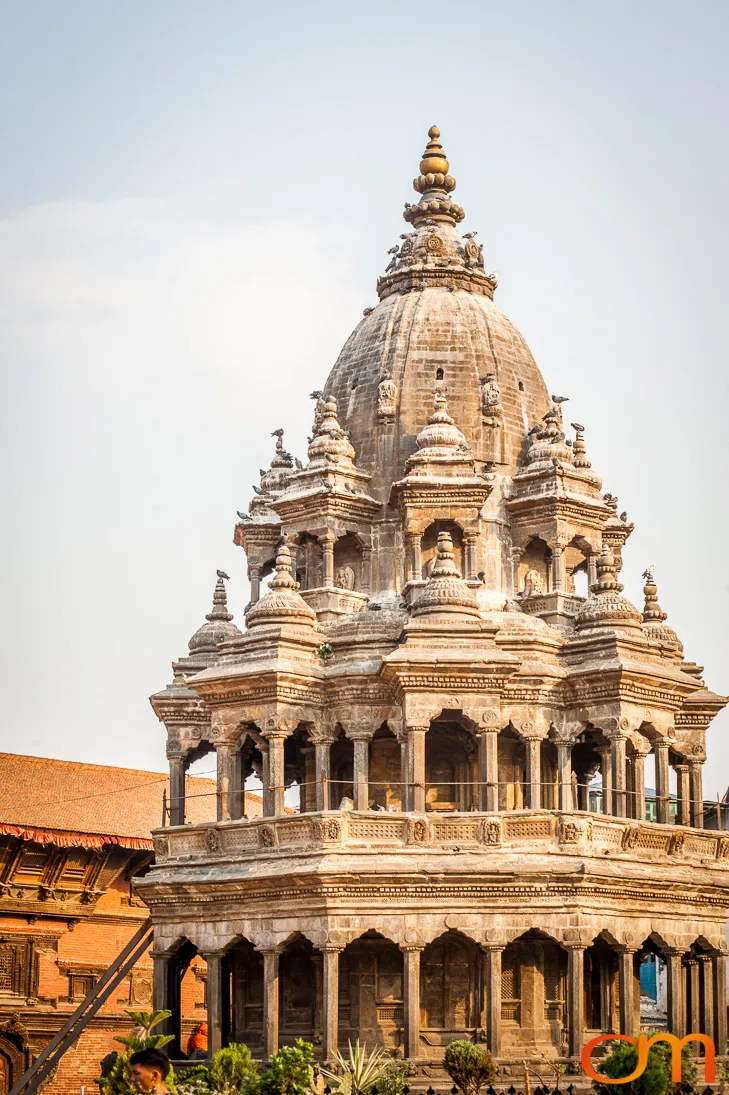
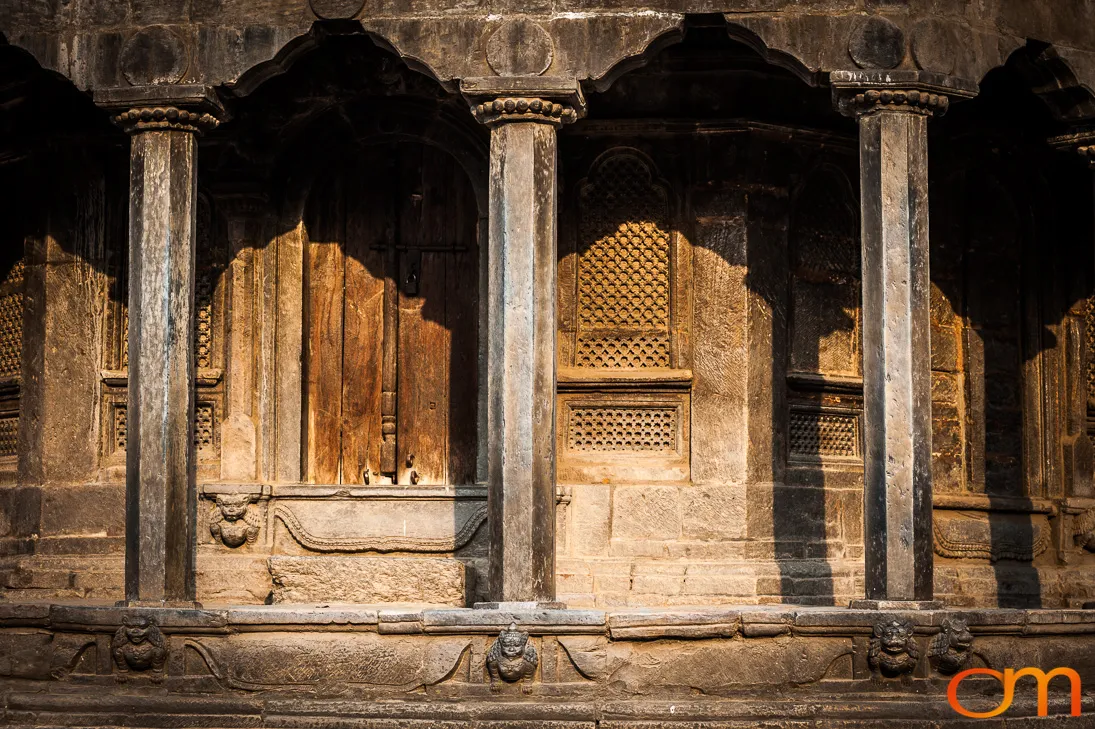
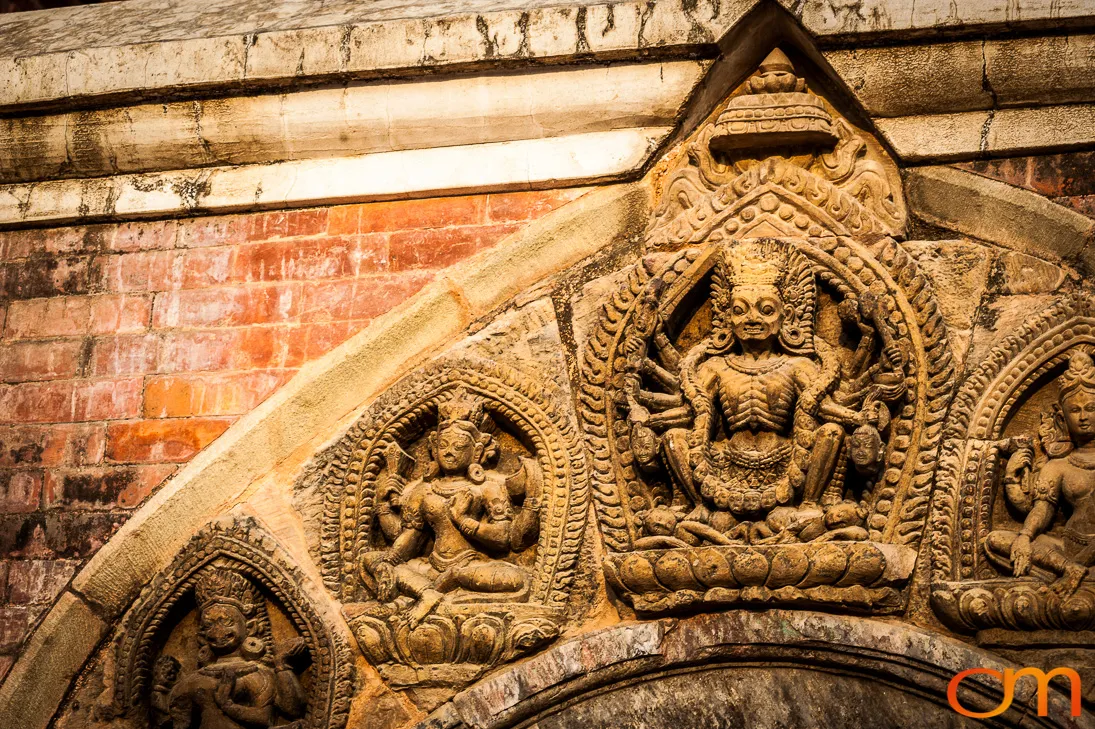
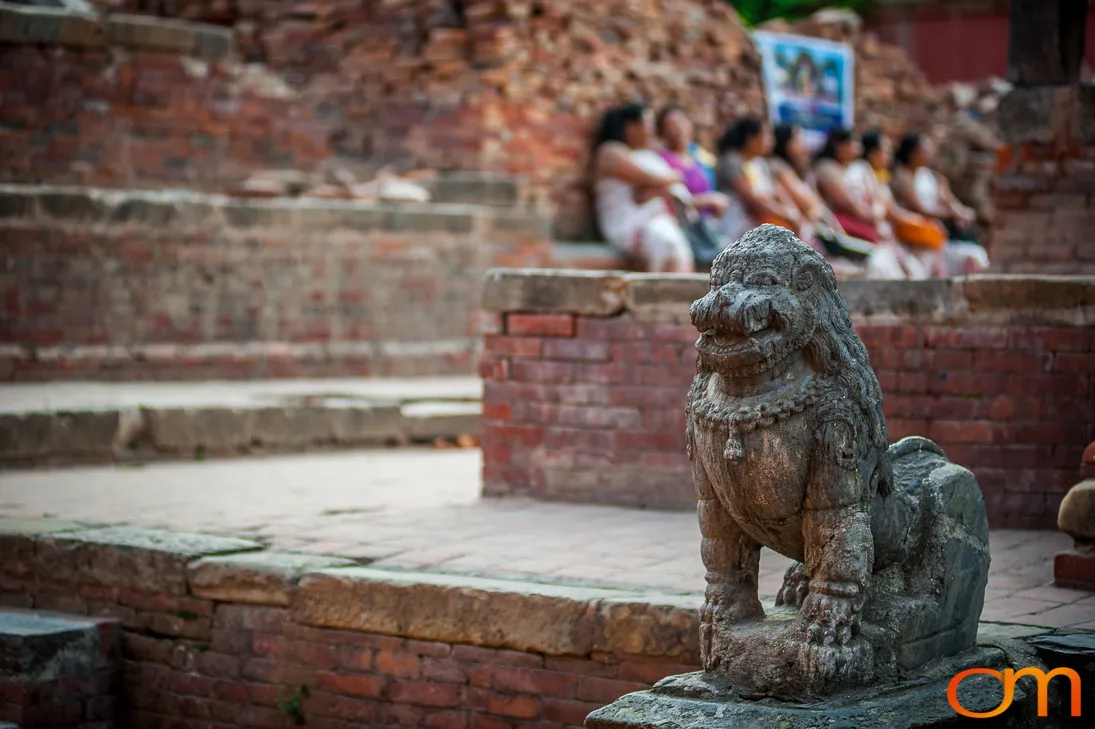
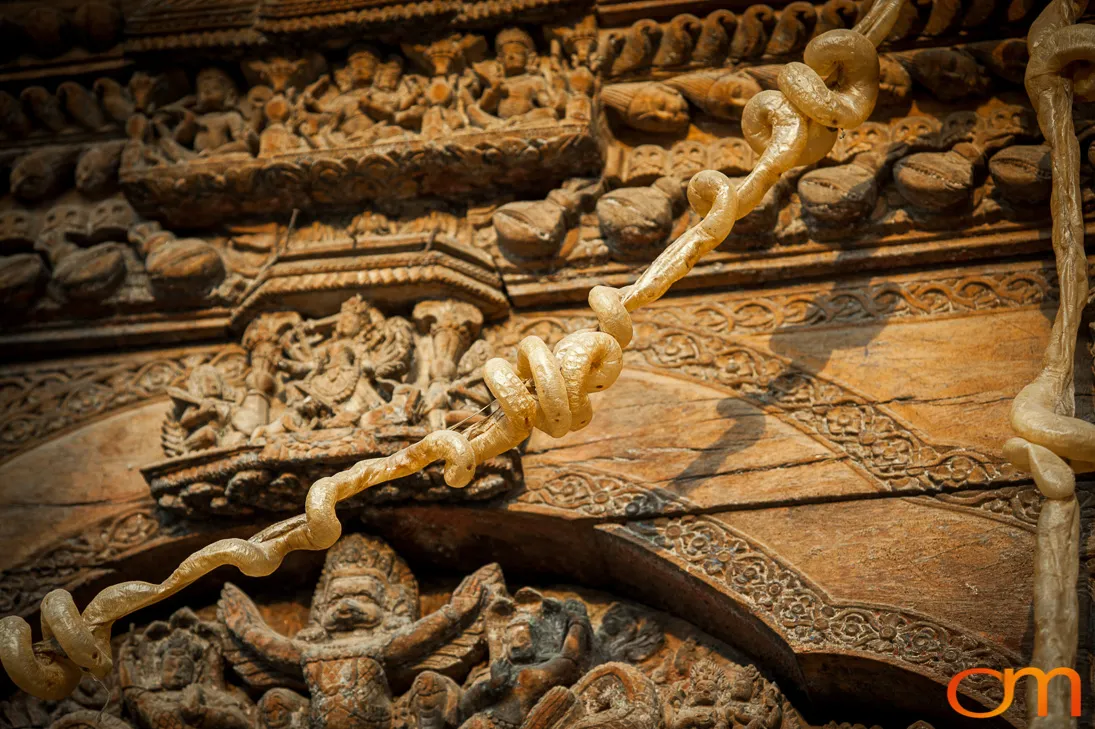
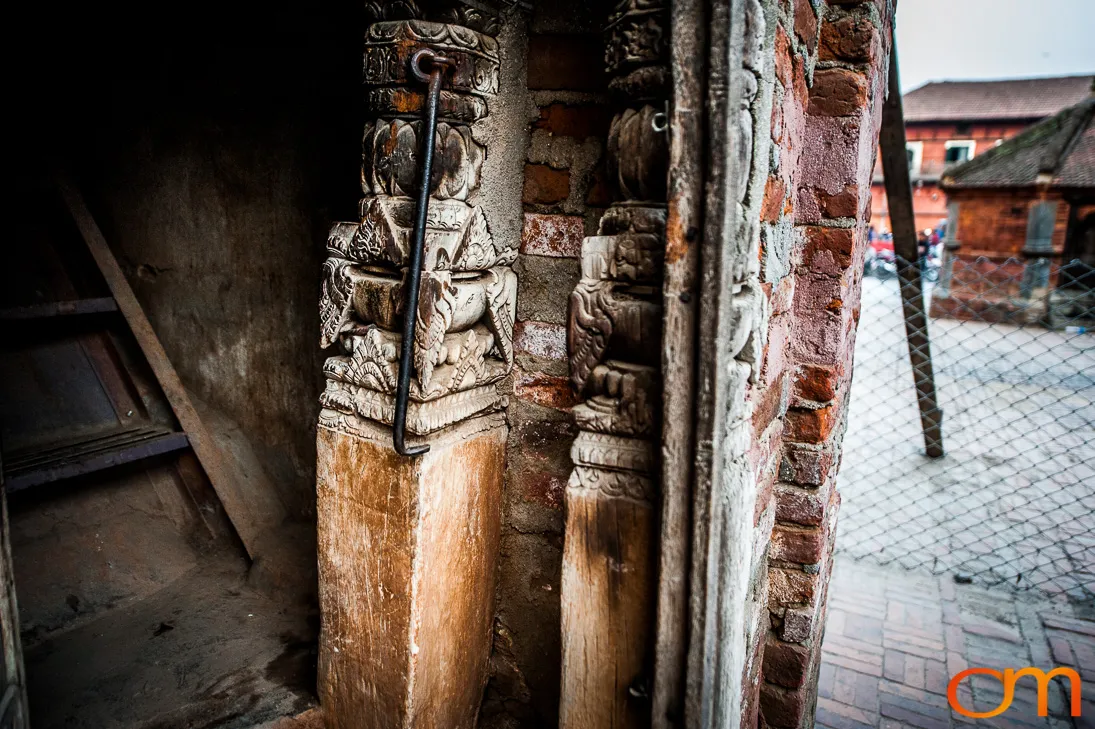
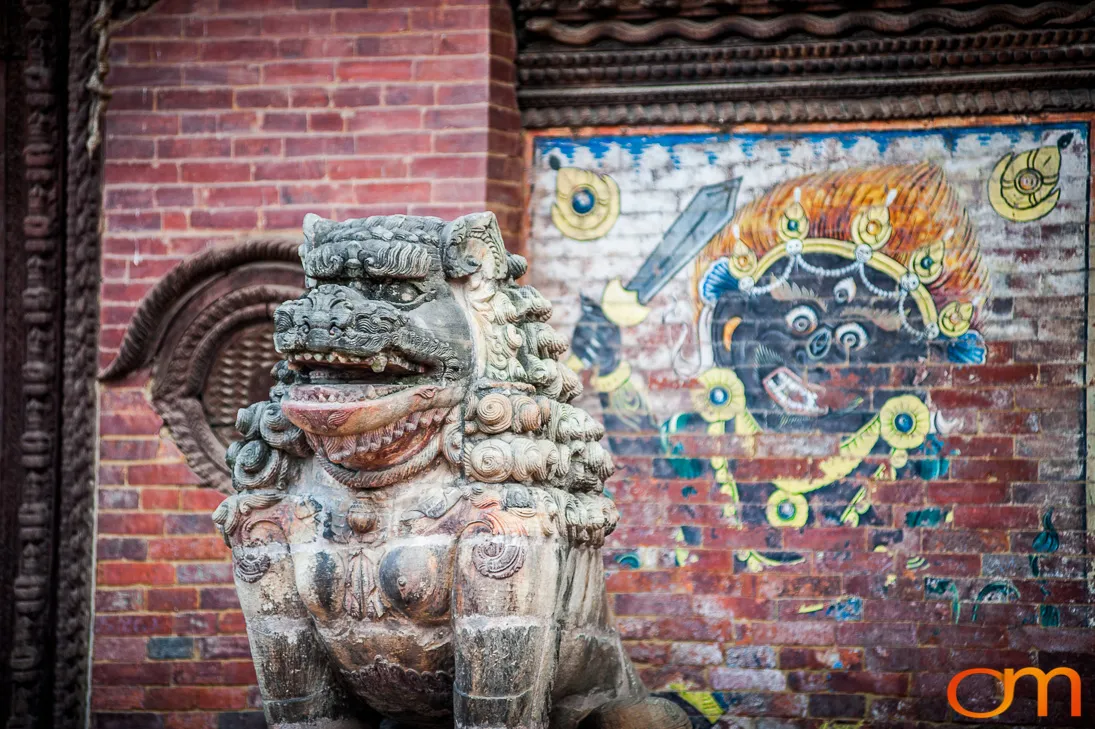
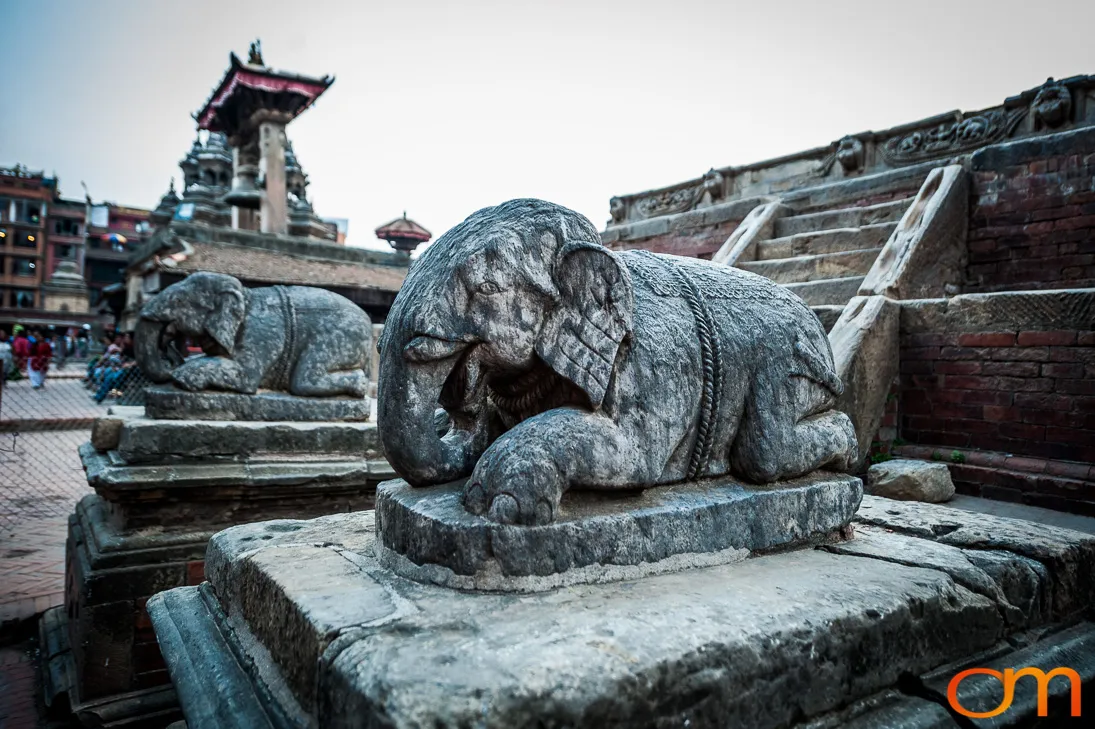
The square contains a former royal palace, courtyards, temples, shrines, guardian sculptures, and public spaces developed over several centuries. Its brick buildings, carved timber windows and roof supports, stone sculpture, and metalwork reflect Newar urban design and craftsmanship, which reached a major period of development between approximately 1500 and 1800.
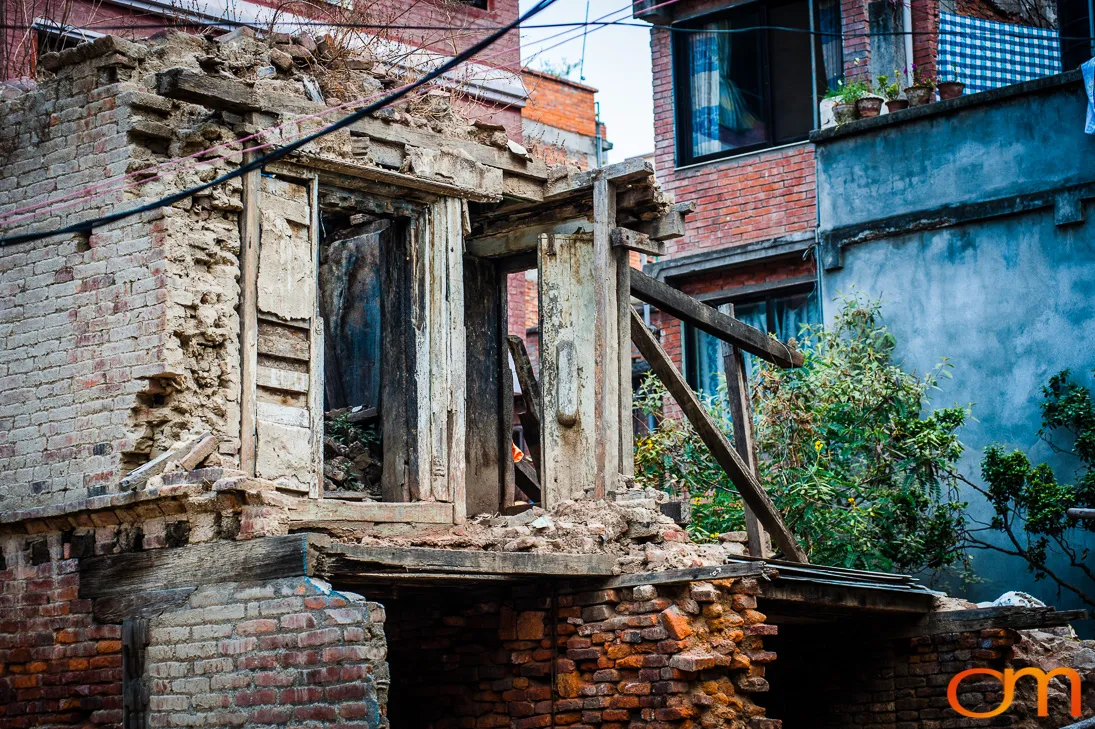
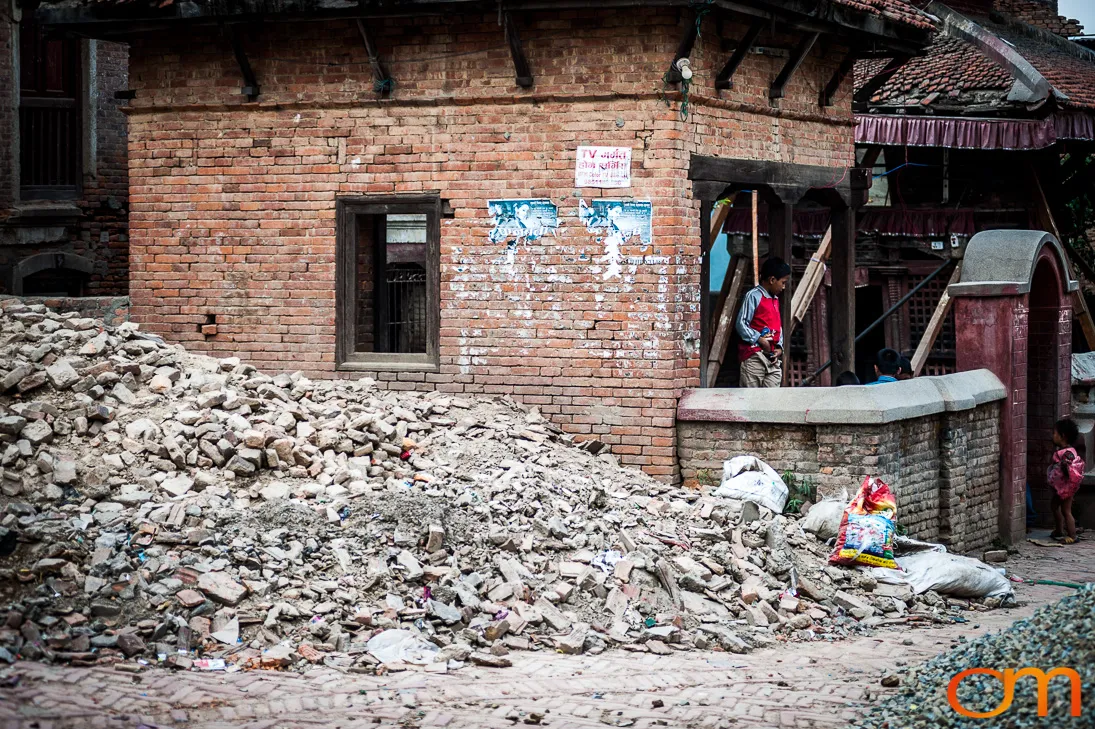
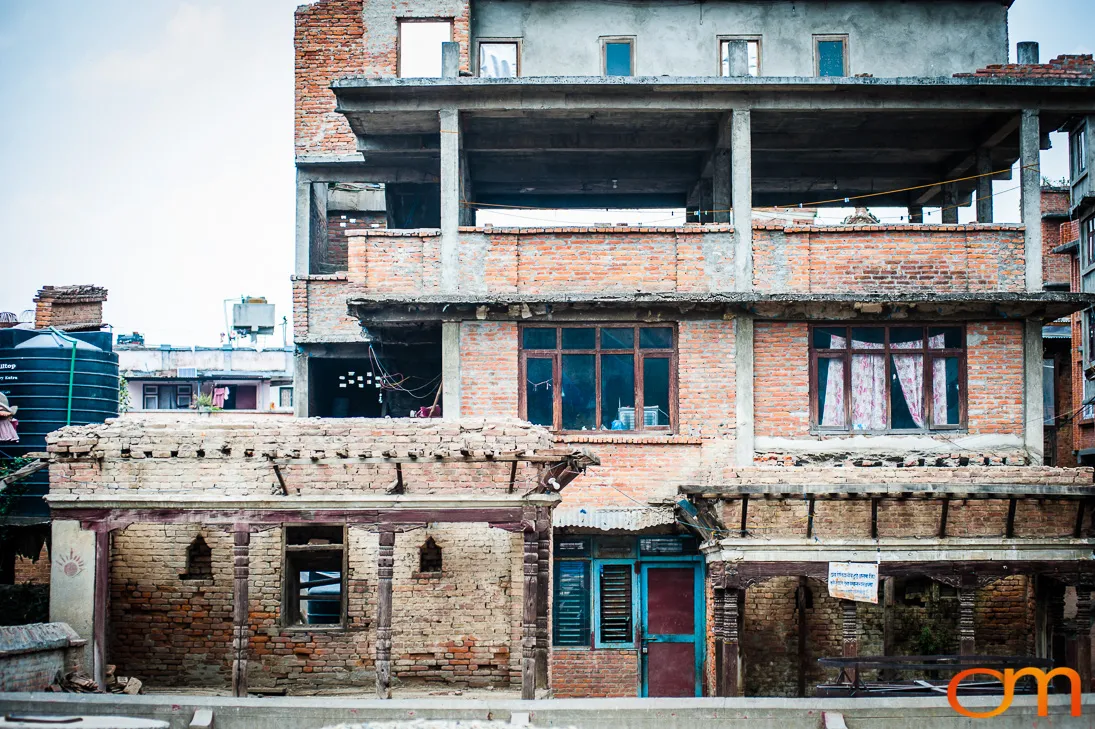
On April 25, 2015, the magnitude 7.8 Gorkha earthquake struck central Nepal. The earthquake and subsequent aftershocks damaged monuments, traditional residences, and historic streets throughout the Kathmandu Valley. Patan Durbar Square and its surrounding urban fabric were among the affected areas. Some structures collapsed, while others required temporary stabilization, documentation, salvage, repair, or reconstruction.
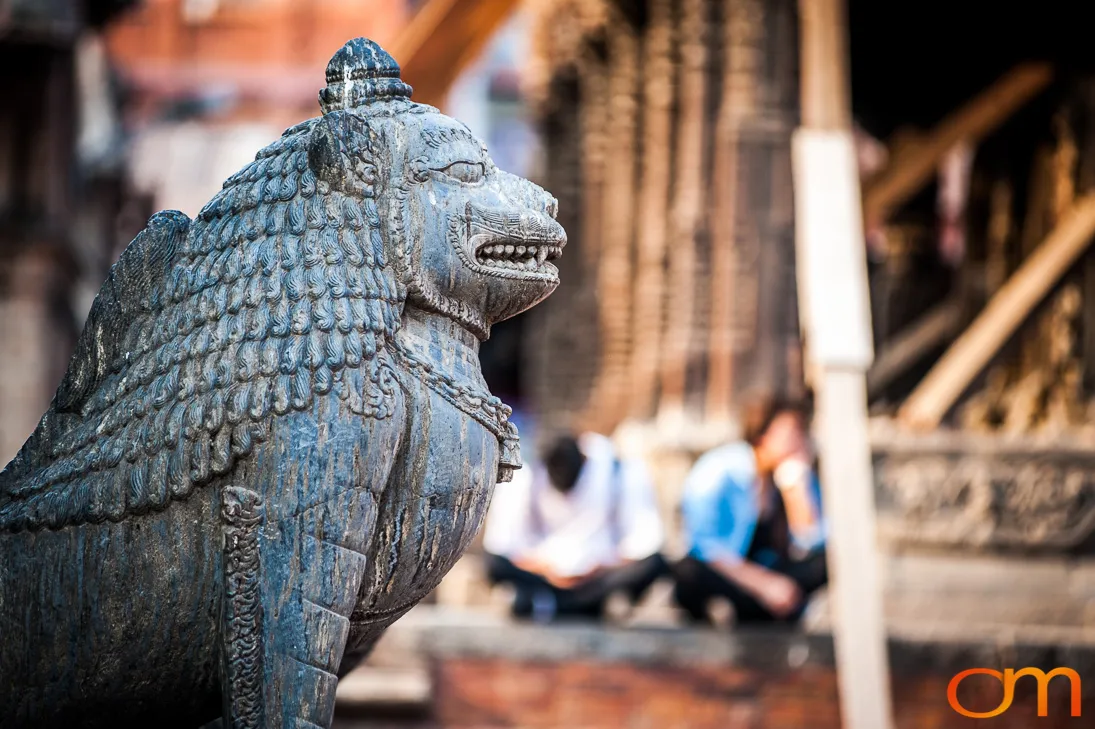
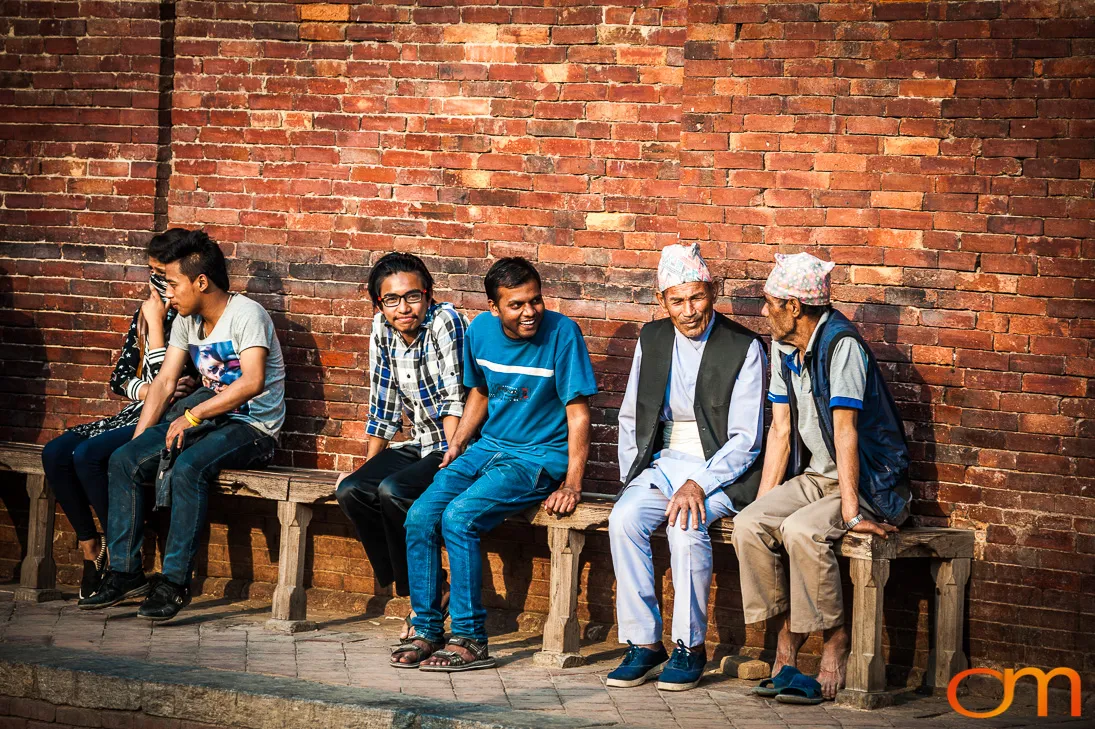
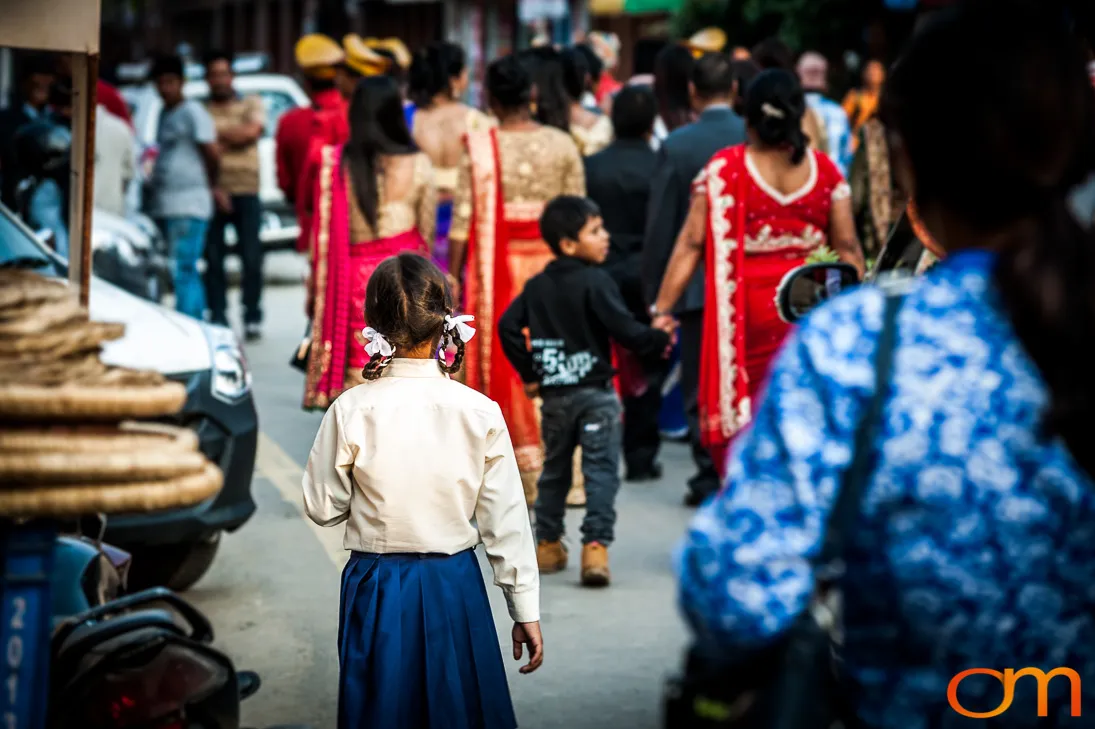
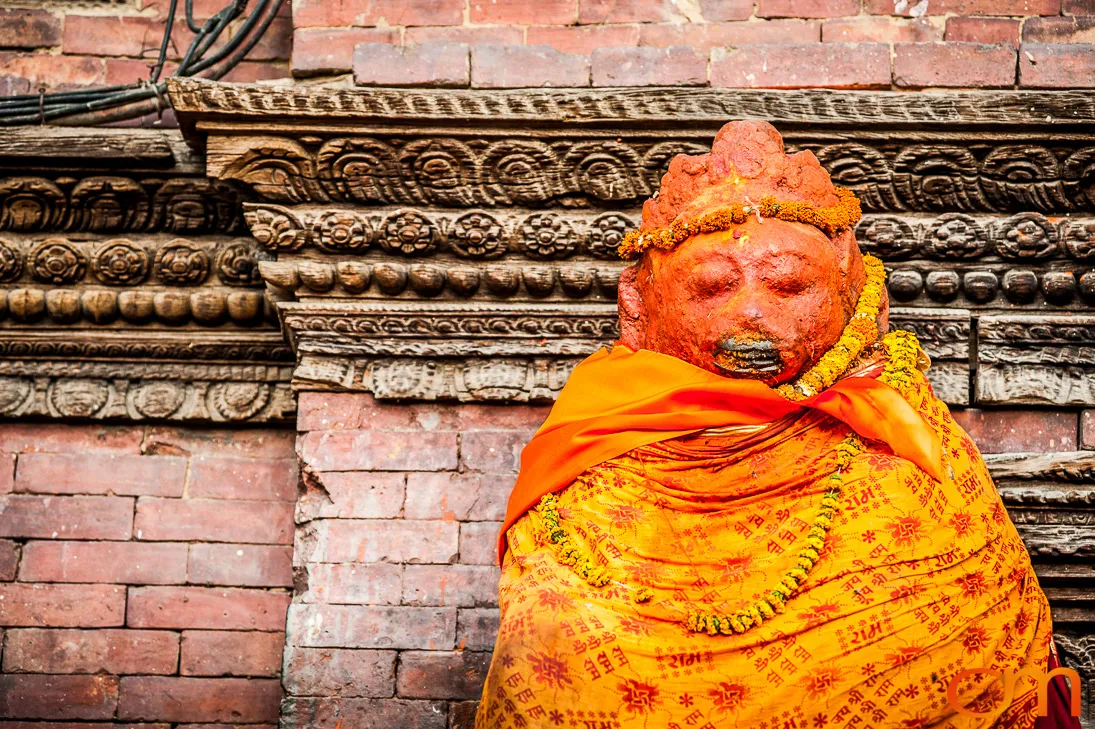
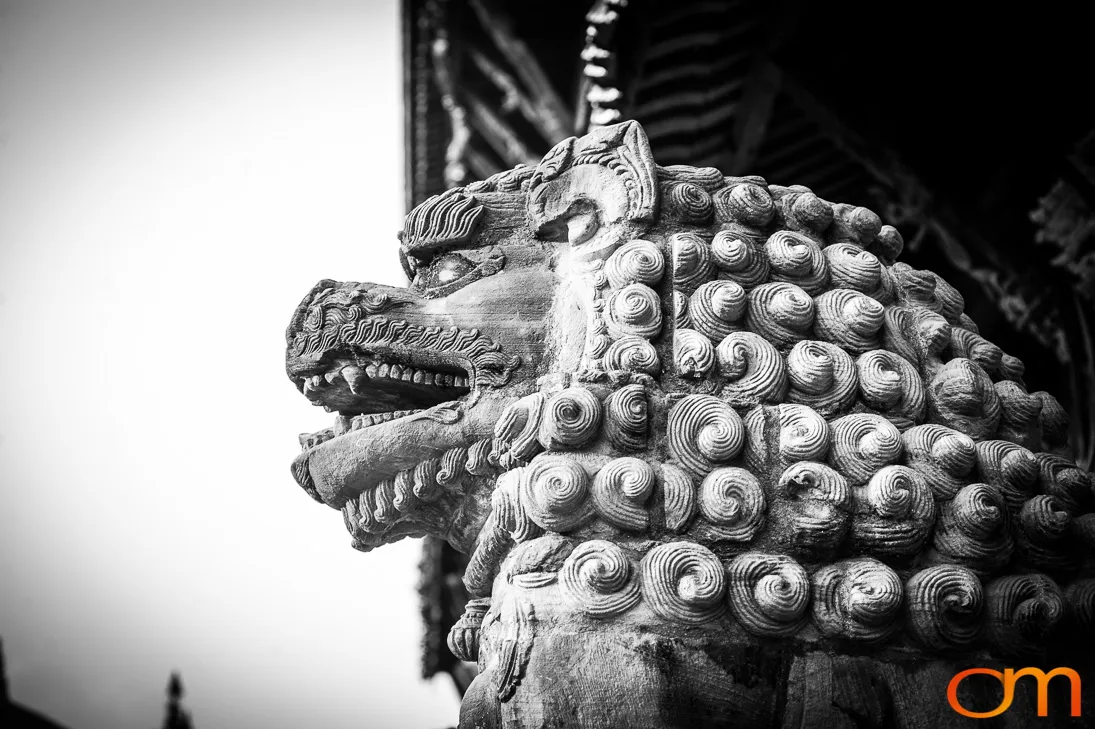
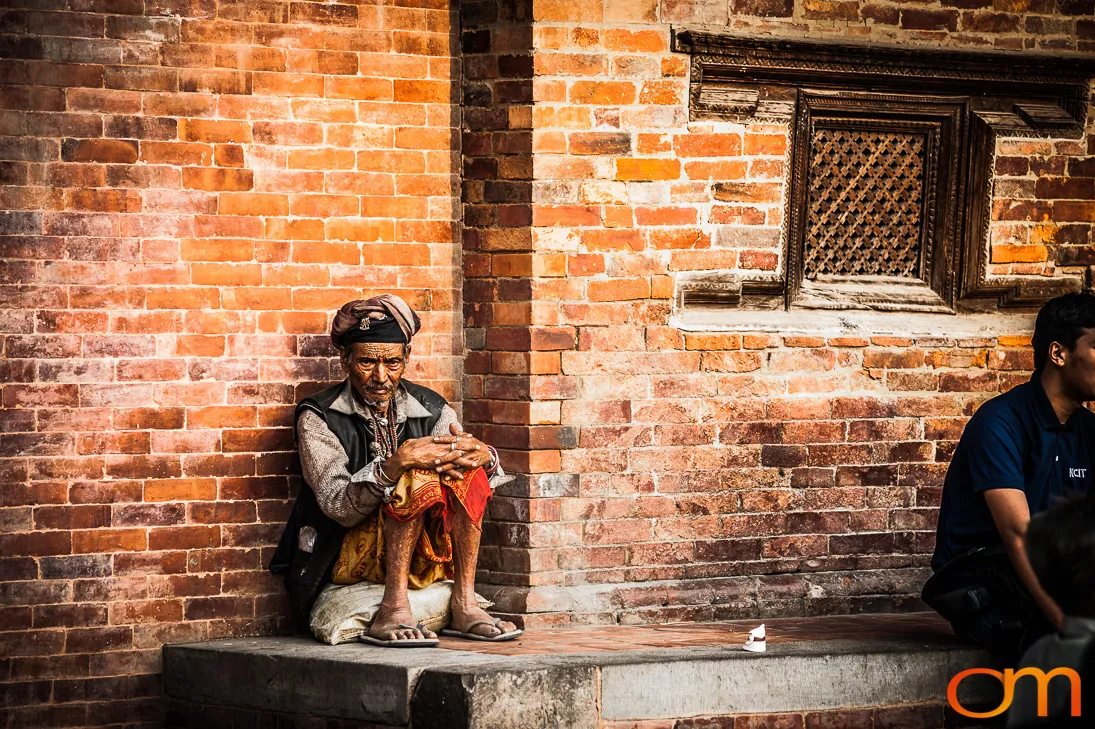
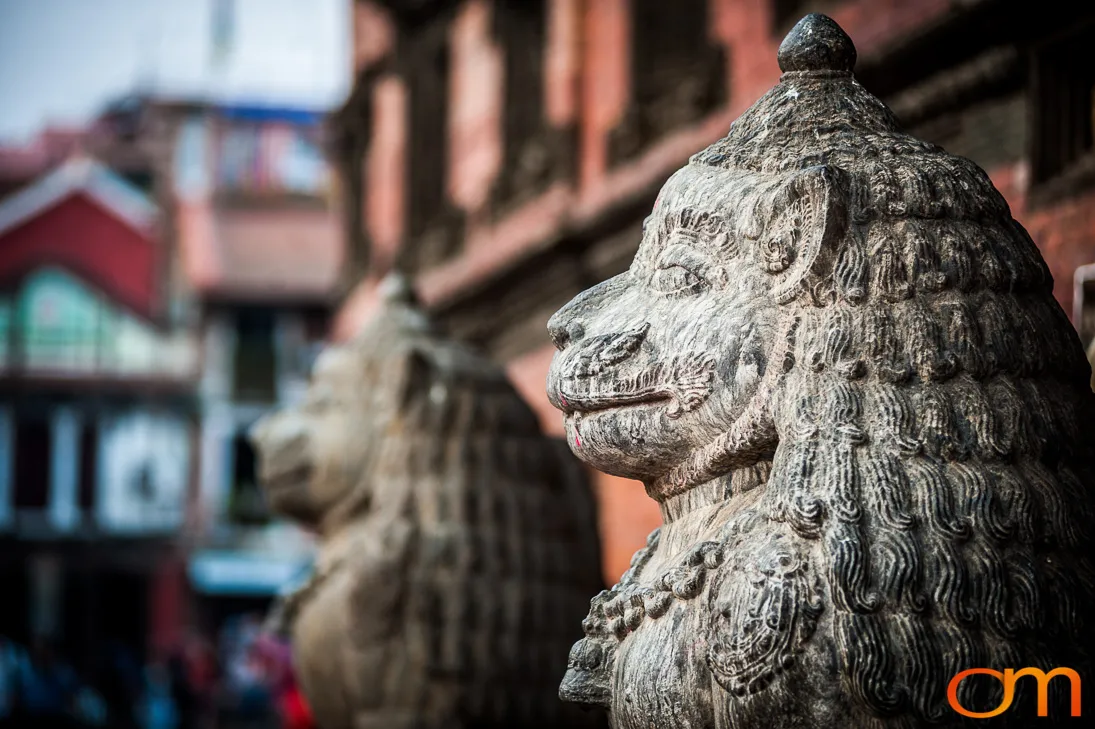
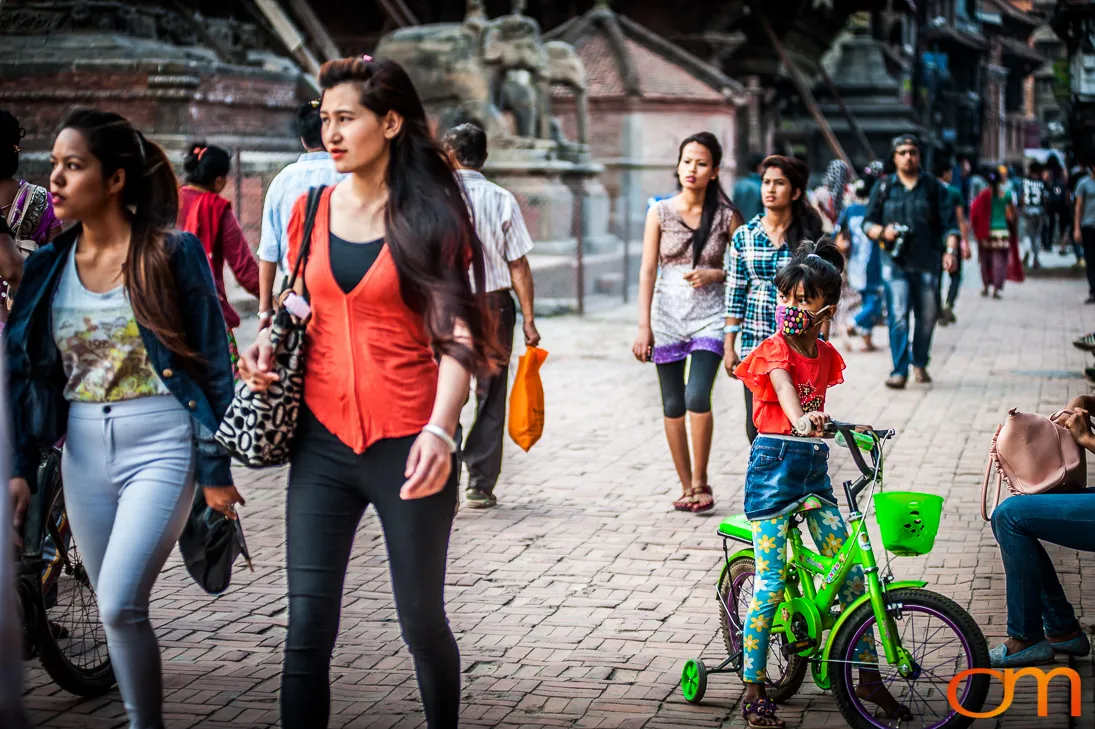
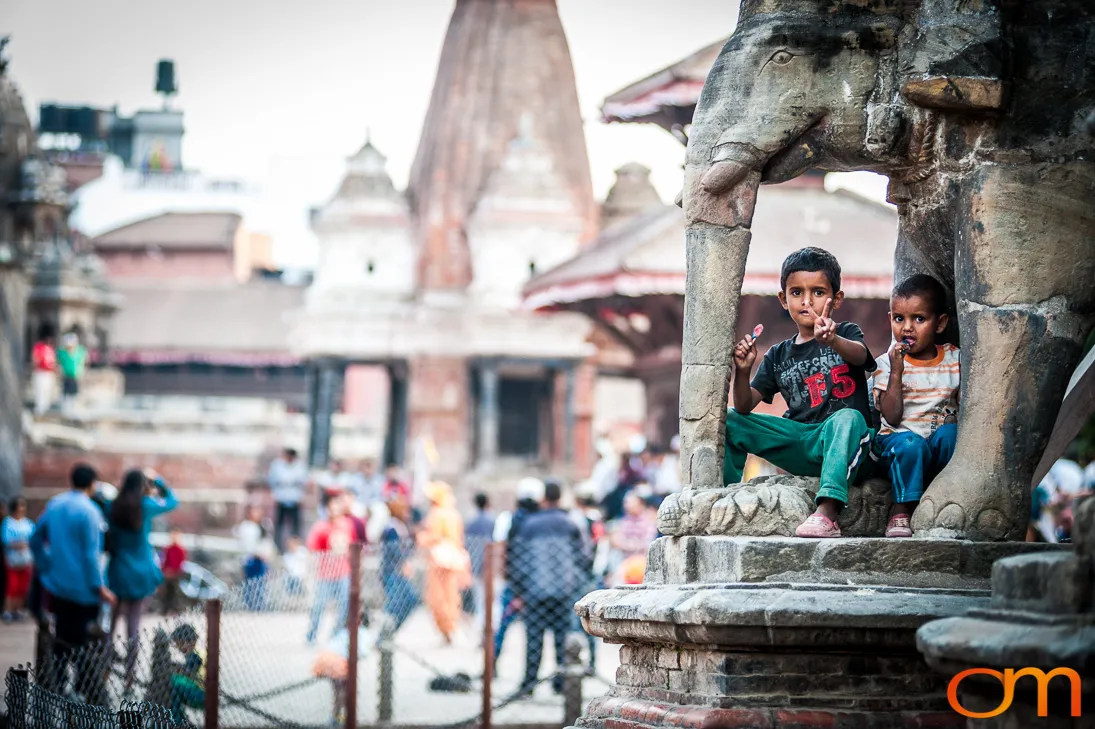
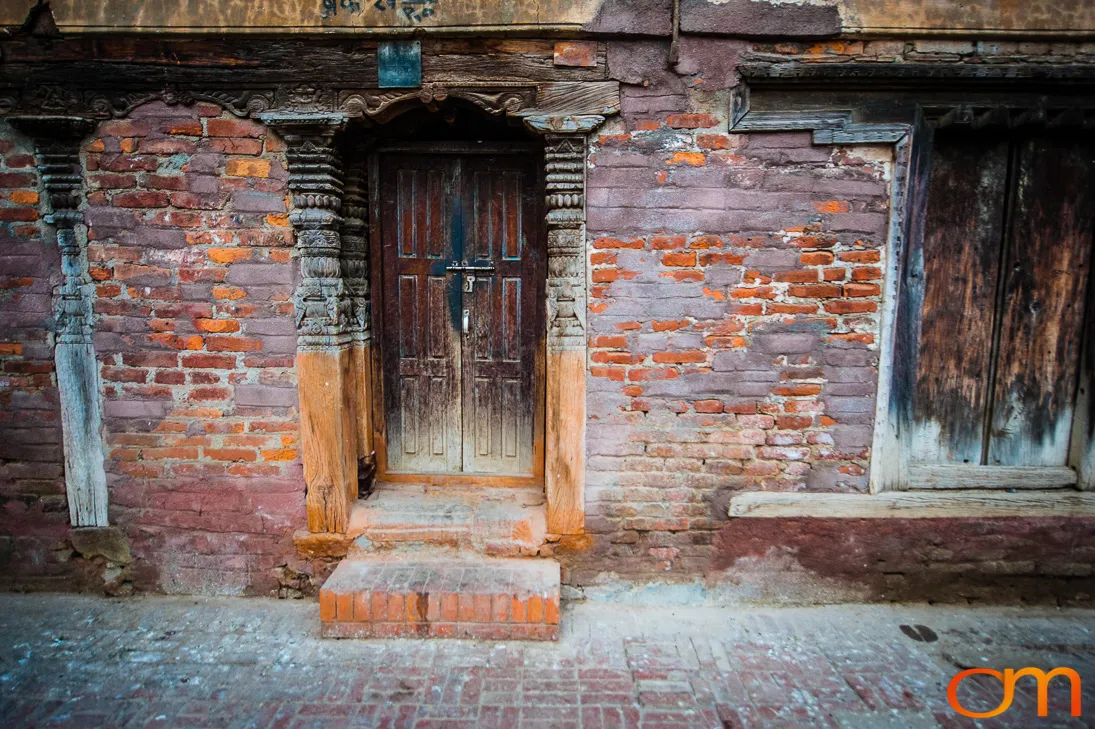
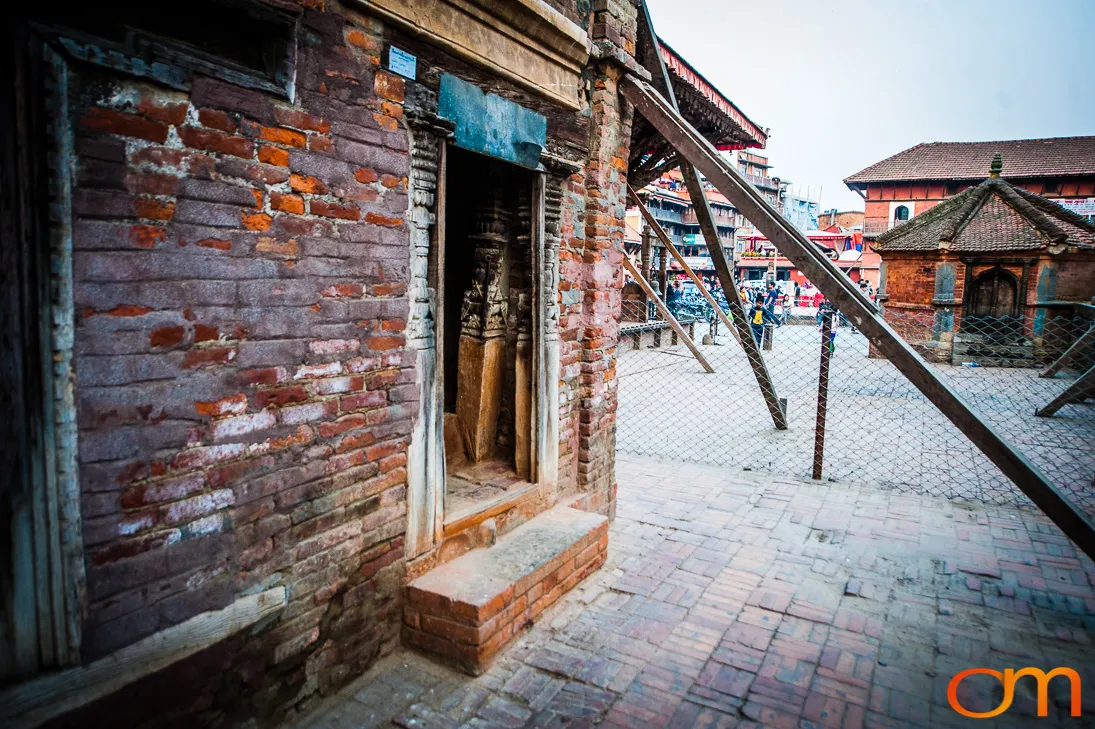
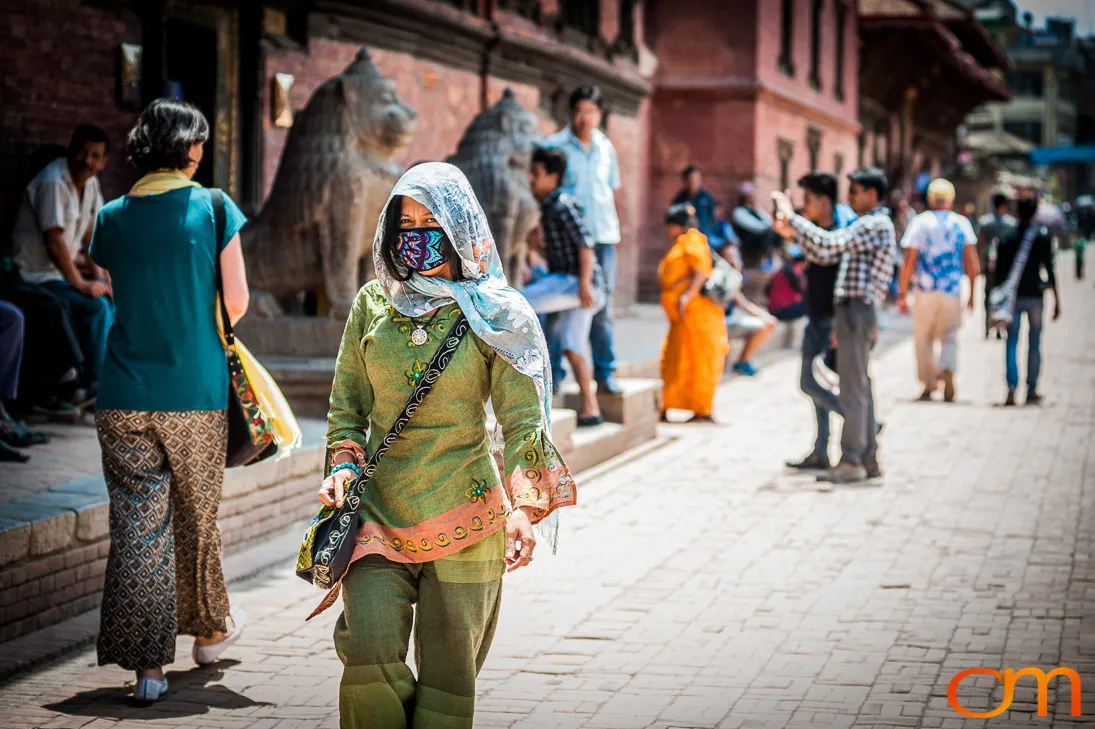
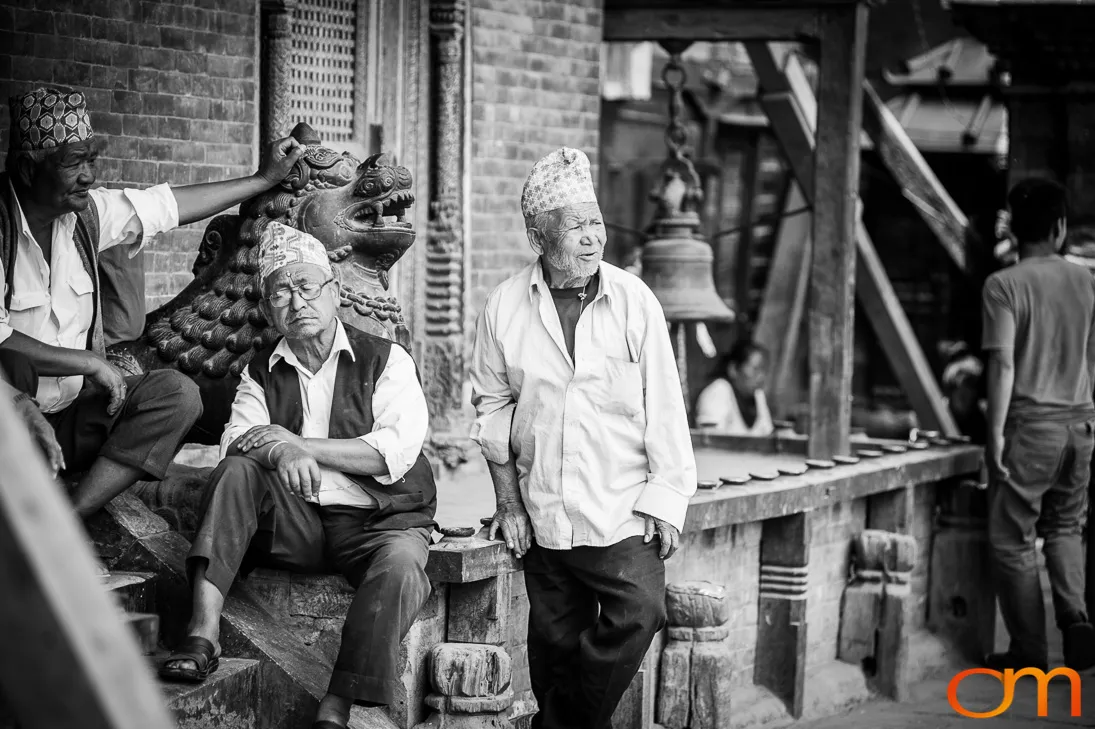
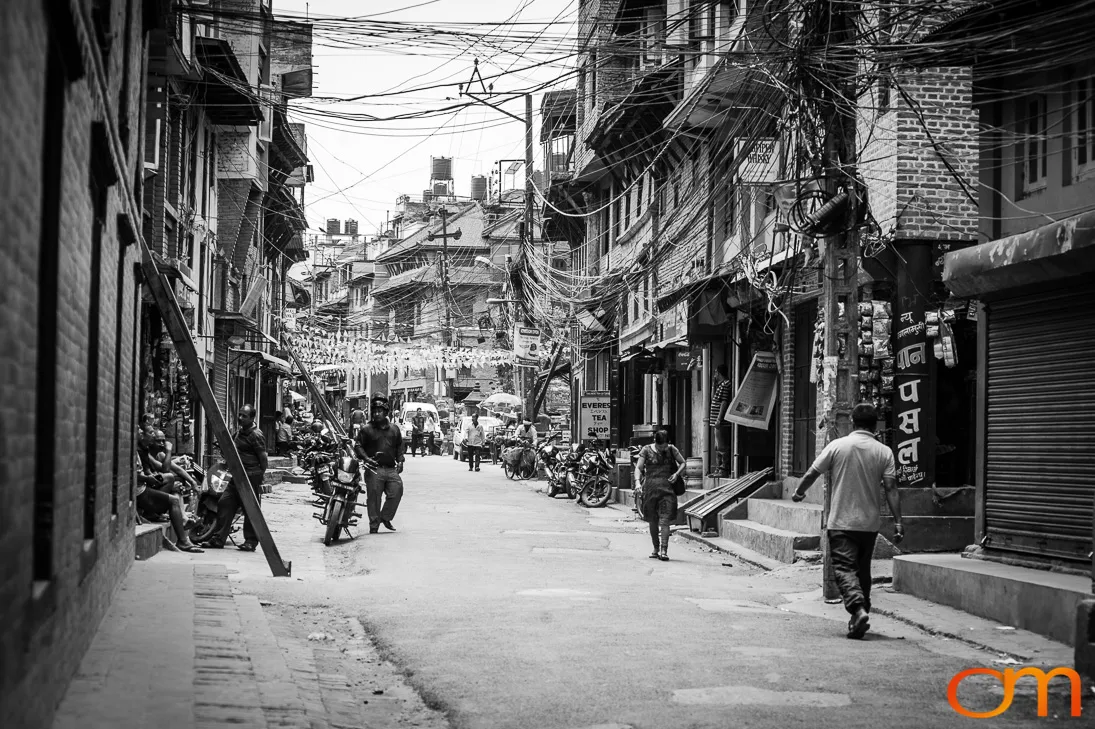
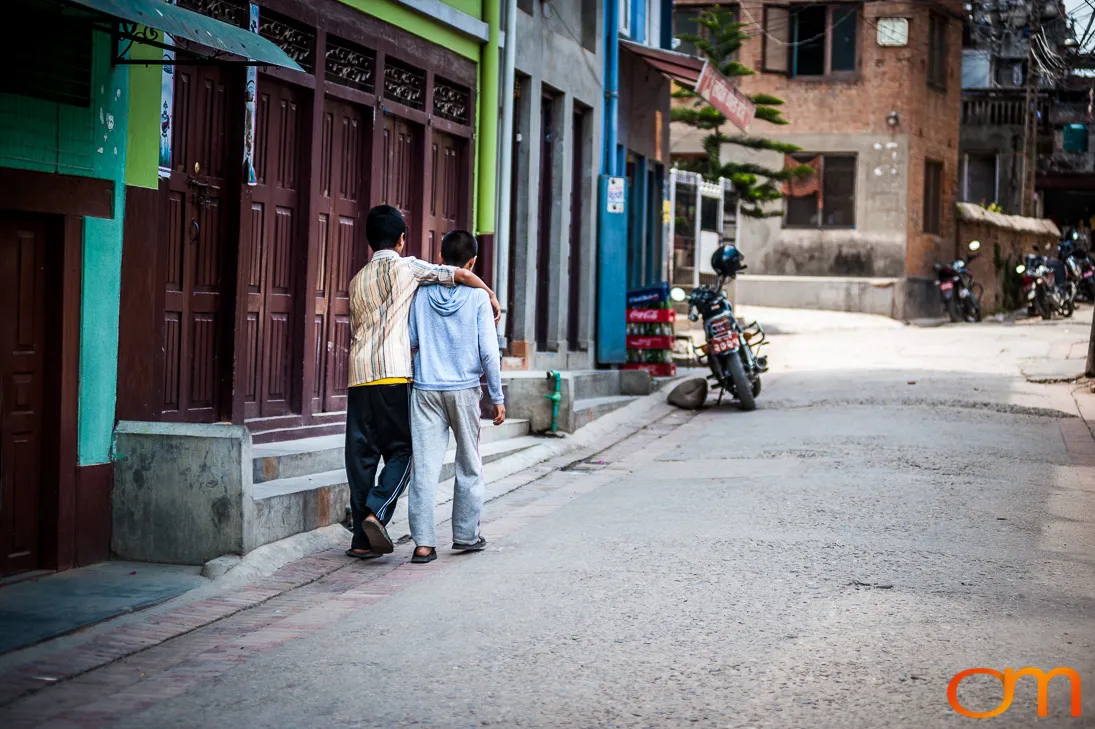
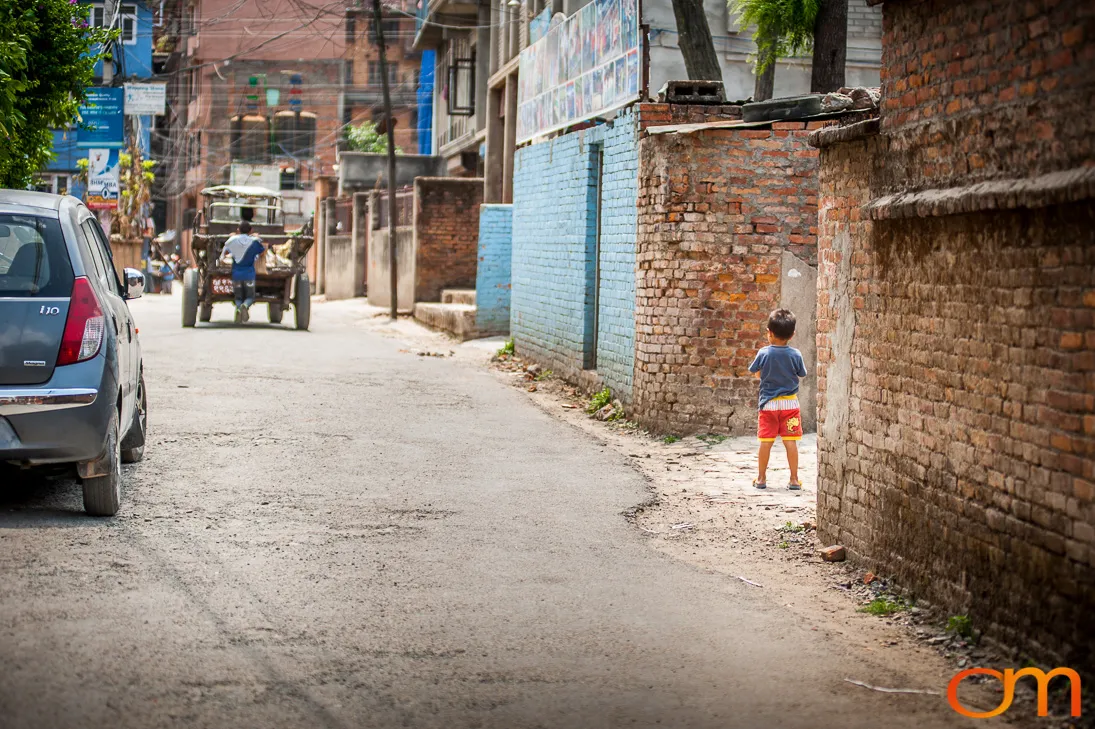
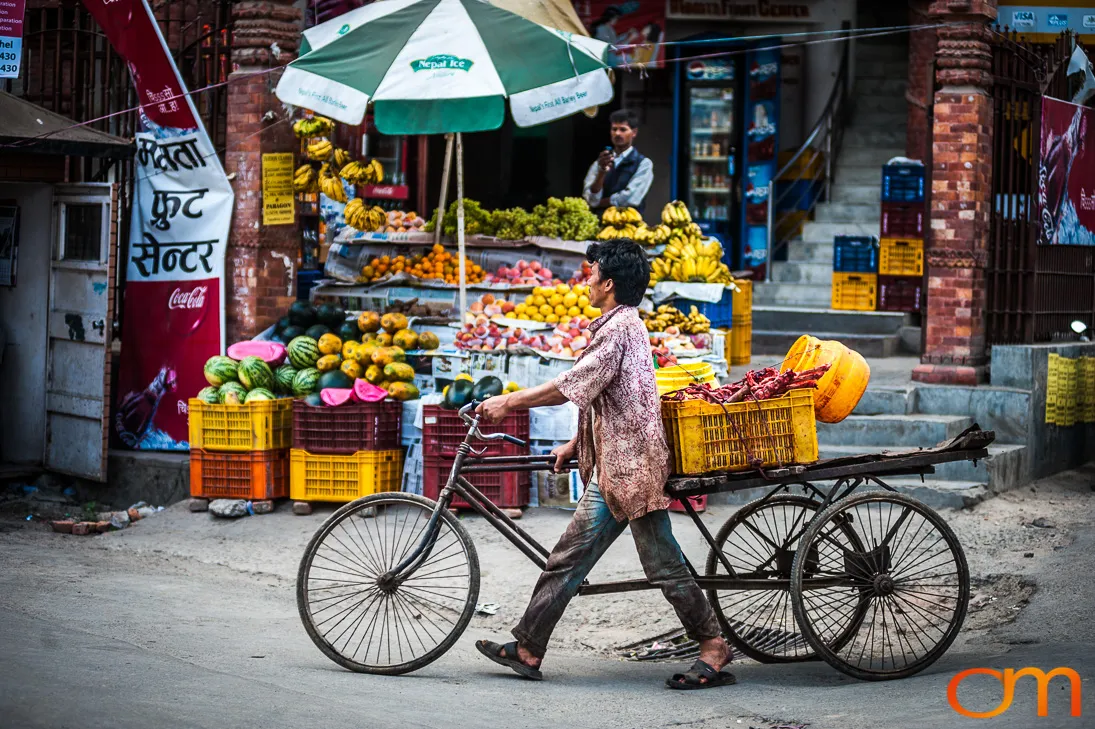
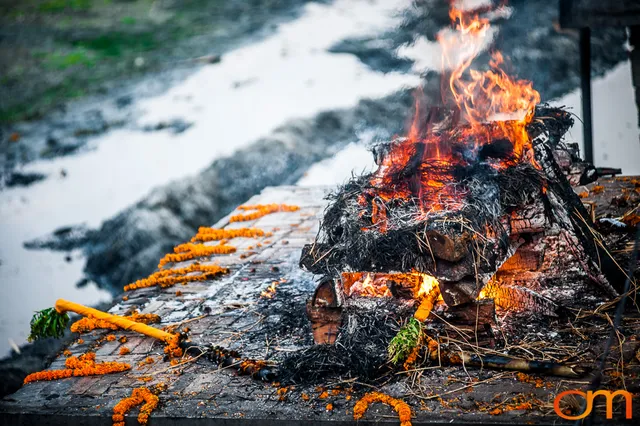
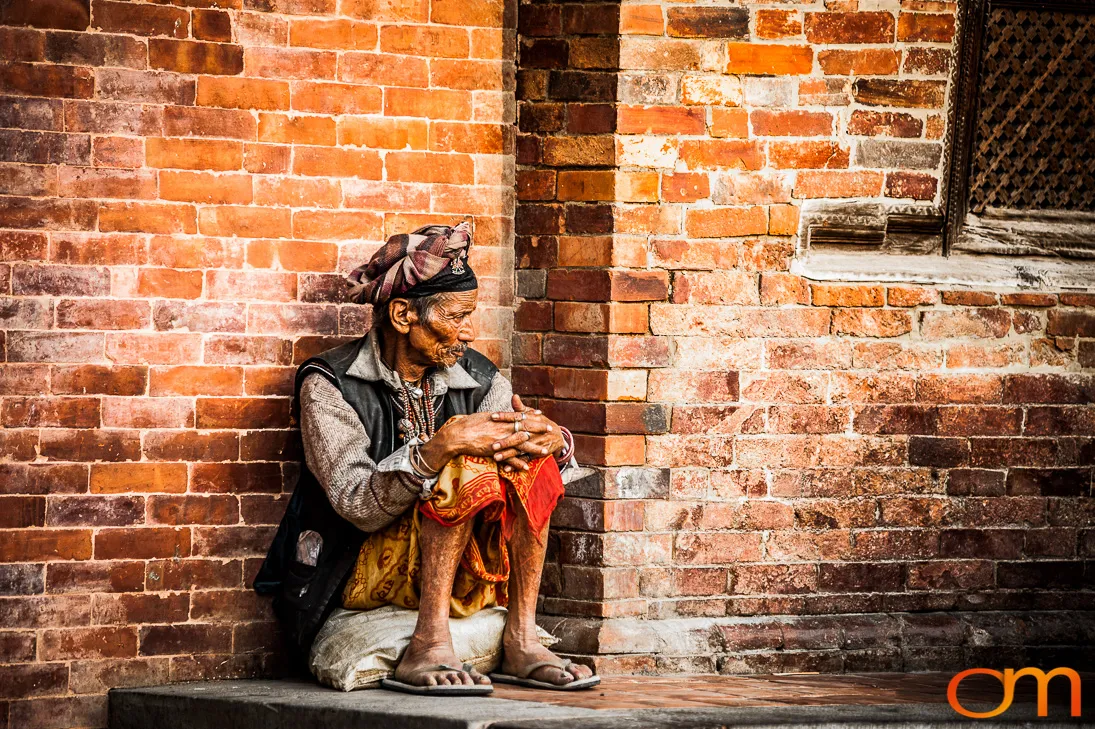
The photographs made on April 22–23, 2016, document Lalitpur during the early recovery period. Stone guardian lions, carved doors, decorative brickwork, temples, courtyards, and active public spaces remained integral to daily life. Nearby photographs record damaged houses, exposed structural timbers, steel supports, and piles of masonry awaiting removal or reuse. Together, the images preserve evidence of both the earthquake’s continuing physical effects and the community’s continued occupation of the historic city.
Current Context
Recovery has continued for more than a decade. By late 2025, UNESCO reported that 170 earthquake-damaged heritage structures had been restored or rebuilt across the Kathmandu Valley World Heritage property, while approximately 11 percent of the affected monuments still required completion.
Current priorities extend beyond individual buildings to include disaster preparedness, traditional materials and craftsmanship, archaeological monitoring, heritage-impact assessment, and management of development within the living historic city.
Field Documentation: April 22–23, 2016