Okavango Delta
Leopards and Lions: Okavango Delta
April 2009
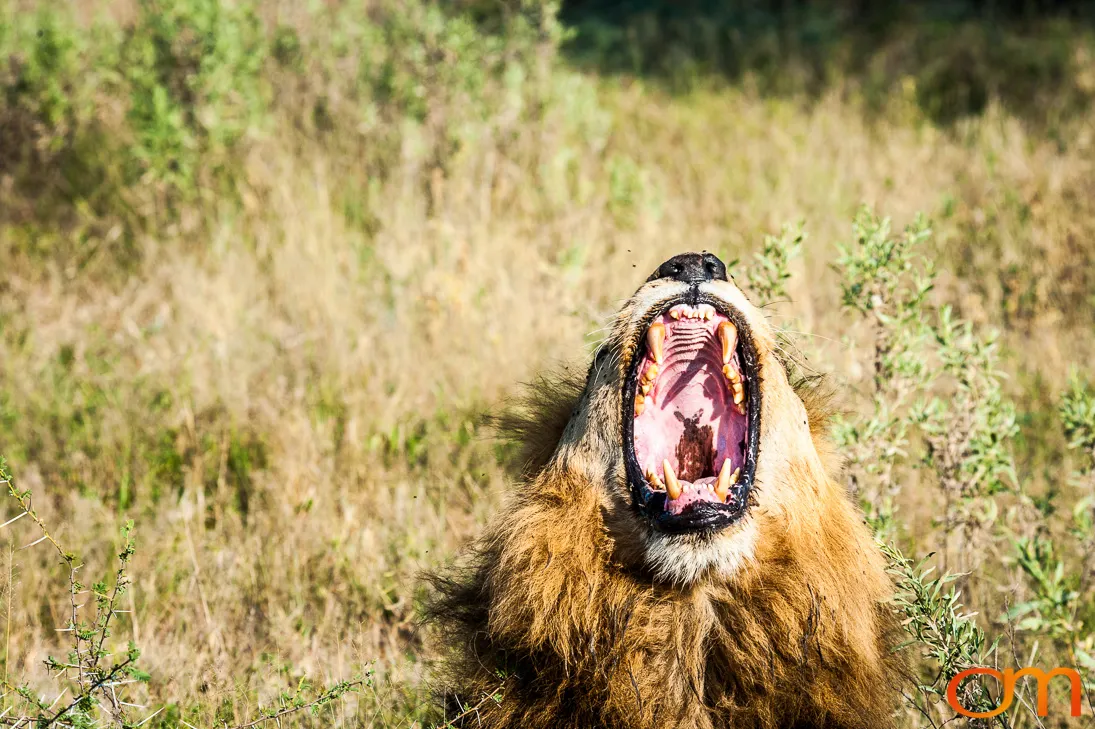
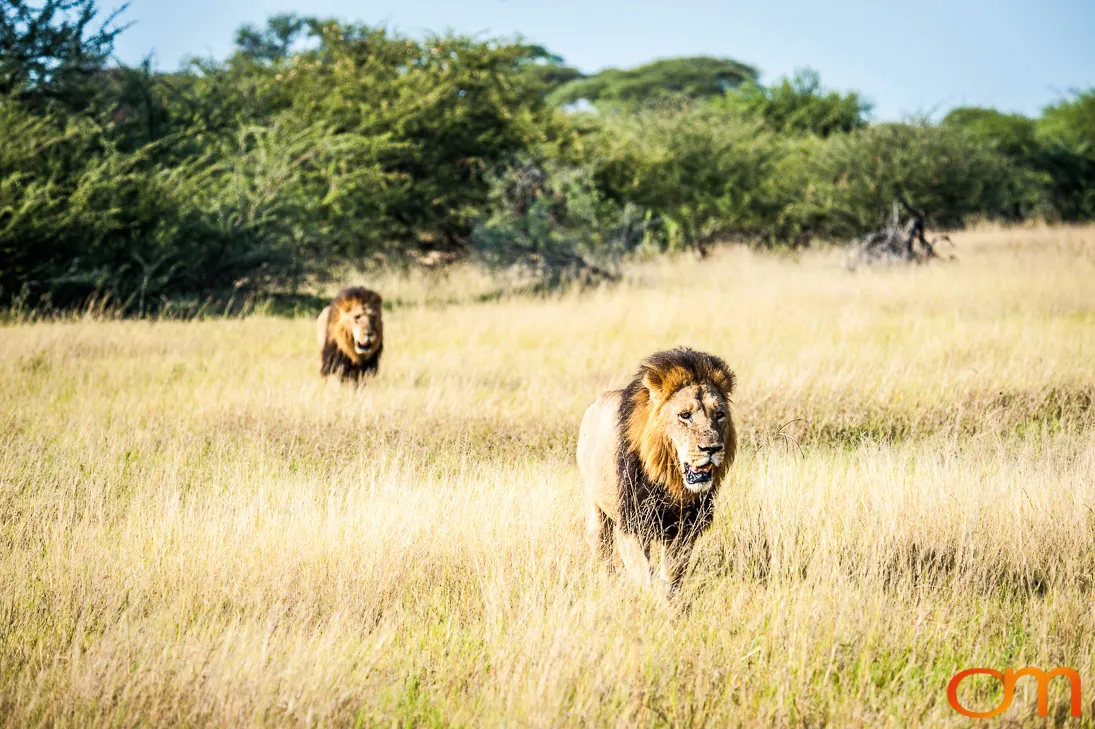
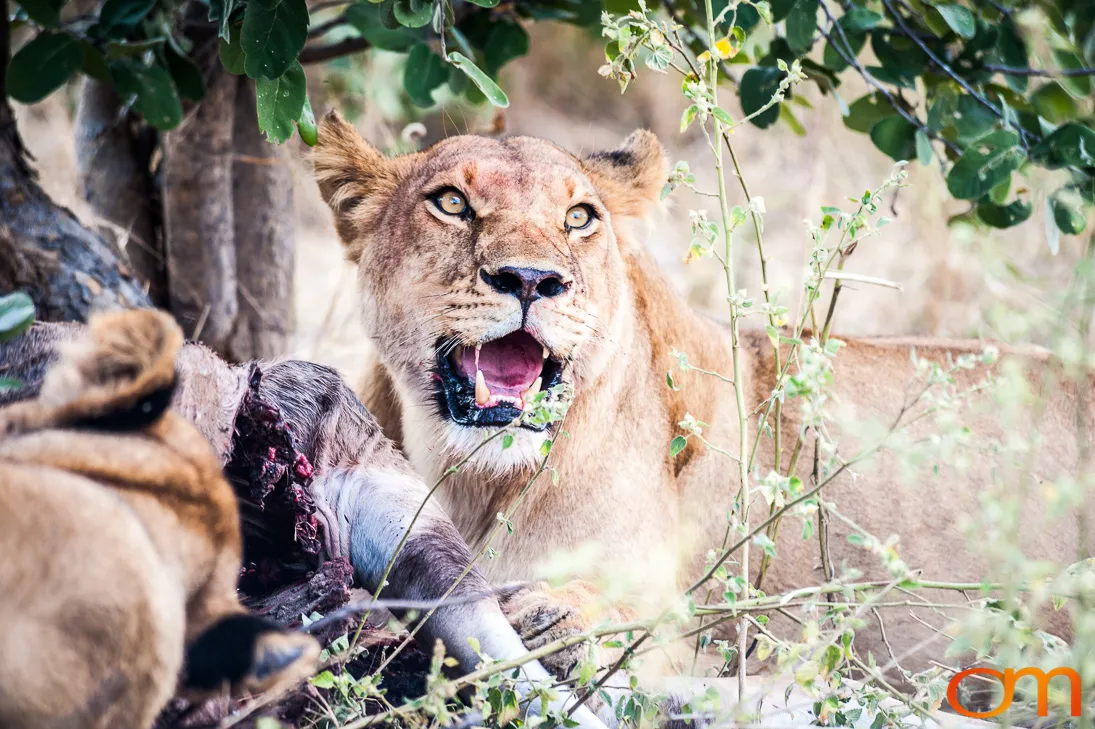
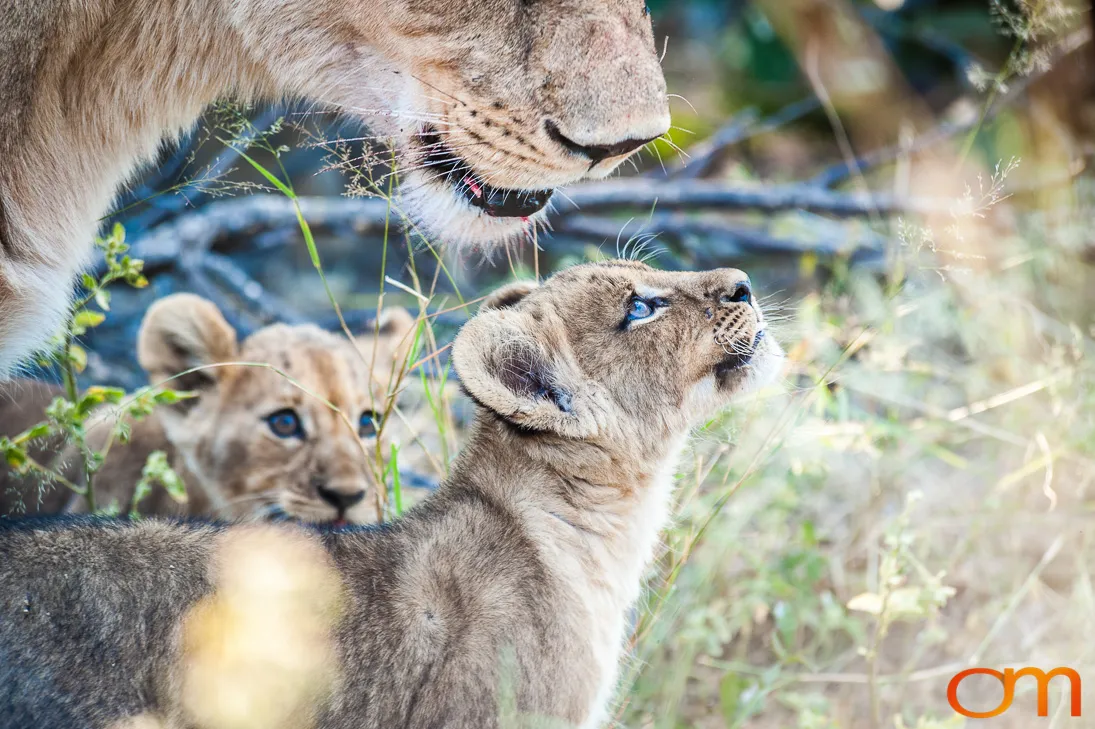
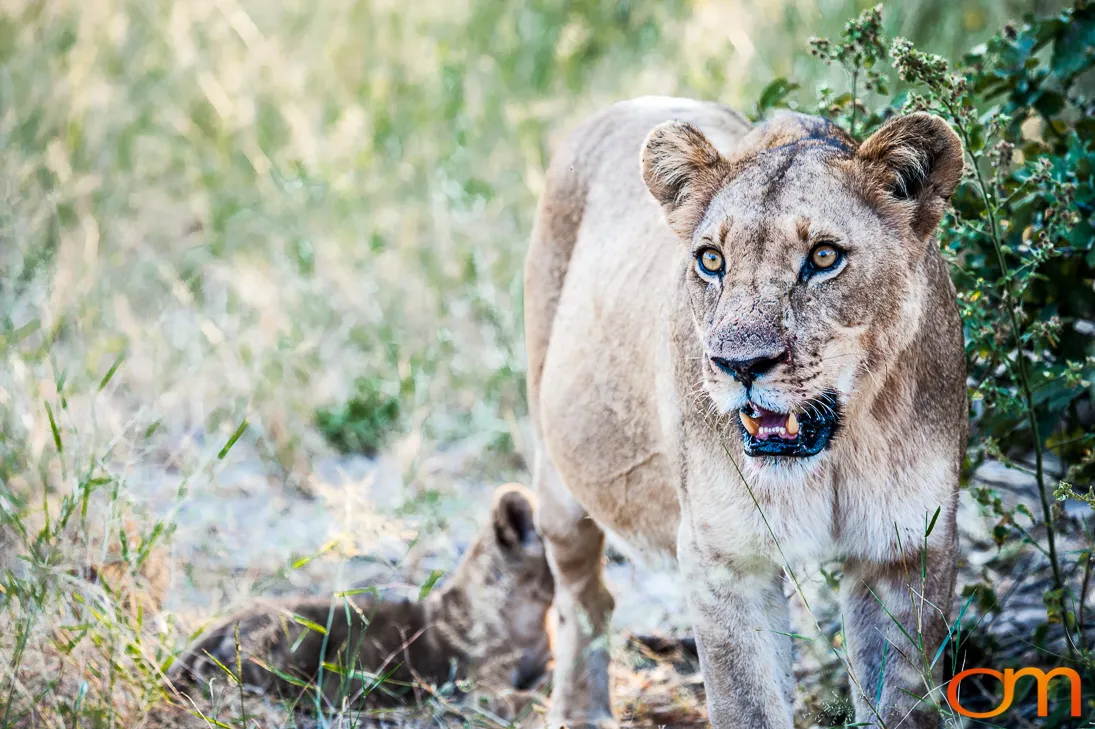
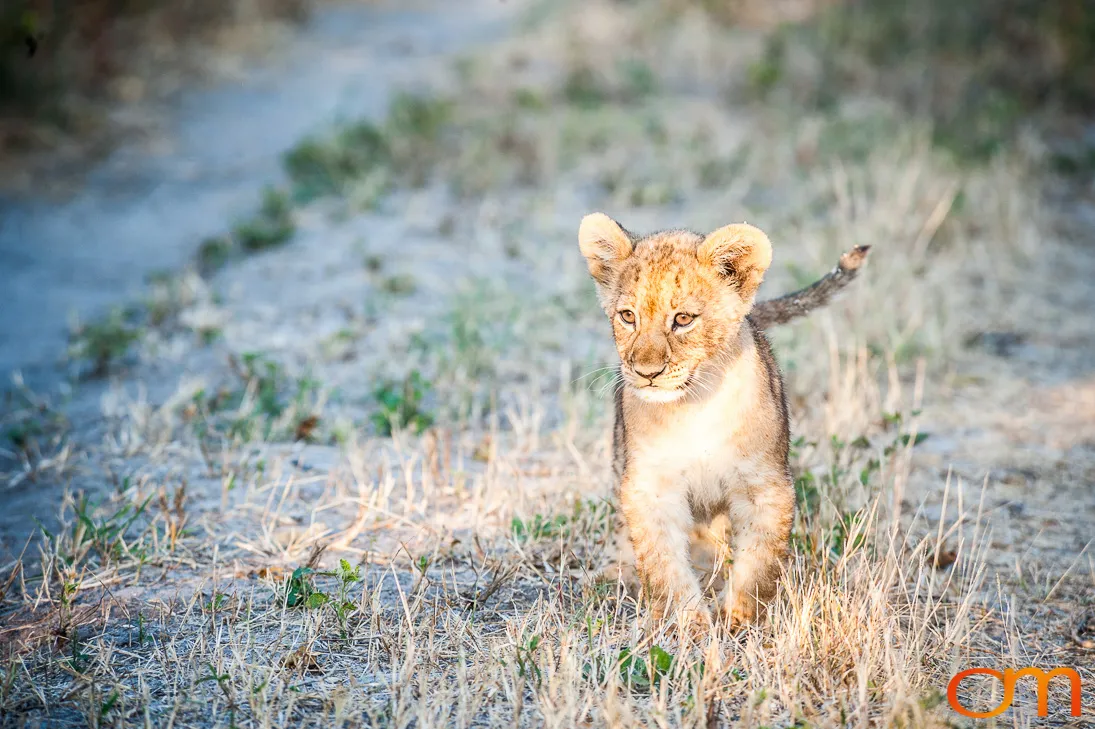
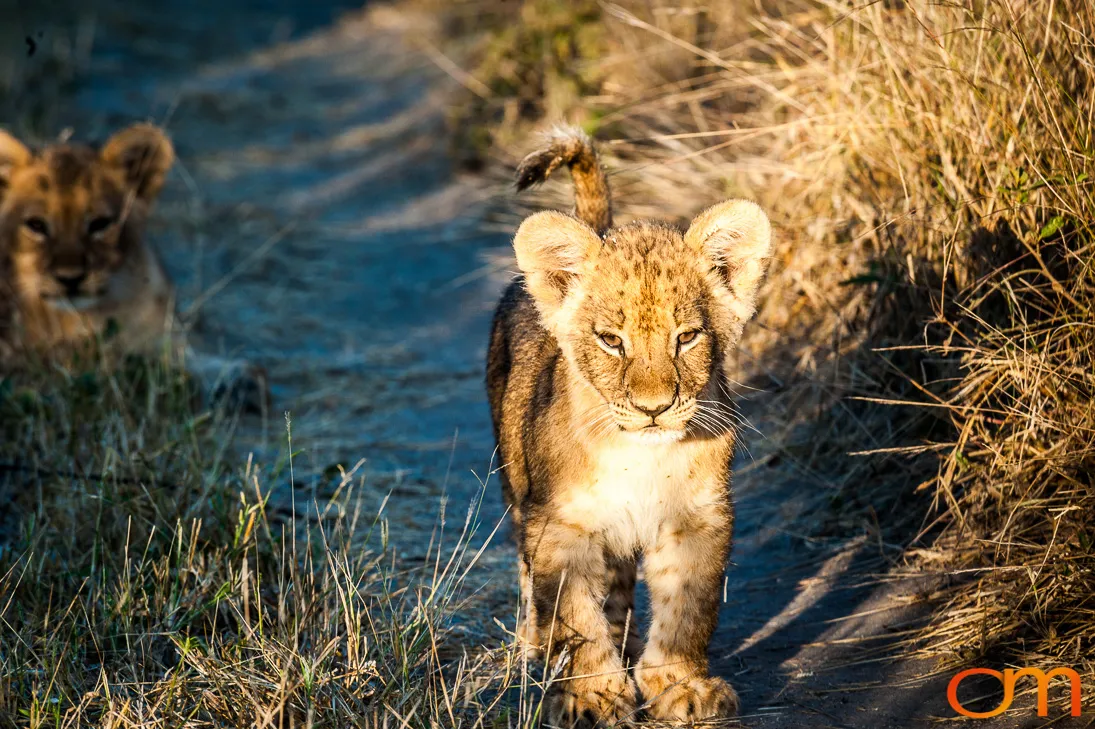
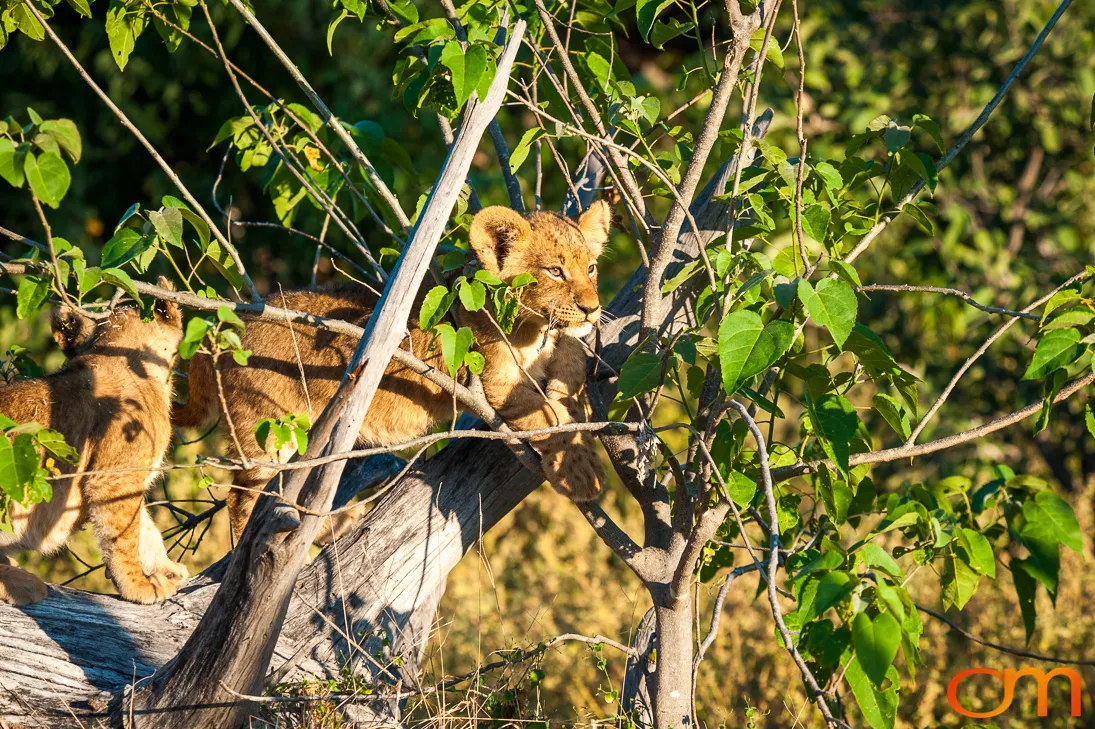
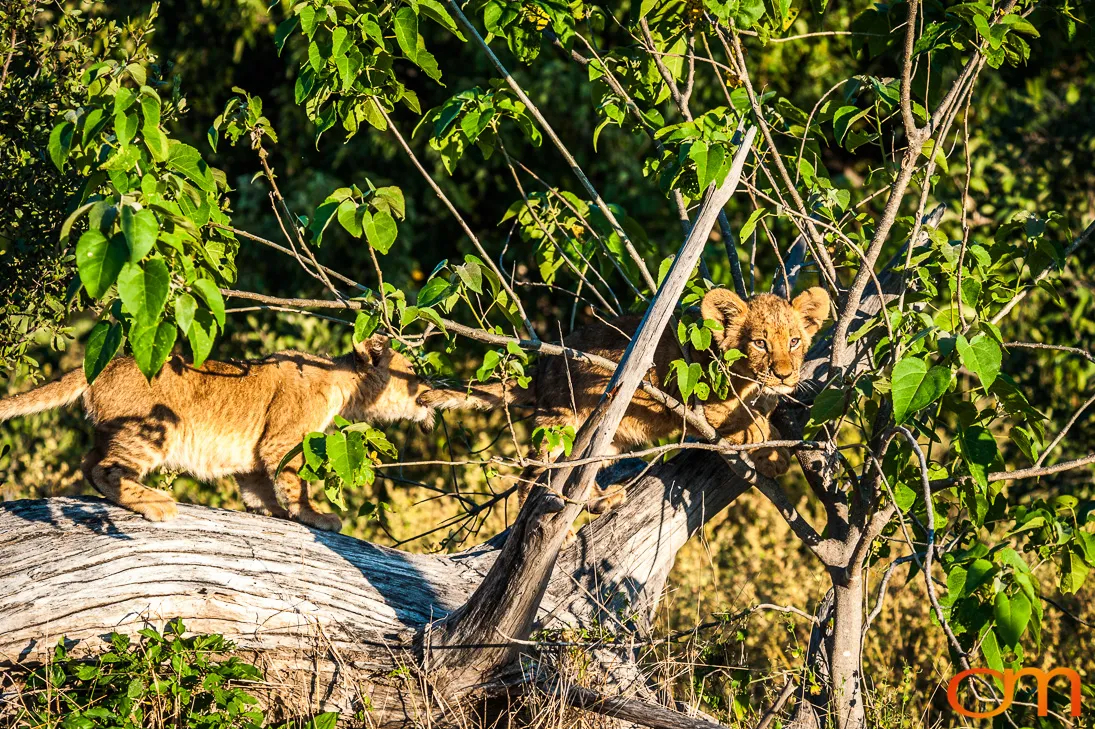
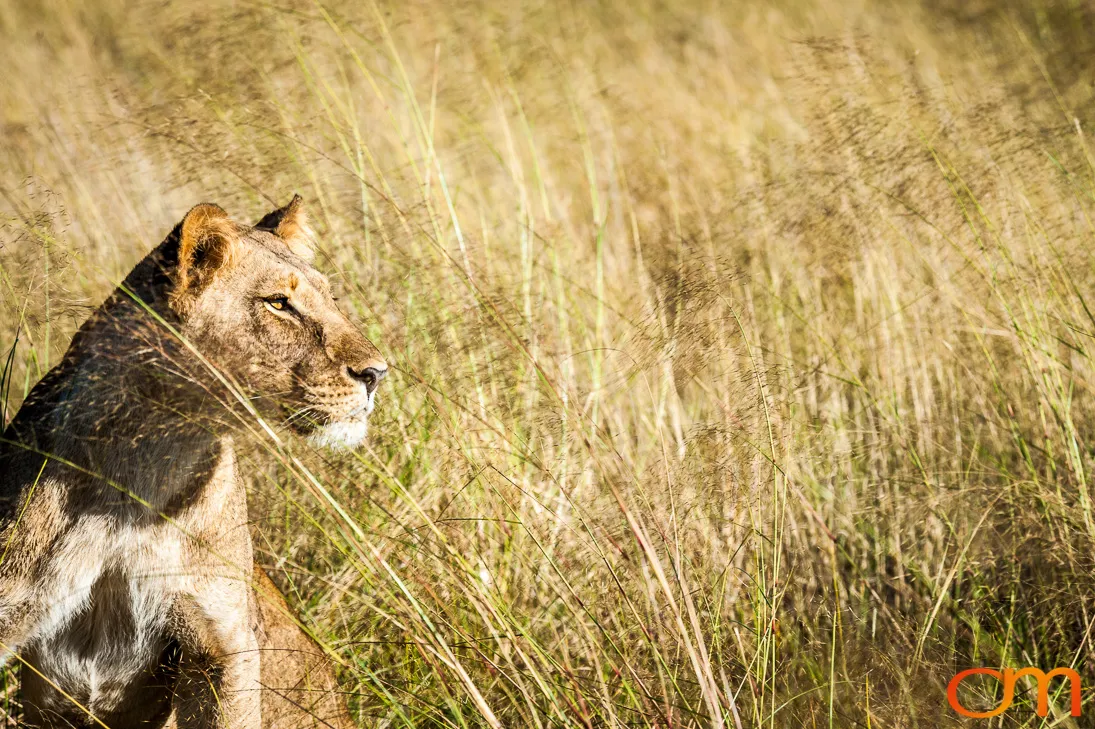
The Okavango Delta supports African lions (Panthera leo) within a landscape of seasonal floodplains, permanent channels, woodland, and dry islands. Rather than occupying a fixed environment, lions adjust their movements and habitat use as floodwaters alter the distribution of prey and accessible land. During periods of high flooding, suitable lion habitat within parts of the Delta can become divided into increasingly isolated areas.
Lions are obligate carnivores that hunt animals including antelopes, zebras, wildebeest, and African buffalo. Both male and female lions hunt, although their strategies may differ according to vegetation, prey size, group composition, and opportunity. Lions also scavenge and may take carcasses from other predators.
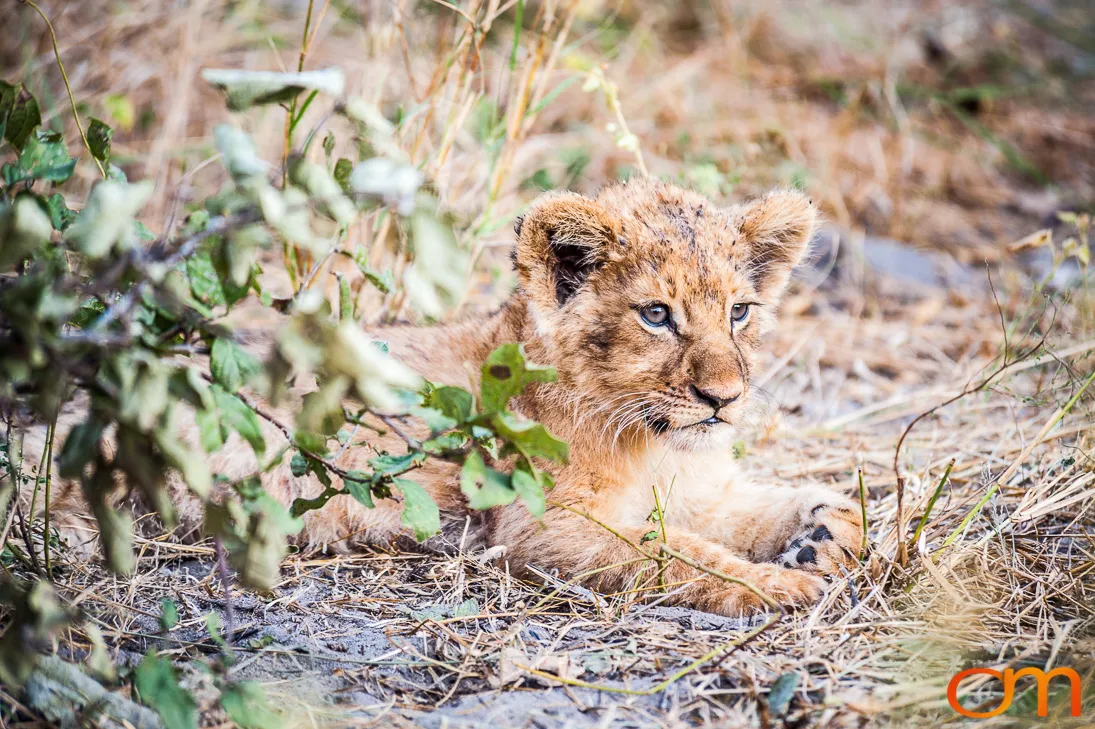
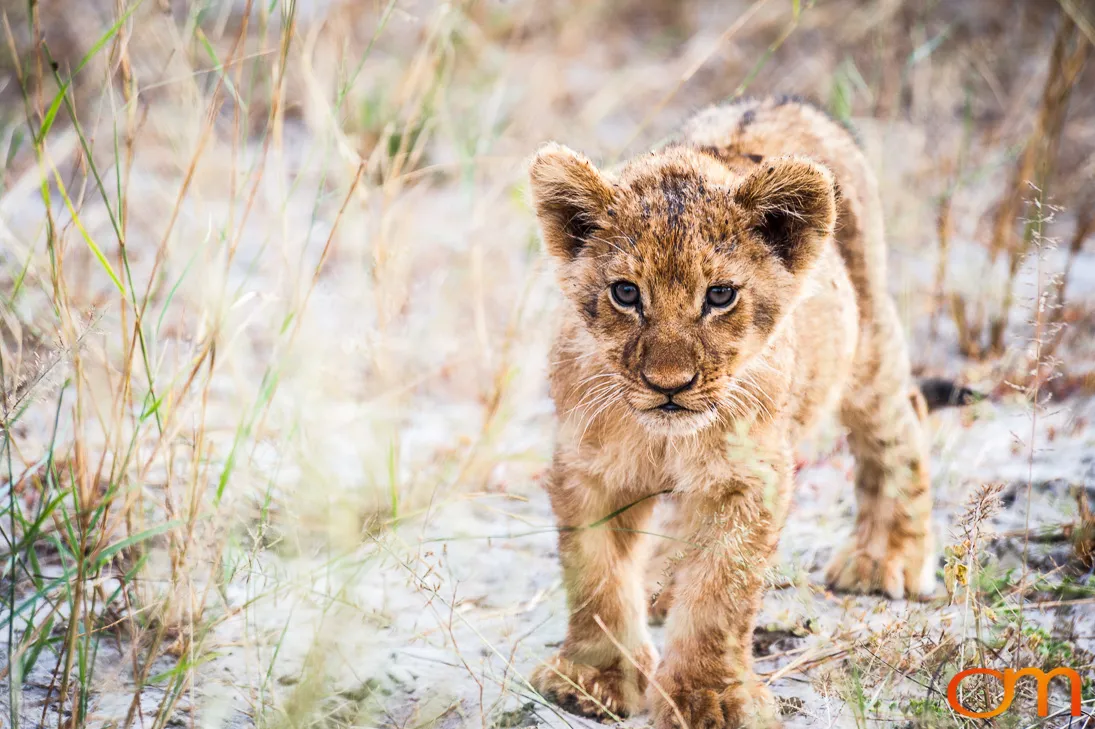
Lions are the most social of the wild cats. Their prides are generally centered on related females and their offspring, while males frequently form coalitions with brothers, cousins, or occasionally unrelated companions. Pride members may hunt cooperatively, defend territory, and help protect cubs. Related females sometimes give birth at similar times and may nurse one another’s cubs.
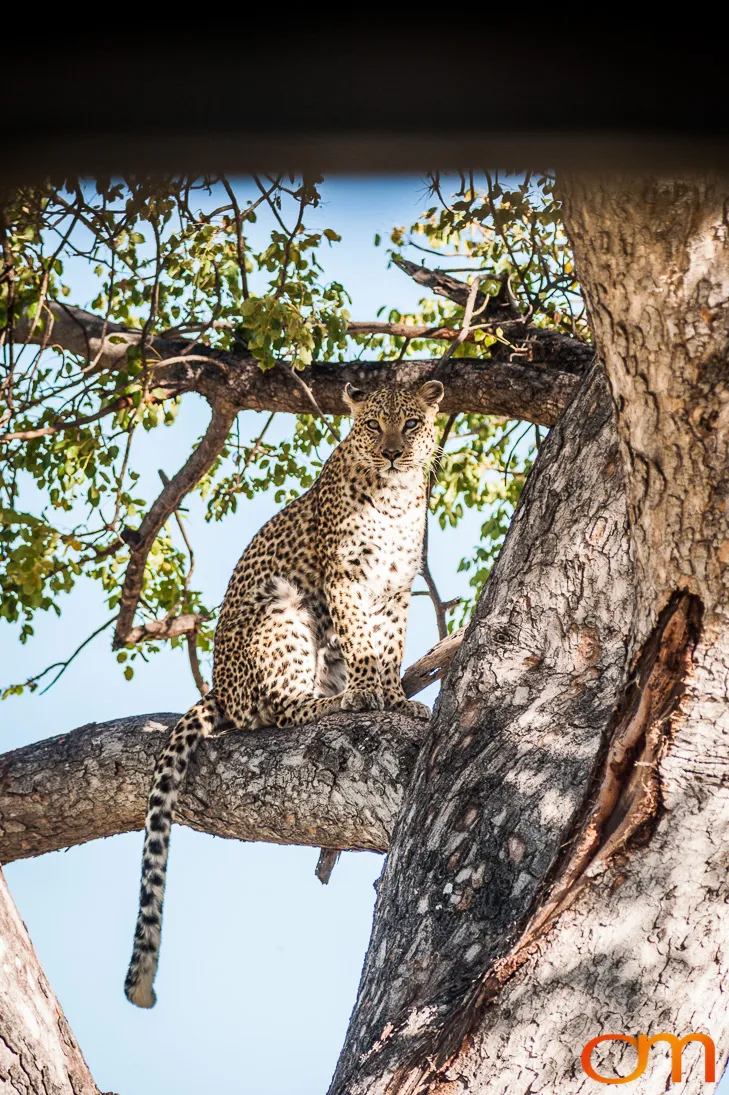
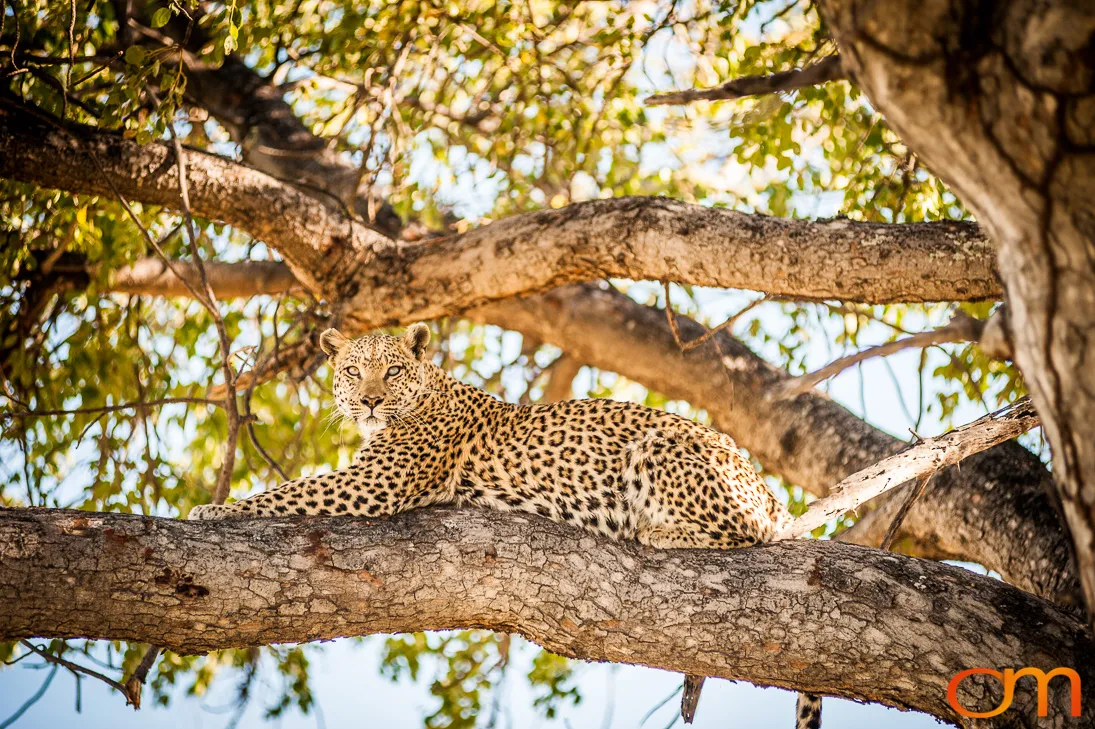
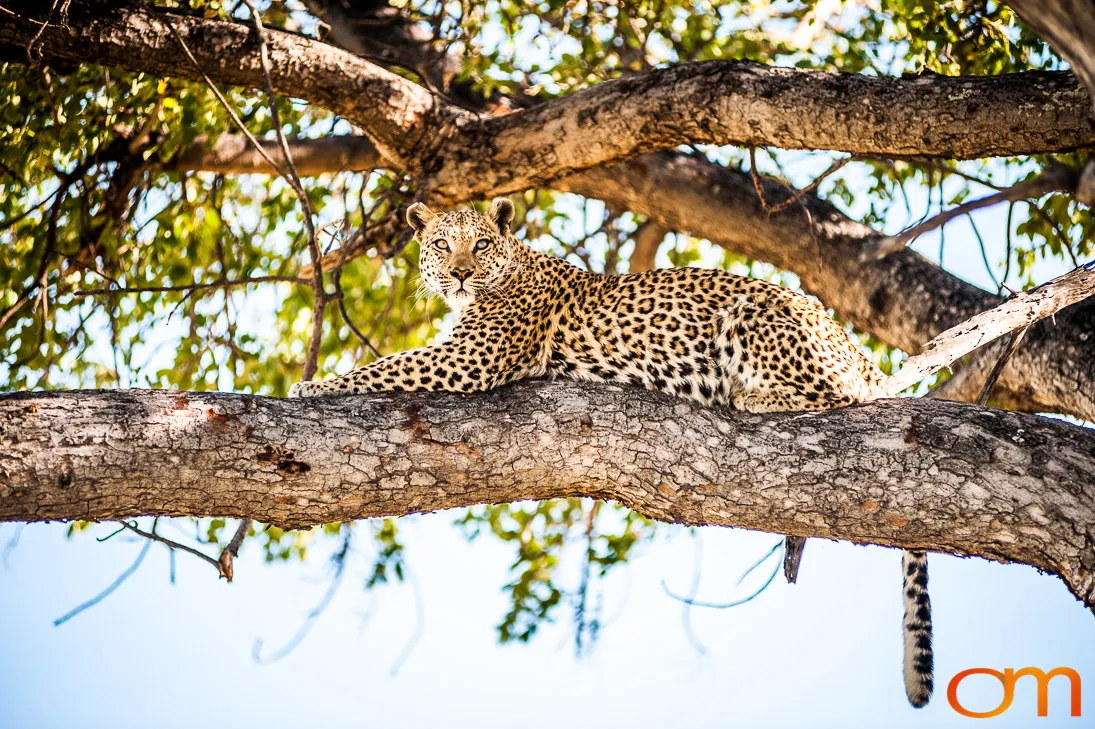
Leopards (Panthera pardus) occupy many of the same habitats but follow a very different social system. Adult leopards are primarily solitary, communicating indirectly through scent marks, scrapes, calls, and individually recognizable territories. Females raise their cubs without assistance from males.
Leopard activity is flexible rather than exclusively nocturnal. A GPS-collar study of four male leopards in the Okavango Delta found that they were most active at night and around morning and evening twilight. The animals traveled an average of approximately 11 kilometers per day, with one recording of 29 kilometers in a single day.
Although leopards are capable of rapid acceleration, they normally rely on concealment rather than prolonged pursuit. Most runs recorded during the Okavango study were shorter than 100 meters. Leopards stalk closely before launching a sudden attack, using woodland, tall vegetation, and the edges of open areas as cover.
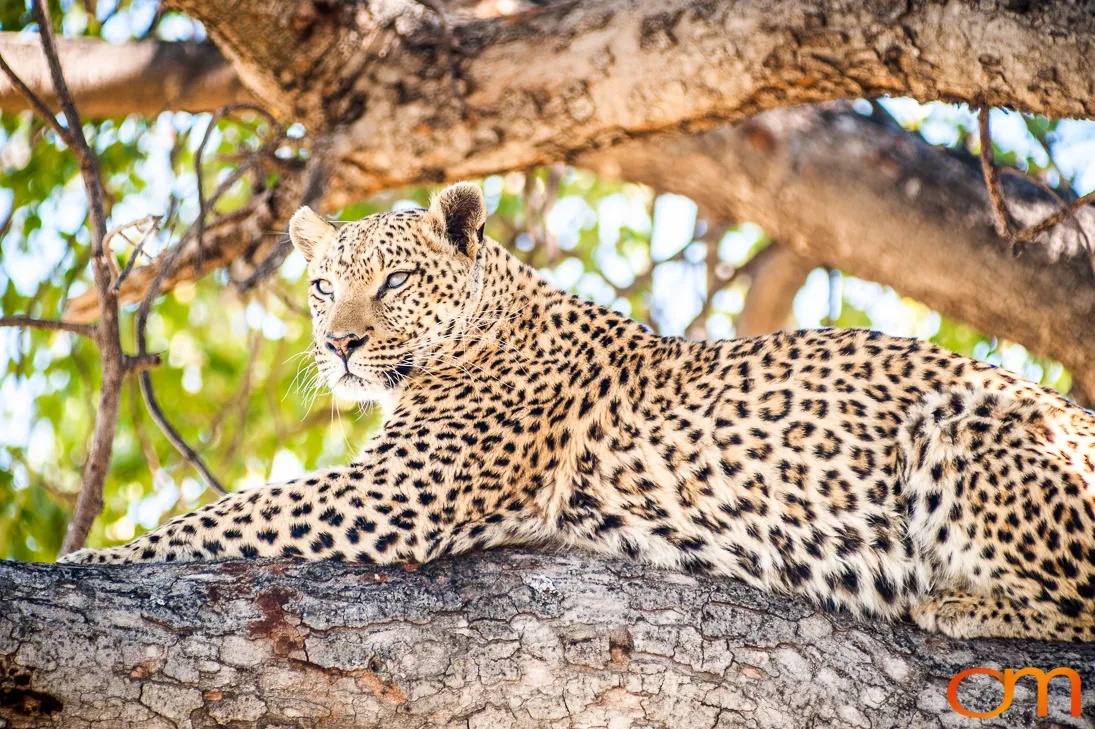
A leopard’s rosette pattern is unique enough for researchers to distinguish individual animals in photographs. Leopards may also drag carcasses into trees, where the food is less accessible to lions, hyenas, and other competitors. Their climbing ability, camouflage, flexible activity patterns, and ability to survive alongside larger predators make them exceptionally adaptable hunters.